
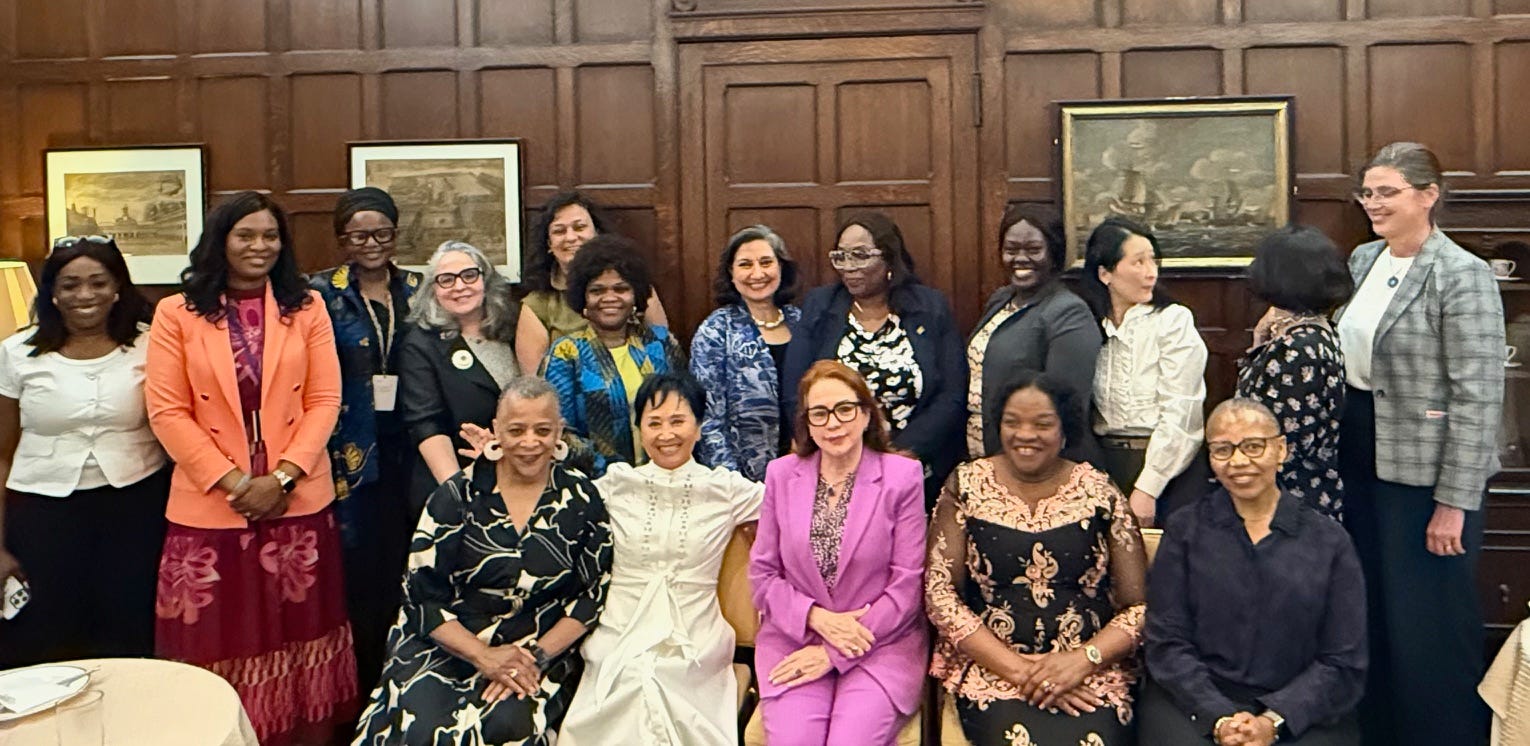
There is something quietly radical about a red dot. Small enough to fit on a map. Powerful enough to change one. Red Dot Foundation — known globally for its Safecity platform — has built its United Nations engagement on a deceptively simple premise: that every person, regardless of gender, age, or geography, deserves to move through public space without fear. It is, one might note, not a particularly controversial position. And yet, here we are.
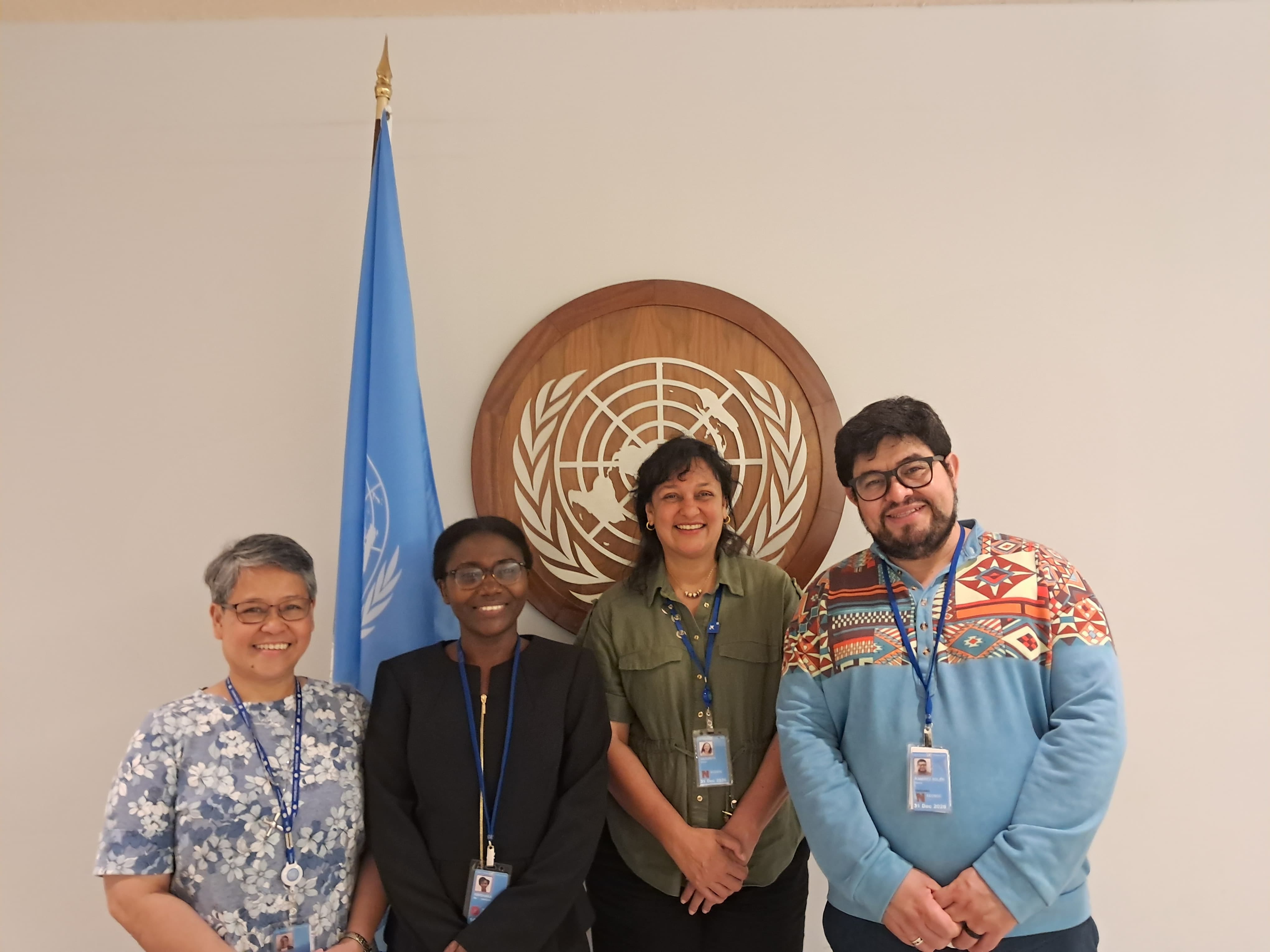
Red Dot Foundation’s presence at the UN is not incidental. It is strategic, purposeful, and because what Safecity does is something the international policy community has historically found rather uncomfortable: it puts the evidence directly in the hands of the people who live it, maps it, and refuses to let it disappear into a footnote.
Red Dot Foundation’s engagement at the United Nations sits at the intersection of several agendas that the international community has, in its collective wisdom, already agreed are important. The 2030 Agenda for Sustainable Development. The Beijing Platform for Action. The Doha Political Declaration on Social Development. SDG 5 on gender equality. SDG 10 on reduced inequalities. SDG 11 on sustainable cities and communities. One could be forgiven for thinking that safe public spaces might, by now, have their own dedicated funding stream. One would, unfortunately, be mistaken.
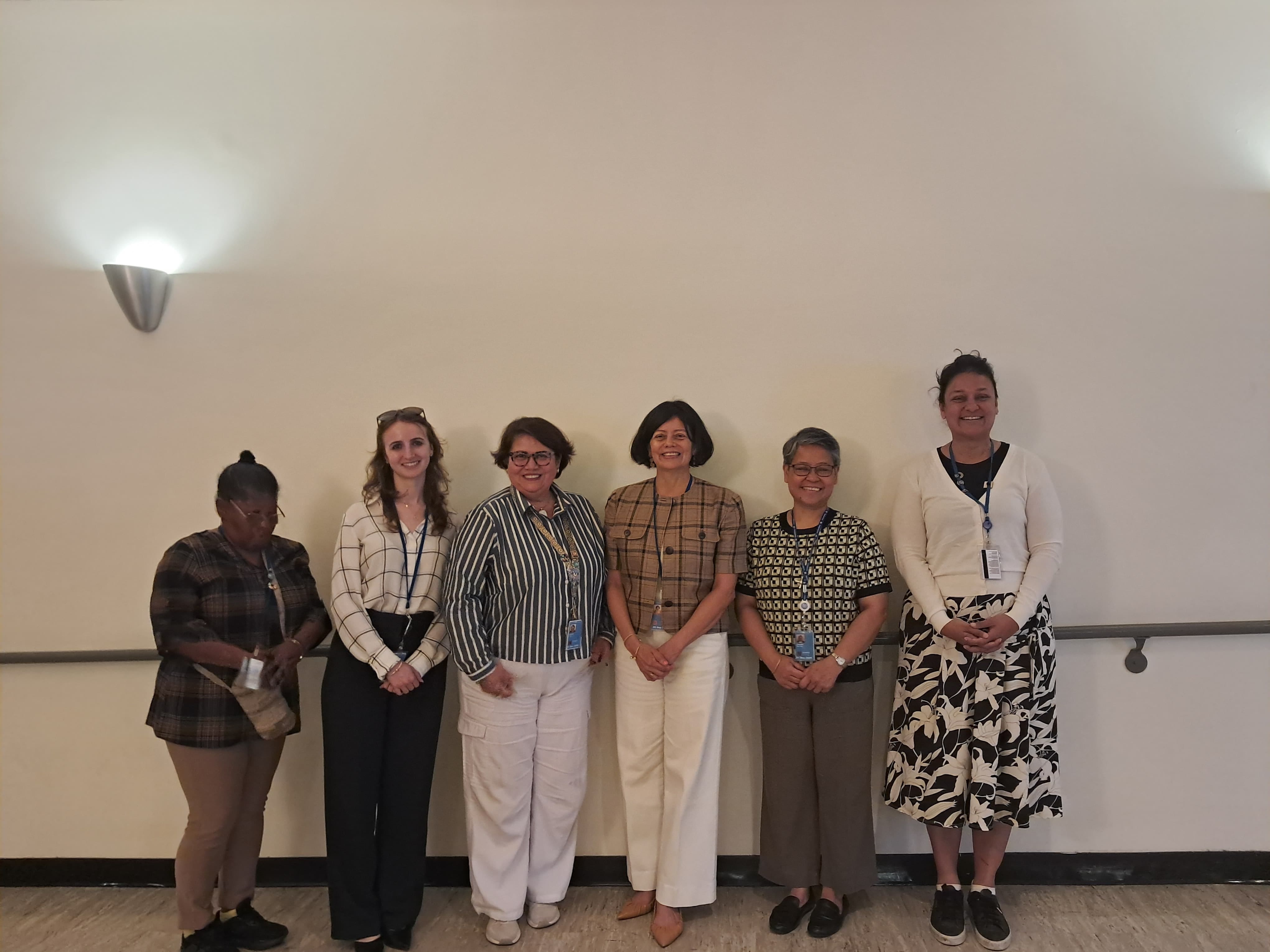
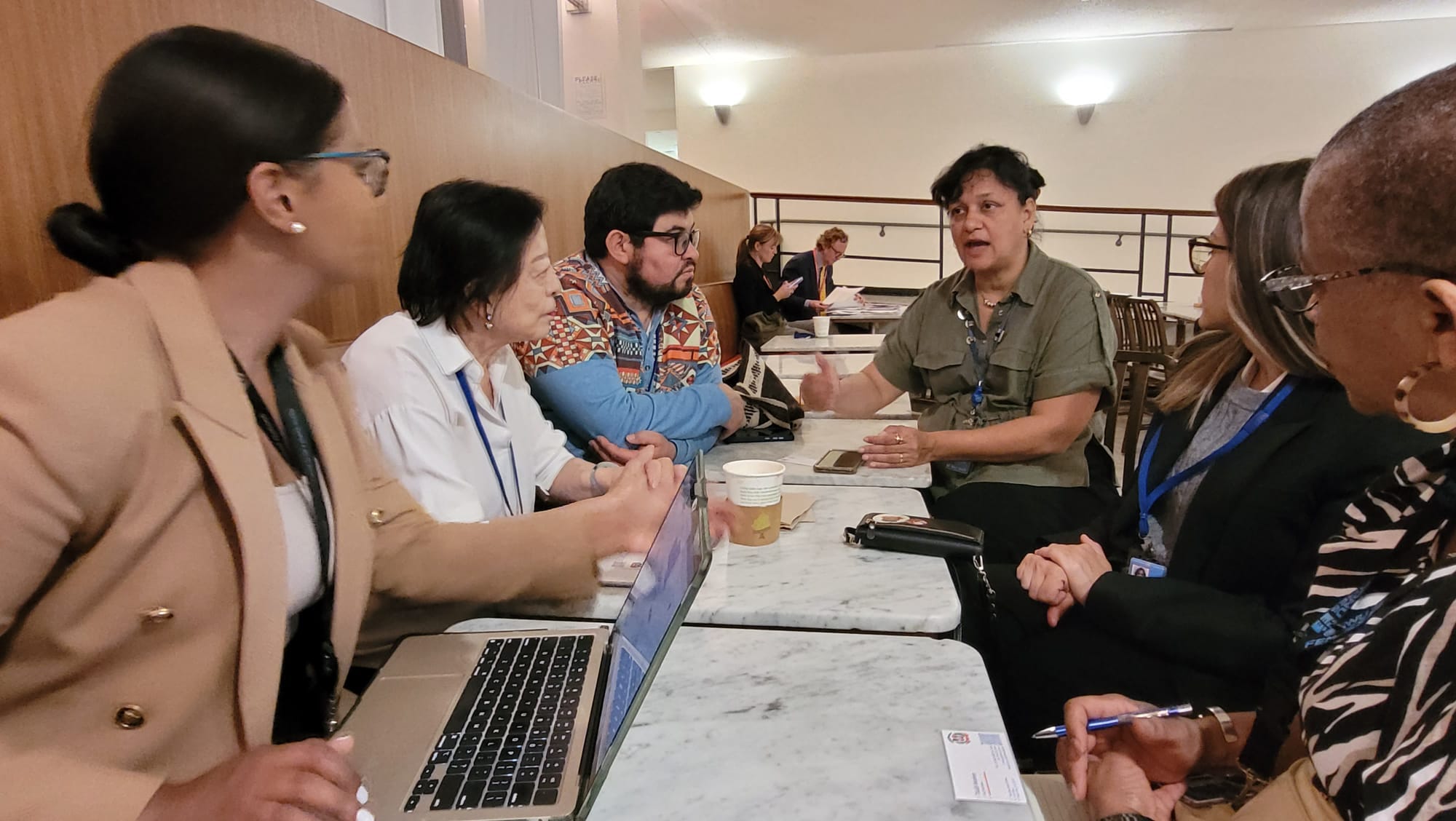
And so Red Dot Foundation does what the best civil society organizations always do: it shows up. To the Commission for Social Development. To the Commission on the Status of Women. To side events, parallel events, and the occasional very important conversation in a corridor outside a room where decisions are being made. It brings the data. It brings, with remarkable consistency, the receipts.
No posts
Comments
Nothing yet. Say the first thing.
Sign in to join the conversation.