

Congratulations! You got the job, and today is your first day! Mission accomplished, or so you thought.
You might think a rough onboarding is just something you need to survive. The truth is that a messy start can actually tell you exactly how the rest of the job will feel, so it’s time to pay close attention.
I want to say this plainly. You do not need to accept chaos as part of the deal. A shaky first week is not a personality test. It IS often a preview.
From a Talent Acquisition perspective, onboarding is one of the clearest signals a facility sends you. A strong employer plans for your success before you ever clock in. A weak employer hopes you ‘just figure it out’ somehow. That strategy is not visionary. It is lazy with a badge reel.
When I review hiring patterns, retention trends, and nurse feedback, the same issue keeps surfacing. You get excited about a new opportunity, overlook the early signs, and then spend months trying to make a poor fit feel normal. That is exhausting, and (the good news) it is avoidable.
Ideally, you want to spot the red flags early, ask smart questions, and keep your options open. That’s where The RN Network can genuinely help. Create a free profile, explore the job board, compare opportunities, and use the free Talent Agent service to be automatically matched with employers who already have openings in your area. Instead of spending hours chasing job postings one by one, let The RN Network make the introduction—so you can focus your time on finding the right opportunity, not rage-applying after a bad shift.
The first red flag is disorganization. You show up ready to work, ready to learn, and ready to make a solid impression. Then nobody knows where anything is. The manager is unavailable. The educator is out. System access is missing. The schedule looks like it was built during a coffee shortage.

Some first-day hiccups are normal. Healthcare is complex, and even the best organizations encounter the occasional delay or unexpected challenge. Still, there is a significant difference between a minor inconvenience and a complete lack of structure. Just as important is the quality of the leadership within your department. A strong leadership team sets expectations, communicates clearly, supports new hires, and creates an environment where nurses can succeed from day one. If the onboarding process feels disorganized or leadership seems disengaged before you’ve even started, it’s worth paying attention—those early experiences often reflect the culture you’ll encounter once you’re on the unit.
Here is what I want you to watch for:
No clear orientation roadmap
Strong employers can show you what training looks like, what competencies matter, who is responsible for support, and how progress gets measured. If nobody can explain the plan, there truly may be no plan.Pressure to rush through skills
If you are pushed to check off competencies fast to fill a staffing hole, that is not effective onboarding. That is short-term patchwork dressed up as urgency.Basic access problems that drag on
Badge issues, login issues, payroll issues, locker issues. One problem is annoying. Five ongoing problems usually point to a system that is disconnected and reactive.
You should also ask about growth early. A quality employer can explain how you move forward, not just how you fill next week’s schedule. If that conversation gets vague fast, pay attention. It helps to compare roles using the RN Network salary database and review openings on the job board so your expectations stay grounded in the market.
The second red flag is inconsistent mentorship. You need support, especially during transition. That does not make you needy. That makes you a new employee who needs time to learn processes and protocols for THIS employer.
A common problem shows up when you are handed off to a different preceptor every shift. One person says “I want you to chart this way.” Another says “Do not ever do it that way.” A third is too overloaded to teach anything beyond survival mode. By the end of the week, you know everyone’s preferences and nobody’s actual standard.
That kind of onboarding creates confusion fast. It also damages your confidence. You start wondering whether you are behind when the real issue is that the system keeps moving the goalposts.

Here are the signs that mentorship is weak:
The preceptor is overloaded
If your assigned mentor is carrying a heavy load with no space to teach, the employer is not protecting the onboarding process.Every shift comes with different rules
Variation exists in every workplace. Constant contradiction is something else. It usually means there is no shared standard.No one feels accountable for your progress
You should know who is tracking your development, who answers your questions, and who owns your orientation experience.
If your preceptor situation feels inconsistent, ground yourself in facts instead of frustration. Write down what each person is asking you to do, note where the instructions conflict, and look for the unit standard behind the noise. That helps you separate personal preference from actual policy.
You can also advocate for yourself without sounding dramatic. Try simple language that keeps the conversation professional and focused on patient care. Say you want consistency in expectations. Say you want to follow the unit standard. Say you want clarity on who should evaluate your progress. That approach shows maturity and keeps the discussion centered on safe practice.
The third red flag is turnover hiding in plain sight. You can learn a lot by simply looking around.
Is there a healthy mix of experience on the unit? Are there long-term staff members who know the culture and help stabilize the floor? Are travelers being used strategically, or does the entire staffing model feel like an emergency substitute plan?
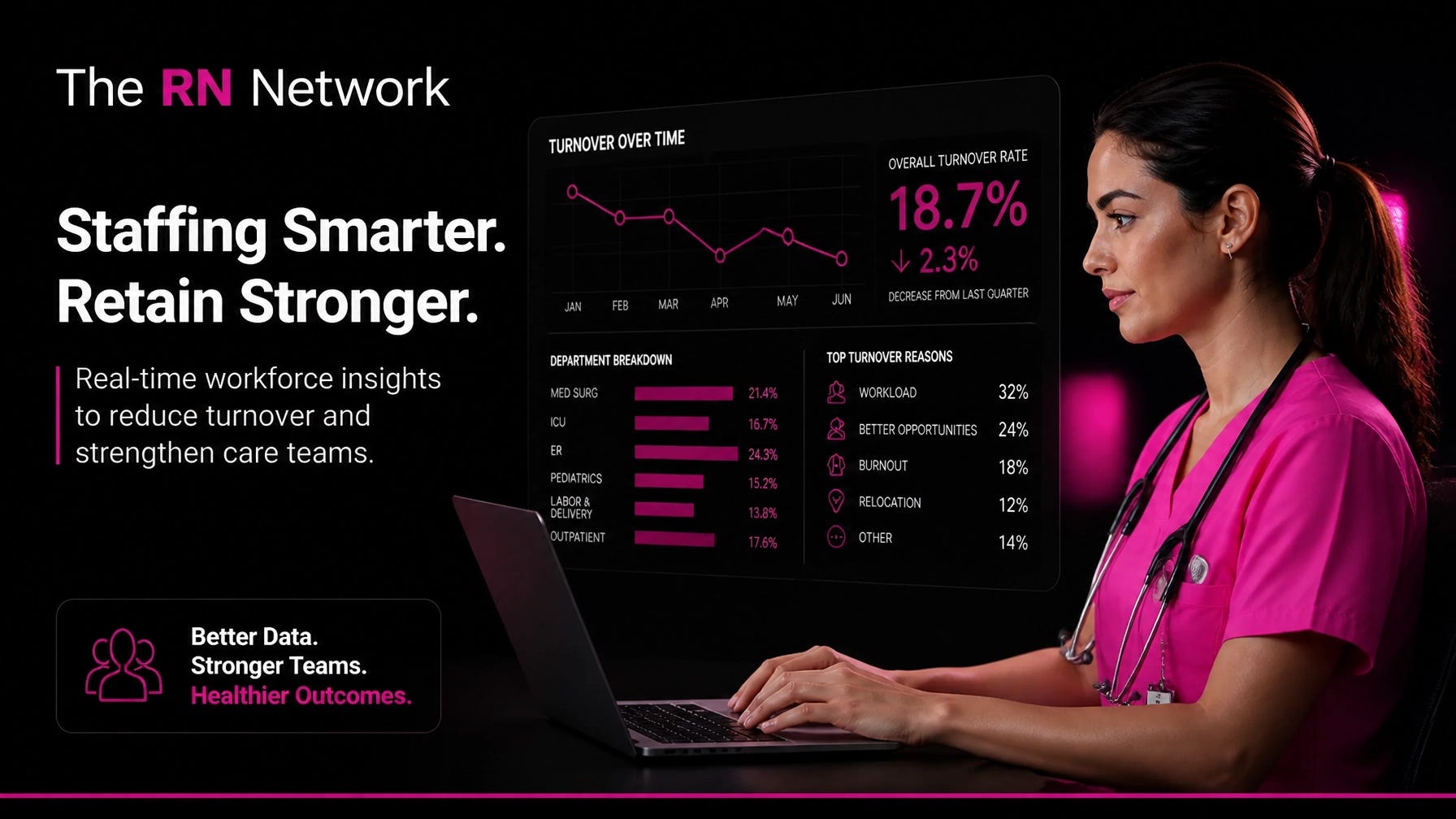
A balanced team usually includes newer nurses, mid-career nurses, and experienced anchors. When that balance disappears, there is almost always a reason.
Here is what to assess:
Heavy traveler dependence
Travelers are valuable. Many are exceptional. A unit that relies too heavily on temporary staffing almost always has a deeper retention issue underneath it.Recent exits keep coming up in conversation
If several nurses left the org in a short period of time, ask why. The answer matters.Leadership gets defensive about turnover
Strong leaders can discuss retention honestly and explain the steps they are taking to improve it. Weak leaders blame everyone else and call it strategy.
This is also the time to gather information instead of making a rushed decision. If you’re noticing multiple red flags, take a step back before assuming the situation will improve on its own. Ask questions, talk with trusted colleagues or mentors, and evaluate whether what you’re experiencing is an isolated issue or a reflection of the organization’s culture. The more informed you are, the more confident you’ll be in deciding whether to stay, advocate for change, or begin exploring other opportunities.
Seeing red flags does not mean you failed. It means you noticed what matters. That is a professional strength.
The next move is not panic. The next move is information.
Document what is happening.
Write down missed orientation elements, last-minute changes, inconsistent preceptor assignments, and any gap between what was promised and what is happening now. Keep it factual. Keep it clean. Keep it specific.
Ask for clarity.
Request a meeting with the manager or educator. You do not need to sound confrontational. Calm and direct works best to achieve your mutual goals.
Try language like this:
Show me the orientation roadmap for this unit
Check my progress against the required competencies
Help me understand who owns my onboarding support
Walk me through the next two weeks so I know what success looks like
Pro Tip: Ask about the first two weeks in onboarding (if offered the role) during your interview, so you know what to expect.
This approach demonstrates professionalism—and it often reveals more than you might expect. Strong leaders respond with clarity, transparency, and confidence. Disorganized leaders tend to respond with vague answers, inconsistency, or uncertainty.
Protect your options before frustration turns into burnout.
This is where I encourage you to think strategically. Don’t wait until you’re emotionally exhausted or dreading every shift before considering your next move. Instead, create a backup plan while you’re still thinking clearly and making decisions from a position of confidence rather than desperation.
Take time to assess the market, update your résumé, reconnect with your professional network, and explore what opportunities are available in your area. Even if you ultimately decide to stay, knowing you have options can reduce stress and help you approach challenges with a clearer perspective.
Remember, exploring opportunities doesn’t obligate you to leave. It simply gives you the information you need to make thoughtful career decisions. The strongest career moves are rarely reactive—they’re intentional, informed, and made before burnout has the chance to make the decision for you.
A poor onboarding experience is more than an inconvenience—it can shape your confidence, influence your clinical growth, impact your job satisfaction, and ultimately affect how long you remain in a role. You deserve better than spending months recovering from a hiring decision when the warning signs were already visible during your first week.
From a talent acquisition perspective, high-performing healthcare organizations understand this well. They recognize that onboarding is one of the strongest predictors of retention, that replacing experienced nurses is both costly and disruptive, and that meaningful support during the first weeks and months of employment isn’t a luxury—it’s a strategic investment in long-term success.

That is why I encourage you to evaluate employers with the same thoughtfulness they use to evaluate you. A successful employment relationship should be a mutual fit. You are not expecting perfection—you are looking for structure, support, honest communication, and a clear path to success. Those aren’t unrealistic expectations; they’re the foundation of a healthy work environment.
The best career decisions are made when you have good information. Take the time to research prospective employers, ask meaningful questions during the interview process, and pay attention to what you experience throughout onboarding. The impressions you form during those early weeks often provide valuable insight into the culture, leadership, and level of support you can expect long term.
If onboarding feels disorganized, don’t ignore that instinct. Take the time to understand whether you’re experiencing an isolated challenge or seeing the early signs of a broader organizational issue.
If support feels inconsistent, raise your concerns professionally and ask for clarity. Strong leaders welcome thoughtful questions and are willing to provide direction.
If the culture feels unstable or your concerns continue to grow, remember that exploring your options is a sign of good career management—not disloyalty.
You don’t have to remain in a role that began with confusion and continues without meaningful improvement. Every position should provide the foundation you need to learn, grow, and deliver excellent patient care.
A strong nursing career isn’t built by overlooking red flags or hoping they resolve themselves. It’s built by paying attention, asking thoughtful questions, advocating for yourself, and choosing organizations that invest in their people from day one.
Thanks for reading The RN Network - The Career Edge Every Nurse Deserves!! This post is public so feel free to share it.
Comments
Nothing yet. Say the first thing.
Sign in to join the conversation.