
I recently spent ten glorious days as the writer-in-residence at the Hemingway House in Ketchum, Idaho. Overlooking the Wood River valley and ringed by snowcapped mountains, the residence is an idyllic spot for a writing retreat. It also happens to be the converted garage of the house Hemingway lived in with his fourth wife, Mary Welsh, for the addled last years of his life while working on A Moveable Feast and The Garden of Eden, punctuated by bouts of electroshock therapy, paranoia, and brain trauma, until in 1961 he finally called it quits.
Spooky though it may sound, the vibe of the house is serene. Ernest’s ghost is a benevolent presence and the residence is bright and inviting. I also came to think of the home, after reading Mary Welsh’s memoir How it Was, as more her place than his. An adventurous spirit and former journalist, Mary was the executrix of Hemingway’s literary estate, a task she helmed from the house in Ketchum in the decades following his death.
The first time I was invited for a residency, three years ago, I found myself diving headlong into Hemingwayana. I hadn’t really planned to, but the spirit of the place compelled me. I read and reread the story collections (my favorites: Indian Camp, The Short Happy Life of Francis Macomber, A Clean Well-Lighted Place, and The Killers). I reread A Moveable Feast and Death in the Afternoon, longtime favorites, and watched the Ken Burns doc. This Hemingway immersion therapy shaped the novel I was working on there (at the time a large Word doc called Pacifica, now a real book called World Pacific).
On this latest visit, I took another plunge into Papa (god, I hate that nickname— can you imagine being in your thirties and instructing people other than your own children to call you Papa? What a hard-on). I read the first volume of his collected letters— all youthful bluster and signing his nickname “Hemingstein” with a doodle of an ebullient beer stein. I read the strange and terrible posthumous novel Garden of Eden (to be fair, it wasn’t finished when he died and he still managed to get in some good martini drinking scenes in the south of France). And to my utter delight I reread A Farewell to Arms.
All the cool kids say The Sun Also Rises is his best novel, and sure, it’s great and you can’t top that final line, but it’s got nothing on A Farewell to Arms. Love and war on the Isonzo, replete with romance, heartbreak, adventure, and lost generation disillusionment, but what makes it great is that it’s also bitterly funny (a lot funnier than those drunken jerks watching bullfights in Spain). This protects the novel from the possible traps of sentimental melodrama or brooding ‘war is hell’ cliches, and elevates it, at least in moments, to tragicomedy.
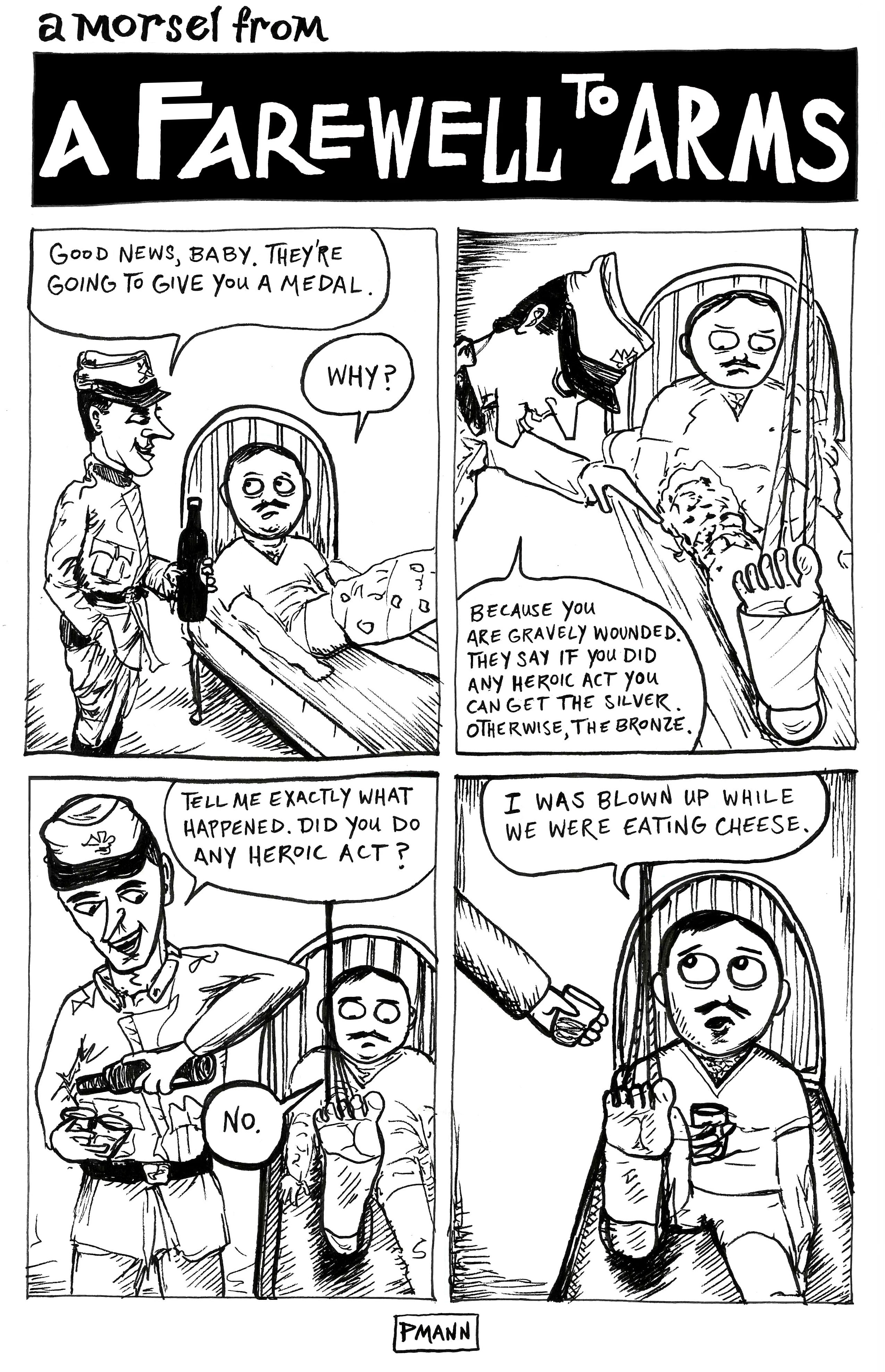
Here’s a little comic from a scene that made me chuckle like an idiot all alone in Ernest’s basement.
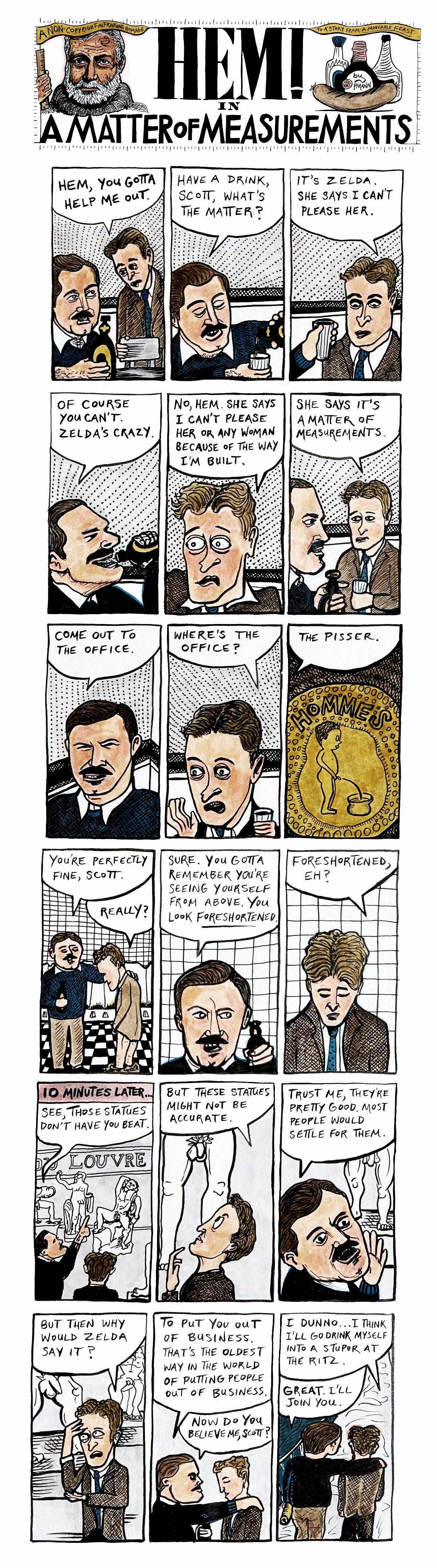
And here’s a comic from A Moveable Feast that I made during my first stint at the house in 2023:
And, finally, here is a visitor who came to hang out with me late one afternoon.
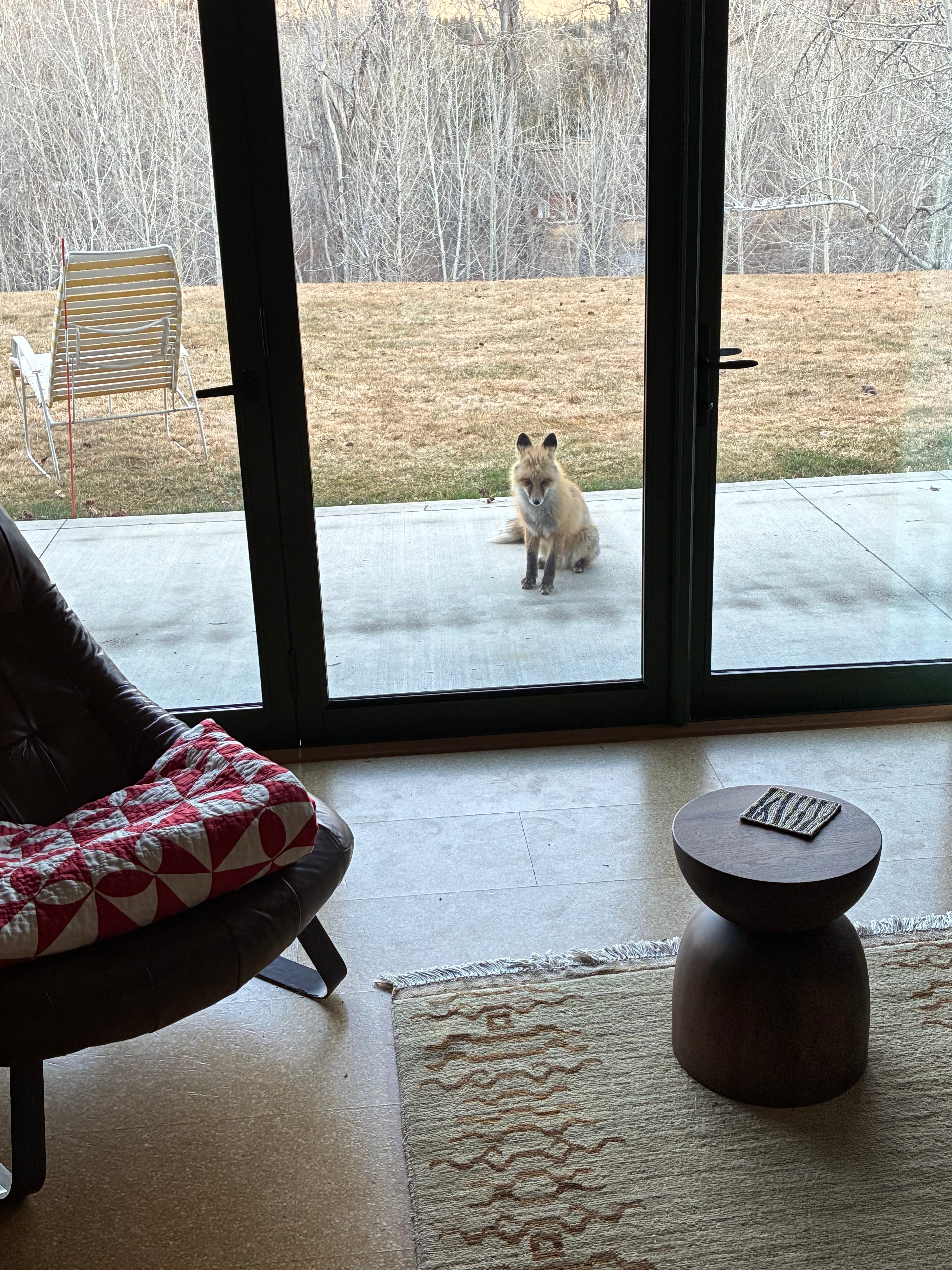

I know about Reynard’s reputation for cunning, but this guy was a guileless sweetie pie and we are now best friends.
Cheers,
Peter
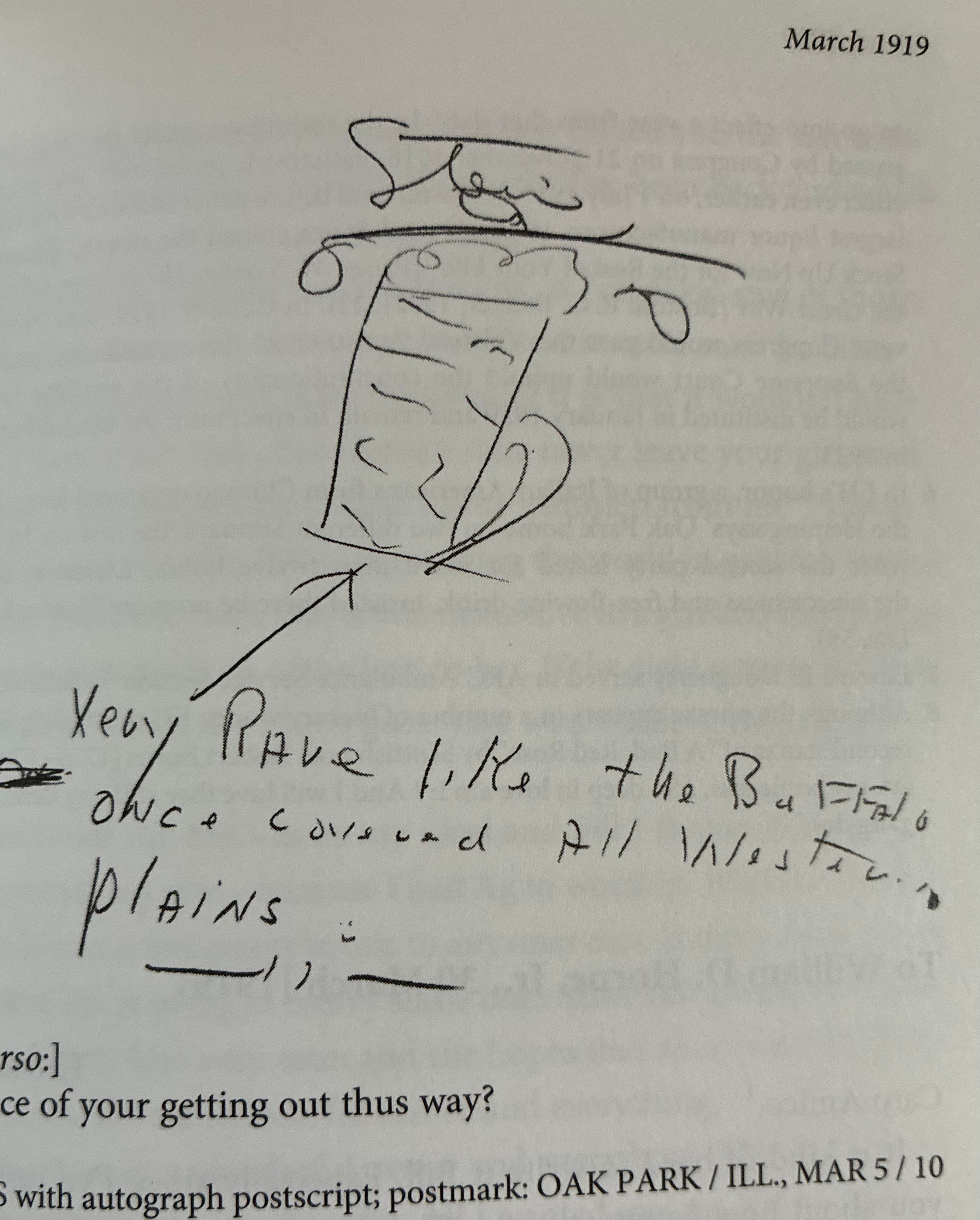
Caption: The “Hemingstein” stein
Comments
Nothing yet. Say the first thing.
Sign in to join the conversation.