
I used to watch people die in movies. It was sad, of course. I felt for the characters. I cried once in a while. But eventually the credits rolled, the lights came on, and I returned to my own life. Now, I sometimes have to turn it off altogether.
Grief has a way of recognizing itself. It doesn’t matter that it’s fiction (most of the time). My body doesn’t seem to care. It knows that expression on someone’s face before they hear the news… It knows the silence that follows the phone call. It knows the moment when the future you imagined collapses.
The scene lasts two minutes. My nervous system is back there in an instant and stays there much longer.
People say that time heals all wounds. I understand why. For many kinds of pain, it does. We adapt, rebuild. We rediscover joy. We laugh without feeling guilty.
Life slowly stretches around the fracture until the crack no longer feels like the whole story. But I don’t know if every loss follows that trajectory. Some losses don’t seem to become smaller. Instead, they become woven into the fabric of who you are.
The strange thing about profound grief is that memory isn’t only cognitive. It’s physical. There are moments when you aren’t remembering what happened but reliving it. Your chest tightens before your mind catches up. Your stomach sinks and breathing changes. A single scene in a film becomes a doorway and suddenly you’re no longer watching someone else lose the person they love. You’re standing in the exact place you were when your own world split into a before and an after.
The body has an astonishing memory. Sometimes it remembers what the mind has spent years trying to organize into a story. I guess this is why grief surprises us years later. There are experiences that permanently change the architecture of your emotional world.
Once you’ve loved someone enough that losing them rearranges your existence, you cannot un-know that feeling. You recognize it everywhere. In strangers. In novels. In songs. In films. Someone else’s story brushes against your own, and for a moment the distance between then and now disappears.
I don’t think becoming more emotional is a sign of becoming weaker. If anything, I think it’s the opposite. Loss expands our capacity to recognize suffering. The grief that once belonged only to us slowly becomes a bridge into everyone else’s.
We see the father standing alone in the hospital hallway. The daughter making one final phone call. The friend who wasn’t ready. The spouse setting the table for one. And because we’ve stood somewhere adjacent to that landscape ourselves, their pain no longer feels familiar.
Sometimes I wonder if this is one of grief’s quiet gifts. Not the pain itself. I would never call that a gift. But the way it softens the boundaries between us. The way it makes another person’s heartbreak immediately intelligible. The way it teaches us that everyone we pass is almost certainly carrying someone they wish they could speak to one more time.
People often ask when grief ends. I don’t know that it does. I think it changes shape. It becomes less like a storm and more like the tide. Most days it stays quietly in the distance. Then something (a line in a movie, an old photograph, a familiar laugh, a certain month on the calendar) pulls it back to shore.
And for a while it feels impossibly close again, love has remarkable endurance.
Maybe time doesn’t heal every wound and some wounds simply become part of the landscape. Permanent evidence that someone mattered enough to leave an absence no amount of time could erase.
The real tragedy of grief— loving someone deeply means accepting there may always be moments when their absence feels as immediate as the day you lost them.
Some grief doesn’t lessen because the love it came from never did.
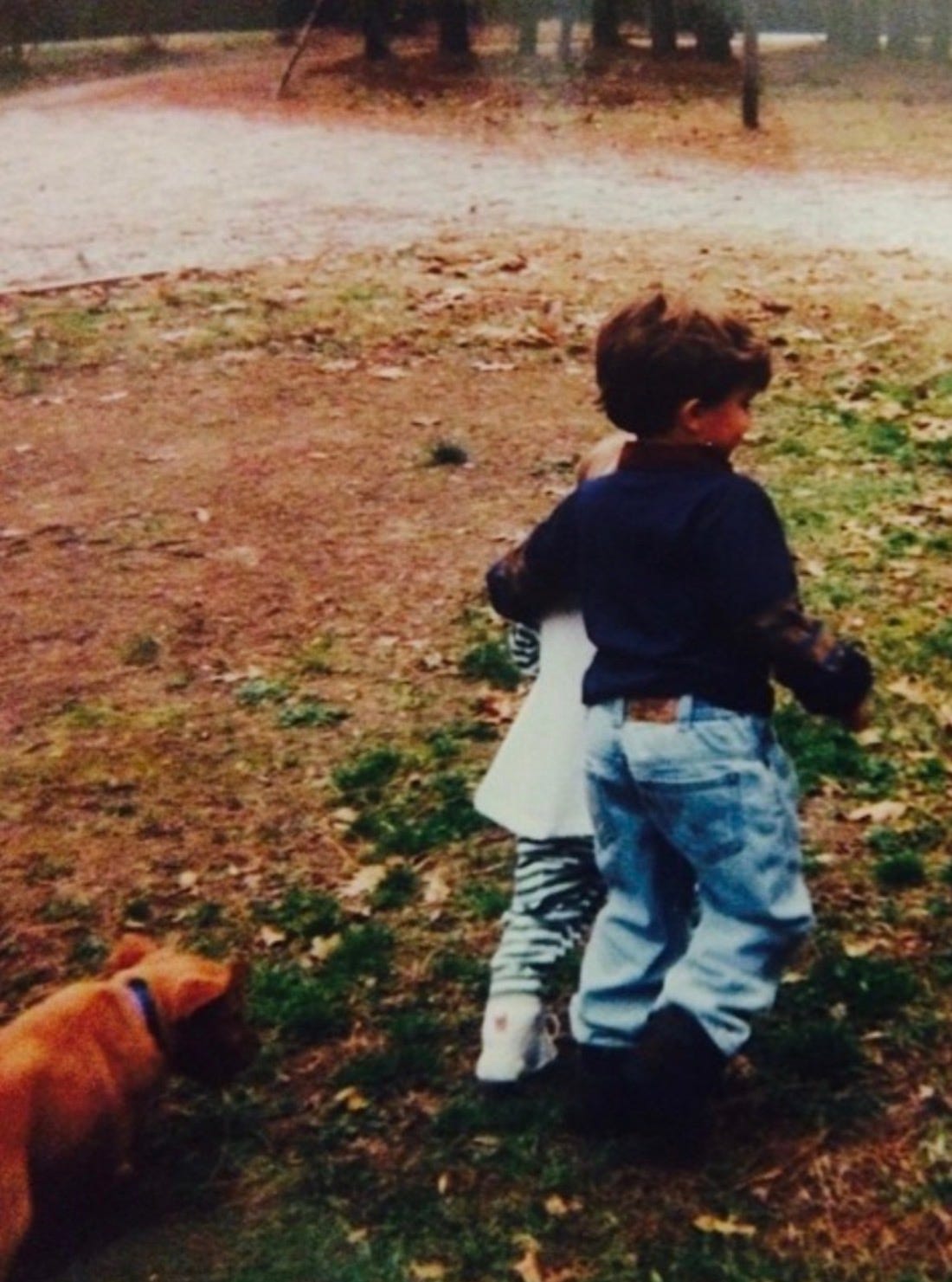
Dedicated to my brother.
Comments
Nothing yet. Say the first thing.
Sign in to join the conversation.