
Dear mental health advocate,
Growing up is not always easy. Parents have their own baggage they bring with them, often the result of their upbringing. There is in many cases a mix of mental health disorders, trauma, financial strains, environmental challenges, illness or lack of emotional skills. All these factors have a strong effect on their children. In such situations where parents or caregivers are not able to provide a sustainably safe home environment, their children are mentally impacted. It is very common for them to then develop a role to divert emotional attention away from the dysfunctionality. In today’s premium edition of The Present Psychologist Paper I will discuss which common child roles exist in unsustainable family dynamics. Keep on reading!
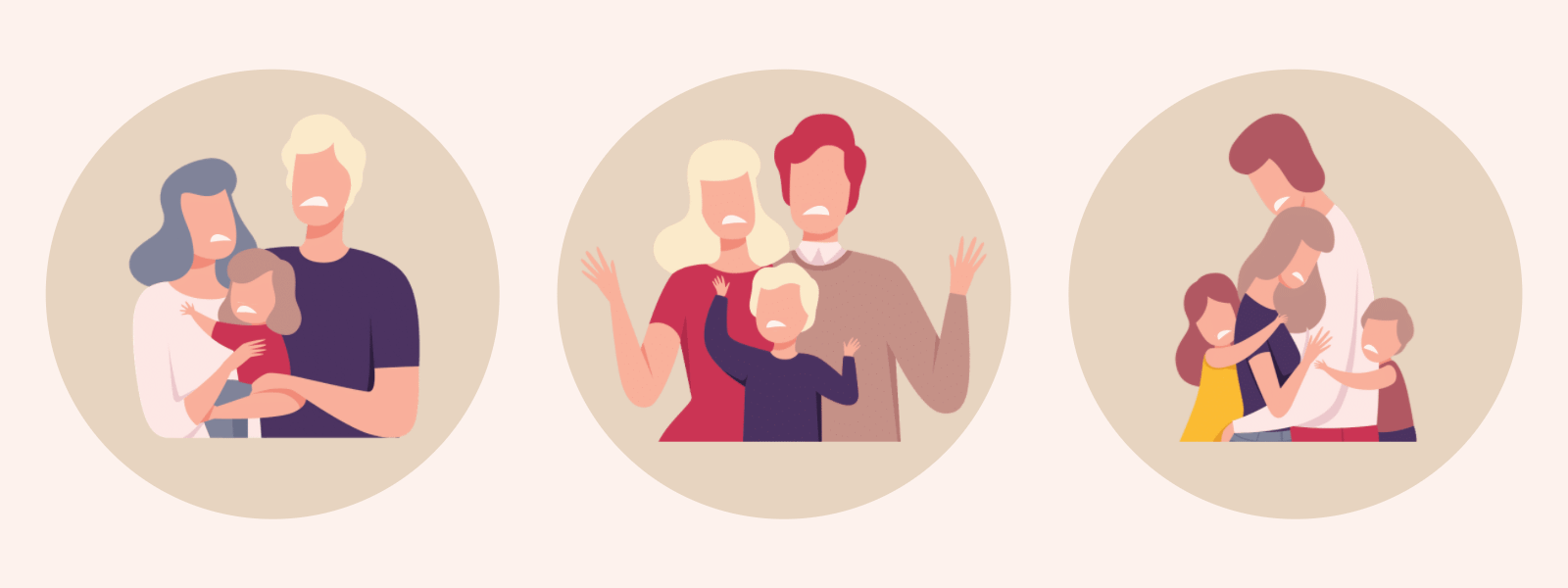
Let me start this article with noting the fact that no family is perfect. We all have fights with our parents, brothers, sisters, children. We can say hurtful things, act in our own interest and sometimes betray the people we love. It is pretty normal to have ups and downs. Life is not easy and the struggles as a family, especially when living together, will likely affect all members of the household in some way. Psychologists do not just define a family with a few issues as dysfunctional, because everyone has struggles and problems. Avoid quickly labelling your own family as dysfunctional just because there are troubles here and there.
Why is that so? Because a dysfunctional family, like the name suggests, does not function at all like it should. It does not ensure all members have their needs met or protect their mental health. Before you are reflecting on your own family history and potential dysfunction, it is good to look at the definition and how mental health professionals actually describe the concept of a ‘dysfunctional family’. The definition is a bit tricky, as the concept is a collection of various problems. McGraw-Hill has provided one which explains it very well:
A family with multiple ‘internal’– e.g. sibling rivalries, parent-child– conflicts, domestic violence, mental illness, single parenthood, or ‘external’–e.g. alcohol or drug abuse, extramarital affairs, gambling, unemployment—influences that affect the basic needs of the family unit
Basically, a dysfunctional family lacks consistent structure for children and parents. Constant conflict results in fear, needs not being met and emotions all over the place. An abusive environment with communication problems characterizes the family.
Comments
Nothing yet. Say the first thing.
Sign in to join the conversation.