
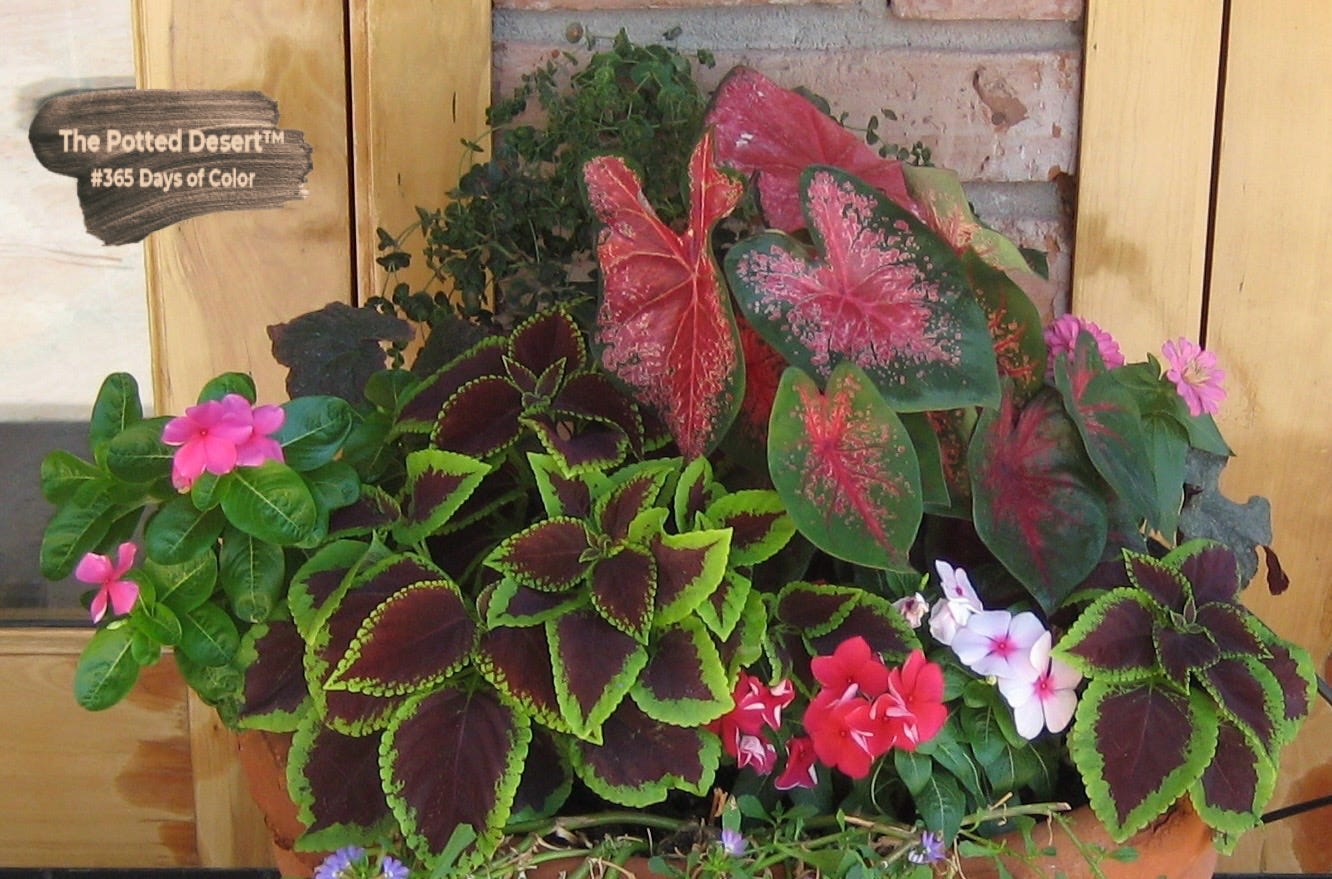
June is when our desert pots start telling the truth.
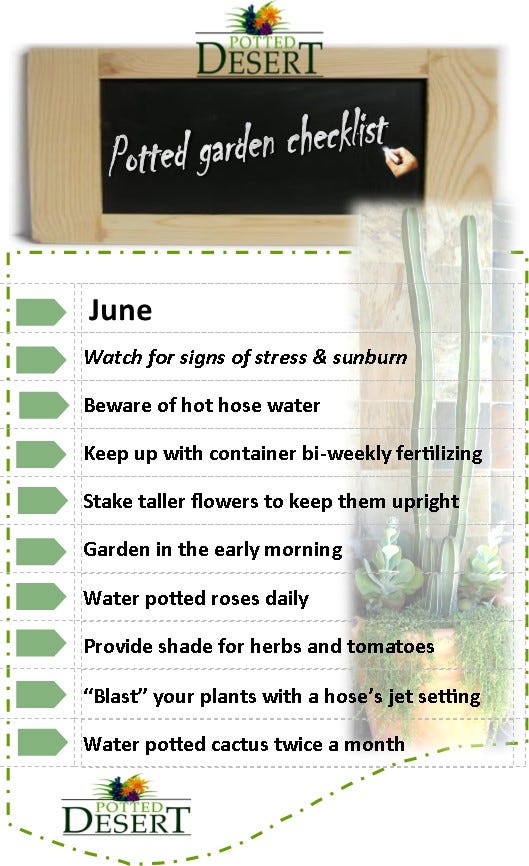
(Be sure to scroll all the way down to get your June Checklist)
In April and May, everything can still look hopeful. The nursery plants are fresh, the mornings are pleasant enough, and we can convince ourselves that summer is going to behave.
Then June arrives.
The temperatures climb. The sun gets sharper. The pots dry faster. Plants that looked perfectly happy a few weeks ago may suddenly begin wilting, fading, crisping, or simply looking as if they are asking, “Are you sure this is where I’m supposed to live?”
This is not the time to panic.
It is time to pay attention.
June container gardening is about helping your pots get through the first real wave of desert heat without creating more work than necessary. You do not need to redo everything. You do not need to rush out and replace every tired plant. You do not need to turn your patio into a second job.
But you do need to look closely.
Here are the things I want you to watch in your June pots.
Notice the Difference Between Heat Wilt and Thirst
A plant that wilts in the afternoon may not always need more water.
Sometimes it is simply reacting to heat.
This is especially true for plants with broad, flat leaves, such as sweet potato vine. The leaves may droop during the hottest part of the day, even when the potting mix is still damp.
Before you rush out with the hose, check the soil. If it is still moist, the plant may be experiencing heat wilt rather than true dryness.
That matters because watering a plant that does not need water can create a different problem.
If the leaves perk up by morning, you are probably looking at heat stress, not drought stress. If the plant is still wilted early in the morning before the day heats up, then you need to investigate further.
That may mean the pot dried out too much. It may mean the plant is root-bound. It may mean the potting mix is not working well. It may mean the plant is in a location that it can’t manage.
June is when you learn the difference.
Check for Root-Bound Pots, But Don’t Do Major Surgery Now
If a plant has been in the same pot for several years and begins wilting even when you are watering properly, it may be root-bound.
This is not the best time to pull the whole pot apart and do a major repotting. That kind of work adds stress at a time when the plant is already dealing with heat.
Instead, do what you can gently.
Dig around the outside edge of the root ball and remove loose, tired potting mix or old roots that come away easily. Add fresh potting mix around the edges and keep the pot watered carefully until fall, when it is safer to repot if needed.
The goal in June is not to rebuild everything.
The goal is to help the pot make it through summer.
Give Summer Pots Some Shade Relief
Even sun-loving plants appreciate a little relief in desert summer.
If you have movable pots, look for places that receive morning sun and some afternoon protection. A lightly leafed mesquite tree, a patio edge, an entry area, or the east side of a larger pot can all give plants a better chance.
This is especially useful for favorite pots you want to enjoy up close.
Moving a container closer to your living area can help in two ways. The plant may get a kinder exposure, and you are more likely to notice what is happening because you see it every day.
Sometimes the best June fix is not more work.
It is a better location.
Do Not Leave Dead Plants Staring at You
If you lose a plant to the heat, do not leave it sitting there, making you feel bad every time you walk past.
Dead plants keep telling you there is another job waiting.
I have said this for years:
Better dirt than dead.
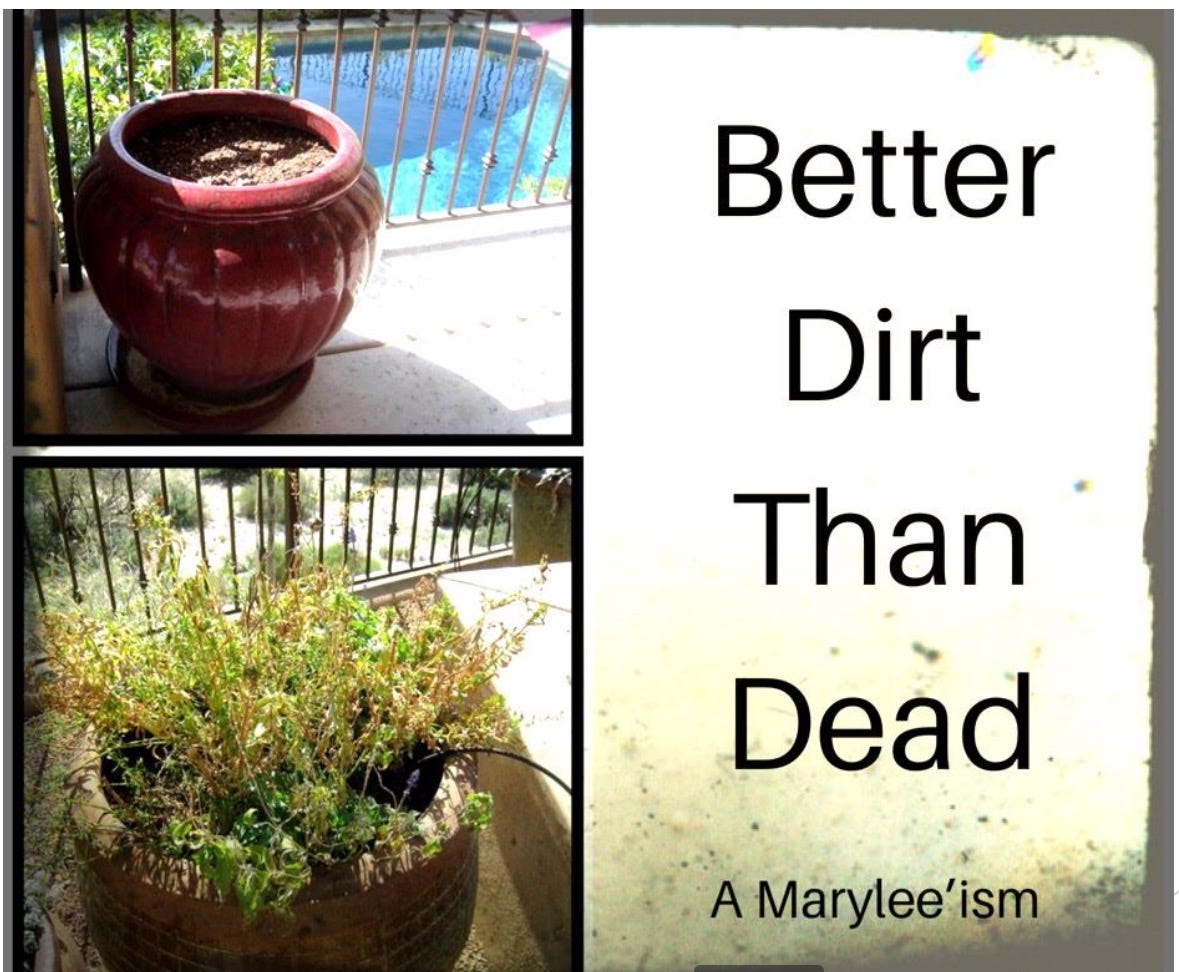
If a plant is gone, remove it. Leave the space open for now if you need to. You can replant later or let the pot rest until fall.
Nothing is inspiring about a dead plant in a summer pot.
Remove it, clean up the area, and give yourself one less thing to feel guilty about.
Blast Your Plants

Blasting plants is one of my favorite habits, and I know it makes some people nervous at first.
Use the jet setting on your hose and spray across the foliage from a few feet away. You are not trying to blast the soil out of the pot. You are spraying the plant itself.
This helps clean the leaves, discourage pests, and knock off some disease spores before they settle in and become a bigger problem.
Do this in the morning when possible, and always make sure the water coming out of the hose is not hot. In June, hose water can heat up quickly, and you do not want to spray hot water on your plants.
Also, do not worry about a little water on the leaves burning them. In our dry air, it does not sit there long enough to create that problem.
Keep Feeding, But Be Sensible
For most flowering summer pots, continue using a water-soluble fertilizer every two weeks.
The exceptions are cactus and succulents, which have different needs.
Summer annuals in pots depend on you for food because they cannot send their roots out into the ground searching for nutrients. If you want them to keep growing and blooming, they need regular support.
That said, do not try to force a stressed plant into performance.
If a plant is truly struggling, solve the stress first. Check the water, the exposure, the roots, and the pot itself. Fertilizer is not magic. It supports a healthy system. It does not fix every problem.
Watch Newly Planted Pots Closely
You can still plant summer pots in June, but you need to be thoughtful about it.
Plant early in the morning. Choose healthy plants with good roots. Make sure the root ball is moist before you plant. Water the potting mix thoroughly when you finish, except for cacti, which follow different rules.
Then pay close attention for the first couple of weeks.
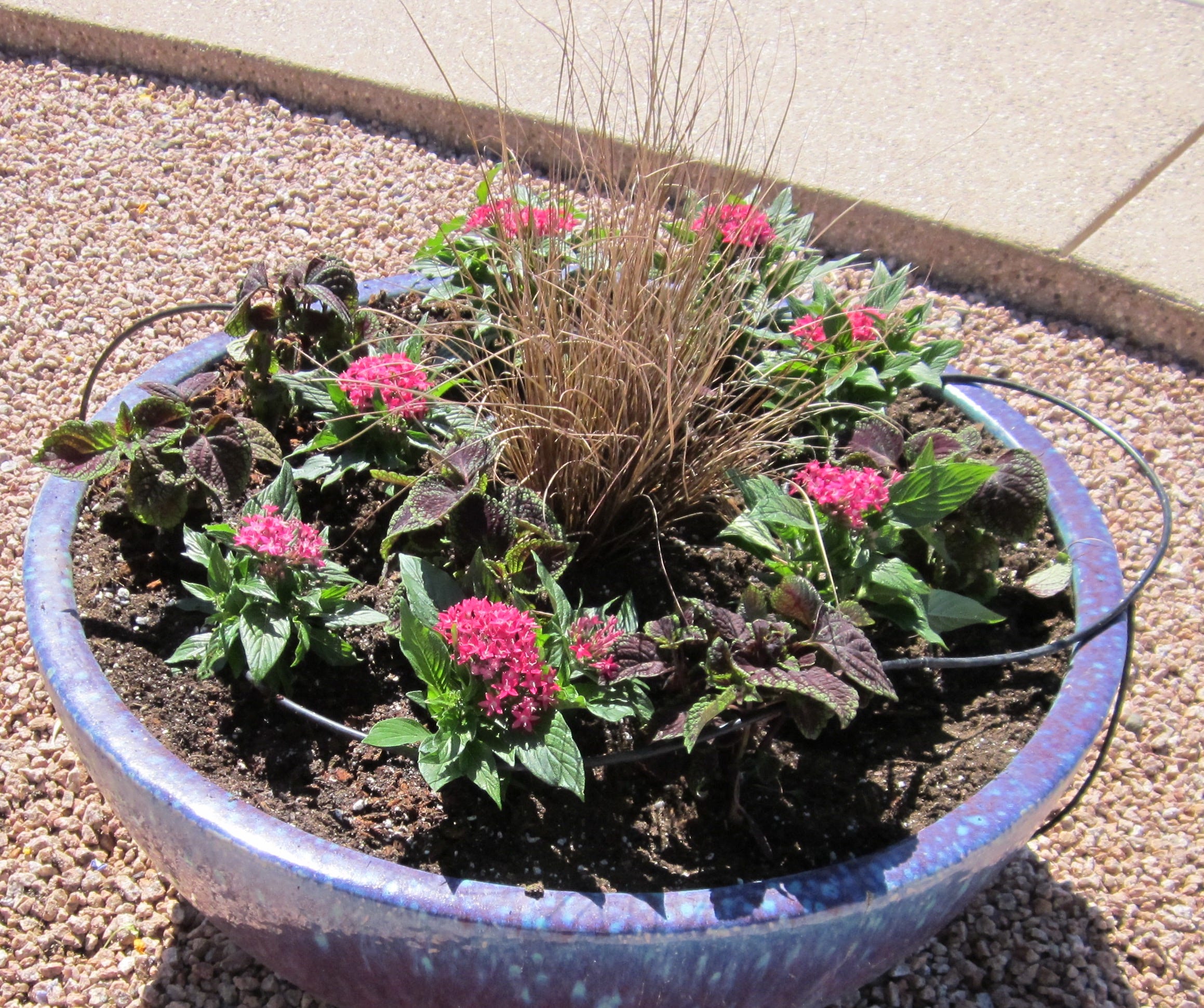
New plants need time to settle into their new pot. Do not let them dry out while they are getting established. Once you see new growth, you know they are beginning to settle in, and you can adjust your care from there.
June planting is possible.
It just asks for more attention at the beginning.
Remember That Cactus and Succulents Play by Different Rules
Cacti and succulents should not be treated like summer annuals.
They need water, yes, but they do not want the same frequent watering routine as flowering pots. Let the soil dry before watering again.
A moisture meter can help if you are not sure. It is one of the simplest tools you can own, and it can keep you from guessing, especially with plants that do not like wet feet.
Succulent and cactus pots can be wonderful in summer, especially if you travel or want beauty without so much daily attention.
Just do not water them like petunias.
June Is the Month to Pay Attention, Not Panic
Your June pots may need small adjustments.
A little shade.
A dead plant removed.
A check for root-bound stress.
A better watering rhythm.
A blast from the hose.
A reminder that afternoon wilt is not always thirst.
You do not have to solve the whole summer in one morning.
But you do want to notice what your pots are telling you now, before July and August make every problem louder.
Desert container gardening is not about fighting the heat.
It is about setting up pots that can work inside it.
And June is where that work begins.
This week’s free posts give you the big ideas for helping your desert pots get through summer.
Paid subscribers also get the practical details I usually save for classes. Save money on plant loss by learning all of Marylee’s tricks and tips.
For paid subscribers this month:
A Summer Pot Worry Audit
A simple way to look at one troubling pot and figure out whether the real issue is pot size, material, potting mix, plant choice, or expectations.
What Is This Pot Asking of Me?
A July-style troubleshooting guide for the container that keeps needing attention, so you can stop guessing and start seeing what the pot is telling you.
How to Read an August Pot
A guide to knowing the difference between a tired summer pot and a failing one, including when to wait, groom, replace, move, or let the pot rest.
Canna in Desert Pots
Practical notes for using Canna successfully, including pot size, companion plants, planting tips, and what to watch for in wind and heat.
Easy-Care Desert Pot Recipes
Specific plant combinations, pot recommendations, and design notes for creating summer containers that bring color without constant fussing.
A paid subscription costs $30 per year, and one avoided plant replacement can nearly cover it.
More importantly, it can save you from spending the summer wondering what went wrong.
🌱 Upcoming Online Class: Just Add Water
If watering your desert pots is what still worries you most, my next class is for you.
Just Add Water
Thursday, June 4, 10-11:30 AZ
Hosted by Tucson Botanical Gardens
We will talk about how to keep your container gardens watered in our desert climate, including hand-watering, irrigation basics, and thinking through what your pots actually need.
Register here: Just Add Water
Happy potting,
Marylee
No posts
Comments
Nothing yet. Say the first thing.
Sign in to join the conversation.