
Reading time: 3,10 minutes.
One thing I’ve noticed after years of coaching traders one-on-one is that the market rarely creates the biggest struggle for anyone.
It reveals it.
The patterns I see in trading are usually the same patterns I later find in their relationships, work, and everyday decisions.
So today I want to talk about one of those patterns.
It isn’t directly about trading, although it influences the way you trade more than you might realize.
Here we go:
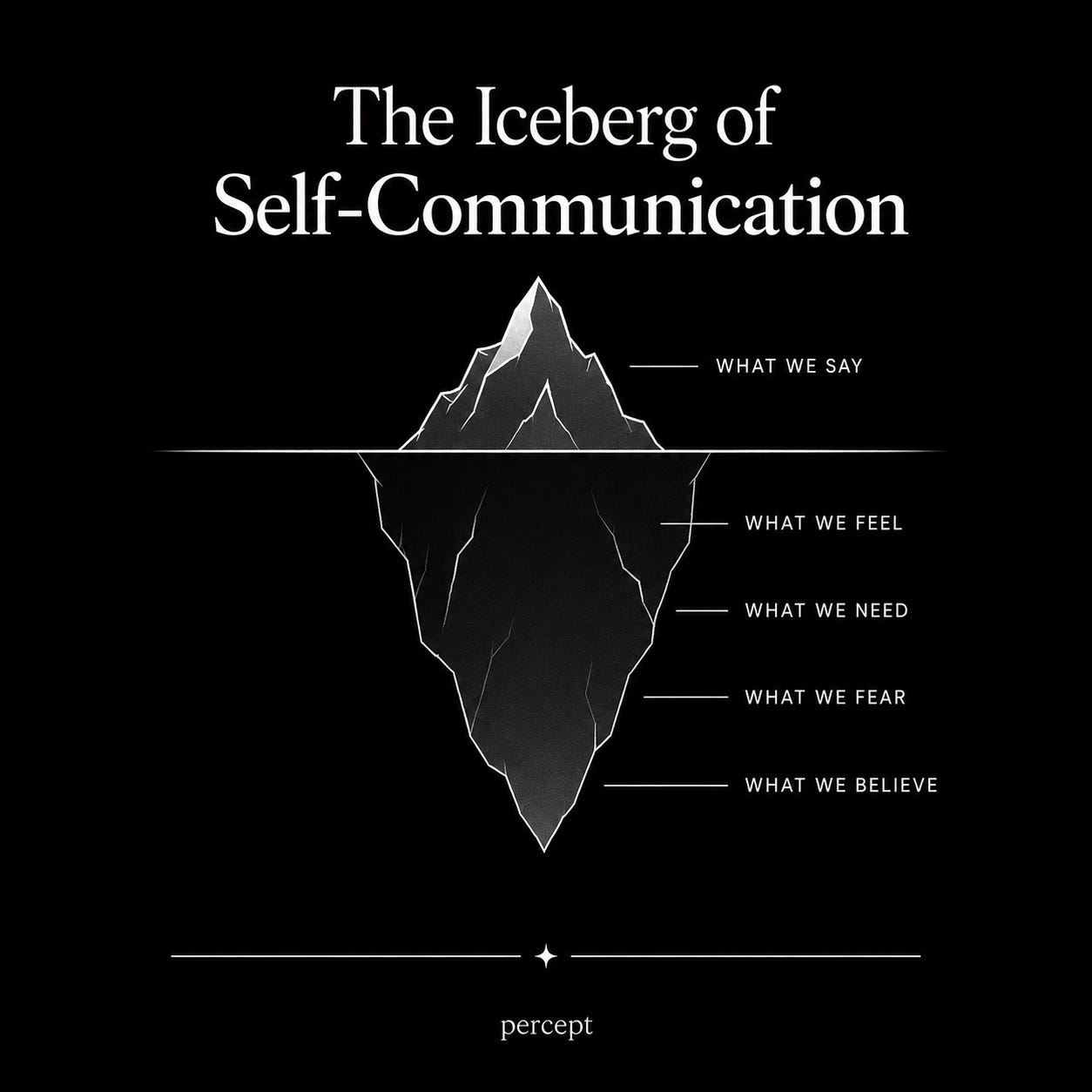
In the grand scheme of things, there are two ways people tend to move through the world:
one is more passive, the other more assertive.
This isn’t black and white, of course. We all sit somewhere along that spectrum, and it can change depending on the situation.
But there’s one difference that, among all the other ones, explains the pattern very well, and that is:
Passive people tend to keep more to themselves. Assertive people tend to express themselves.
The passive tend to be more anxious, and that’s because it comes with a stronger need for control. Controlling the environment is safer than expressing yourself.
They think:
If I can avoid conflict...
If I can keep everyone happy...
If I can adapt...
...then maybe I won’t have to risk rejection, disagreement, or not being accepted.
It’s people-pleasing.
Passive people spend a lot of energy trying to create a world where they never have to speak up.
The problem is that someone will eventually make the comment you don’t like. Someone will cross one of your boundaries. Something won’t feel right.
And every time you choose not to express it, you’re resisting your own internal experience. And with that, you end up building tension in your body. One that doesn’t just disappear. It stays.
Assertive people operate differently.
They’re more open to whatever comes because they trust they’ll know how to respond — they’ll speak up when something doesn’t feel right, they’ll state their values, they’ll defend what they believe in relentlessly. That gives them the ability to move differently out there.
They don’t expect the world to protect them. They trust they’ll protect themselves.
That’s a completely different kind of confidence. It doesn’t come from what’s right or wrong to feel, but to notice it, and trust that.
This is one of the reasons trading exposes these patterns so quickly. The market constantly asks whether you’ll trust your own judgment. If you don’t, you’ll second-guess yourself, override your own decisions, and look outside yourself for certainty.
The market didn’t create that pattern, it revealed it.
Passivity is not really the cause, but the symptom.
It’s so easy to say, “I just need to fix this.”
I just need to fix overtrading.
I just need to stick with this rule.
I just…
What might not always be obvious is that the thing you want to change is, like, as my piano teacher would say, “trying to control the finger instead of the spine”.
The finger is just an extension of the core. And so it doesn’t make sense to play with a bad posture.
Passivity is the finger. Self-trust is the spine.
And self-trust, practically put, starts with something surprisingly simple:
Respect your internal experience.
Your feelings won’t always be accurate, but they always carry information. Listen to them. Understand them. And most of all, don’t go down the “right or wrong” path with them. They’re valid the way they are. And they’ll never be wrong. But your actions can be. And that’s part of assertive behavior: knowing how to express feelings respectfully.
So no, today’s post isn’t directly about trading.
But if you’ve been following my work for a while, you’ll probably see why I went here.
The market has a funny way of exposing the relationship we have with ourselves.
The ones who see it, know.
Love
Sara
And if you want to dig deeper into this topic, I invite you to read this post:
Help me share the word with people like yourself & support my writing.
Visit my website for coaching offers.
Comments
Nothing yet. Say the first thing.
Sign in to join the conversation.