
Before you see a single kart, or hear the crack of an engine turning over, the sharp bite of petrol in the Italian air tells you something serious is happening. Then the sound takes over. You feel it in your chest. You are, unmistakably, at a race meeting.
This is the world of competitive karting, and the world of Liam Nachawati.
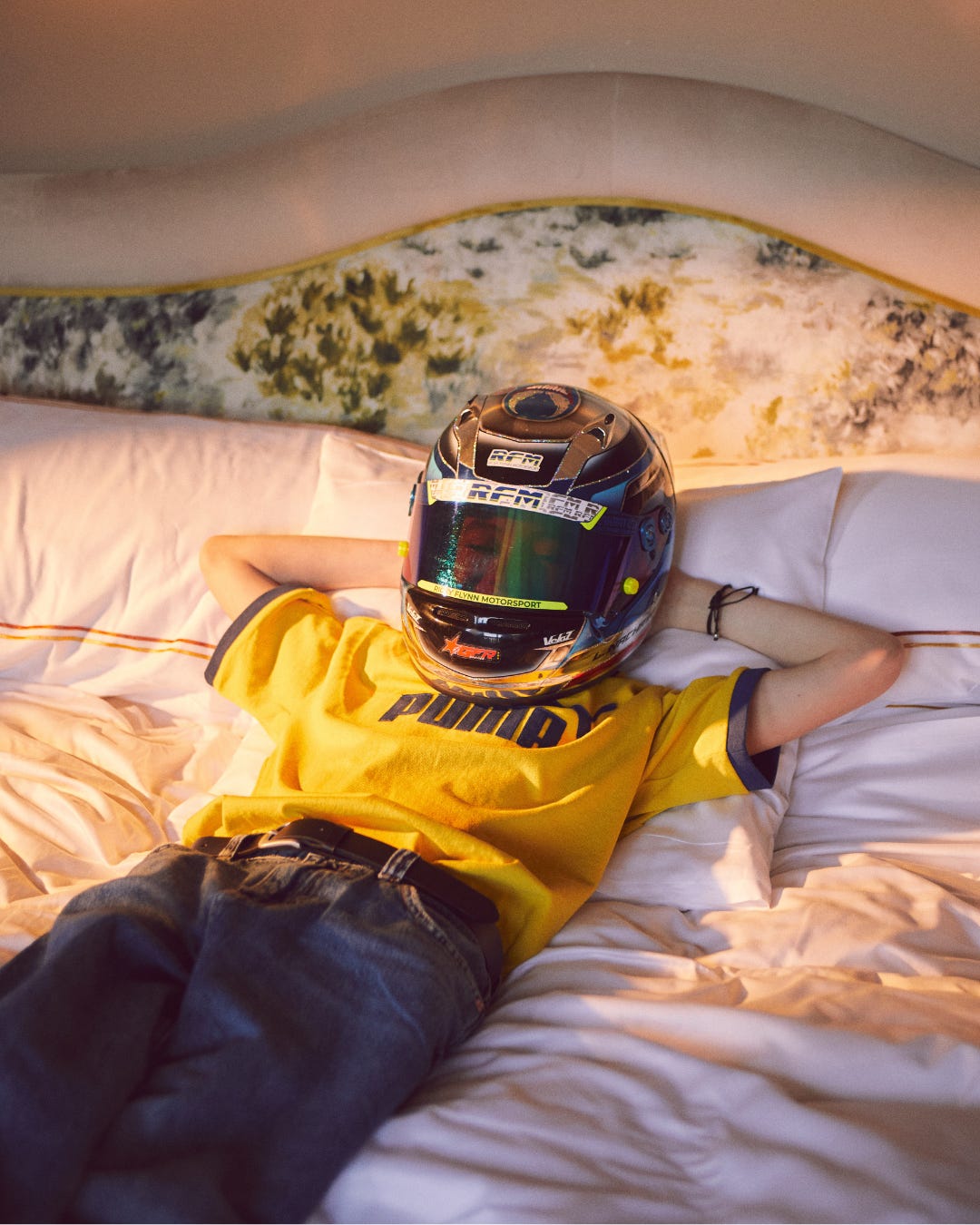
At eleven years old, Nachawati races in the OK Junior category, the first serious stepping stone on the ladder that leads, theoretically, to Formula 1. He races under the banner of Ricky Flynn Motorsport, one of the most respected karting outfits in Europe. He is, depending on how the grid lines up on any given weekend, the youngest (or there abouts) driver on the circuit. He weighs the least, stands the shortest, and will sometimes be racing against boys who are nearly fifteen, all significantly taller, heavier, and stronger. Not that it bothers Nachawati.
“My ultimate goal in racing,” he says, without a flicker of doubt, “is Formula 1 World Champion.” Thousands of children across the world, at this very moment, are sitting in karts just like Liam’s, dreaming that same dream.
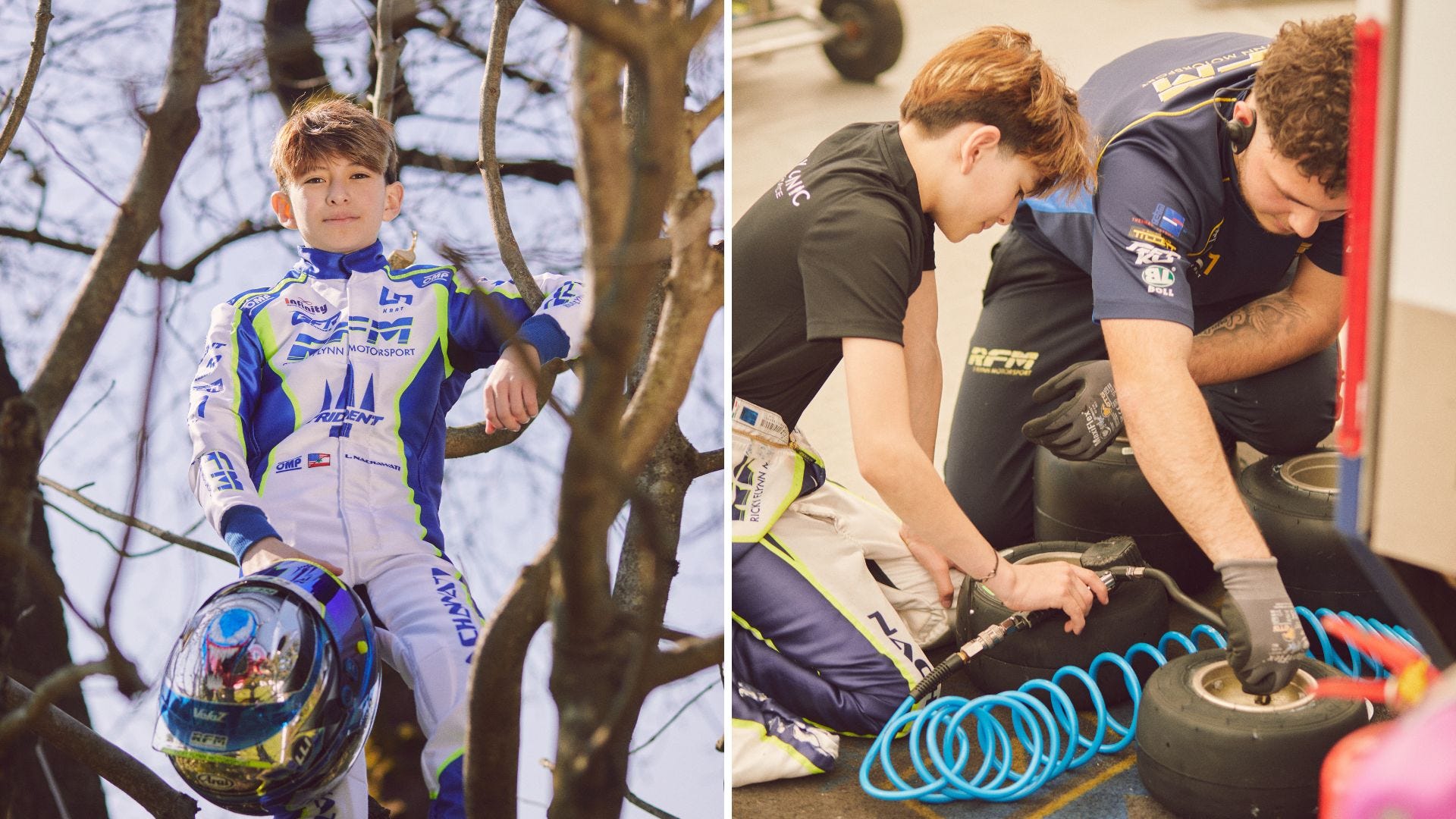
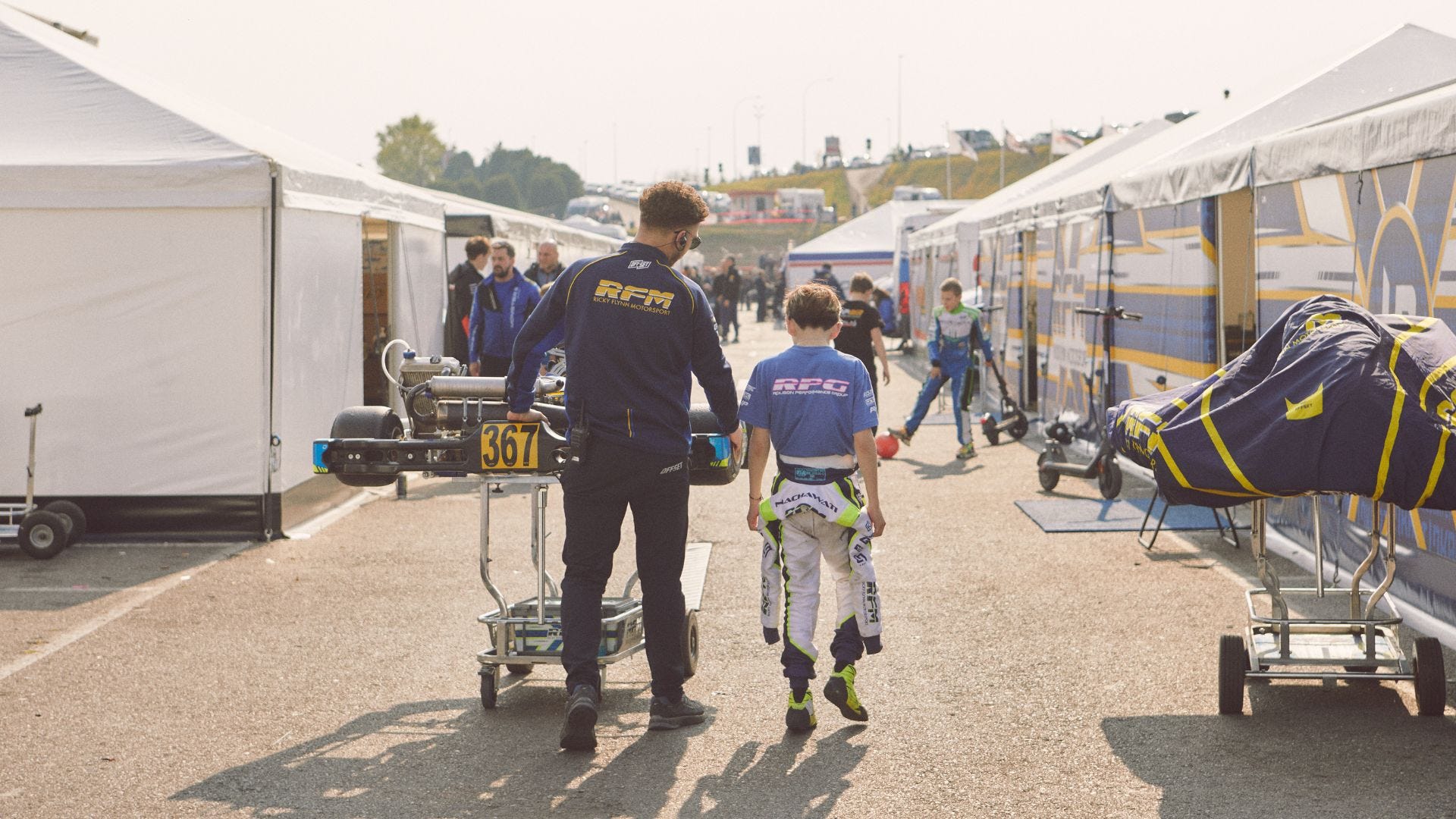
We followed Nachawati and his family to the Franciacorta Karting Track in northern Italy, where the young driver was competing in the OK Super Series. Long gone are the days of dads driving their kids to a local track and sitting on the grass with a flask. Here, teams arrive in kitted-out motorhomes, mechanics in matching kit push karts with the efficiency of pit crews, managers consult laptops, and coaches hold radios. In the track’s busy cafe, parents sit for hours with their own laptops open, squeezing in calls and emails between sessions.
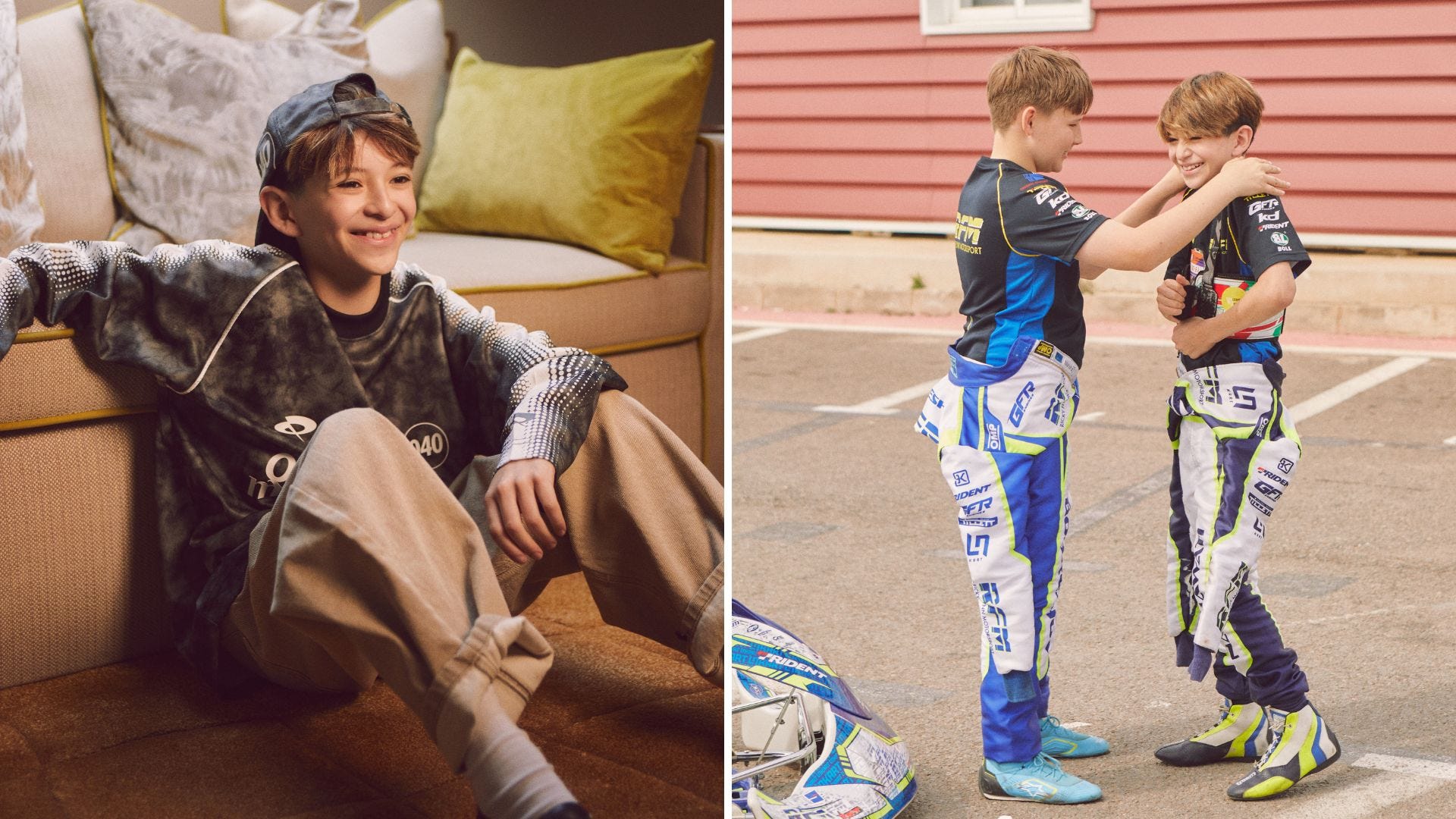
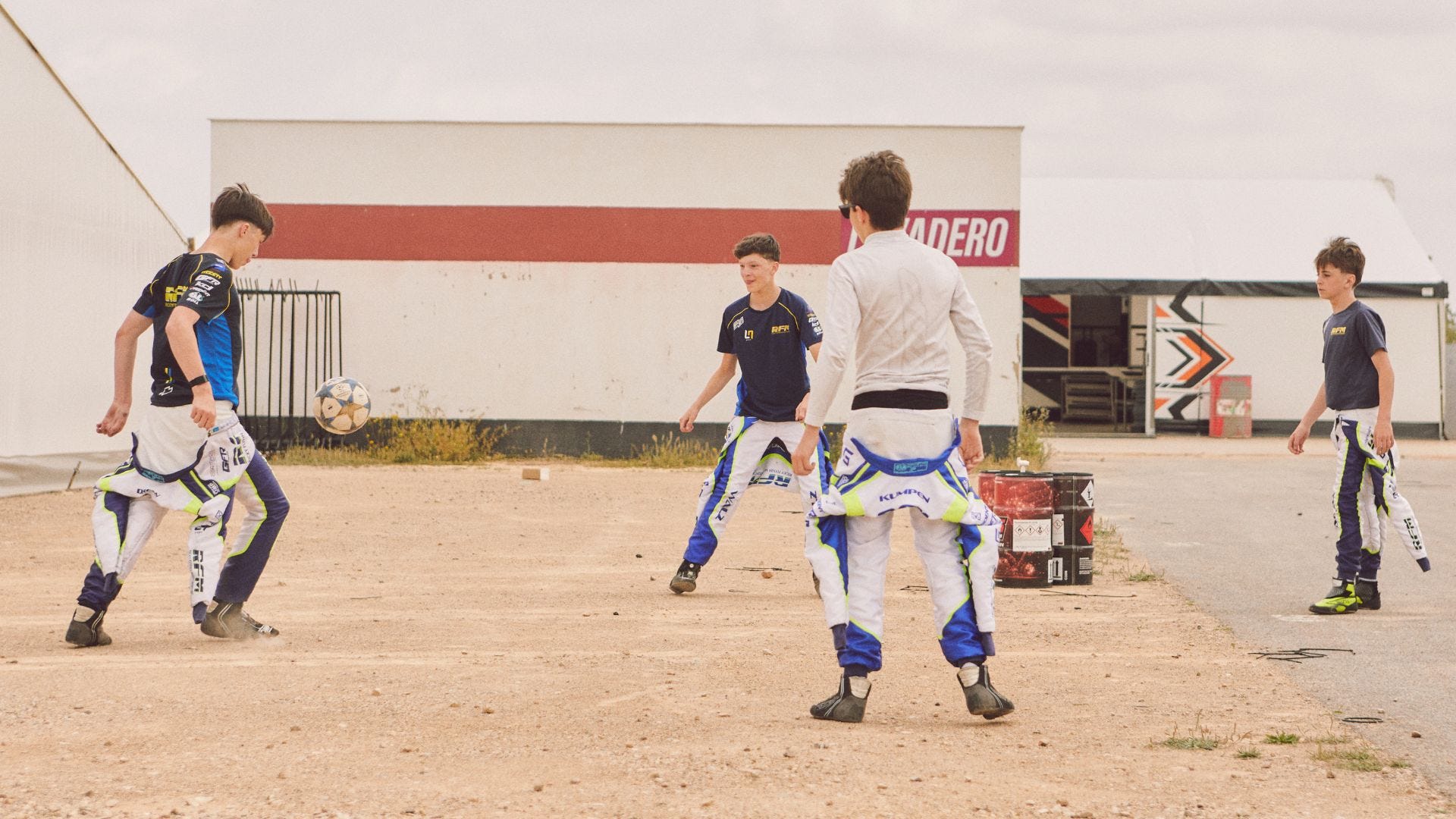
On track, the kids are speed demons. Ducking and weaving, avoiding near miss collisions and trying to cut seconds off of their lap times. But between sessions, the kids are entirely themselves, chasing each other on electric scooters through the paddock and playing football against the motorhome steps.
At the weekend in Franciacorta, Toto and Susie Wolff were in the paddock supporting their eight-year-old son, Jack. They had brought with them Mercedes F1 driver Kimi Antonelli. Majed Nachawati, Nachawati’s father, found himself sitting next to Susie Wolff’s father in the cafe, sharing a beer. “He asked me who I was here for,” he recalls. “I said, my son. And then I asked him, who are you here for? He said, “my grandson.””
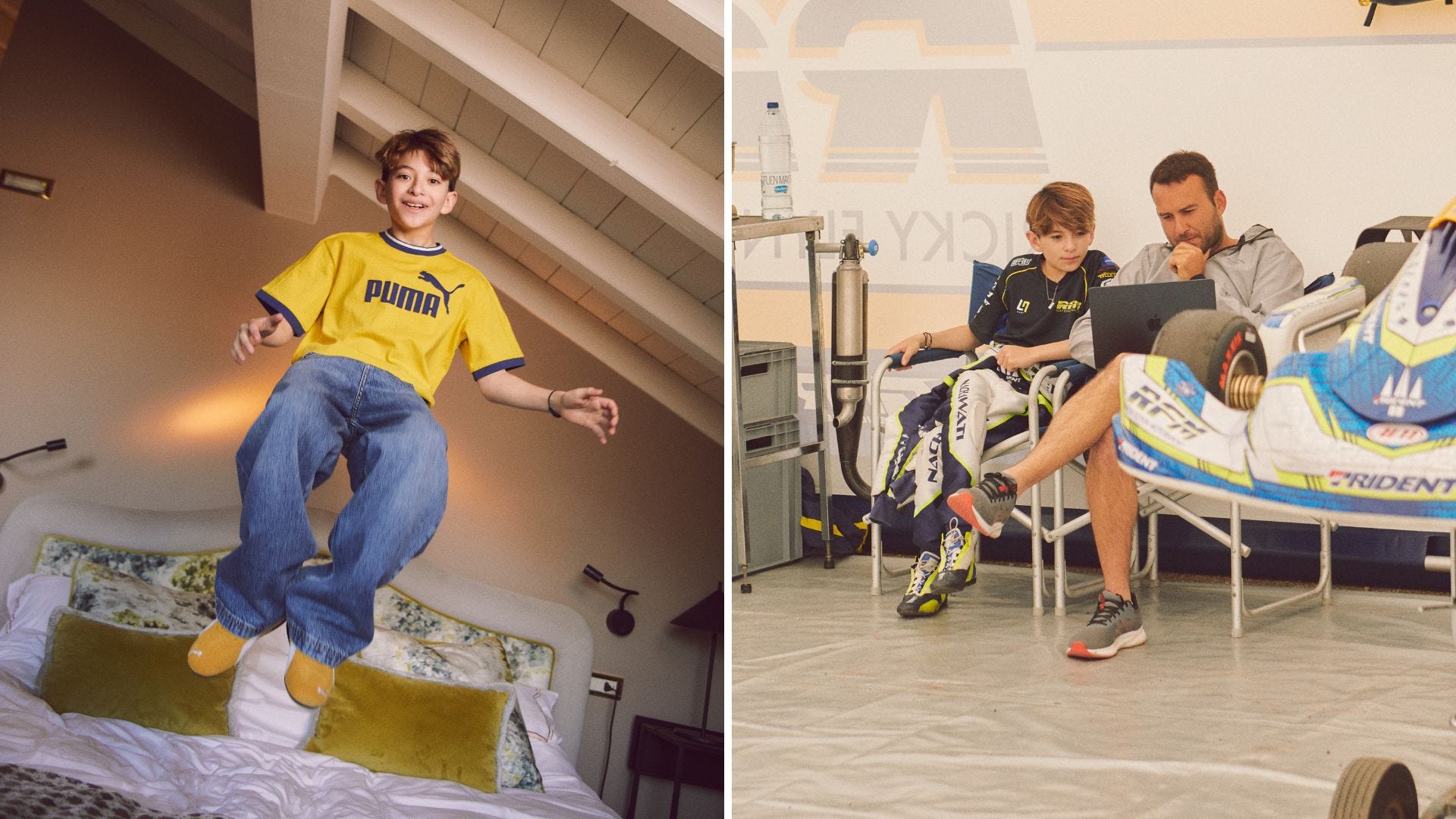
Nachawati’s story, like many, begins with Covid. It was 2020 and he was five or six years old. His uncle, an engineer and motorsport enthusiast, suggested they get the youngster a kart. His father, a litigation attorney based in Dallas, Texas, had no idea what that meant.
“My original response was, well, what is a kart?” he says, laughing at himself. “Are you talking about going indoor karting? I thought you just show up and pay your fee.” His brother sent him a photo. “I said,“oh, that looks like a little Formula car. Why don’t we do that?””
They bought one off Facebook Marketplace, split the cost between them, and took it to North Texas Karters in Denton, about an hour from their home in Dallas. “I got in the car at full speed,” Nachawati says, “and I just knew that’s what I wanted to do.”
Nachawati’s father is not a motorsport man. He is a lawyer, a serious one, the kind who describes his courtroom work as “World War One-style fighting, inch by inch, case by case.” He knew basketball and football, but nothing of engine builders, tyre compounds, chassis set-up, or the politics of which team is getting the best equipment this season.
“I need to stay in my lane and do the things I know how to do and then put the people around Liam that are the experts. In business, you never want to be the smartest person in the room. Motorsport is no different.”
Choosing Ricky Flynn Motorsport was a process he approached in much the same way he does a legal case: research, interviews, pros and cons. He wanted a team that was family-owned. He wanted a team small enough that Nachawati wouldn’t get lost in the numbers. He wanted good equipment, not just a good name. “In motorsport,” he says, “sometimes the machine matters more than the man or woman driving it.” Most notably, he went with his instincts. “Ricky lets [Nachawati’s] results speak for themselves,” he says. “I was impressed by that.”
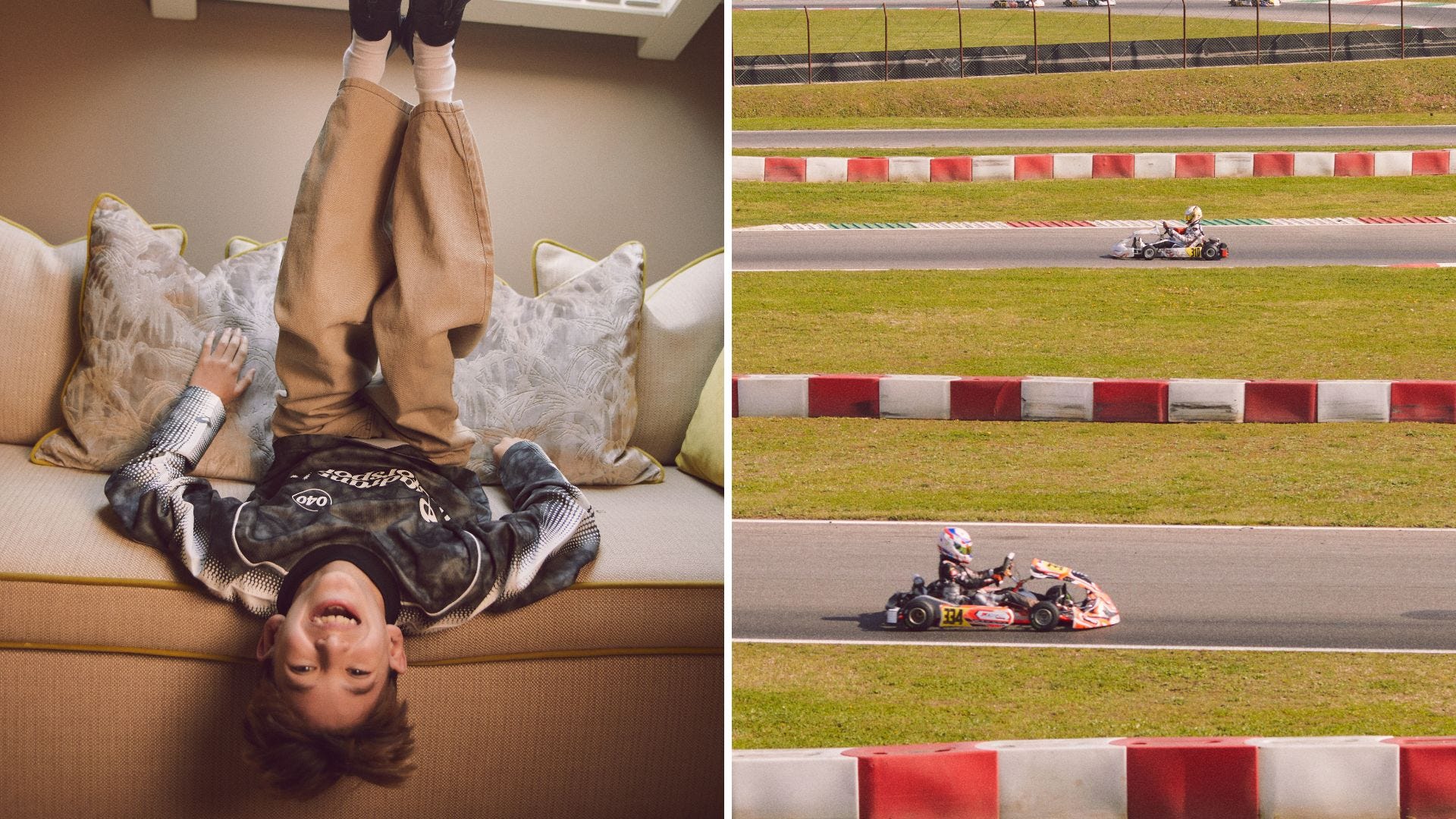
Nachawati’s daily life when he’s at home in Dallas is not exactly typical. “I wake up, [use the racing simulator] for an hour,” he explains. “Start school. If I break, maybe for fifteen minutes, hop back on the sim. Finish school. Go back on the sim. A few training sessions.” He grins, “my simulator at home is basically my life. I’m not going to lie.”
He talks about karting with fluency, with passion for the technical details, and with an insider’s contempt for anything that isn’t the real thing. When he’s at home, he admits, it’s “a bit boring compared to what I do in Europe and all over the world.”
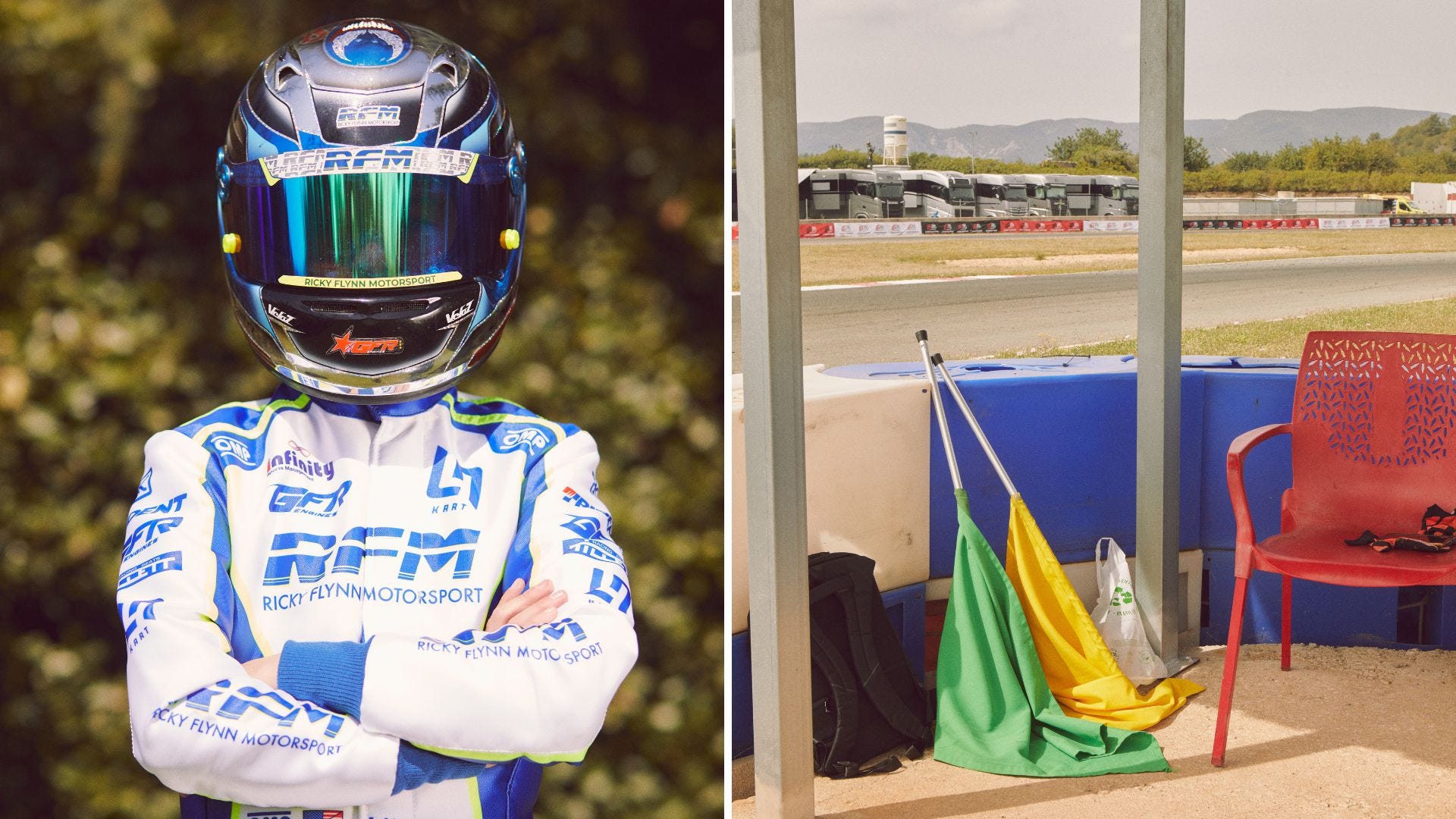
This season, his rookie year in OK Junior, has been a tough one. “The pace has been really good all year,” Nachawati says, with composure. “It’s just been a bit unfortunate. We’ve been quick, but then the qualifying hasn’t been so good, we’ve made a few mistakes. And if you’re qualifying in the back, you’re fighting in the mess, and you’ll honestly probably crash.” Nachawati hasn’t made a final yet. “I try to move on,” he says. “Learn from my mistakes. That’s all you can really do.”
His father watches on with the controlled anxiety of a man who knows how to keep his face calm, even when his insides are not. “What makes me most proud of Liam is his temperament,” he says. “You see a lot of drivers, when they make a mistake, they’re hitting themselves in the head with their helmet. With Liam, he’ll get a little disappointed, but he walks it off. In motorsport, you cannot be the other way. He’s calm, cool and collected. And he’s fearless.”
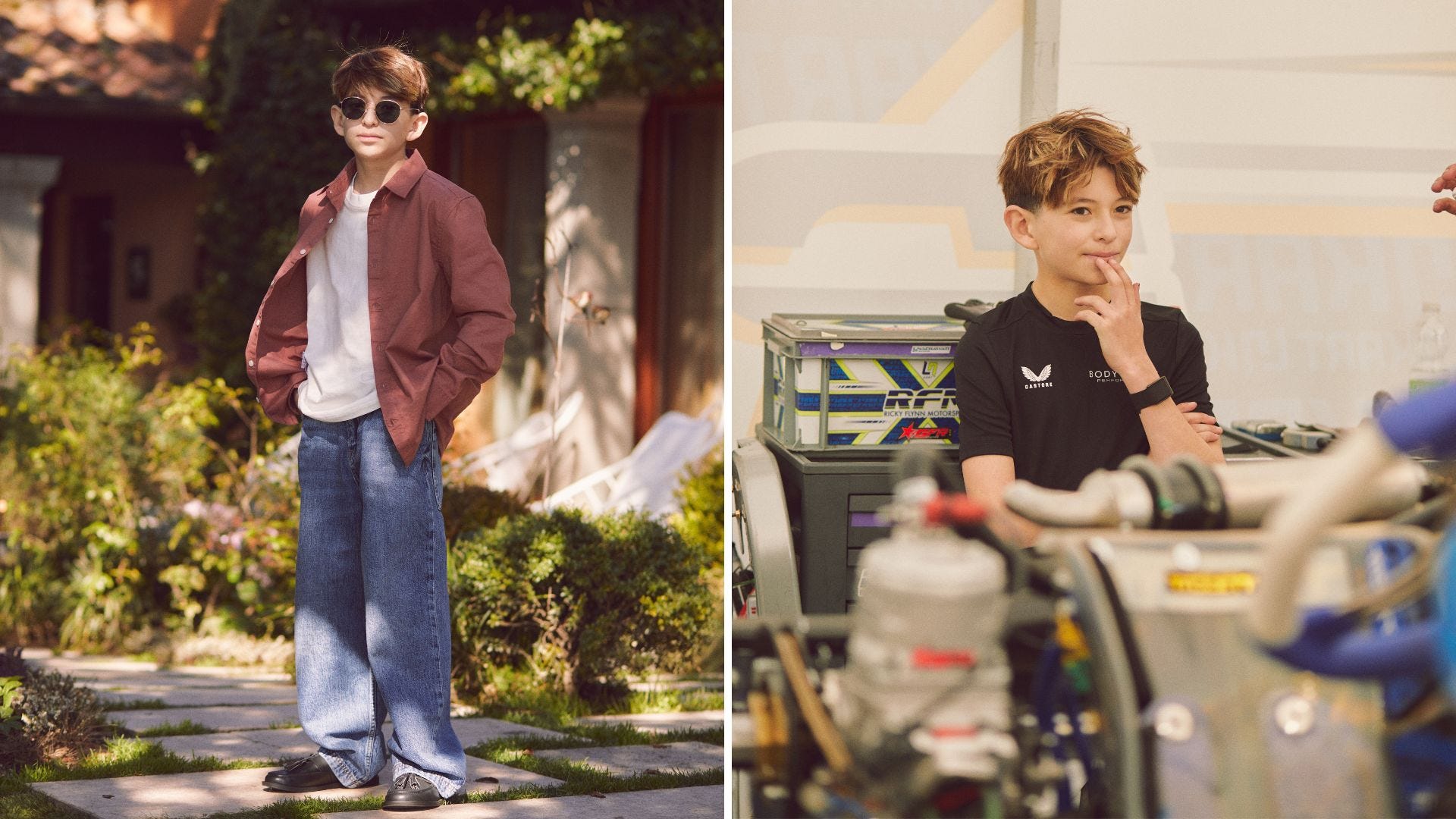
The decision to put Nachawati straight into OK Junior, skipping the slower OK National Junior category, was deliberate. Ricky Flynn’s view, shared by British teams generally, is that OK National Junior isn’t a competitive class worth lingering in.
“He’s learning how to fight with the best,” says Nachawati’s father. “He’s learning how to deal with failure and defeat. But we’re also realistic. There are fourteen-year-olds, nearly fifteen, who weigh twice as much as him. We’re not so worried about results this year. We’re worried about the experience and the invaluable lessons he learns by driving with drivers who have three or four years of experience in this class.”
Ricky Flynn himself looked at Nachawati’s results, watched him on tape, and gave his assessment: he’s small, like Lando Norris was, but he can do it. It was, ultimately, the parents’ decision.
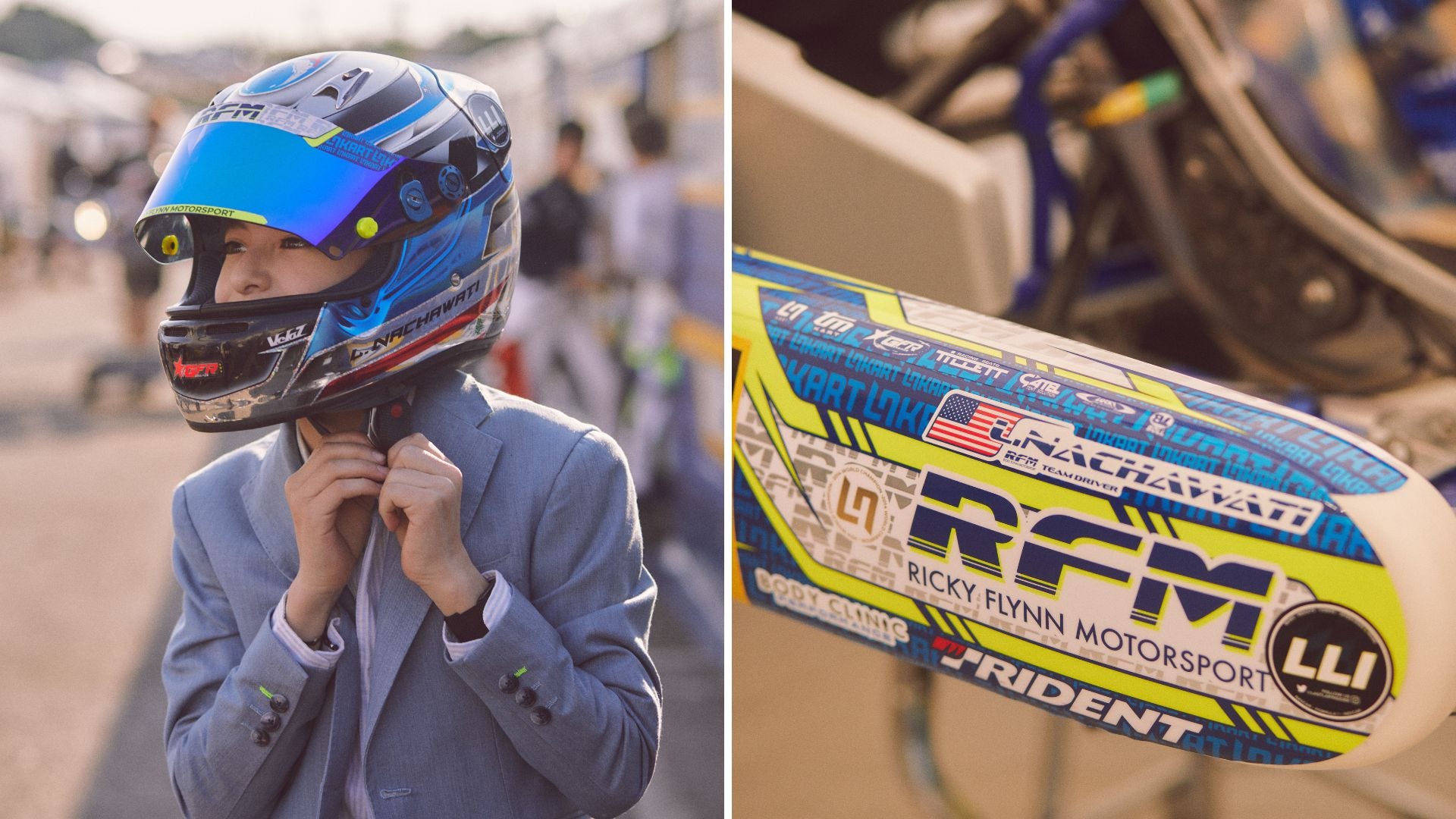
The costs involved in this journey are extraordinary. Majed Nachawati estimates it will cost upwards of $20 million to give his son a realistic shot at making it to F1. The figure covers not just the karts, but everything surrounding them. From travel across Europe, freight, physical and mental coaching, schooling logistics, team fees, racing suits, helmets, and shoes. And that’s before he moves into single-seaters, where the real bills begin.
“There’s an old saying in racing,” he begins. “How do you make a small fortune in racing? You start with a large one.”
The Nachawati family is, by their own admission, fortunate. But fortunate doesn’t mean unlimited, and the odd, to put it bluntly, are severe. Unlike American football or basketball, where the professional leagues are deep and the pipeline wide, motorsport funnels toward a single, vanishingly narrow point at the top.
Nachawati requires sponsors, not just for the karts, but for everything. He has effectively begun a professional career before he has finished primary school, and sustaining it will require serious commercial backing, backing that is notoriously difficult to secure for a child who has not yet won a championship.
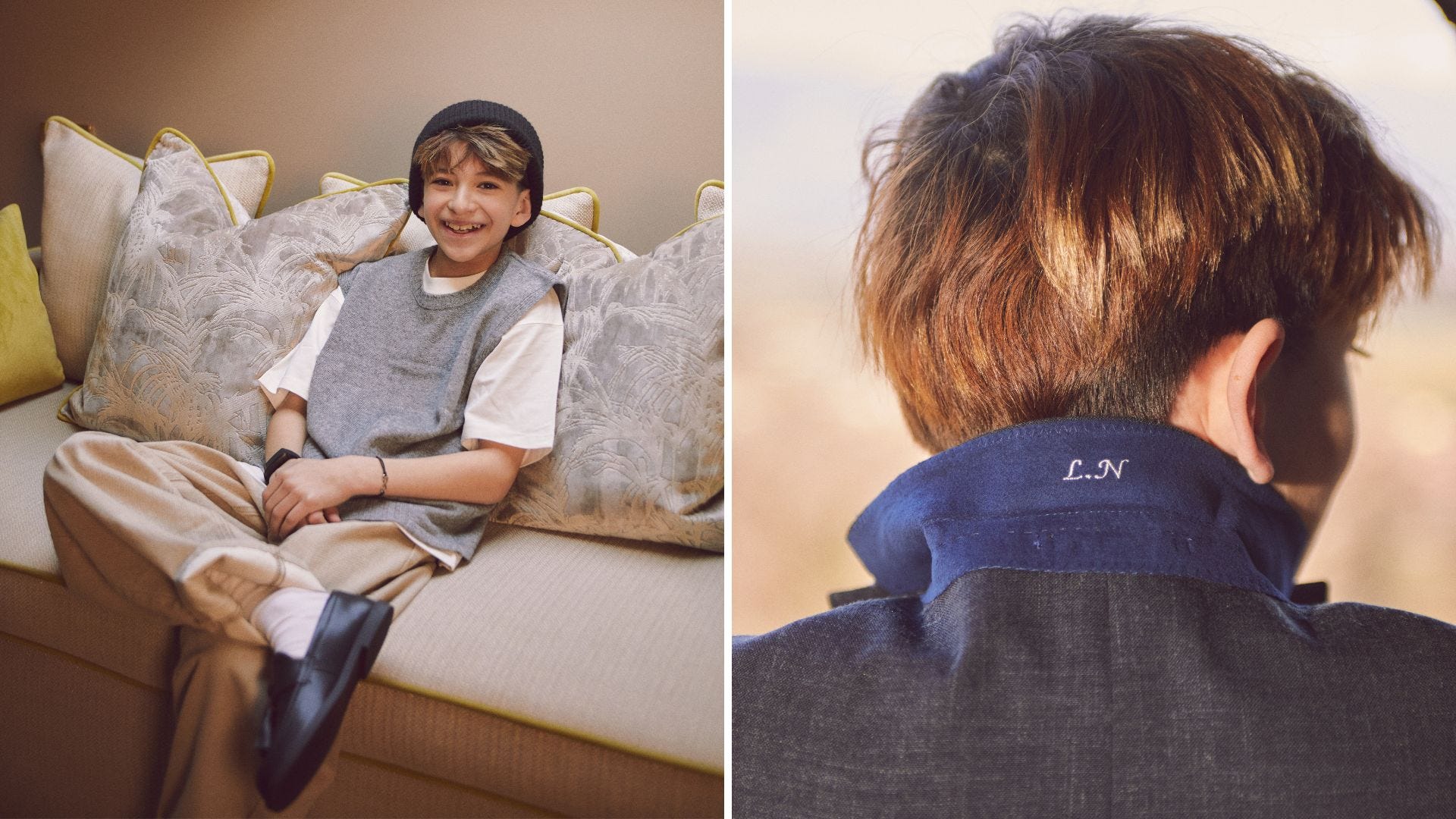
The Nachawati family is, in the most literal sense, split. Nachawati has an older sister, in her teen years, with her own passions and goals. Meanwhile, he needs at least one parent with him in Italy, in France, in Spain, in England. Alma Nachawati, his mother, is the one most acutely affected by the arrangement, rarely in the same place as both of her children at once. The weekend at Franciacorta, she was only present because her daughter happened to be on a school trip to Austria. It was lucky timing."It's not unique to us, every racing family does it,” shares Nachawati’s father. “There are not enough hours in the day.”
Nachawati is aware of these struggles, saying the family has “worked it out in a balance,” and that FaceTime makes the distance manageable. But he also shares, quietly, that when his mum is there it feels different. “I feel a bit more comfortable.”
But, some of the children in the paddock don’t have parents present at all. They are travelling around Europe in the care of their manager, their parents thousands of miles away, working, holding down the household, trusting that the team will look after them.
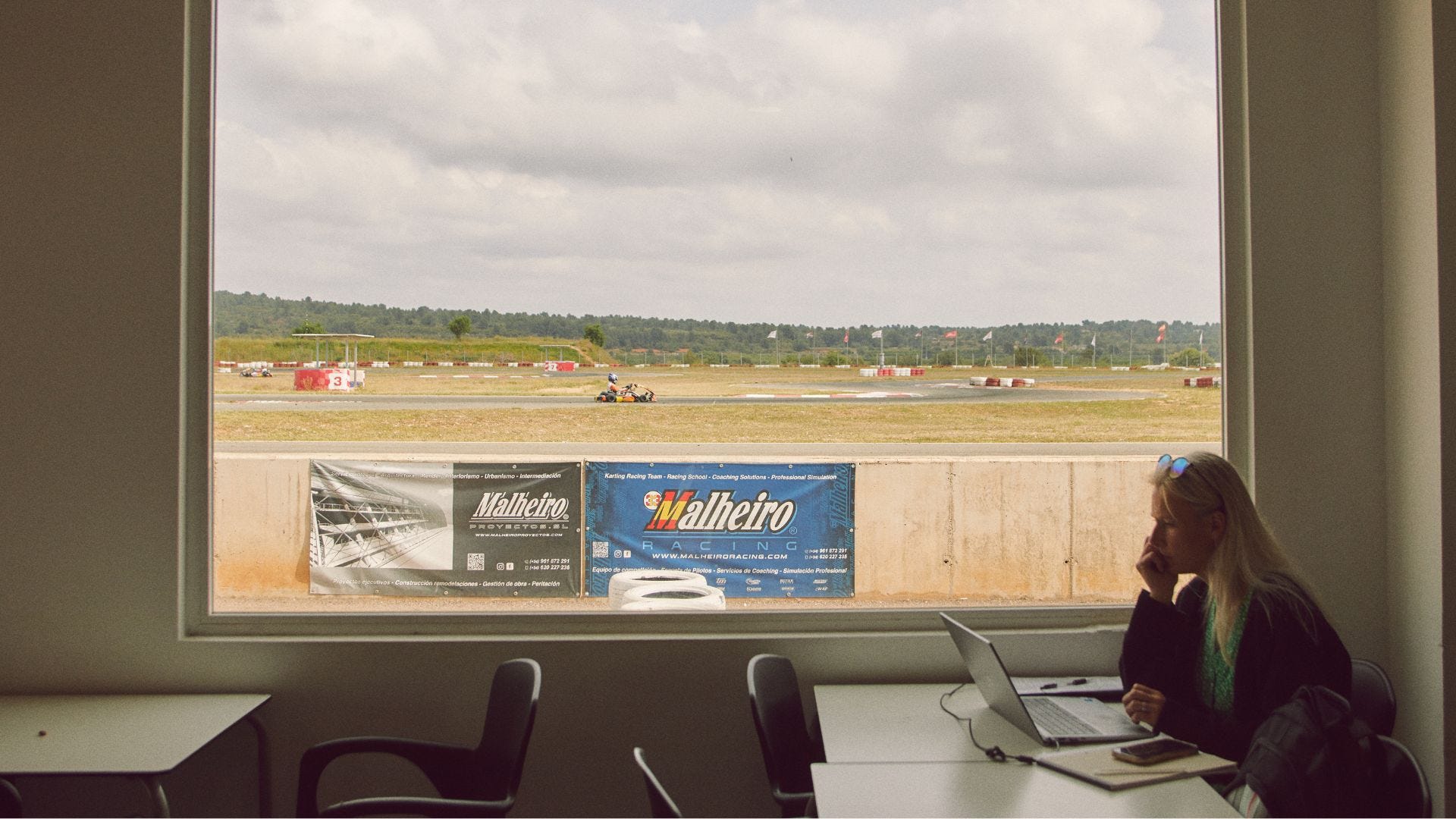
In the karting paddock, the driver turnover is constant and brutal. Children who raced at Franciacorta were not necessarily at the next round in Valencia, held just a month later. Their seasons ended because of financial problems, a lack of results, a family decision that the dream had become too expensive or too uncertain. The motorhome slot is then taken by someone else.
At Franciacorta, alongside the junior championships, adult karting races were taking place. Many of those adults had once been where Nachawati is, on the ladder, pointing upward, but didn’t make it through to single-seaters. And so, they stayed. For Nachawati, the question of staying in karting is not one he has the slightest interest in entertaining. He can name the F1 teams he would like to drive for (Cadillac, Williams, Ferrari, Mercedes, in that order, more or less). He is not unclear about what he wants.
"If racing were to stop tomorrow," he says, thinking about it carefully, "If it were my choice, I'd be okay. But if it was someone else's I think I'd be pretty mad and pretty frustrated." He considers his next words. "Hopefully, it never stops. Because this is what I love, and hopefully I'll be doing it for the rest of my life."
When people watch F1, the glamour of Monaco, the speed of Monza, or the drama of a wet race at Spa, they don’t always see what came before. They don’t see the freezing January mornings at tracks in England, the long drives across Europe in motorhomes, the crashes in the rain that snap a wrist and cost ten weeks of training. They don’t see the parents sitting in the stands, holding their breath.
Nachawati himself broke his wrist earlier this year at a race in Texas in a crash in warm-up on a wet track at low speed. All it took was a freak angle and a one in a hundred chance of the wheel snapping in a specific way. He was in a cast from hand to shoulder for nearly ten weeks. When the cast came off, he came back stronger.
When asked what he would want his son to know, when he eventually looks back on this period of his life in the future, Majed Nachawati is quiet for a moment. “I’d want him to know that his dad loves him very much,” he finally says. “And hopefully, when he’s in an open wheel car, I’ll be a proud dad in the stands just like I am now. And if, in the alternative, he pursues something else, I’ll be just as proud of him. Whether he’s a teacher, an artist, whatever it is, as long as it’s productive and it’s helping leave this world a little bit better than we found it. That’s what life is about.”
The children will grow up together. Some of them will make it out of karting and into single-seaters. A handful of those will make it through Formula 4, Formula 3, and Formula 2. From all of that, from every child in every paddock across Europe, perhaps a handful will eventually sit on an F1 grid.
Photography: Esme Buxton
Stylist: Alba Carballal
Suit Tailor: Freddie Grant
With thanks to: Ricky Flynn Motorsports, Quadrant and Puma
Comments
Nothing yet. Say the first thing.
Sign in to join the conversation.