
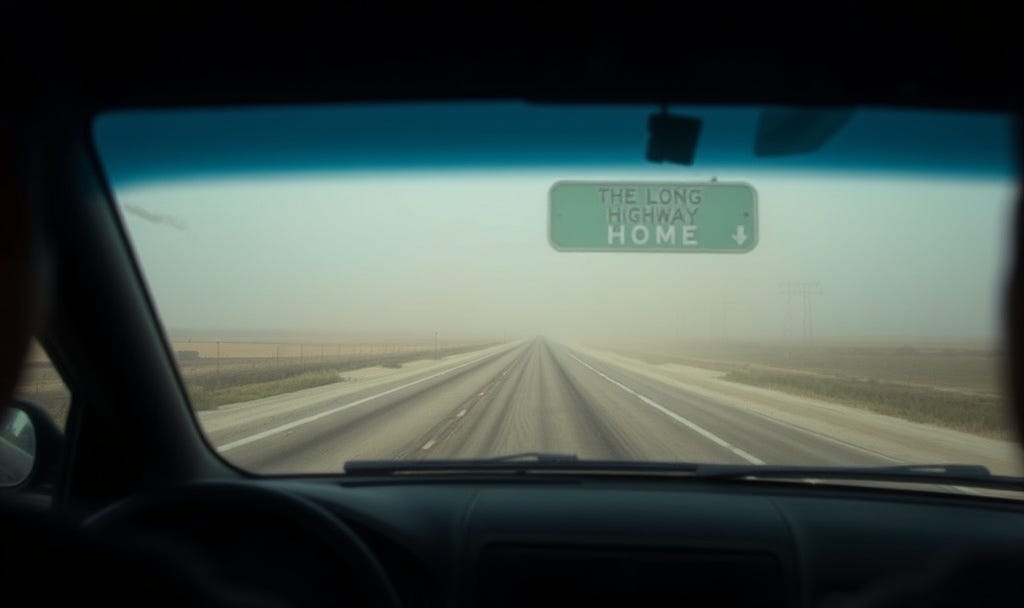
Trading the Pacific coastline for the North Texas plains sounds like a straightforward calculation on paper. You pack the truck, sign the papers, and prepare for a life with more space, fewer regulatory hurdles, and a lower cost of living. But when the dust settles and you actually start walking the streets of Dallas, you realize the real journey has very little to do with logistics. The true hardship of relocation is the quiet, invisible friction of trying to understand a culture that speaks your language but operates on an entirely different wavelength.
For a long time, the narrative of the great migration from California to Texas has been told through statistics and economic data. What gets left out of the brochure is the emotional and psychological toll of feeling like an outsider in your own country.
When you arrive here, the differences hit you not in grand political statements, but in the rhythm of daily interactions. Back home, business and social lives often move with a fast, transactional velocity. You meet, you pitch, you connect, and you move forward. In Dallas, everything slows down. There is a deep, polite, and highly relational barrier to entry. People are warm on the surface, but they are fiercely protective of their established circles. Gaining real trust takes time, proximity, and an understanding of local codes that aren’t written down anywhere.
The hardest part of the transition for many newcomers is decoding the local political landscape. It is easy to look at Texas from afar and assume it is an ideological monolith. The reality on the ground is far more fragmented, confusing, and contradictory.
Dallas is a patchwork of fiercely independent neighborhoods and suburbs, each with its own distinct personality, values, and unwritten rules. Navigating conversation here feels like walking through an invisible maze. You find pockets of deep conservatism right next to vibrant, progressive urban hubs, often overlapping in ways that make little sense to an outsider. People hold their beliefs close to the chest, wrapped in layers of traditional Southern etiquette.
This polite distance can make it incredibly difficult to know where you stand. In California, political and social alignments are often worn on the sleeve. In Dallas, the tension is quiet, understated, and woven into the social fabric. Trying to understand the political motivations of your neighbors or colleagues requires a total shift in perspective. It forces you to listen to what is left unsaid, to read between the lines of casual small talk, and to accept that community alignment here is built on local history rather than national talking points.
The sense of isolation that comes with this move is real, but it is also a catalyst for growth. To survive and thrive in this environment, you have to let go of the urge to compare everything to what you left behind. The hardships are part of the process of shedding an old skin.
Building a life in North Texas means learning to appreciate a different kind of beauty and a different pace of connection. It requires showing up consistently, participating in the community without an immediate agenda, and giving the local culture the time to reveal itself to you. The people here may be difficult to understand at first, and their political frameworks might seem baffling, but the only way through the friction is deeper engagement. By leaning into the discomfort of the transition, the unfamiliar landscape slowly begins to feel less like a hardship and more like home.
No posts
Comments
Nothing yet. Say the first thing.
Sign in to join the conversation.