
If the internet/Gemini is correct, an individual honeybee produces only about 1/12th of a teaspoon of honey in her entire lifetime. It is therefore terribly unfortunate that I wasted 0.5kg of the stuff making mead recently.
However, I hear that mead can be delicious to some, and if it means you finally purchase that copy of Caveman Chemistry, let this post inspire you! Great lessons in chemistry, sanitation, microbiology, and history!
All you need is a plastic bottle (glass may explode), balloon (to “burp” the brew), honey, water, and yeast (we simply used a packet of baker’s yeast, but in the future I will have more fun by harvesting some from plum or grape skins, as I’ve done when making my own sourdough starter). We also added a little lemon for taste.
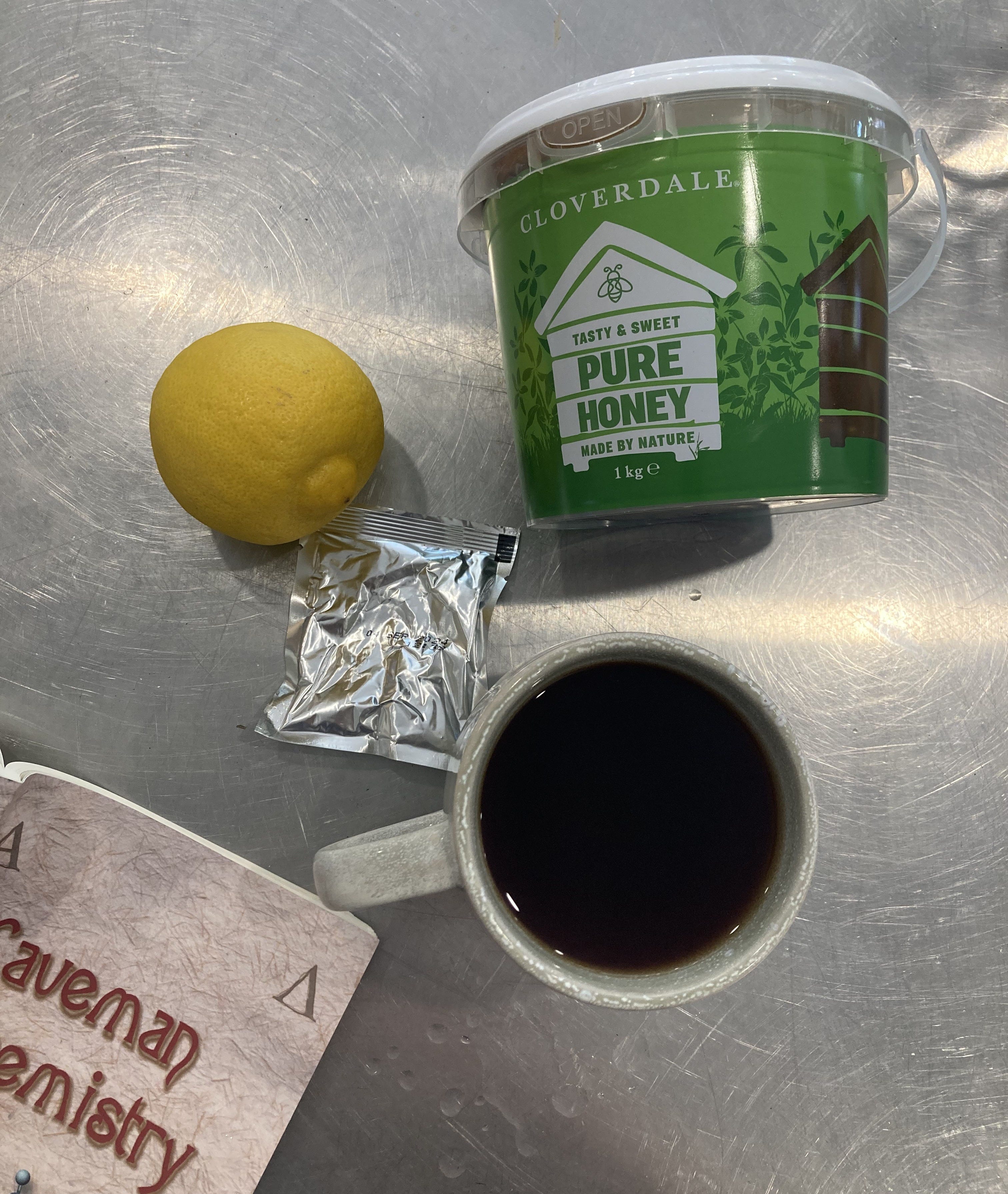
I’m going to be lazy and just point you to the (ancient) Caveman Chemistry webpage where he outlines his method and summarizes the chemistry. The webpage differs slightly from the book: we used a balloon to help with the carbon dioxide release process, which isn’t mentioned in this version, for example.
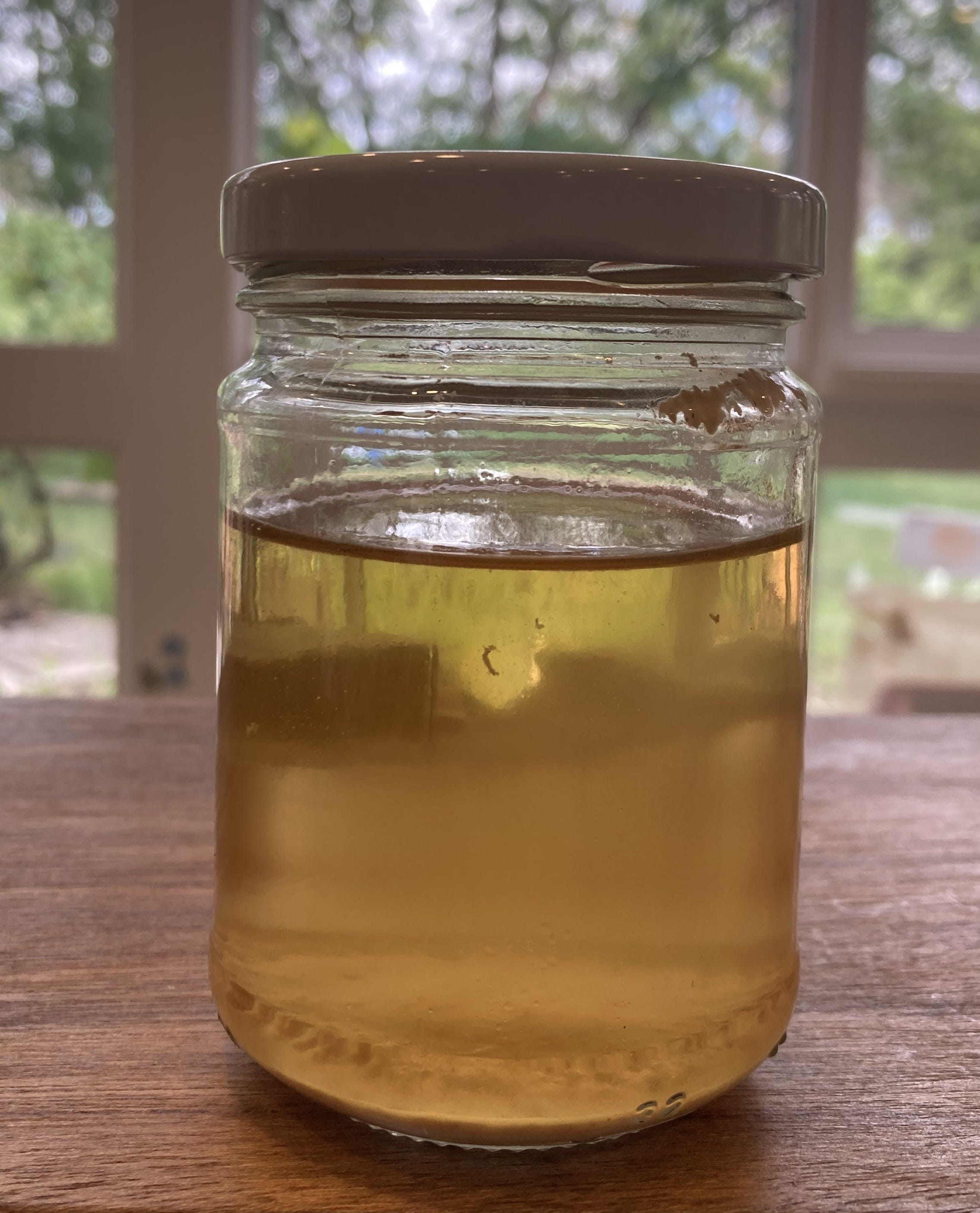
Ours seemed to turn out the desired way - I just didn’t like the taste. In the future I’ll add extra honey for a little sweetness (this tasted like a very dry wine), and also refrigerate it earlier so as to preserve some carbonation. We also left some out in a jar to expose it to oxygen (and bacteria) and observed it turn to vinegar.
Be fruitful and multiply!
No posts
Comments
Nothing yet. Say the first thing.
Sign in to join the conversation.