
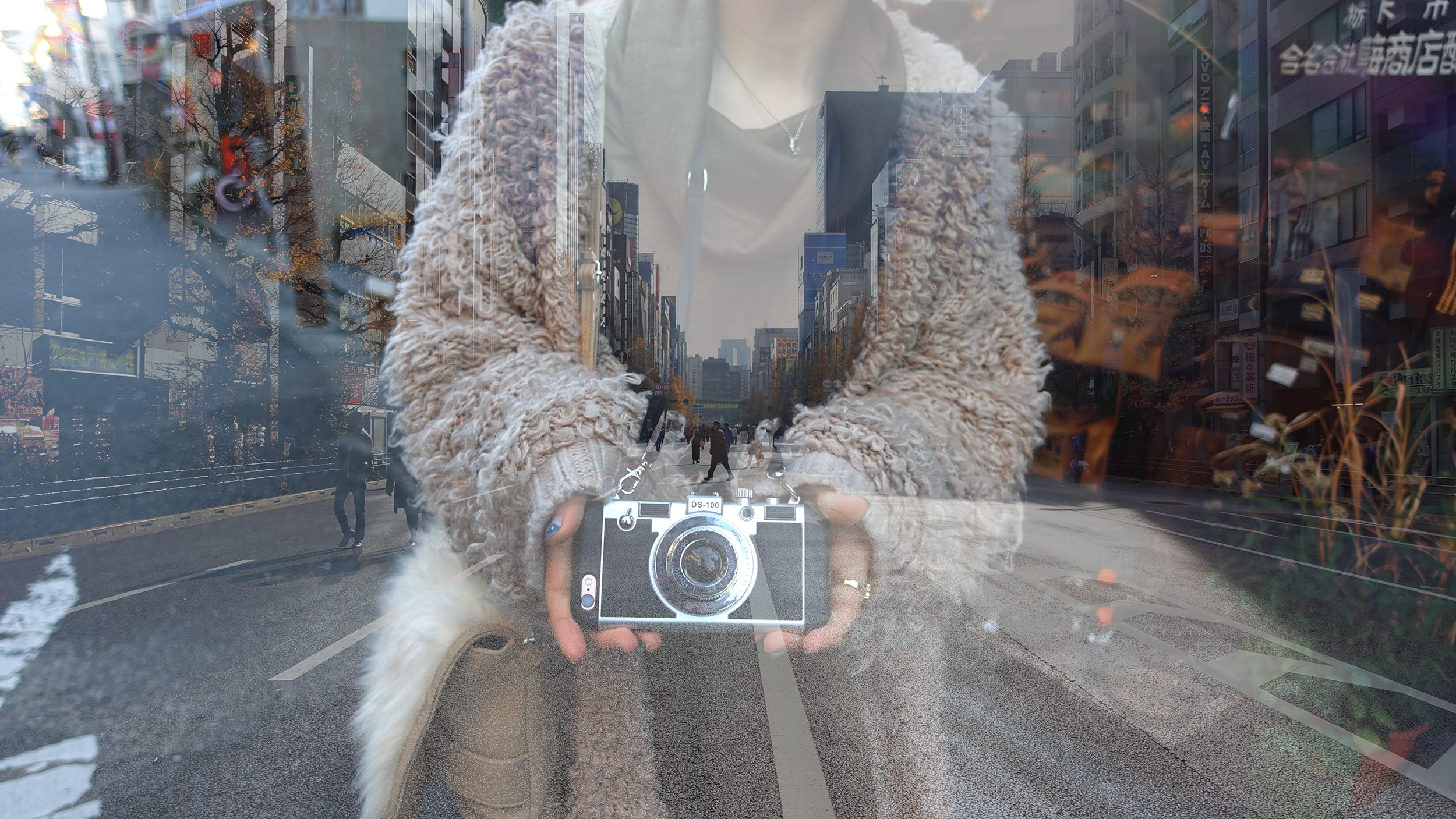
Taeko Nomiya (b. 1990, Mexico City) creates photographs that are as much cultural cartographies as they are visual poems. Working with double exposure, she fuses fragments of Japan and Mexico, two worlds she inhabits fully yet differently, into layered compositions that collapse time, place, and memory into a single image. The result is work that feels at once contemporary in its use of color and technique, yet timeless in its evocation of heritage and tradition.
With a background in industrial design, she came to photography organically, never imagining it as art until her work resonated deeply with viewers. Today, her double exposures have been exhibited internationally in Japan, Colombia, Mexico, and France, and she collaborates with filmmakers and institutions to further expand this hybrid visual language. Represented by MAIA Contemporary in Mexico City, she continues to explore photography’s possibilities in dialogue with technology, from editorial projects with NIKE to interactive urban mapping with Google Mexico.
Nomiya’s practice is a powerful reminder that art can serve as a window into understanding cultures not as fixed categories, but as living, intersecting experiences. By intertwining the vibrancy of Mexico with the meditative restraint of Japanese aesthetics, she offers viewers a way of seeing identity as both plural and whole.
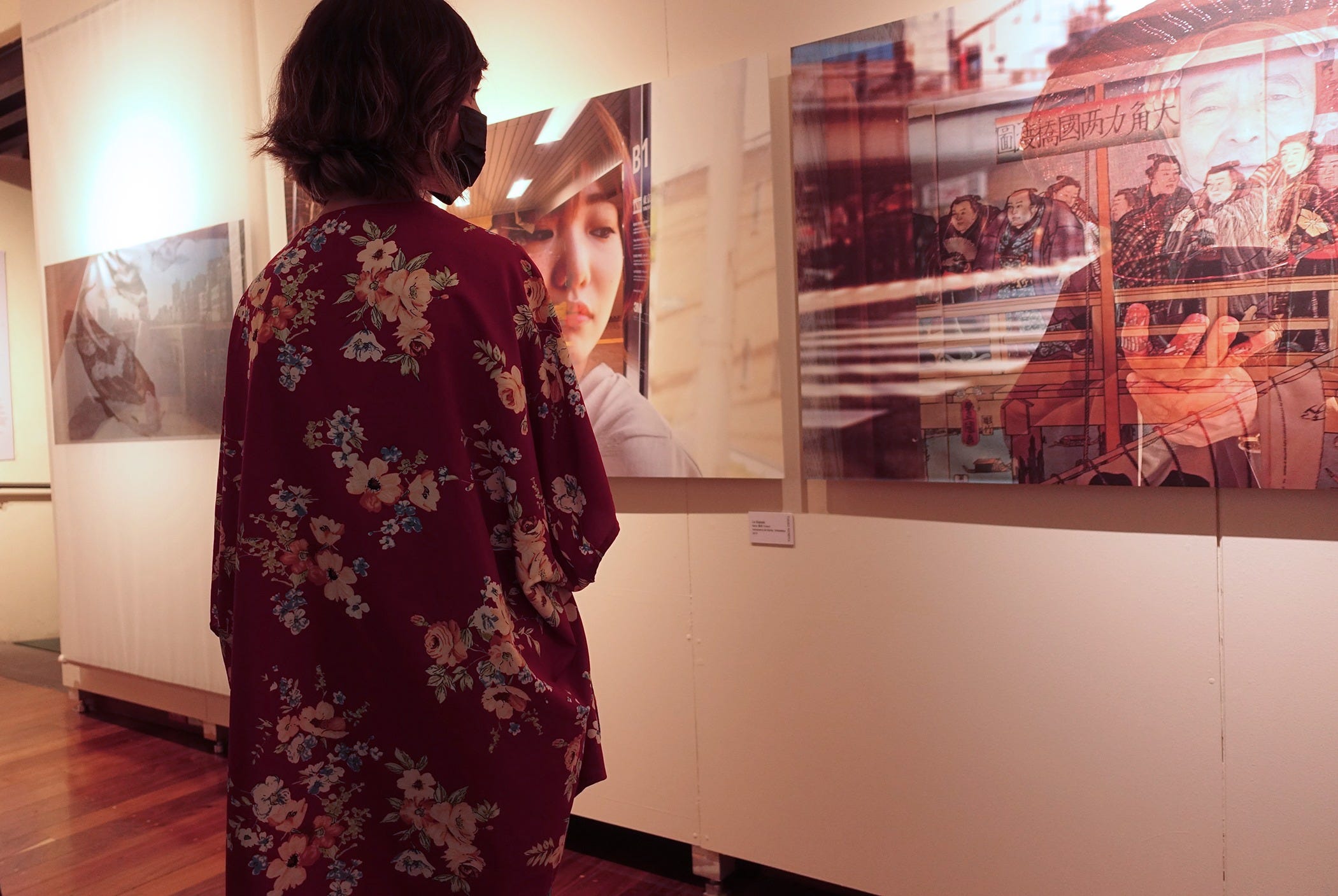
TN: I always took pictures, but I never thought of them as art. I never thought I had something special to say. I actually have a degree in industrial design and had my own practice. Back then, I only used photography as a practical way of sharing things I wanted to share with my friends or with certain people. Then I was invited to participate in a collective show in Tokyo, and the curator, who is Mexican, showed the pictures to some people in Mexico. Soon after, I was invited to join MAIA Contemporary, the Mexico City gallery, and when I started showing with them, I started getting a lot of messages from Nikkei Mexicans (Mexican citizens of Japanese descent)telling me that they were just like me and that they never felt represented in an image until they saw my pictures. I also started getting a lot of messages from young girls who said that my pictures made them gather the courage to actually embrace. being artists, despite the usual family pressures against it.
When that happened, I realized I had gone full circle: I had been influenced in my life by other people’s art, and that had played a huge role in shaping who I am. Now the pictures I took were doing that for other younger artists. It was a revelation. For me, that is in a way the whole point of being an artist: to participate in the natural cycle of life. To give others what people before me had given me.
By a stroke of luck, the two main factors that allow you to be an artist happened simultaneously for me: MAIA Contemporary made it commercially viable, and the resonance my pictures were having in people’s lives made it artistically meaningful. I realized it wasn’t exactly about me, but that my circumstances created something that could be important and revelatory for someone else.
TN: In a world of labels and definitions, growing up bi-national can be very confusing because you are always living in the space between two well-defined entities, and you somehow belong to both, but at the same time, you never fully fit in.
When I started showing my pictures publicly, the pictures I presented were an attempt at introducing that hybrid world that I live in, and to my surprise, there was a strong positive reaction to that, not only from people who were Japanese and Mexican, or from two cultures, but from people who feel like they are caught in between worlds. Like people who work in two completely unrelated fields at the same time.
Lately, I’ve become interested in exploring how we manage to get our messages across to other people. I used to believe that language was an indispensable tool for us to communicate, but now I feel that most of the time it only gets in the way and complicates things. Most of the time, our messages get across despite language, not because of it.
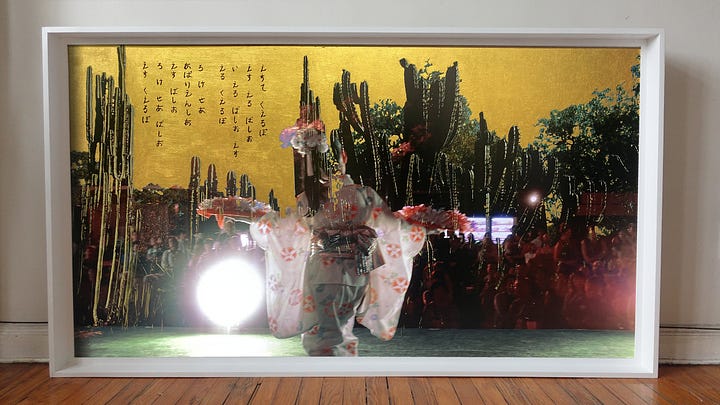
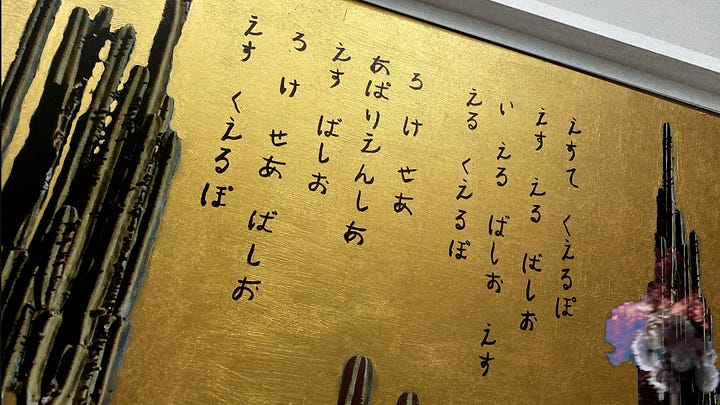
To illustrate this, I have been adding some text to some pictures by hand (see above). The text is in Spanish, but it is written phonetically in the hiragana alphabet. So, a Japanese person who reads hiragana can read the words out loud, but they wouldn’t know what they are saying. The message is there, and it somehow gets across to some people, but not because they read the words. The message is contained somewhere else.
This solution of writing in one language using the alphabet of another language to hide the meaning in plain sight is something I wouldn’t have been able to do if I hadn’t grown up with that dual identity.
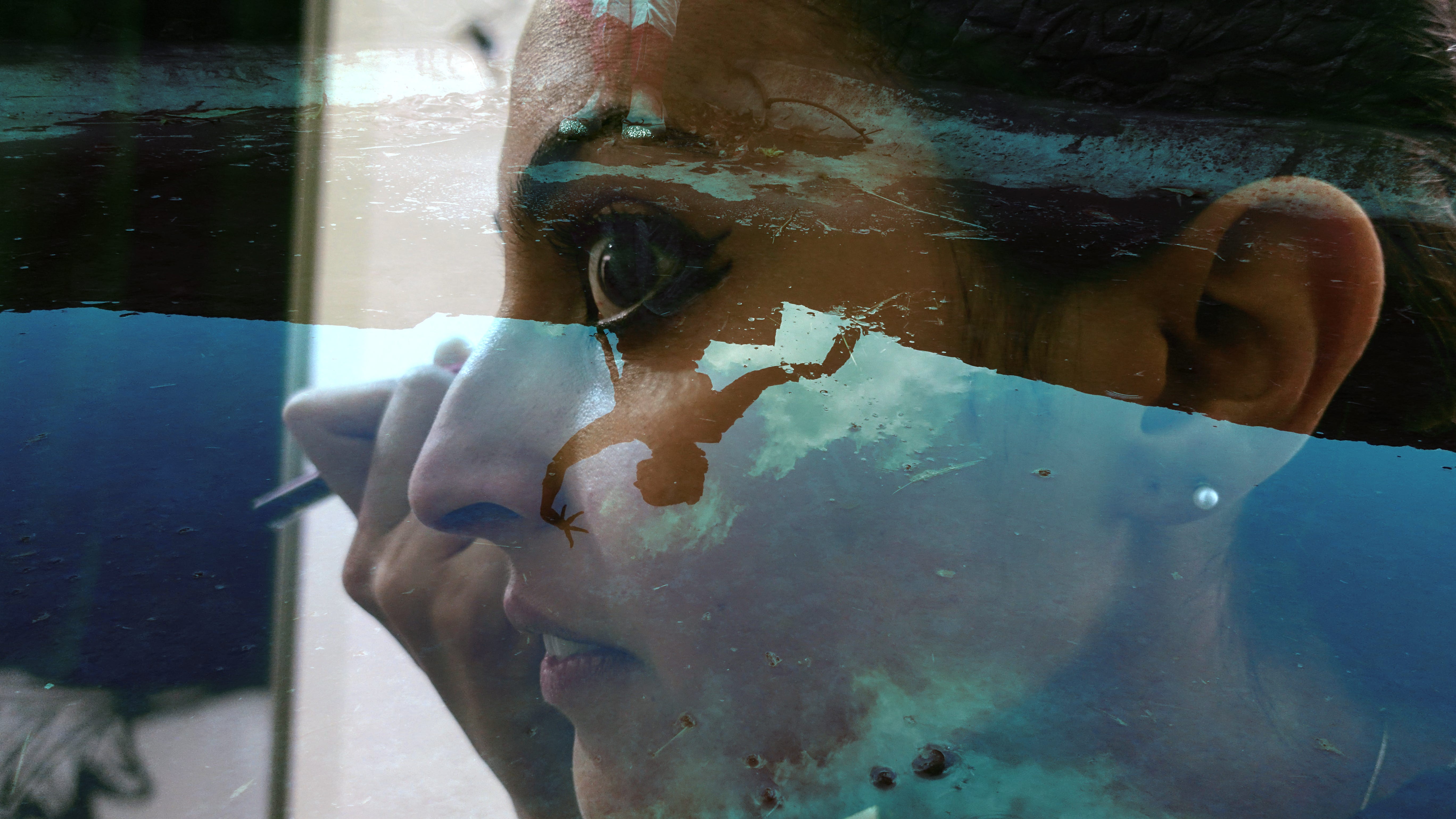
TN: Most of the time, double exposure is used either as an experiment that sometimes, on rare occasions, yields amazing results or to create images that are mawkishly sentimental. Like when they do those silhouettes of a person that contain the image of their loved one inside. However, double exposure is particularly powerful when used to combine two elements that are not typically found together. A portrait of a pretty person with a sunset on top says nothing about the person or the sunset. But if you take a portrait of, say, a scientist and the tools in their lab as a double exposure, it becomes a powerful glance into the life of that person. The lab doesn’t even have to be particularly picturesque; it is the story that makes it compelling.
For me, it is most satisfying when people say that my pictures have made them look at something in a new way. Double exposure can be a very good tool for that, provided you avoid the obvious.
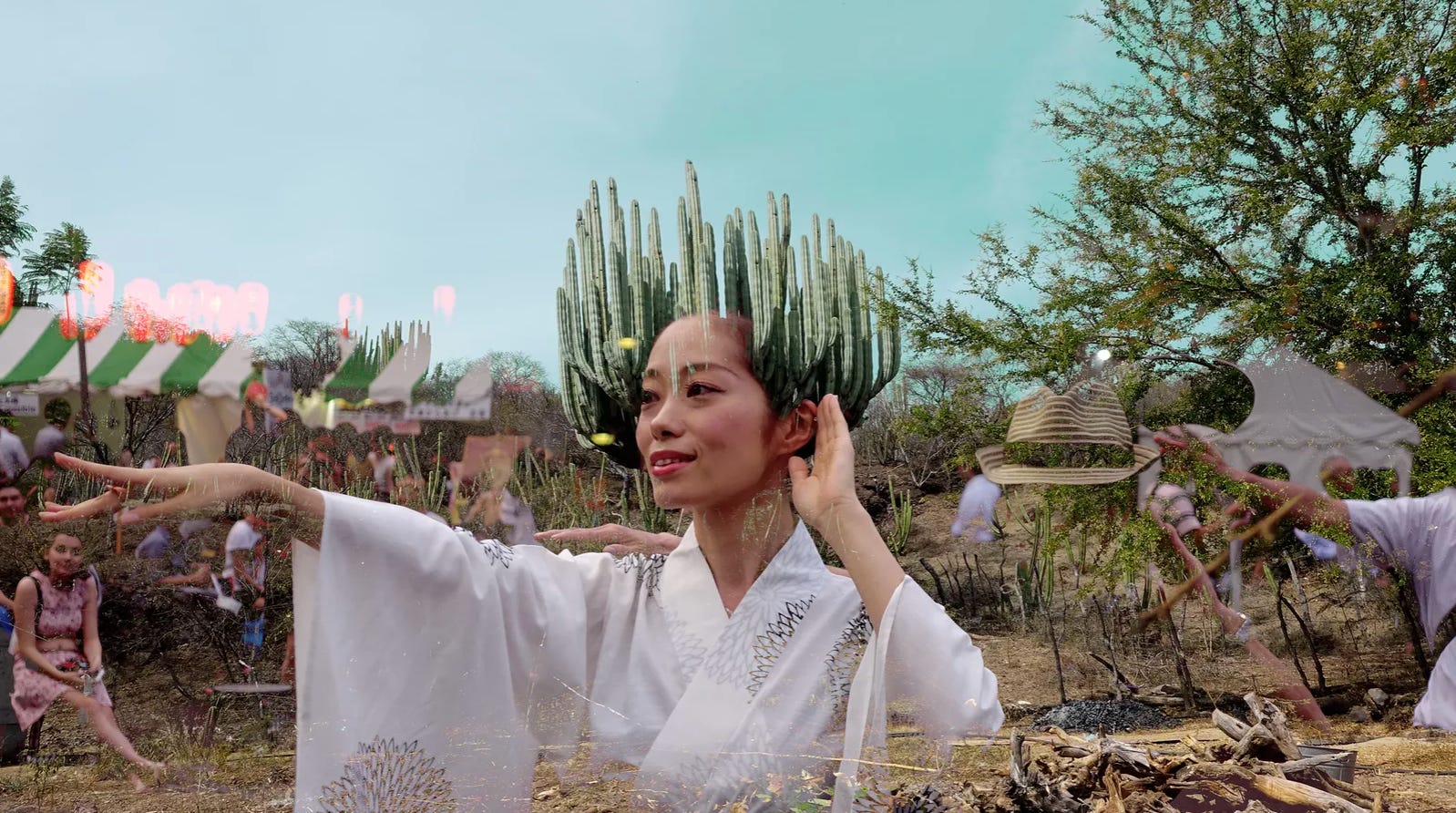
TN: The reason Japan and Mexico go along so well in double exposures is that, on the surface, the two countries couldn’t be more different. But deep inside, Japan and Mexico share fundamental traits. Even though Mexico is always defined as a Catholic country, Mexicans practice an undeniable form of animism that is very similar to Shinto.
So, if you look for obvious similarities on the surface, you won’t find many, but if you take a pause and look, you will realize a lot of unrelated things have the same essence in Japan and in Mexico, and those pictures are an attempt at showing that.
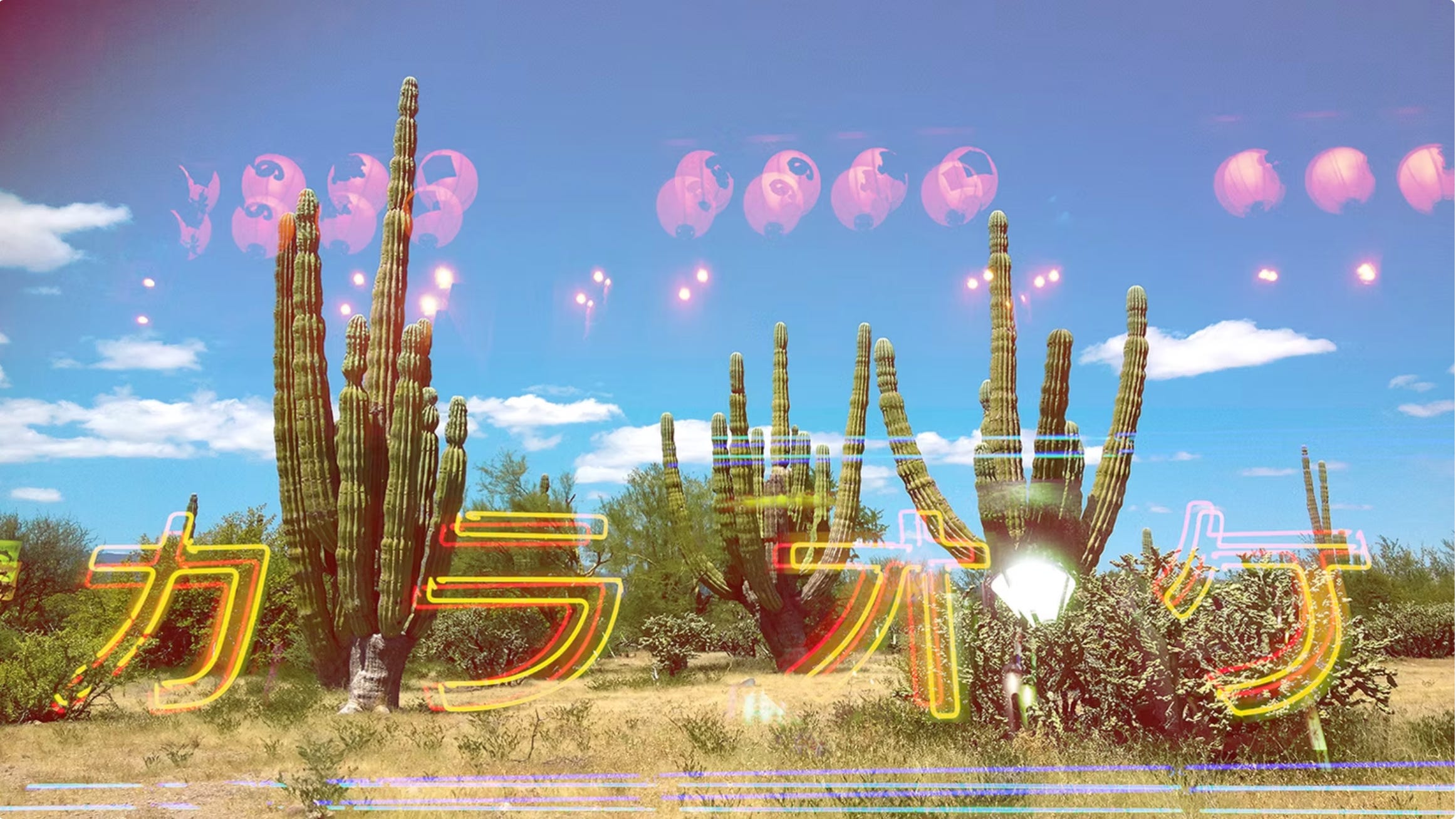
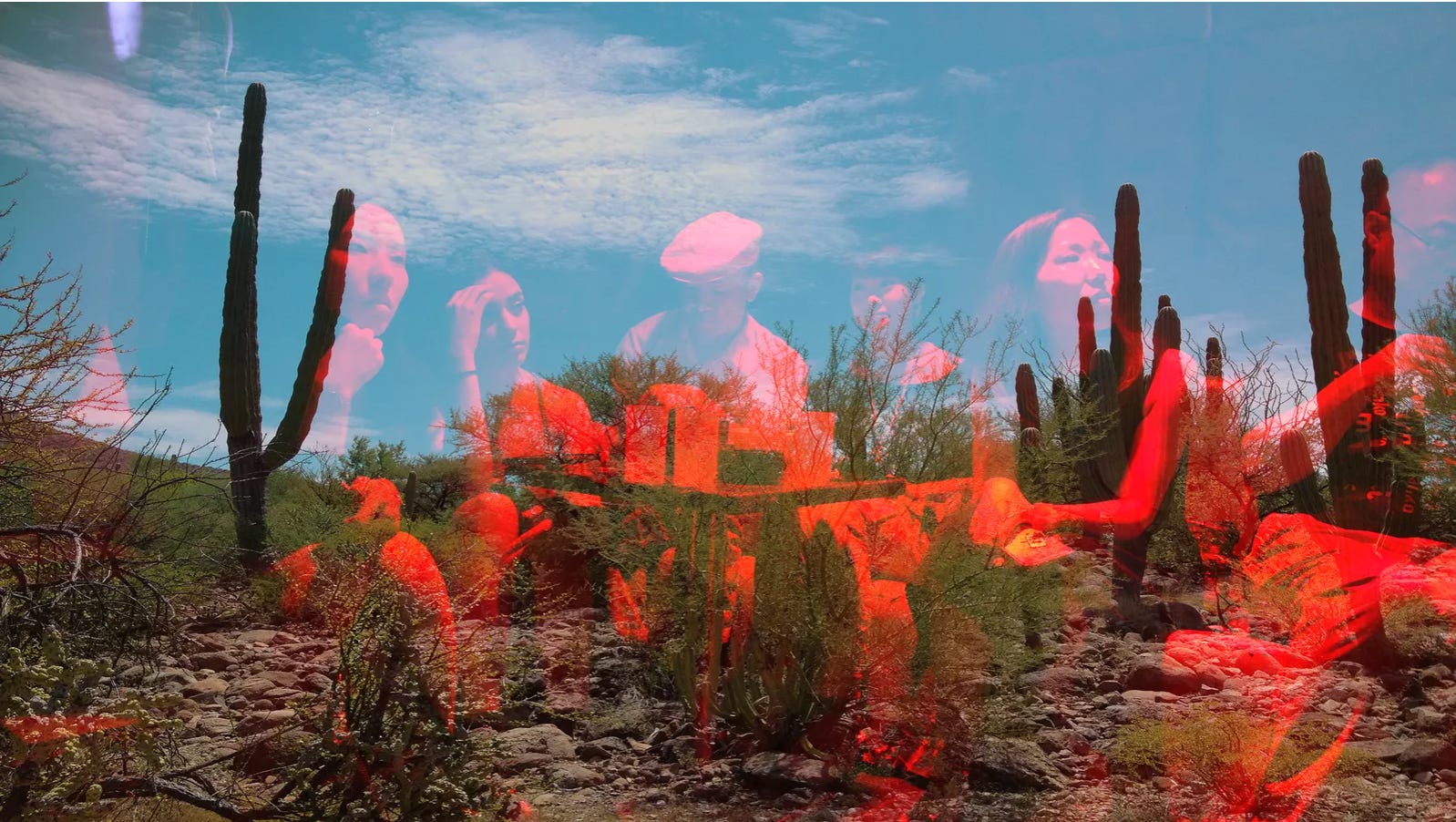
In the case of the saWAro series you are referring to, I joined scenes from the Mexican desert with scenes from daily life in Tokyo because there is a non-evident parallel: being an island with limited resources has shaped the Japanese mind and sprung the sort of communal thinking that makes Japanese people prioritize the group before the individual. In the Mexican desert, because of the scarcity of resources, that same dynamic is at play in plain sight. You see how every living being collaborates with the other to sustain life, even when it is done unintentionally.
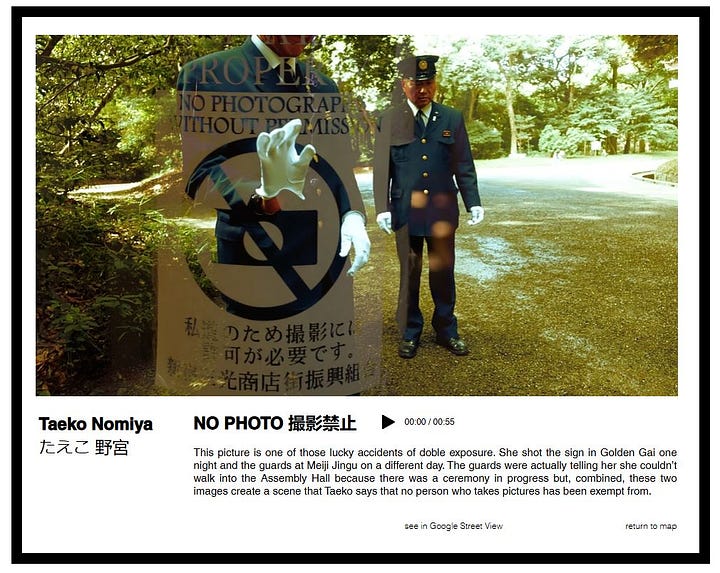
TN: Because I wasn’t formally trained as a photographer, I don’t have a lot of the conceptual constraints about what photography can or cannot be. I don’t think of photography as a religion, but rather as a means to communicate with others. I think photography should be whatever it needs to be, and it can be mixed, merged, and intertwined with anything else if that conveys the message.
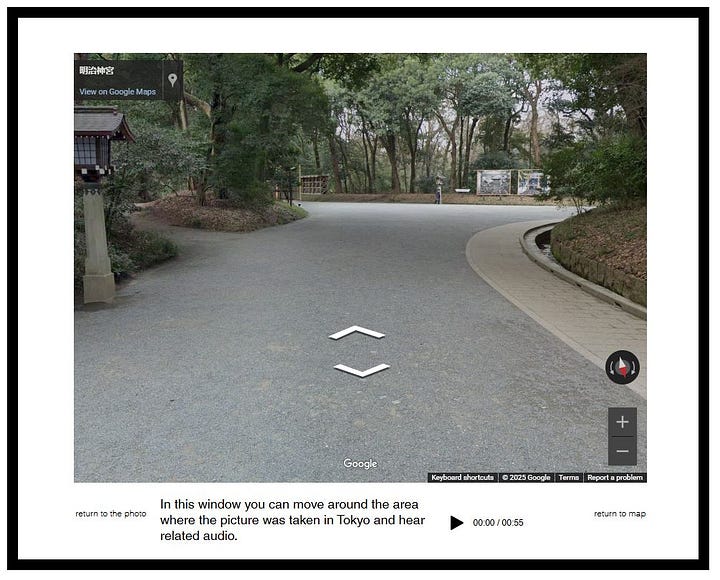
The project with Google came up because I was part of that collective show that couldn’t be visited during the COVID lockdown. We created an interactive map of Tokyo where you could compare the pictures in the exhibition to the sites in Tokyo where they were taken and actually tour the surroundings using Google Street View and hear ambiance sound we recorded there. It was a very nice way to compare the actual place with the artist’s take on that place and to share additional background information about it. I love it when photography can be complemented with technology in that way.
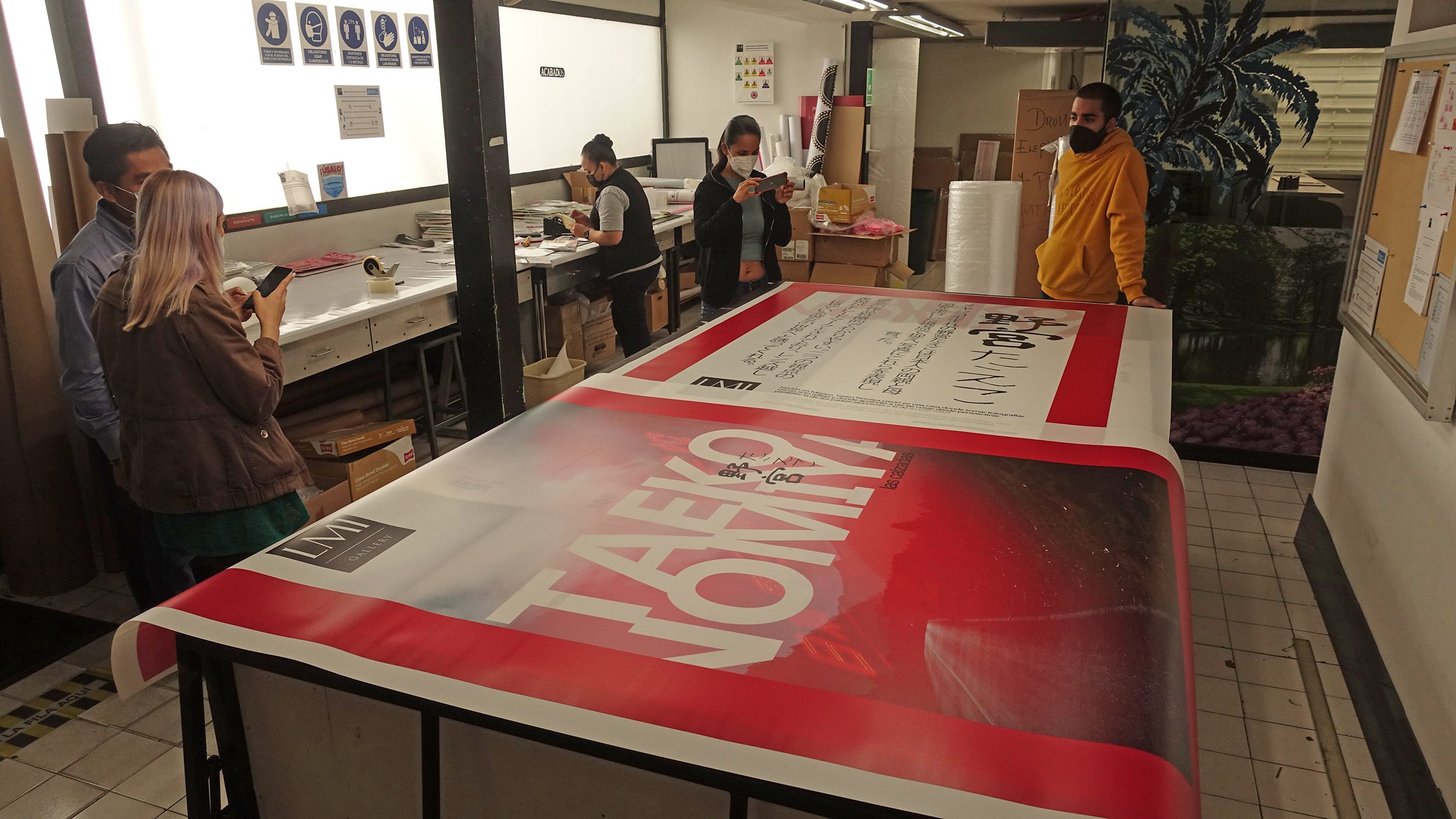
TN: I’m a firm believer that 21st-century multitasking isn’t very good for art or for us as persons. Modern life tries to force us to do everything at once, but I think each process deserves undivided attention, so I often try to create space for each different phase of my life as an artist. If I have an exhibition ahead of me, I will devote a time period to focus solely on that exhibition: curating the concept and the pieces, then getting the pieces ready in terms of production, then sorting out the logistics with the gallery, and planning the presentation and even the promotion. Then, if I get asked to do a private commission, I will separate time to spend it with the person, talking about their motivations and what they are imagining or hoping for.
So my typical day would vary depending on whether it is a creative period, a preparatory period for an exhibition, or whether I am executing a commission. But specifically talking about the creative process, mine doesn’t depend on inspiration; it almost always comes as a response to a question. I suppose that means the kind of art I create is not self-expression, but research. A lot of the time, it is cultural research. In the case of private commissions, it is research into the soul of a person.
TN: For me, it is Mamiya cameras. I started taking pictures because my dad used to take pictures and he had lots of cameras lying around the house, ready with film, so that anybody could grab one and take a picture at any time. Mamiya cameras are not so well known among the general public on this side of the world, but my dad is Japanese, and he had a thing for them, so a lot of the cameras we had at home were Mamiyas, and so they remind me of home.
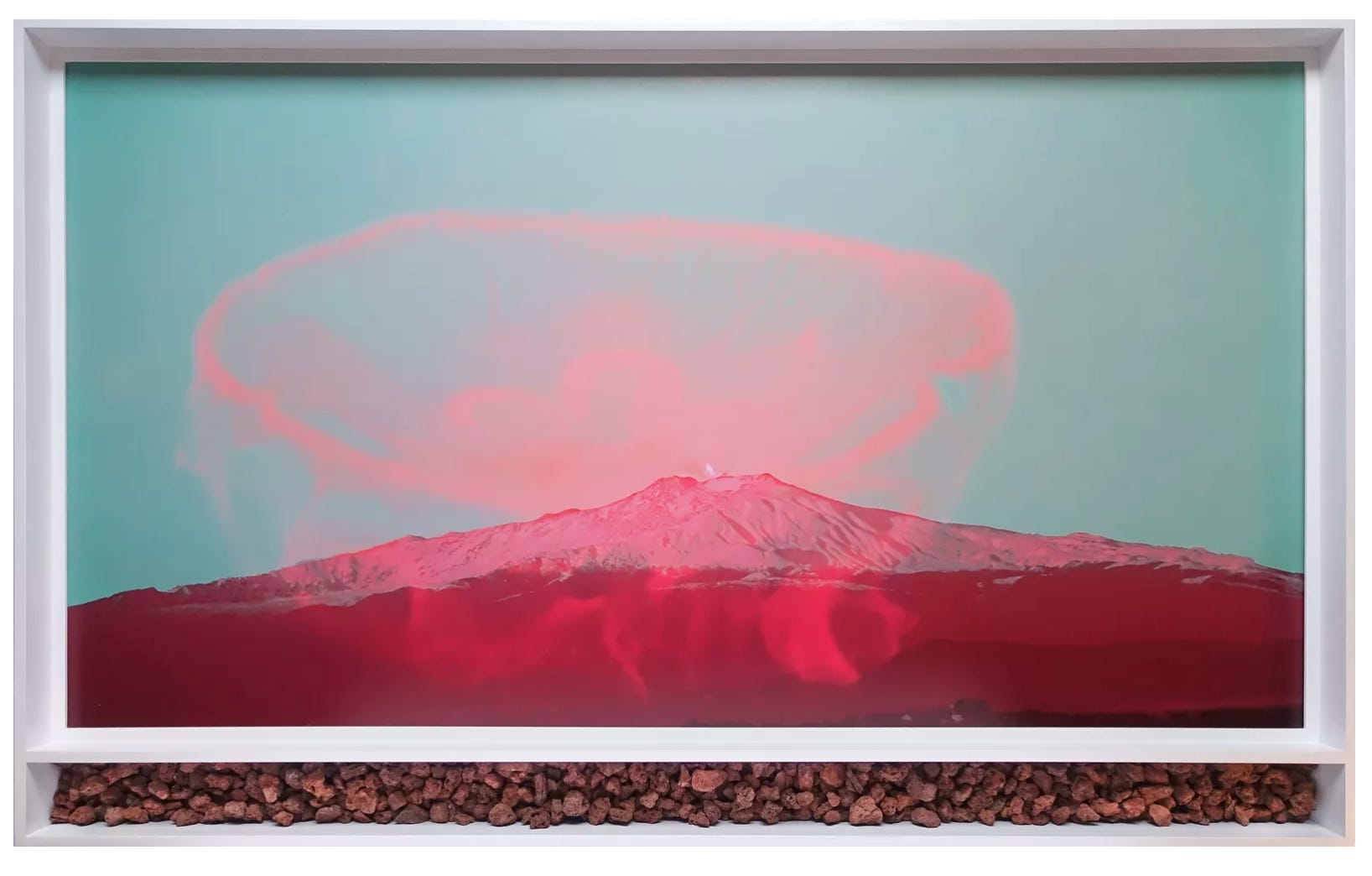
TN: Last year, the gallery did a thematic exhibition on volcanoes. I was invited to participate, and I did a series of pictures where there was nothing that was patently Mexican or Japanese. It was very liberating to apply the method without using the usual signifiers and see that it worked. I would love to do that in a place that has no point of contact with Mexico or Japan, like, say, Moscow. I think it would be fascinating to do a double exposure radiography of the Russian soul.
Artist’s Website: www.taekonomiya.com
Continue reading on photography:
5 Contemporary Photographers To Have On Your Radar
Art Collector's Guide: How To Start Collecting Photography
This writing is independent and free for all, without affiliate links. For those who find value in it, the link below offers a simple way to make a one-time contribution for the price of a coffee.
No posts
Comments
Nothing yet. Say the first thing.
Sign in to join the conversation.