
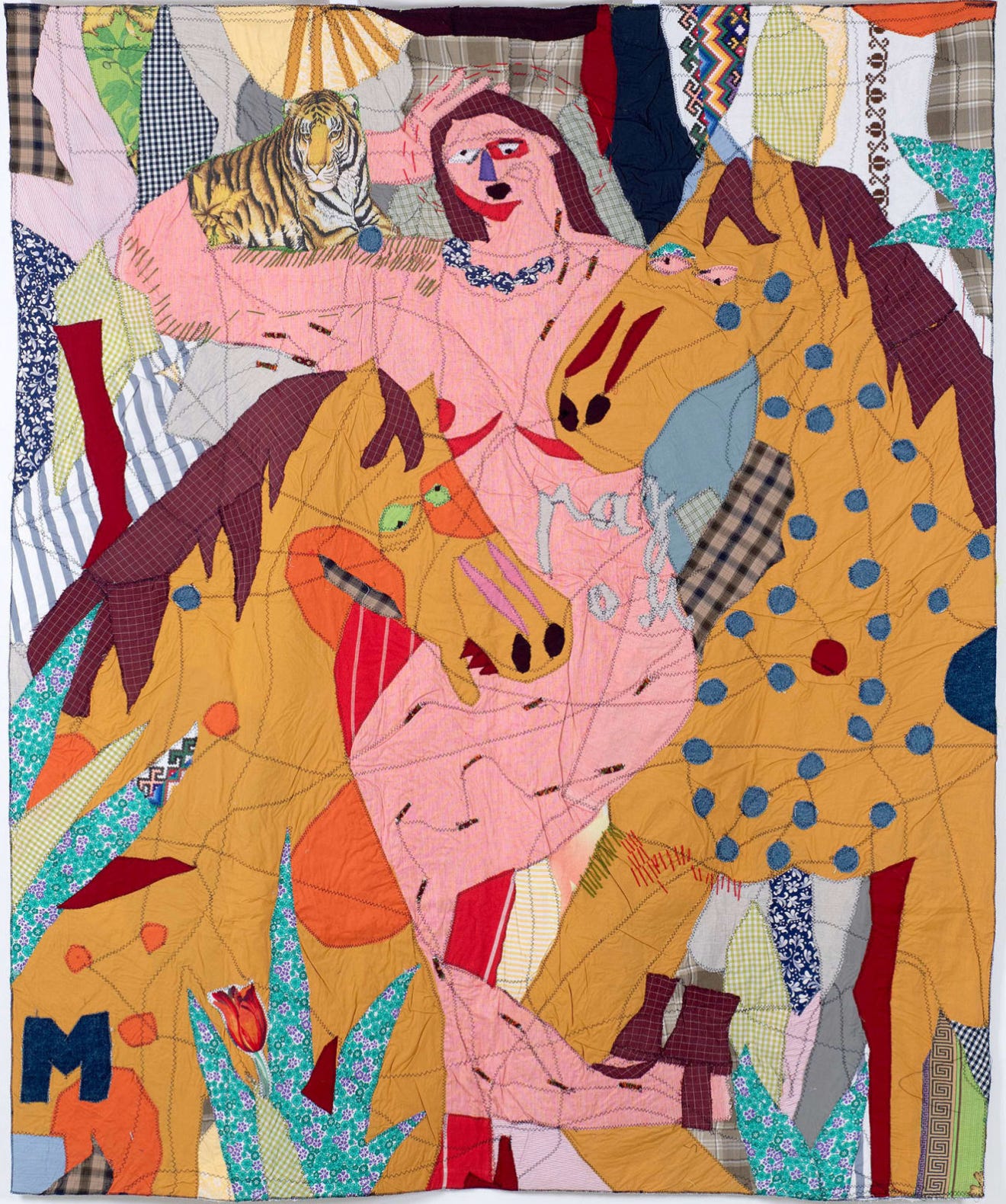
Have you ever found yourself drawn to mixed media art but hesitated to buy a piece because you're still determining how it would fit into your home or whether it would complement your existing collection of oil paintings? Trust me, you're not alone. But I'm here to tell you why mixed media art deserves a place in your space. These pieces—whether it's a repurposed fabric with designs made from colored stitches or sewn-on patchwork, to wool "paintings" created by subtle blending of fibers, intricate embroidery, or experimental assemblages —offer something truly unique. Mixed media is a fantastic way to introduce tactile richness, adding both intrigue and warmth to your home. Let's explore why these unconventional pieces should be part of your home and how they'll transform your perspective on art.
Mixed media art stands out in a collection for its ability to tell a story through a combination of materials. Artists working in this genre often repurpose fabric, thread, paper, and found objects to create layered narratives. The result is a multidimensional experience that invites viewers to engage not only with the visuals but also with the textures and histories embedded in the work.
Unlike traditional media, mixed media often carries personal or cultural significance, with artists incorporating elements of identity, heritage, or social commentary. For collectors, these pieces offer more than aesthetic appeal—they represent conversations, emotions, and a connection to the artist's world.
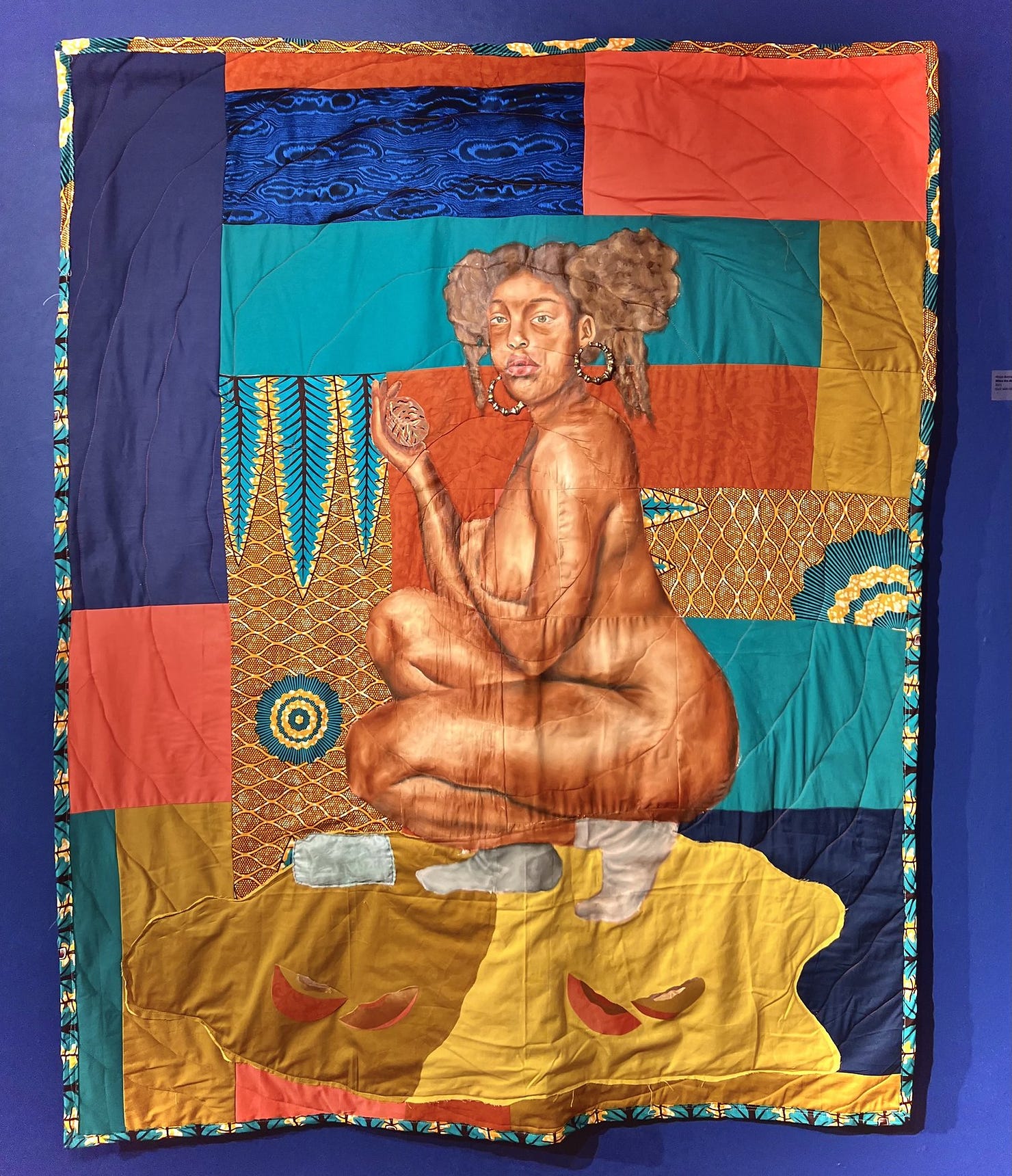
Patchwork, historically associated with quilting and functional craft, has found a powerful voice in contemporary art. Artists like Iryna Maksymova (b. 1991, Ukraine) and Aliyah Bonnette (b. USA) use fabric to craft intricate narratives, often infused with themes of identity, politics, and memory.
Patchwork offers a vibrant interplay of color and pattern, with each piece of fabric contributing its own history to the larger whole. As a collector, investing in patchwork-based works is not just about acquiring art but preserving stories stitched together through time. Look for pieces that balance technical precision with emotional resonance, where the materials themselves carry as much weight as the imagery.
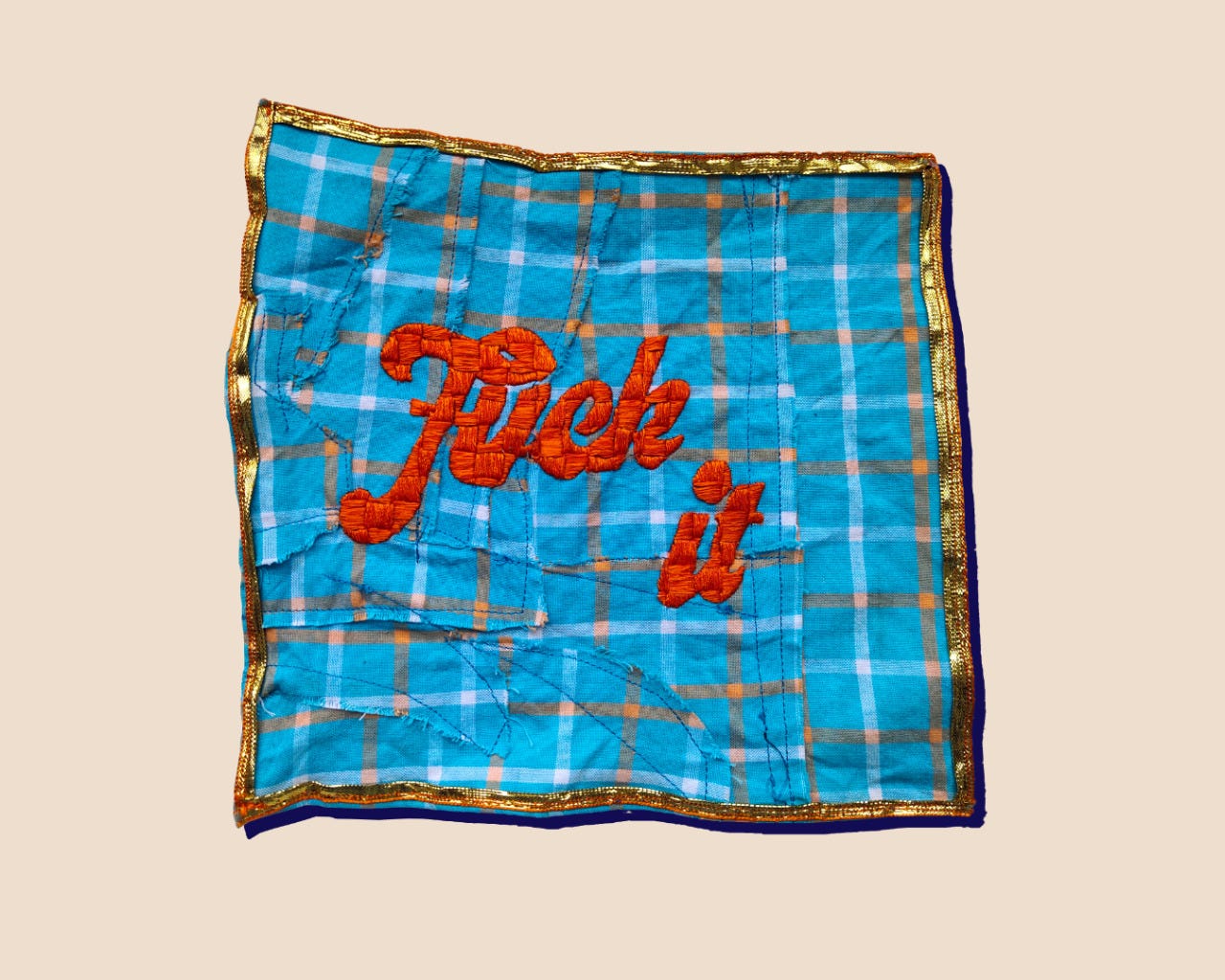
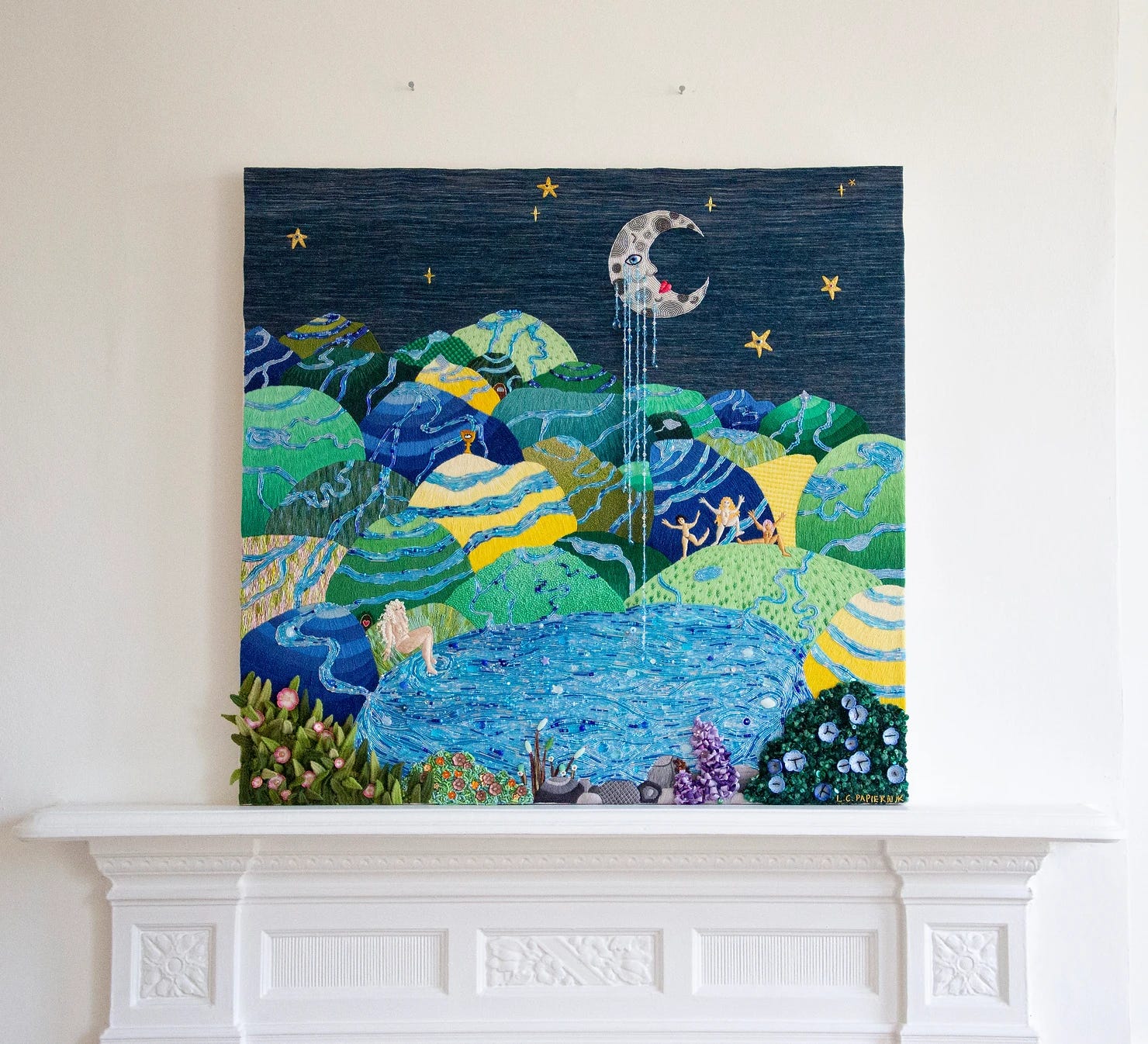
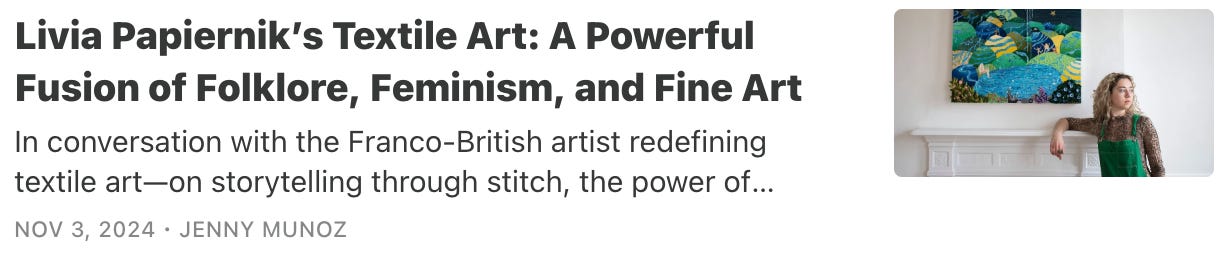
Embroidery, long relegated to the domestic sphere, is undergoing a renaissance as contemporary artists reclaim and recontextualize the medium. Through delicate stitches, artists like Livia Papiernik (b. 1997, France) and Koshy Brahmatmaj (b. 1992, India) explore themes ranging from feminism to everyday life.
The tactile quality of embroidery makes it uniquely intimate. Threads create texture and dimension, pulling viewers into the surface of the work. Collectors seeking to diversify their portfolio should consider embroidery not only for its aesthetic charm but also for its symbolic power as a medium historically tied to women's labor and storytelling.
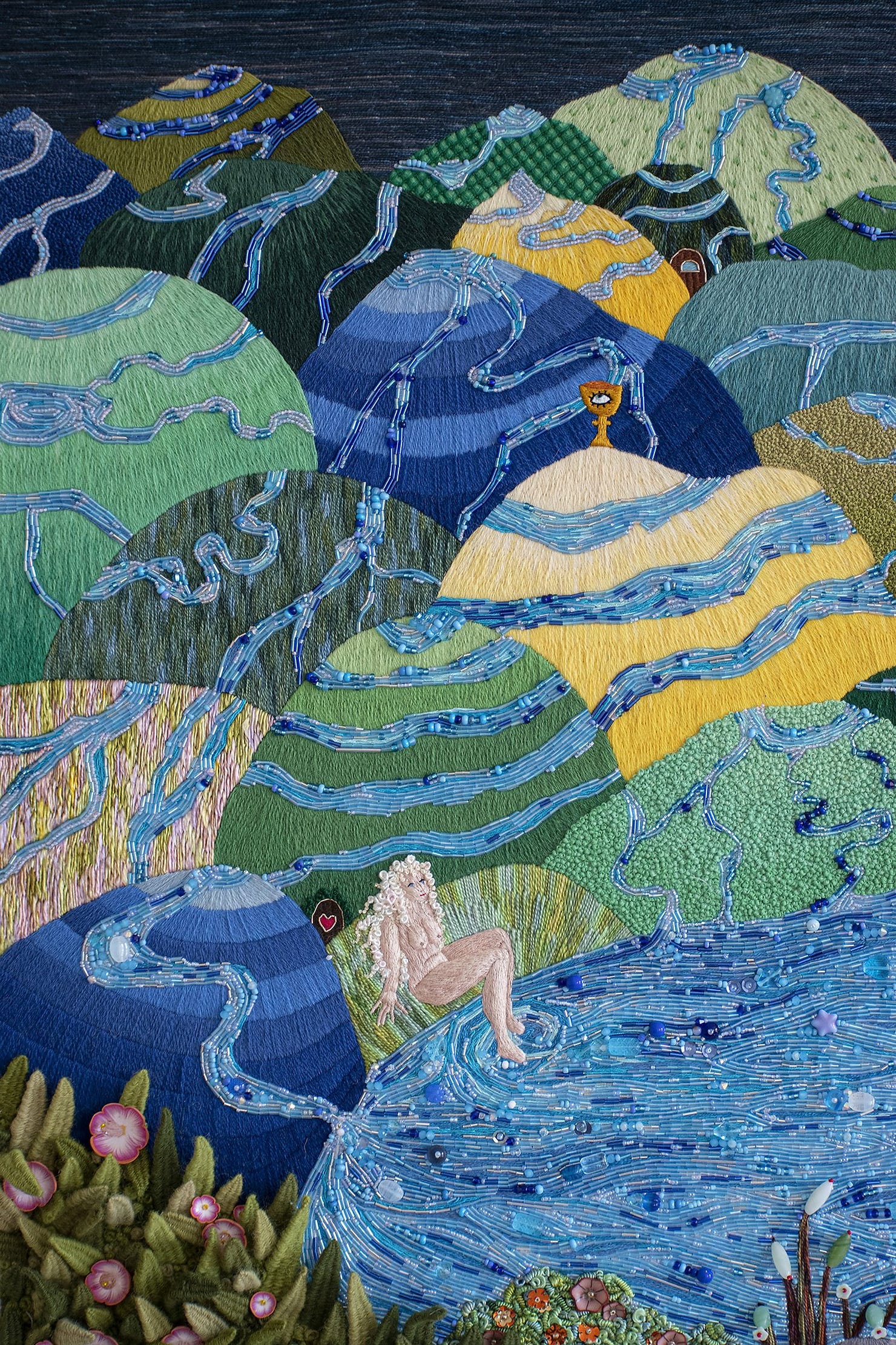
For those who crave even more experimentation, mixed media extends beyond textiles. Assemblage artists combine mediums, such as photography, to unexpected materials—wood, glass, metal, and even organic matter—to create works that challenge conventional notions of form and function.
Consider the works of artists like Ana Teresa Barboza (b. 1981, Peru), whose work pushes the boundaries of traditional textiles, blending embroidery, knitting, and patchwork to create dynamic pieces that flow beyond the frame, existing between tapestry and sculpture. Her art explores the origins of natural fibers and pigments, connecting them to the landscapes and ancestral knowledge of the communities that nurture them. Recently incorporating photography, Barboza's labor-intensive creations are rich in texture and meaning, making them both visually striking and deeply thought-provoking additions to any collection.
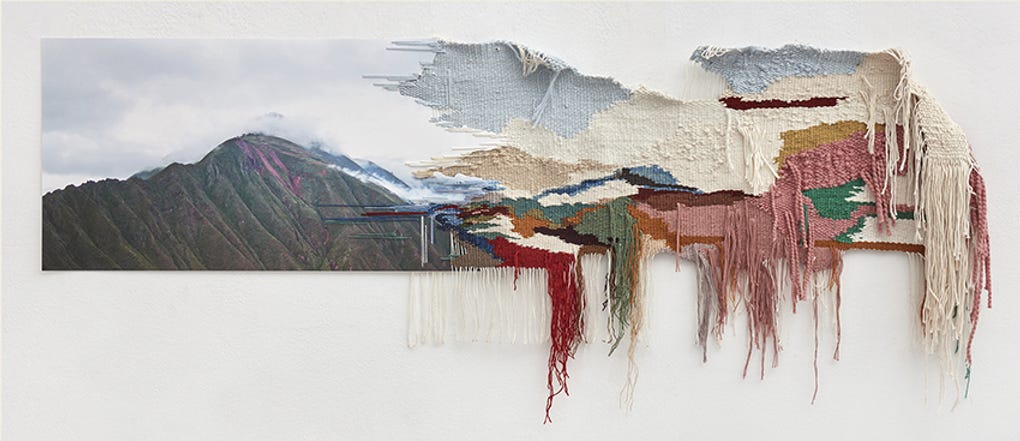
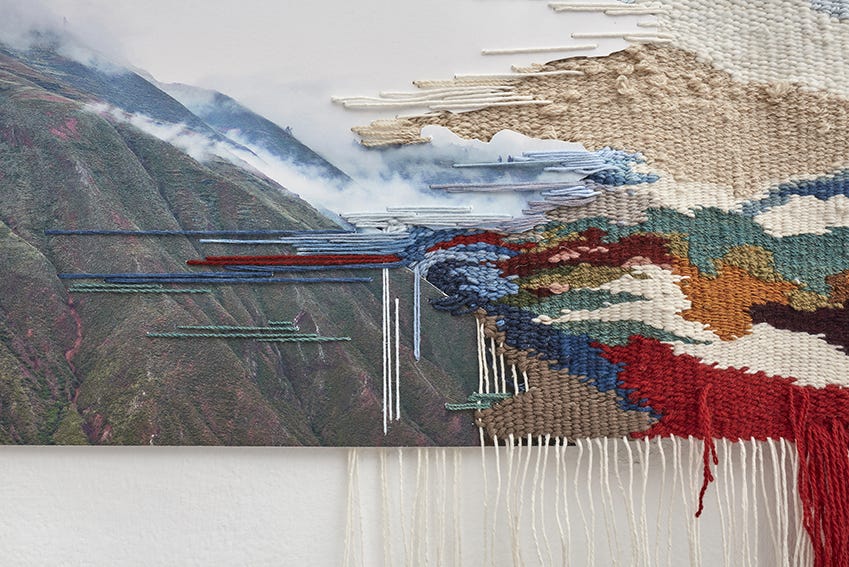
Mixed media art brings versatility and depth to a collection. These works can stand alone as striking focal points or complement more traditional pieces, adding layers of texture and narrative. As collectors become more discerning, the appeal of acquiring works that defy categorization grows.
Moreover, investing in mixed media is an opportunity to champion innovation and sustainability. Many artists in this genre emphasize resourcefulness, using recycled or unconventional materials to create their works. Supporting these artists not only adds dimension to your collection but also aligns with the growing movement toward environmentally conscious art practices.
If you're new to collecting mixed media, begin by exploring galleries, online platforms, and art fairs that showcase emerging talent. Look for pieces that resonate with your personal aesthetics but also challenge your perspective. Don't shy away from asking questions about the materials and processes—understanding the story behind a work can deepen your appreciation and connection to it.
Additionally, consider how these works will live in your space. Mixed media often requires thoughtful display, with lighting and placement that highlight its dimensionality. Whether it's a patchwork tapestry, an embroidered panel, or a bold assemblage, these pieces thrive in environments that allow their textures and details to shine.
In a world saturated with digital imagery and flat screens, mixed media art offers a return to the tangible and tactile. It invites us to slow down, to trace the threads, textures, and layers that bring a work to life. For collectors, it's an opportunity to engage with art that challenges, surprises, and endures.
As you venture beyond the canvas, you'll discover that mixed media is more than a medium—it's a testament to the boundless creativity of contemporary art. Start exploring today, and let your collection tell stories in textures and layers.
You Might Also Like:
This writing is independent and free for all, without affiliate links. For those who find value in it, the link below offers a simple way to make a one-time contribution for the price of a coffee.
No posts
Comments
Nothing yet. Say the first thing.
Sign in to join the conversation.