
Dear Readers - this week you get TWO for the price of one.
Yes.
Our last week’s post refused to upload despite numerous attempts I think it was the controversial subject we chose to write on. Is Big Brother watching ?? 👀
We wrote about the infamous Oscars win , or loss rather.
This week is all about the “Nollywood Oscars” , as some call it - The upcoming AMVCA.
So this week you get to read both stories . Brace yourselves . This is impactful.
But first, a reminder that legacies are built over time and so we invite you to build together with us by subscribing to our newsletter.📩
What use is us writing if you don’t read . :)
And now to our stories.
Story no. 1:
Opera-Gate and the Fall of the Icon: What the 98th Oscars Taught Us.
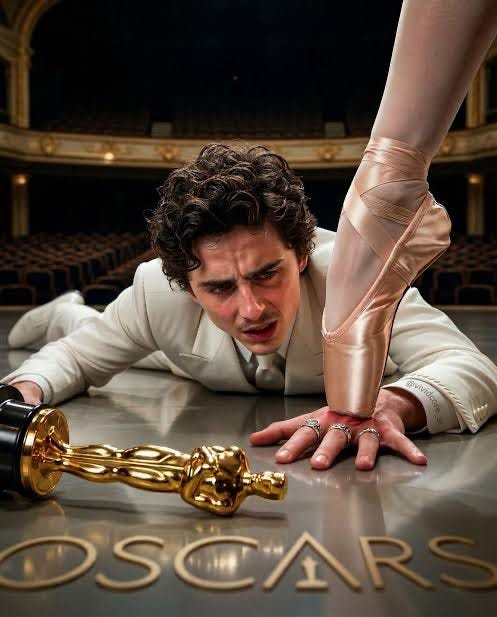
The 98th Academy Awards didn’t just crown a winner; they witnessed a major shift in how Hollywood sees its stars. For months, the awards season felt like a coronation for Timothée Chalamet. But by the end of the night, the glory belonged to Michael B. Jordan. It was a study in the difference between being brilliant and building a legacy.
For a long time, the industry treated Chalamet’s win for Marty Supreme as a sure thing. His performance was a masterclass in “quiet intensity.” It was the kind of deep, internal work that usually acts as a magnet for Oscar gold. He moved through the earlier awards shows with the aura of a young king ready to claim his throne.
However, a controversy known as “Opera-Gate” showed how fragile an Oscar narrative can be. Chalamet made a lighthearted joke about ballet and opera being “relics” of the past. The older, traditional members of the Academy saw this as a lack of respect for the performing arts history they protect. Suddenly, Chalamet’s talent felt isolated. In the eyes of the voters, he wasn’t standing on the shoulders of giants; he was standing apart from them.
While Chalamet’s campaign struggled because he seemed detached, Michael B. Jordan’s victory for Sinners was rooted in connection. Playing the dual roles of twins Smoke and Stack wasn’t just a technical trick of “twin acting.” It was a deep look at identity and family. Jordan managed to split his soul on screen, giving each brother a different weight, a different way of breathing, and a unique relationship to their shared burdens.
The most defining moment of the night didn’t even happen during the movie. It happened on the lapel of Jordan’s tuxedo. He wore a small, simple tribute pin for the late Chadwick Boseman. That pin was a “silent tether” that secured his victory. It signaled that Jordan understood he wasn’t standing at that podium alone. It reminded the room of the dignity Boseman brought to his roles, showing that Jordan is the successor to a specific kind of excellence, one defined by grace, discipline, and a responsibility to the community.
Where Chalamet’s comments suggested a break from the past, Jordan’s pin suggested a bridge to it. When Jordan’s name was finally called, there was no shock in the room. The Academy chose the performance that felt “anchored.”
In the end, Sinners provided more than just a way for Jordan to show his range; it provided a soul. Chalamet invited the audience to watch him, but Jordan invited the audience to remember. By honoring Boseman and the “burden of duty” within his roles, Michael B. Jordan proved that the highest form of greatness doesn’t seek to replace the past, it carries it into the future. It was justice, not an upset. It was the night Hollywood decided that legacy matters more than just raw talent.
How would you say this would play out in Nollywood ?
Well…
This week we are heading to the upcoming AMVCA , in the next post..

No posts
Comments
Nothing yet. Say the first thing.
Sign in to join the conversation.