
When Nigeria made its first attempt at the Academy Awards in 2019, it wasn't just submitting a film, it was announcing that Nollywood was ready to compete on cinema's biggest stage.
The film was Lionheart, directed by Genevieve Nnaji.
It should have been a landmark moment. Instead, it became a lesson.
Just weeks after its submission to the Best International Feature Film category, Lionheart was disqualified by the Academy because more than half of its dialogue was in English. At the time, the category required entries to be predominantly in a language other than English.
The decision sparked debate far beyond Nigeria. How could a country where English is the official language and the bridge between more than 500 indigenous languages be disqualified for telling its story in the language most Nigerians speak every day?
The controversy wasn't simply about language. It exposed something deeper: many within Nollywood were still learning the intricate rules that govern the Oscars. Producing an exceptional film was only one part of the journey. Understanding the Academy's eligibility requirements was another.
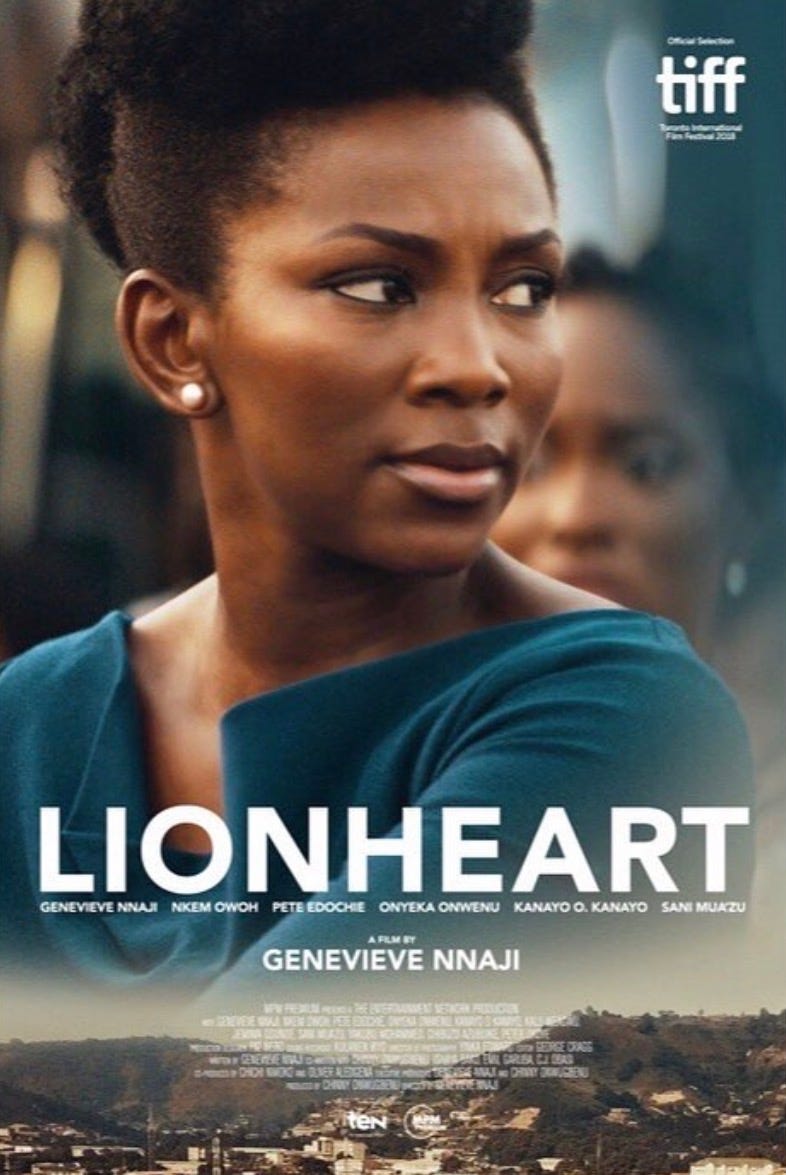
https://www.imdb.com/title/tt7707314/?ref_=ext_shr_lnk
Rather than retreat, Nigeria kept trying.
In 2020, The Milkmaid, directed by Desmond Ovbiagele, became Nigeria's second official Oscar submission. Performed primarily in Hausa, the film satisfied the Academy's language requirements while tackling the insurgency in Northern Nigeria through a deeply personal story.
Three years later came Mami Wata, directed by C.J. "Fiery" Obasi. Winner of the Sundance Film Festival Special Jury Prize for Cinematography, the striking black-and-white fantasy epic drama demonstrated that Nigerian films could command international attention long before Oscar season. Although it did not progress to the final shortlist, it represented another important step in Nigeria's evolving Oscar strategy.
Now, the conversation had shifted.
The question was no longer, "Can Nigeria submit a film?"
It had become, "How do Nigerian films become competitive?"
Nigeria's strongest statement yet came with Mai Martaba, selected as the country's official entry for the 97th Academy Awards.
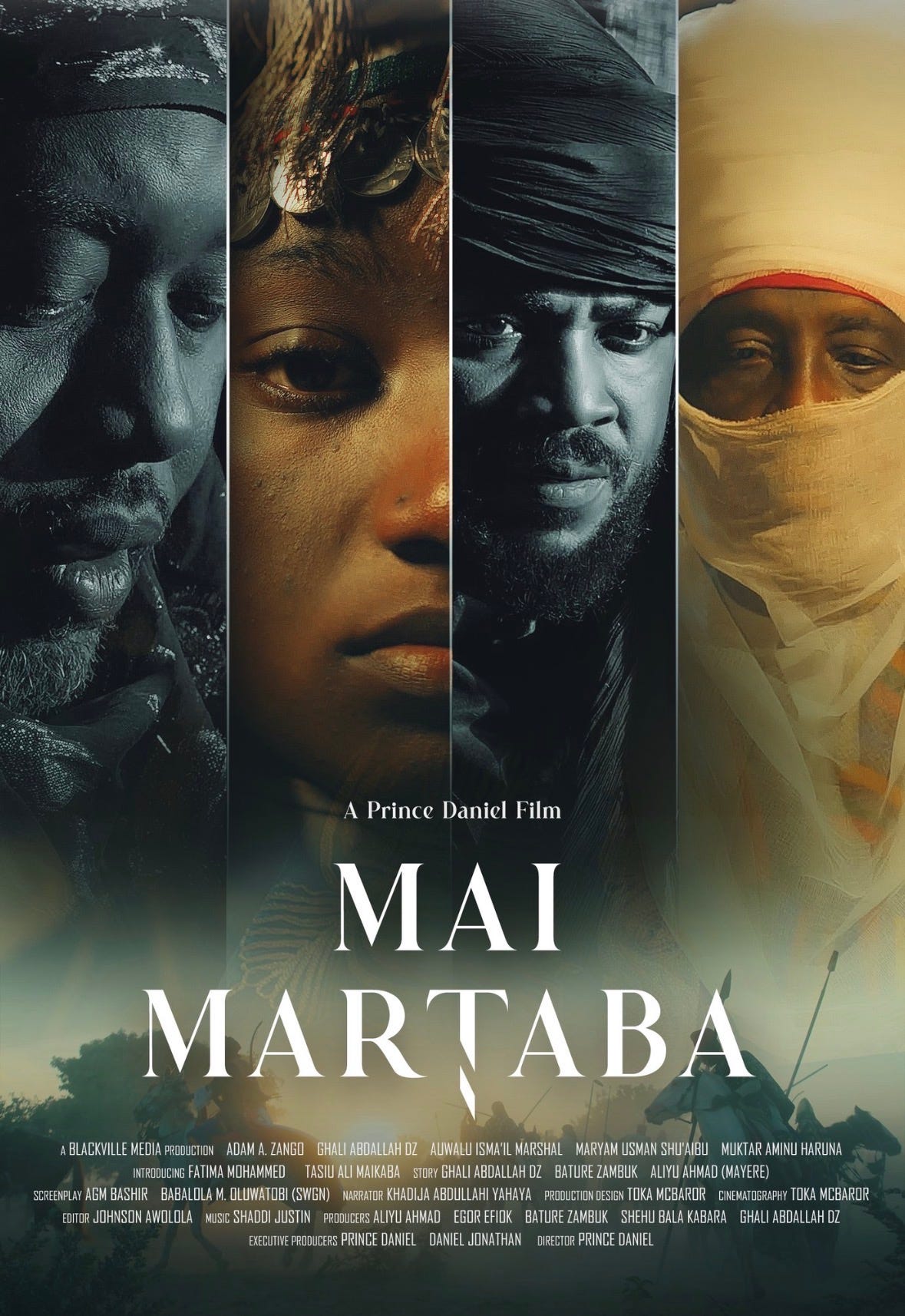
Produced and directed by Prince Daniel Aboki, the Hausa-language historical epic unfolds in the fictional kingdom of Jallaba, weaving together themes of power, succession, betrayal and female leadership.
Notice a story pattern?
Shot in Daura, Katsina State, Mai Marbata stood out for its ambitious scale, visual craftsmanship and technical execution. It also earned recognition beyond Nigeria, including a selection at the Septimius Awards in Amsterdam.
While Mai Martaba did not ultimately secure an Oscar nomination, its selection was significant.
It wasn't merely another submission.
It reflected an industry becoming increasingly intentional about making films that meet international standards not just in language, but in storytelling, production value, festival positioning and global appeal.
For many observers, Mai Martaba represented the clearest sign yet that Nollywood's Oscar ambitions were beginning.
That evolution makes this week's industry event especially timely.
On Thursday, July 2, 2026, the Nigeria Official Selection Committee (NOSC) hosted the NOSC Industry Forum 2026, themed,
From Eligibility to Competitiveness: Building Nigerian Films for Global Recognition.
Filmmakers, producers, writers, distributors and other industry practitioners attended. The question on everyone’s mind: What does it really take to position their Nigerian films for the Oscars- a stamp of international success.
Seven years ago, we cried about being disqualified, we hated the rules, and deflected the international community. Today, we are studying the rules so that we can compete with the international community under their rules .
It’s not bending, it’s ascending.
Real competitiveness is making films that can stand shoulder to shoulder with submissions from France, Japan, Brazil, Germany, South Korea and dozens of other countries that have spent decades refining their Oscar strategies.
Well, that requires not just strong storytelling but a whole strategy. And industry infrastructure. Well explain that in our next newsletter. .
Whether Nigeria earns its first Oscar nomination next year or five years from now, one thing seems increasingly clear.
The industry's future is definitely shaping up.
Keep following to see where it’s headed
To our readers,
We apologize we couldn’t publish last week. If there’s a particular theme you want us to write about let us know .
No posts
Comments
Nothing yet. Say the first thing.
Sign in to join the conversation.