
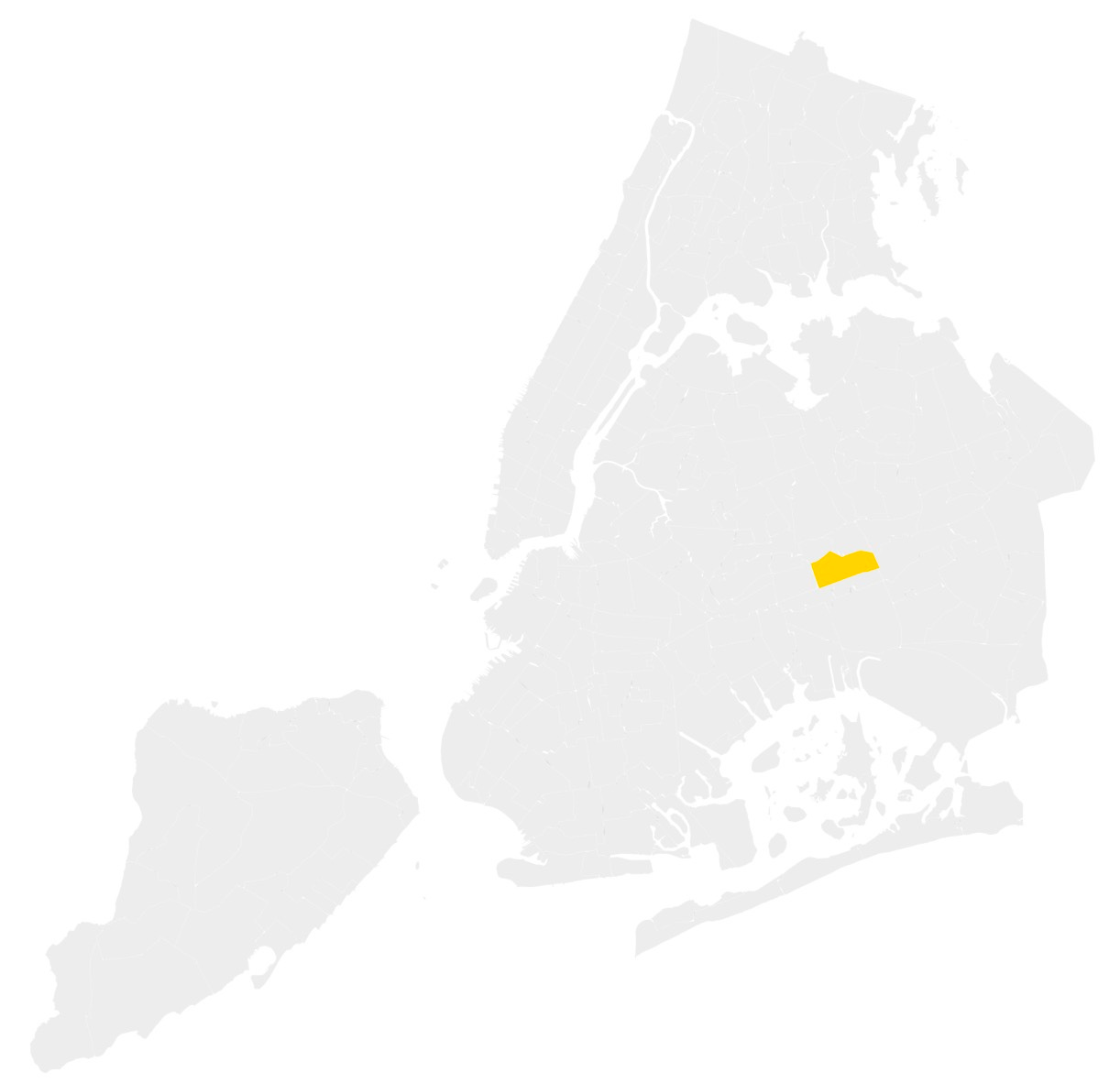
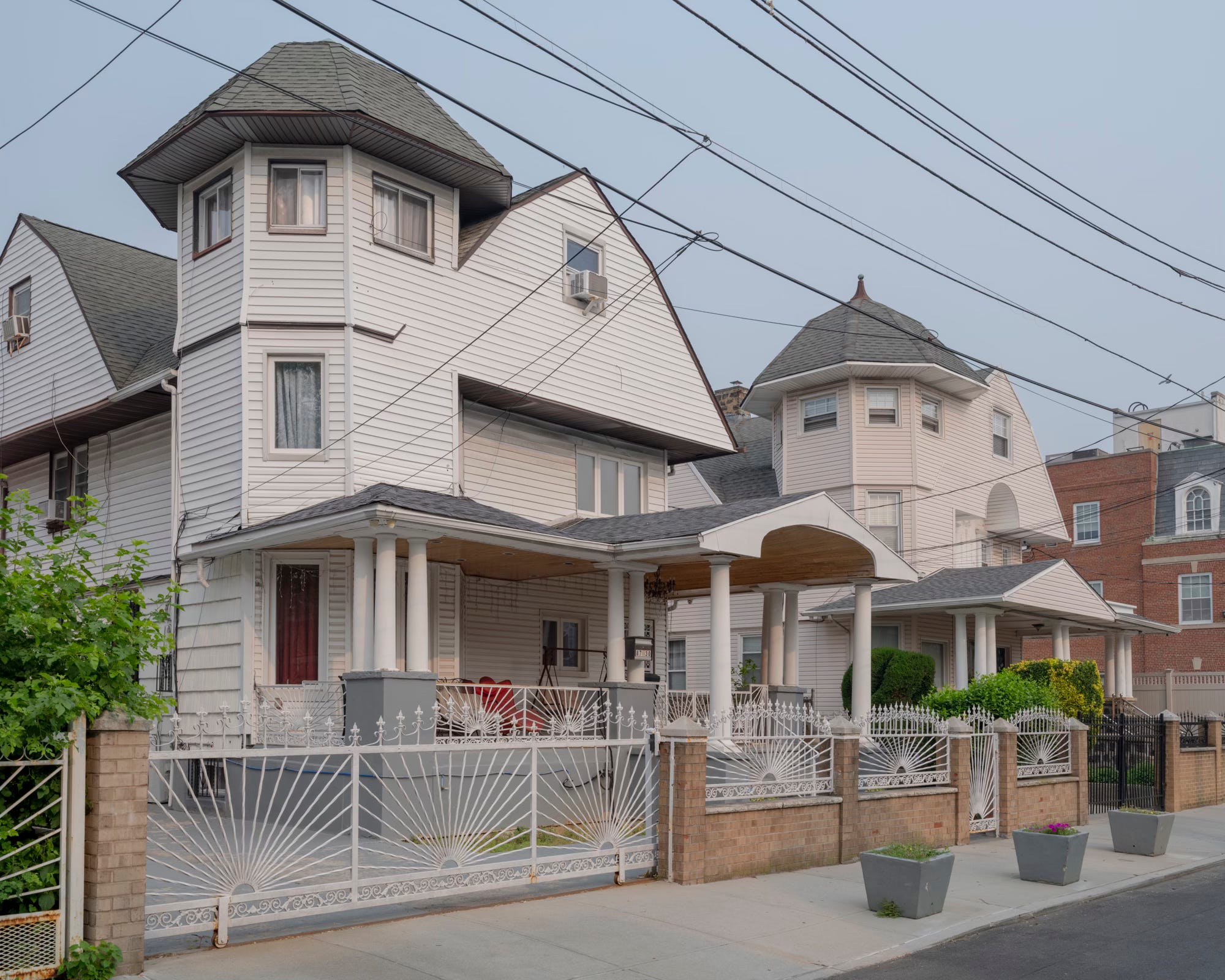
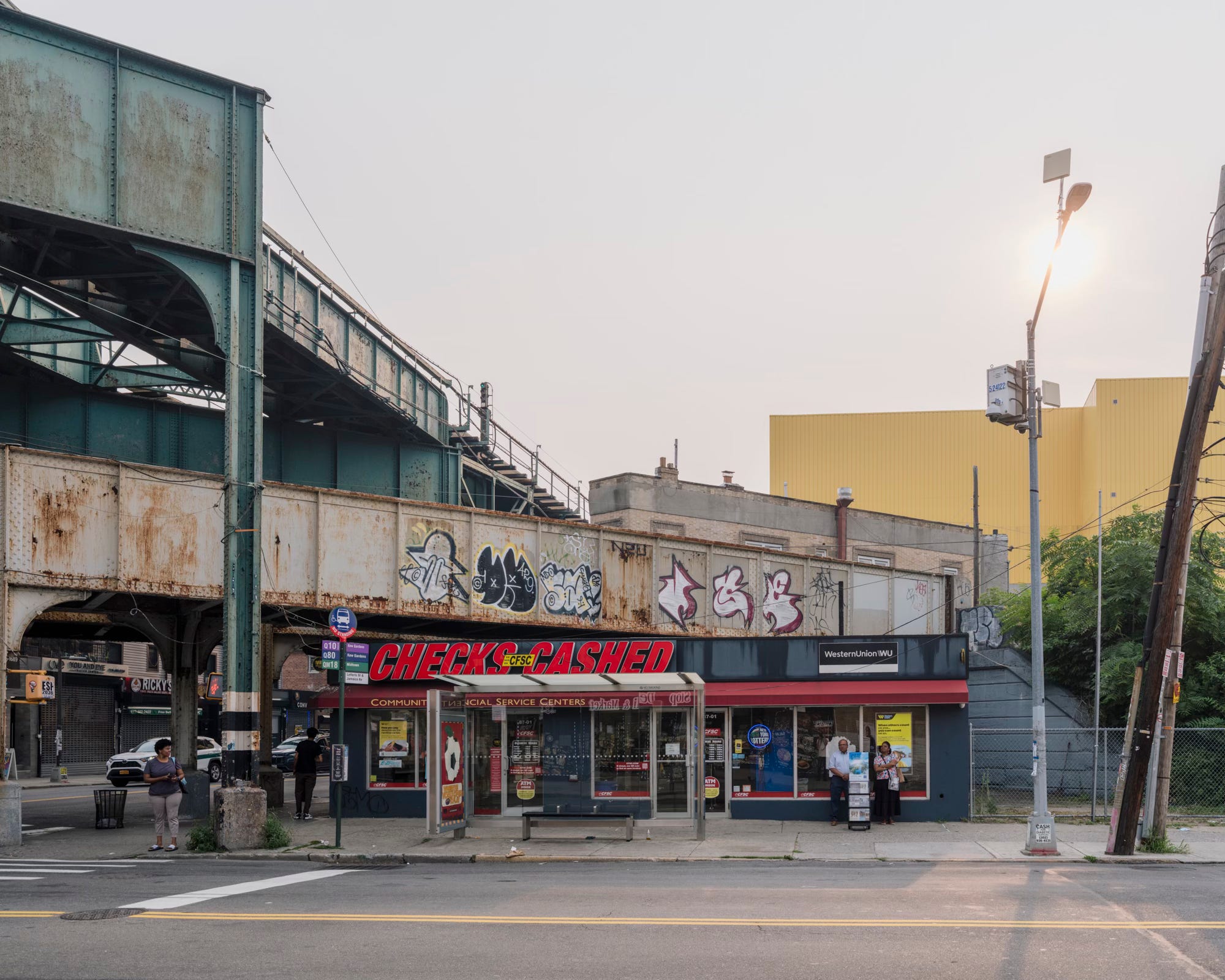
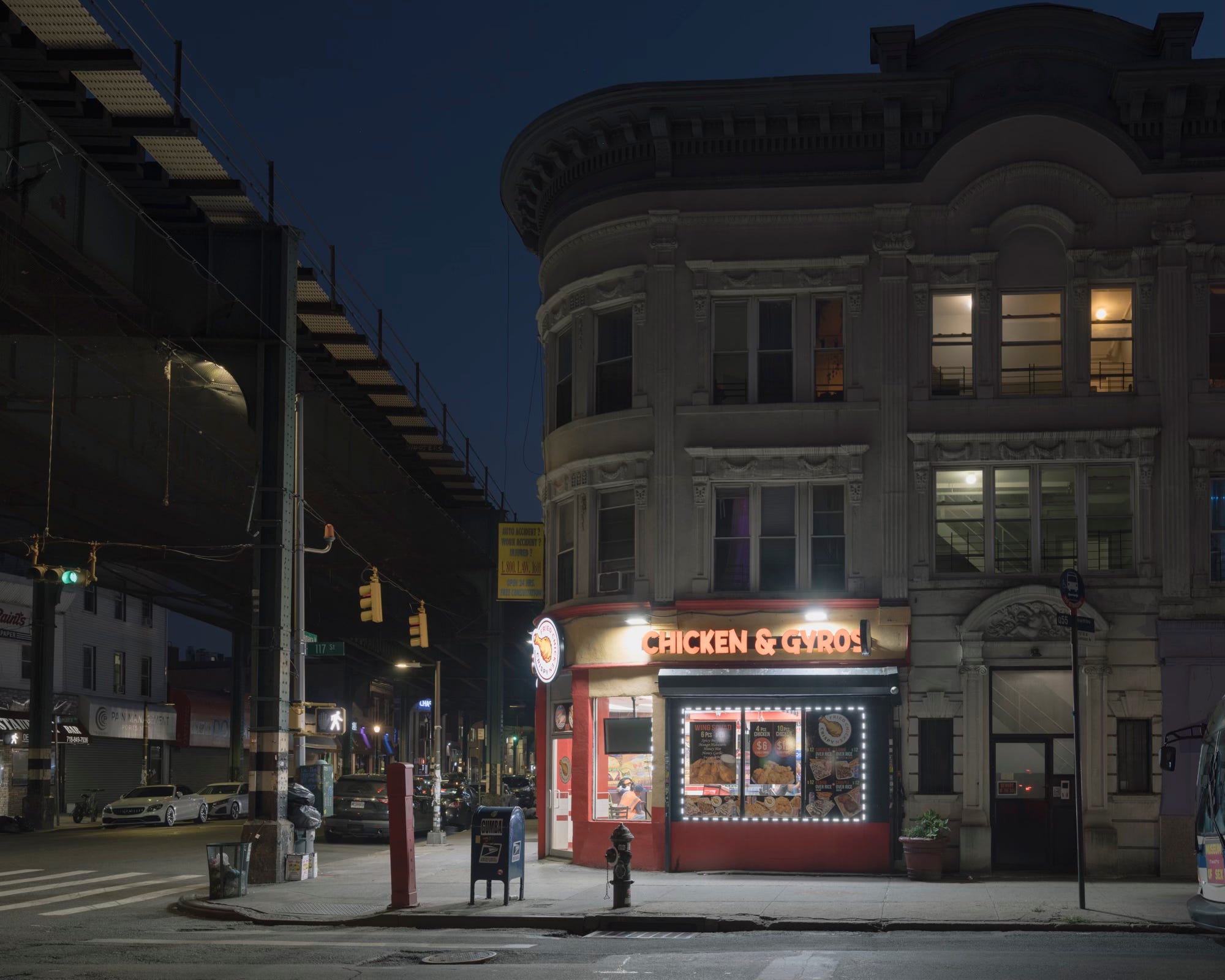
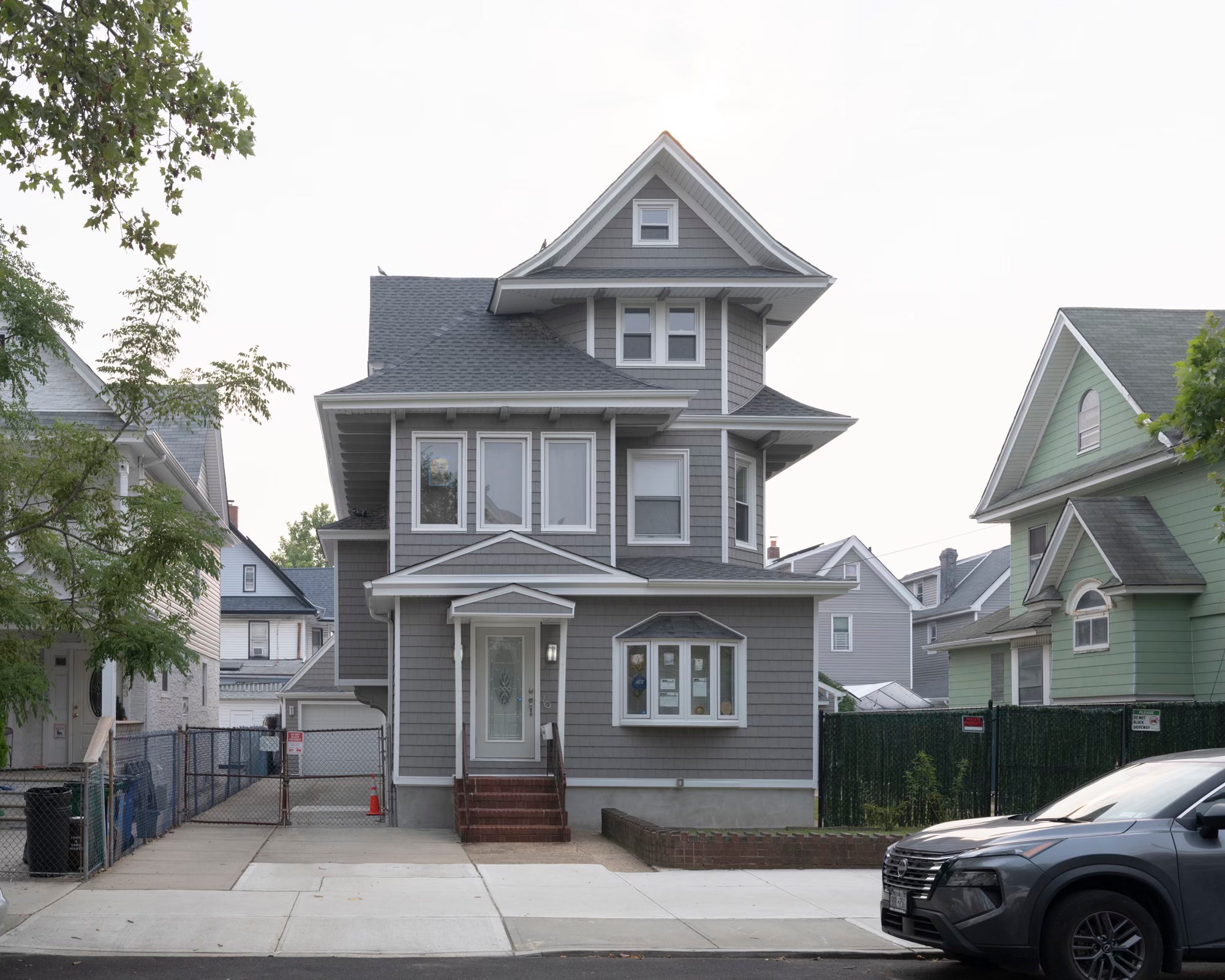
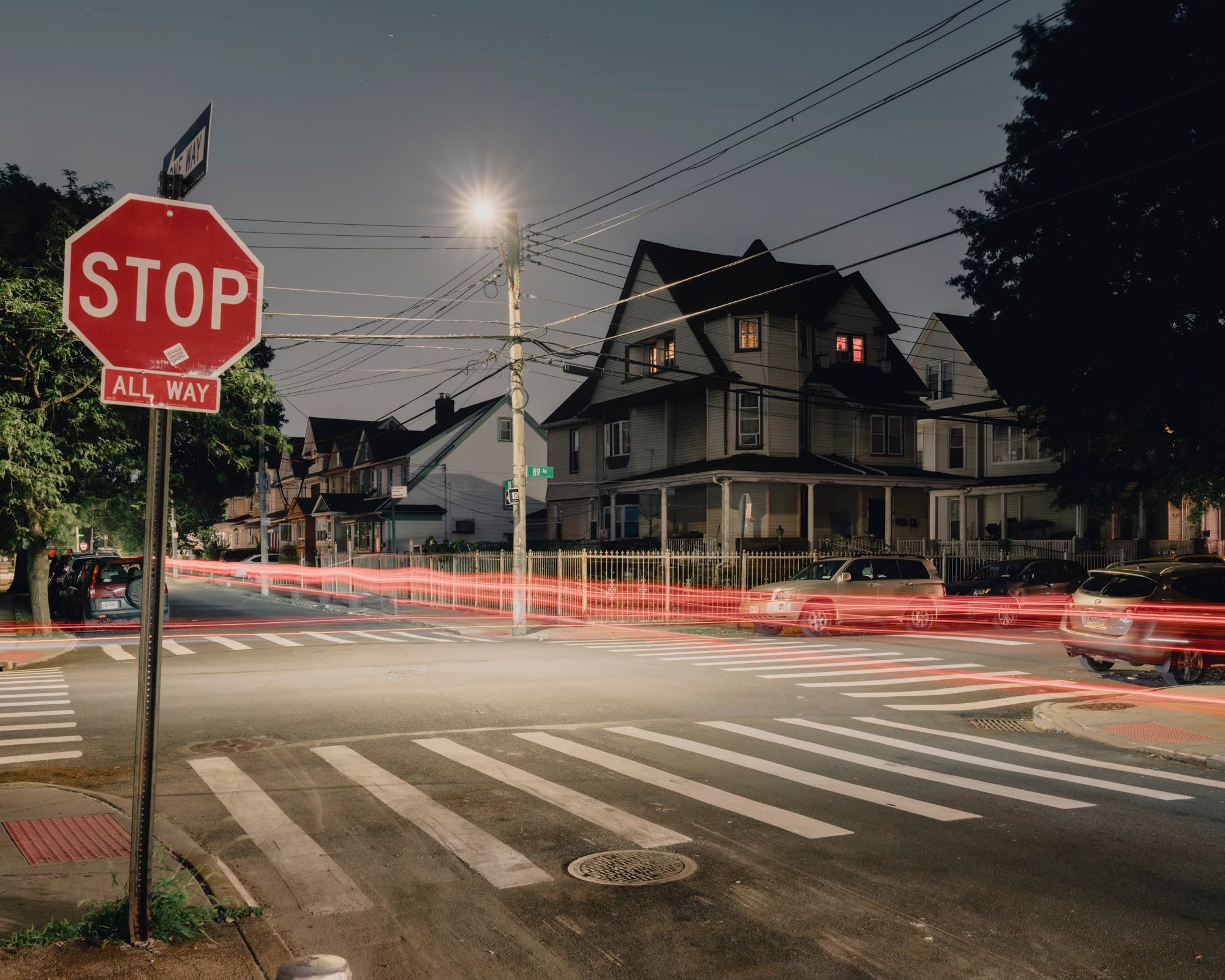
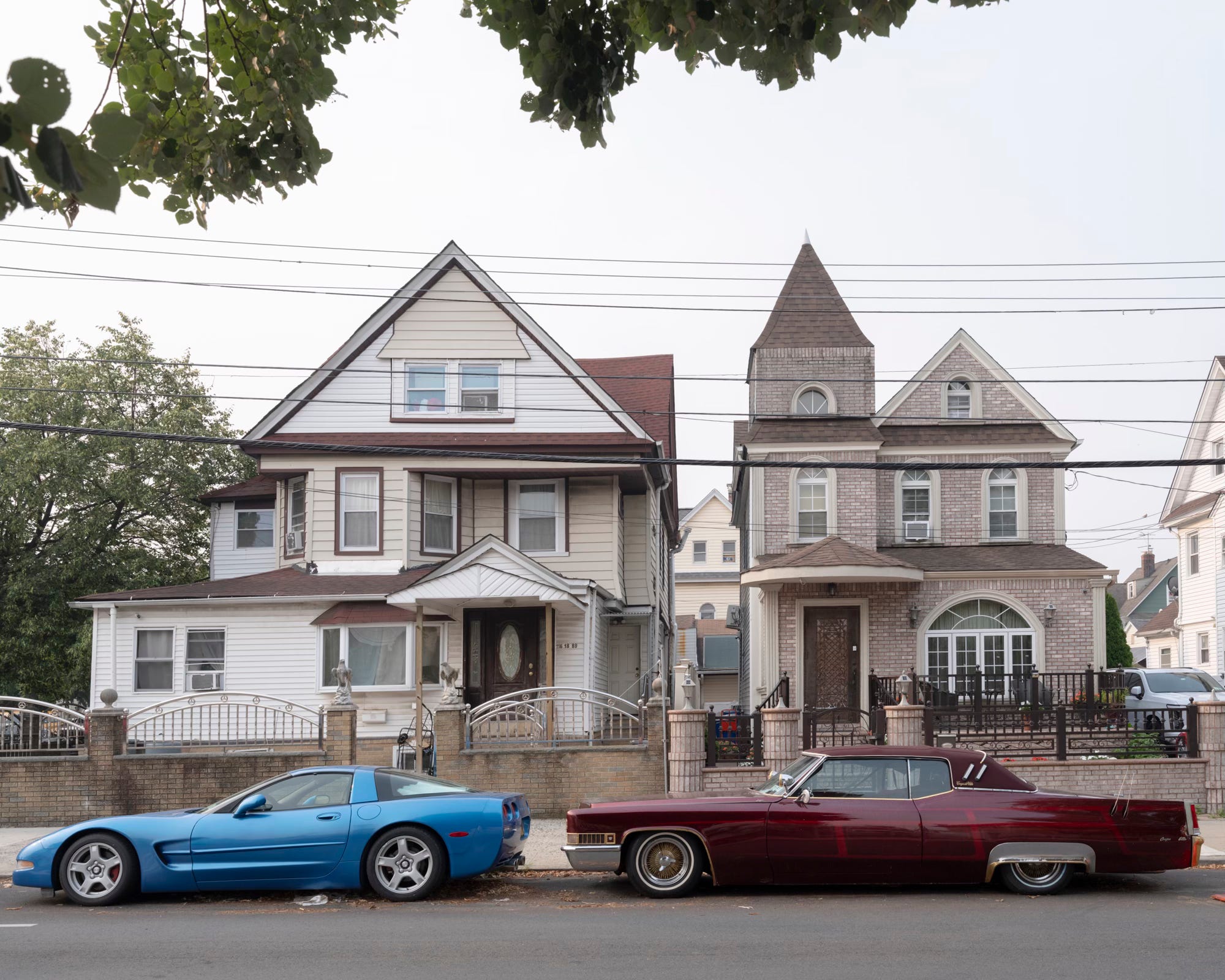
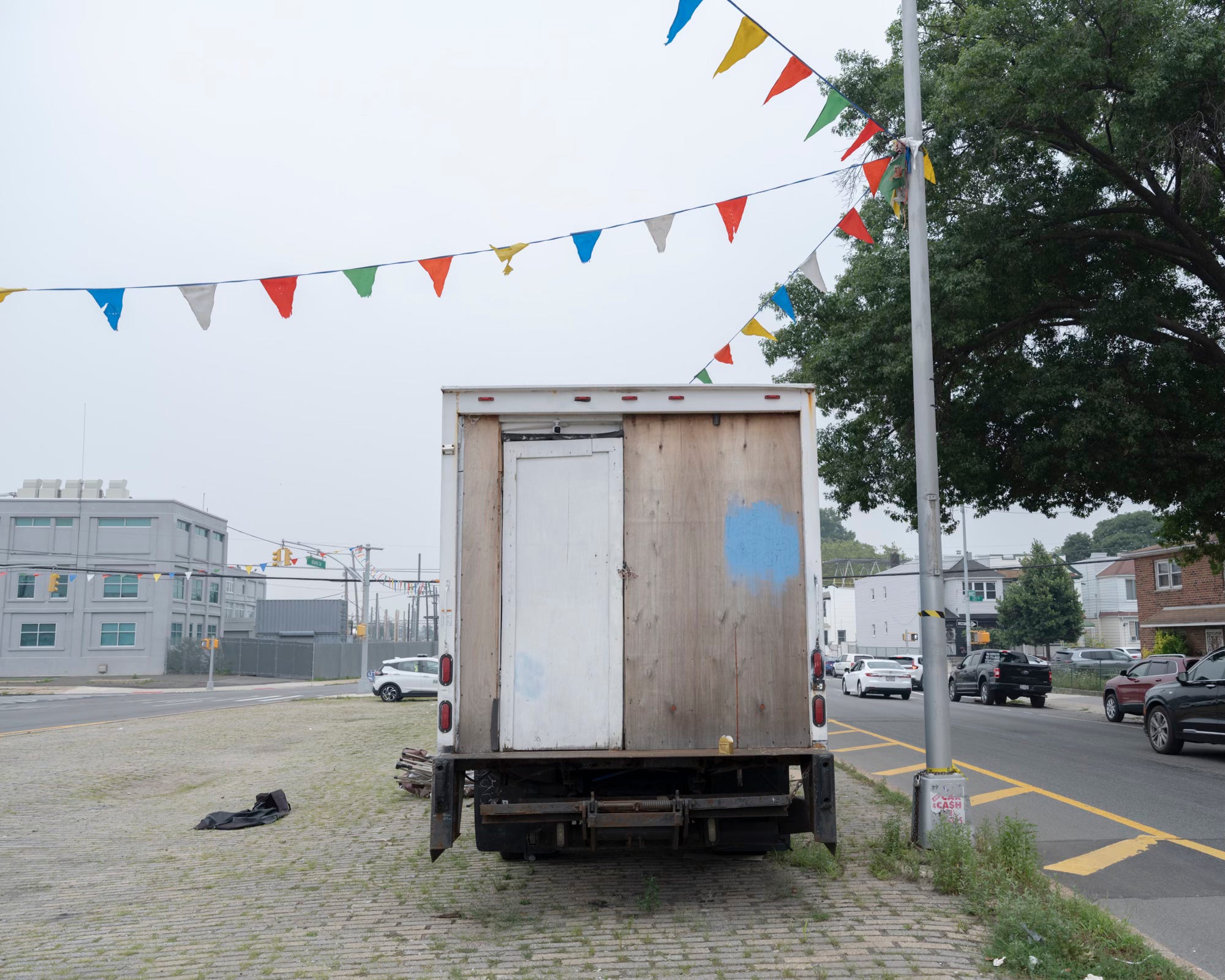
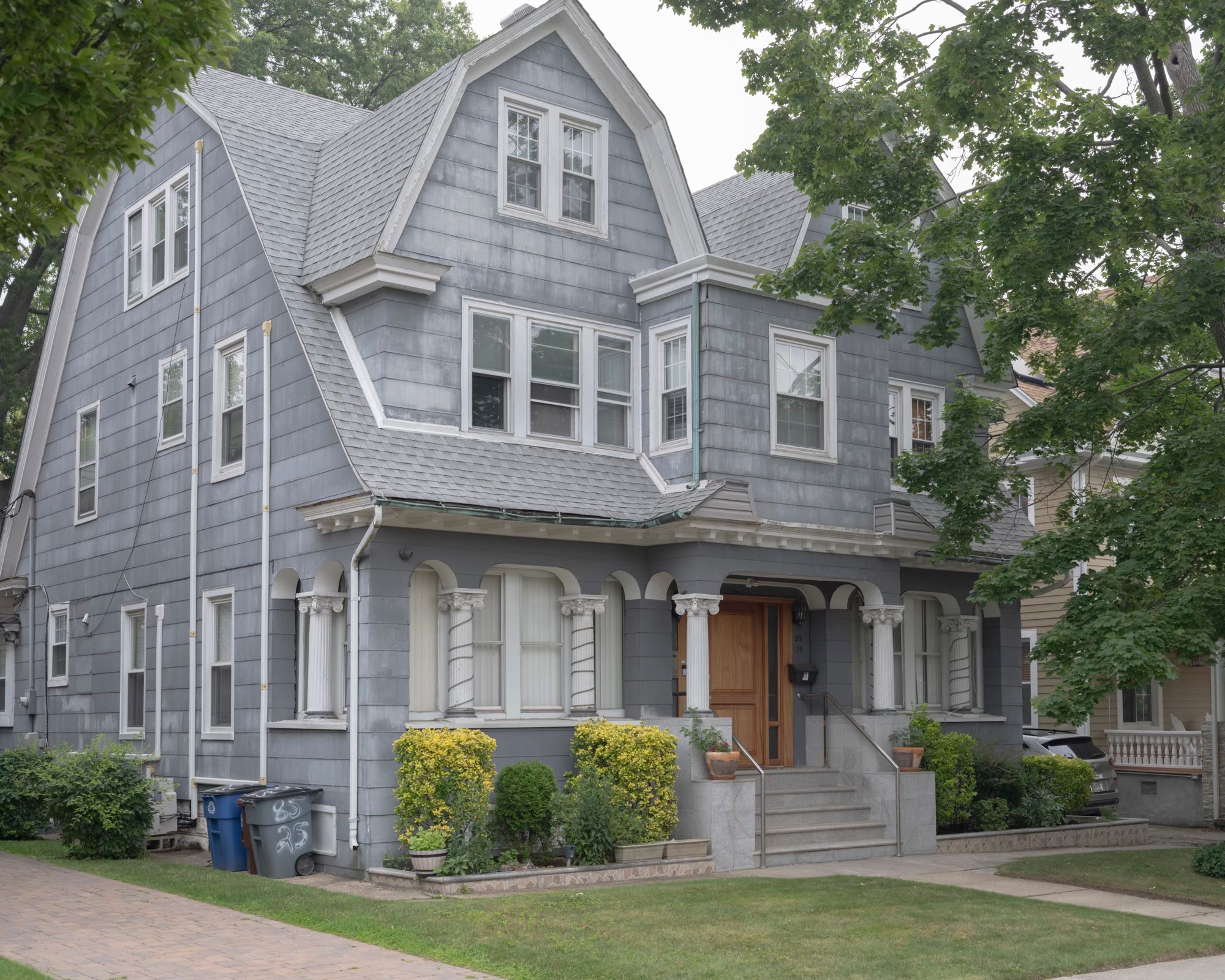
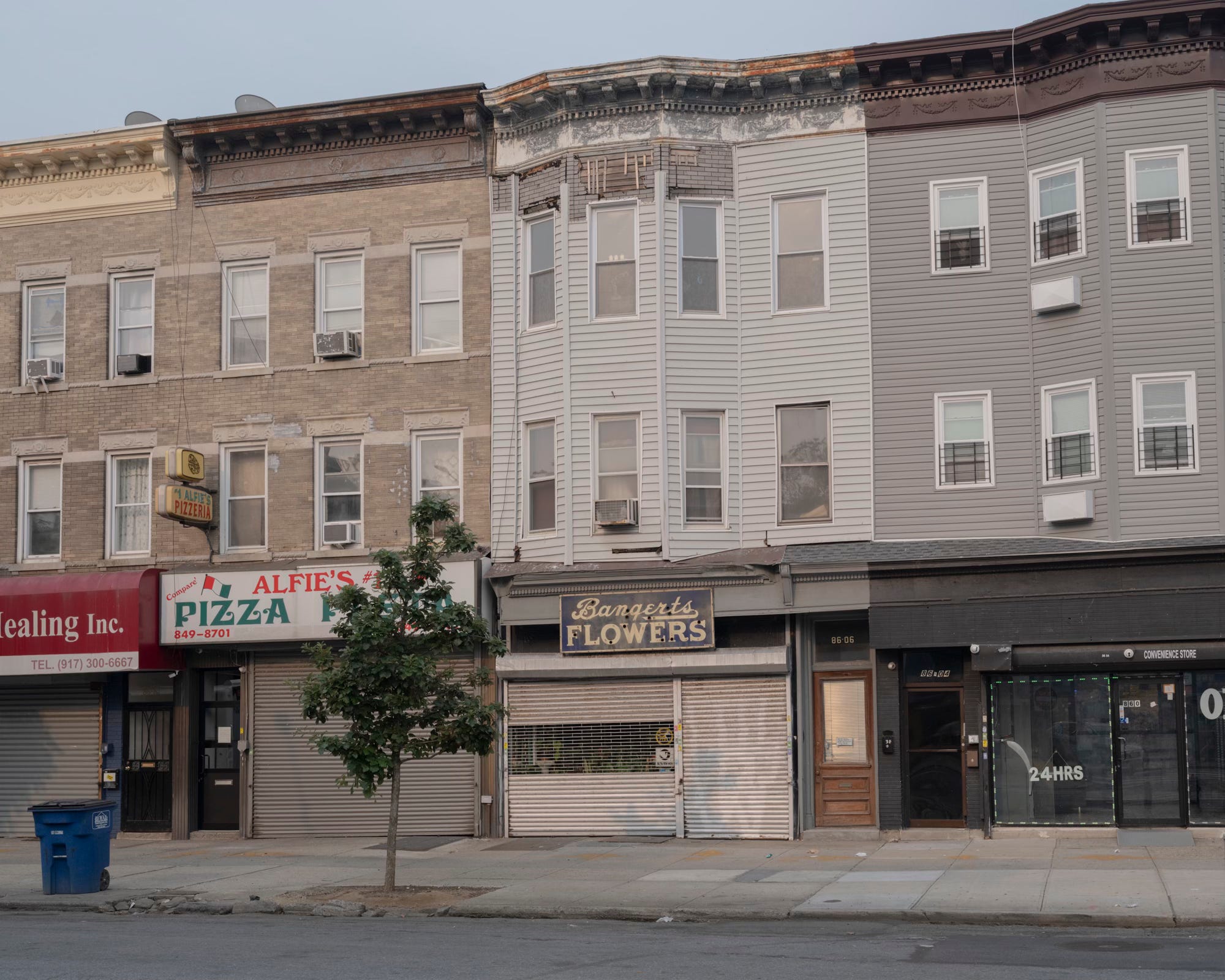
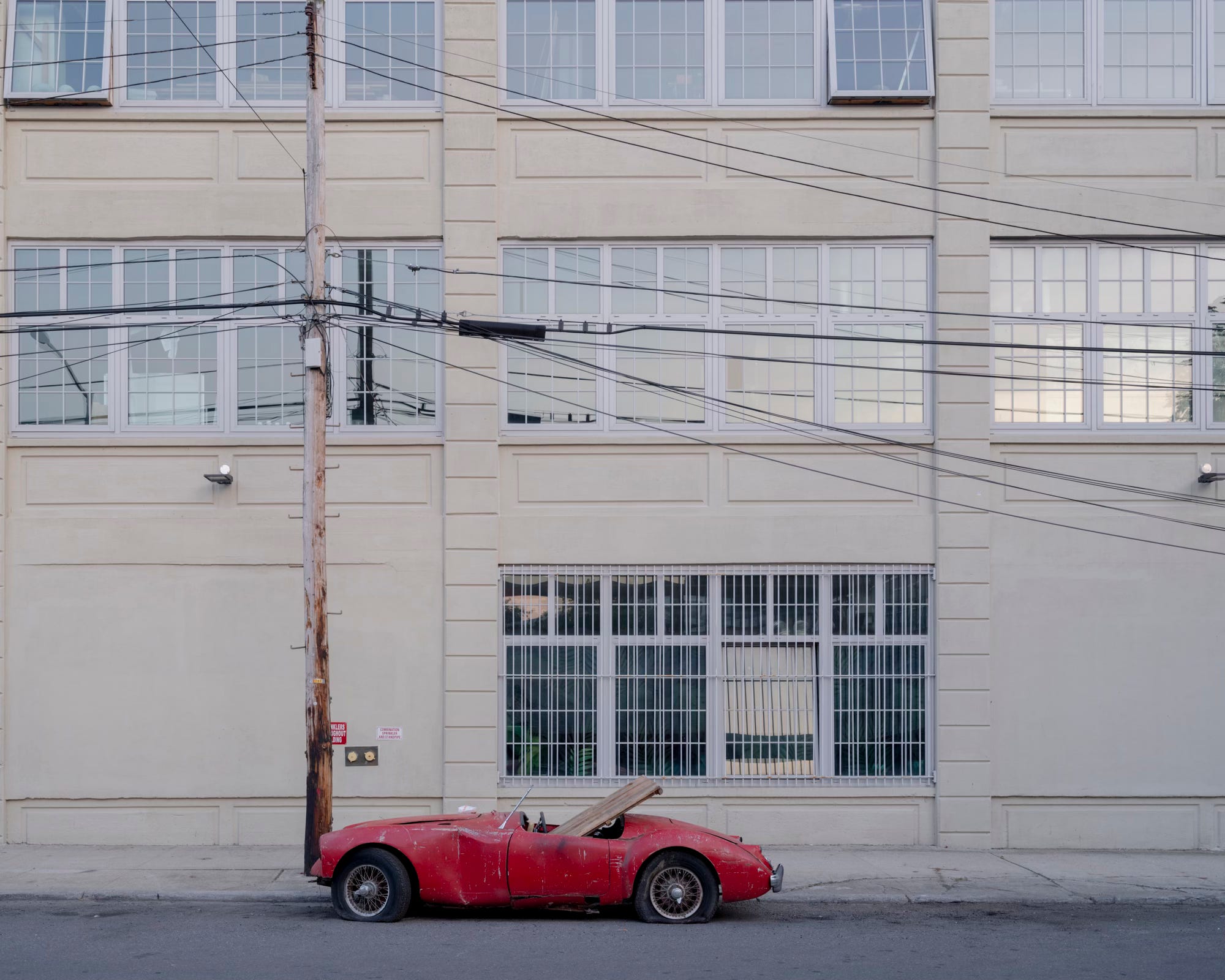
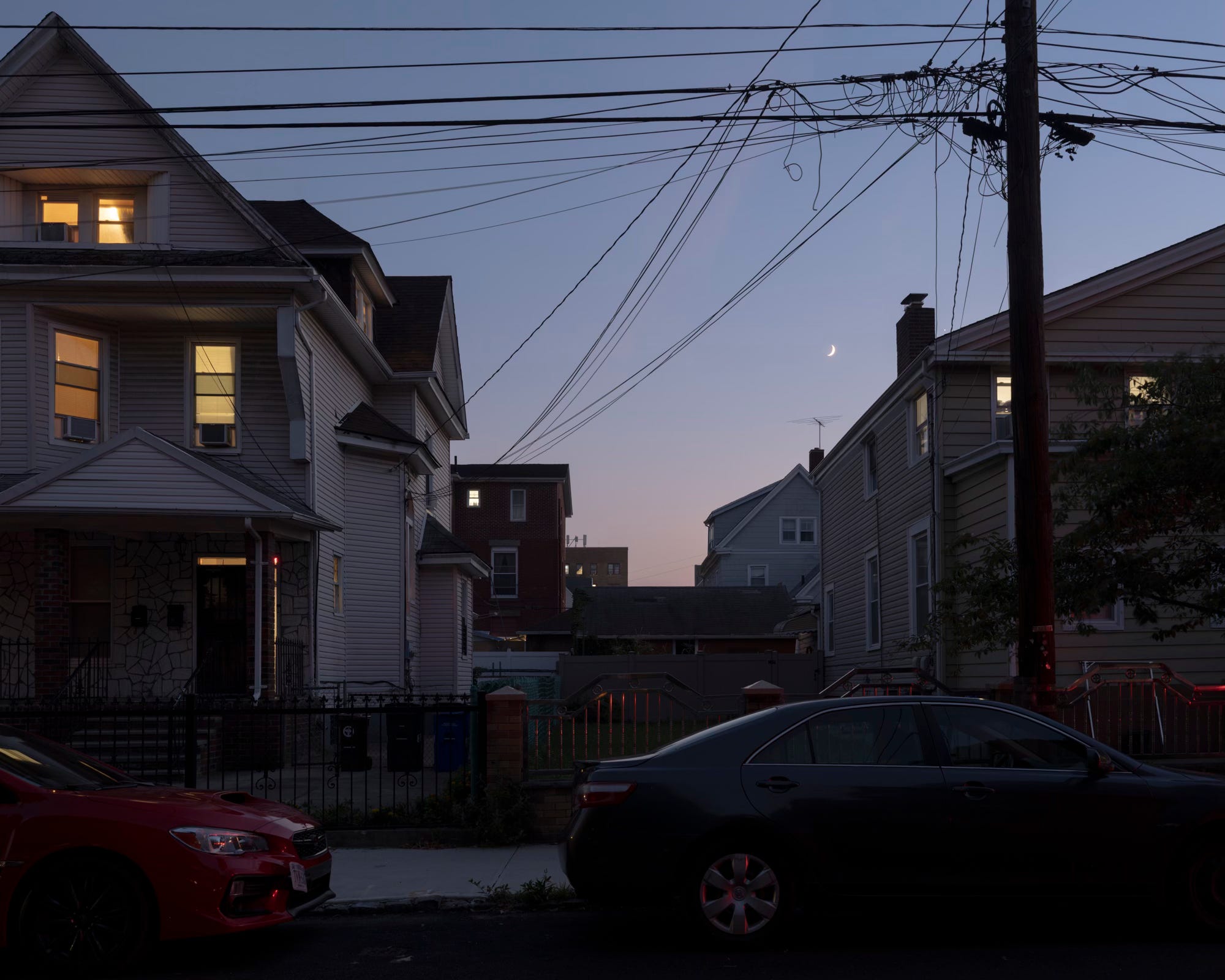
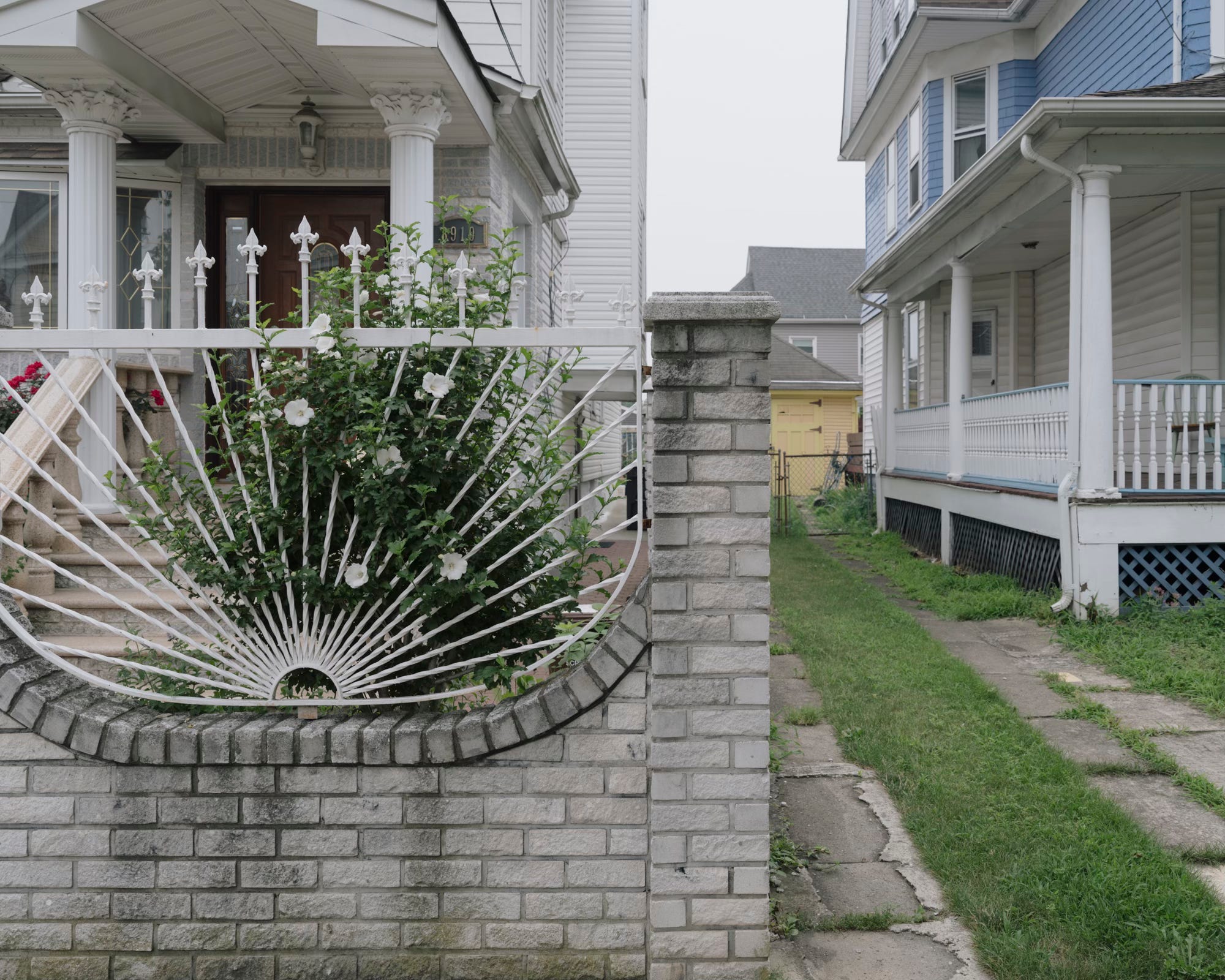
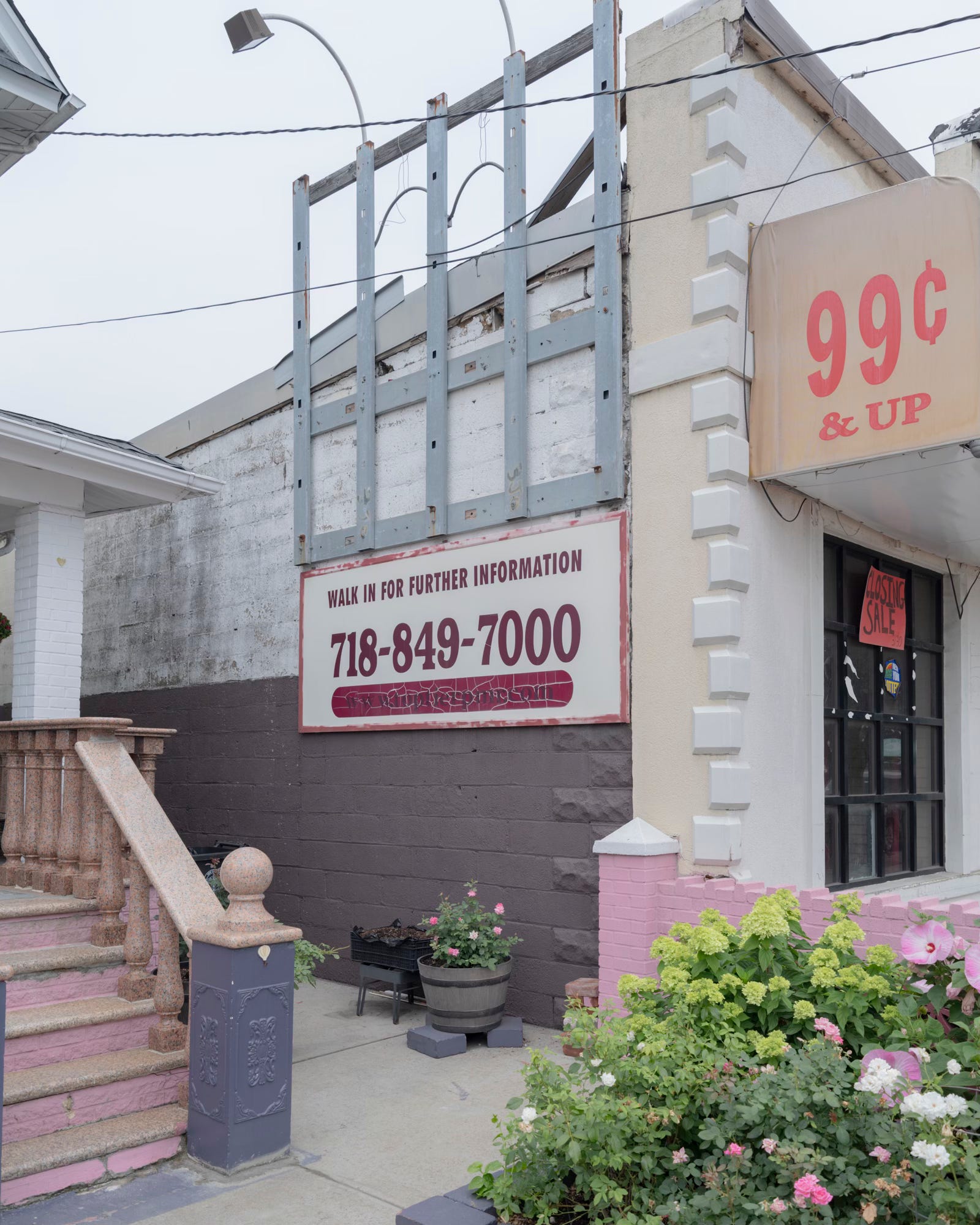
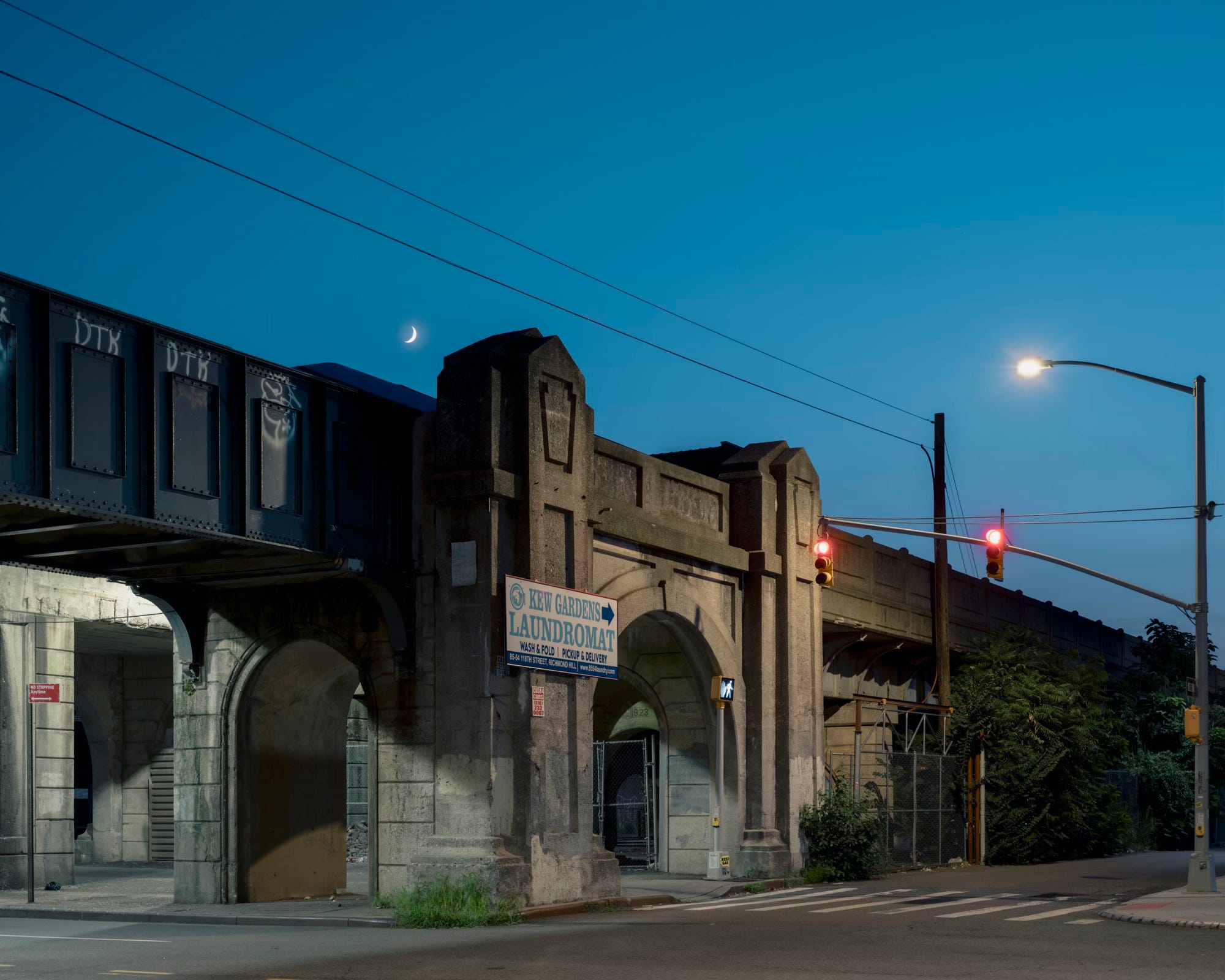
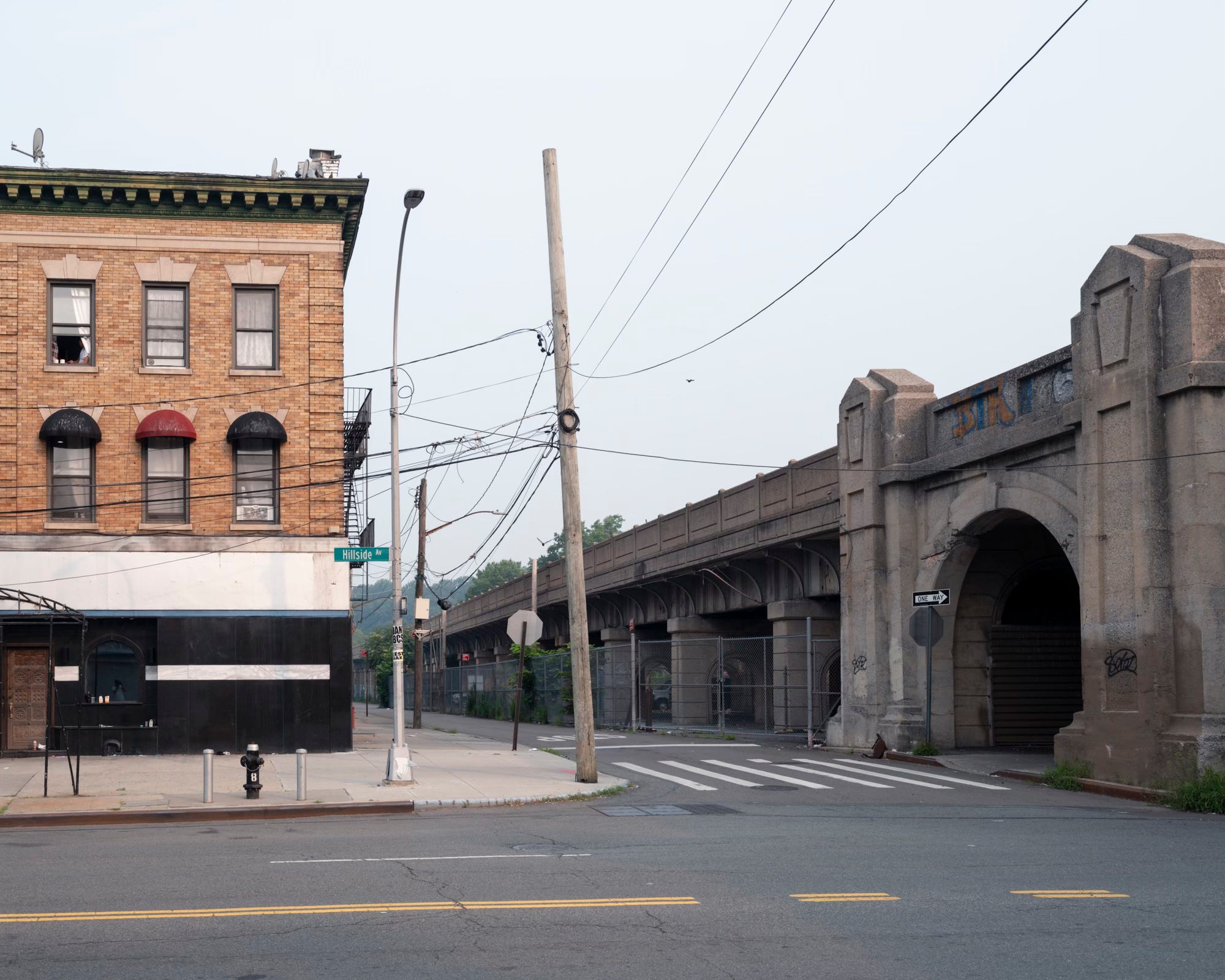
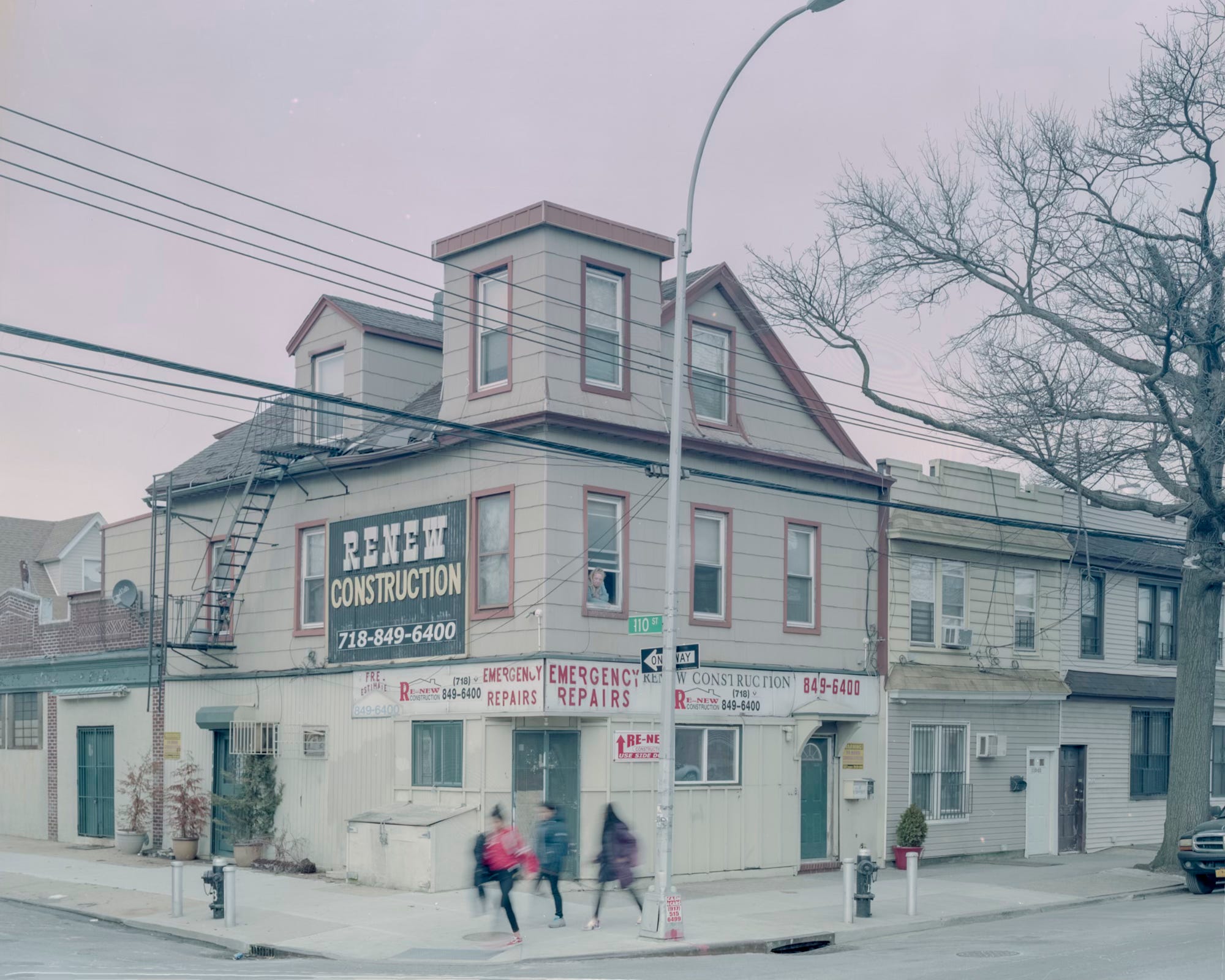
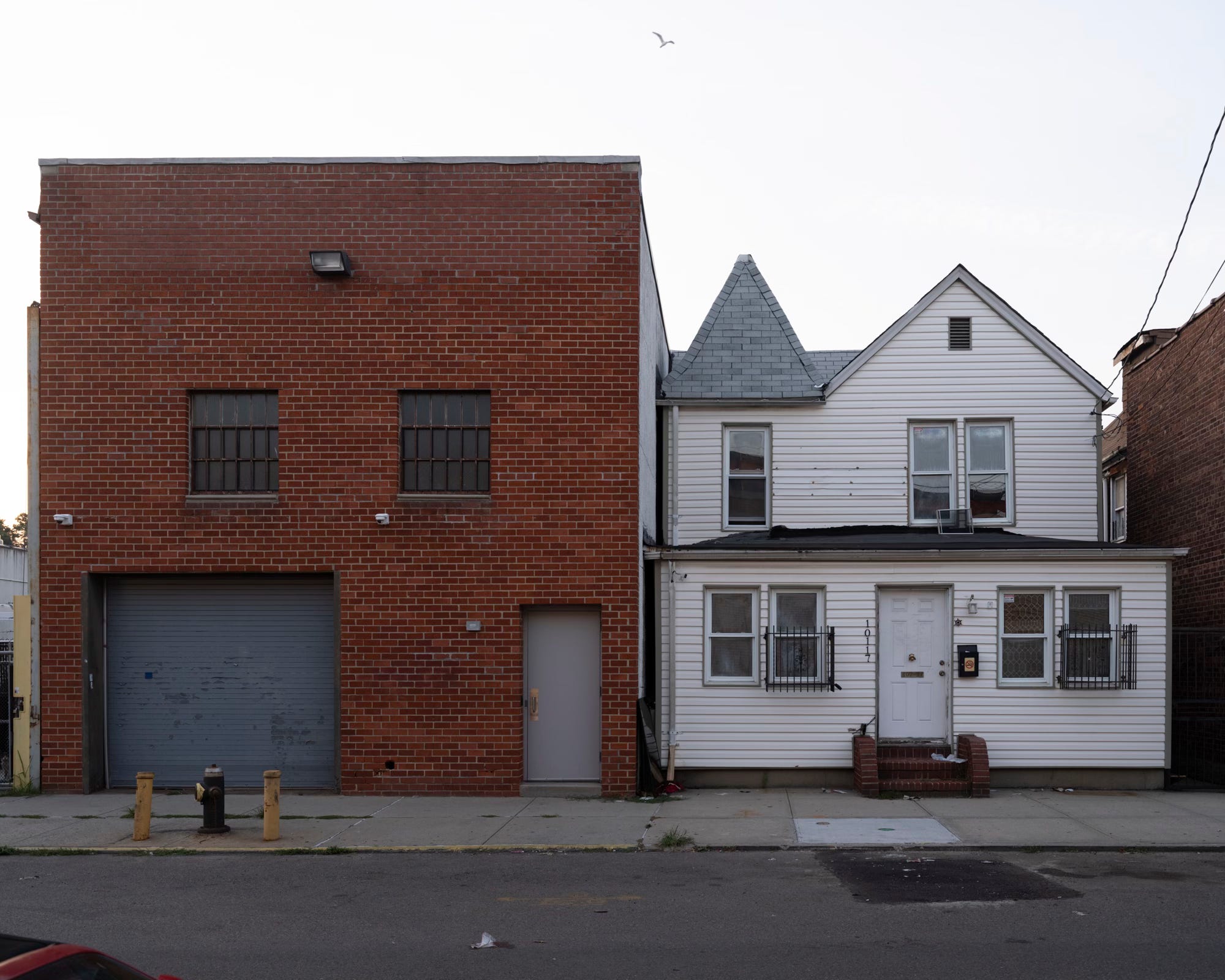
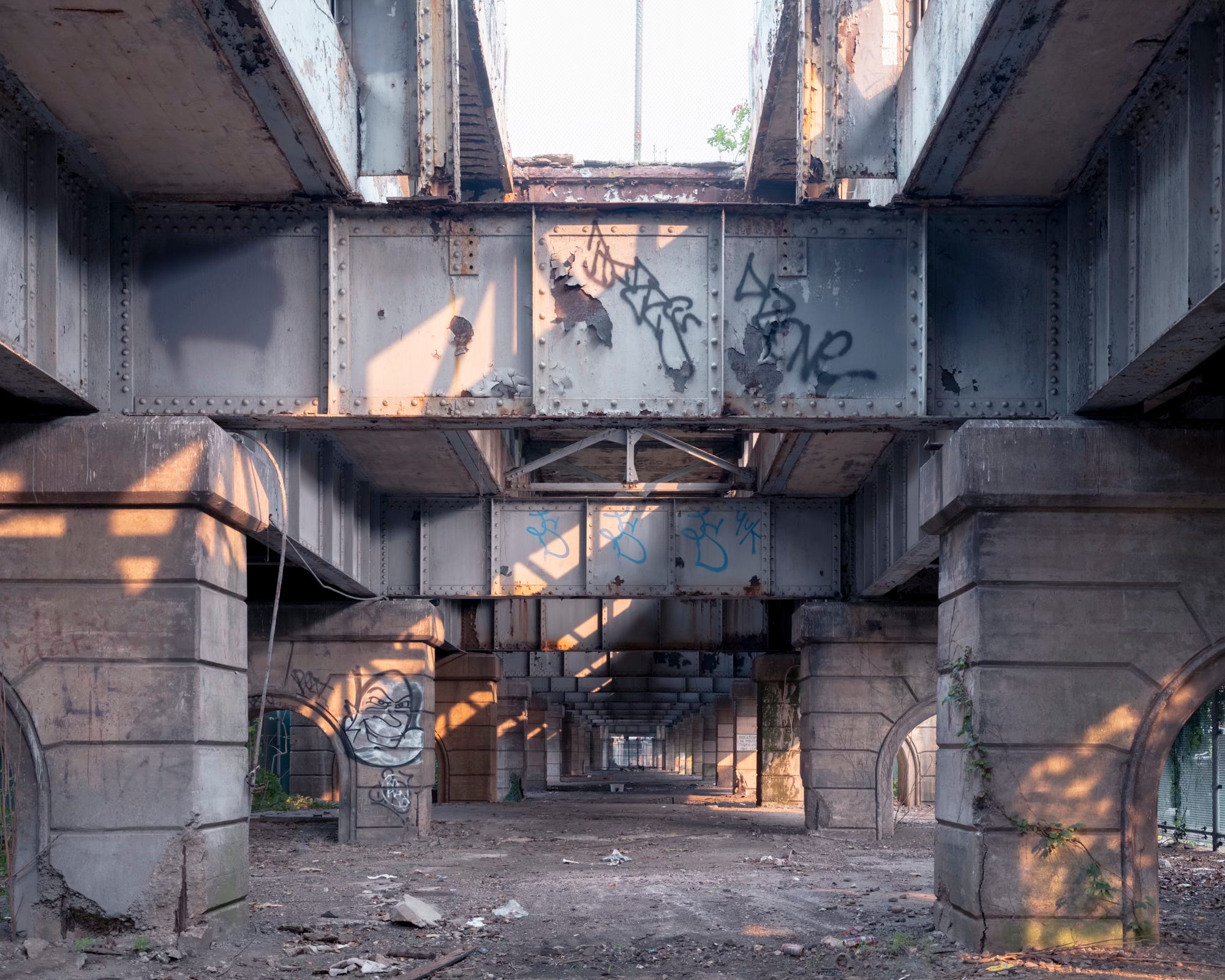
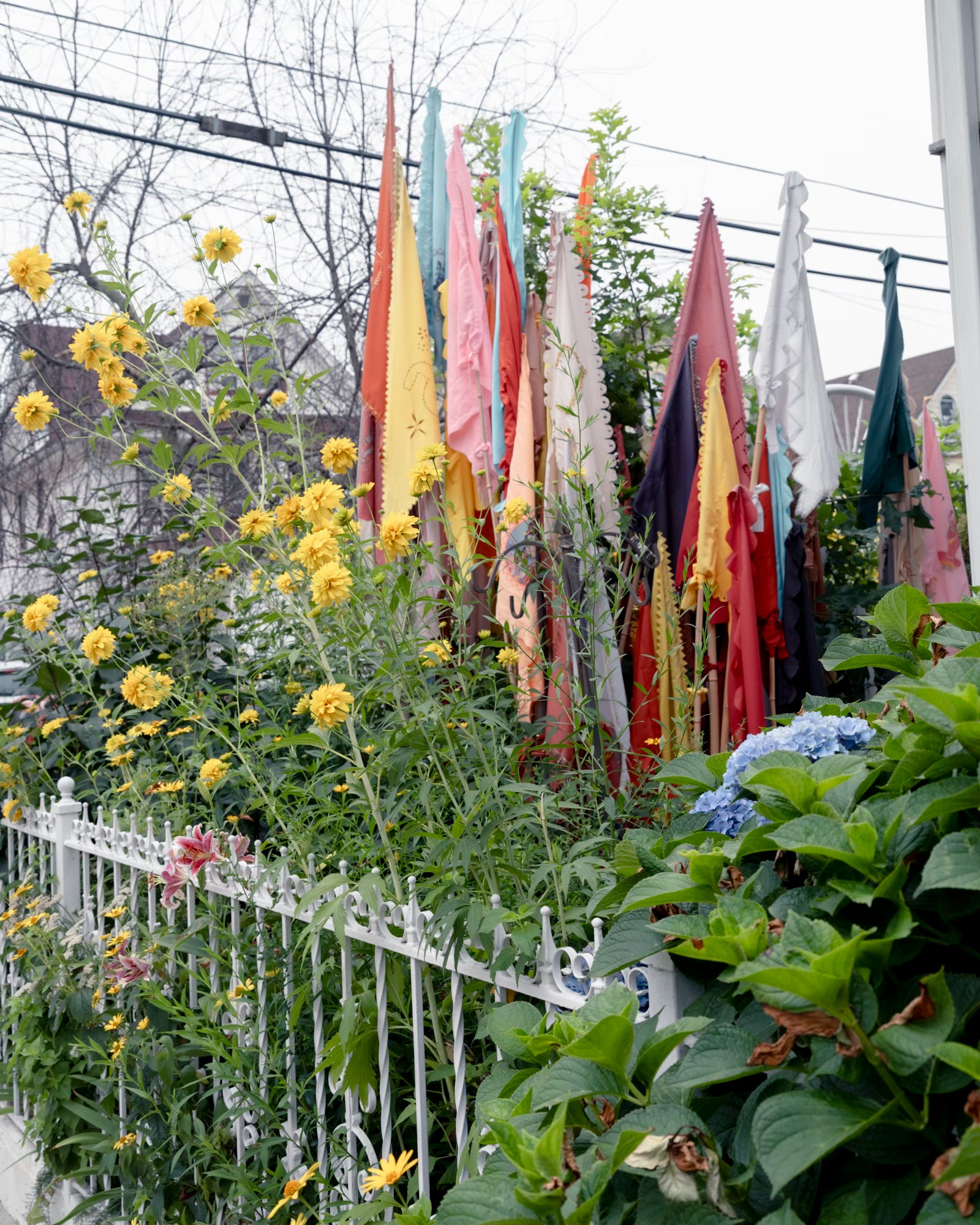
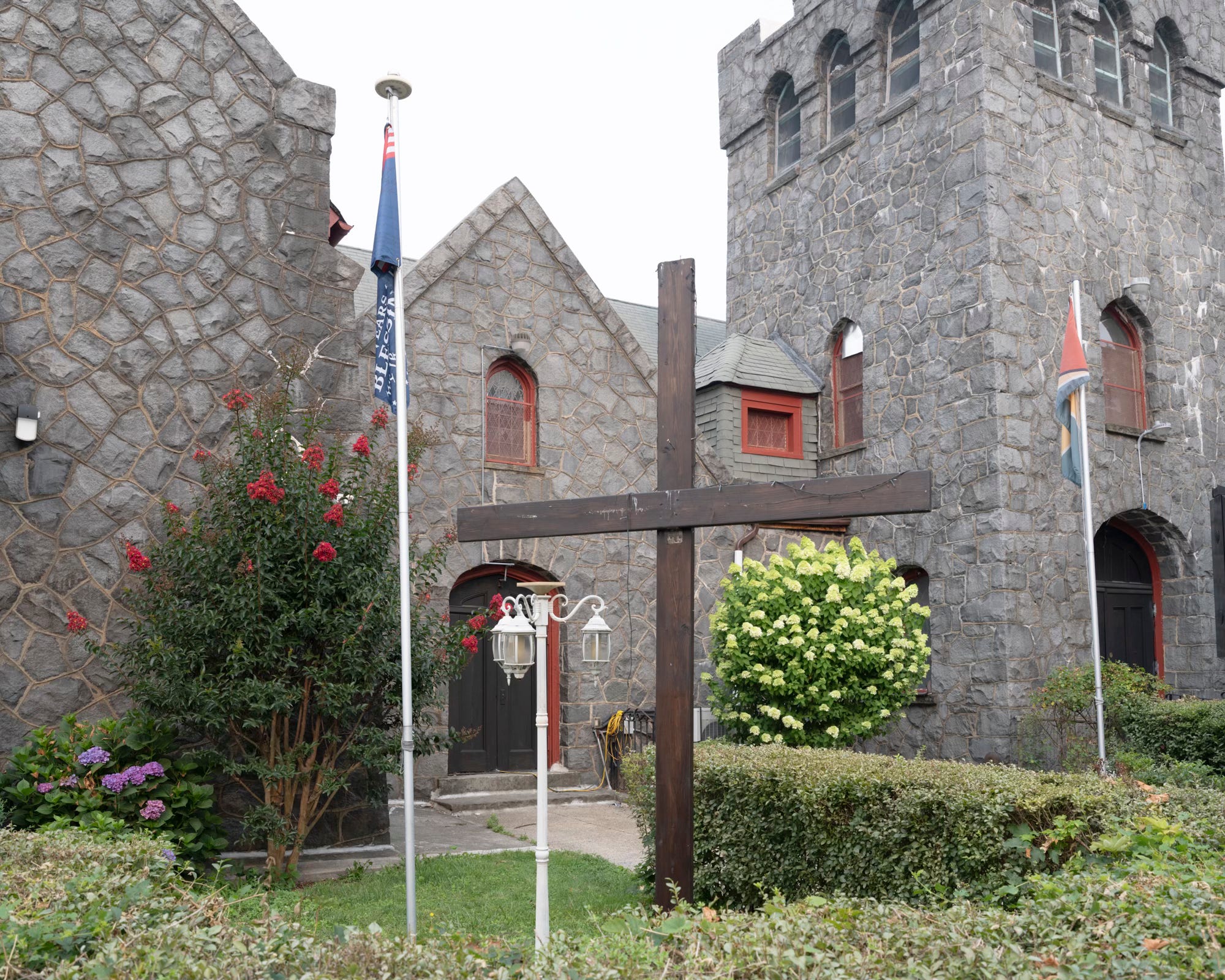
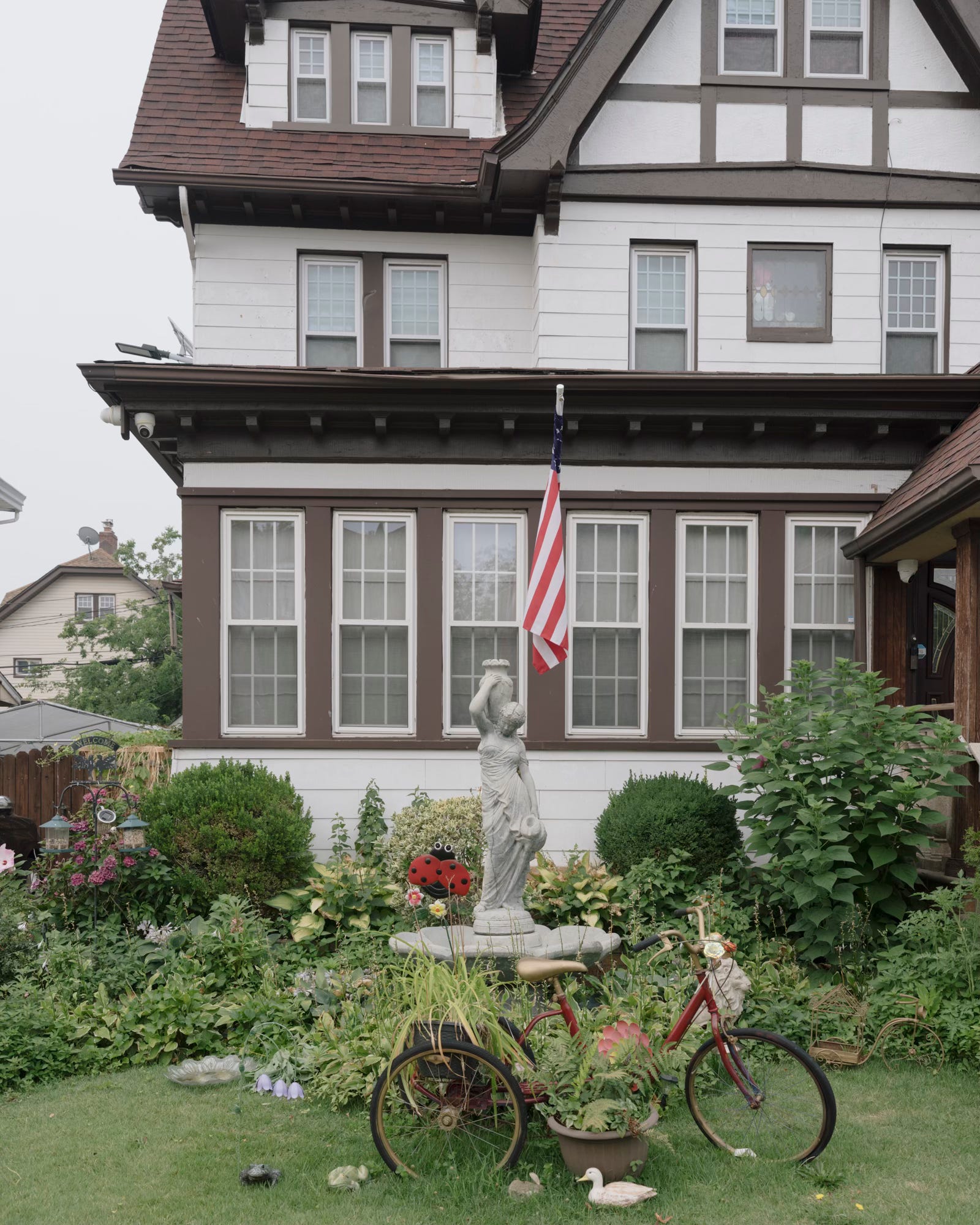
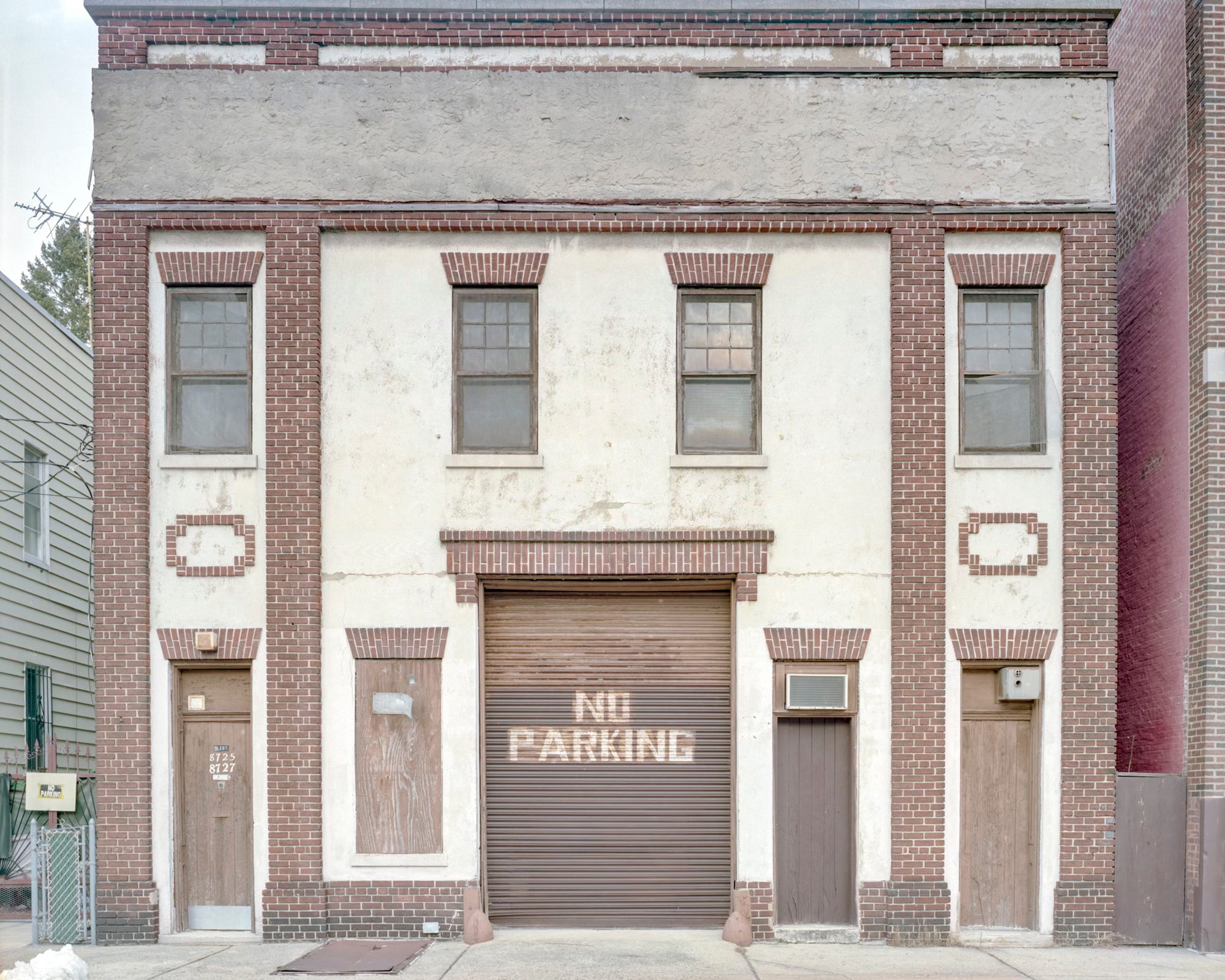
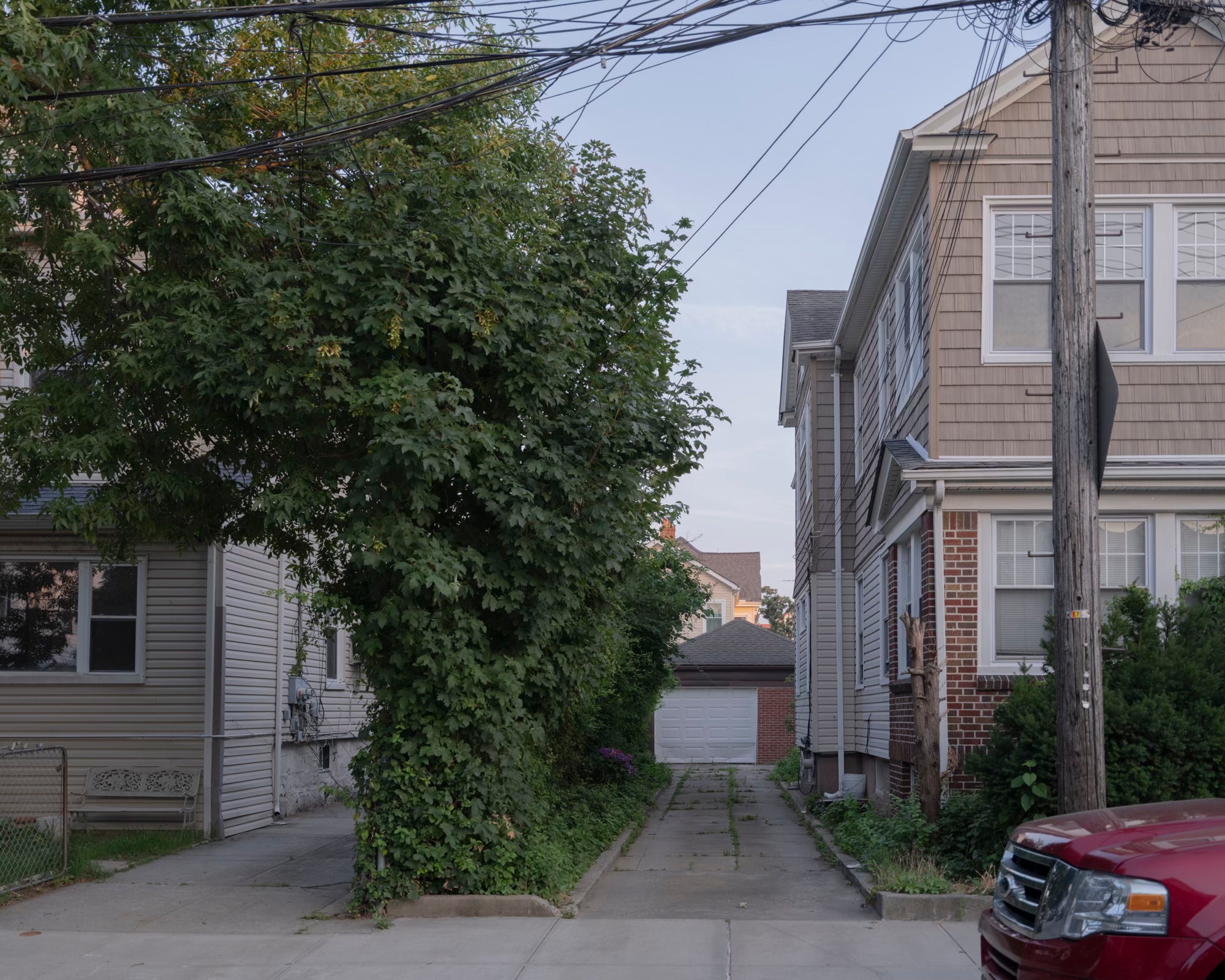
Richmond Hill, in central Queens, stretches from Forest Park to the north, the Van Wyck Expressway to the east, Liberty Avenue to the south, and 101st Street to the west. The neighborhood is bisected by the elevated tracks of the J train, which follow the winding course of Jamaica Avenue, a road that evolved from a pre-Columbian Indigenous trail. North of the tracks lies Richmond Hill’s historic district, the borough’s answer to Brooklyn’s Ditmas Park, with its rambling turn-of-the-century Victorian homes sitting on generously sized lots. South of Jamaica Avenue, the grand houses gradually give way to more modest, often attached residences.
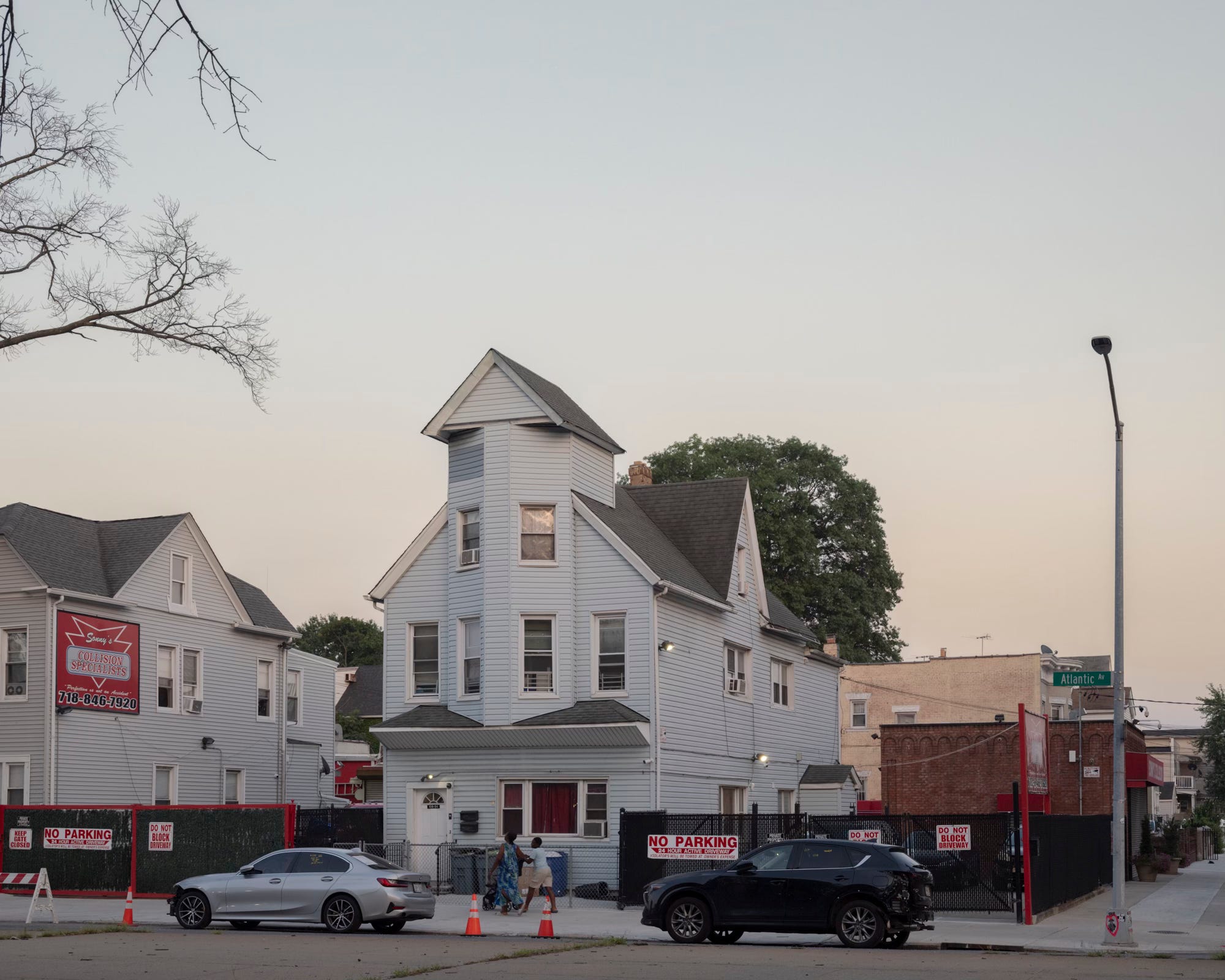
It’s a considerable amount of ground to cover, too much, I realized, to do justice to in a single newsletter. So, at the risk of extending this project well into my Social Security years, I decided to split the neighborhood into two parts: Richmond Hill and South Richmond Hill, which, for the purposes of this series, I’ll define as everything south of Atlantic Avenue.
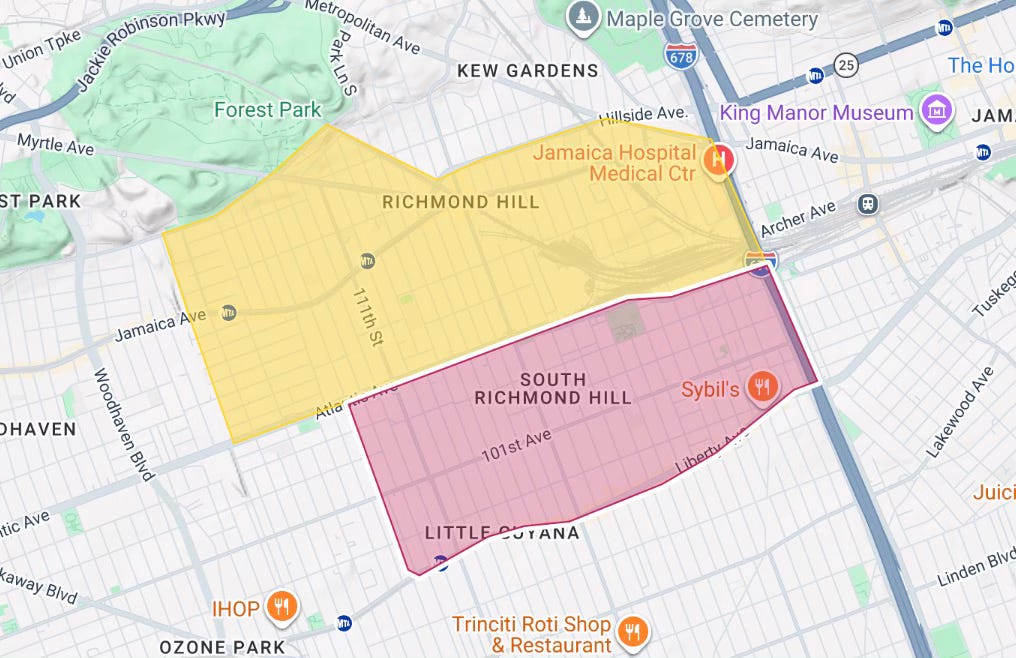
For the record, I didn’t invent this distinction. South Richmond Hill, home to the enclaves of both Little Guyana and Little Punjab, is increasingly recognized as a neighborhood in its own right. This kind of geographical parsing is inevitable in a city that is constantly evolving. As the area’s population has shifted from Lenape to Dutch and English, to Irish and Italians, and, in more recent years, to a polyglot mix of Dominicans, Ecuadorians, Guyanese, and Punjabis, it stands to reason that the names and perceived boundaries of the underlying landscape would evolve as well.
Before there was a Richmond Hill or a South Richmond Hill, there was just a hill, more of a ridge, really. The southern edge of the vast Laurentide Ice Sheet once buried New York City beneath nearly 2,000 feet of ice. When the glacier began its retreat roughly 17,000 years ago, it left behind a jumble of boulders, gravel, rubble, and silt that formed a ridge of debris stretching from Staten Island to Cape Cod.
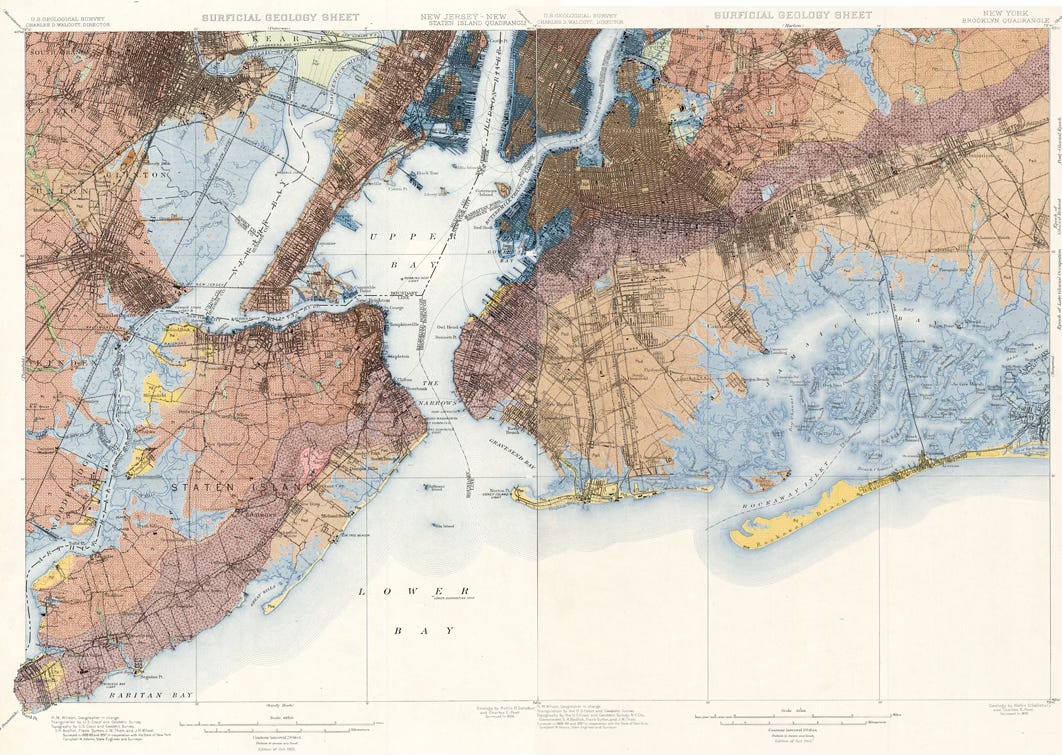
The steep, rocky terrain was less than ideal for agriculture but well suited to the parks, cemeteries, and golf courses that occupy its highest elevations today. The “Cemetery Belt,” a network of 17 cemeteries straddling the border of Queens and Brooklyn, sits atop this former glacial edge, the terminal moraine that John McPhee called “the ultimate neighborhood.”
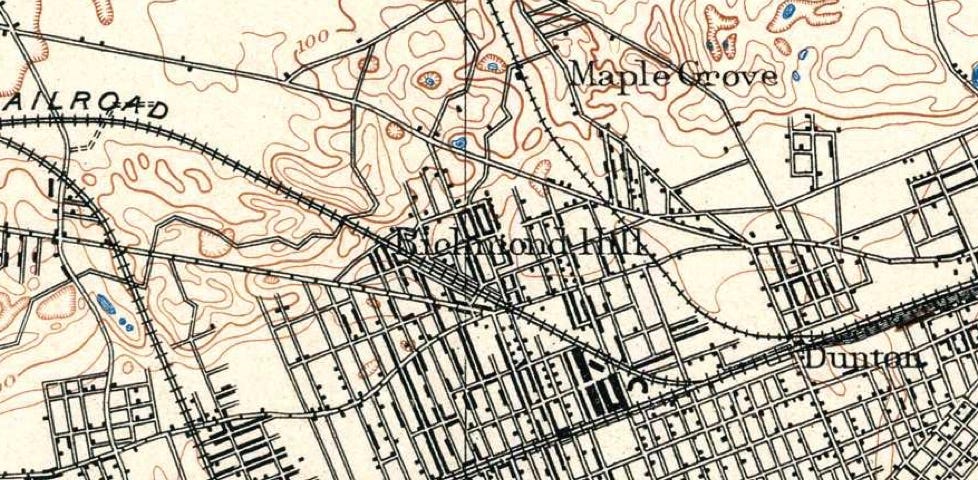
Most of Richmond Hill itself is flat, sitting just below the ridge and rising gradually toward Forest Park. Europeans began settling the area in the mid-17th century, and for the next two centuries it remained farmland.
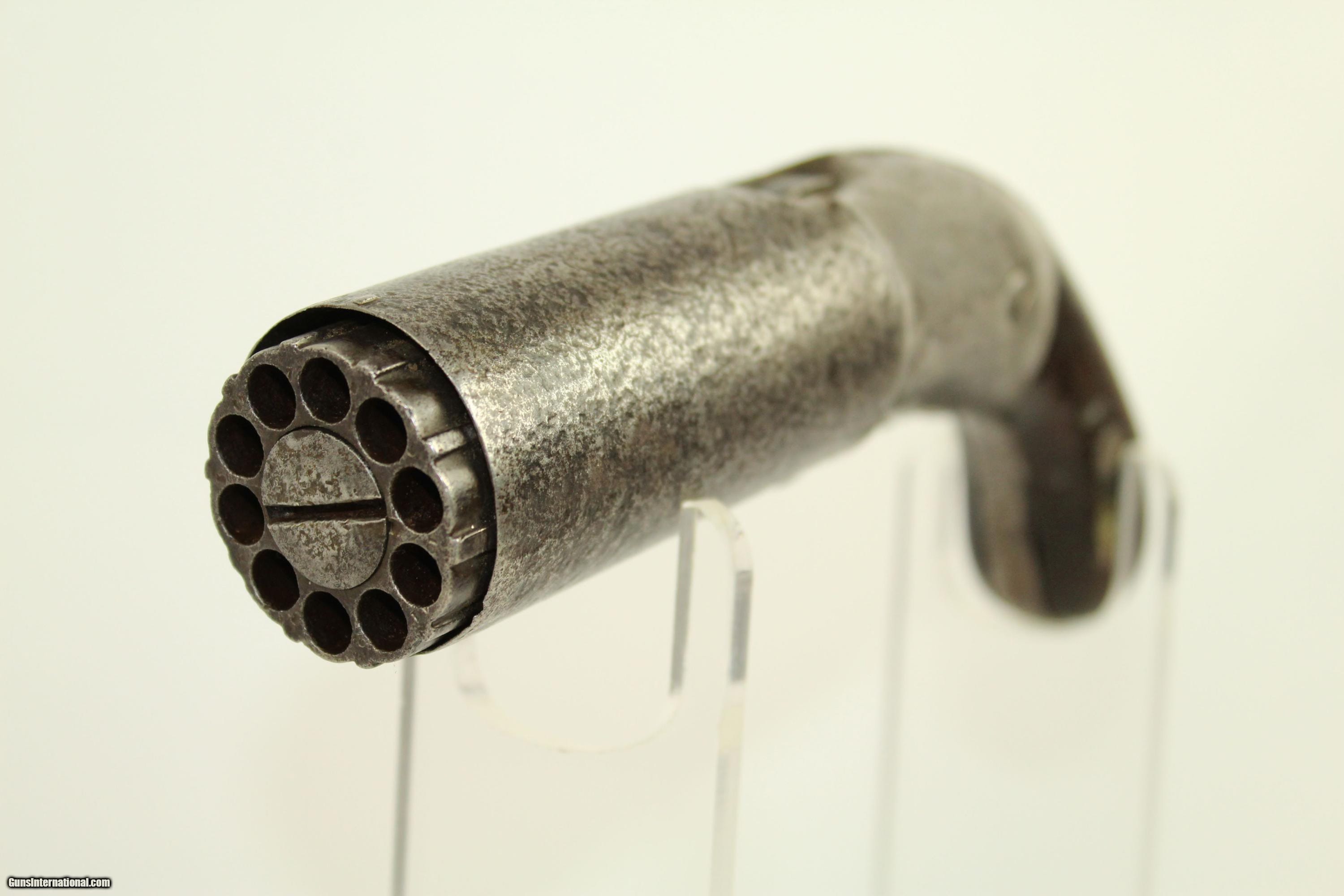
The first significant settlement in the area was Clarenceville, a small development established in 1852 just south of Jamaica Avenue between 110th and 112th Streets. It was the brainchild of Jacob Pecare, whose career change into real estate was something of a pivot. Before laying out suburban streets, Pecare had owned a firearms manufacturing company that specialized in ten-shot percussion pepperbox pistols, named for their resemblance to household pepper grinders. Pecare’s pepperboxes proved particularly popular with gold miners and card sharks who preferred to settle disputes at close range. They were heavy and notoriously difficult to aim, but then again, you had ten chances to hit your target.
A parcel in Pecare’s development, where “the ground is almost level and sufficiently elevated to secure a salubrious atmosphere, and the soil of the finest quality,” cost just sixty dollars, which even by 1850s standards sounds like a bargain.
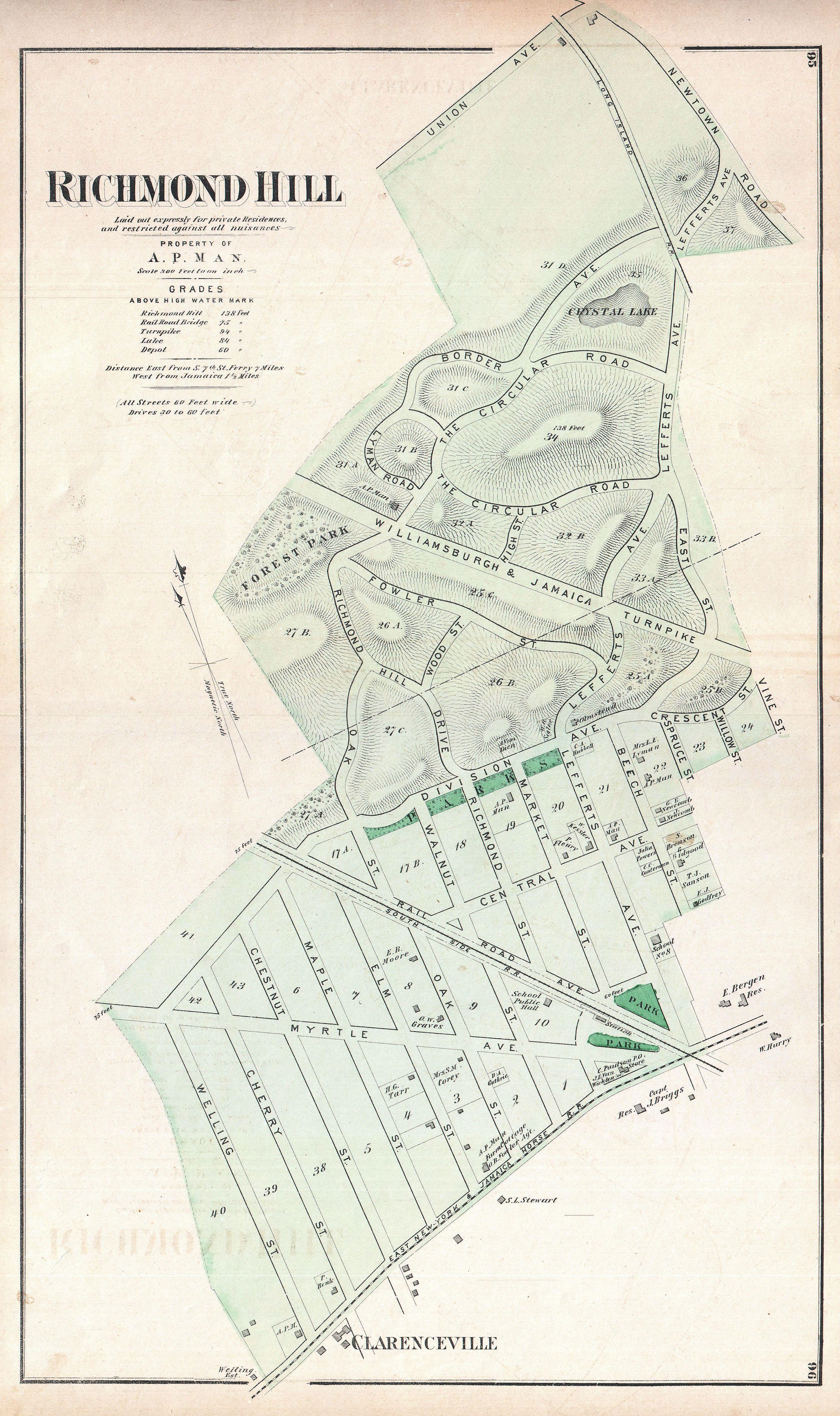
When a train station connecting the area to Manhattan opened in 1868, a lawyer named Albon Platt Man and his partner, landscape designer Edward Richmond, recognized an opportunity. They purchased 300 acres of farmland and began laying out streets, building schools, and planting thousands of shade trees, creating what would become Queens’ first planned suburb. Covenants required that houses be built on large lots and set back at least 20 feet from the street but did not dictate architectural styles. Several large, fanciful Colonial Revival, Queen Anne, and Shingle style homes, a profusion of conical turrets, projecting bay windows, shingled gables, and wraparound porches soon lined the recently macadamized streets.
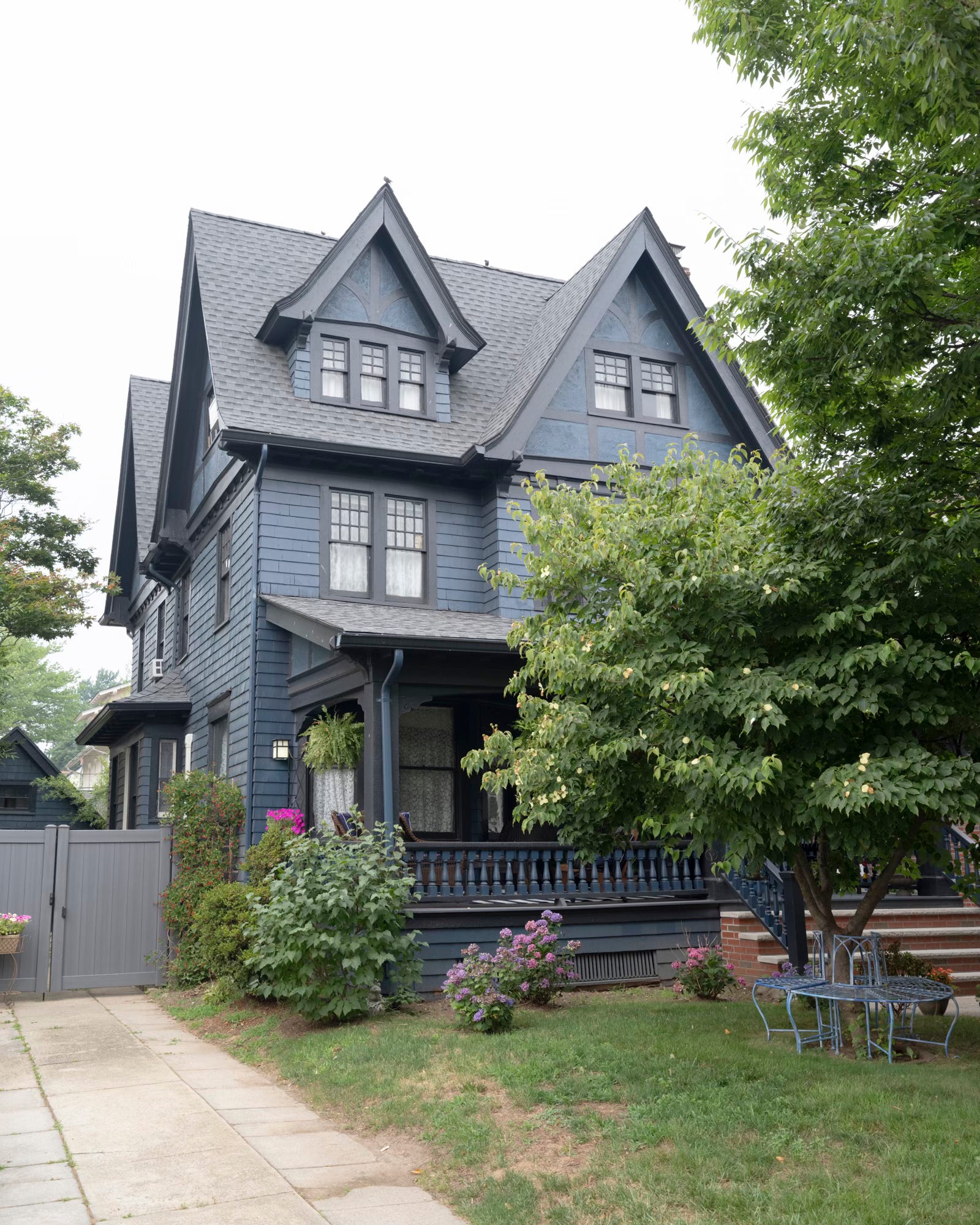
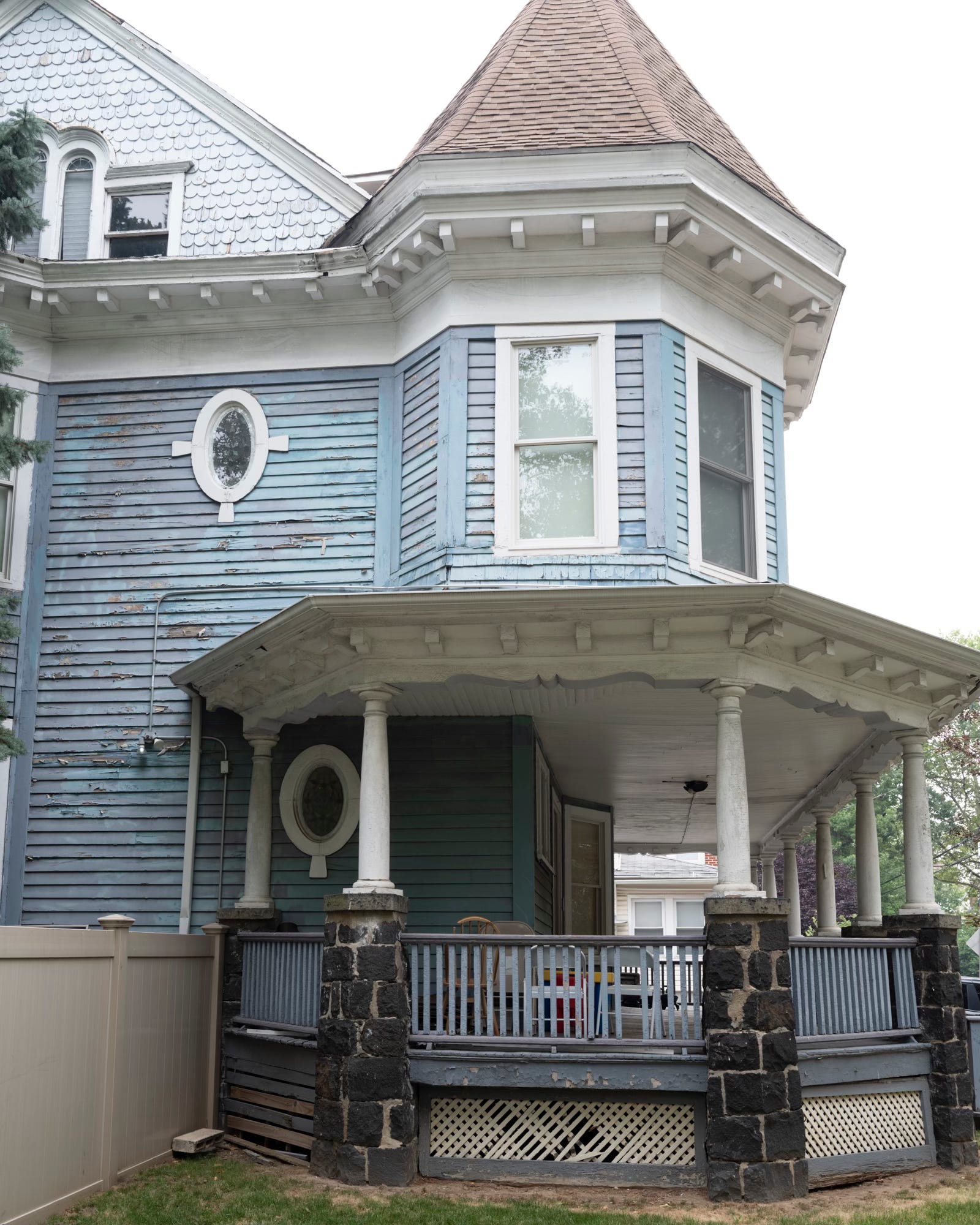
One of Richmond Hill’s earliest residents was social reformer, journalist, and photographer Jacob Riis, whose home at 84-41 120th Street was the polar opposite of the cramped, squalid tenements he documented in his daily work.
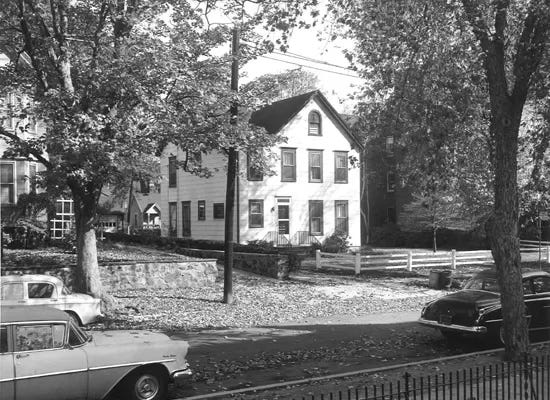
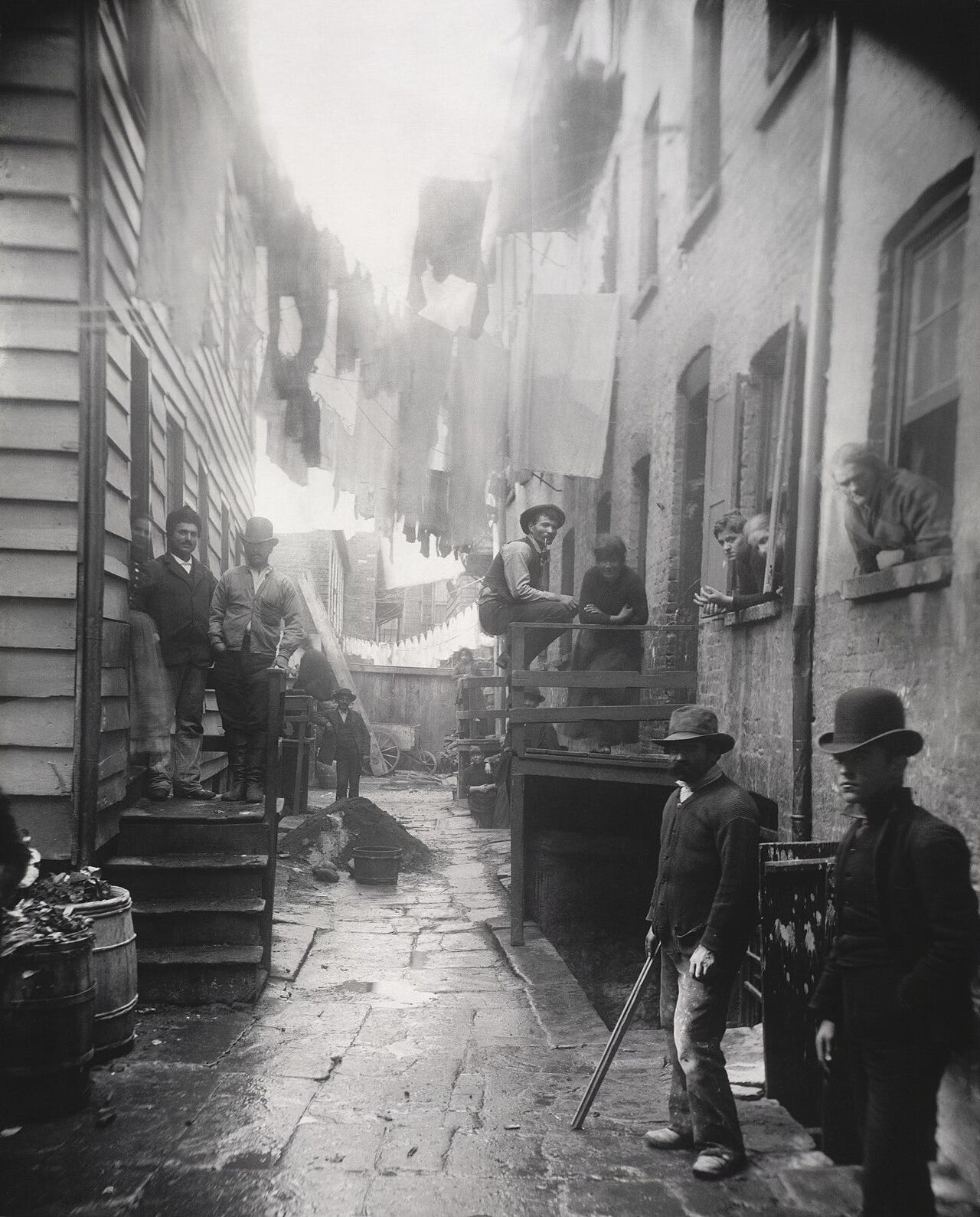
Riis emigrated from Denmark in 1870 and eventually became one of the most influential chroniclers of urban poverty. In 1877, he found work as a police reporter for the New York Tribune, a job that took him into the city’s poorest neighborhoods and inspired him to begin documenting the conditions he encountered. His 1890 book How the Other Half Lives, a landmark work of American photojournalism, exposed the overcrowded tenements and desperate living conditions of New York’s poorest districts. The book helped galvanize support for housing reform and contributed to efforts that transformed notorious areas like Mulberry Bend.
The irony was that much of this work was produced from the quiet comfort of Richmond Hill, where Riis and his family lived for 25 years. In a small studio behind the house at 84-41 120th Street, Riis wrote many of his most influential books and articles. He remained there until 1913. Though Riis’ home was demolished in 1973, there are still many buildings that date back to the neighborhood’s founding.
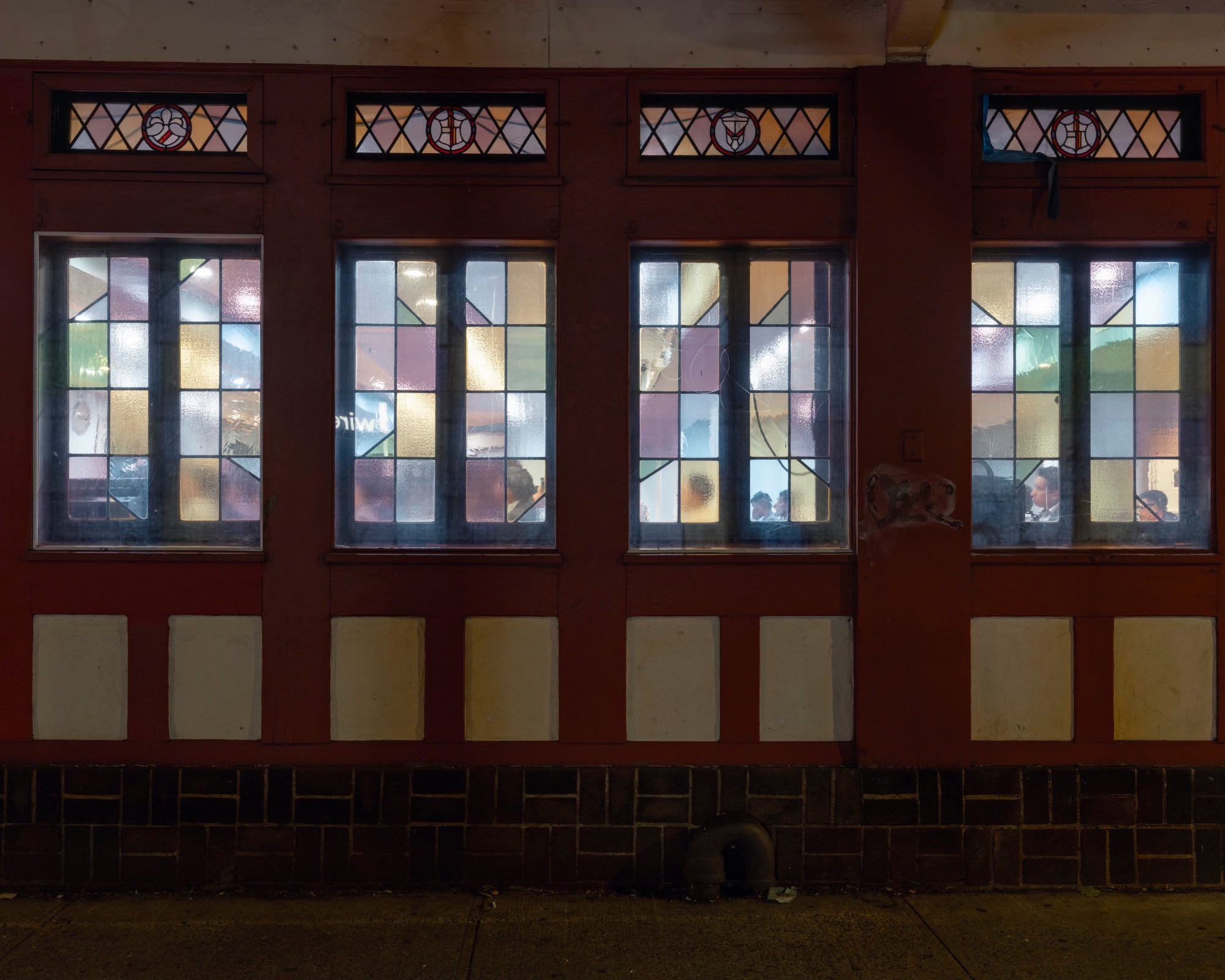
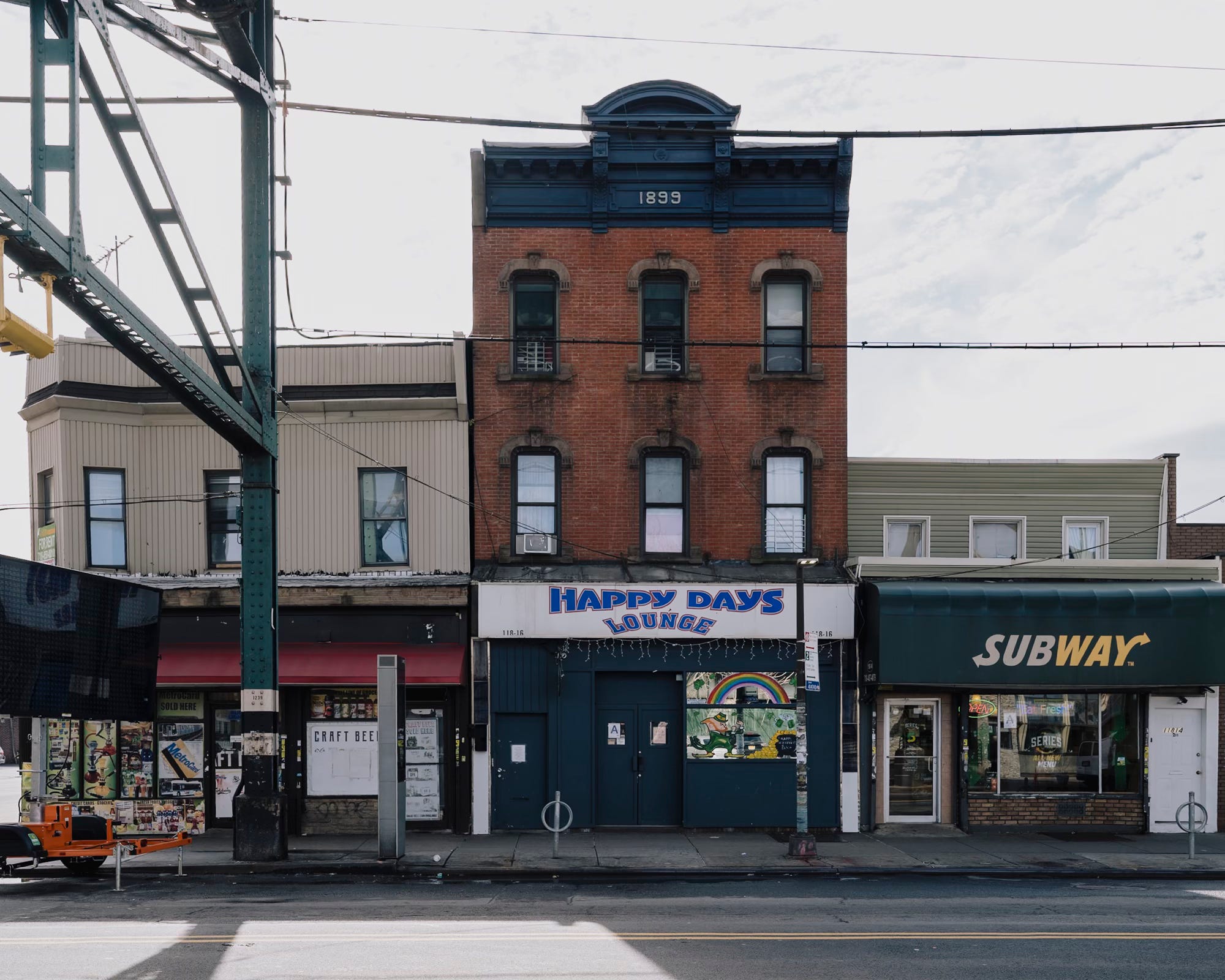
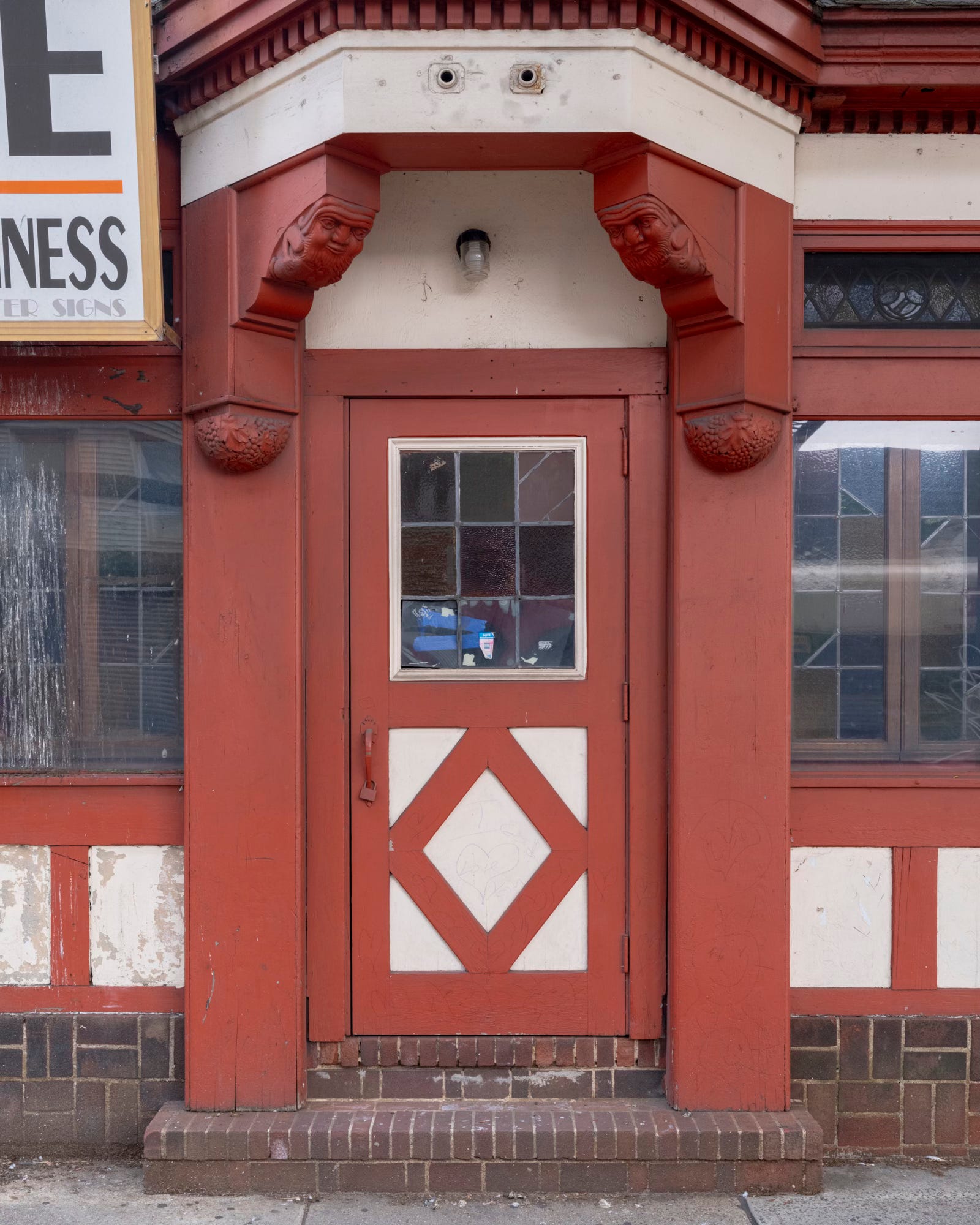
Last week, on a humid Friday evening at the eastern end of Myrtle Avenue, I found myself standing in front of one of Richmond Hill’s oldest surviving structures: a modest wooden building that has served, at various times, as a post office, grocery store, watering hole, hotel, medical facility, and today, an Evangelical church.
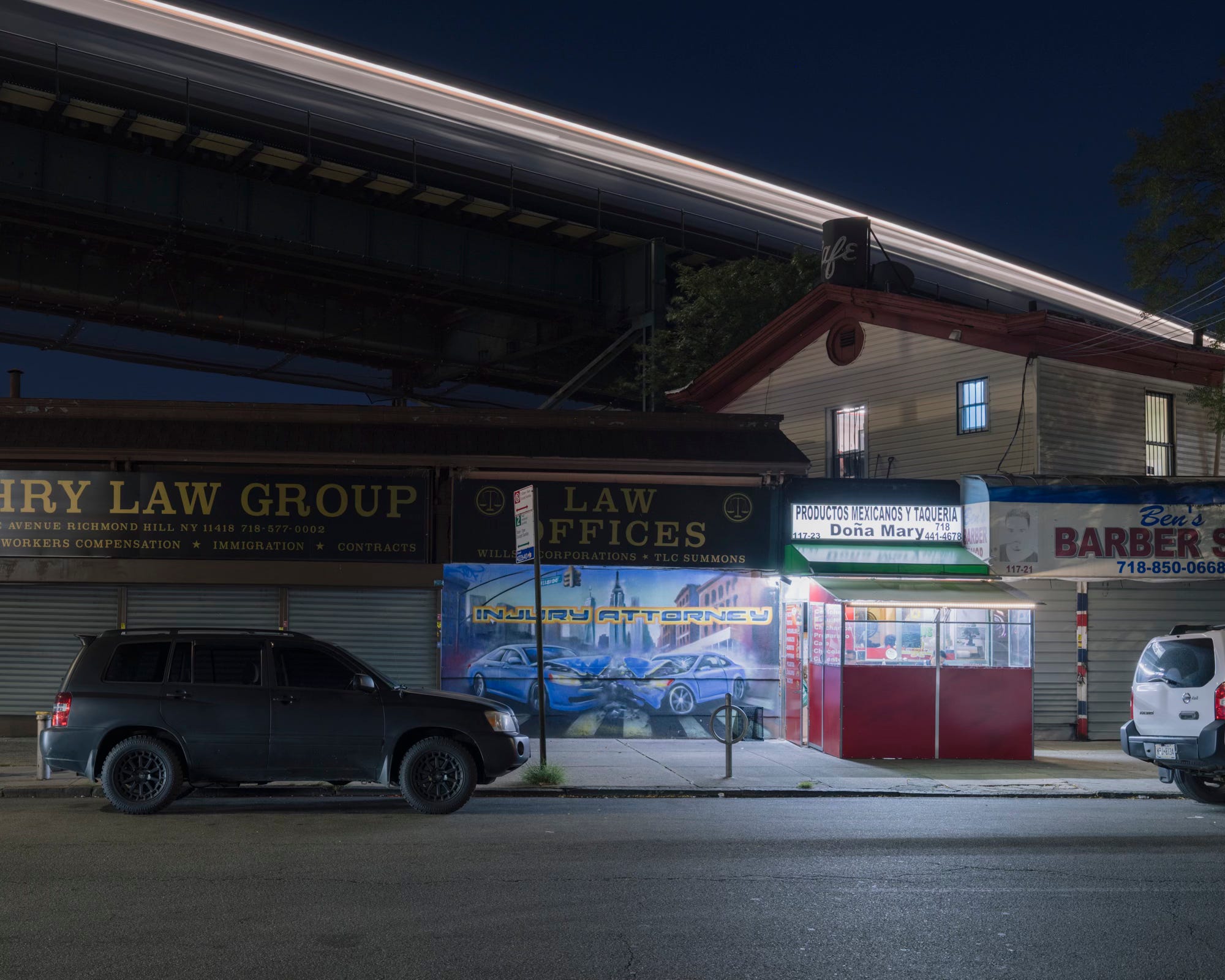
The air was thick with the acrid smell of smoke lingering from the Canadian wildfires, and the amplified words of the pastor at Sala Evangelica de Jamaica mingled with the screech and clatter of the overhead J train. From the sidewalk, the heads of parishioners were framed by panes of multicolored glass.
Dating to 1868, the building is nearly as old as Richmond Hill itself. Over the past century and a half, it has adapted to the changing needs and identities of the neighborhood. A barber shop, taqueria, insurance broker, and several other small businesses share the same triangular lot formed by the convergence of Myrtle and Jamaica Avenues. The Evangelicals occupy the original structure, while the storefronts are wedged into the triangle’s narrow tip, an arrangement that makes for poor feng shui but, with entrances on both streets, double the foot traffic.
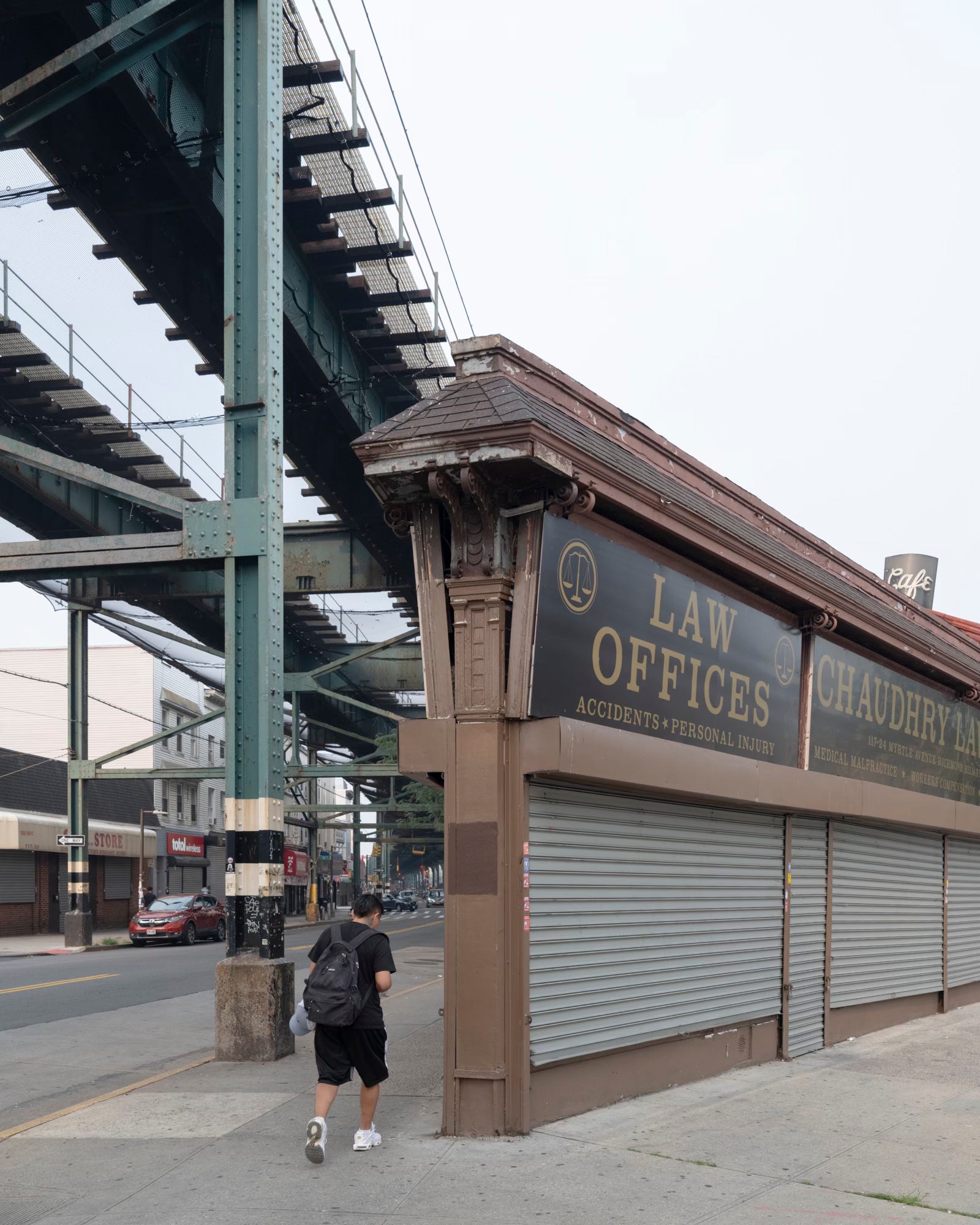
In its first incarnation, the building functioned as both a grocery store and post office. Beginning in the 1880s, it embarked on a long run as a hotel, restaurant, and tavern, though the exact chronology is a bit murky.
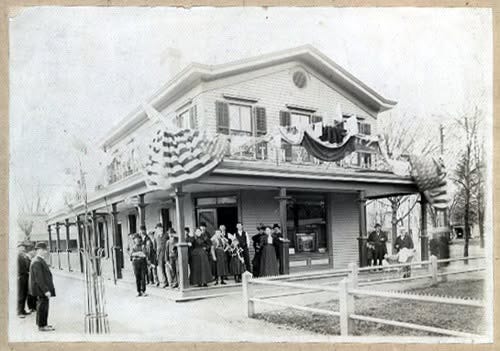
For several years it was known as the Wheelman’s Restaurant, an establishment catering to the glut of city residents intoxicated by the newfound freedom of two-wheeled transportation.
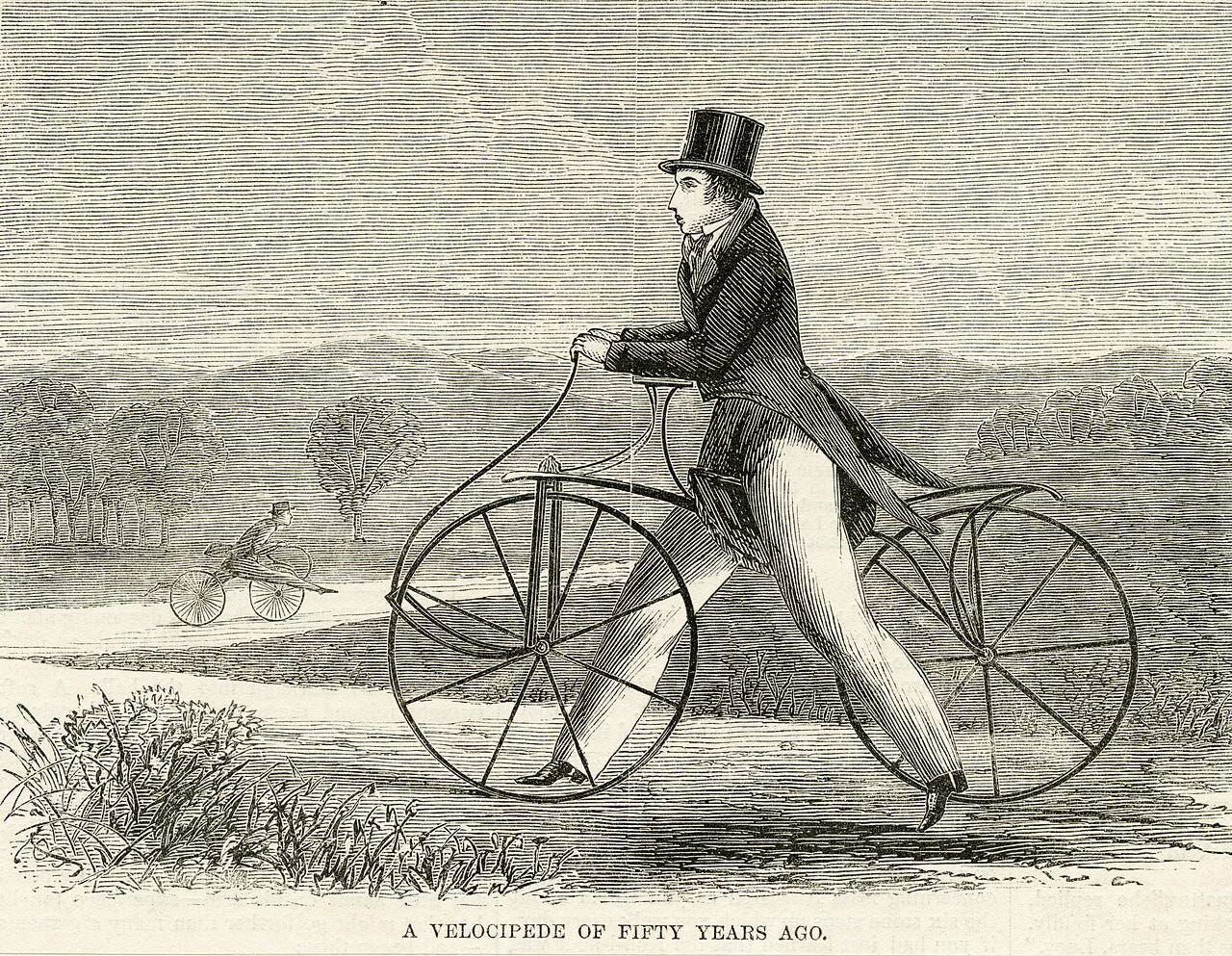
The bicycle owes its existence, at least in part, to one of history’s greatest natural disasters. The 1815 eruption of Mount Tambora in Indonesia was one of the largest volcanic events in recorded history. The massive quantities of ash blasted into the atmosphere lowered global temperatures by an average of about 3°C (5.4°F), triggering the “Year Without a Summer.” Crop failures spread across Europe, and in Germany the failed oat harvest created the equivalent of a modern fuel crisis. With little feed available, horses, which were the primary means of transporting both people and goods, starved or were slaughtered. Into this crisis stepped inventor Karl Drais, who devised the Laufmaschine (“running machine”), a two-wheeled, pedal-less vehicle that, besides size, is virtually identical to the balance bikes toddlers use today to learn how to ride.
Eventually the skies cleared, temperatures rebounded, and horse populations recovered. The Laufmaschine’s moment proved fleeting, but for a few years the curious new machine was all the rage. In England, where it became a favorite of the wealthy, fashion-conscious set, it earned the nickname “dandy horse.”
The dandy horse gave way to the boneshaker, which added pedals but featured wooden wheels with iron tires and a ride that lived up to its name.
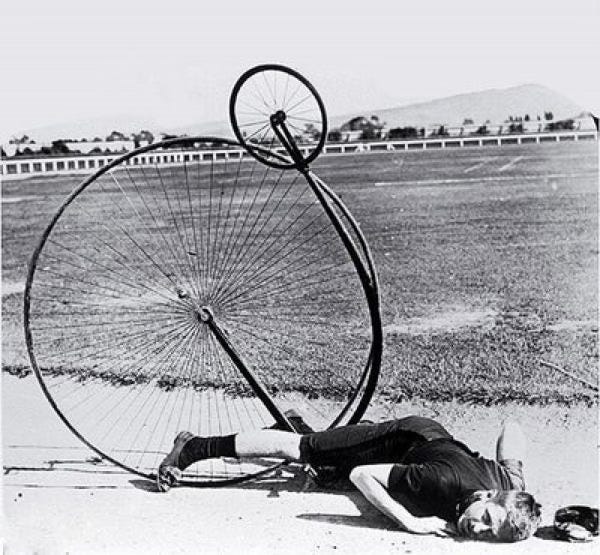
The cartoonish penny-farthing, followed, but with its tiny turning radius and high-center-of-gravity, it was so dangerous that its successor was dubbed the safety bicycle. With its compact diamond frame, chain drive, similarly sized wheels, and pneumatic tires, the safety bicycle was an immediate success. It became one of the first mass-produced consumer products and ushered in the bicycle craze of the 1890s. In 1899 alone, Americans bought 1.2 million bicycles.
At the intersection of Jamaica and Myrtle Avenues, Wheelman’s would have been the place for thirsty cyclists craving a ham sandwich washed down with a nut-brown sarsaparilla after a long ride. The bicycle boom, however, proved short-lived. The Model T debuted in 1908, and by the following year bicycle sales in the United States plummeted to just 160,000.
By then, the building had been purchased by Paul Gesche, who renamed it Gesche’s Triangle Hotel. Gesche had little interest in bicycles, or automobiles for that matter. His attention was fixed on a less terrestrial mode of transportation. A Brooklyn Daily Times article from 1908 reported on his efforts to build his own airship: “Mr. Gesche’s airship is built along lines which have never before been attempted by manufacturers of flying machines. For that reason, its inventor is not sure how it will work, although he hopes for the best.”
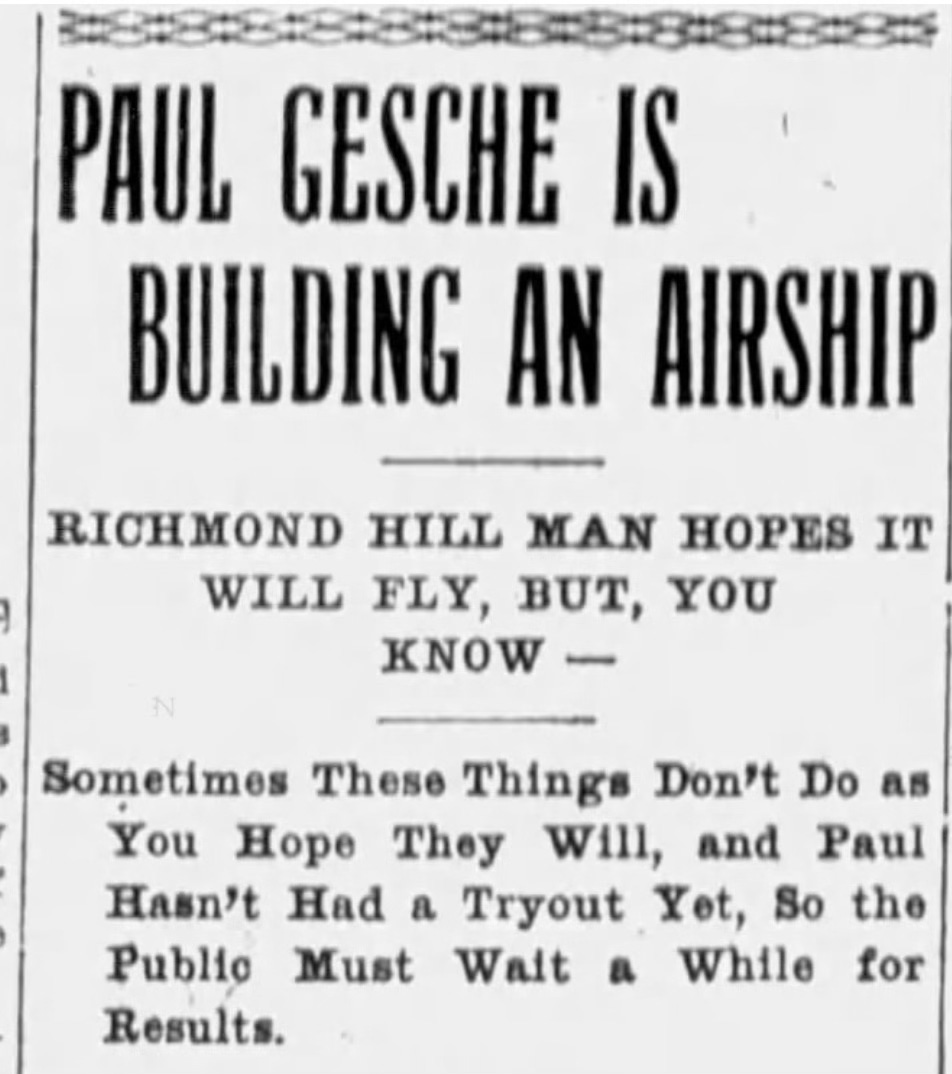
I couldn’t find another mention of Gesche’s experimental aircraft, but a few years later he unveiled plans for a 90-foot-high airship station atop his hotel, complete with a restaurant, rooftop garden, and bandstand. Asked by a Brooklyn Eagle reporter whether the venture could ever turn a profit, Gesche replied, “Pay? Why, man alive, it’s bound to.”
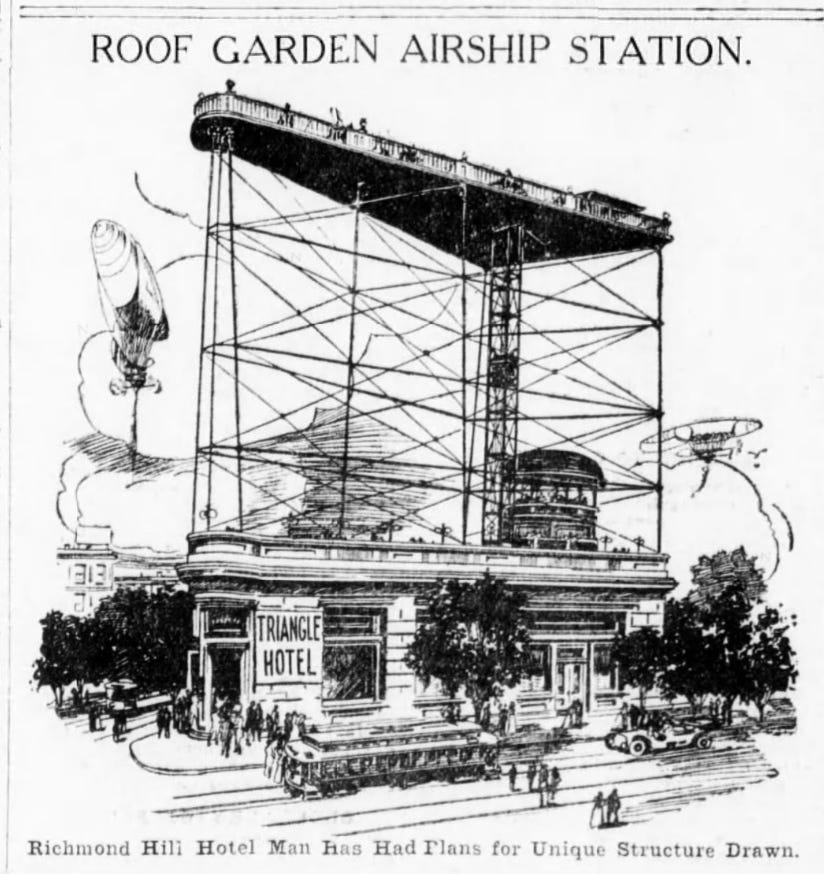
The article concludes with Gesche’s prediction for the future of urban transportation. “Instead of agitating for a subway through Queens to Jamaica,” he declared, “let us be patient and wait for an airship line. I say this in all seriousness. The time is bound to come when the subways will be antiquated, for we’ll all be ‘up in the air.’”
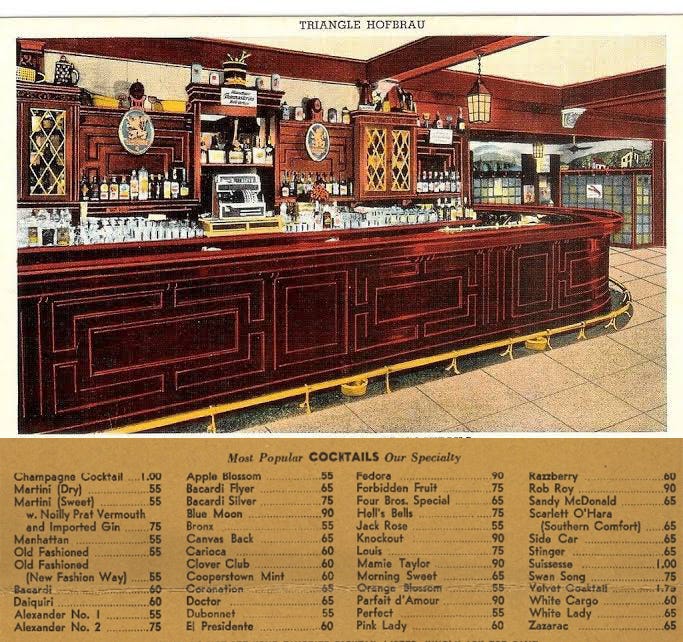
Within a year, the hotel, sans airship terminal, had changed hands again. Its new owner, Anton Waldeier, renamed it the Triangle Hofbrau Haus, which would become the building’s longest-running and best-known incarnation. Babe Ruth and Mae West were among its patrons, and in 1912 songwriter Ernest Ball reportedly composed “When Irish Eyes Are Smiling” in one of the hotel’s rooms.
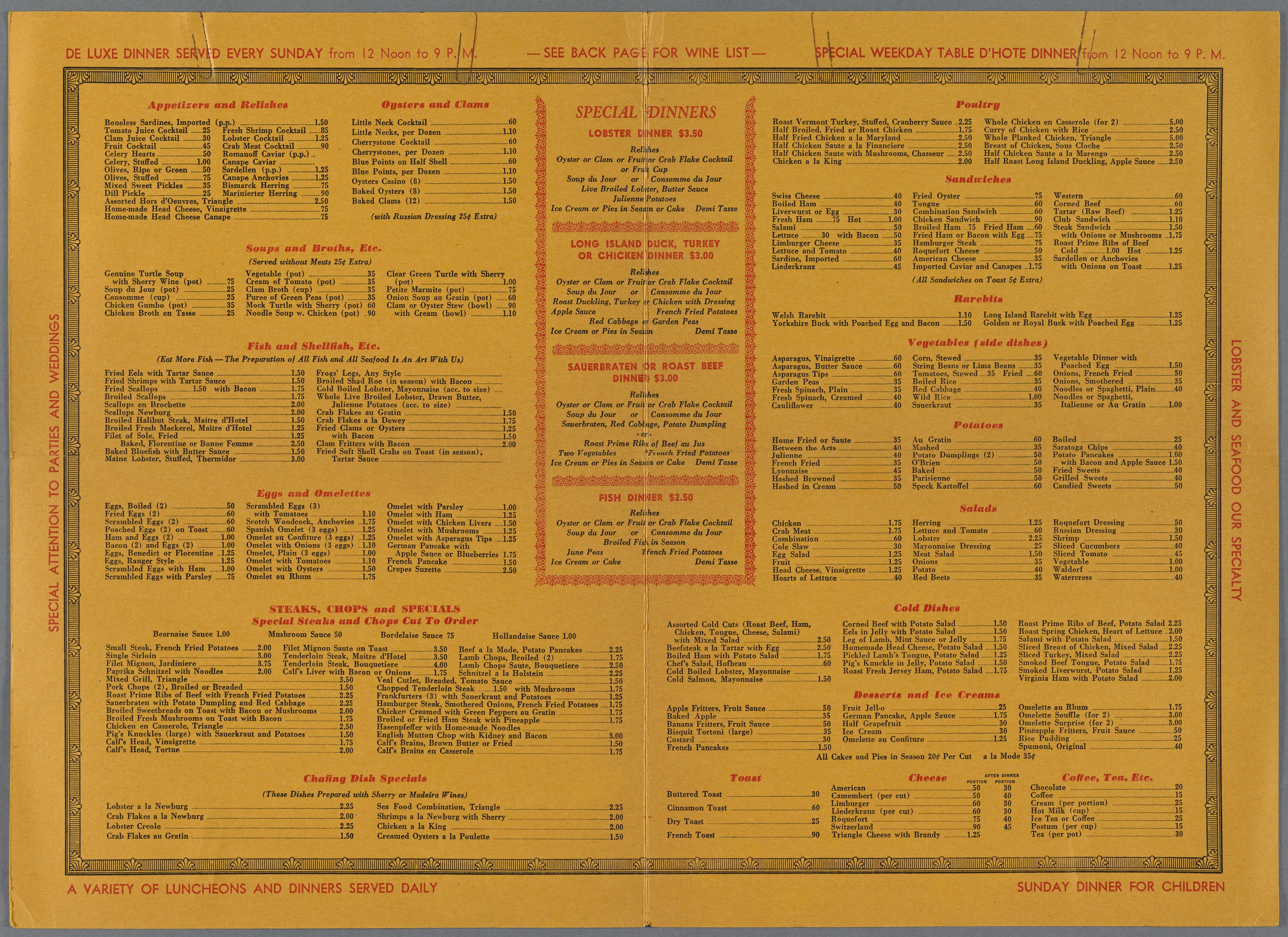
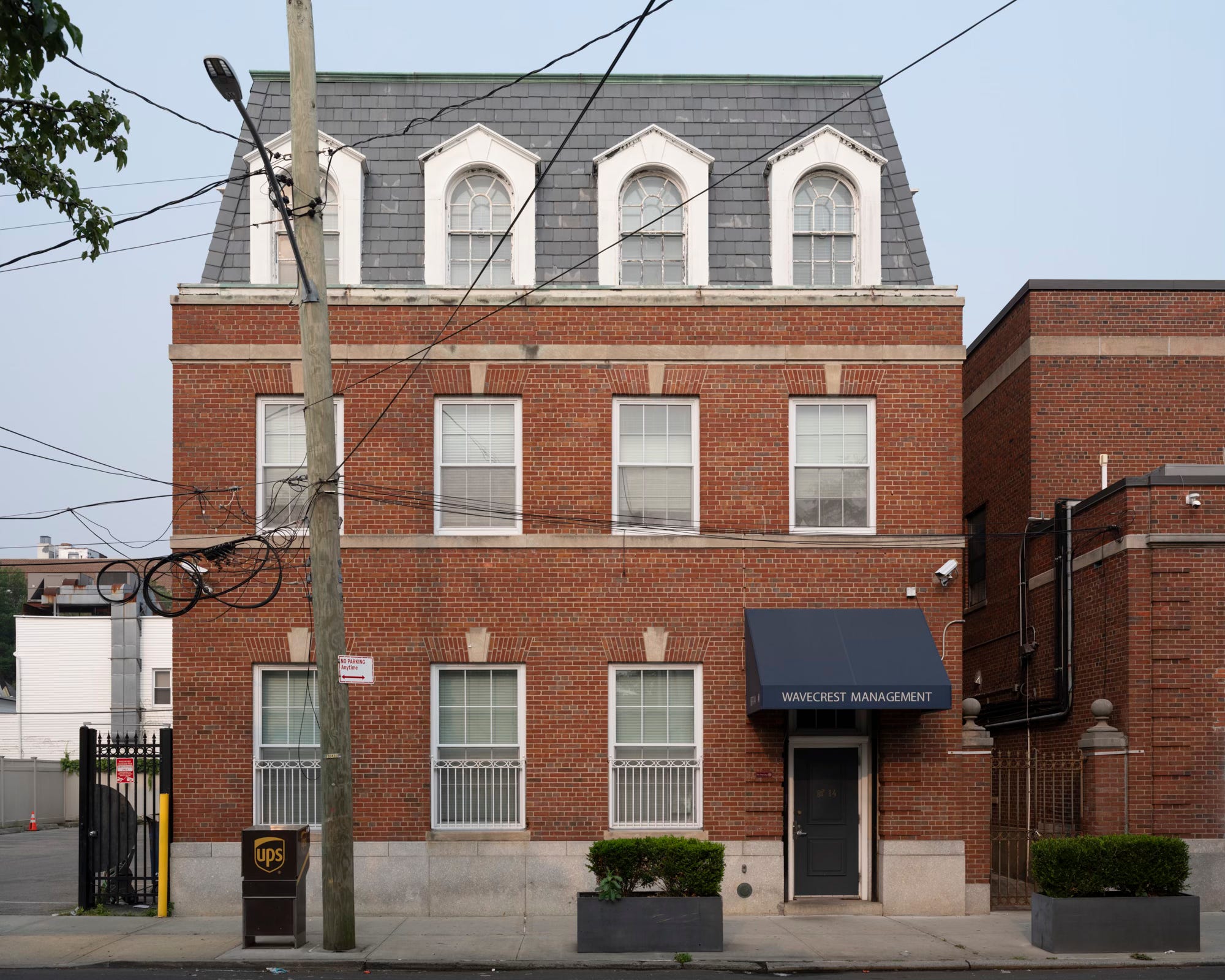
The Triangle Hofbrau Haus survived until 1999, when it closed and the building was converted to medical offices.
The massive, 27-foot-wide WPA mural in the Richmond Hill Library, The Story of Richmond Hill would seem to suggest that the neighborhood’s history has something to do with scowling babies, carefree youths with zero body fat and exceedingly tight clothing, and a cabal of confused and despondent fat cats.
When the mural painted by social realist Philip Evergood was unveiled in 1938, it caused an immediate uproar. Local critics denounced it as “repulsive and grotesque,” complaining that the figures “don’t look like human beings at all. They don’t look like any race you or I ever saw, and they certainly never lived in Richmond Hill.”
The painting should have come as no surprise to anyone familiar with Evergood’s work. The New Yorker once praised his “ability to project the unhealthinesses of modern society into eerie fantasy without for a moment losing either his satirical bite or his contact with reality.”
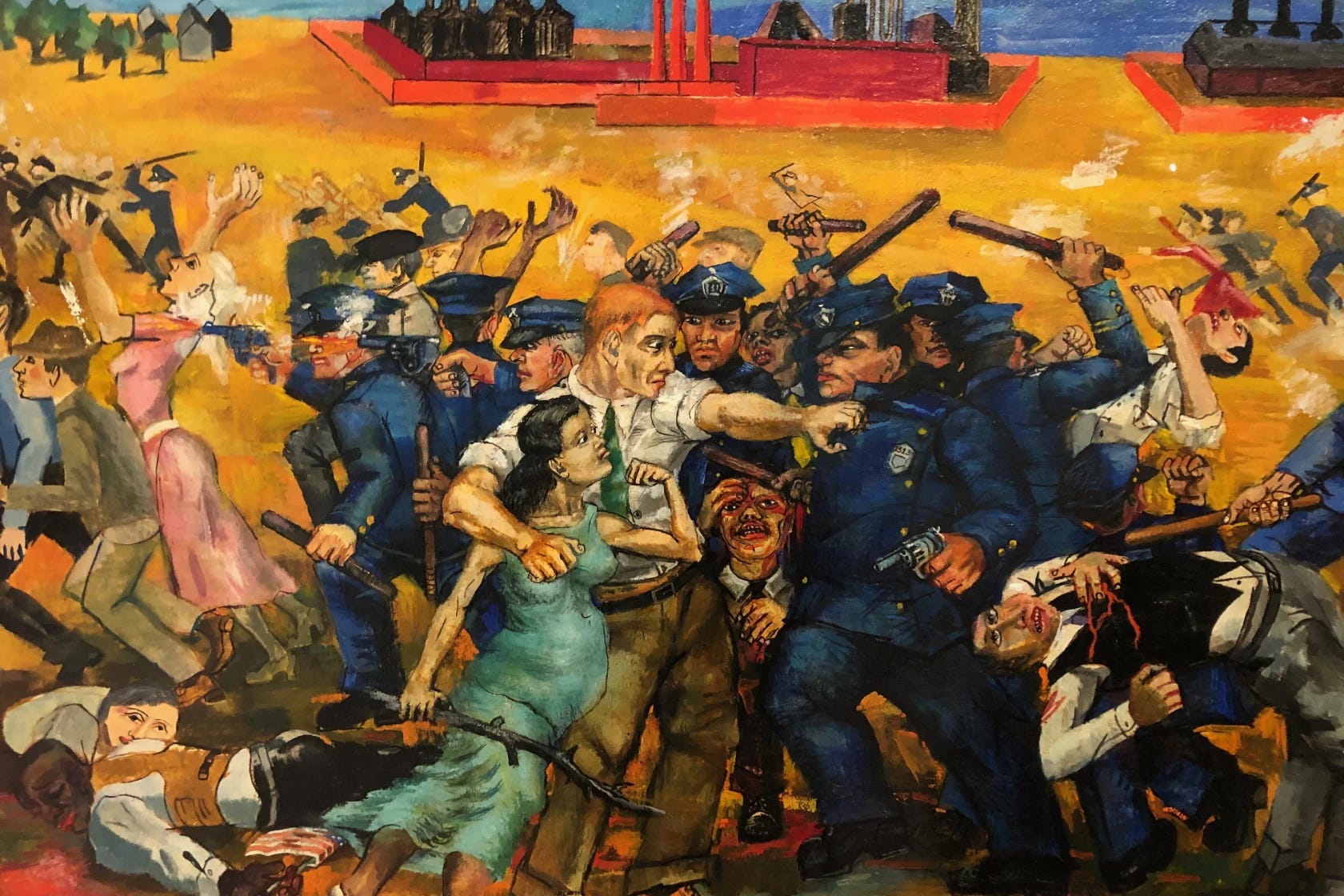
According to Evergood’s proposal, the mural is divided into three sections: (a) The Artist and the Businessman Plan the Community, (b) The Early Community, and (c) The Modern Community.
The central panel depicts Richmond Hill’s founders, Albon Platt Man and Edward Richmond, along with Man’s son, Alrick, and his assistant, Oliver Fowler.
The panel to the left presents the neighborhood’s pastoral beginnings, a rural landscape, on the cusp of transforming from farmland into suburbia, newly accessible thanks to the arrival of the Long Island Rail Road. The revealingly clad frolickers (“parts of the body are too accentuated,”) proved to be among the mural’s most controversial features.
The panel on the right is considerably darker. Smokestacks loom over glowering babies as stoic laborers trudge off to work, representative of the industrial city from which Richmond Hill’s suburbia offered an escape.
Nearly half a century after Evergood’s mural was painted, writer Jane Gross described the current state of the once idyllic suburbia he depicted as “a juxtaposition of bygone luxury and contemporary dilapidation,” where “somehow, the community’s treasured values tenuously prevail.” Another forty years on, many of the storied institutions she wrote about, places like the Triangle Hofbrau, Jahn’s ice cream parlor, and Keith’s Richmond Hill theater, are no more.
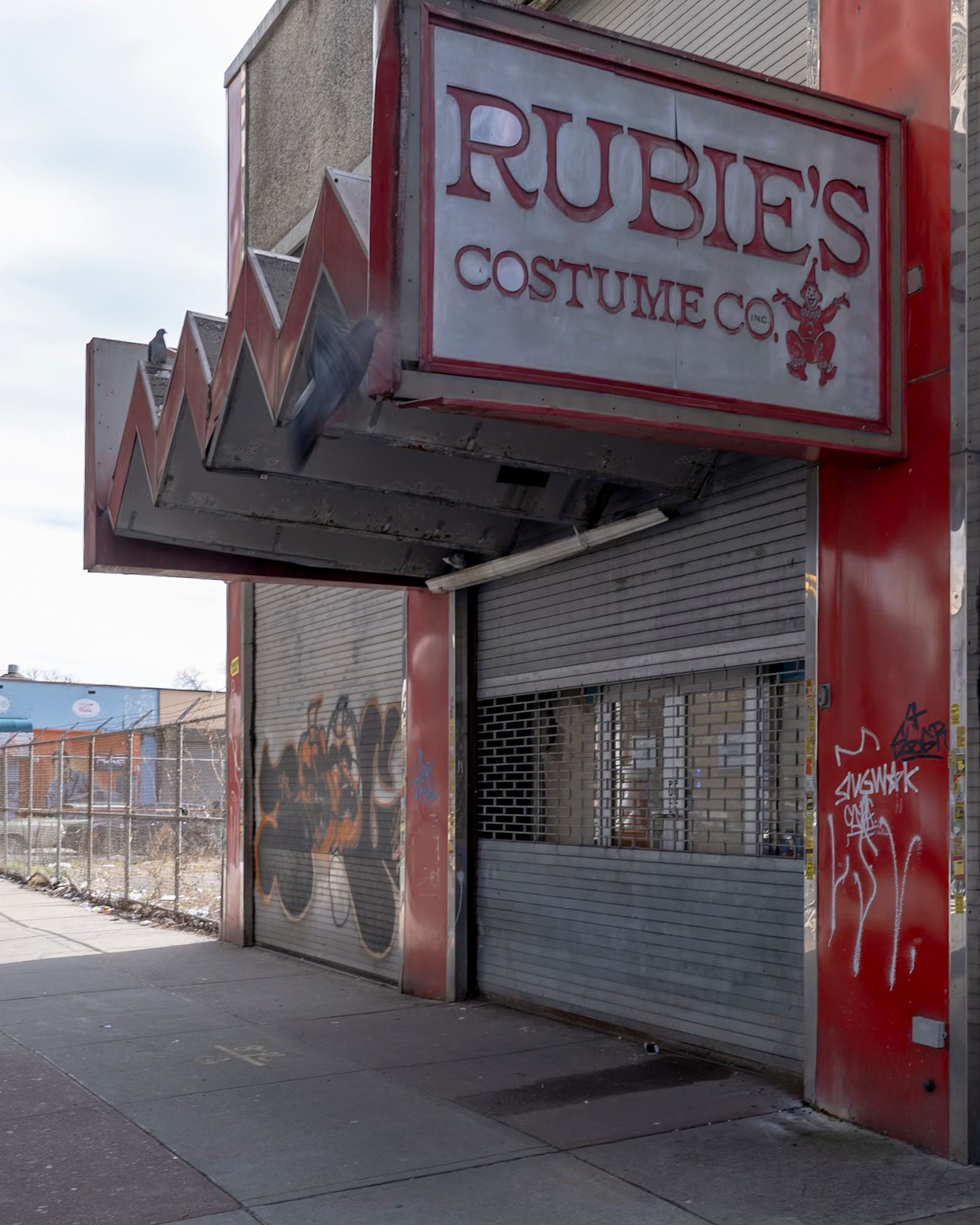
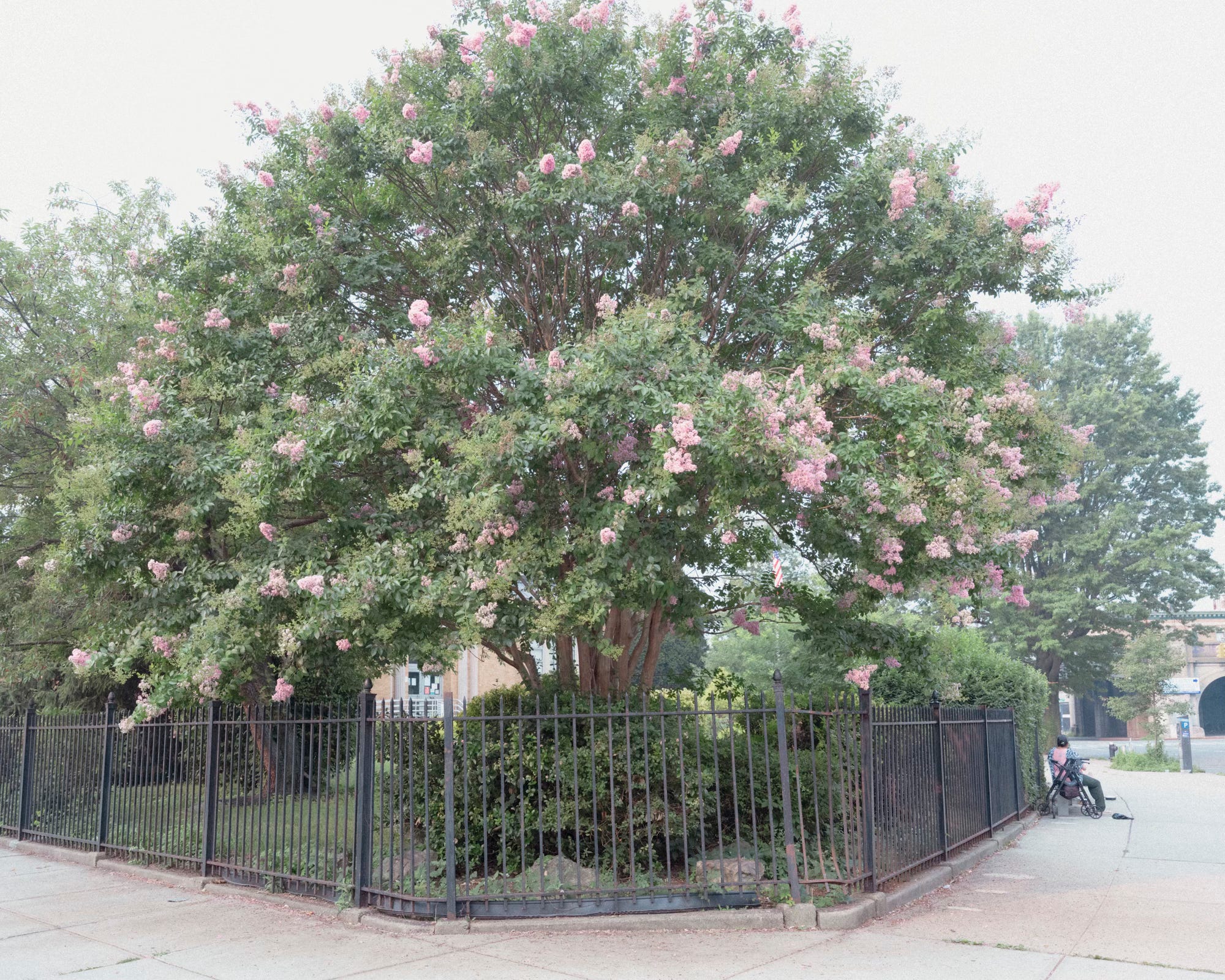
Though the businesses are gone, and the languages spoken on the street may have changed, the neighborhood retains a distinct identity: a particular place with its own “gossip, legends and history.” It remains, as Gross described it, “small-town life, nothing more. It just happens to be in New York City.”1
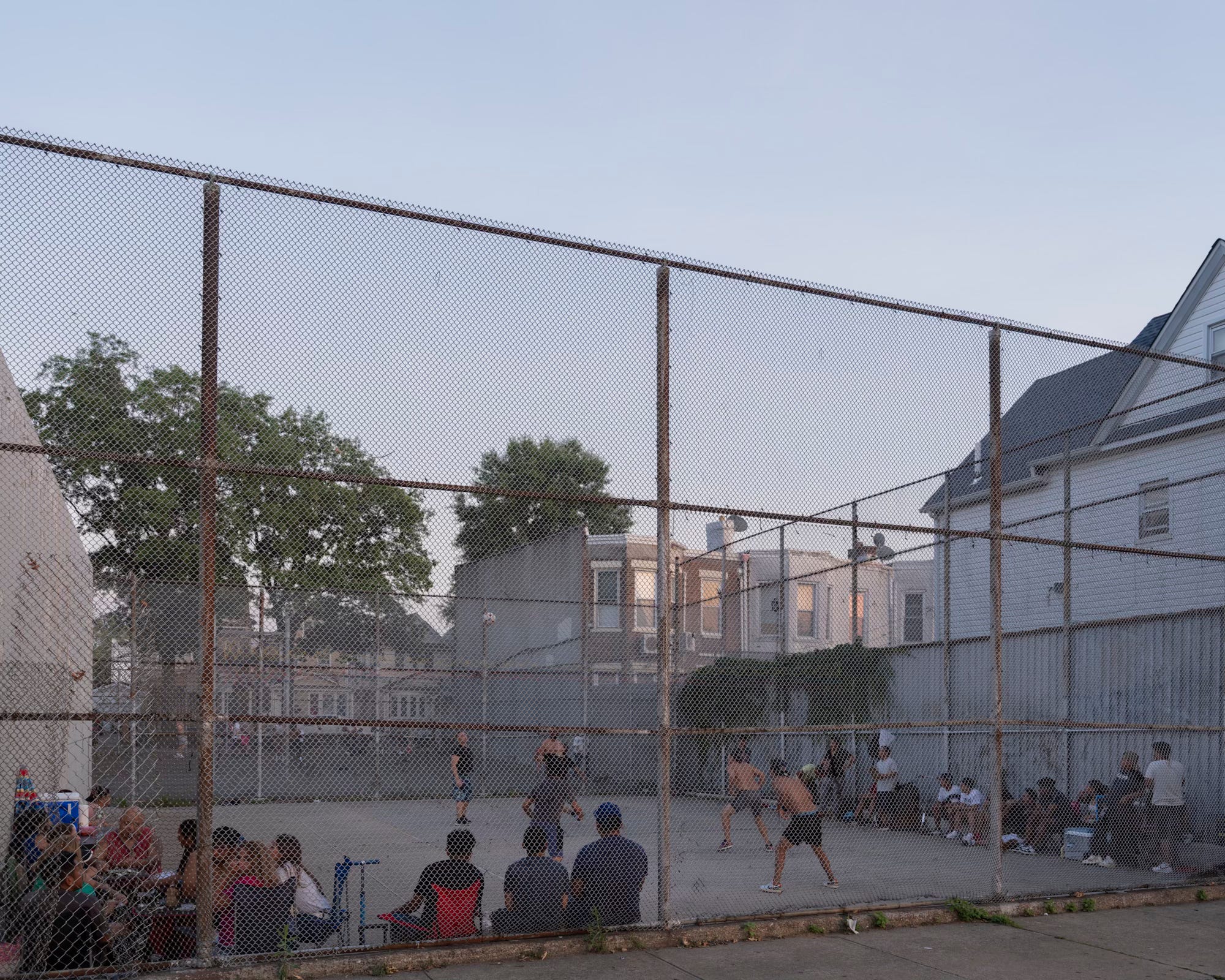
This week’s recording begins outside Sala Evangelica de Jamaica before moving on to a significantly more spirited scene at a playground on Atlantic Avenue. Along the way, there is a snippet of someone singing from their home, music spilling onto the sidewalk outside an Indian grocery store, and a brief excerpt from a food pantry line outside a local church.
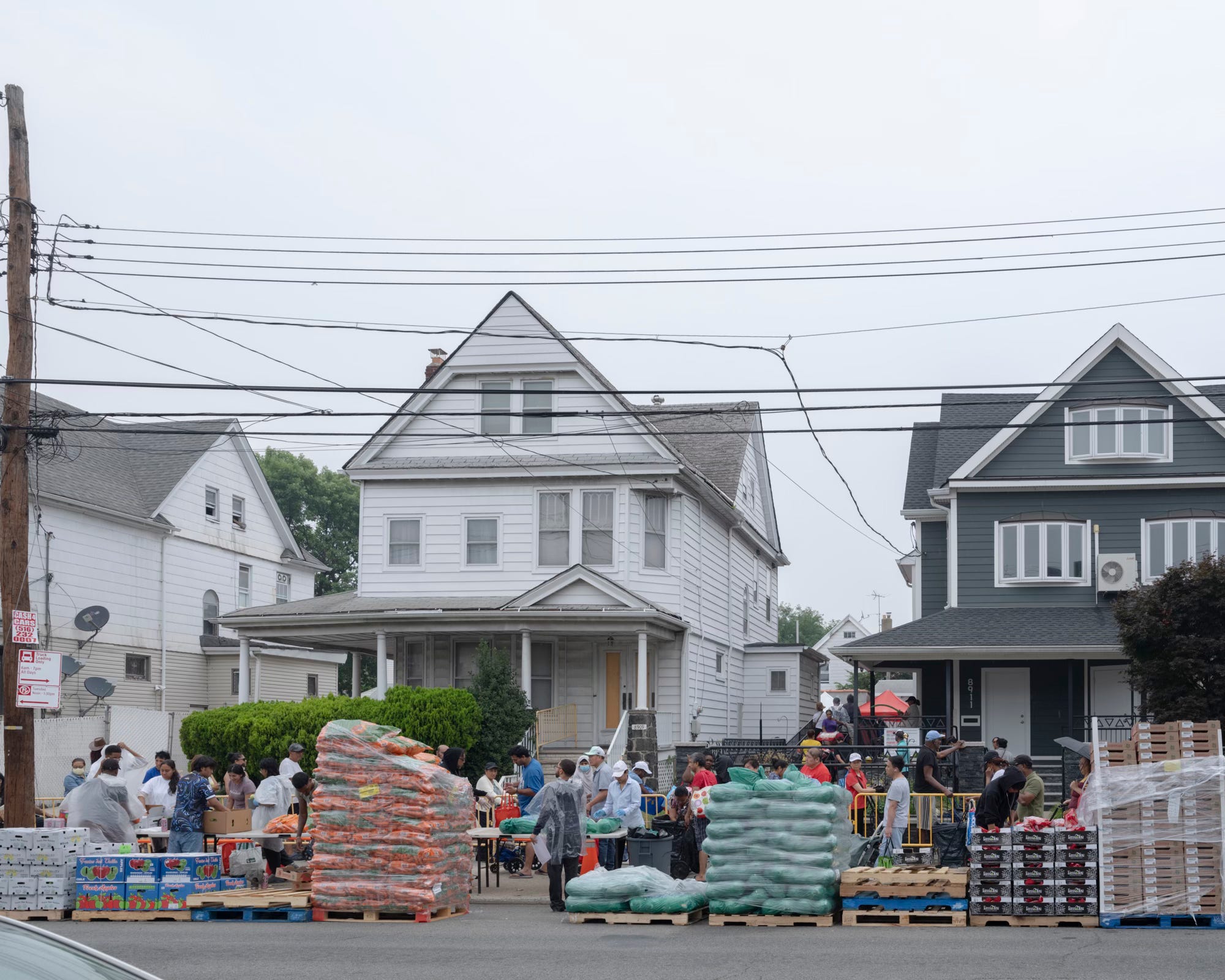
I encounter these lines frequently during the course of this project, and they seem to grow longer with each passing year, sometimes stretching around several blocks, a visible reminder of the pressures facing many New Yorkers from the rising cost of living and recent cut to programs like SNAP.
0:00
-5:03
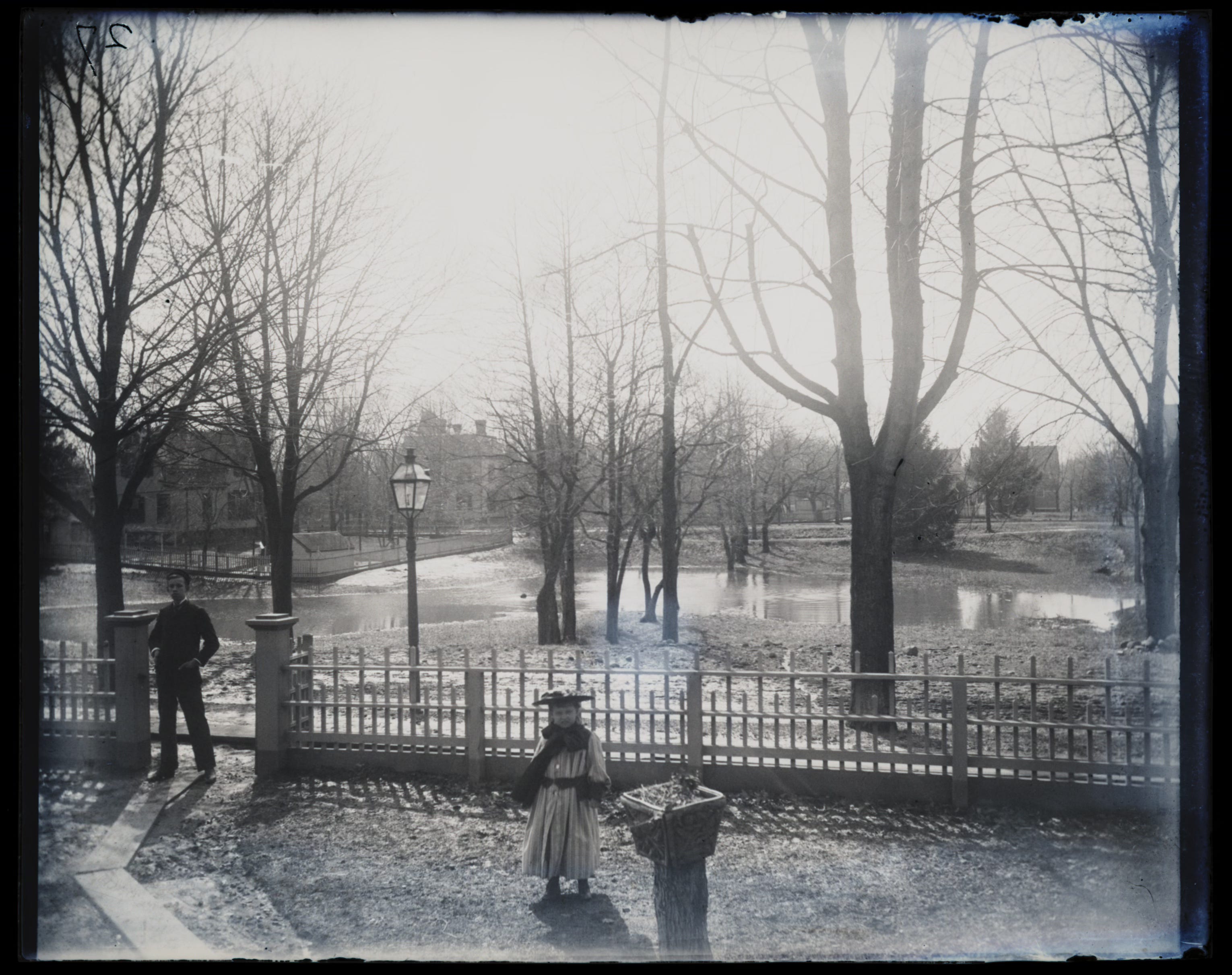
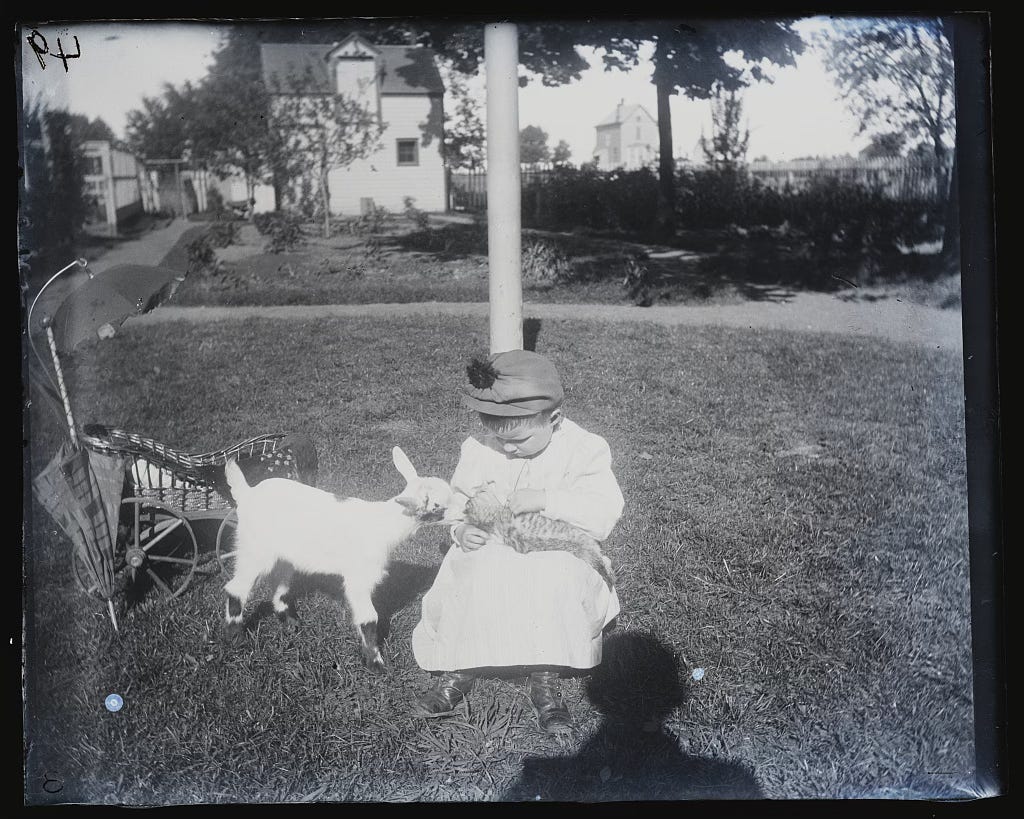
In his autobiography, Jacob Riis described discovering Richmond Hill:
“It was in the winter when all our children had the scarlet fever that one Sunday, when I was taking a long walk out on Long Island where I could do no one any harm, I came upon Richmond Hill, and thought it was the most beautiful spot I had ever seen. I went home and told my wife that I had found the place where we were going to live…I picked out the lots I wanted. So before the next winter’s snow, we were snug in the house, with a ridge of wooded hills, between New York and us. The very lights of the city were shut out. So was the slum and I could sleep.”
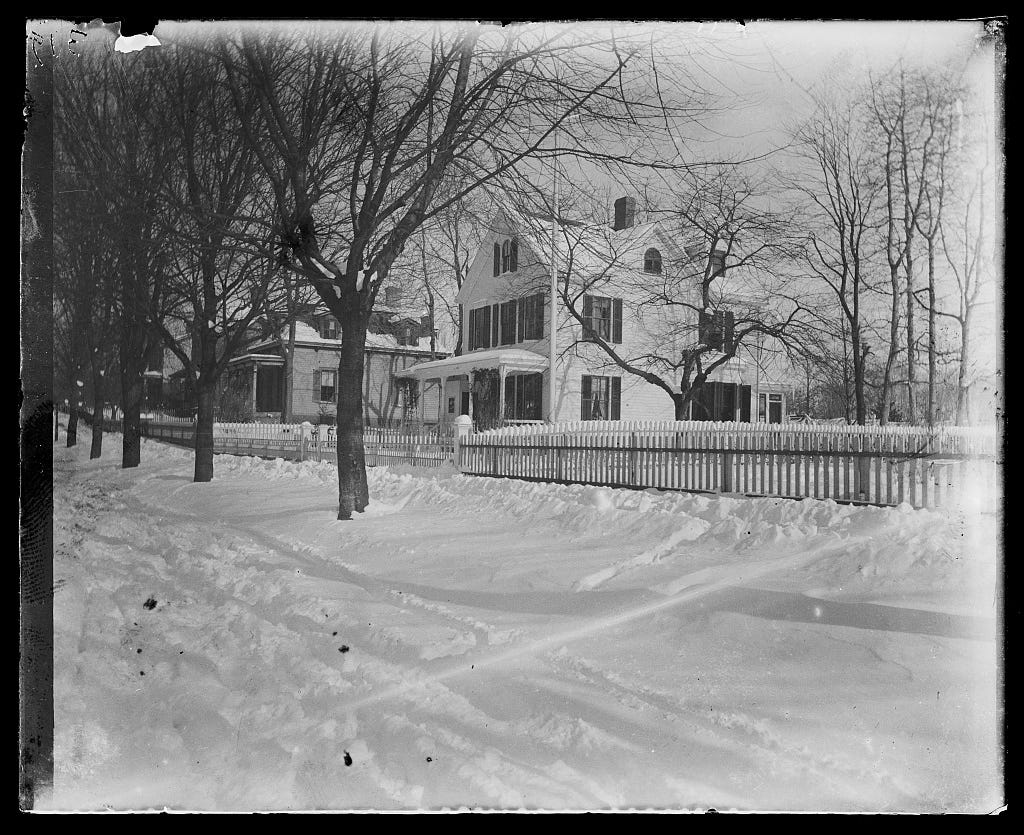
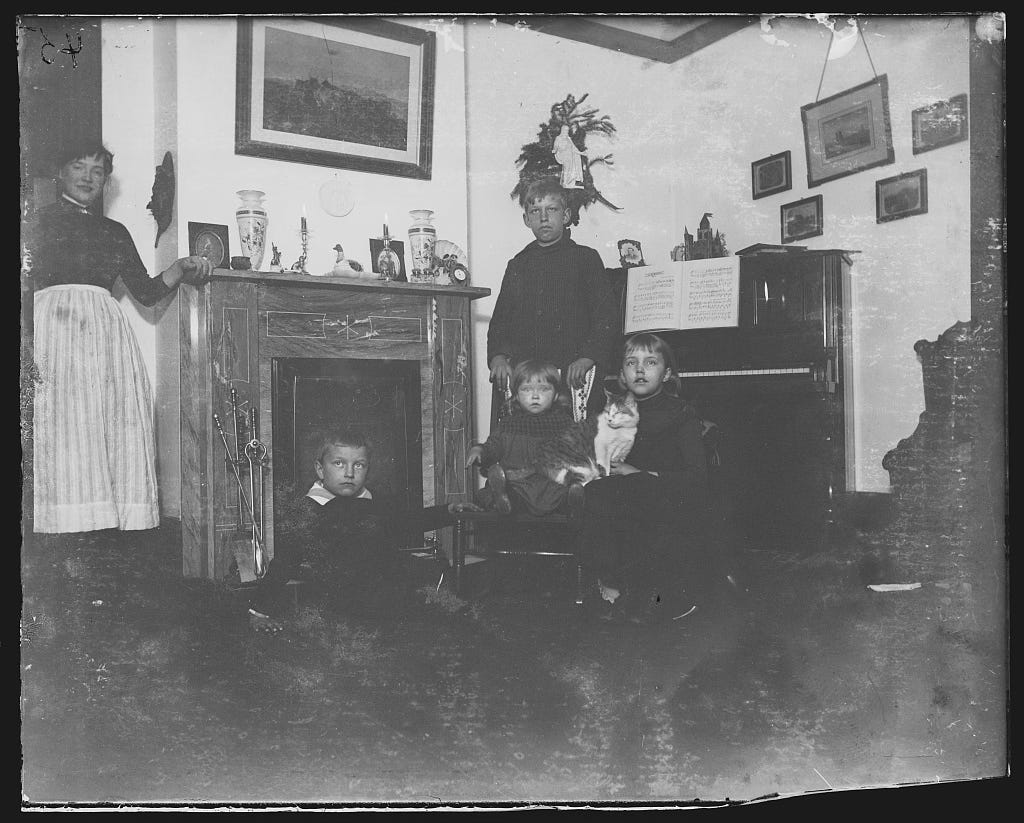
Unlike the photographs for which Riis became famous, these images reveal the private world of the Riis family’s life in and around their Richmond Hill home.
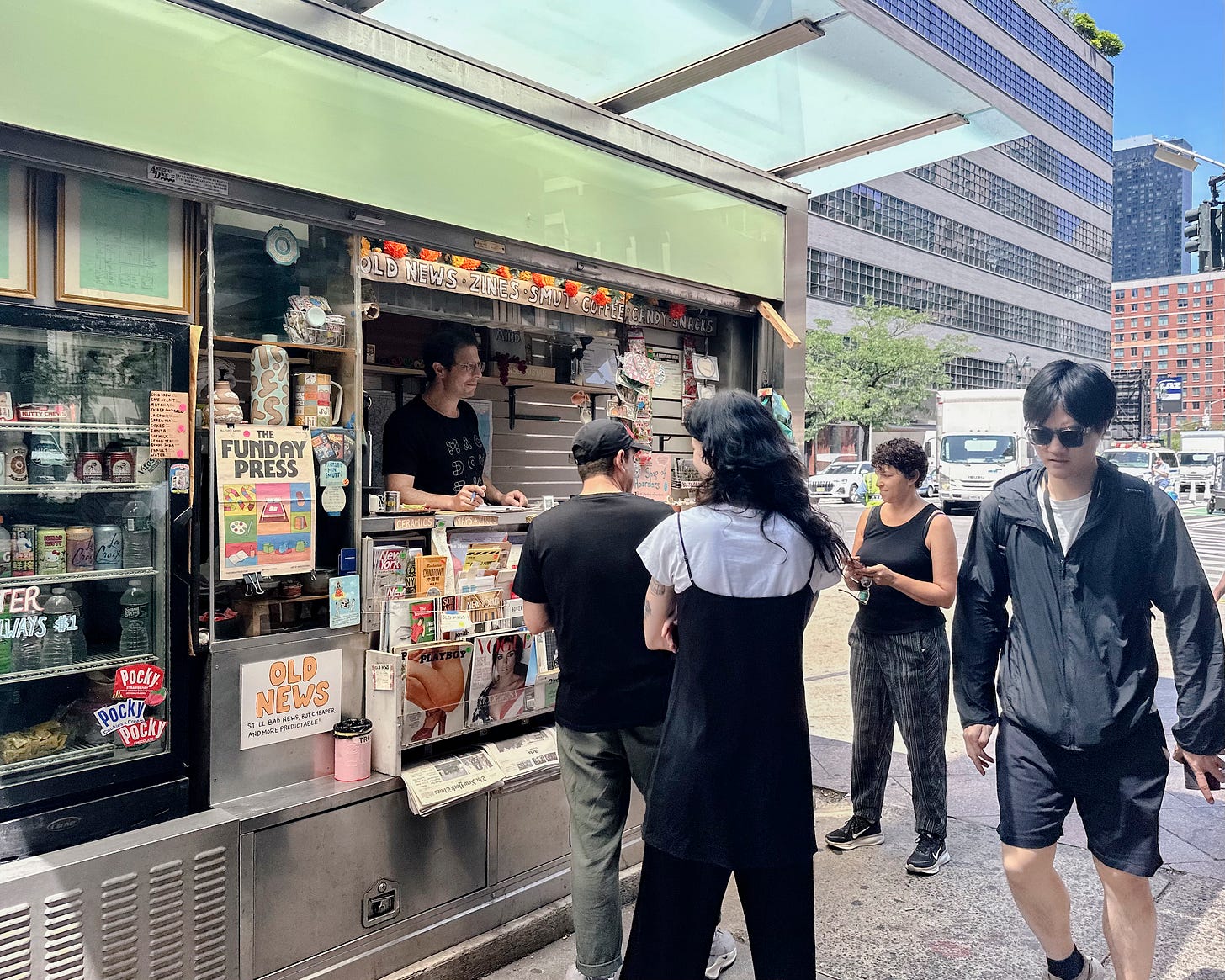
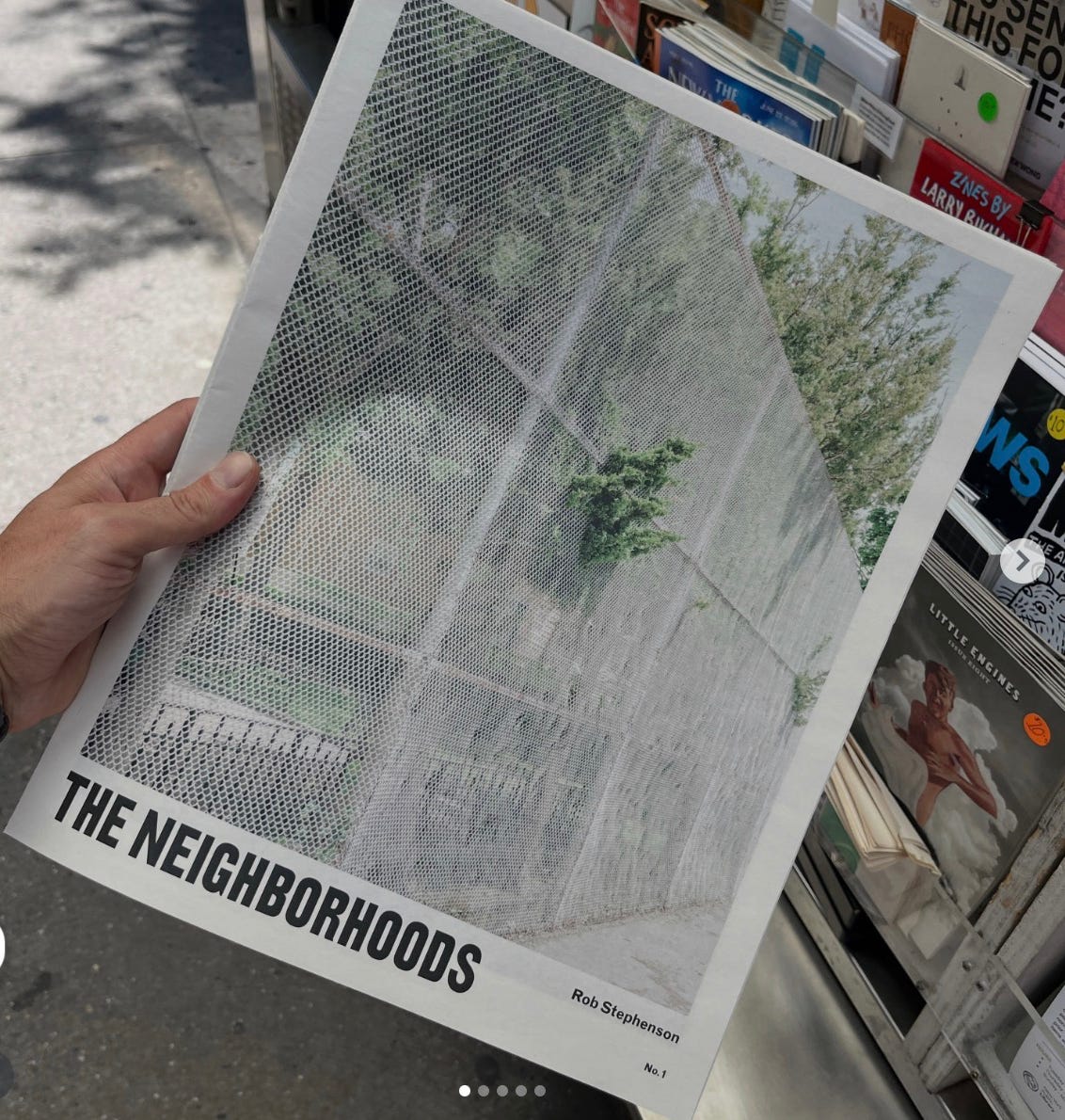
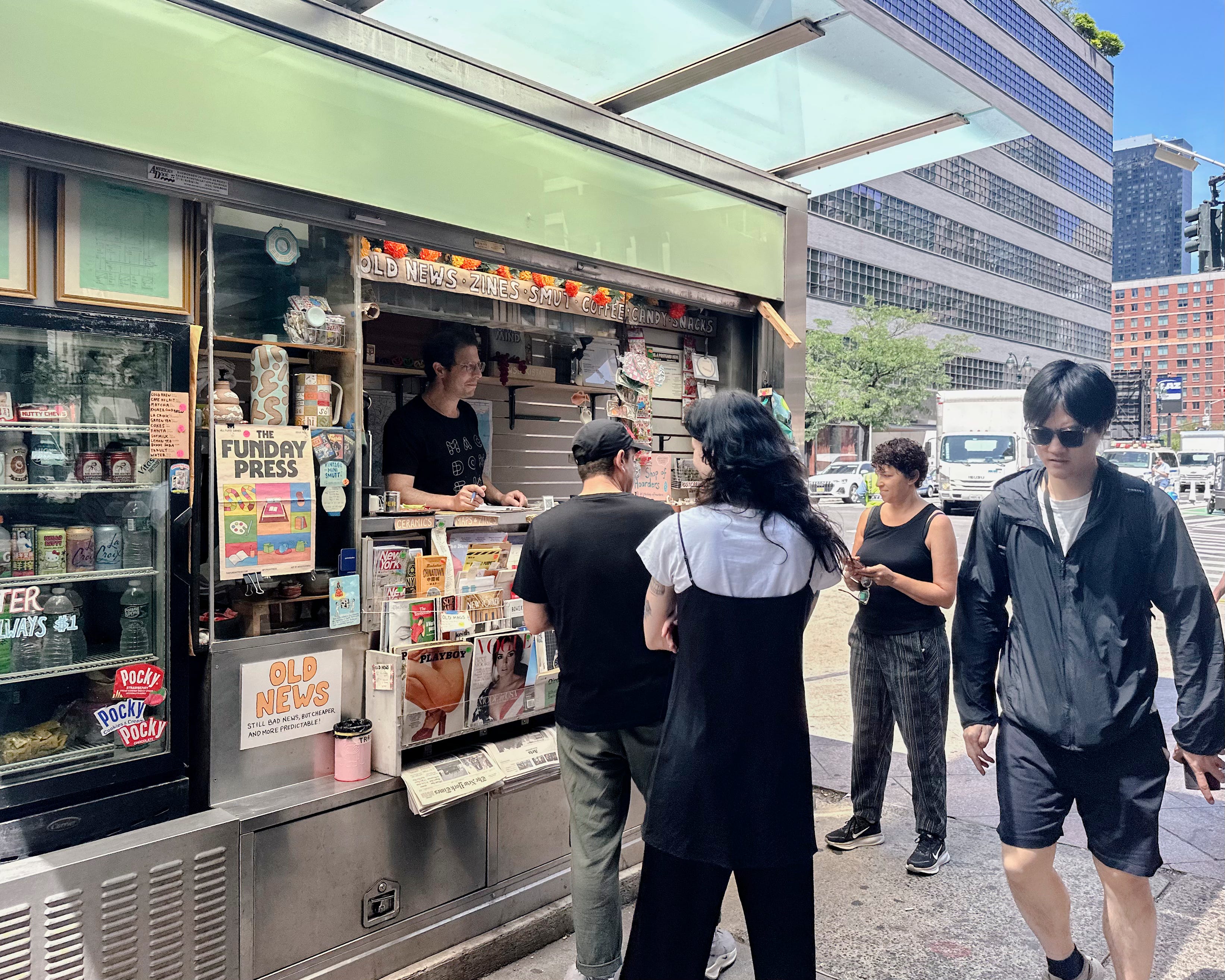
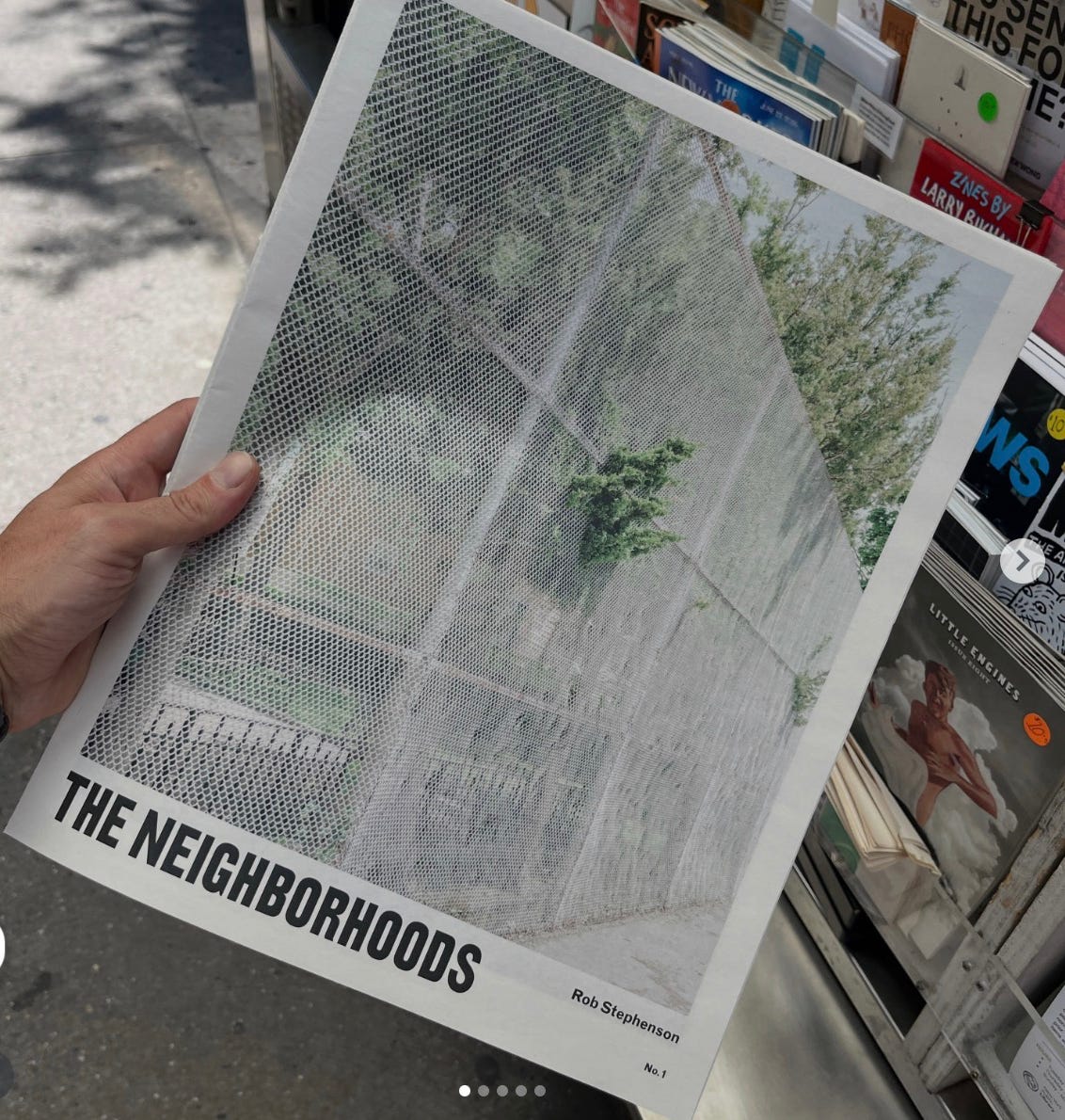
A few weeks ago, a long-shuttered Manhattan newsstand at 34th St. & 9th Ave. reopened for business. Instead of the usual lineup of New York Posts, People, and Sports Illustrateds, this one stocks handmade zines and maps, ceramic cigarettes, vintage newspapers, embroidered pothole coasters, and an eclectic selection of beverages. It’s also the only place you can pick up the newsprint edition of my Neighborhoods newsletter in person.
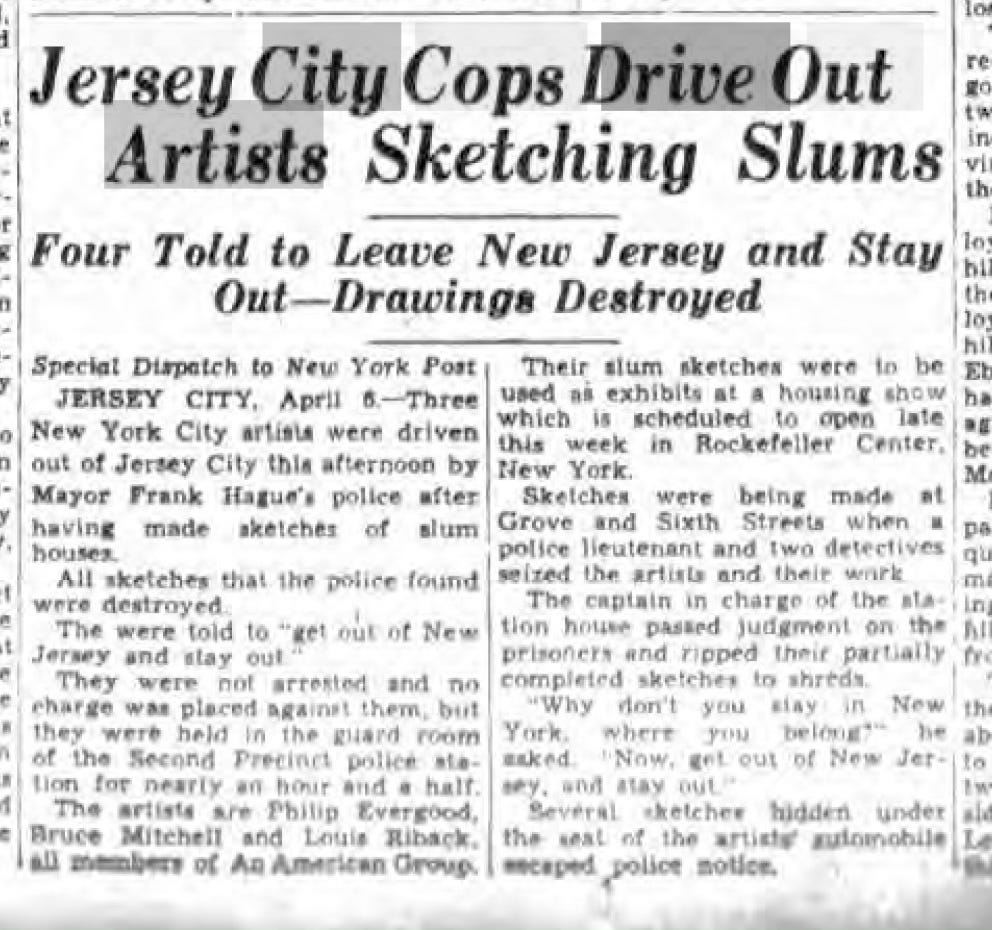
In an incident with interesting parallels to the work of Richmond Hill resident Jacob Riis, Evergood and two fellow artists were arrested in Jersey City on April 6, 1938, shortly after his mural was unveiled. The artists had been spotted sketching “slum houses” for an exhibition about urban living conditions. The men were taken to the Second Precinct, their drawings were torn up, and they were told simply: “Get out of New Jersey and stay out!”
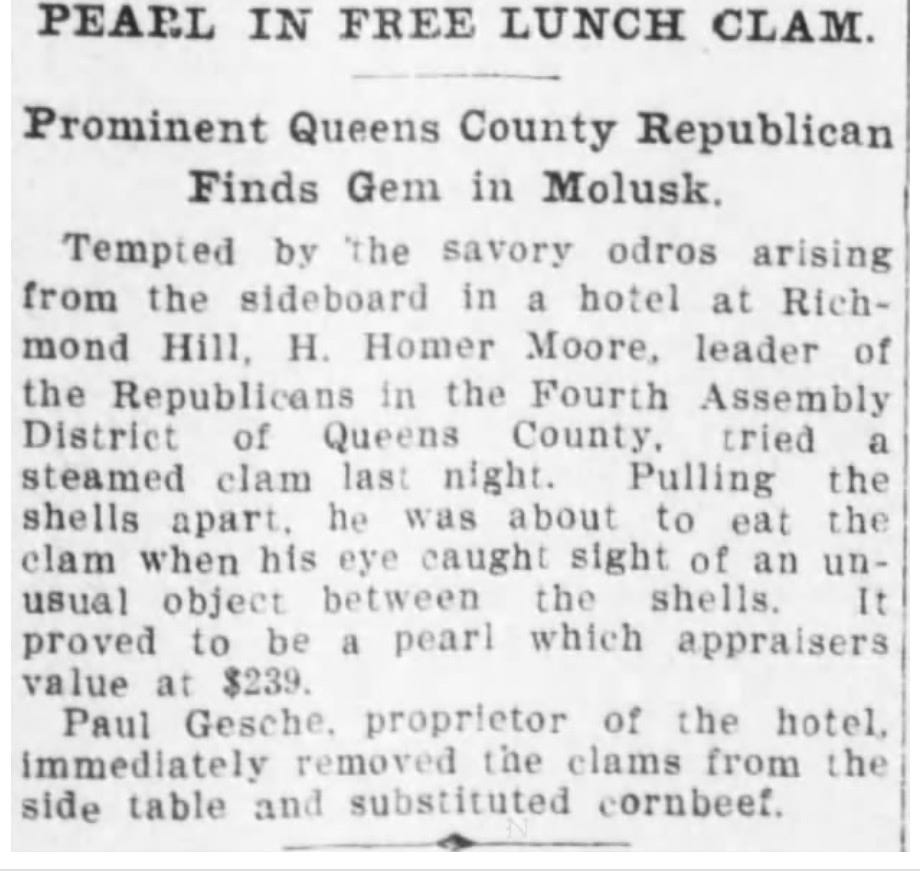
In 1908, while the Triangle Hotel was still under the ownership of aeronaut enthusiast Paul Gesche, one of the restaurant’s patrons, a local politician named Homer Moore, discovered a pearl hidden inside a clam from the lunch buffet. The gem was later appraised at $239. When Gesche noticed what had happened, he “immediately removed the clams from the side table and substituted corned beef.”
https://www.nytimes.com/1985/04/06/nyregion/change-and-constancy-at-the-heart-of-richmond-hill.html?unlocked_article_code=1.z1A.5s9x.MHRvjy7oZsNF&smid=url-share
Comments
Nothing yet. Say the first thing.
Sign in to join the conversation.