
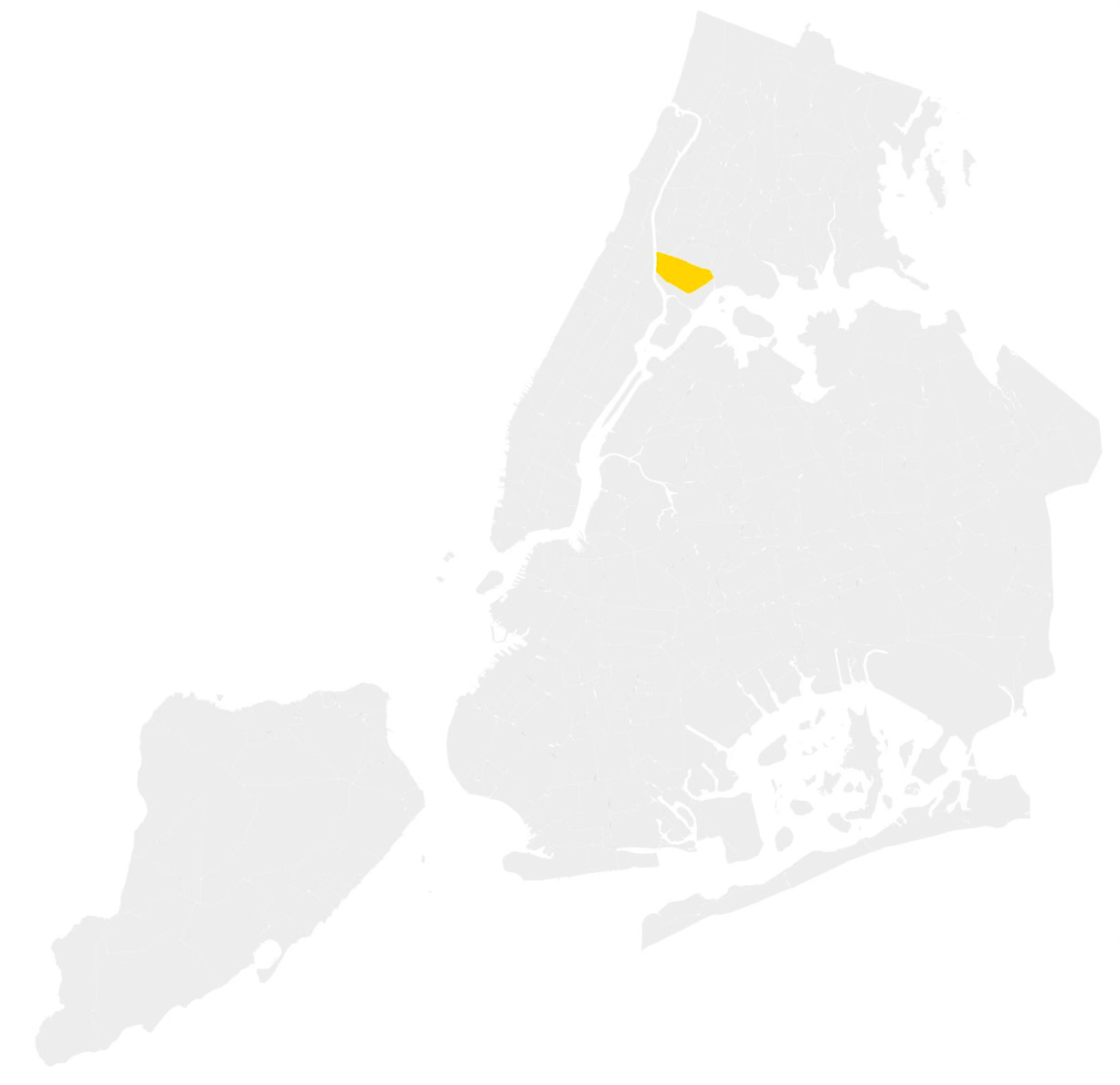
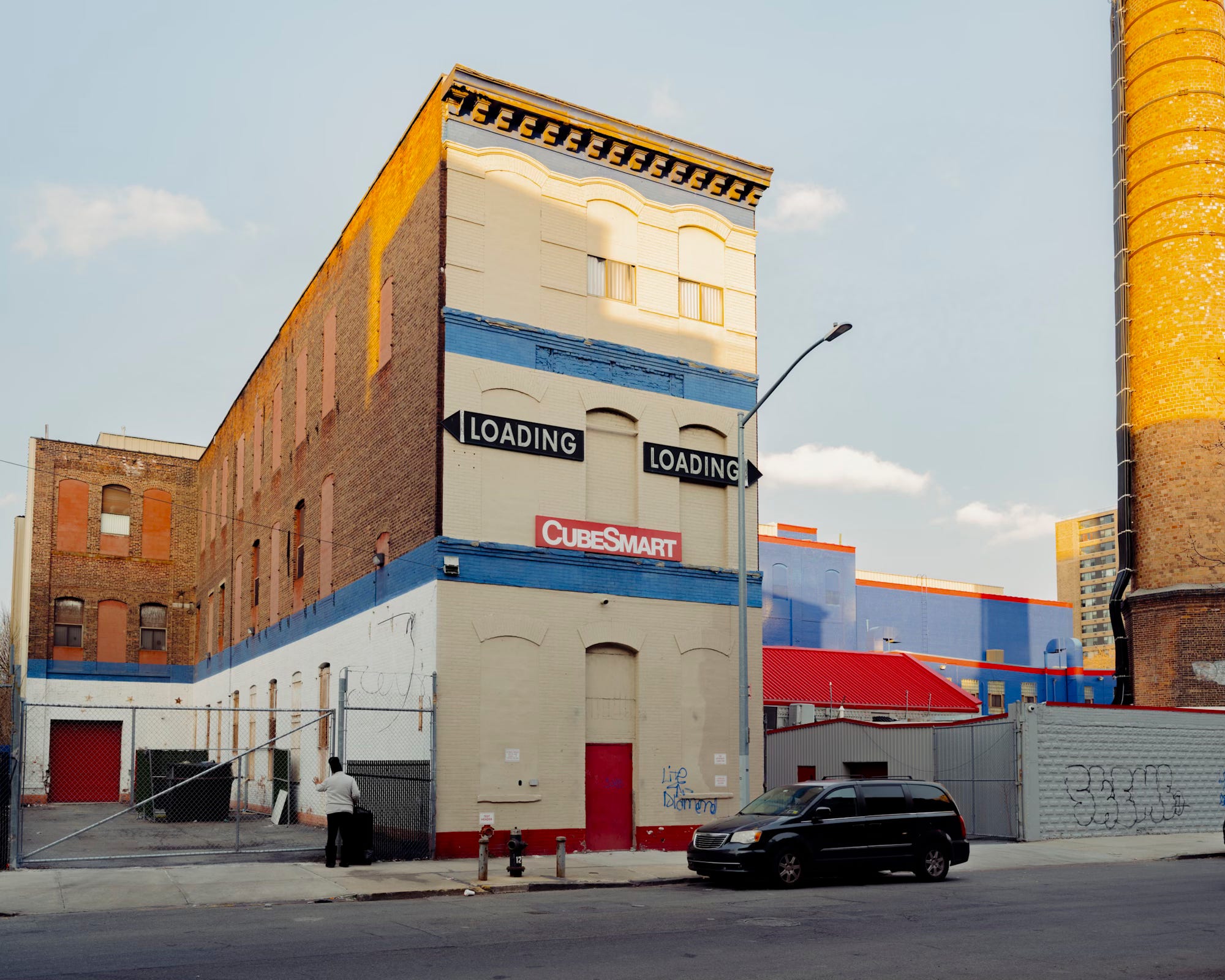
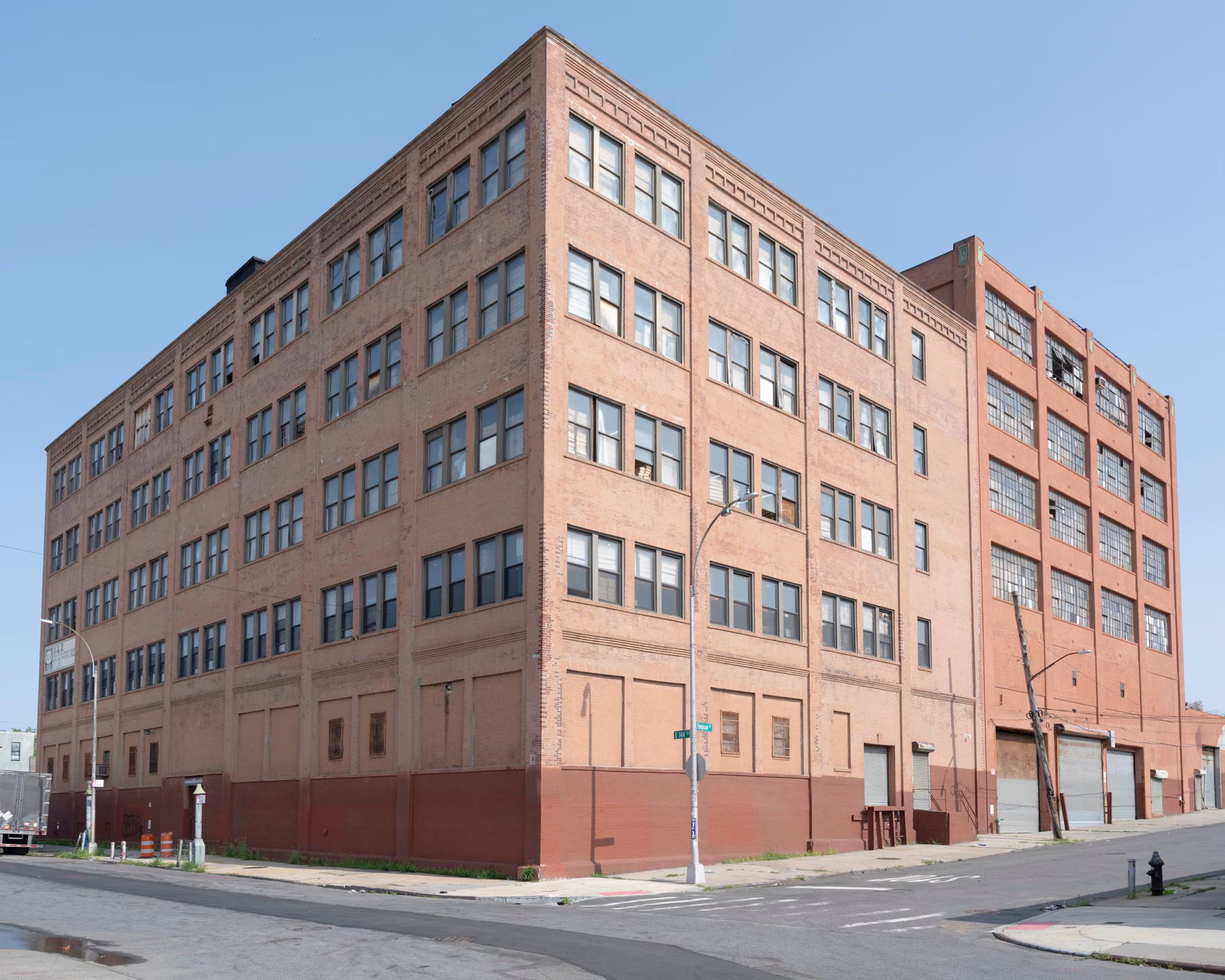
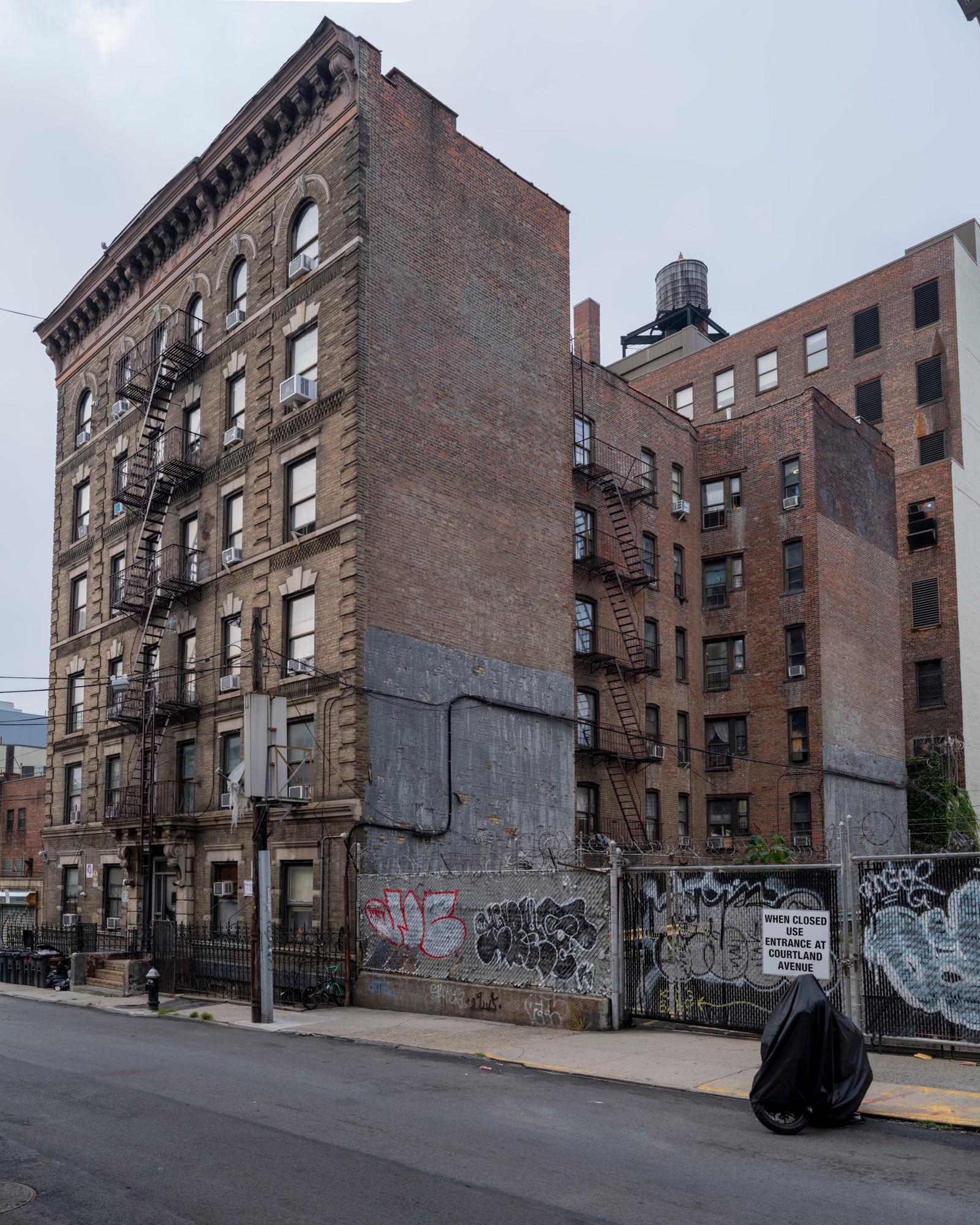
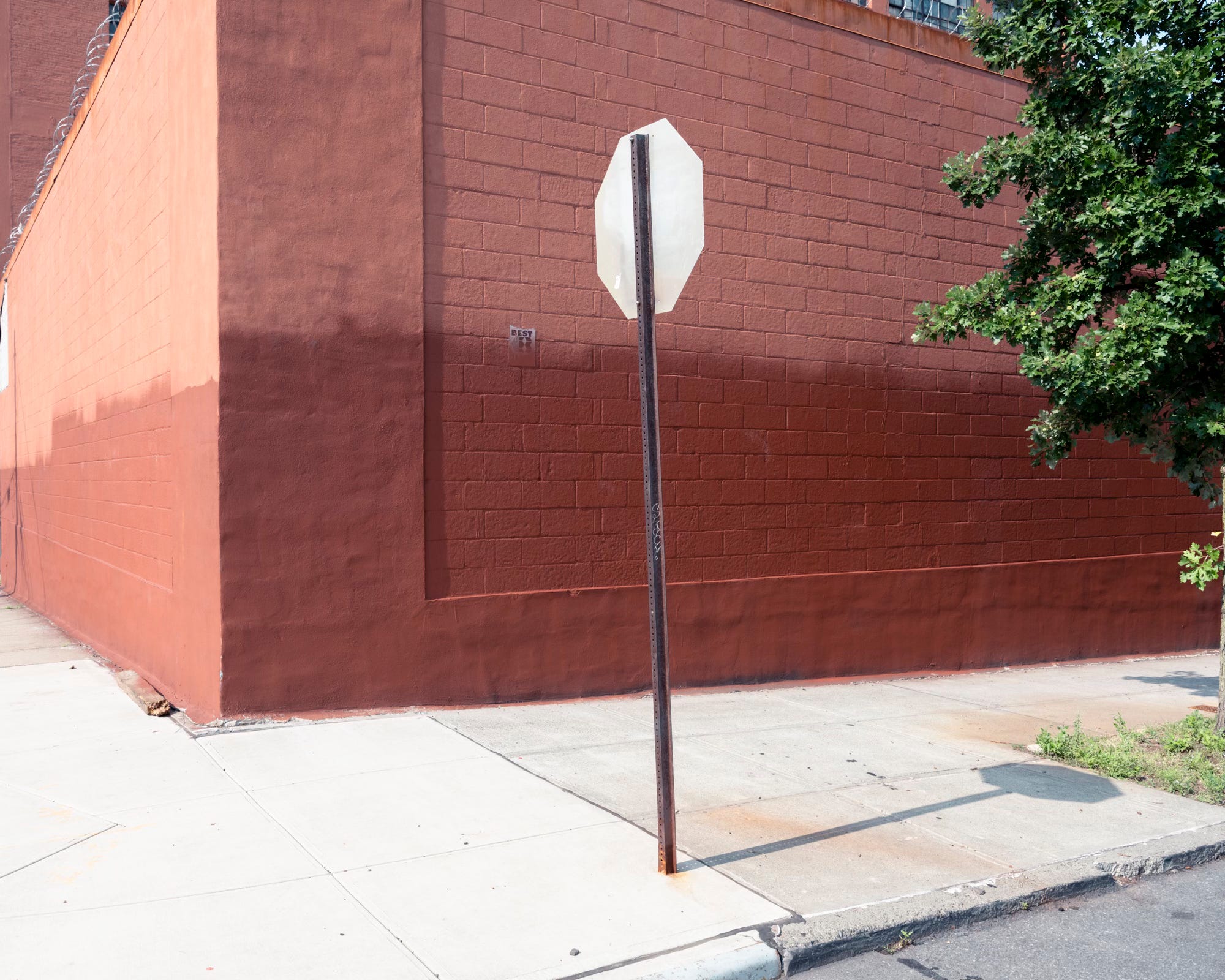
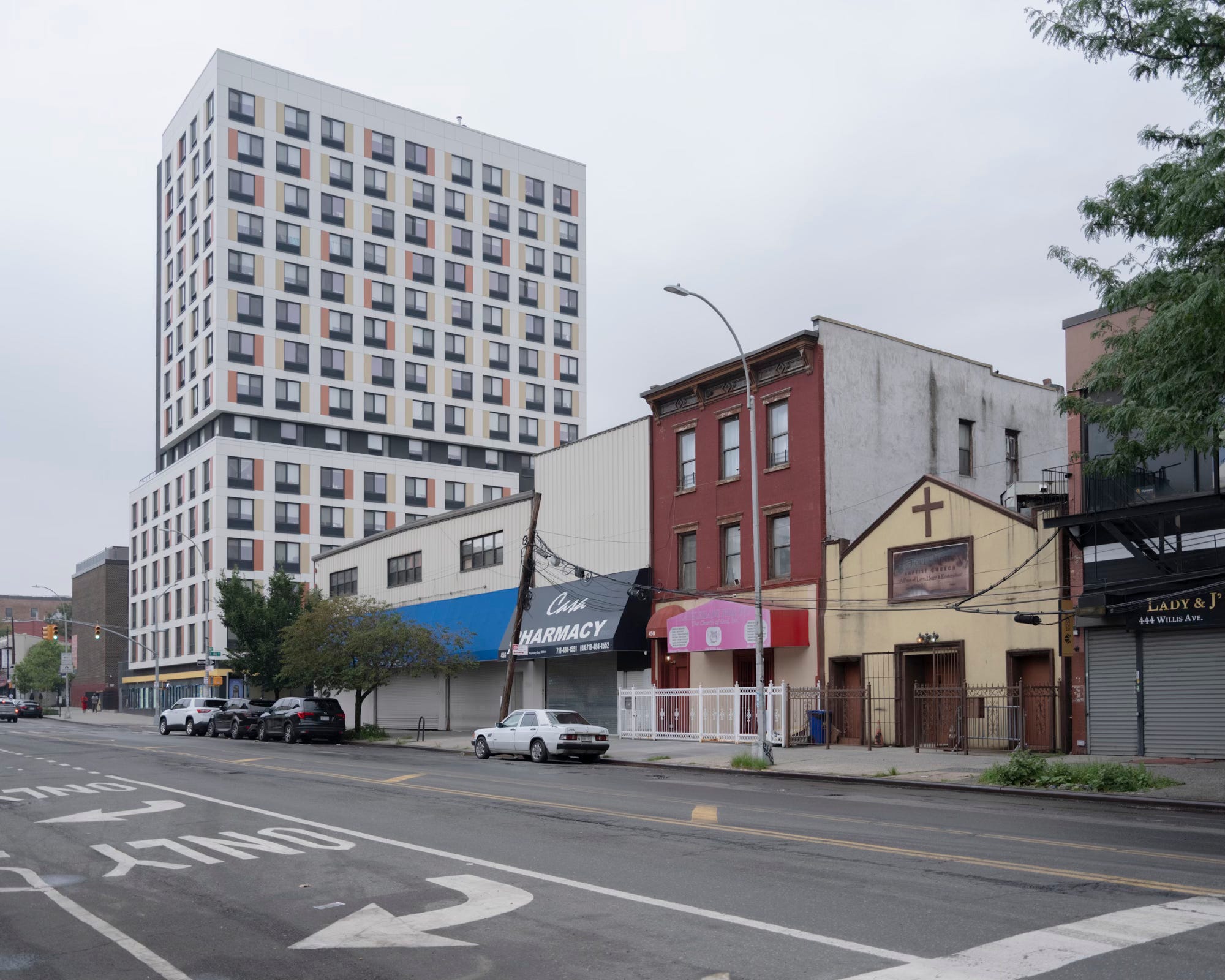
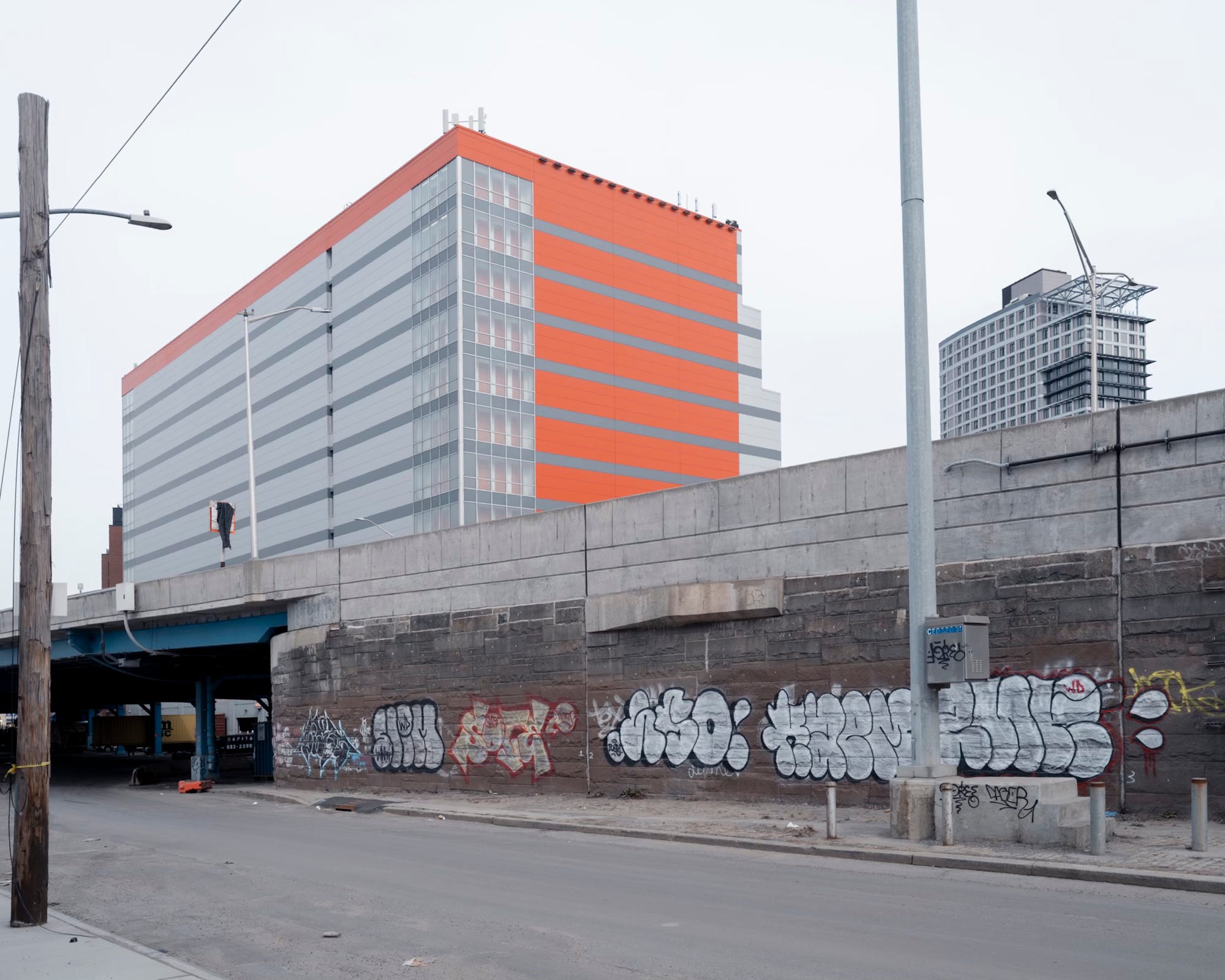
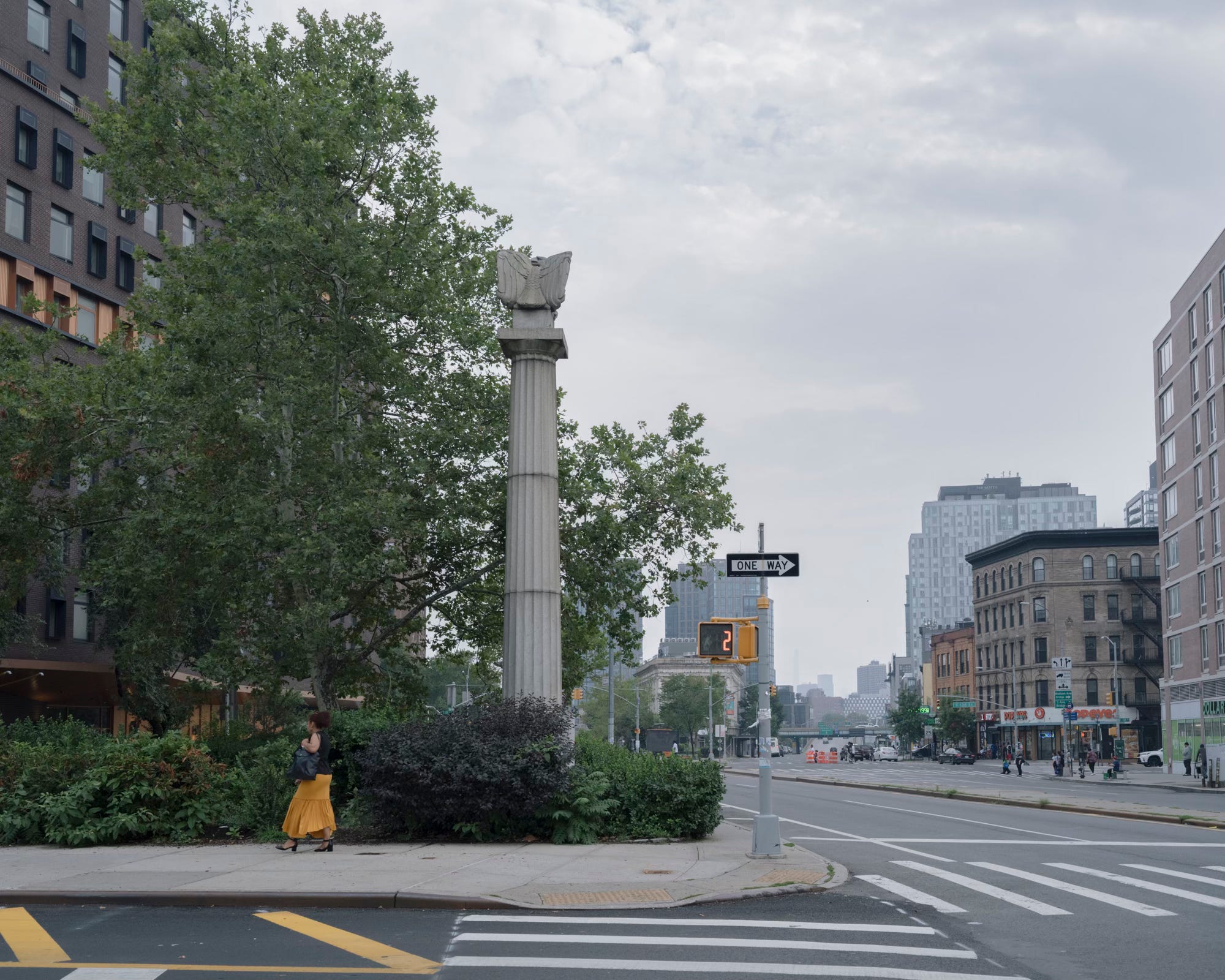
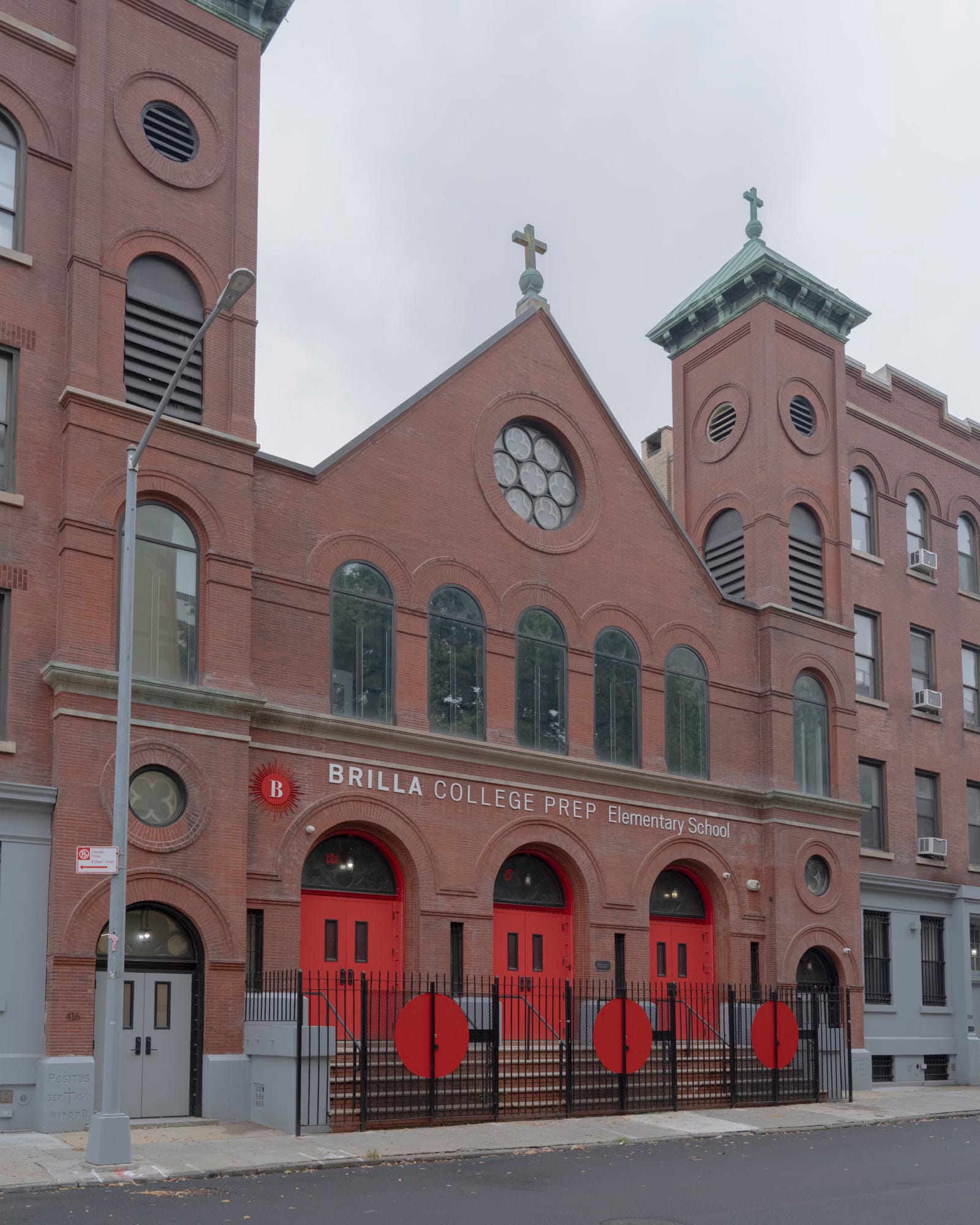
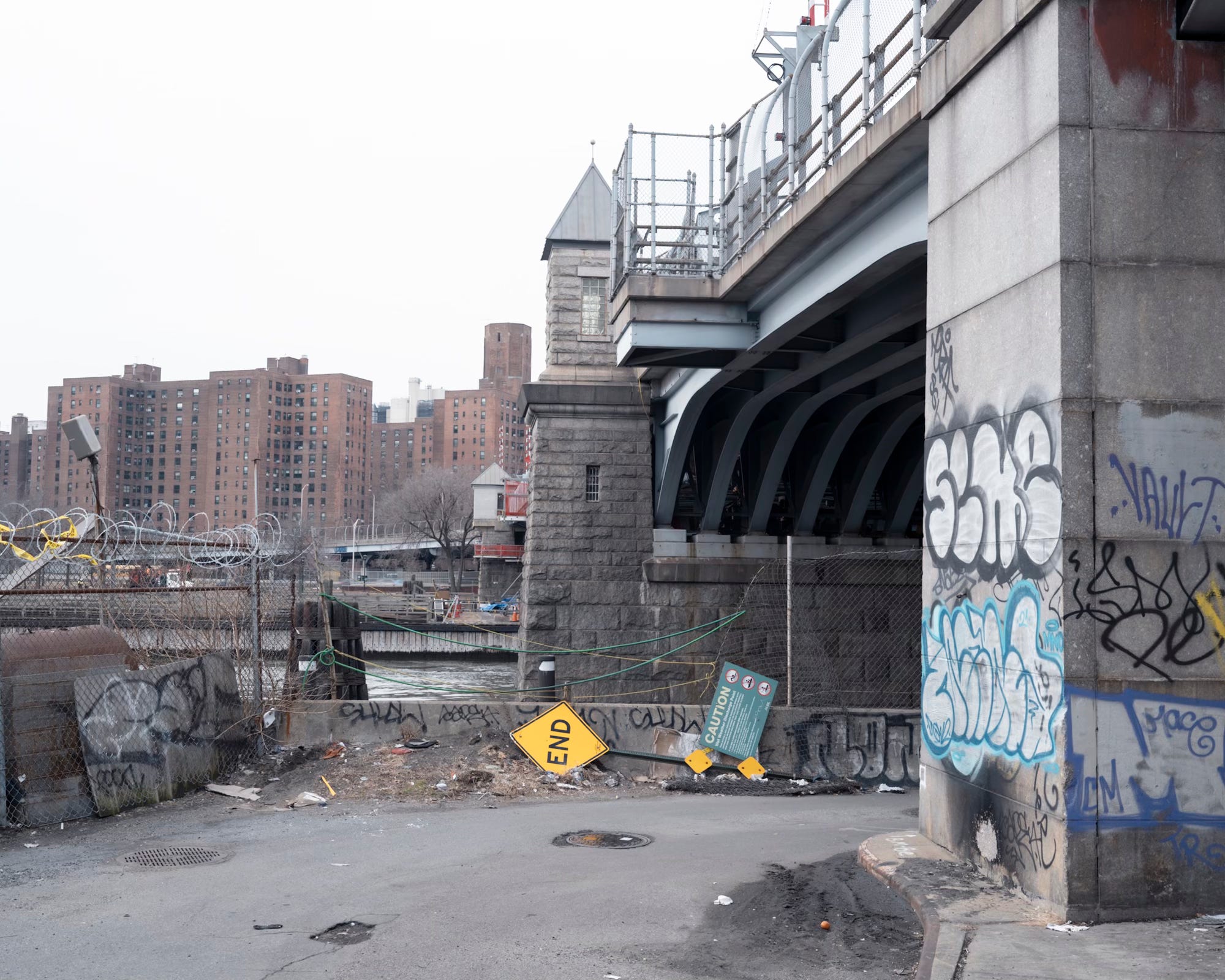
When Howard Cosell uttered his oft-repeated (though apocryphal) line during Game 2 of the 1977 World Series, “The Bronx is burning,” the Bronx he was describing was really the South Bronx, particularly Mott Haven, Port Morris, and Hunts Point, the borough’s oldest neighborhoods. Today, Mott Haven is a neighborhood of stark contradictions, where meticulously preserved nineteenth-century homes stand alongside public housing developments and new luxury towers rise beside what will become the city’s newest jail. Yet long before the fires of the 1970s, and long before today’s debates over its future, fire was already part of the Bronx’s origin story.
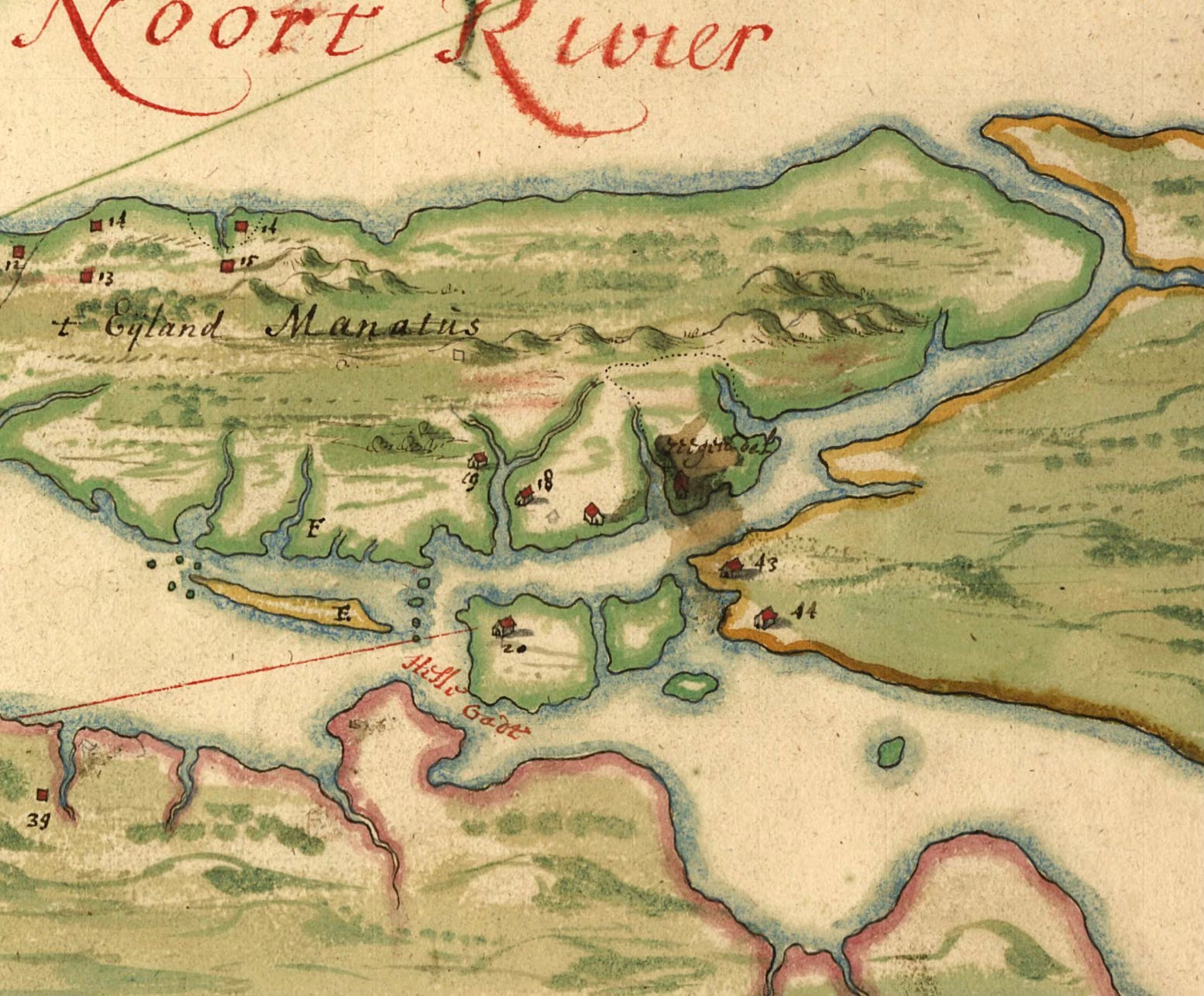
In 1639, the borough’s namesake, New York City’s most famous Swede (or Dane, depending on whom you ask), Jonas Bronck, sailed his ship, The Fire of Troy, up the East River to take possession of a tract of land between the Harlem River and what was then known as the Aquahung River. Hedging his bets, Bronck acquired the same 500 acres from the local Wecquaesgeek people that he had already purchased from the Dutch West India Company.
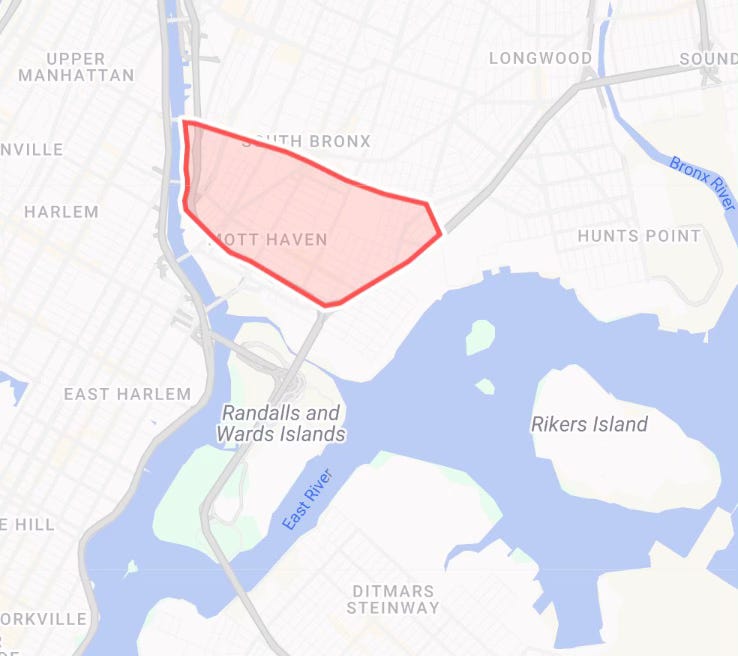
Today, the land Bronck acquired is divided between the neighborhoods of Mott Haven and Port Morris. Mott Haven, the subject of this week’s newsletter, is bounded by East 149th Street to the north, the Bruckner Expressway to the east and south, and the Harlem River to the west.
After clearing the land, Bronck established a tobacco farm he called Emmaus, a reference to the town where, according to the Gospel of Luke, the resurrected Jesus first appeared. Beginning a Bronx tradition of ignoring official place names that continues to this day, locals simply called the settlement Bronck’s Land.
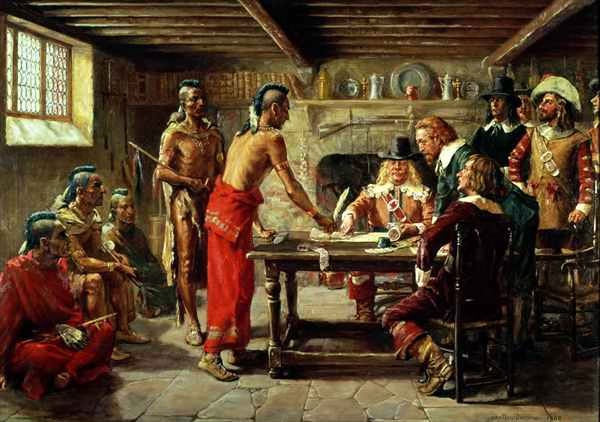
In 1642, a peace treaty between Dutch authorities and two Wecquaesgeek chiefs was signed in Bronck’s house. Less than a year later, Director-General Willem Kieft’s unprovoked attack on Lenape camps ignited the conflict now known as Kieft’s War. Bronck himself, possibly caught in the crossfire, was dead before the year was out.
Though he spent a grand total of just four years there, Jonas Bronck somehow managed to get a river (the former Aquahung), and, ultimately, an entire borough, named after him. When he died in 1643, he left his wife, Teuntje, a considerable inheritance that, in addition to the farm, included a Japanese cutlass, a gold signet ring, a black satin suit, 27 axes, and an impressively extensive library for the time, spanning four languages and containing works on history, religion, and science. He also bequeathed her several animals, including five milch cows, two mares, and “hogs, number unknown, running in the woods.”

By 1670, the former Bronck estate had been purchased by the Morris brothers, Richard and Lewis, who had recently arrived from Barbados flush with cash. They soon began amassing property throughout the colony, including a sprawling 2,000-acre estate in the Bronx, which they renamed Morrisania.
The Morris family’s descendants included New York’s first native-born chief justice, Lewis Morris, Jr. - a signer of the Declaration of Independence, and Gouverneur Morris, the Founding Father whose disastrous exploits with a whalebone I’ve oft recounted. In 1787, at the age of 35, Gouverneur Morris drafted the final wording of the preamble to the U.S. Constitution. It took him another 22 years to marry. At 57, he wed his housekeeper, Nancy, who happened to be the same age he had been when he penned the Constitution’s famous opening. Four years later, Gouverneur Morris Jr. was born.
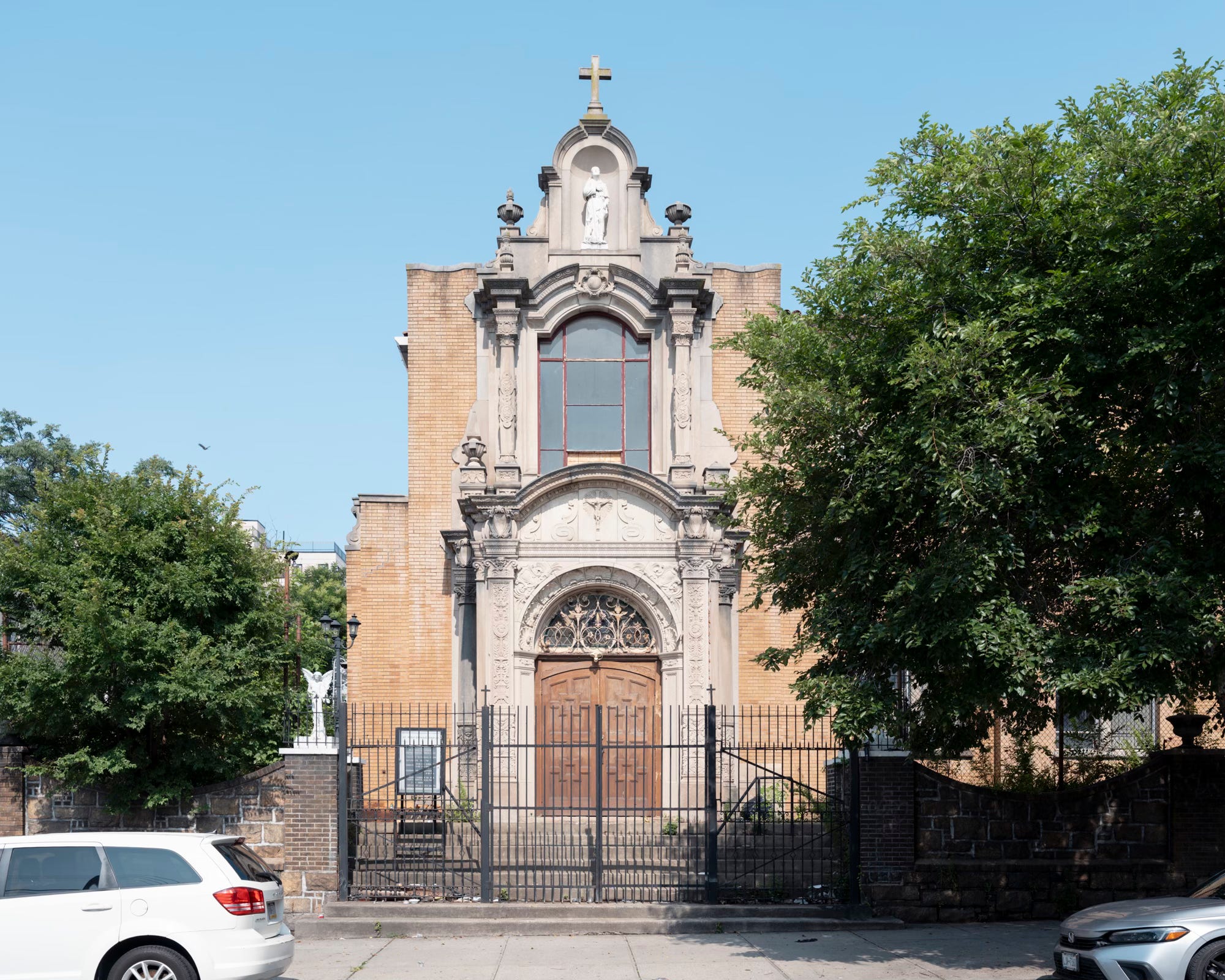
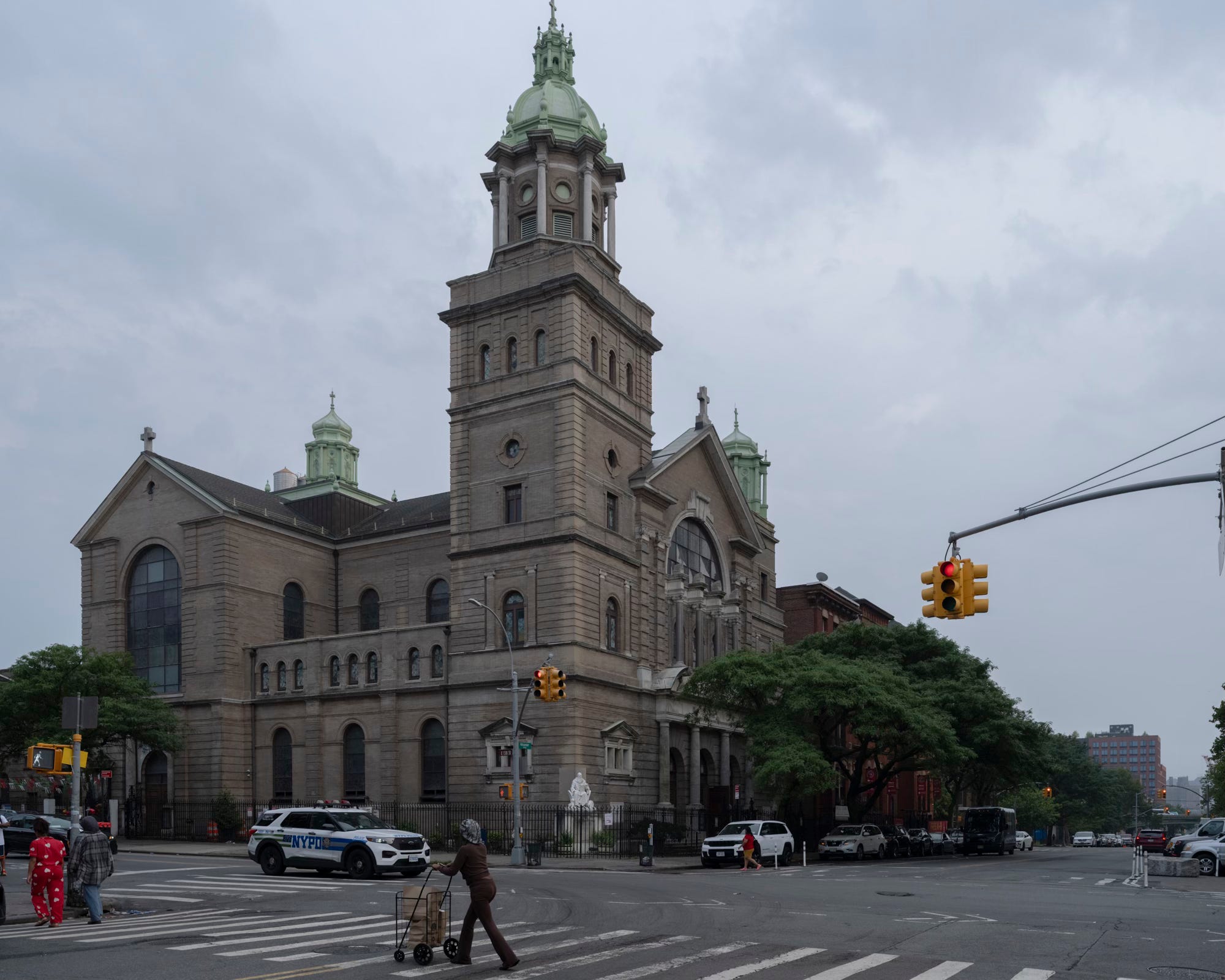
Many of those illustrious Morrises still reside in Mott Haven, buried underneath the rocky soil behind St. Ann’s Church, the oldest church in the Bronx.
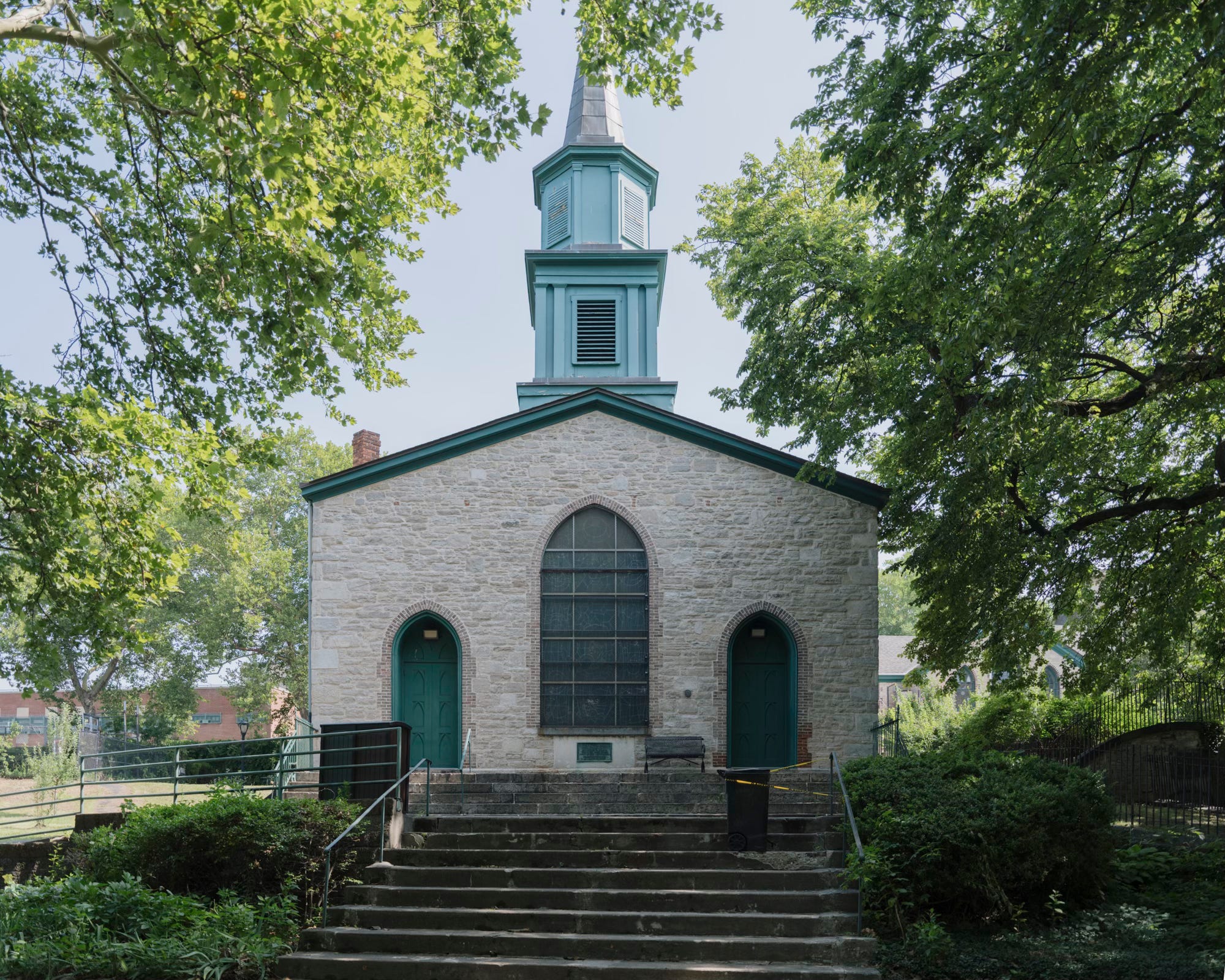
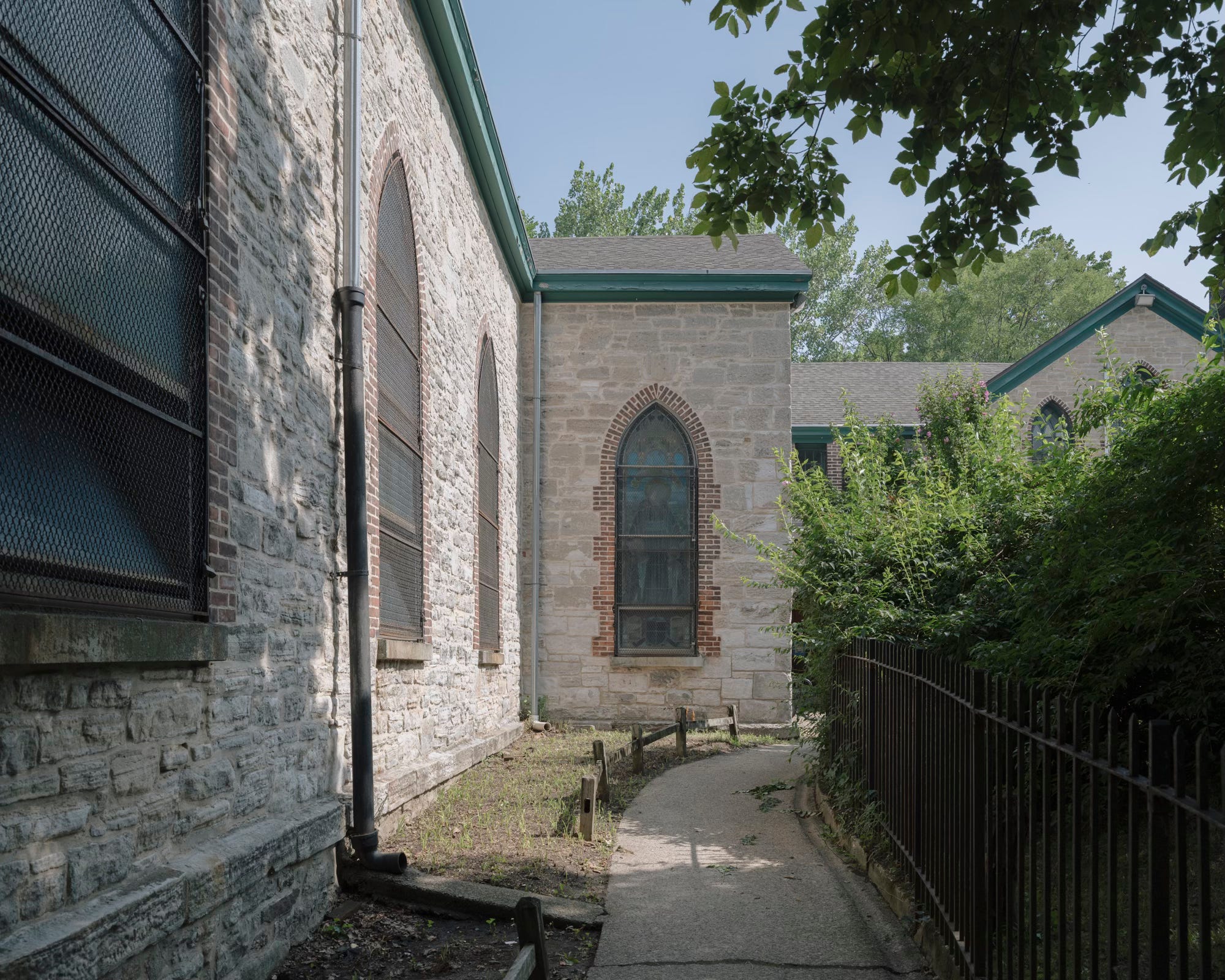
The church, which was built by Gouverneur Morris Jr., was not named for Saint Anne, the mother of Mary and grandmother of Jesus, but instead for his mother, Ann Cary Randolph Morris, aka Nancy.
Nancy came from an aristocratic Virginia family. The plantation she grew up on had once been Thomas Jefferson's boyhood home, and she was his cousin. After her mother died and her father married the daughter of a family friend, Nancy moved in with her older sister Judith and Judith's husband, Richard Randolph, at their plantation, memorably named Bizarre.

Considered quite a catch, Nancy attracted two of Richard's brothers, John and Theo. John, who served in both the House and Senate, was a notorious hothead who once dueled a classmate over the pronunciation of a single word and stalked the halls of Congress in riding boots with a hunting whip and a pack of dogs. Though a childhood illness left him stuck in a prepubescent state with a high-pitched, shrill voice, he was known for having a way with words including his made-for-MAGA slogan, “I love liberty; I hate equality.”
Not surprisingly, Nancy preferred Theo. She accepted his proposal, but he died just eight months later. In an effort to "console" his sister-in-law, Richard began spending more time with Nancy, and the two were soon said to be "awfully fond" of one another.
In 1792, Richard was accused of murdering a newborn child believed to have been Nancy’s. Thanks to a dream team of lawyers, Patrick Henry and future Chief Justice John Marshall, he was acquitted, but Nancy became a social outcast in Virginia. After several years moving among relatives and friends, she headed north, where, in that great New York tradition, she reinvented herself.
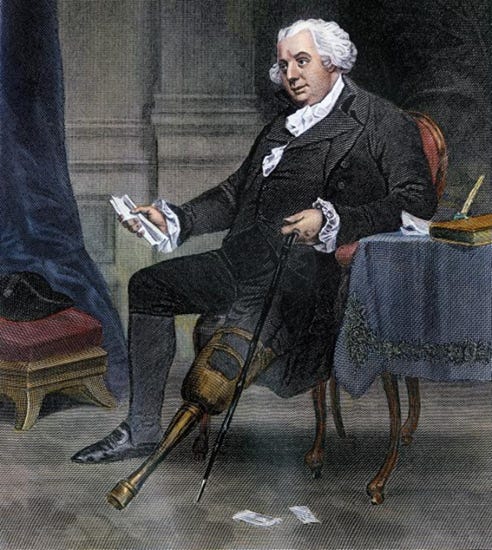
Just a few months after arriving, Nancy found work as a maid for Gouverneur Morris. Then, on Christmas Day 1809, the 57-year-old, one-legged, lusty lothario married her in front of a crowd of shocked family members.
In addition to building St. Ann’s Church, Gouverneur Morris Jr. was largely responsible for dismantling the vast estate he inherited when he was just three years old. He allowed the New York and Harlem Railroad to cut across the property, an easy decision given that he also served as the railroad’s vice president. The resulting land boom made him exceedingly wealthy. Morris sold off land along the tracks to create the Village of Morrisania and developed Port Morris as a commercial port along the estate’s eastern shoreline.
One of the early investors was Jordan L. Mott, the neighborhood’s eventual namesake, who purchased land along the Harlem River in the 1840s and established an iron foundry there, ushering in the Bronx’s industrial age.
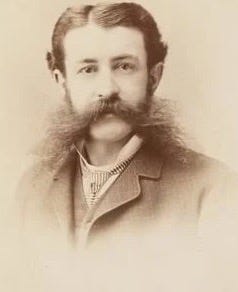
Mott had made his fortune after inventing the first practical coal-burning stove.
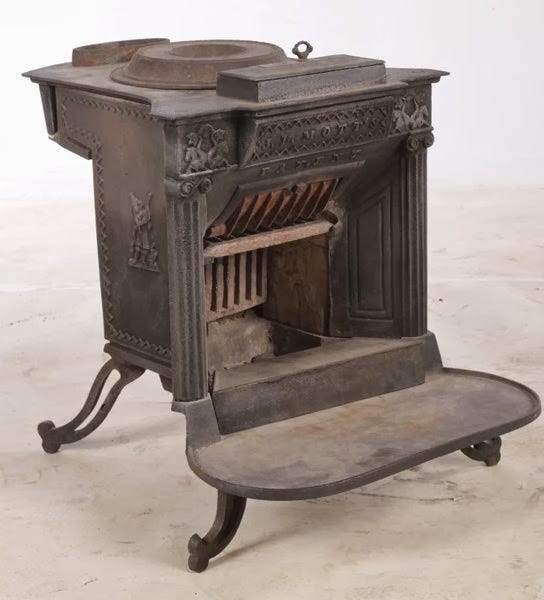
The J.L. Mott Iron Works manufactured everything from furnaces and fenders to cauldrons and candelabras. Years later, Mott’s Iron works would also inadvertently produce one of the most influential artworks of the 20th century.
In 1917, Marcel Duchamp purchased a J.L. Mott urinal, signed it R. Mutt (like Bronx, Mutt was a corruption of the original name) and submitted it to the inaugural exhibition of the Society of Independent Artists.
When Morris was asked if he objected to Mott’s newly purchased land being called Mott Haven, he reportedly replied, “I don’t care what he calls it; while he is about it, he might as well change the name of the Harlem and call it the Jordan.”
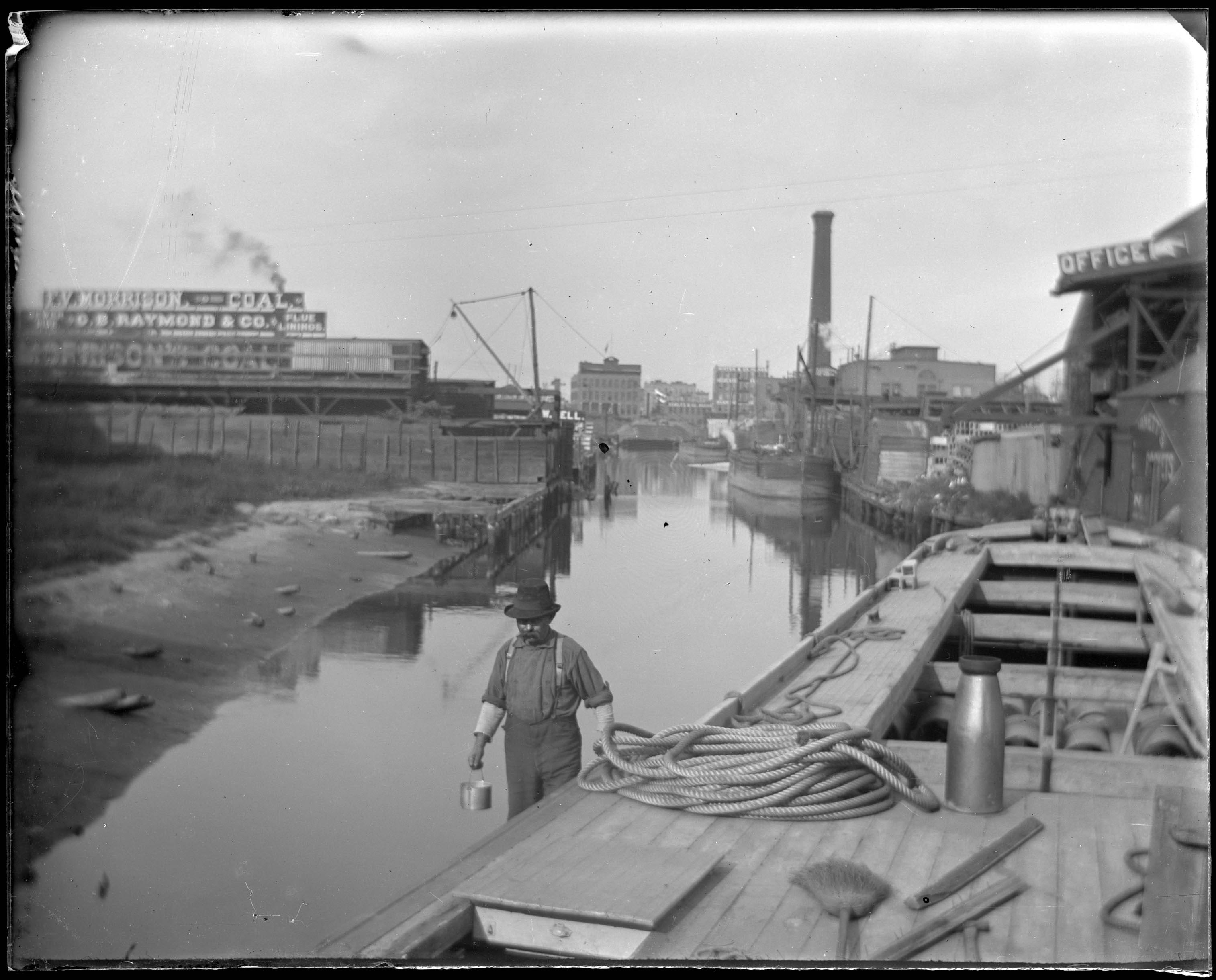
Rather than rename the river, Mott dug a canal from the Harlem River to East 144th Street to encourage even more industry to follow.
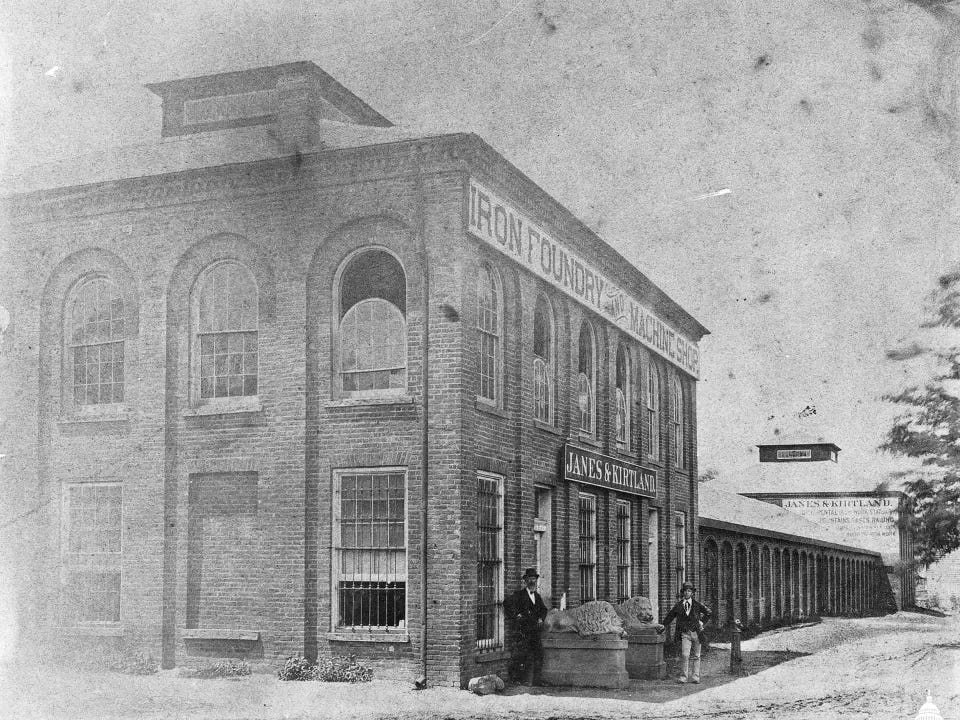
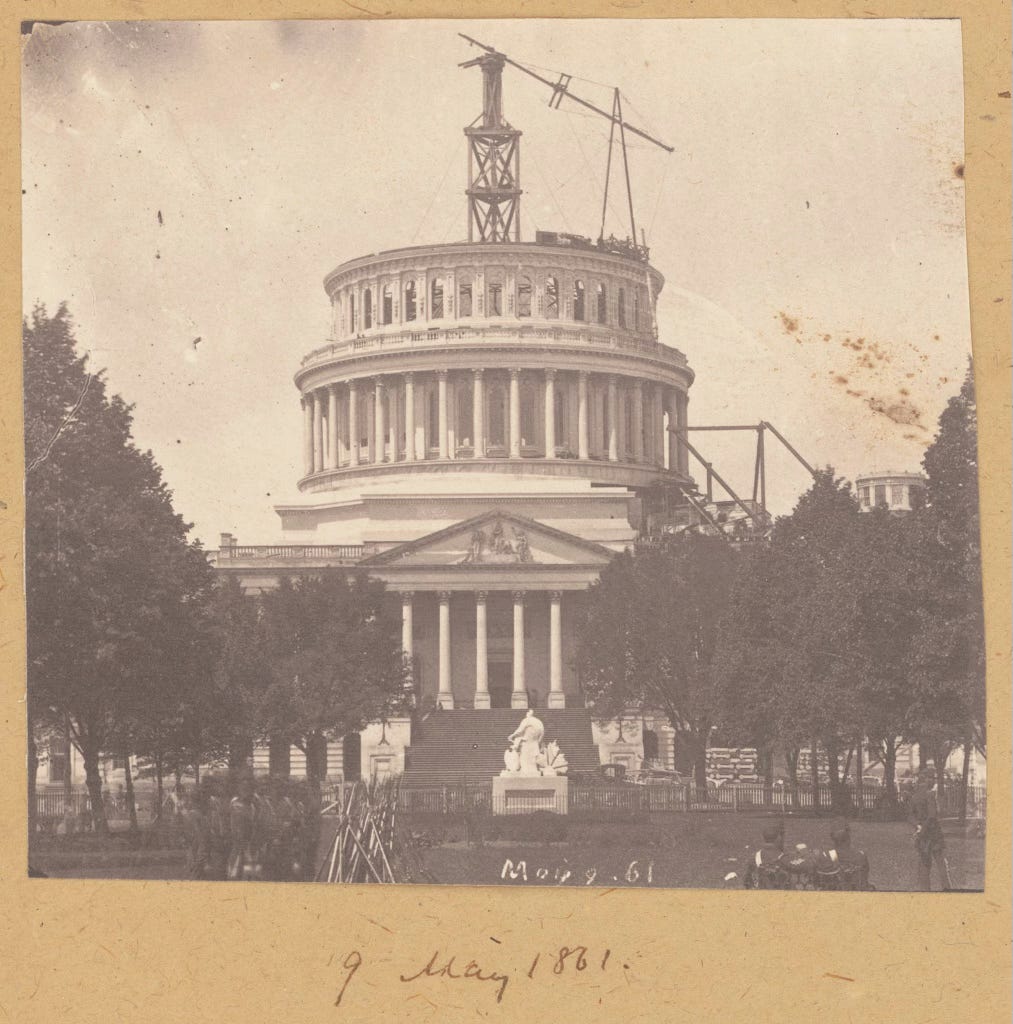
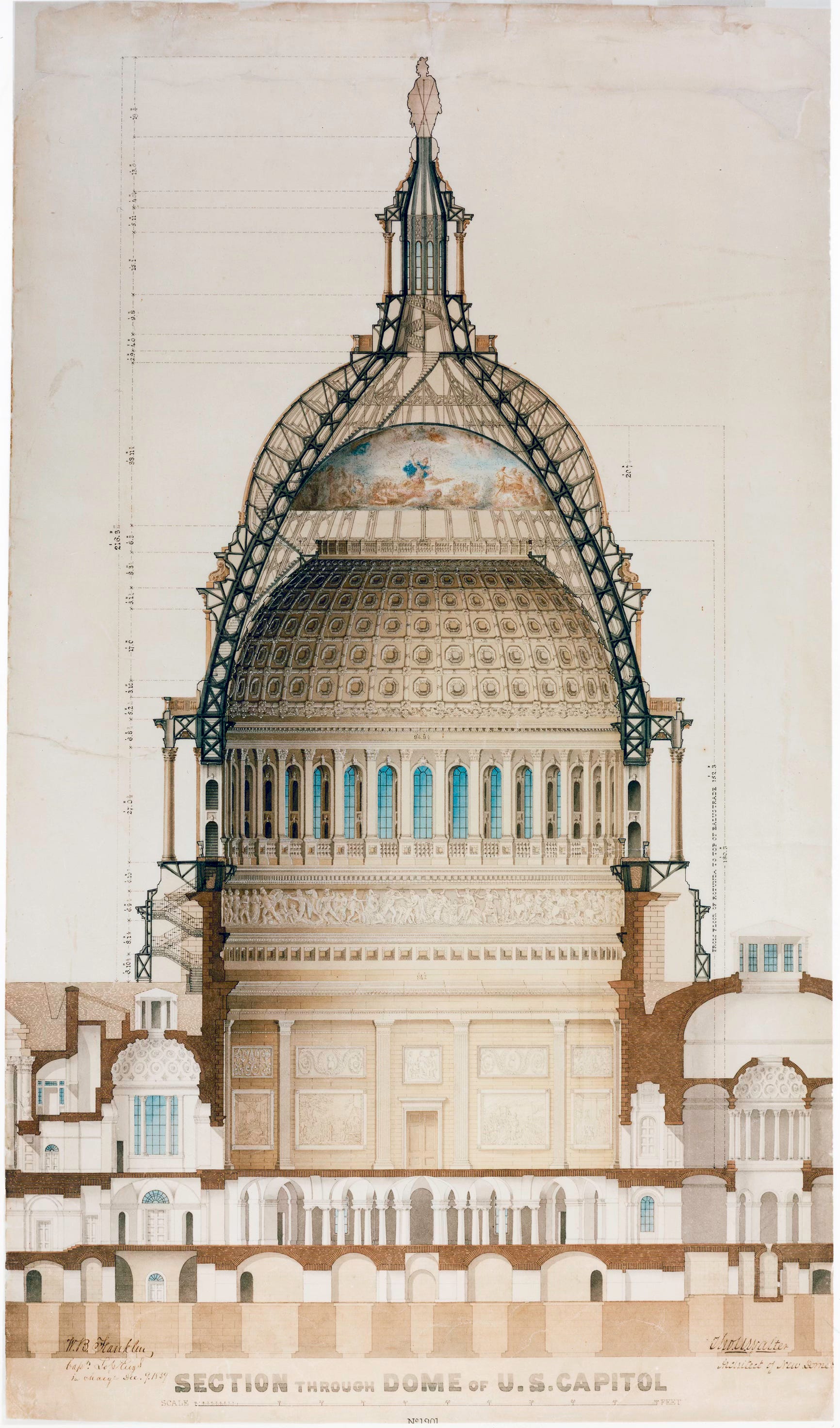
Another iron foundry, Janes & Kirtland, opened nearby in 1858. The company relocated to the Bronx after receiving a commission to fabricate the cast-iron framework for the dome of the U.S. Capitol. The dome within a dome weighed nearly nine million pounds and took eleven years to complete.
Mott Haven had become a manufacturing powerhouse, filled with factories making cigars, cabinets, carpets, surgical instruments and, above all, pianos. By 1908, twenty-four piano factories operated south of 149th Street. Five years later, the Bronx was home to more than forty piano factories producing over 100,000 instruments annually.
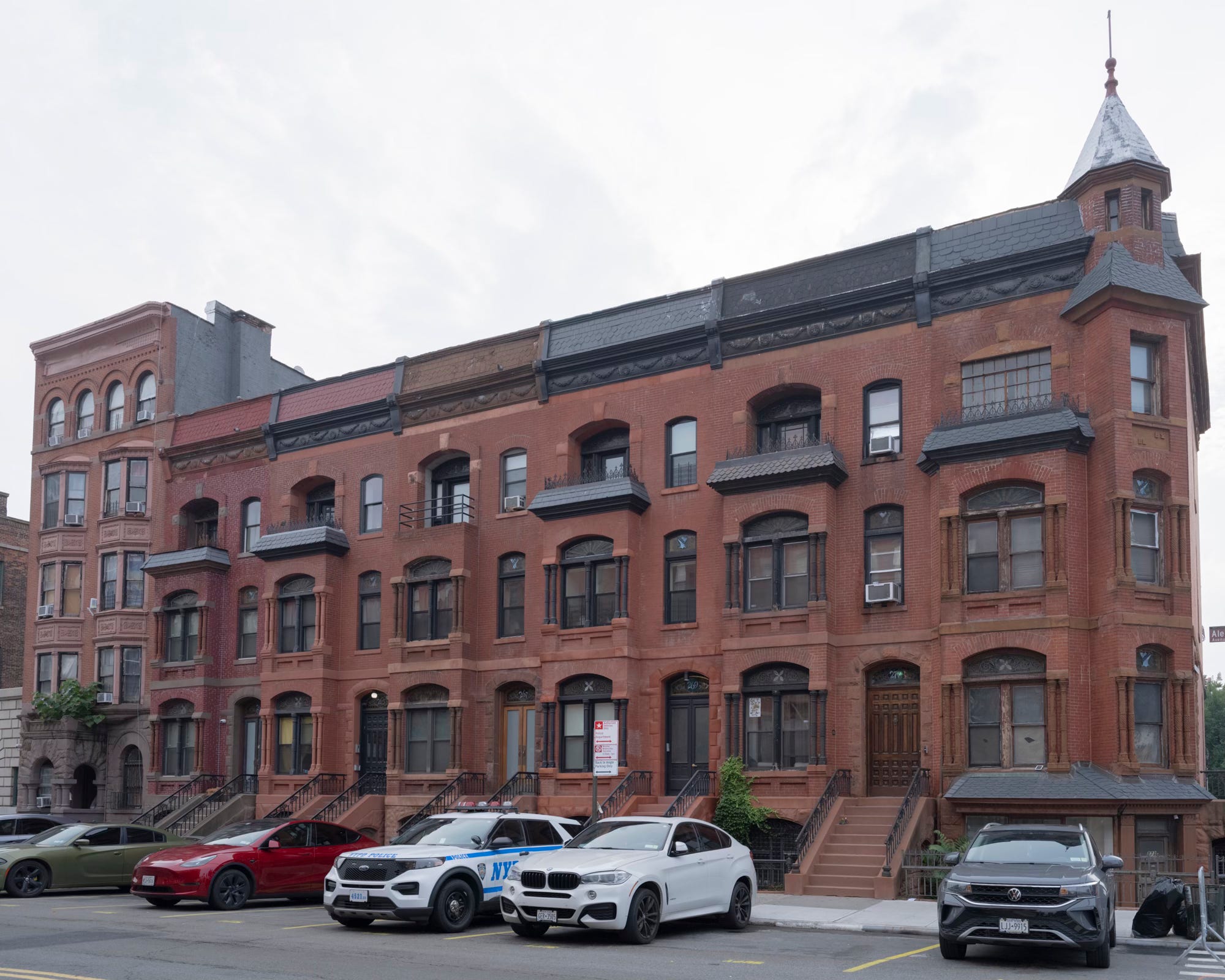
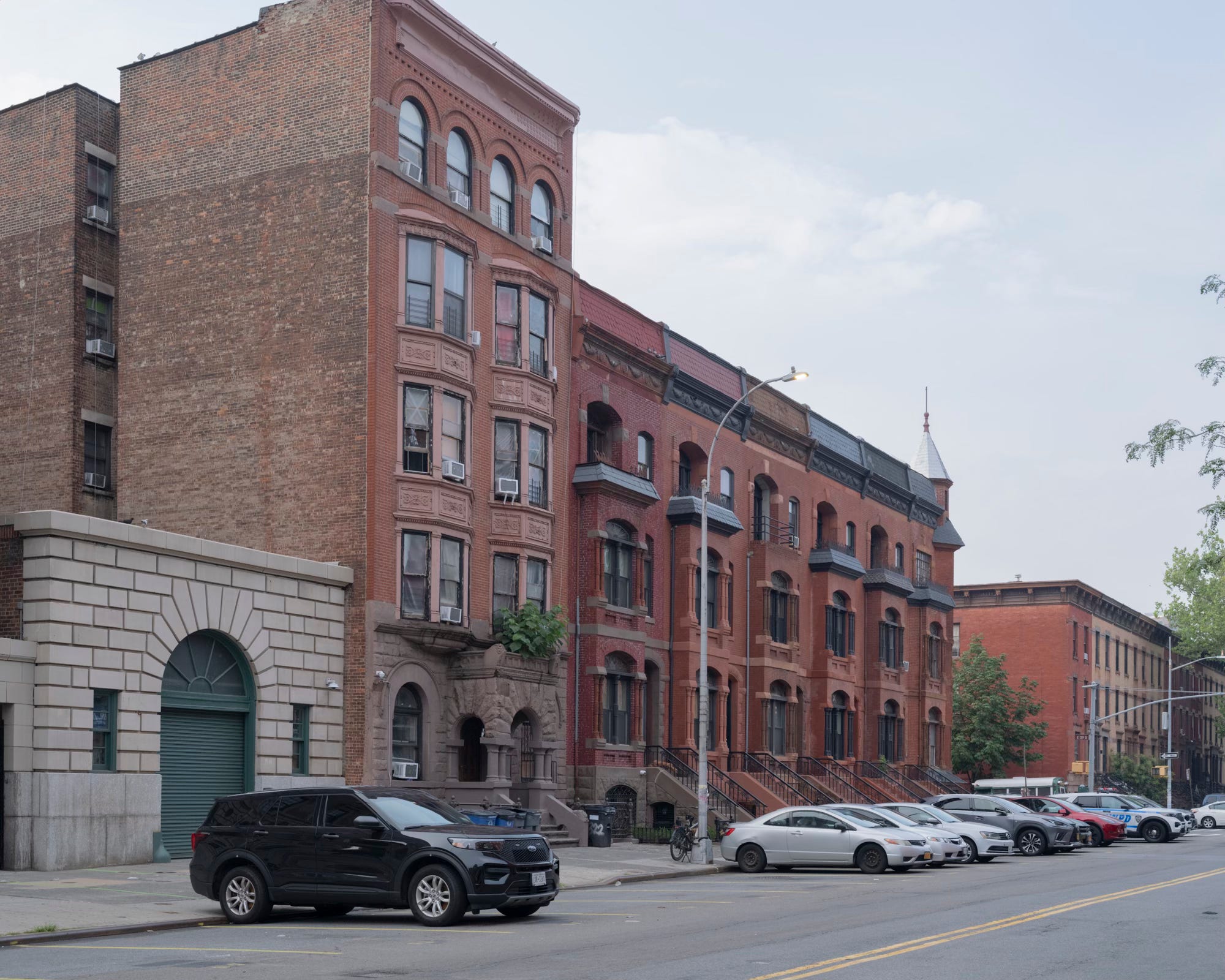
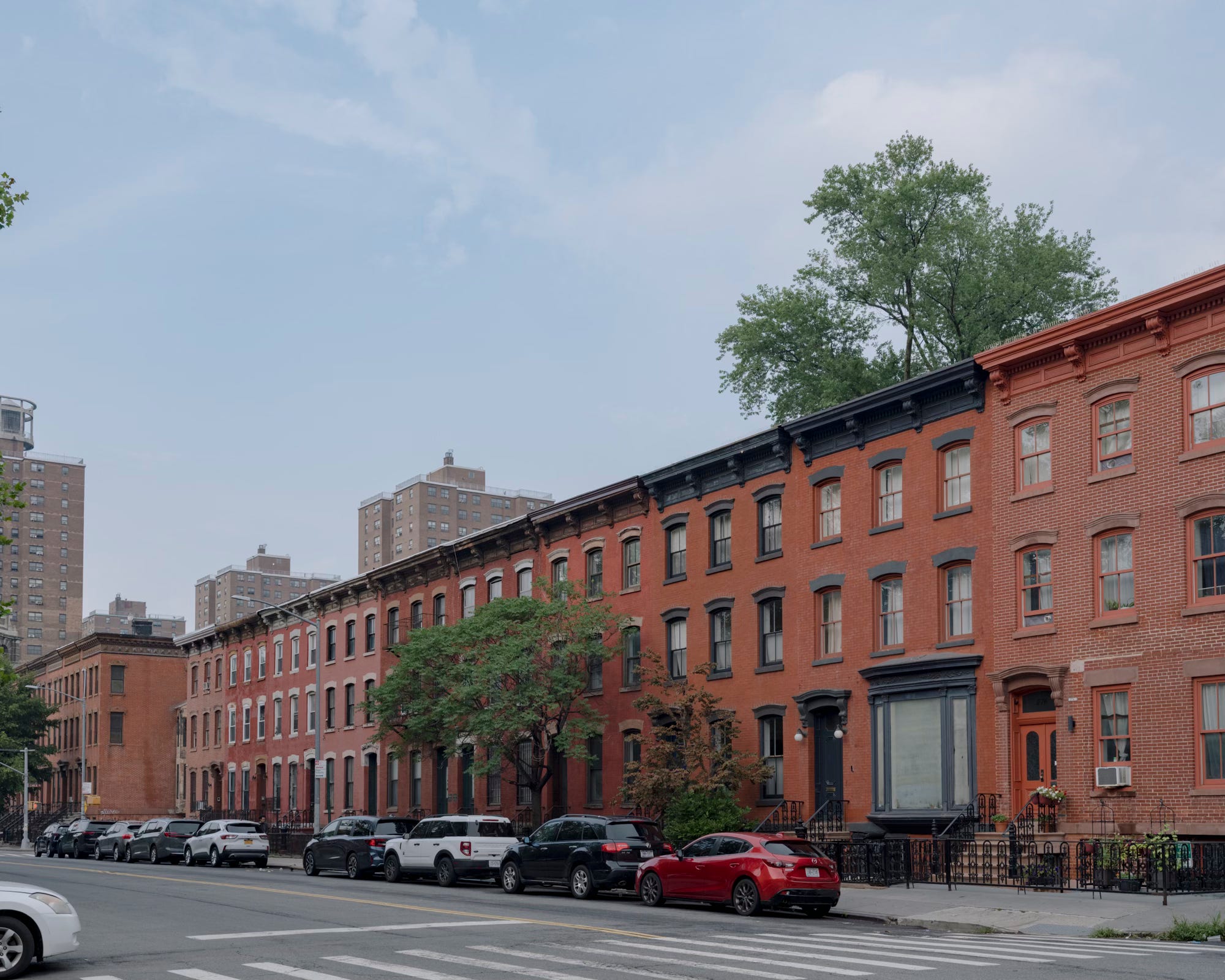
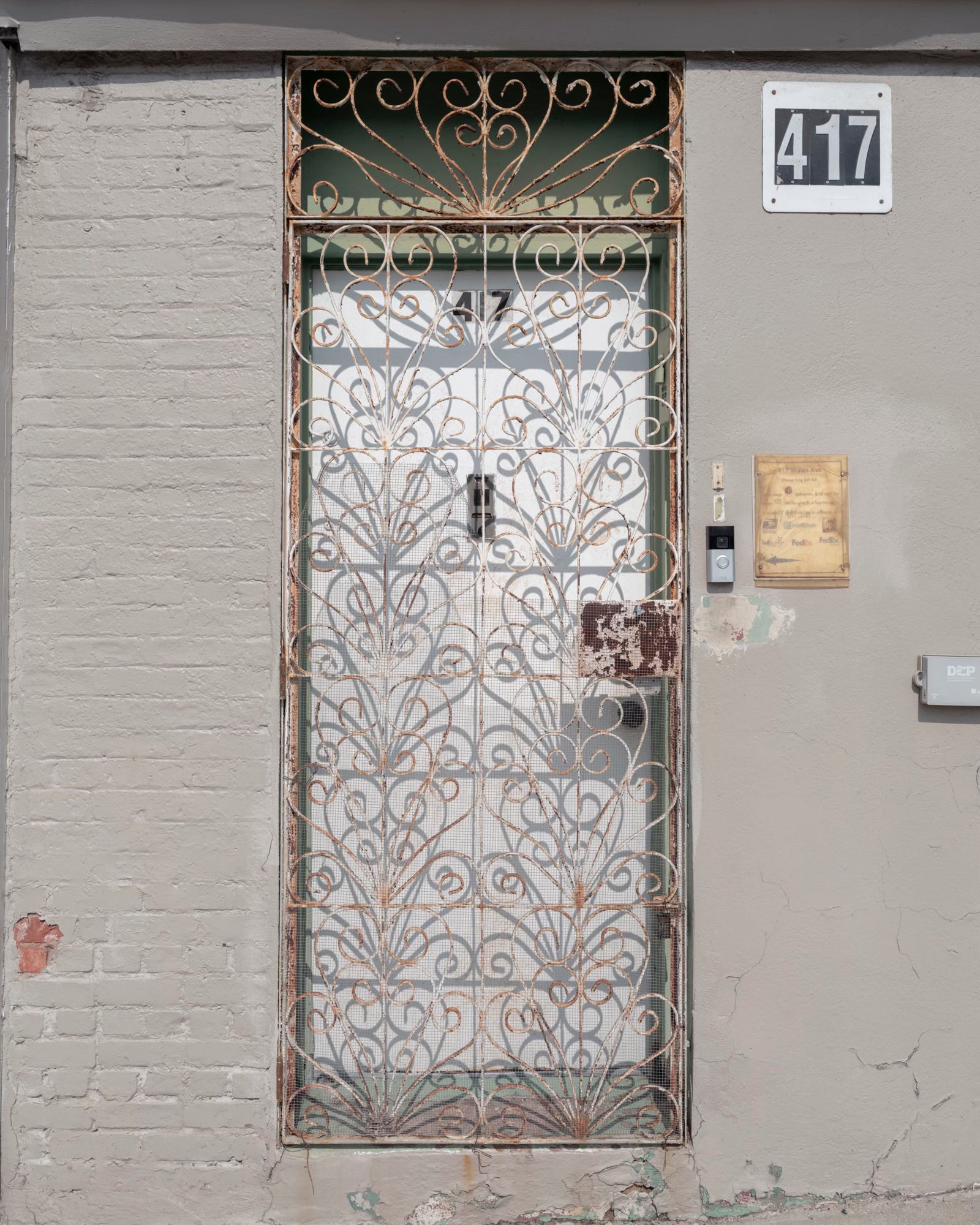
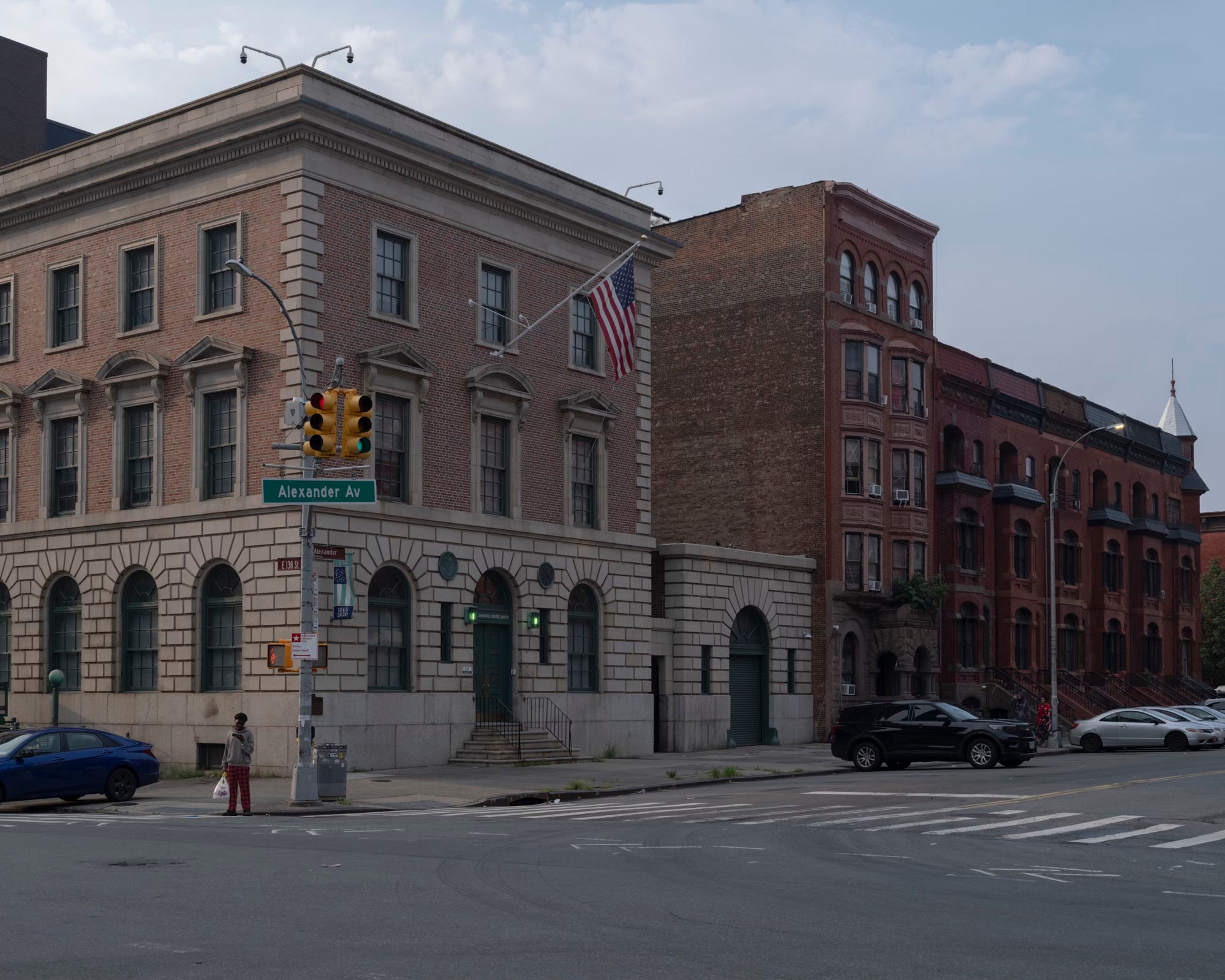
The wealth generated by this industrial boom can still be seen in pockets throughout Mott Haven, most famously along Alexander Avenue between East 137th and East 141st Streets. Known in its heyday as both “The Irish Fifth Avenue” and “Politicians’ Row,” the avenue’s elegant brick homes were built between the 1860s and 1880s, when much of the rest of the Bronx remained a patchwork of farms and villages.
By the turn of the twentieth century, Mott Haven’s factories and railroads had transformed it into one of New York’s busiest industrial neighborhoods. Rapid transit would accelerate that growth even further. When the IRT elevated lines pushed north through Melrose, Morrisania, and Mott Haven, the South Bronx became the first part of the borough easily accessible from Manhattan. The new connections transformed it into the borough’s most densely populated corner, where generations of working-class immigrant families, from Jewish, Irish, and Italian communities and later, Puerto Rican newcomers, could settle while continuing to commute to jobs in Manhattan.
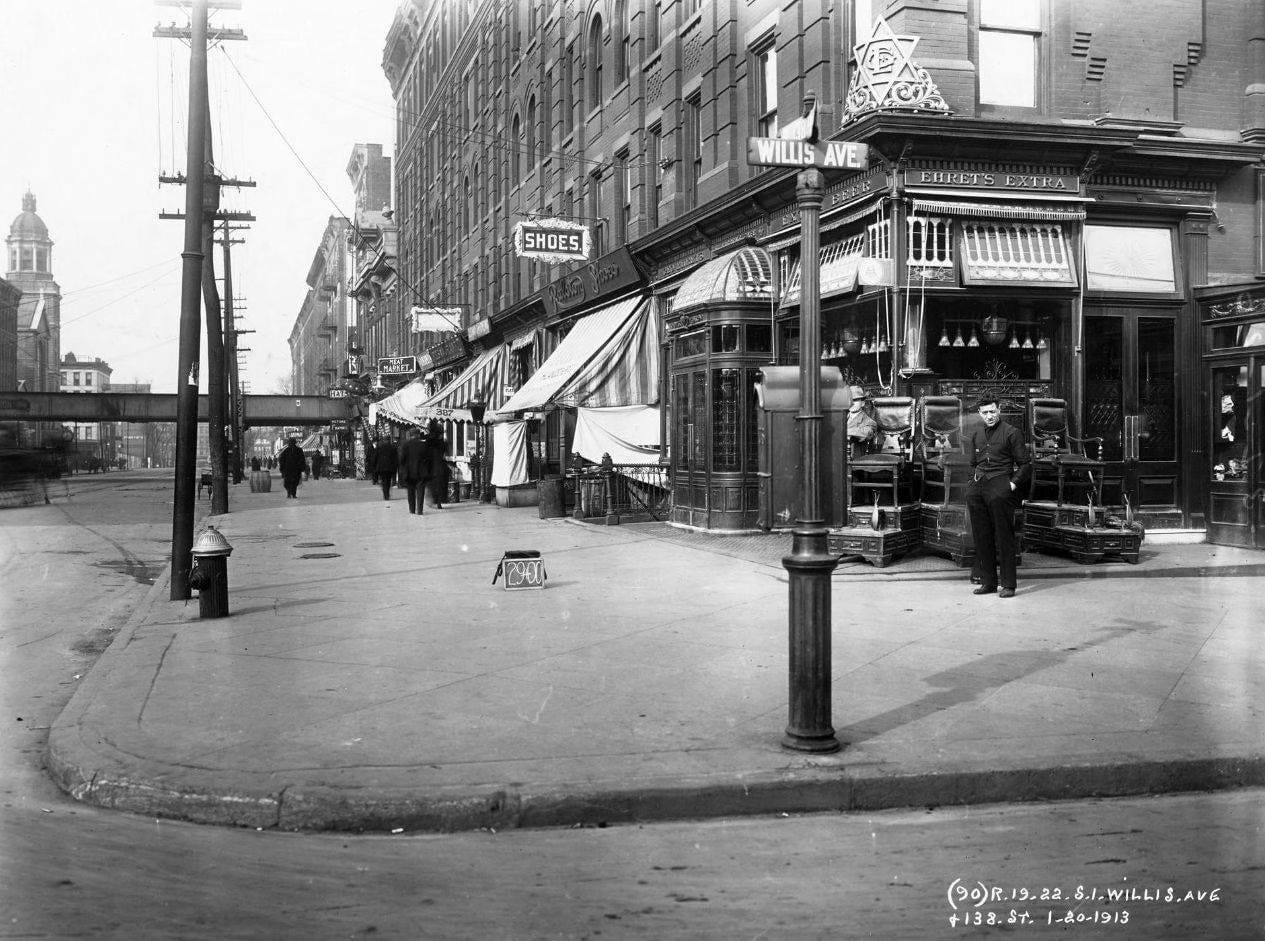
The opulent apartment houses lining the Grand Concourse notwithstanding, much of the South Bronx was built quickly and cheaply to accommodate this rapid growth. Block after block of densely packed apartment buildings with wood joists, narrow air shafts, and minimal setbacks would prove perfect tinder for the firestorm to come.
The passage of the GI Bill in 1944 offered low-interest, zero-down-payment mortgages to returning veterans and helped fuel a mass migration to the suburbs. Tax policies favoring homeownership and an unprecedented highway-building campaign accelerated the exodus.
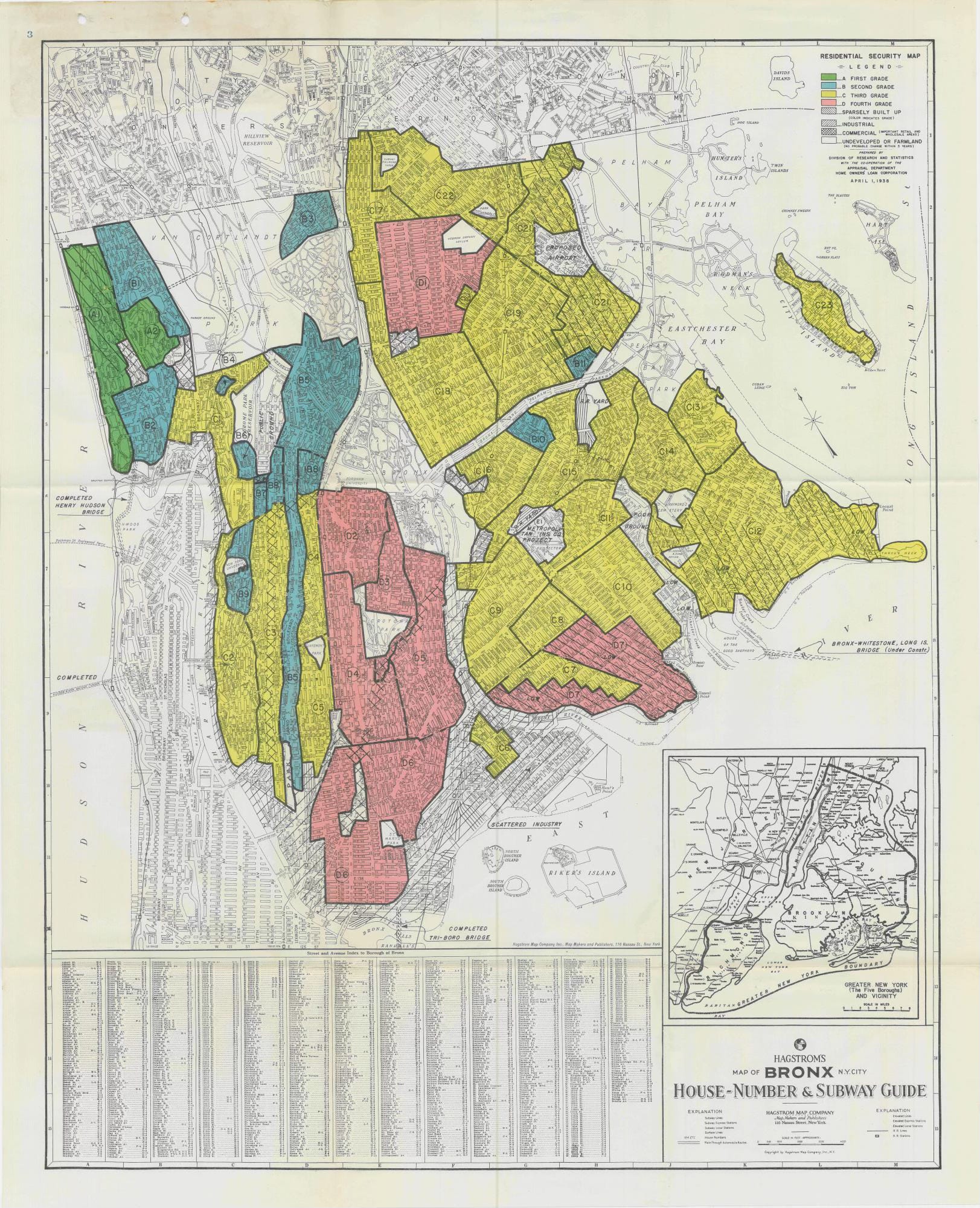
Those opportunities, however, were not universal. Redlining, the practice of designating neighborhoods with large minority populations as risky investments, made it nearly impossible for many South Bronx residents and landlords to obtain mortgages or home improvement loans. Meanwhile, Robert Moses’ Cross Bronx Expressway, together with the Major Deegan and Bruckner expressways, effectively severed the South Bronx from the rest of the borough, creating a multilane asphalt tourniquet that further isolated neighborhoods already under mounting economic pressure.
In the 1950s, several blocks were cleared to make way for large public housing projects like the Mitchel and Mill Brook Houses. By the time the DAILY NEWS ran its infamous 1975 headline, FORD TO CITY: DROP DEAD, the conditions that would devastate the South Bronx had been decades in the making.
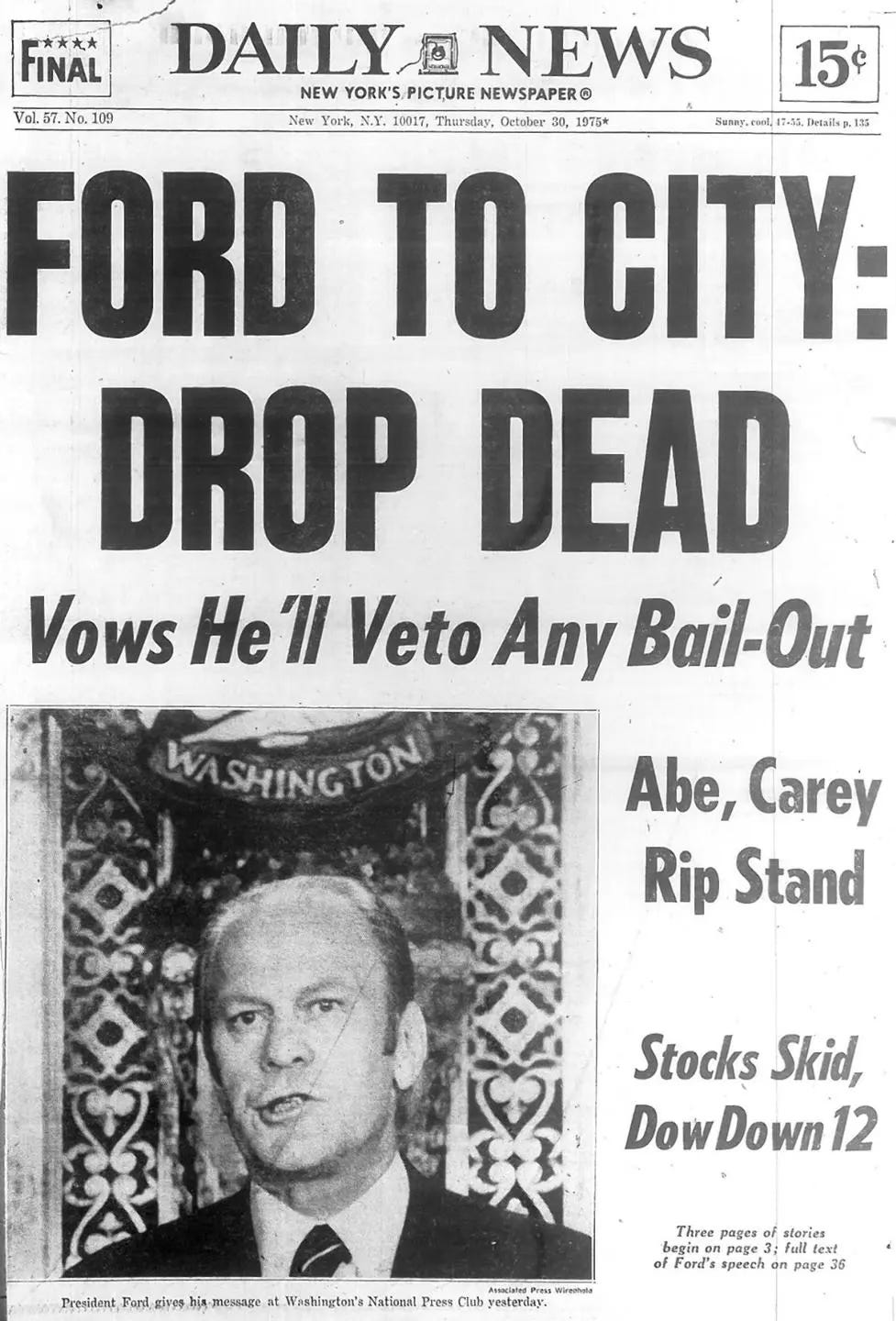
Rent control limited how much landlords could charge while maintenance costs, taxes, and utilities continued to rise. For some owners, particularly those who had already abandoned their buildings, insurance payouts became preferable to continued maintenance. At the same time, New York City’s fiscal crisis prompted the closure of several firehouses, with the cuts falling disproportionately on neighborhoods already experiencing waves of arson.
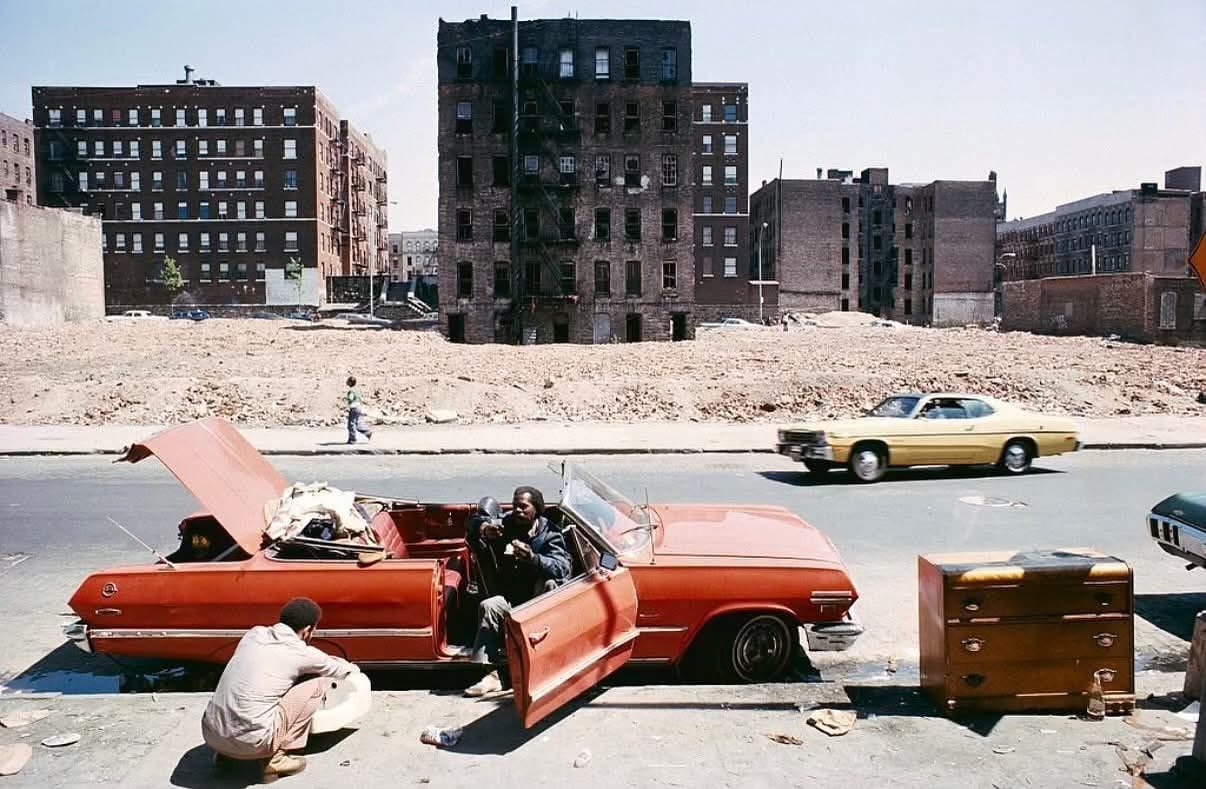
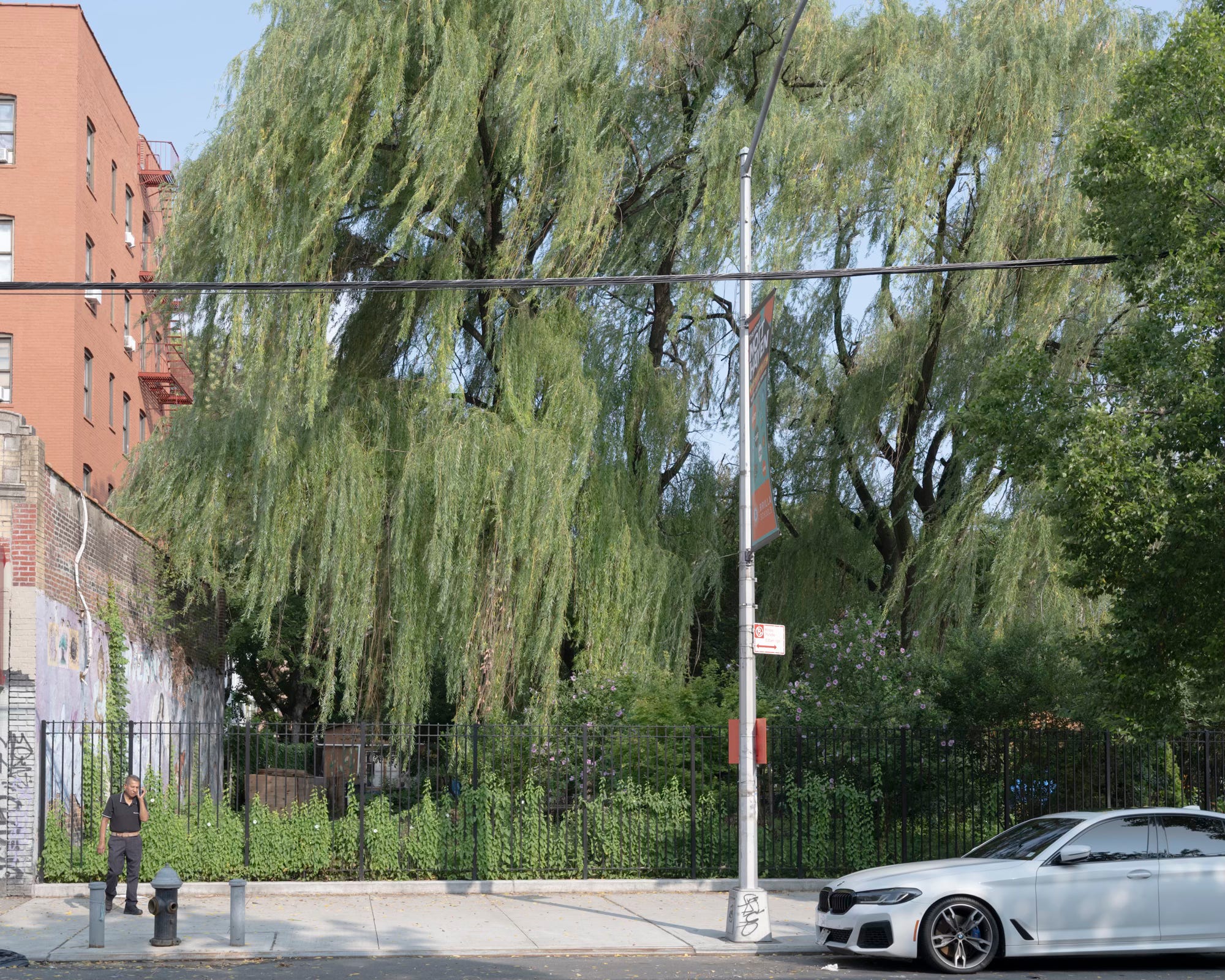
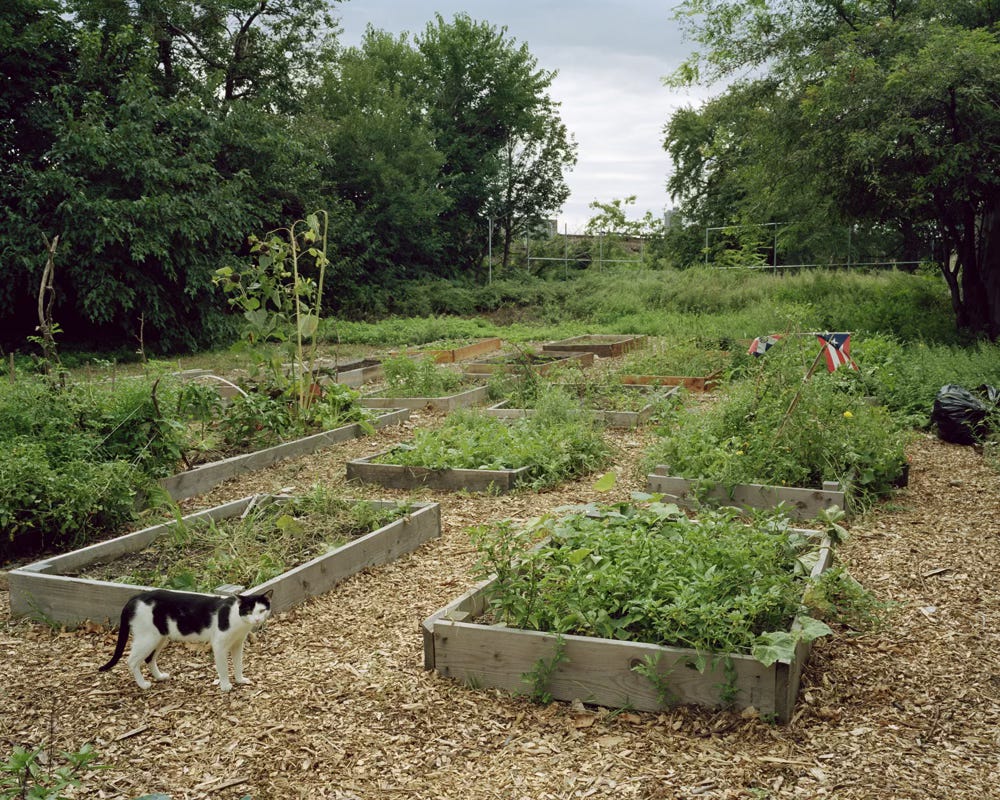
Between 1970 and 1981, the Bronx earned the grim distinction of becoming the “arson capital of the world,” with some neighborhoods losing up to 80% of their residential housing stock. Eventually, the insurance loopholes that made arson profitable were closed and, after significant efforts by local residents, communities in the South Bronx began the slow and arduous task of rebuilding as rubble filled lots gave way to community gardens.
These photographs, from my 2012 project on urban agriculture for the Design Trust for Public Space, Roof to Table, document just a few of the many gardens and residents that helped transform vacant lots into community spaces throughout Mott Haven.
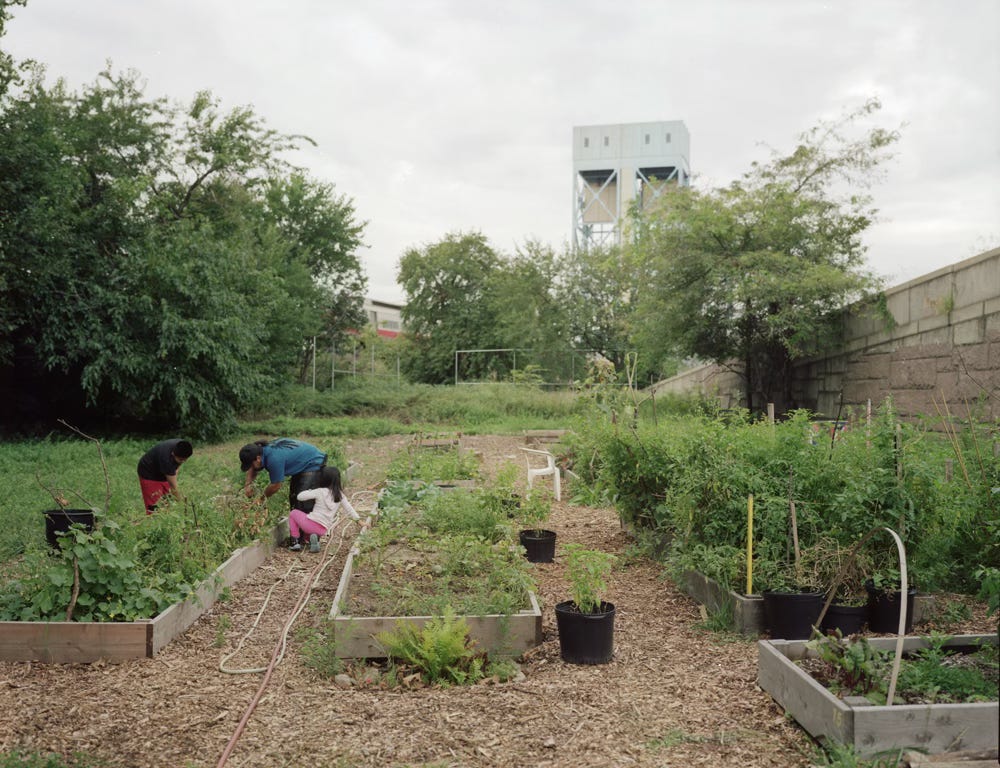
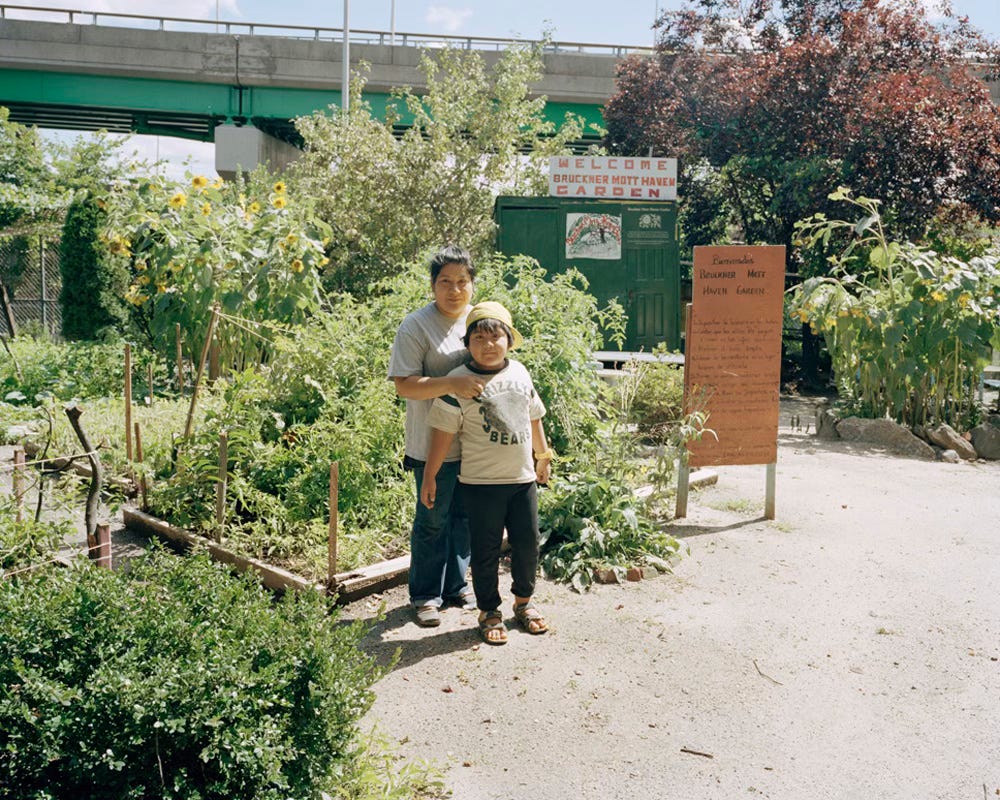
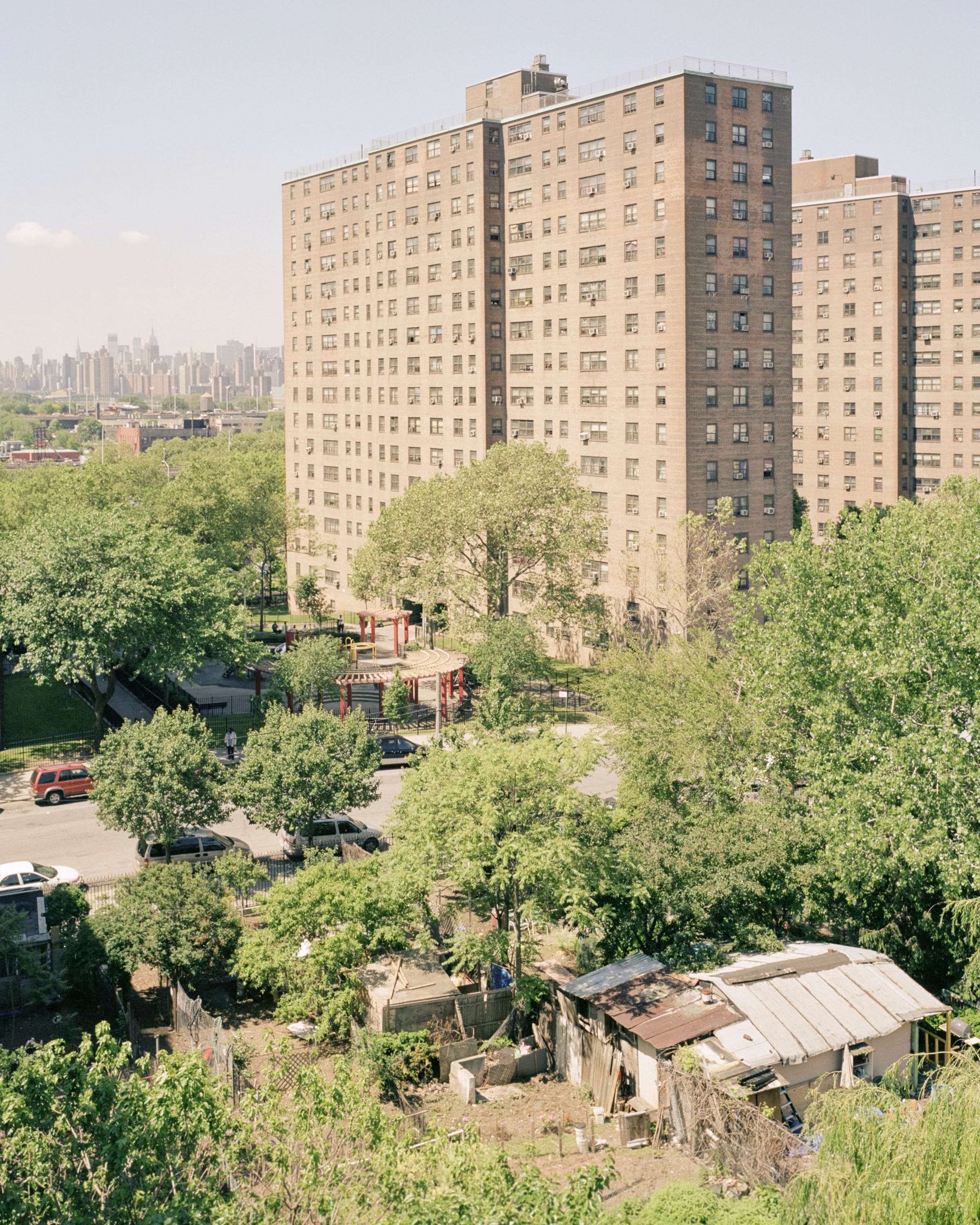
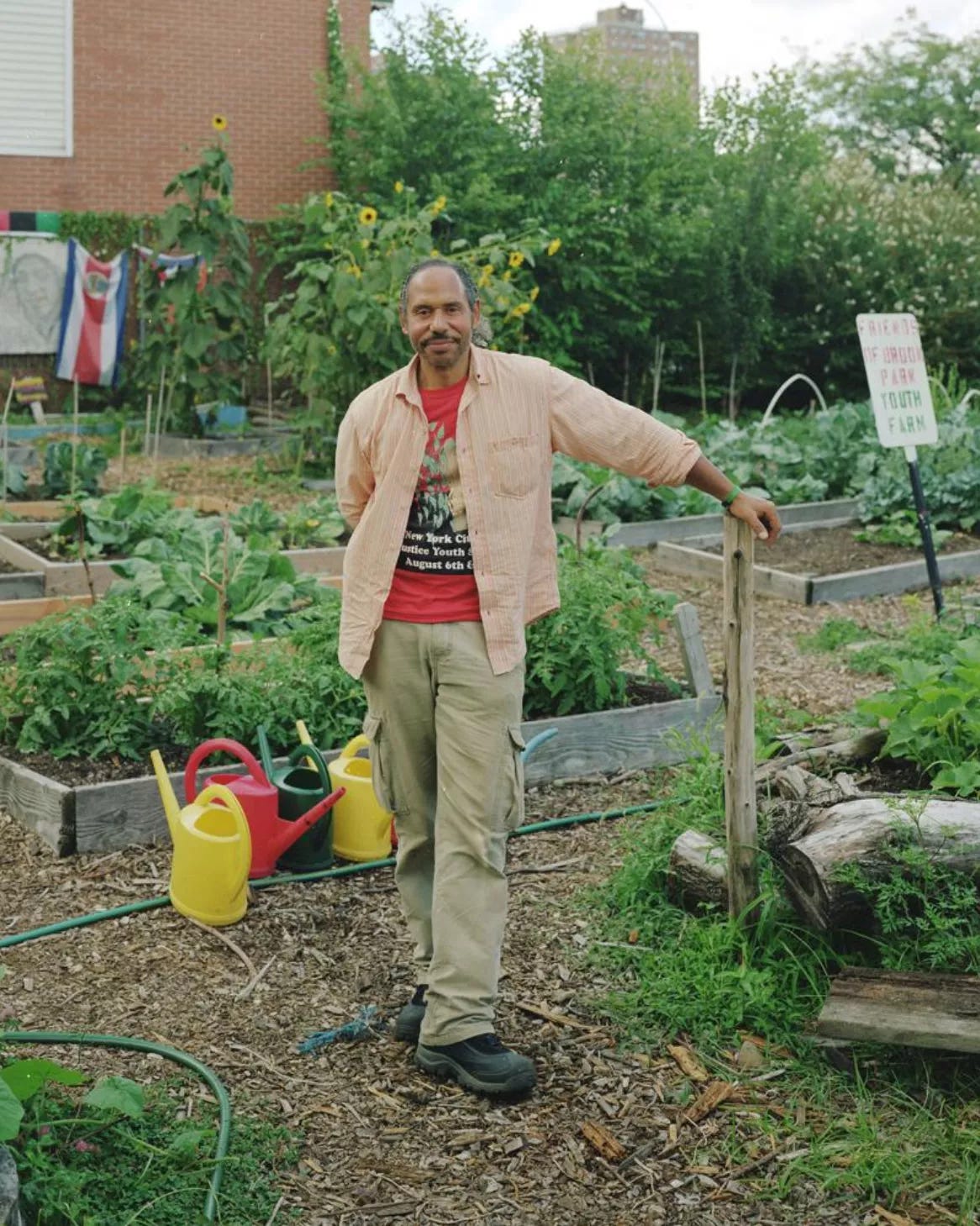
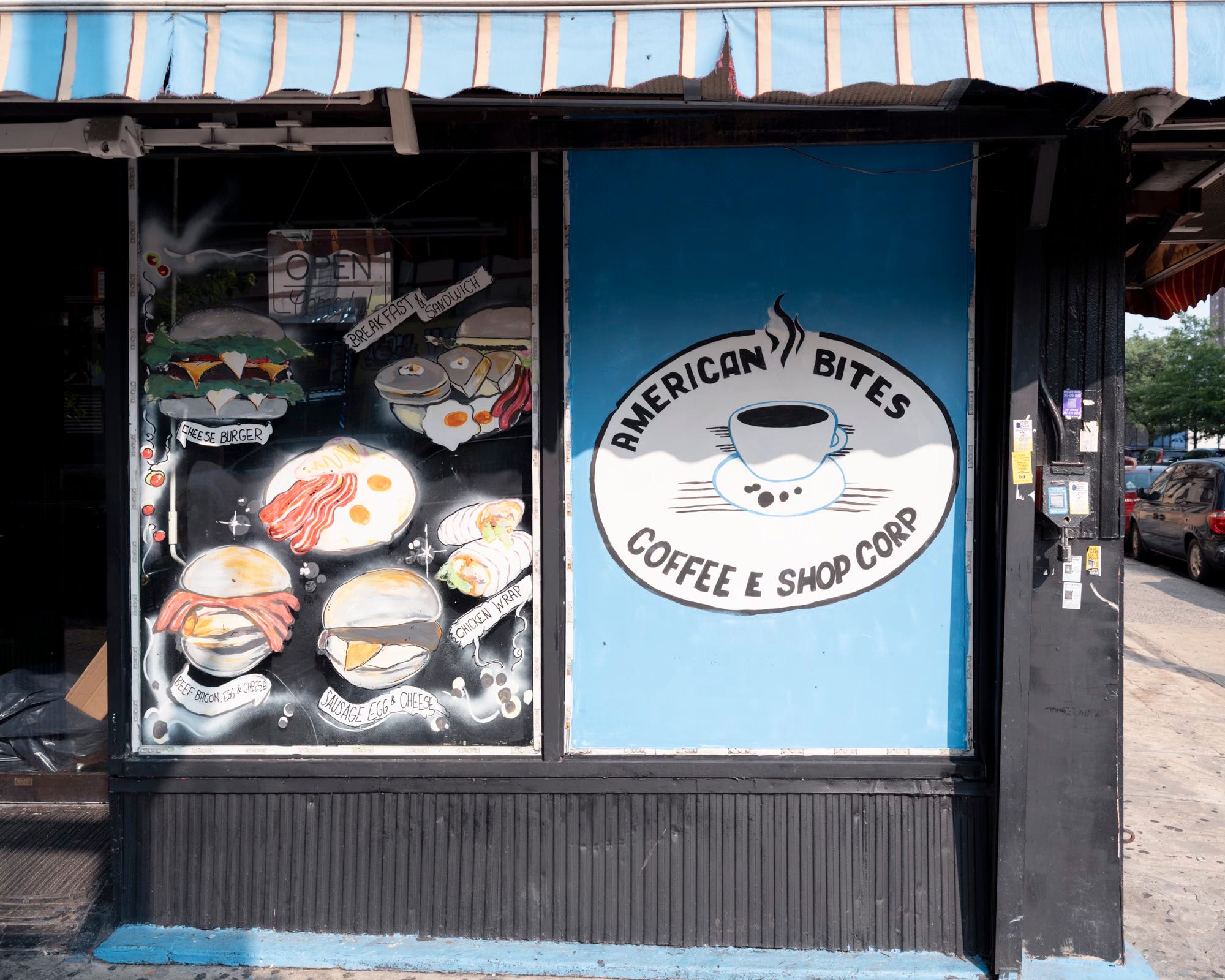
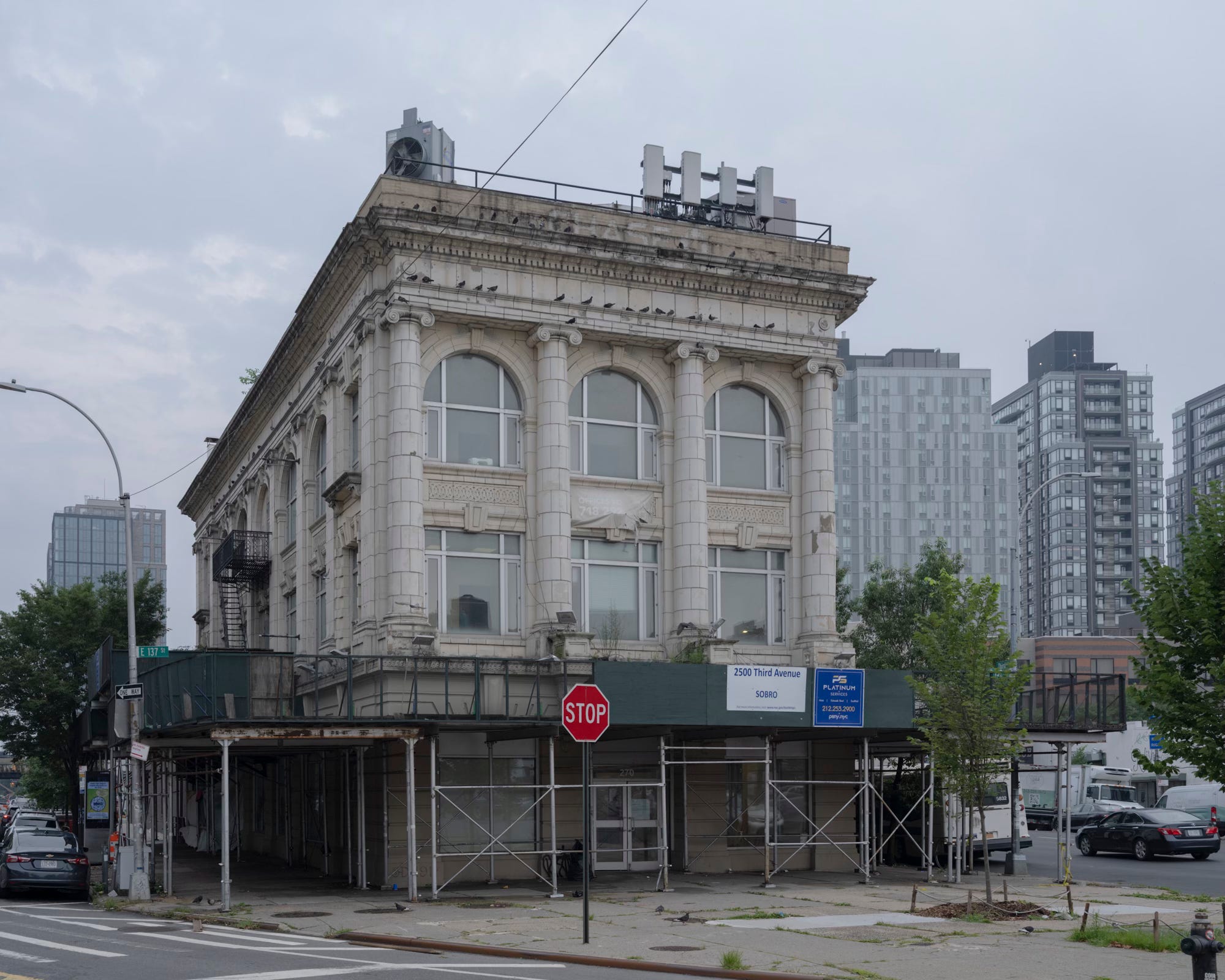
Today, the greatest pressure facing Mott Haven comes from the rapid development that has made it one of New York City’s fastest-gentrifying neighborhoods, even as it remains one of the lowest-income communities in the country, with a median household income of roughly $27,000.
From Bronck’s Fire of Troy to the coal-fed furnaces of J.L. Mott’s foundry to the burning buildings of the 1970s, fire has been a recurring theme throughout Mott Haven’s history. Today’s threat, however, is not flames but displacement. Whether the people who rebuilt Mott Haven - the residents who fought to save their communities, transformed vacant lots into gardens, and helped bring the neighborhood back from the brink - will ultimately benefit from its renewal remains an open question.
This week’s audio features the ubiquitous summertime strains of salsa and open fire hydrants with the sounds of an evening church service thrown in for good measure.
0:00
-4:24
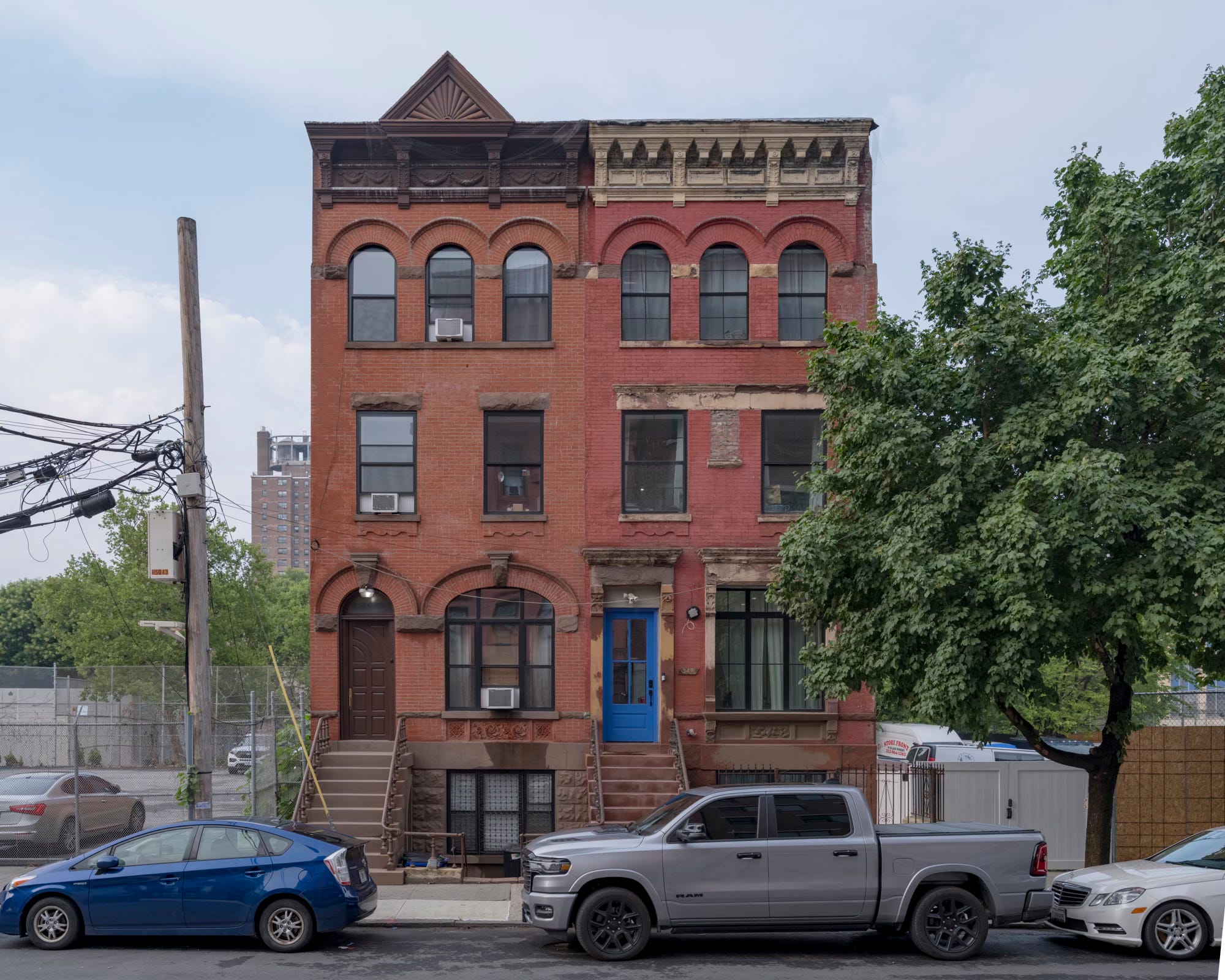
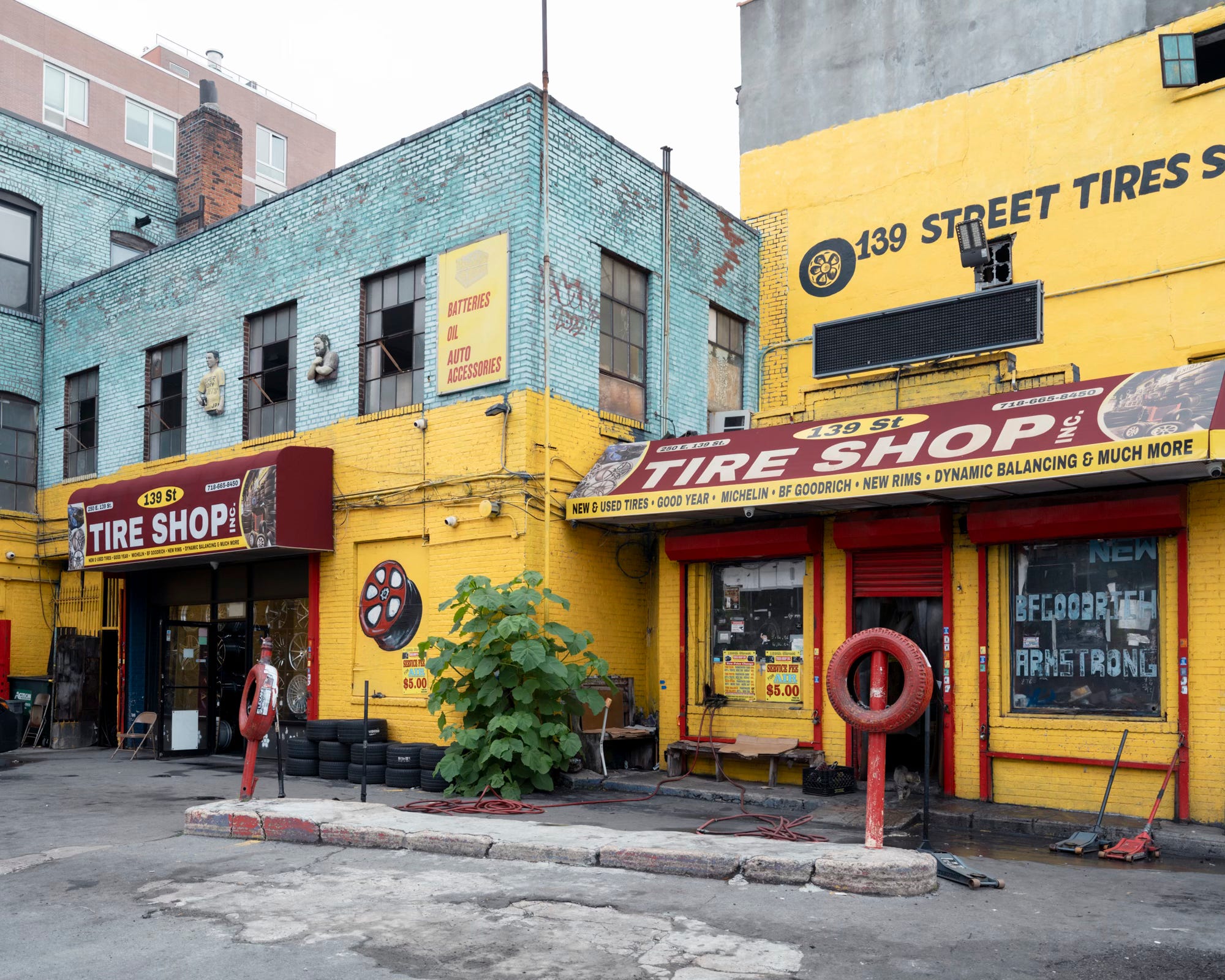
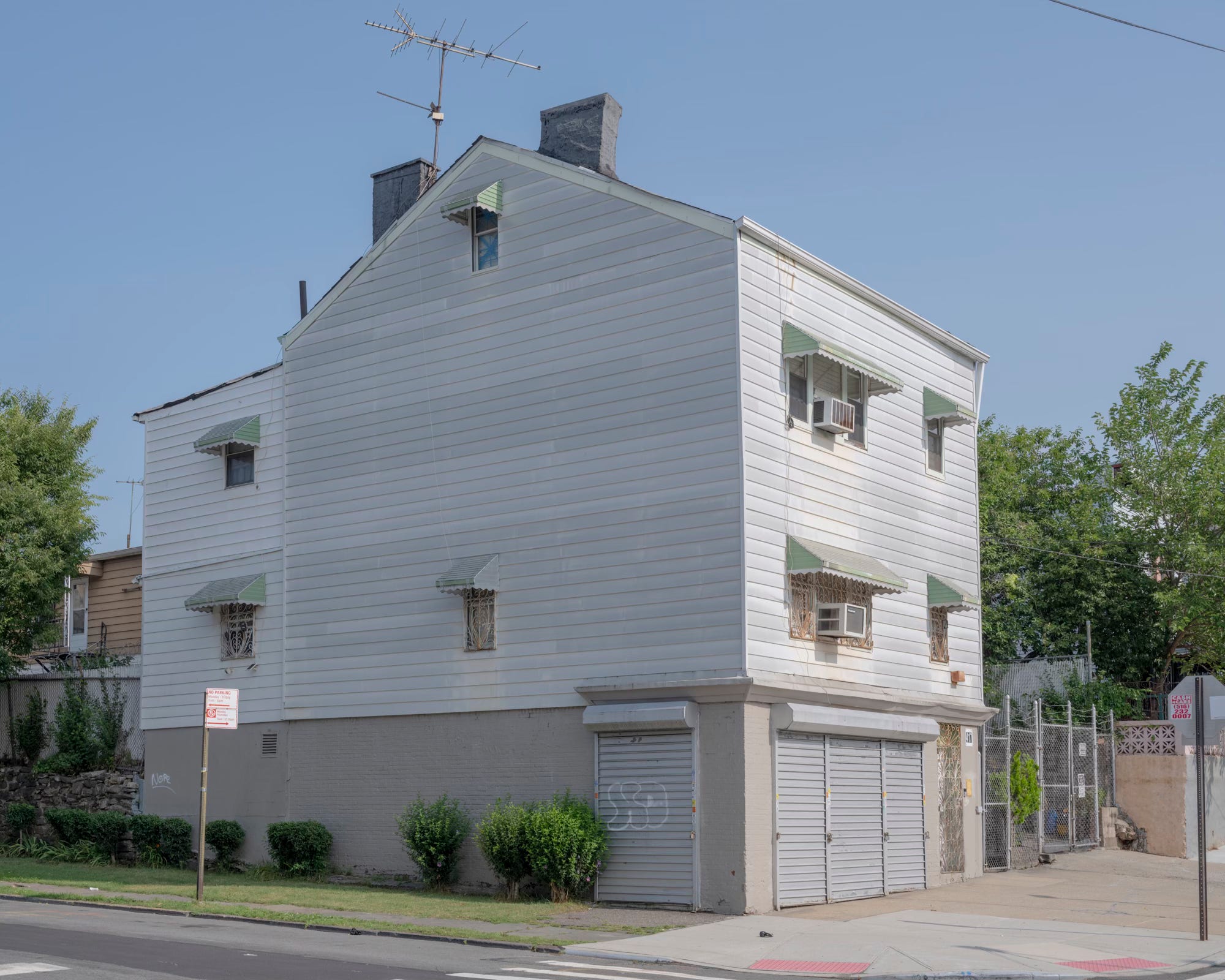
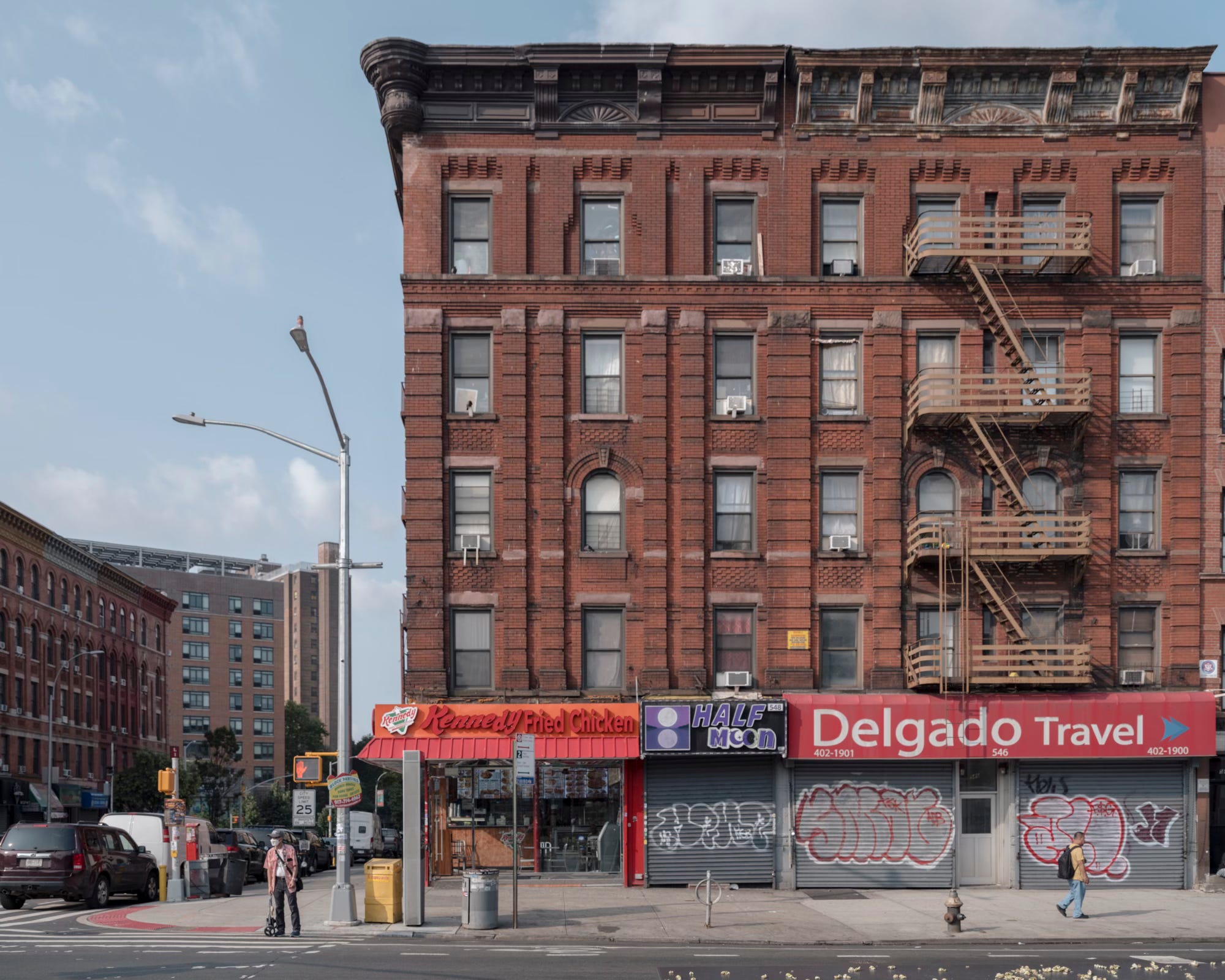
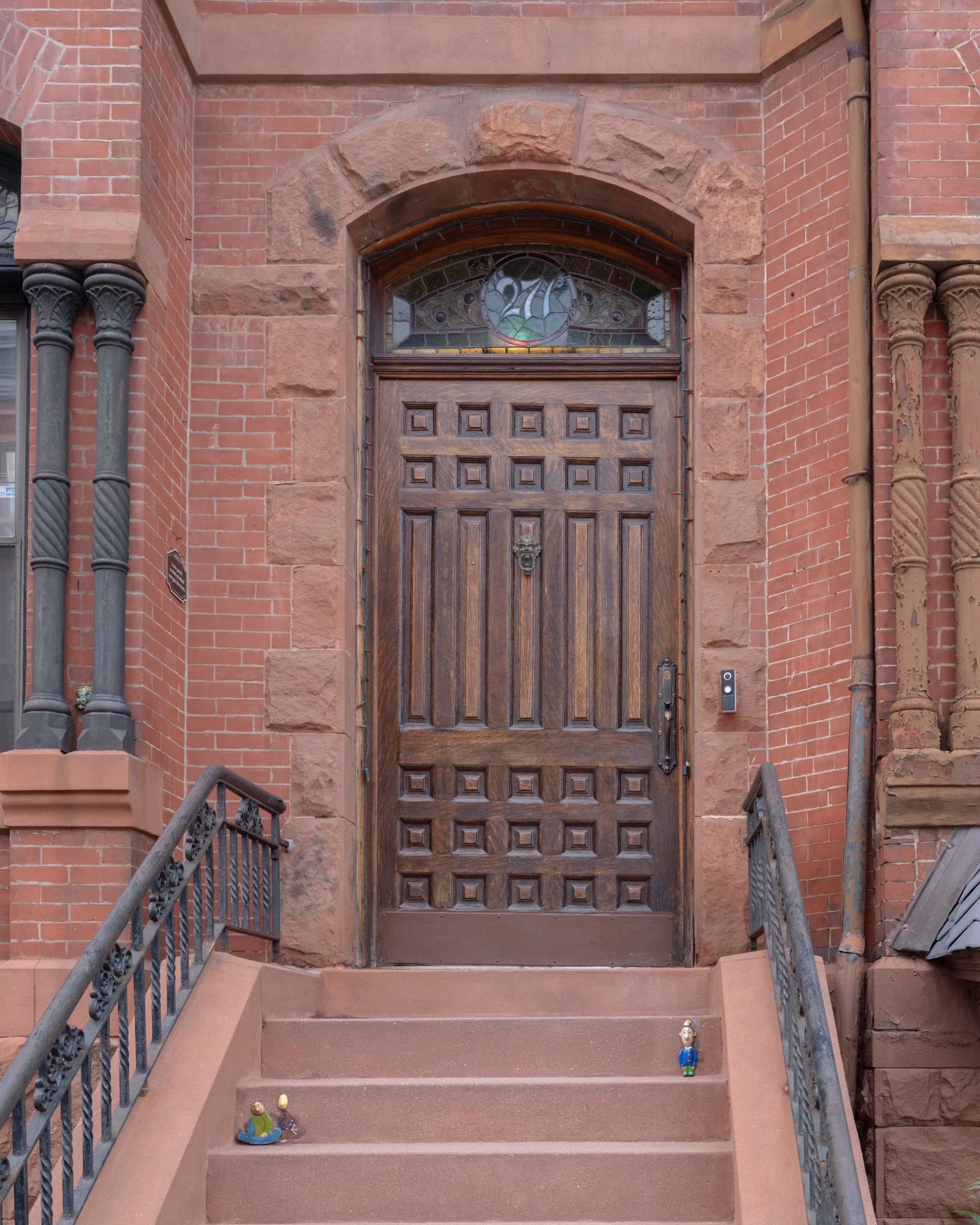
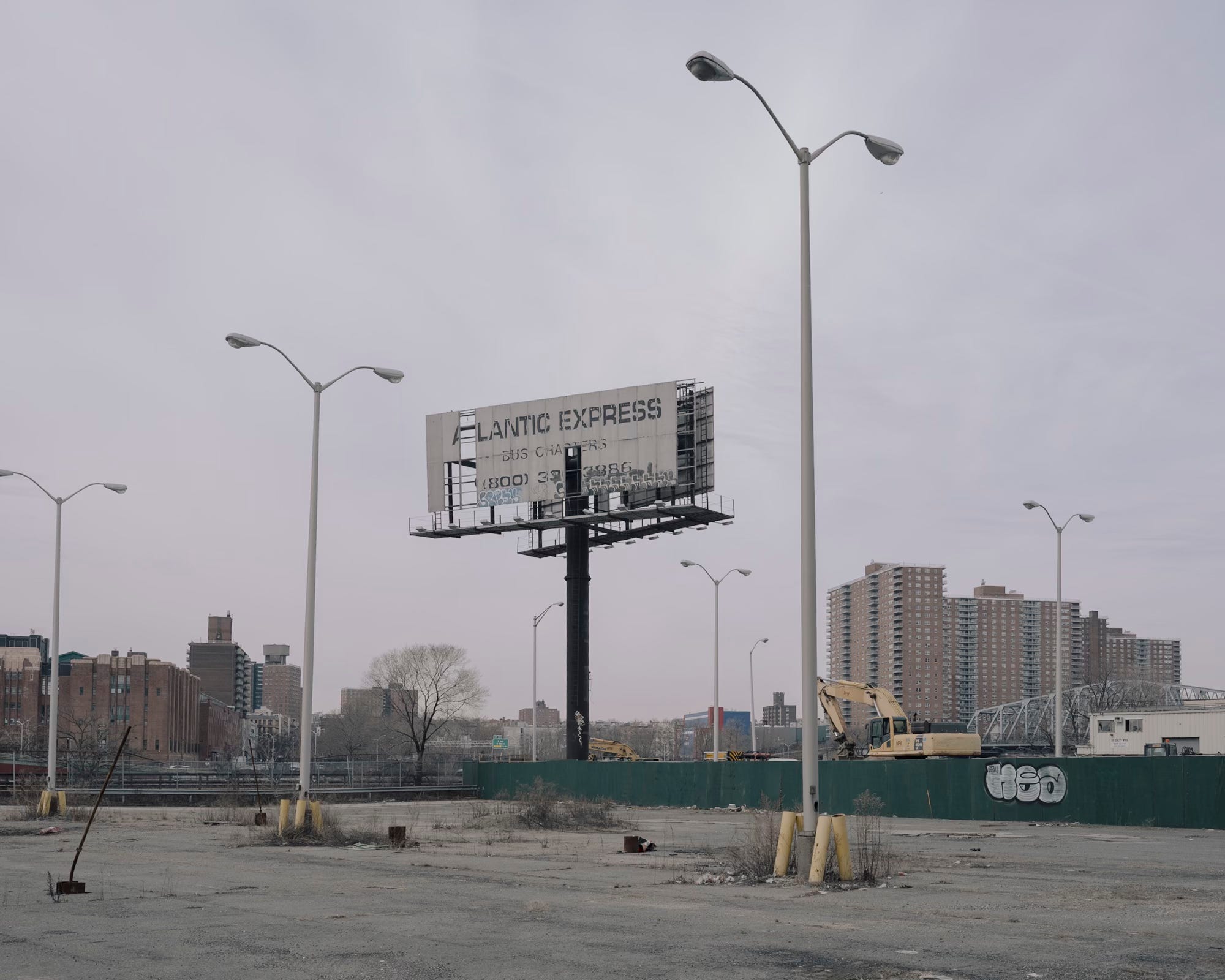
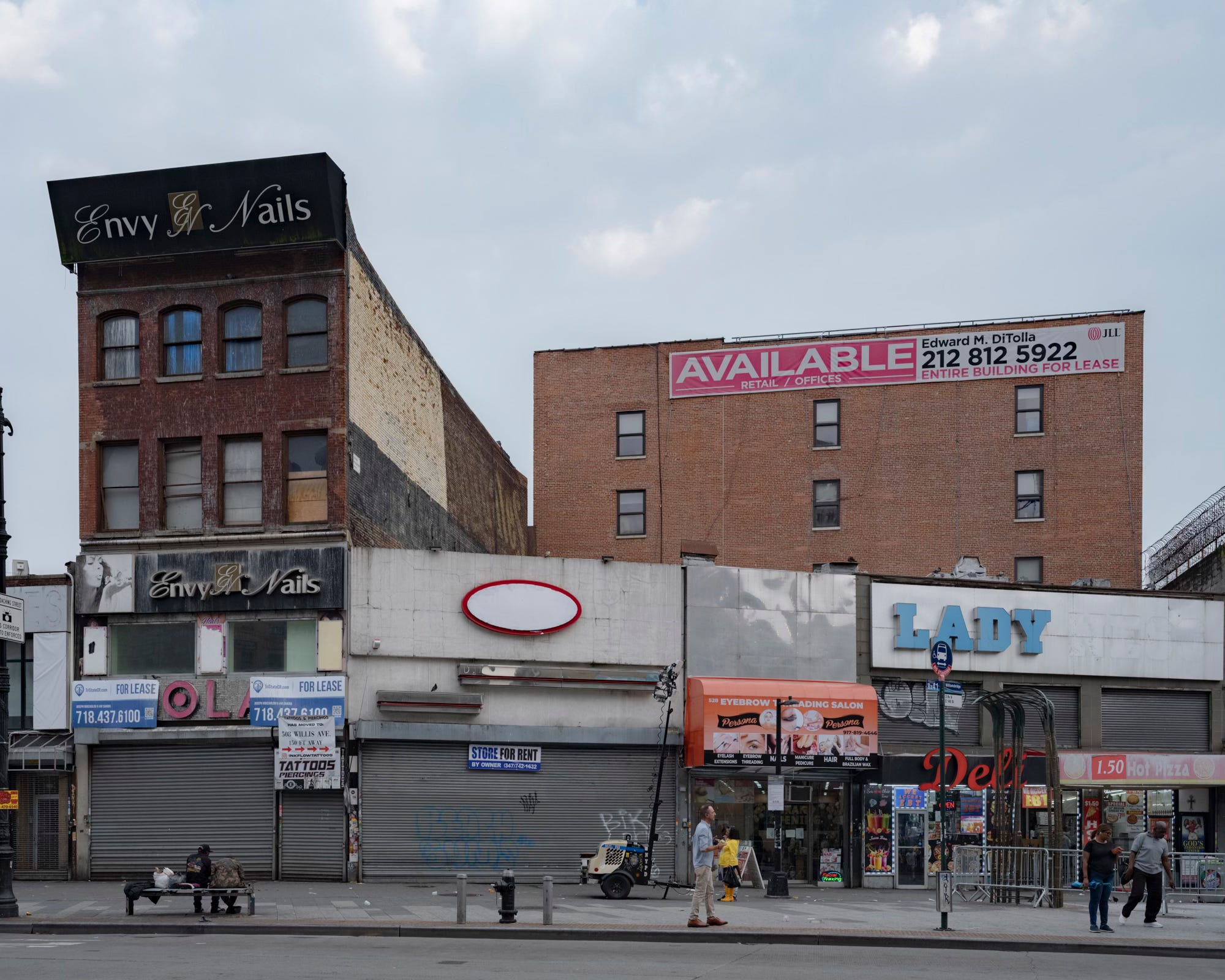
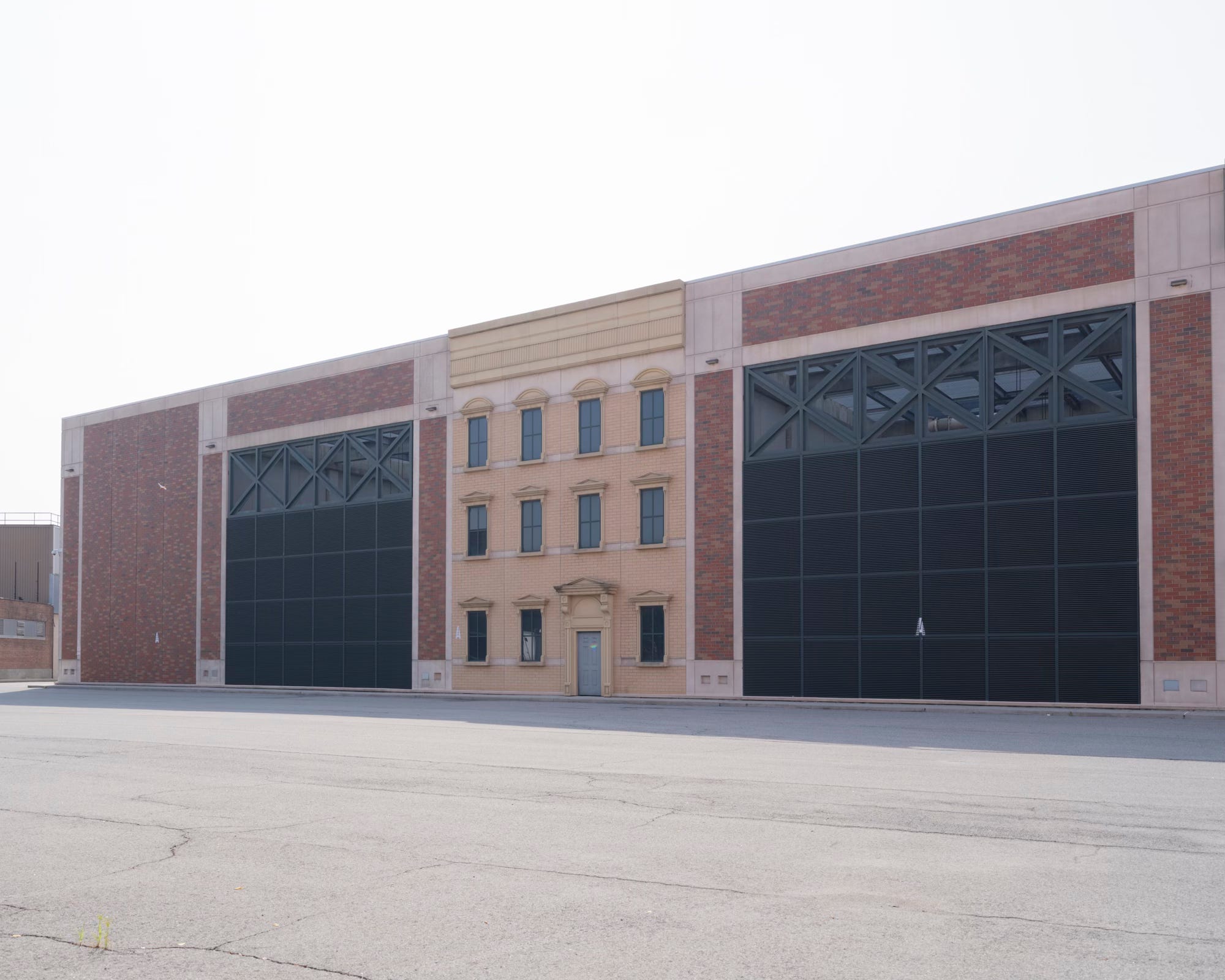
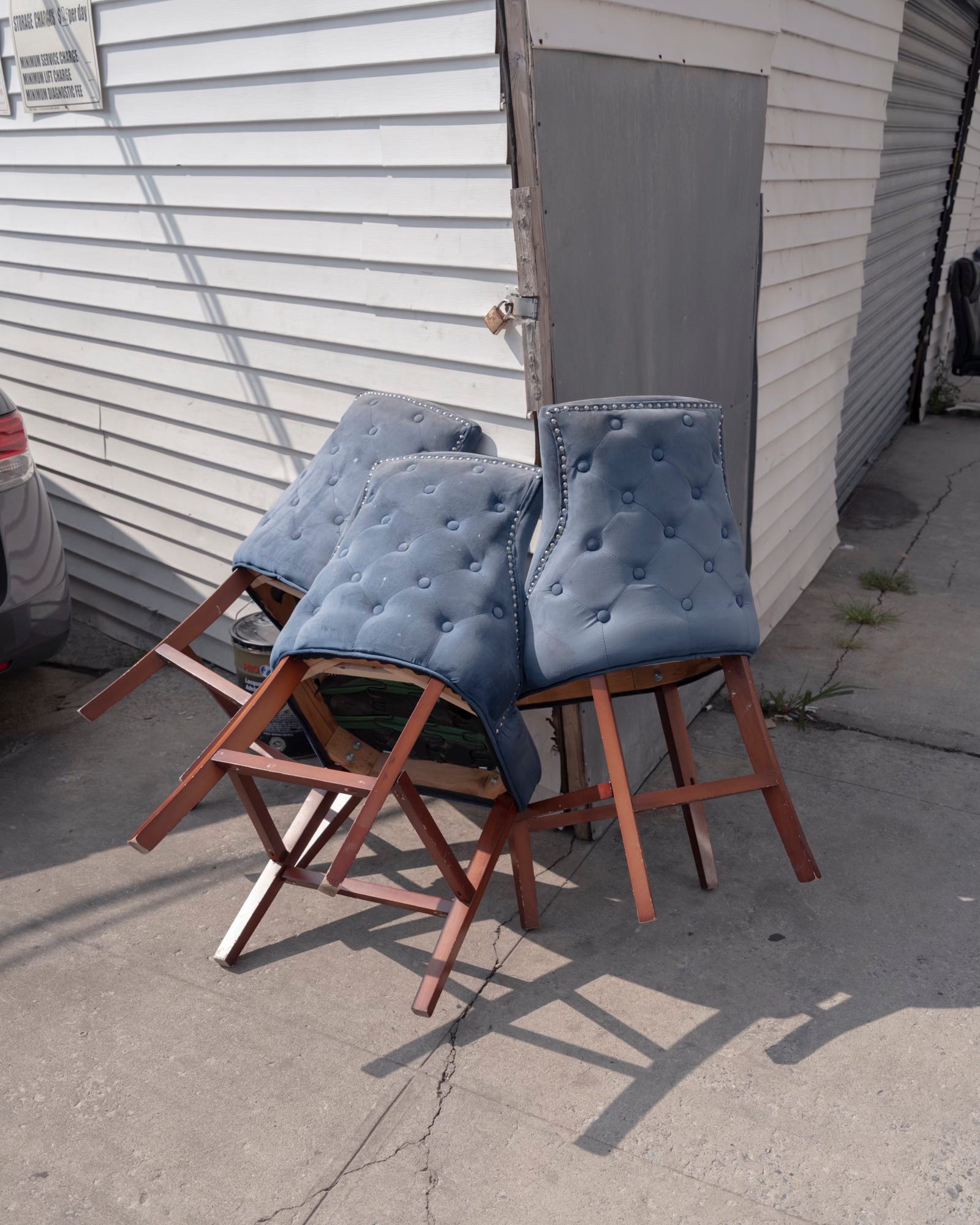
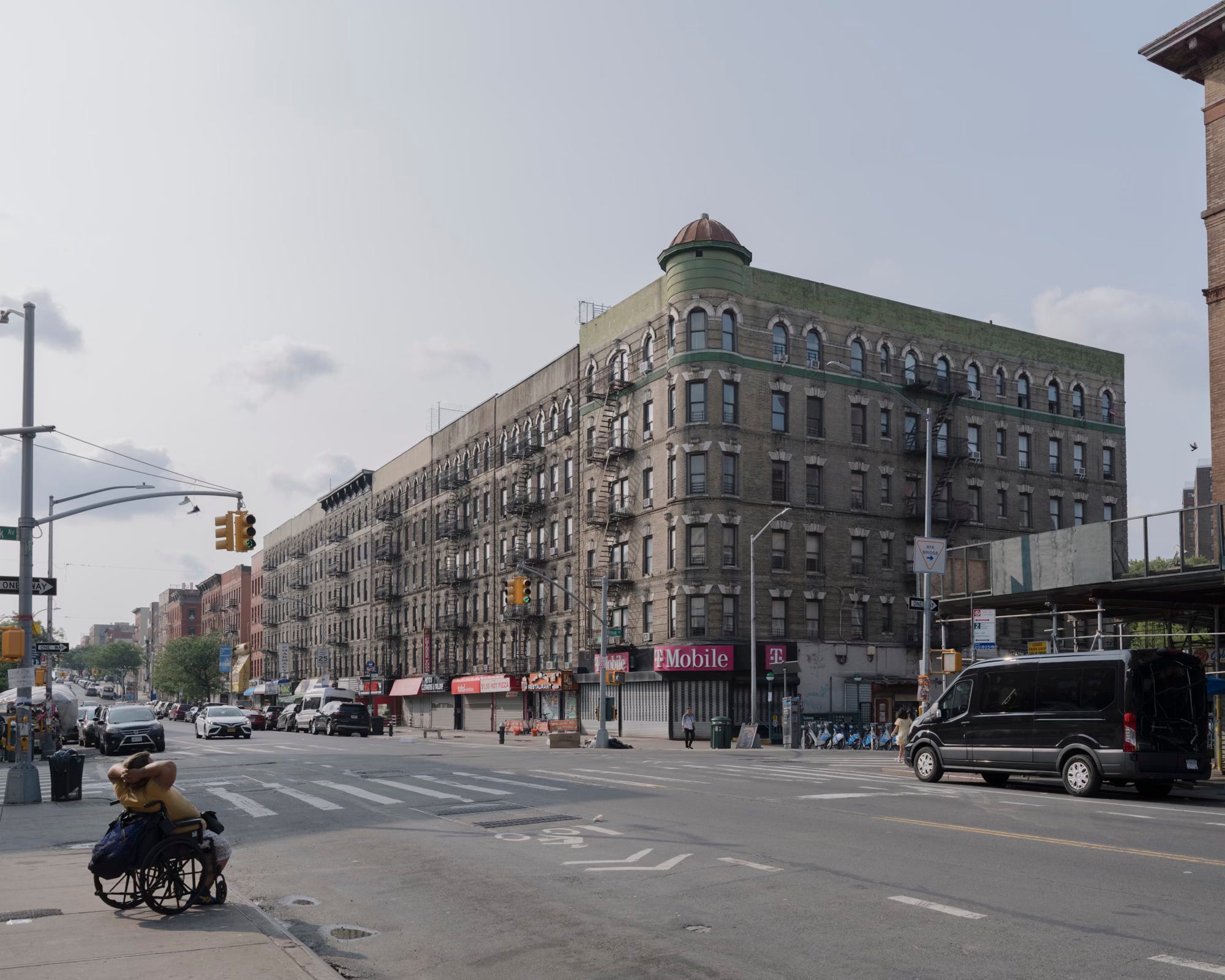
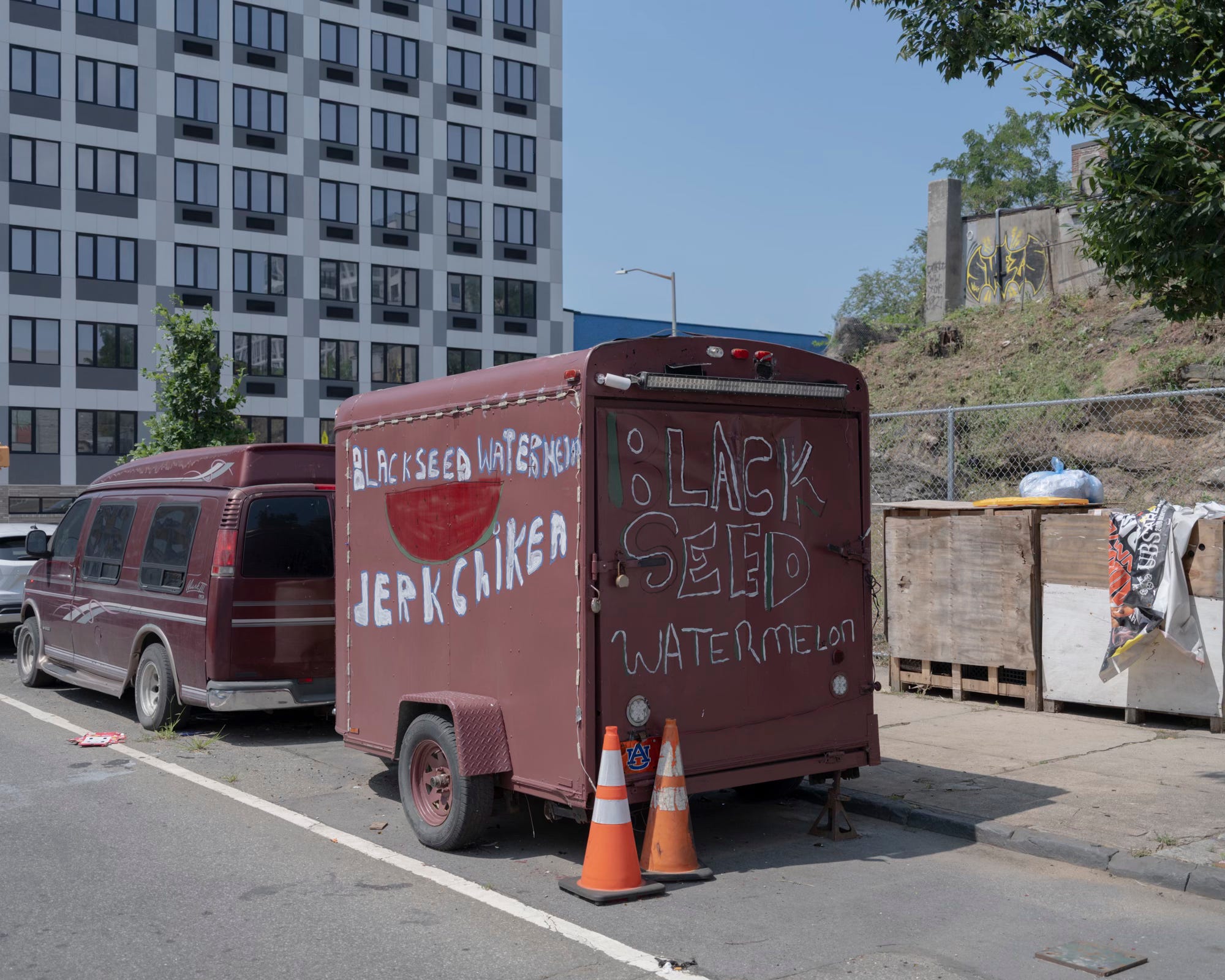
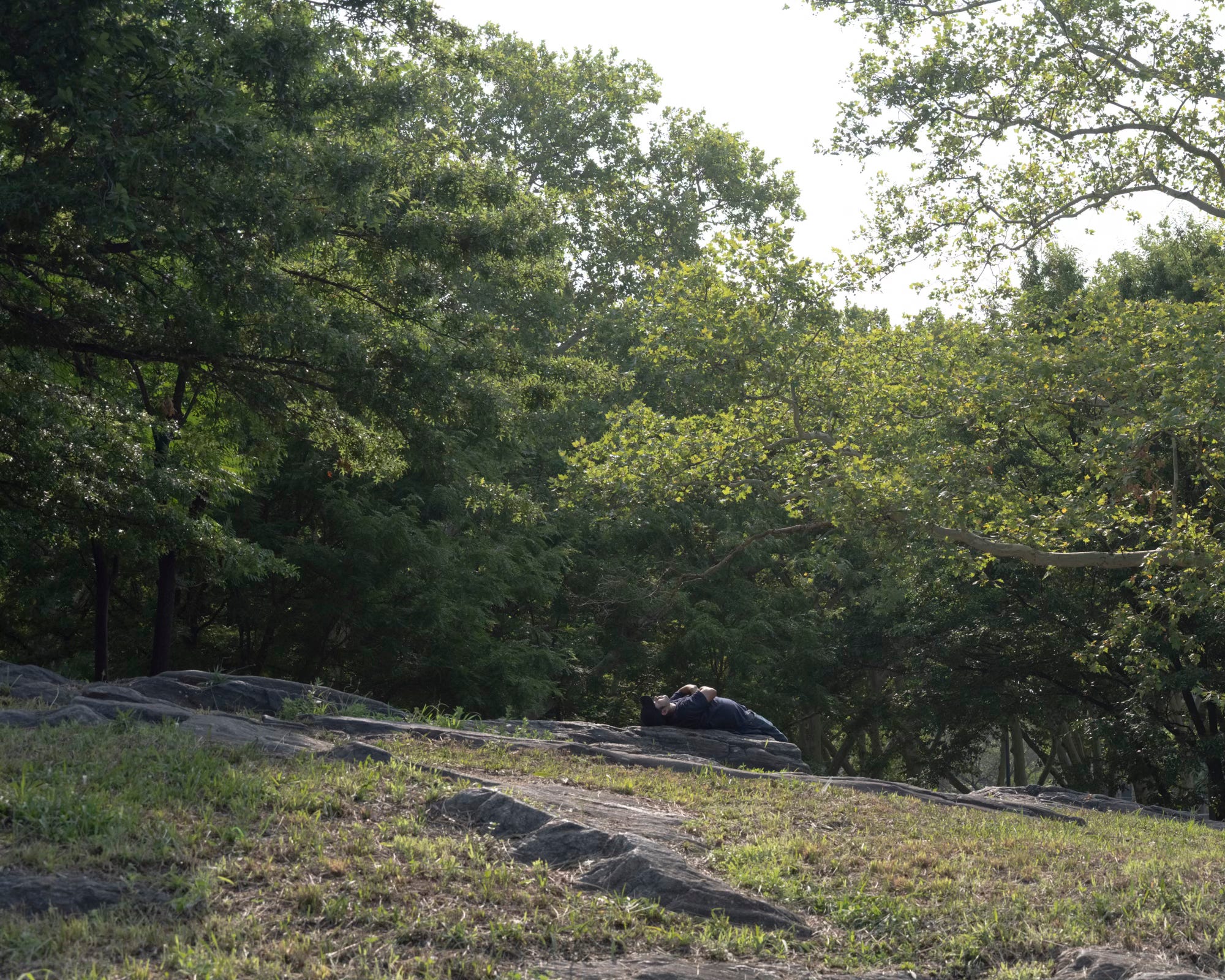


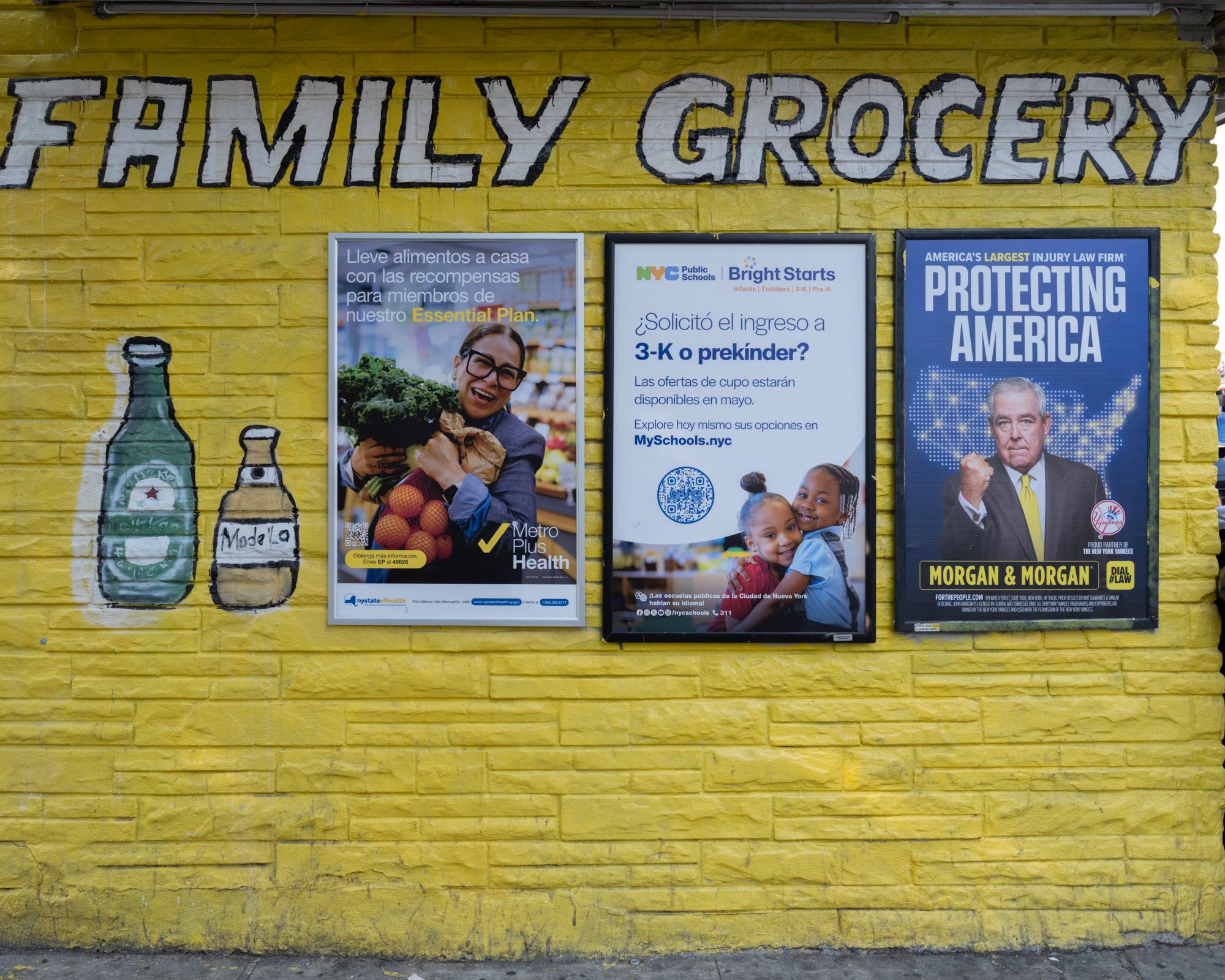
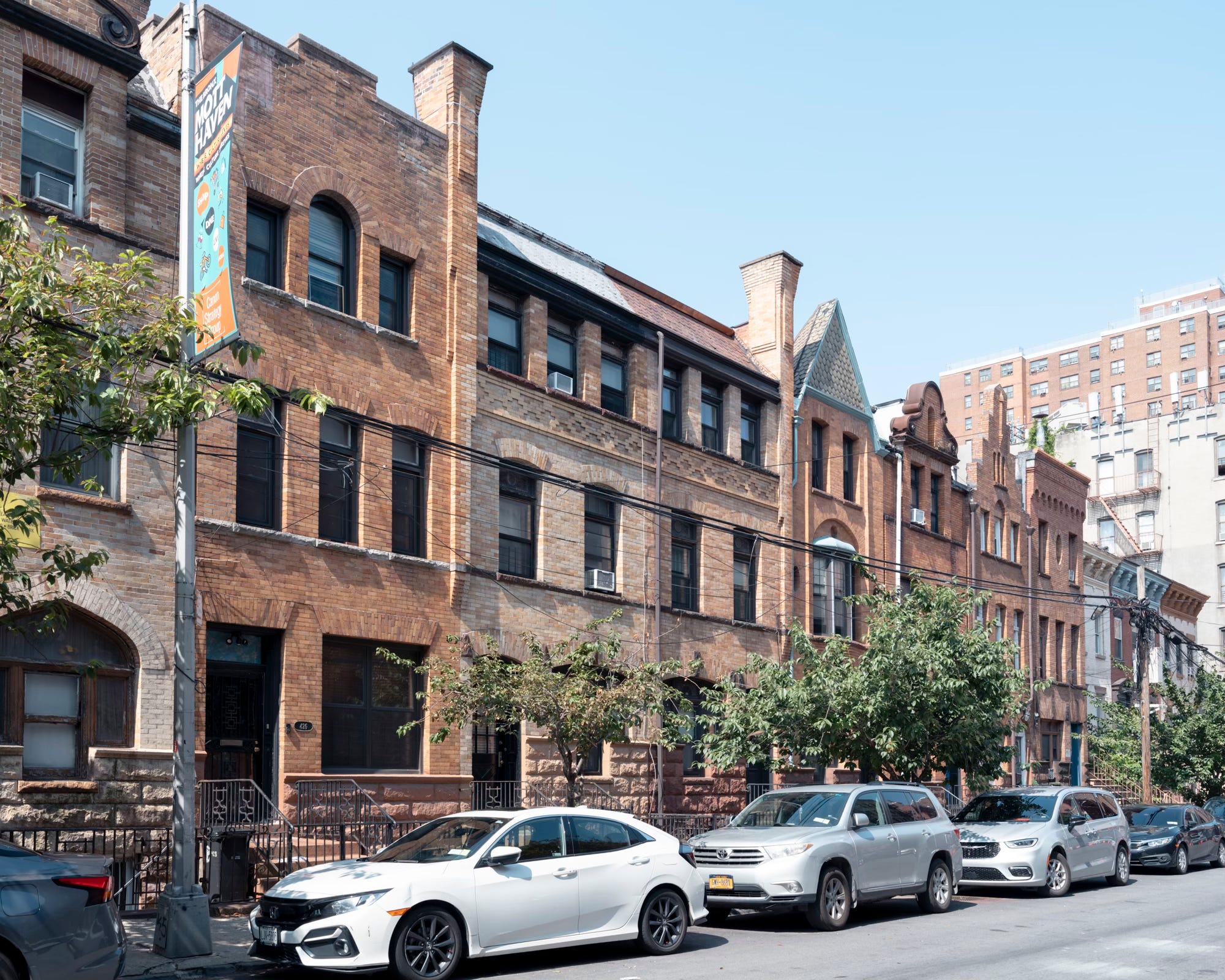
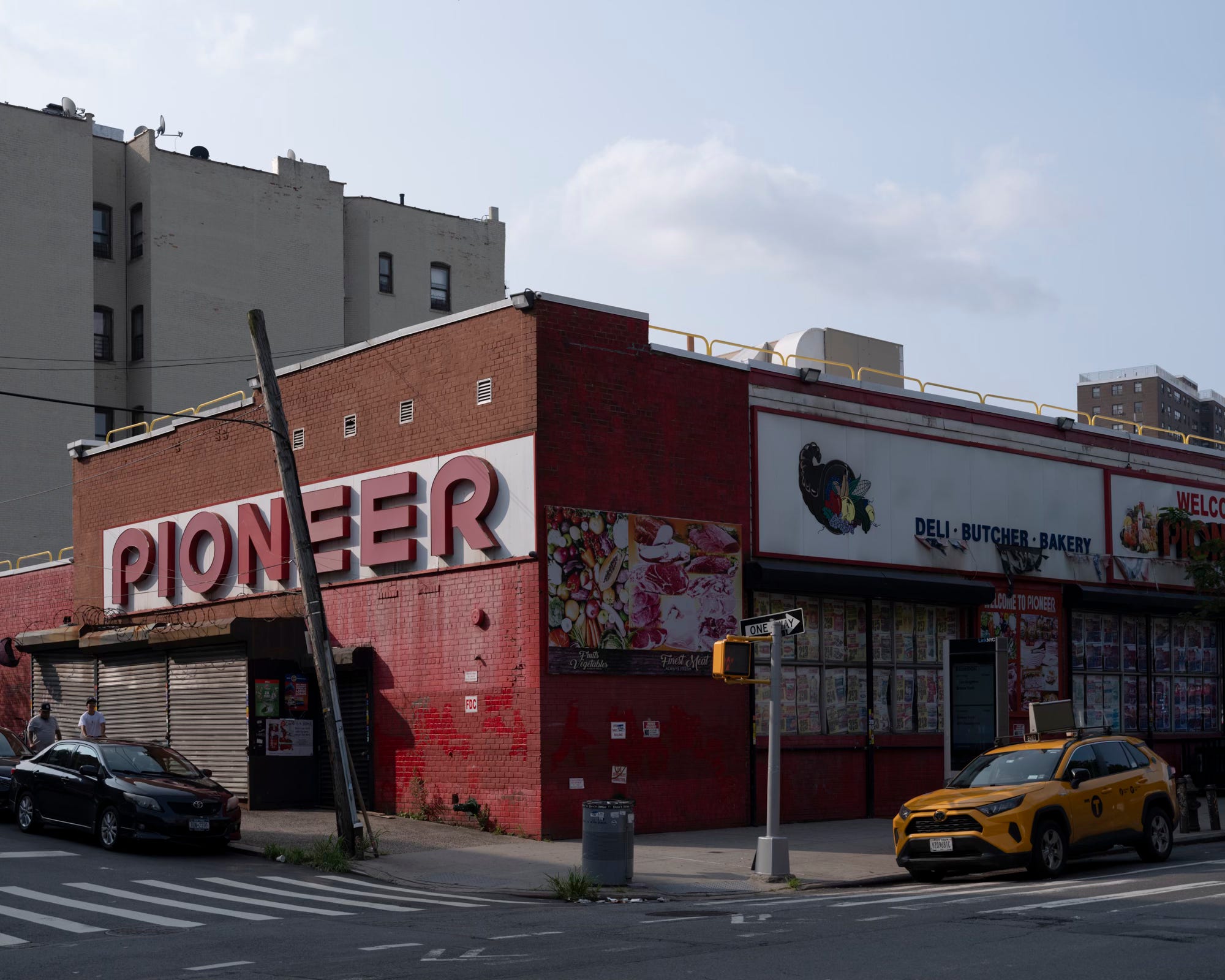

St. Mary’s Park, the largest park in the South Bronx, was once known as “Janes’ Hill,” named after the owner of Janes, Kirtland & Co. Iron Works, the company that helped construct the dome of the U.S. Capitol. Journalist John Mullaly, whose advocacy led to the 1884 New Parks Act and the creation of the park, described the parcel as “isolated and alone, perfect in itself, its miniature loveliness challenging comparison with the largest and fairest of its compeers.”
More than a century later, a New York Times article offered a far different portrait, describing St. Mary’s as “a place where people shoot up and nod off under stately oak trees, and where the grass and rocks are littered with needles and broken glass.” The article was accompanied by the arresting photographs of Sean Sirota, whose work captures the complex realities of the park today.
A graduate of SUNY Purchase, Sirota has worked as an educator at the Bronx Documentary Center since 2017, and his photography has appeared in Time, The New Yorker, and Vogue.

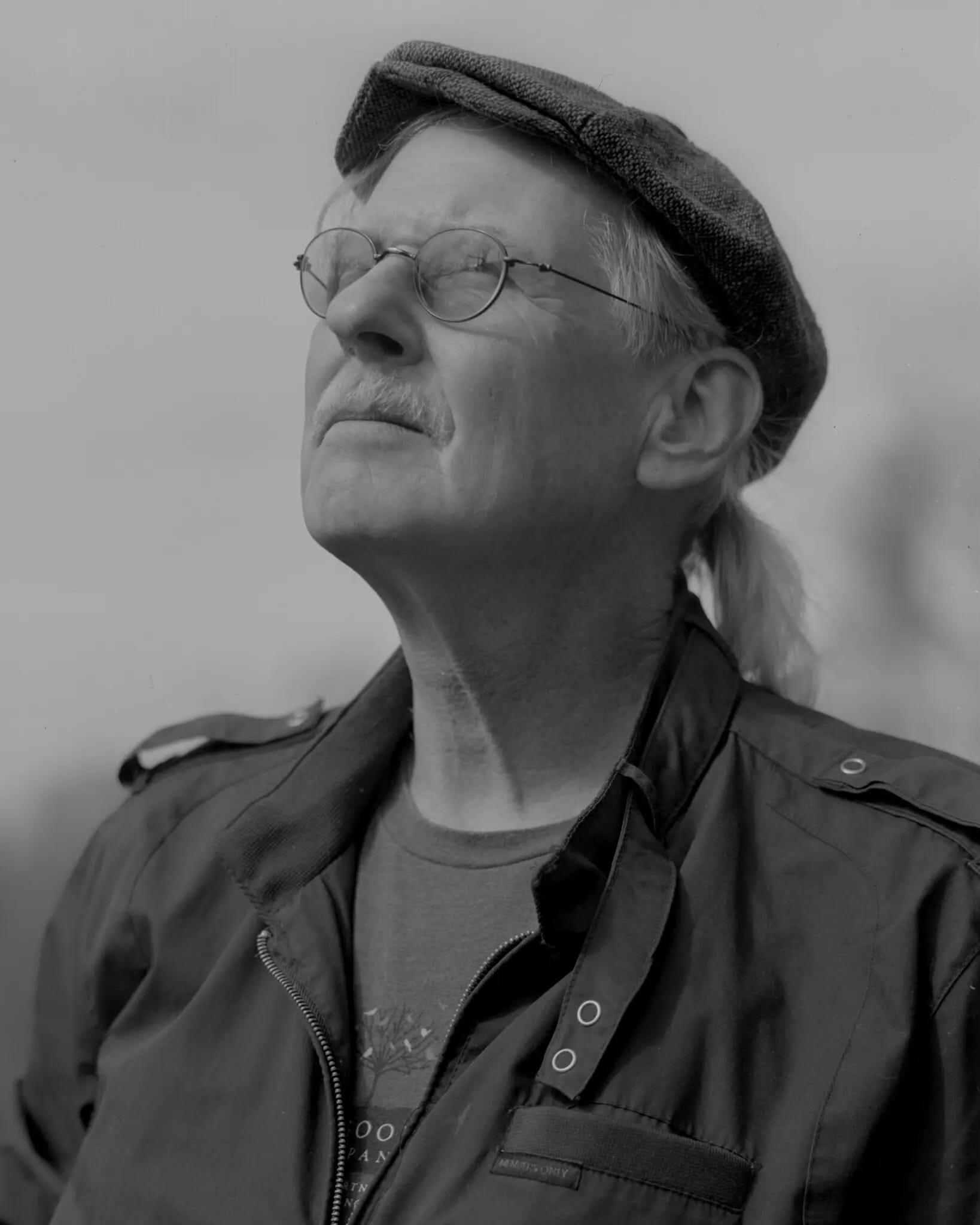
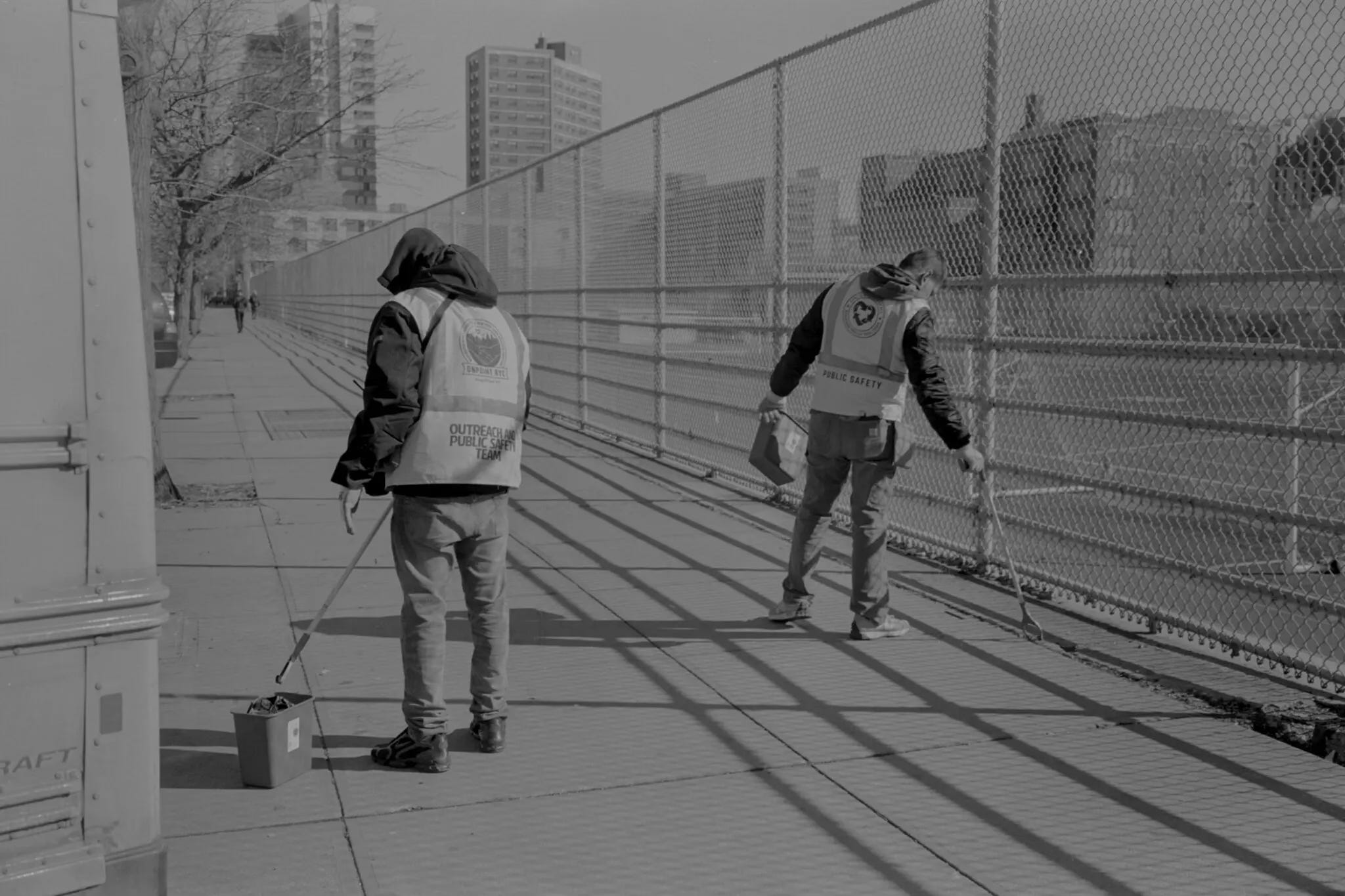

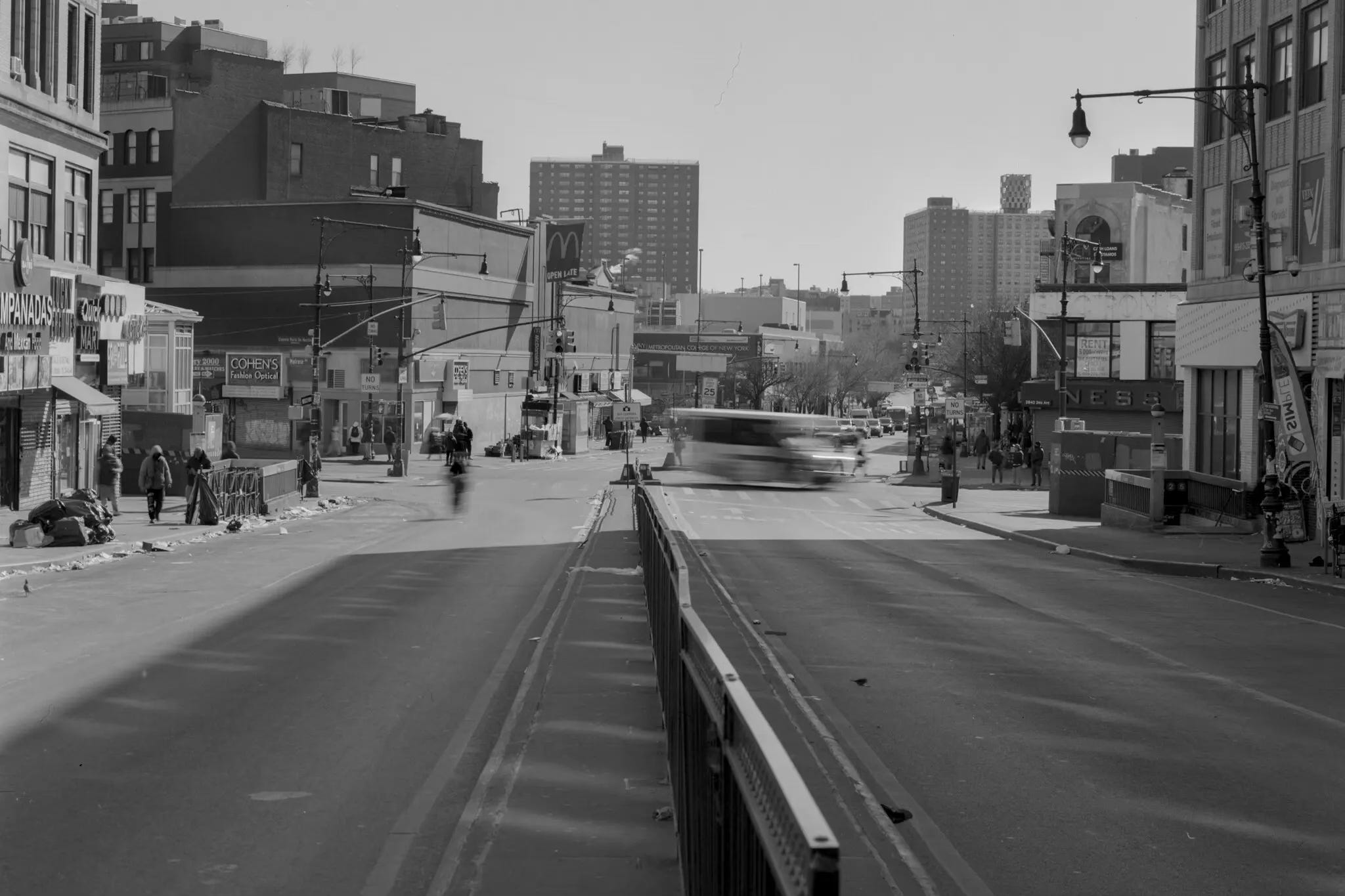
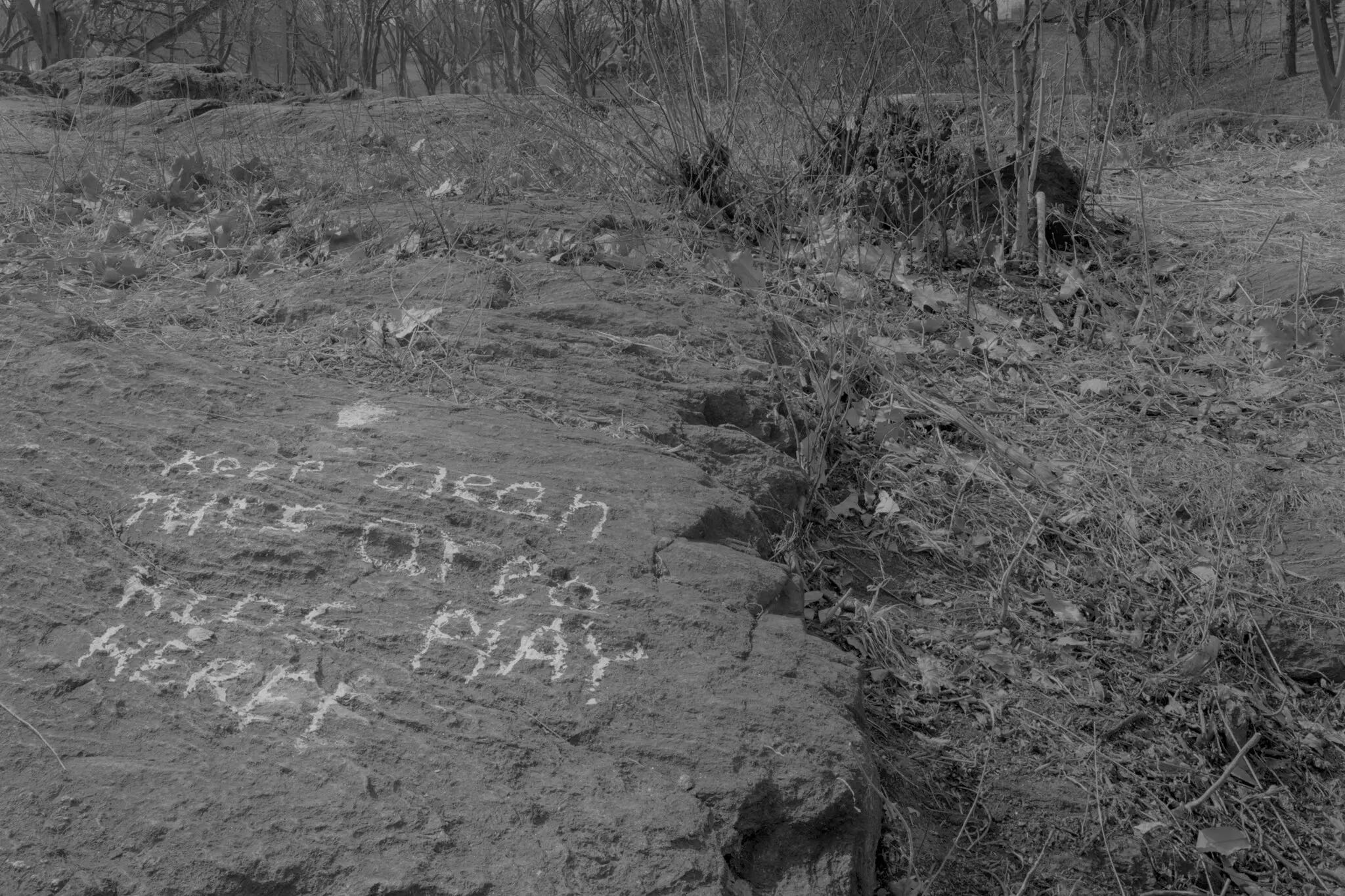
All photos © Sean Sirota. See more of his work here.
The Mott Haven History Project is conducting oral history interviews with long time residents to “find out what they know, what they think, and what they remember about life in Mott Haven over the past 90 years.”
South Bronx Unite is a grassroots community organization that advocates for environmental, social, and economic justice in the Mott Haven and Port Morris neighborhoods of the South Bronx.
The Mott Haven–Port Morris Community Land Stewards is a non-profit Community Land Trust that legally acquires and holds land for the public good, taking it off the speculative real estate market.
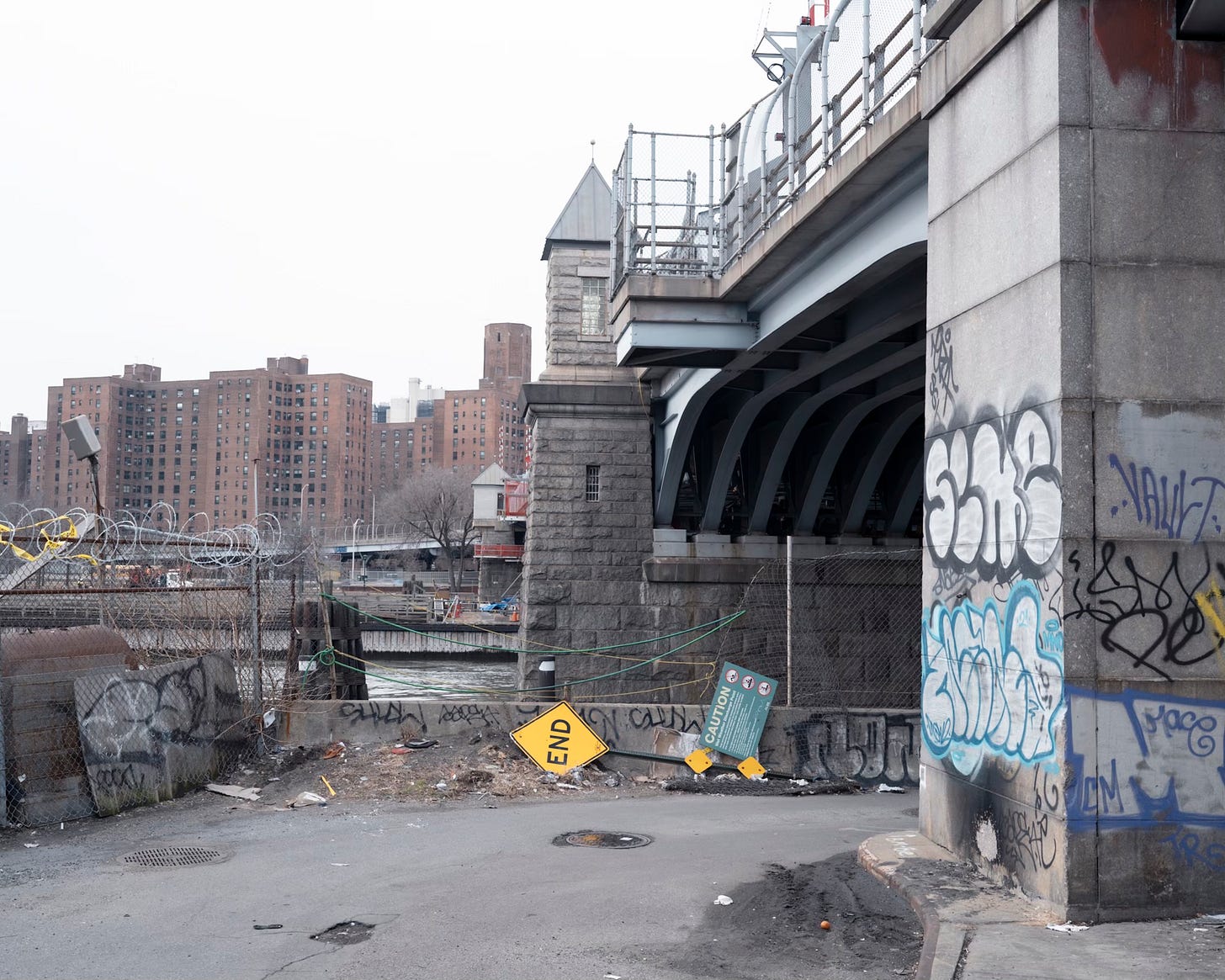
La Morada is a family-run Oaxacan restaurant on Willis Avenue in Mott Haven, South Bronx, opened in 2009 by Natalia Mendez and Antonio Saavedra, immigrant farmers from Oaxaca. Beyond serving some of the city's best moles, it doubles as a hub for grassroots organizing and immigration activism. The family is openly undocumented, and has used the restaurant as a base for direct-action organizing, including a 2012 act of civil disobedience by son Marco Saavedra, who purposely got himself arrested by federal authorities to infiltrate the privately-run Broward Transitional Center in Florida, an ICE facility.
Comments
Nothing yet. Say the first thing.
Sign in to join the conversation.