

By Gazelle Mba
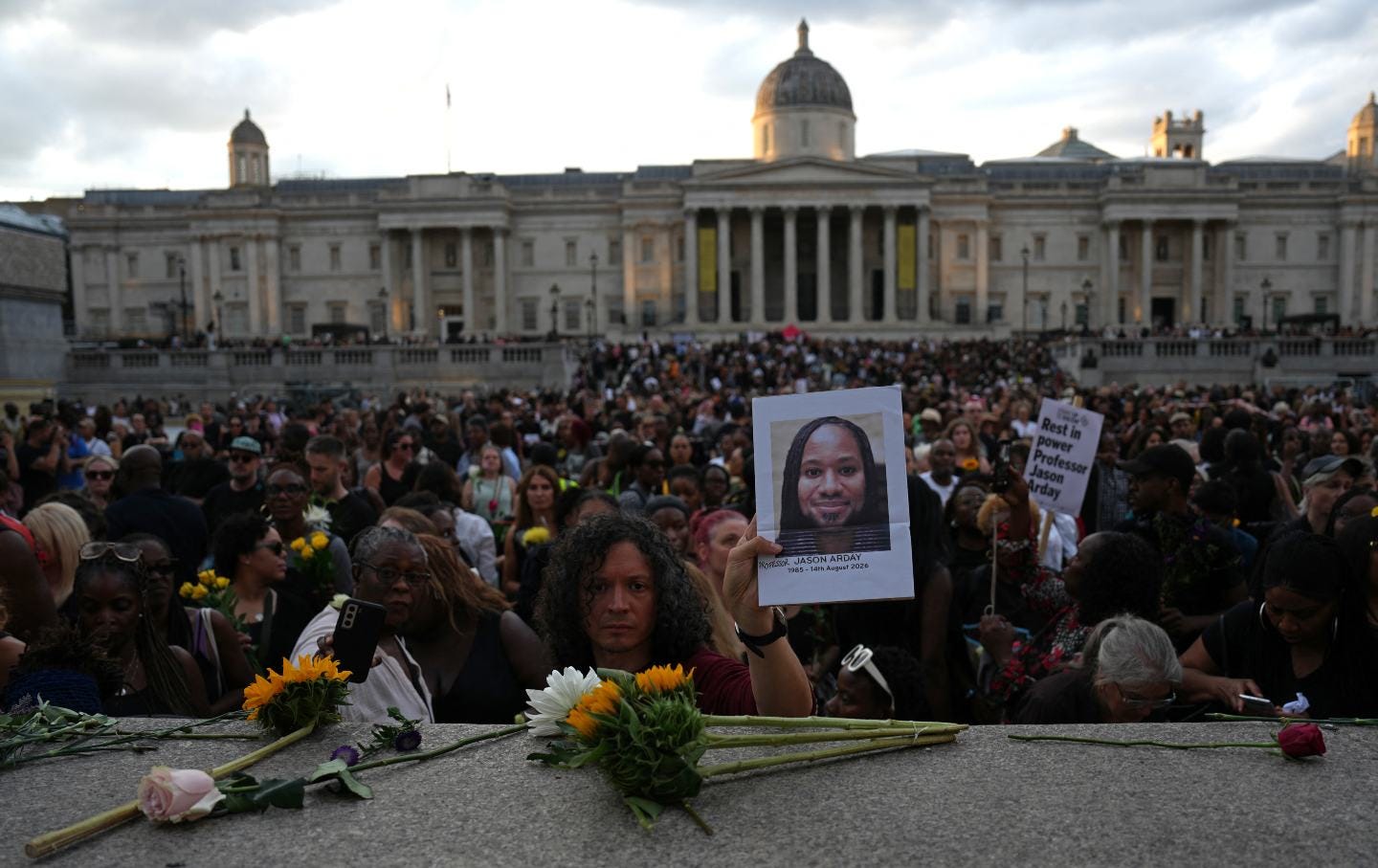
The summer before I began studying as an undergrad at the University of Oxford, I braced myself for racism. I spent several hours each day preparing by scrolling through blogs, newspaper articles, and social-media posts. Across these platforms, Black students documented racist encounters with white students, and occasionally, staff. Stories about campus guards blocking Black students from entering campus, tersely questioning their credentials; one where a group of white men joked about Black women’s genitalia and sexual viability at fancy dinners; instances of being mistaken for other Black students with whom they shared no facial characteristics; inappropriate touching of hair and faces; uncomfortable staring at clubs or on the street. Once I landed at St Hilda’s college, these experiences recurred with exhausting banality. They felt both routine and normalized, despite the obvious distress they caused. At some point, it was more practical to stop mentioning them.
I would soon learn that these instances were not relegated to social life but extended into academia itself. For one, there was the dearth of Black academics in the humanities, and the appalling figure of under 1 percent teaching at the university: a proportion in line with the national picture, where Black academics still make up only around 1 percent of all professors in the United Kingdom, according to the Society for Research into Higher Education. A Black visiting professor from an American university made a joke during a lecture that by teaching at the university, she had raised their statistics on Black professors from less than 1 percent to 1 percent. At the end of my time there, I was told in no uncertain terms by an American professor that if I wanted to study anything related to Black people, I was better off leaving the institution as soon as possible and heading to the United States. He emphatically pointed out that there was really no place for that kind of research or thinking to flourish there. It was a shame, but he was also right. Experiences like these showed me that our intellect and contributions were not respected, funded, or even desired.
Comments
Nothing yet. Say the first thing.
Sign in to join the conversation.