
As we punched through a cobbled corner and onto the first little hill of the race, I glanced down instinctively at the numbers on my bike computer. Good, I thought, as a reasonable power number flashed across the screen. Safe.
But when I looked down a few minutes later, I saw the same exact number. And then again. It was frozen.
I put in a few half hearted efforts to restart my head unit, but this type of racing is decidedly a “two hands on the bars” affair and my attempts were futile. Then a thought entered my mind.
Maybe this was an opportunity.
From the moment I decided to travel to Belgium to spend a week racing Kermesses, I had known it would be a practice in adaptability. There was no way to know what to expect from these races. No course map. No start list. No real information. Only the address to a bar where I was supposed to show up to collect my number a few hours before the race start.
But everyone told me that if I really wanted to learn bunch dynamics and understand the roots of European racing, I needed to go to Belgium and race the kermesses. So I borrowed a team car, flew my mechanic Eric out for the week and got on the road.
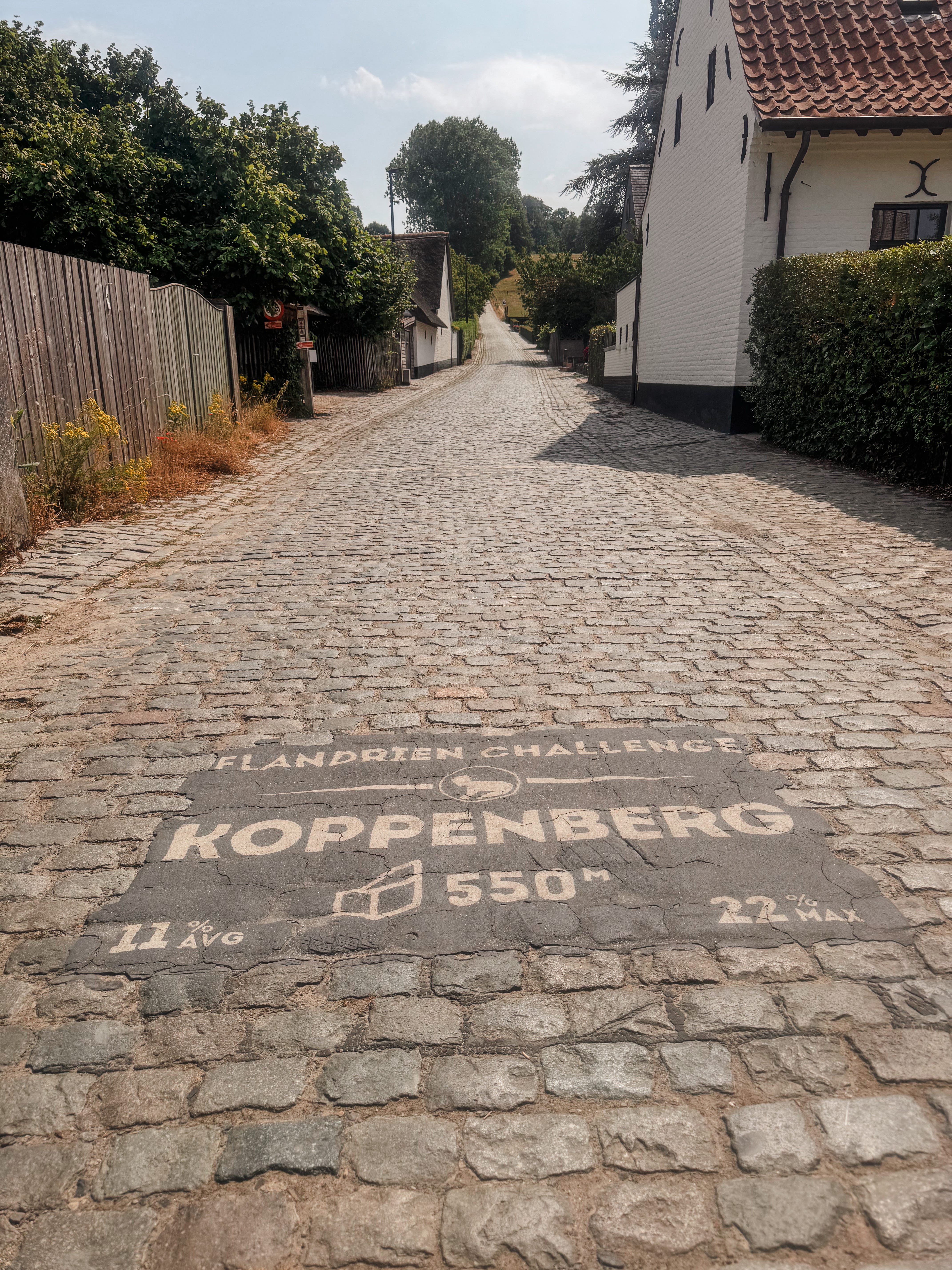
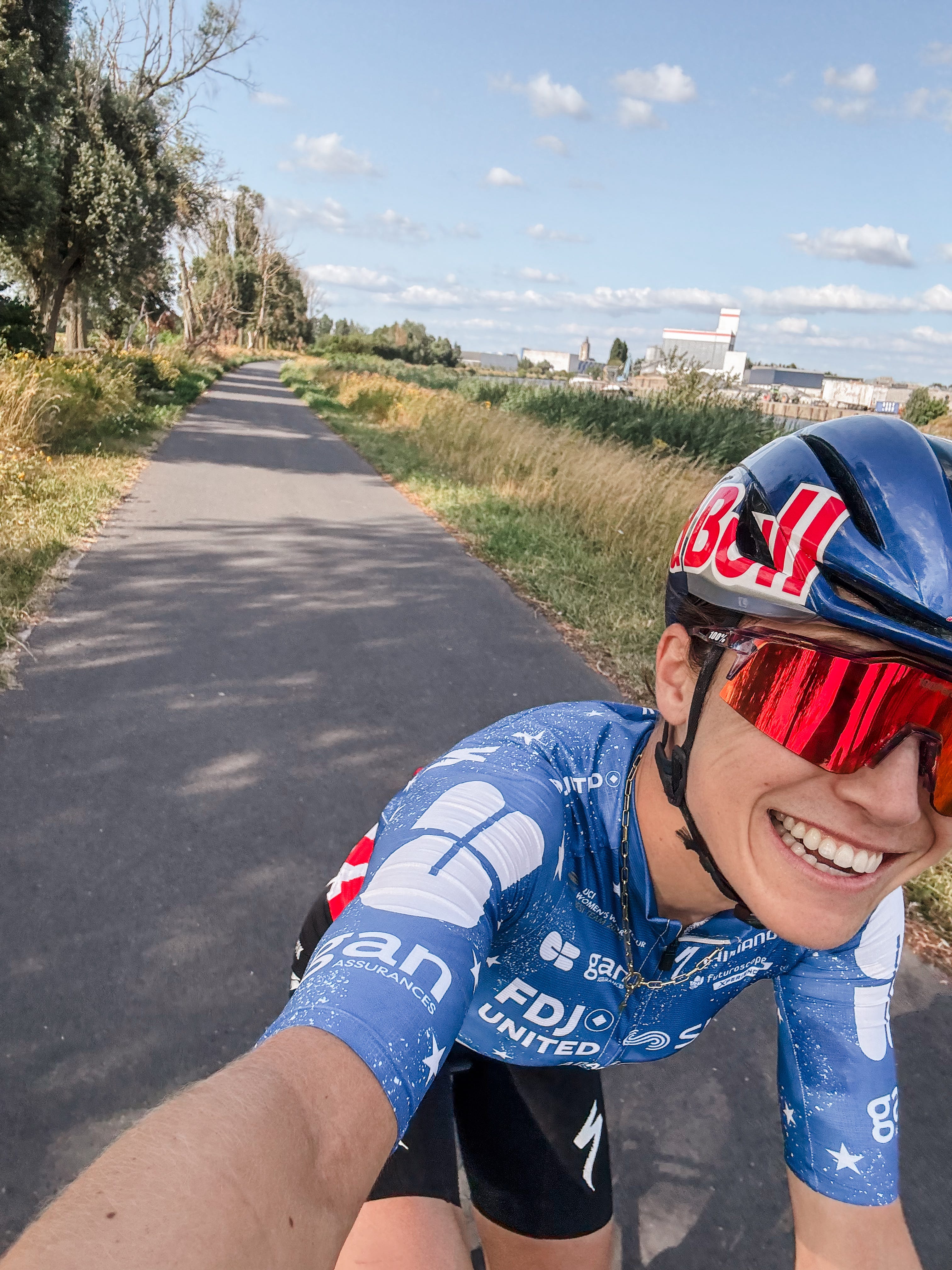
The very next day, I stood nervously inside a bar waiting to pick up my number. Outside, the town was shutting down its main square. Hundreds of racers had arrived on a Wednesday evening in Deinze. Older men smoked cigarettes along the cobbles and cheered halfheartedly for the junior race.
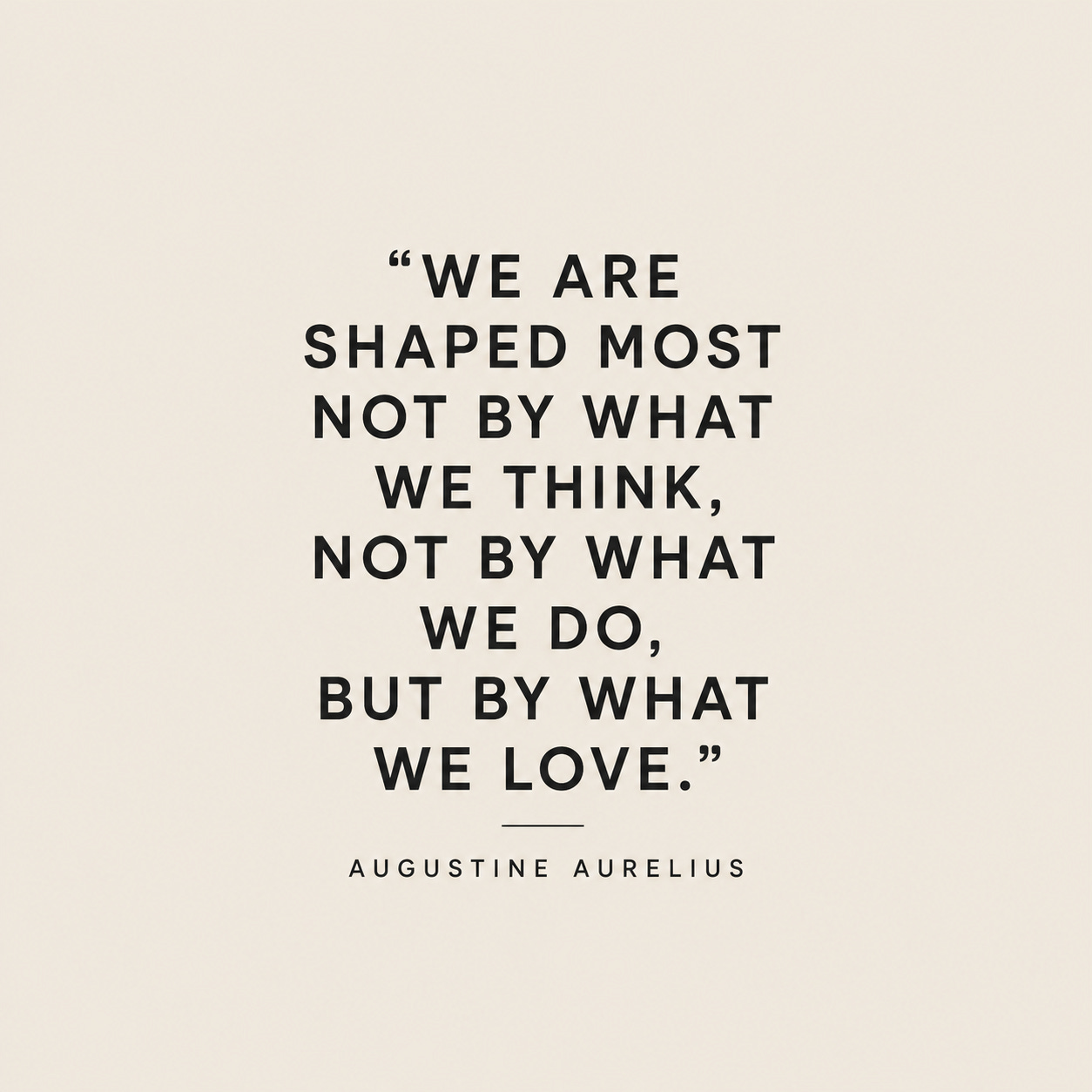
I was instantly enamored with the magic of this place, filled with people who love what I love.
The course, on the other hand, was a house of horrors. Wind. Cobbles. Cracks in the road. And not one meter of elevation to get myself out of the chaos. It was time to really commit to learning.
Over the next five days, I spent nearly eight hours deliberately practicing how to move through the bunch, work with the wind, understand team tactics and push myself to make brave attacks.
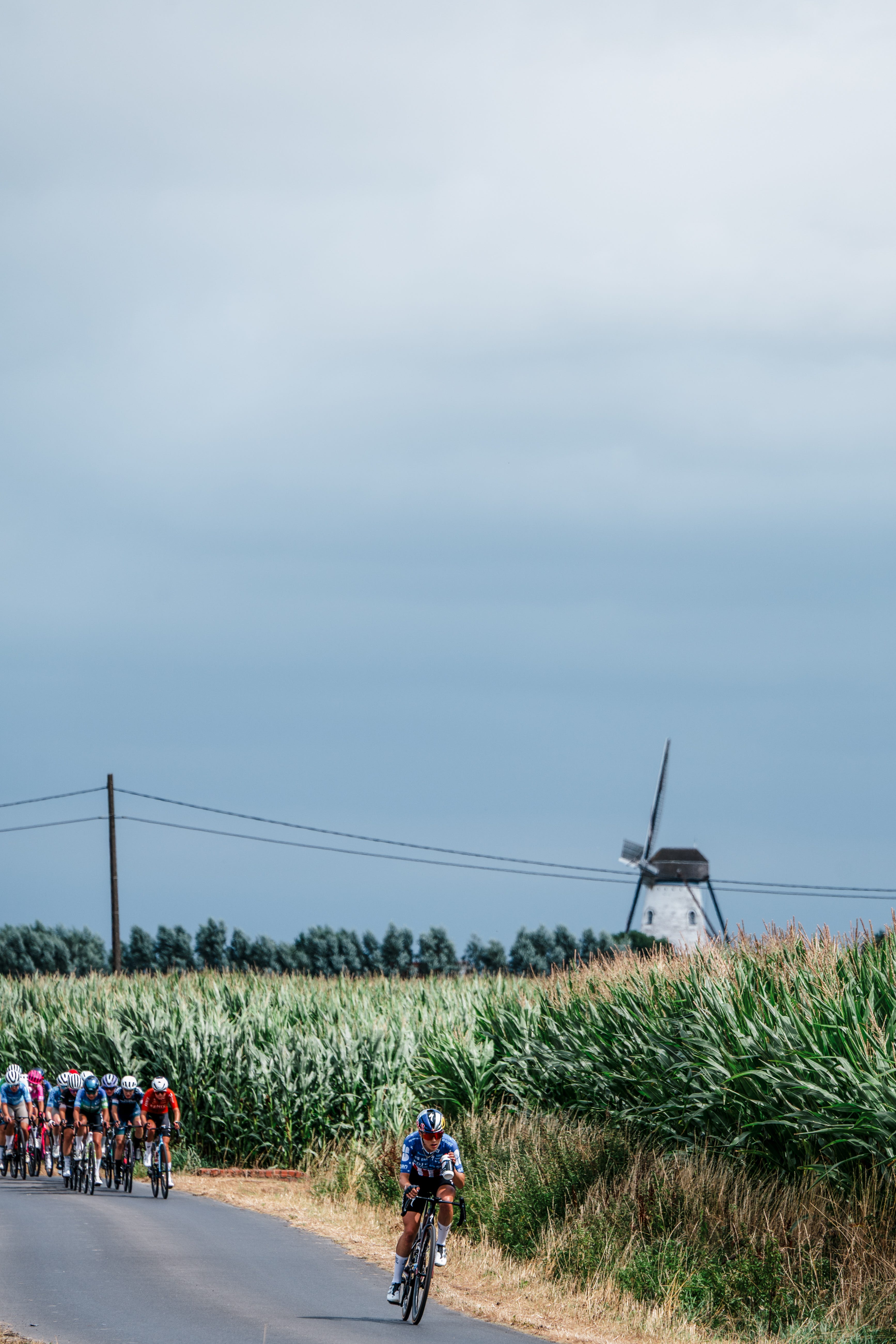
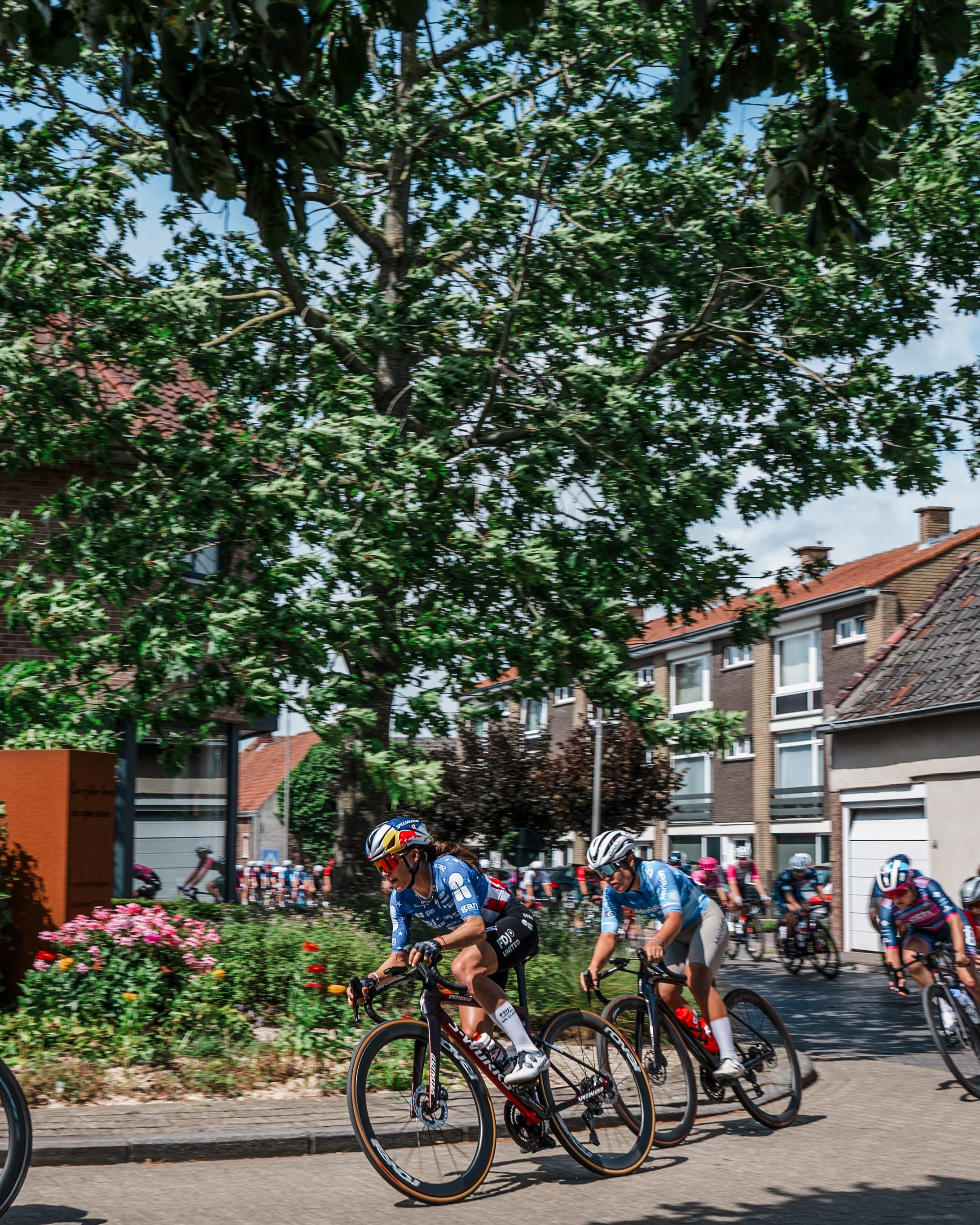
And on that final day, as I felt like I was starting to get the hang of things, my head unit froze. I took it as a chance to dive even deeper into the moment. I didn’t check the numbers or the time we had been racing. I kept my eyes up, observing the bunch and looking for opportunities to make a difference.
Again and again, I attacked and tried to force a group clear. Each time, the race came back together. And each time it did, I took a deep breath and pretended it was a fresh start.The next move was the only one that mattered.
Without the numbers that I thought would keep me safe, I found myself instead free to push the limit of my abilities.
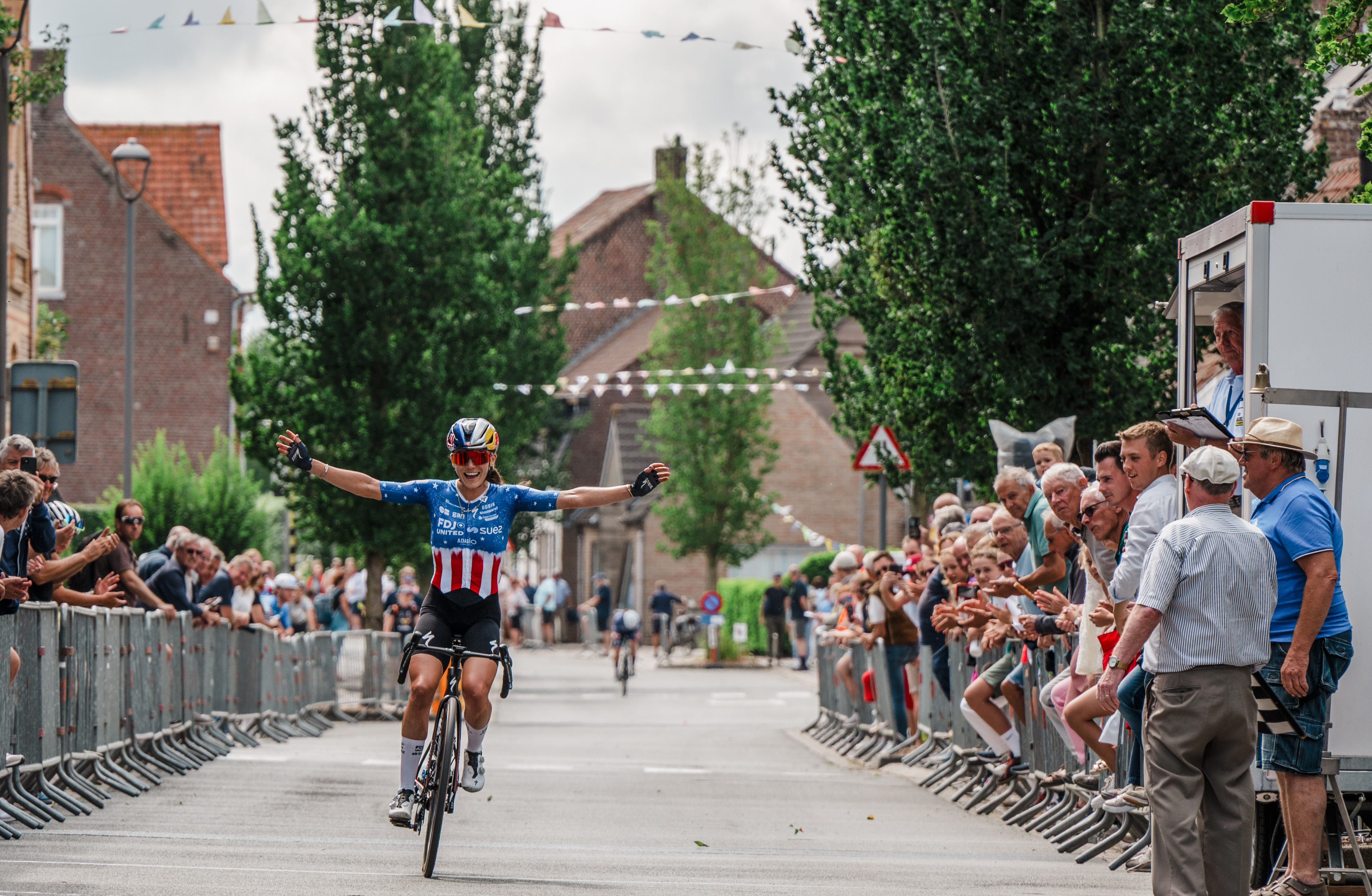
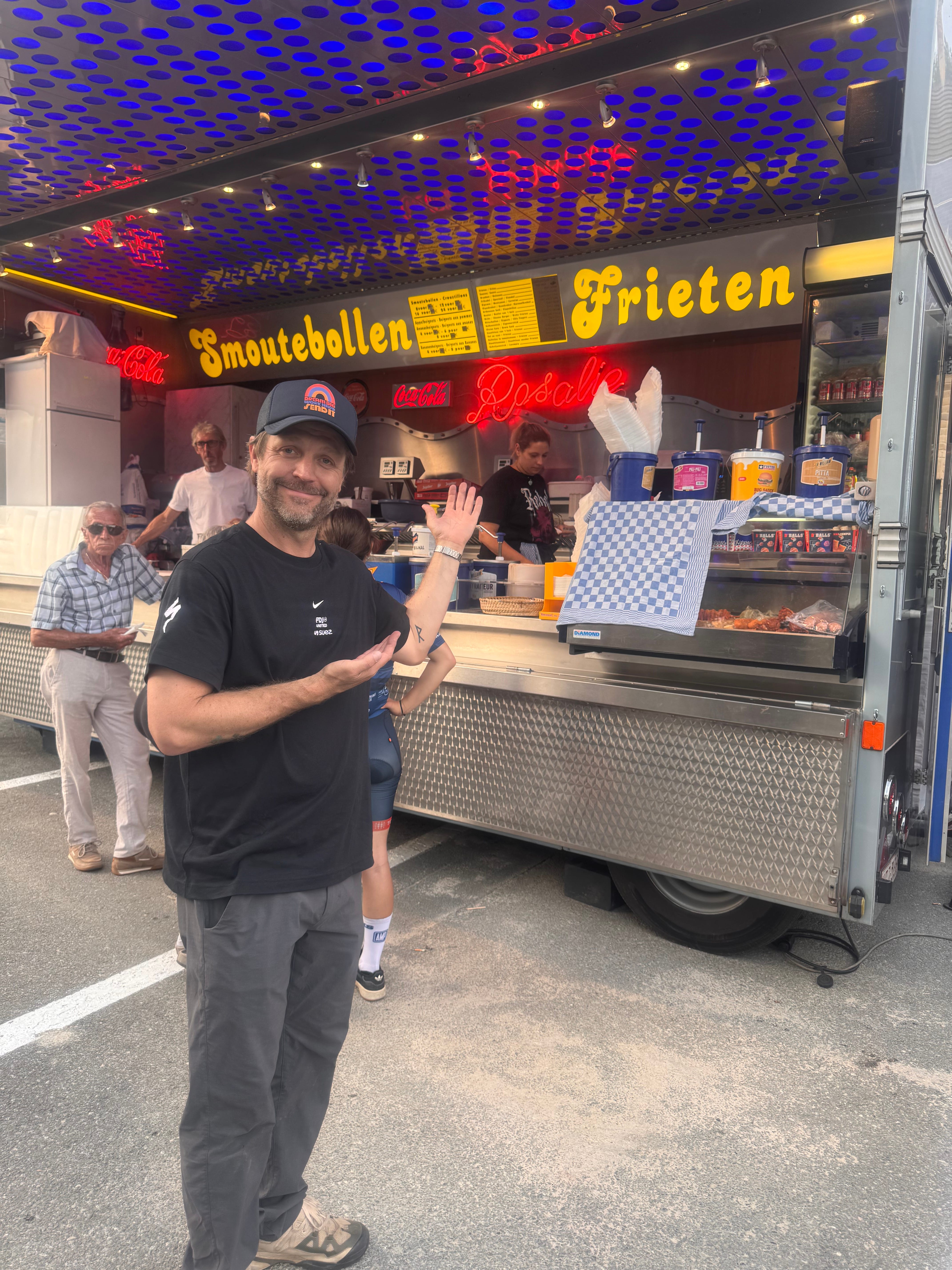
On the final lap, I positioned myself well in the crosswind, railed a tight cobbled corner and attacked over the top of a small rise in the road. I won a sprint to the finish line and raised my hands to the light applause of the locals on the sidelines drinking beers and eating frites and delighting in the joy of racing no matter the level.
It was perfect.
I expected that the racing would be unpredictable, challenging and to push the edge of my adaptability.
What I had not expected was how much I would love it. Or how free I would feel racing in an environment that brought me back to the heart of competition, to what it feels like to race like a kid who simply loves the thrill of the chase.
I certainly still have a lot to learn and the Kermesse circuit is a far cry from the World Tour bunch. But what I felt on my bike in Belgium - racing through city centers, exploring historic cobbled climbs and winding my way through a place laced with history and deep appreciation of this sport - planted so many seeds of inspiration for me on this journey.
The experience proved how badly I want to learn. How deeply I love to race. And how committed I am to leaving no stone unturned, not only in pursuit of performance, but in my experience of this unique opportunity in my life.
Racing in Belgium was a beautiful reminder of what is possible when we are willing to venture beyond the map that we have so diligently charted. There are places to be explored that we simply cannot know unless we are willing to abandon the comforts of what we can picture in our minds or measure with a number on a screen.
Sometimes, it is terrifying to let go of the map and chart your own path forward.
But in those moments I try to remember…
The one who made the map had no map.
We always want more information. But when might not knowing be the biggest opportunity?
Thanks for reading The Monday Mantra! This post is public so feel free to share it.
No posts
Comments
Nothing yet. Say the first thing.
Sign in to join the conversation.