
In the late Roman Republic, a faction seized power through a legal procedure used as a weapon.
Sulpicius, a tribune of the plebs allied with the aging general Gaius Marius, pushed through a popular assembly a vote to strip Sulla of his command against Mithridates of Pontus. A command the Senate had already assigned to him was handed to Marius instead. The move was legal, but It also became a raw seizure of power dressed in republican attire.
And Sulla was not the man to sit with this conspiracy.
He marched his legions on Rome, the first Roman general to do so in the Rome’s history.
Marius and Sulpicius fled the city.
Sulla proceeded to restored order, repealed the offending legislation, and left for Greece to fight the war against Mithridates, who managed to take Greece already.
The moment he was gone, the other side struck back.
Cinna, as one of the consul, and the returning Marius retook Rome by force.
Appian describes in his Civil Wars that this seizure of Populares was a tyranny, rather than a liberation. Many senators were killed, property of nobles and aristocrats was seized or burned down, opponents of this coup were driven into exile or executed.
He expands by saying that Rome was treated as if conquered by foreign power:
“Cinna and Marius… treated the city as if it had been captured by an enemy. There were ruthless and indiscriminate massacres of citizens… Some were proscribed, others banished, property was confiscated…”
Populares later declared Sulla as the public enemy of Rome. Moreover, his houses were burned, and an army was dispatched to arrest him while he was in the middle of fighting Rome’s enemies in the East.
Today we will dive deeper into one of the darkest periods in Roman history, and see what we can learn from it about fighting the tyranny.
Reminder: Our publication is readers-supported. This article is free but if you’d like to support our work and get access to more articles consider becoming a paid subscriber. You will get:
2 new and deep articles each week based on ancient sources
Access to our Roman battle series, where we have broken down 9 important Roman battles that teach us strategy
Full archive of content
Eternal gratitude
Become a part of fastest growing Roman publication on this platform. For only $50 a year. $4 a month. 13 cents per day.
News of Rome reached Sulla through the men, who had escaped the purges and carried word of what Rome had become.
He moved to end the Mithridatic War on terms faster than he would have preferred, securing a peace that left some matters unresolved but freed his army to fight in Italy.
When a consul sent to confront him arrived with his legions, the soldiers refused to fight. They stabbed their own commander rather than face Sulla’s veterans. The general then set sail for Italy.
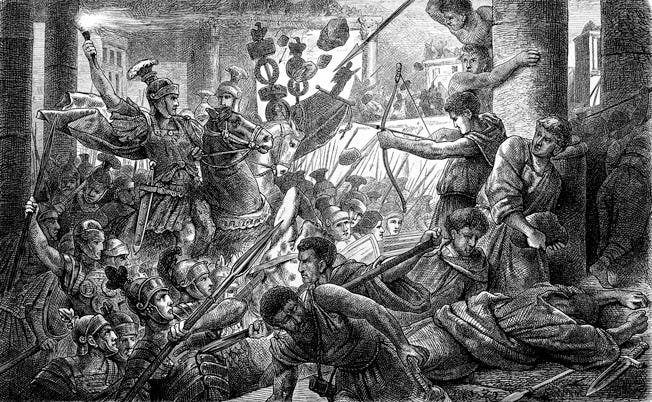
The Marian faction scrambled to meet him. They raised a new army and placed Gaius Marius the Younger in command, the son of the old general, who had died during his brief and violent tenure during Cinna’s consulship. The son did not have his father’s ability to win wars, nor his experience, so he was no match for experienced Sulla and his veterans.
The decisive engagement came at the Colline Gate in 82 BC, where Sulla broke the last Marian resistance outside the walls of Rome itself. The civil war was over.
When Sulla had first marched on the city years before, he had answered the Senate’s envoys the same way each time they came to ask why a Roman general was leading legions against Rome. His answer, recorded by Appian, was three words:
“To deliver her from tyrants.”
Sulla believed in his mission. He was prepared to save Rome from a tyrannical faction, but at the end he forgot about his mission.
Lucius Sulla proves that during times of tyranny, no one will save you except yourself.
The Marian faction had seized Rome, burned his houses, outlawed him by name, and sent an army to arrest him while he was fighting their wars.
The Senate was paralysed. The institutions had been captured.
There was no legal way left because the people who controlled the law were the problem. Sulla could have waited, could have finished the Mithridatic campaign, returned as a private citizen, and trusted that thee Republic would sort itself. And had he done it, he would have been dead within a month.
Instead he marched to Rome.
And it worked. The purges started by Marius stopped, and faction that had been butchering senators and confiscating estates was defeated.
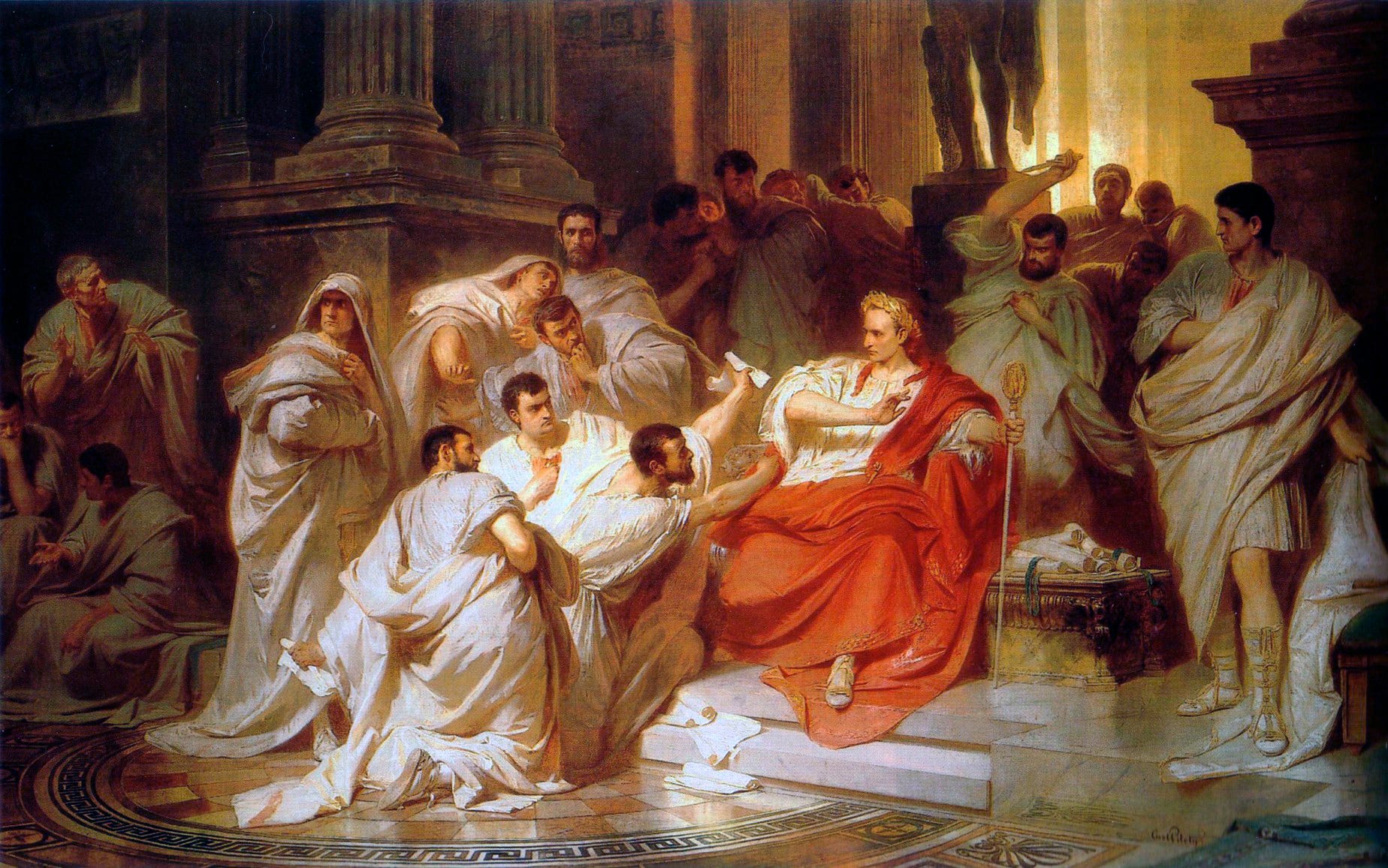
The lesson is that corrupt power does not negotiate and does not wait. The longer you allow it to grow, the more it grows and starts to advance on you. The only thing that stopped the Marian regime was a general who decided that the rules had already been broken by the other side, and acted accordingly.
Sulla fought when fighting was the only option left. And it helped to restore order.
Now a sole master of Rome, Sulla had every opportunity to restore the Republic. But instead he had fallen to the trap, that unchecked power always creates.
After his victory at the Colline Gate, Sulla had a choice, could have restored order.
He could have restored institutions to their intended purposes, dismantle Populares dependency on the tribunes and repair corrupted institutions. Sulla was a dictator of Rome and had the authority to do just that.
Sulla did restore some institutions. But he also published proscription lists.
These were the lists of Rome’s enemies. Anyone on the list could be killed on sight, with impunity. The killer received a financial reward, while victim’s property was seized by the state. There was no trial or appeal. The first lists contained about eighty names, men involved in the Marian regime. Then the lists began to grew.
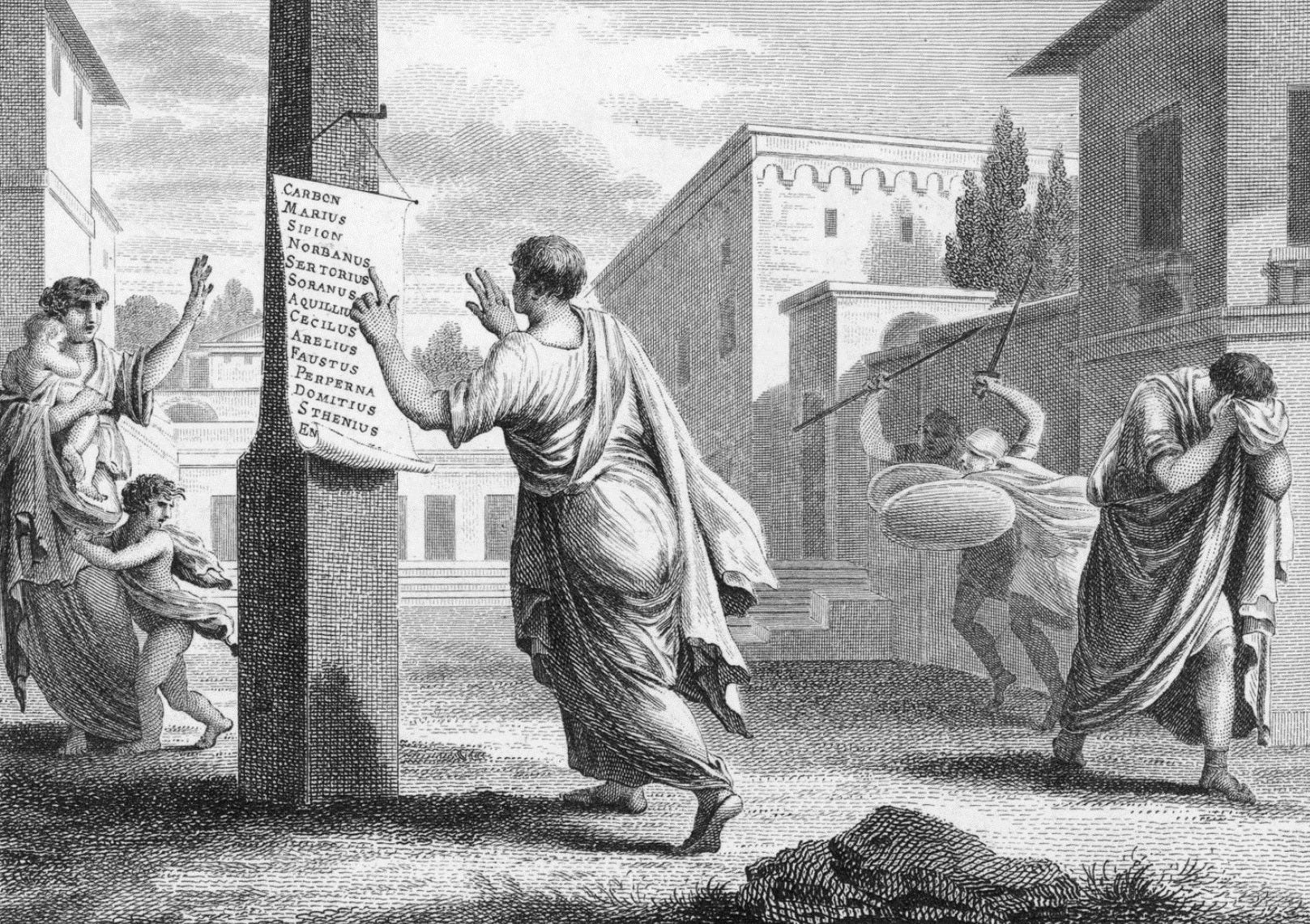
Plutarch describes how the proscription have started:
“Sulla now published a list of eighty persons who were to be put to death without trial. Rewards were offered to any who should kill those whose names were on the list, and threats of death to those who should shelter or conceal them. He also confiscated their property and sold it at auction…”
Appian’s account later expands, that the lists began to grew with Sulla’s own enemies. They also became began to include men, whose only crime was too much money:
“Sulla proscribed all whom he suspected of having been his enemies… Many were killed… Their property was confiscated and sold… The proscriptions continued for a long time…”
Rome’s streets, which had run with blood under Marius and Cinna, painted red again.
The dictator who had marched on Rome to free it from tyrants had become a tyrant himself.
The method was identical to what he had fought against, power used without constraint, uncivilised violence towards his own people and corruption of the Senate to serve one man’s interests rather than the Republic’s.
After 3 years Sulla abdicated.
He gave up his dictatorship to retired to his estate in Campania. He later died there in 78 BC. With that he became the last Roman dictator of the Republic to voluntarily relinquish power.
That fact is genuinely unusual and worth acknowledging.
But abdication did not undo the proscriptions. The men killed were still dead. The precedent was set. Within a generation, Julius Caesar would march on Rome again, many more times this would repeat in Imperial era.
Sulla’s story gives us two lessons about the fight against the corruption.
The first: there are moments when institutions have failed badly enough that waiting for them to self-correct is suicidal. Sulla was right that the Marian faction had to be fought. His willingness to act, when no one else would, ended a genuine reign of violence.
The second: the man who defeats a tyrant through force gains everything needed to become one. The army, momentum, and grievances set by former regime can seduce anyone. Especially glory driven Sulla. He used same methods he fought against and at the end became no better than a faction he fought against.
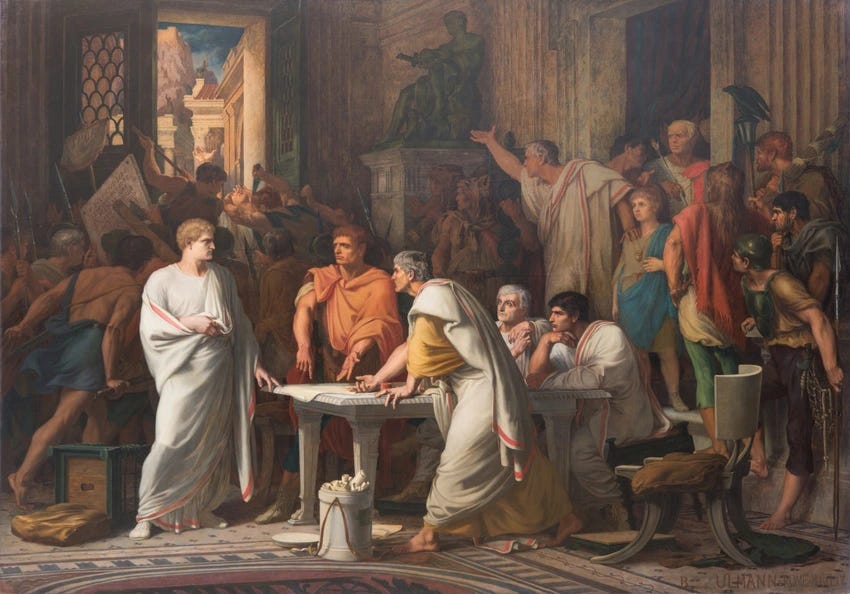
History rarely produces clean heroes in civil conflicts.
The populares were not only monsters, and Sulla was not a saviour. Both sides used violence when it served them. Both sides tried to justify it in the language of Roman values.
The only difference is that Sulla won.
What the Republic could not survive was not Marius or Sulla, but the precedent that legions could decide political questions and grant ultimate power to one man.
Once Sulla demonstrated that marching on Rome was possible and could succeed, the Republic’s fate was sealed. The question was only who would do it next.
No posts
Comments
Nothing yet. Say the first thing.
Sign in to join the conversation.