
The first four parts of this series moved from the foundations of naval power to the people expected to employ it. Foundry examined the industrial base that builds and sustains the fleet. Fleet turned to maritime strategy and the use of naval power. Fight moved closest to combat, while our first Total Sailor installment focused on character, discipline, purpose, and self-command.
This final installment turns further inward. Rather than ships, strategy, or warfare, the remaining Total Sailor categories focus on the individual: Competence, Decision-Making, Nutrition & Fitness, and the Whole Person. The books range from developing expertise and designing systems around how people actually think, to making better decisions under uncertainty, improving physical performance and sleep, and building resilience over the long haul. They approach readiness from a different angle, asking what a Sailor can do to think better, perform better, and continue developing throughout their career.
We have brought all four remaining categories together here to complete the CNO’s Professional Reading Program in one final part. The format is a little tighter than earlier installments. Still, the underlying idea is worth preserving: naval power ultimately depends on people who can learn, decide, adapt, endure, and perform when the demands are highest. Before moving into the final group, the links below will take you back through the first four parts of the series.
If you are new to The Military Reading Room, subscribe to follow our continuing coverage of military history, strategy, professional reading, and the profession of arms.
By Cal Newport, Grand Central Publishing (September 18, 2012), Hardcover, 304 pages
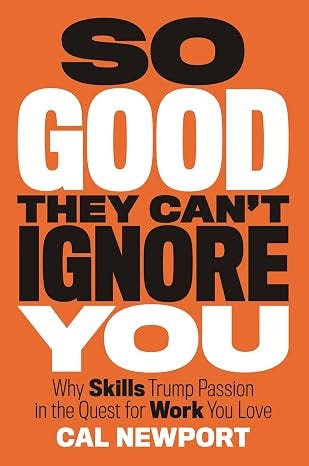
So Good They Can’t Ignore You argues that fulfilling work is more often built by developing rare and valuable skills, gaining greater control over how those skills are used, and pursuing meaningful goals than by simply trying to “follow your passion.”
By Don Norman, Basic Books (November 5, 2013), Paperback, 368 pages
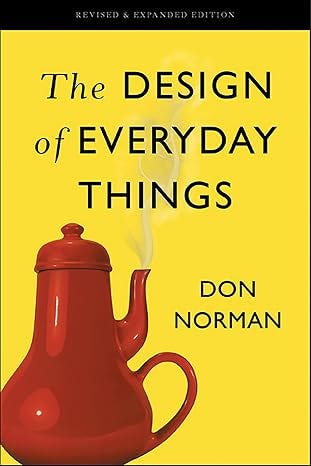
The Design of Everyday Things explains how human-centered design, clear feedback, and an understanding of how people think and behave can make products and systems easier to understand, safer to use, and less error-prone.
By Daniel Coyle, Bantam (April 28, 2009), Hardcover, 288 pages
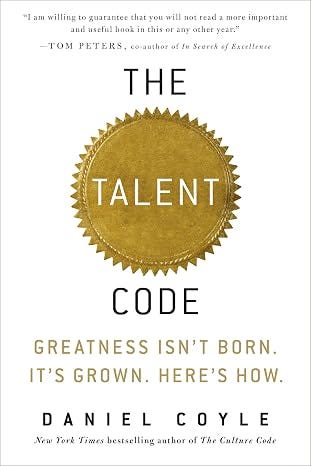
The Talent Code argues that exceptional skill is developed through deep practice, effective coaching, and sustained motivation, showing how deliberate effort can build talent far more reliably than relying on natural ability alone.
By Annie Duke, Portfolio (February 6, 2018), Hardcover, 288 pages
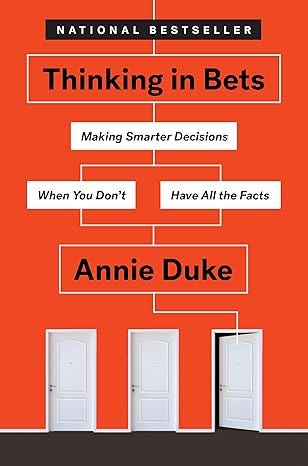
Thinking in Bets explains how to make better decisions under uncertainty by separating the quality of a decision from its eventual outcome and learning to think in probabilities rather than certainties.
By Steven Johnson, Riverhead Books (September 4, 2018), Hardcover, 256 pages
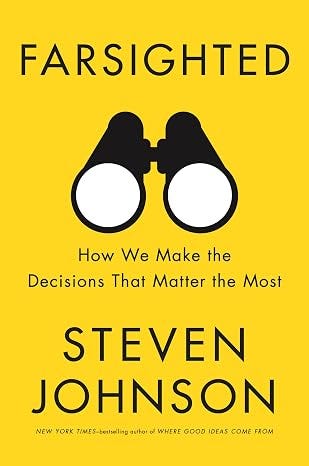
Farsighted examines how people can make better high-stakes, long-term decisions by deliberately exploring multiple options, considering competing perspectives, and thinking through how choices may unfold over time.
By Dan Ariely, Harper (May 19, 2009), Hardcover, 400 pages
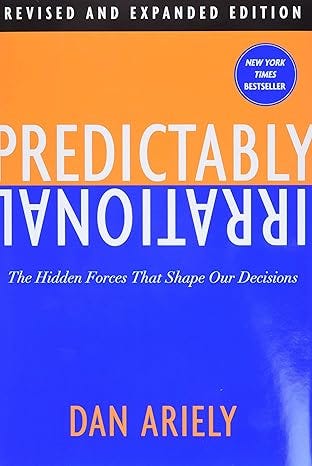
Predictably Irrational explores how hidden biases and psychological forces systematically shape everyday choices, showing why people often make predictable mistakes even when they believe they are acting rationally.
By Dr. Marc Bubbs, Chelsea Green Publishing (May 24, 2019), Hardcover, 384 pages
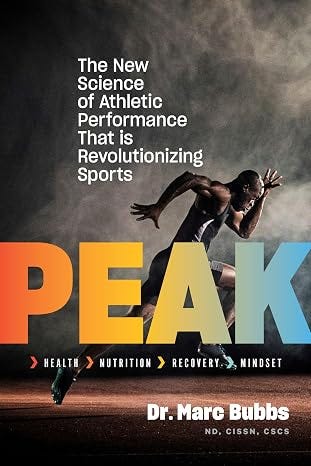
Peak explains how athletes can improve performance by integrating training with evidence-based approaches to nutrition, recovery, sleep, and mindset rather than treating physical preparation as exercise alone.
By Zach Schonbrun, E P Dutton (January 1, 2018), Hardcover, 341 pages
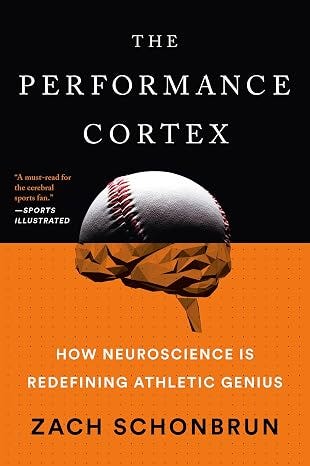
The Performance Cortex explores how the brain shapes movement, skill, endurance, and athletic decision-making, arguing that elite performance depends as much on neural processing and learned coordination as on physical strength and conditioning.
By Matthew Walker, PhD, Scribner (October 3, 2017), Hardcover, 368 pages
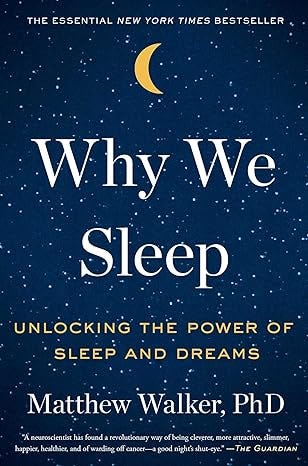
Why We Sleep examines how sleep affects memory, learning, emotional regulation, physical health, and performance, arguing that sufficient, high-quality sleep is a basic requirement for functioning well rather than a luxury to be sacrificed.
Know someone working through the CNO’s reading program or building a professional reading list of their own?
By Angela Duckworth, Scribner (May 3, 2016), Hardcover, 352 pages
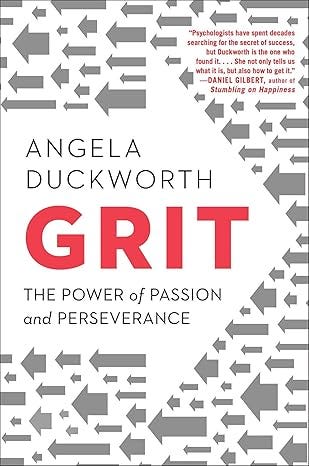
Grit argues that long-term achievement depends less on talent alone than on sustained passion, perseverance, and the willingness to keep improving through difficulty and setbacks.
By David Goggins, Lioncrest Publishing (December 2, 2018), Hardcover, 364 pages
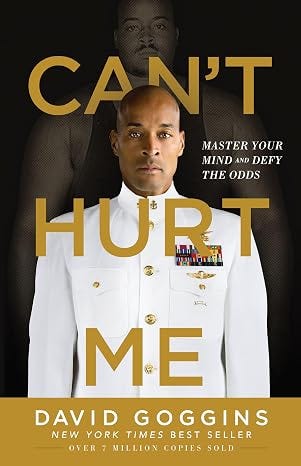
Can’t Hurt Me combines David Goggins’s memoir with lessons on discipline, resilience, and mental toughness, showing how deliberate effort and repeated exposure to discomfort can help people push beyond self-imposed limits.
By Alfred Lansing, Basic Books (April 4, 2014), Kindle, File size 27.9MB
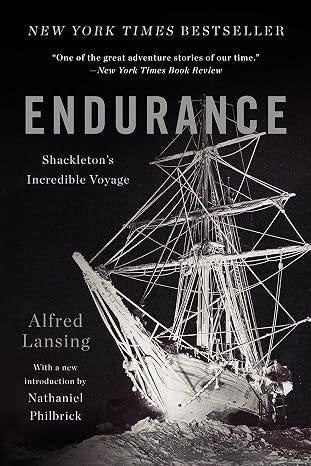
Endurance recounts Ernest Shackleton’s failed Antarctic expedition and the extraordinary struggle that followed, showing how leadership, discipline, teamwork, and perseverance helped his crew survive one of the most severe ordeals in the history of exploration.
With these final four Total Sailor categories, we have now worked through the full CNO Professional Reading Program, from the industrial foundations of naval power to fleet operations, combat, character, competence, judgment, physical readiness, and personal development.
The books covered very different subjects, but they all point back to the same basic requirement: a capable Navy depends on capable Sailors. Ships and weapons matter, but so do judgment, professional knowledge, resilience, and a willingness to keep learning.
Which book from the CNO’s reading program would you most recommend to another Sailor, and why?
If this series has been useful, send it to someone who might benefit from working through the CNO’s reading program.
Share The Military Reading Room - History, Strategy, and Insight
Tags: Reading Lists, CNO Reading List
Comments
Nothing yet. Say the first thing.
Sign in to join the conversation.