
The saying “distance makes the heart grow fonder” has been on my mind recently. There’s something to be said about the power of reconnecting after a period of separation—and, in some way, wanting to reconnect because of that separation.
That’s how I feel when it comes to exploring design from my own cultural lens. Stepping away—metaphorically but also physically—has given me a new perspective, and now I feel compelled to recalibrate that lens and dig deeper. Only, in doing so, I’ve uncovered a new challenge: finding the material to actually dig into.
I’ll be honest, this first post was meant to be a deep dive into Saudi graphic design history—reconnecting me with where I grew up. Now, it’s morphing into a personal lightbulb moment: the need for a dedicated design archive.
A design archive serves as a collection of materials for designers and educators—and anyone curious about the visual history and identity of a certain place or object. This makes it incredibly valuable for researchers as well as designers looking to be inspired. And sadly, in today’s Pinterest-heavy (no shade, I personally love Pinterest too!) and AI-fuelled world … archives are often too easily overlooked.
Okay, so let’s dive into a specific example.
Take, for instance, stamps from the Hijaz region—the Western region of Saudi Arabia (where I happened to grow up). It’s known for its cultural diversity since many pilgrims have traveled far and wide to visit and then settle in the region (the presence of both Mecca and Medina, both key religious and historical sites, were a big motivator).
The Hijaz, an Arabic word meaning ”barrier” or “separation” (a name based on its geography) was under the control of Egypt and the Ottoman Empire before becoming an independent state (1916) and being ruled as the Kingdom of Hijaz and Nejd (1926) and then unifying into what is now the Kingdom of Saudi Arabia (1932).
Here’s a close look at some of the stamps spanning that time period—with the last four images being from around 1924-1925:
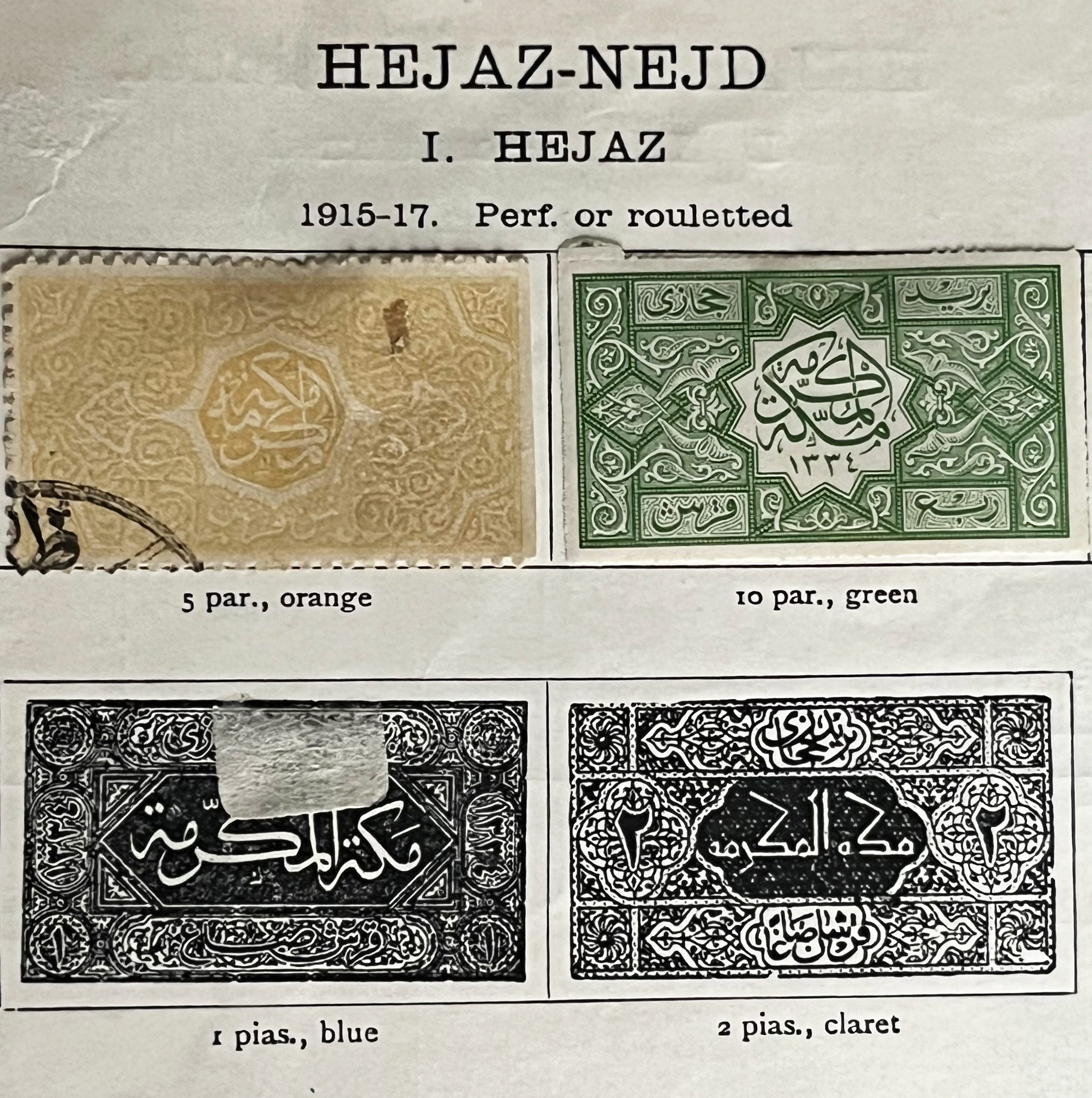
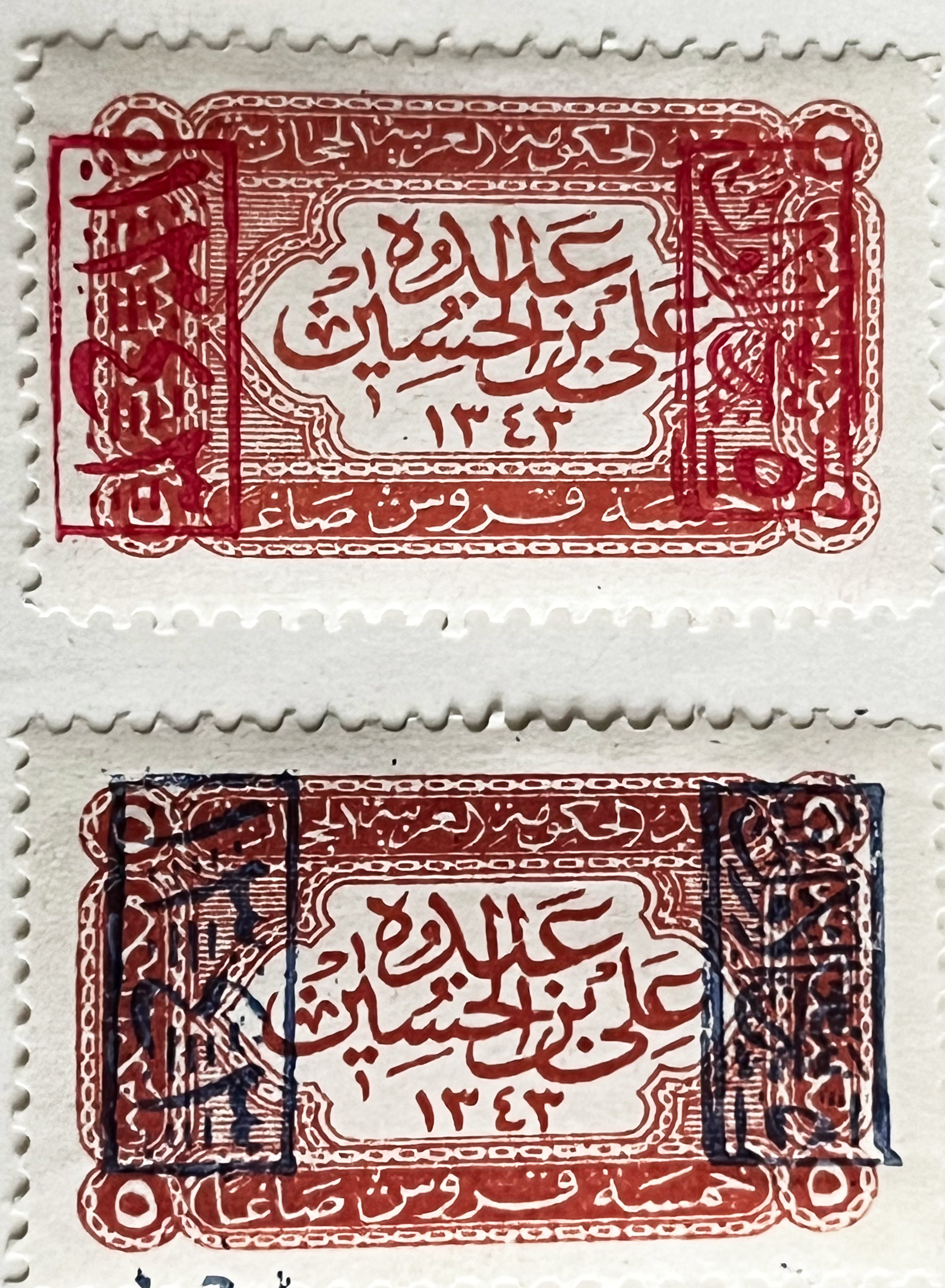
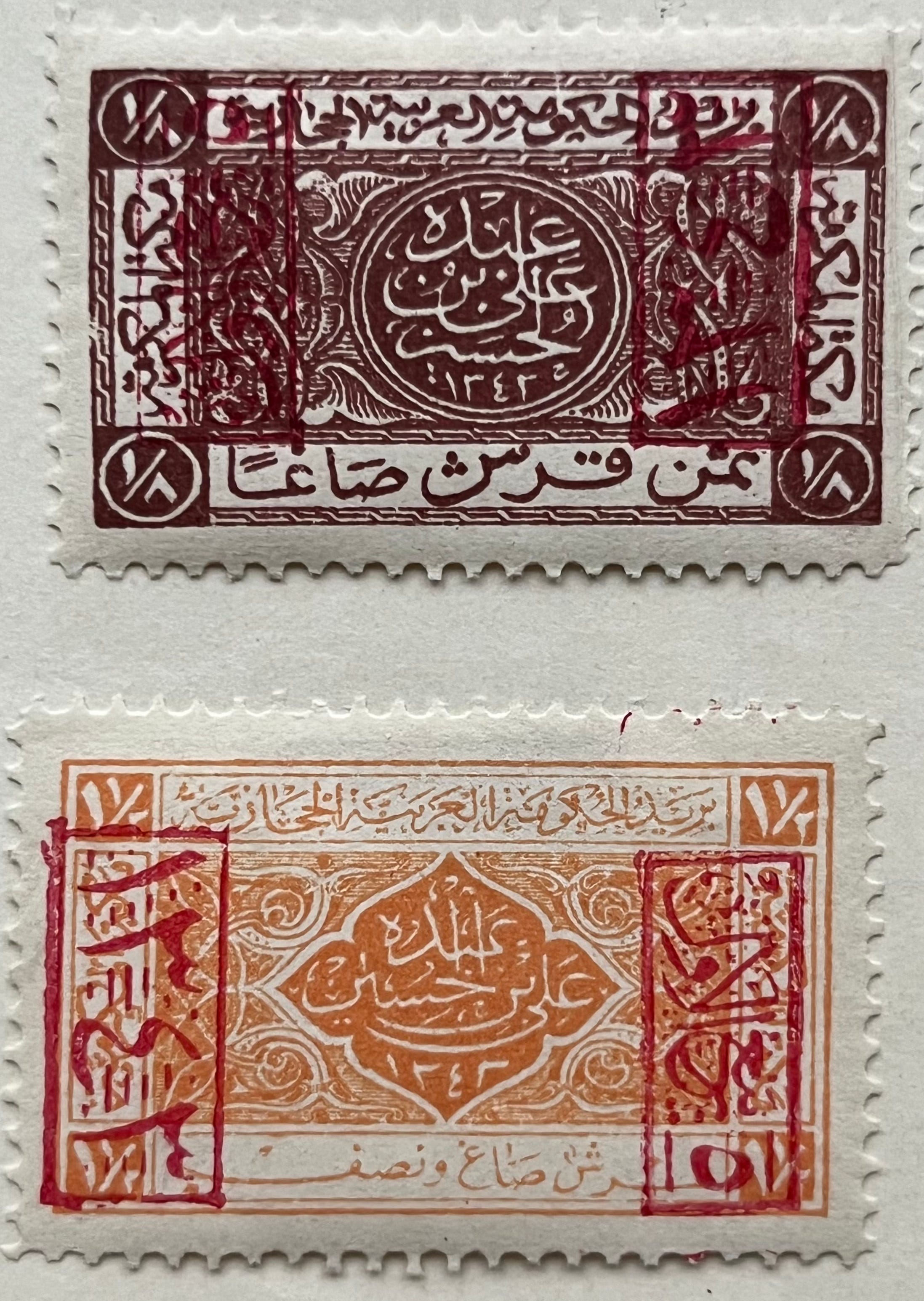
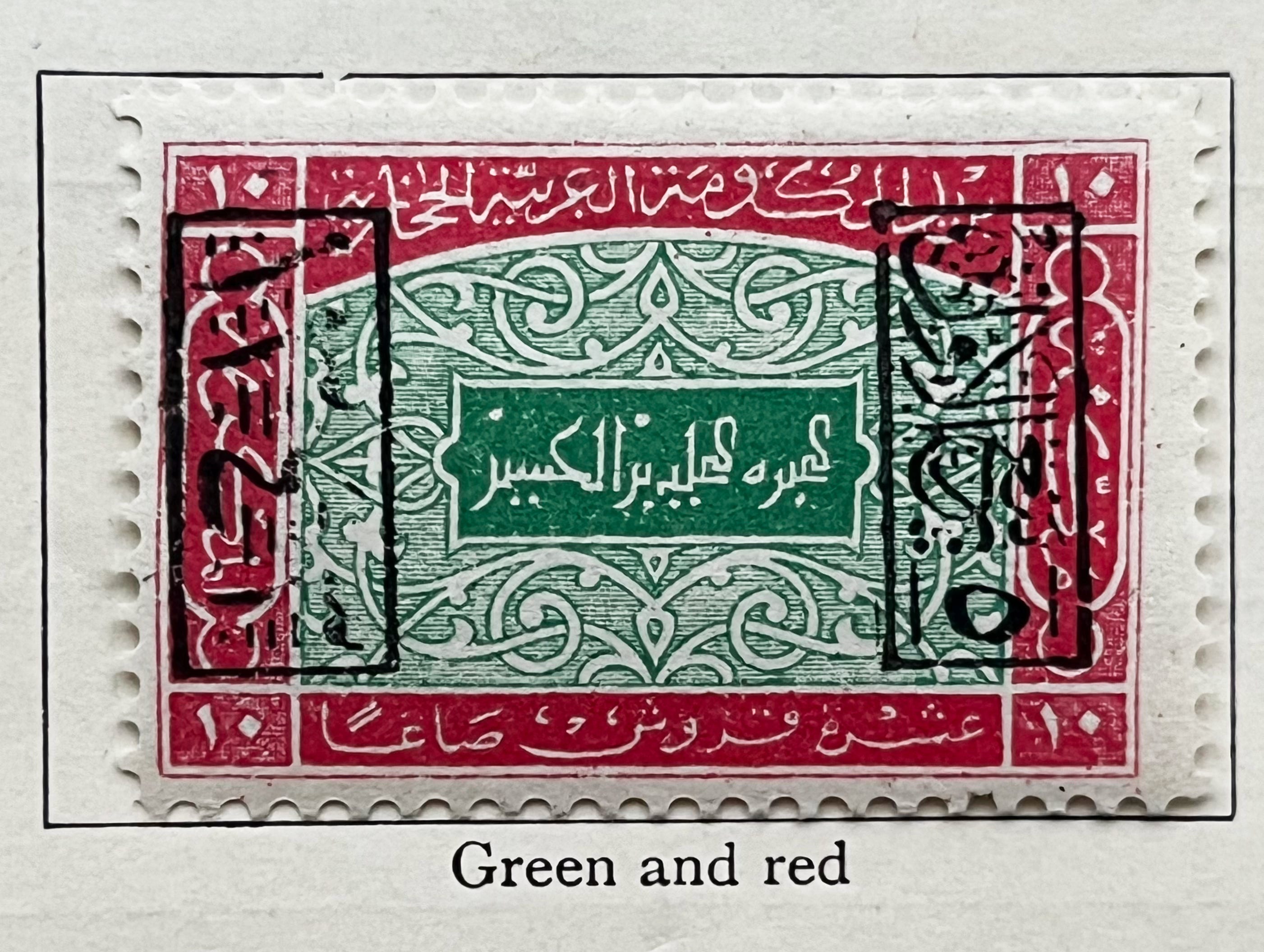
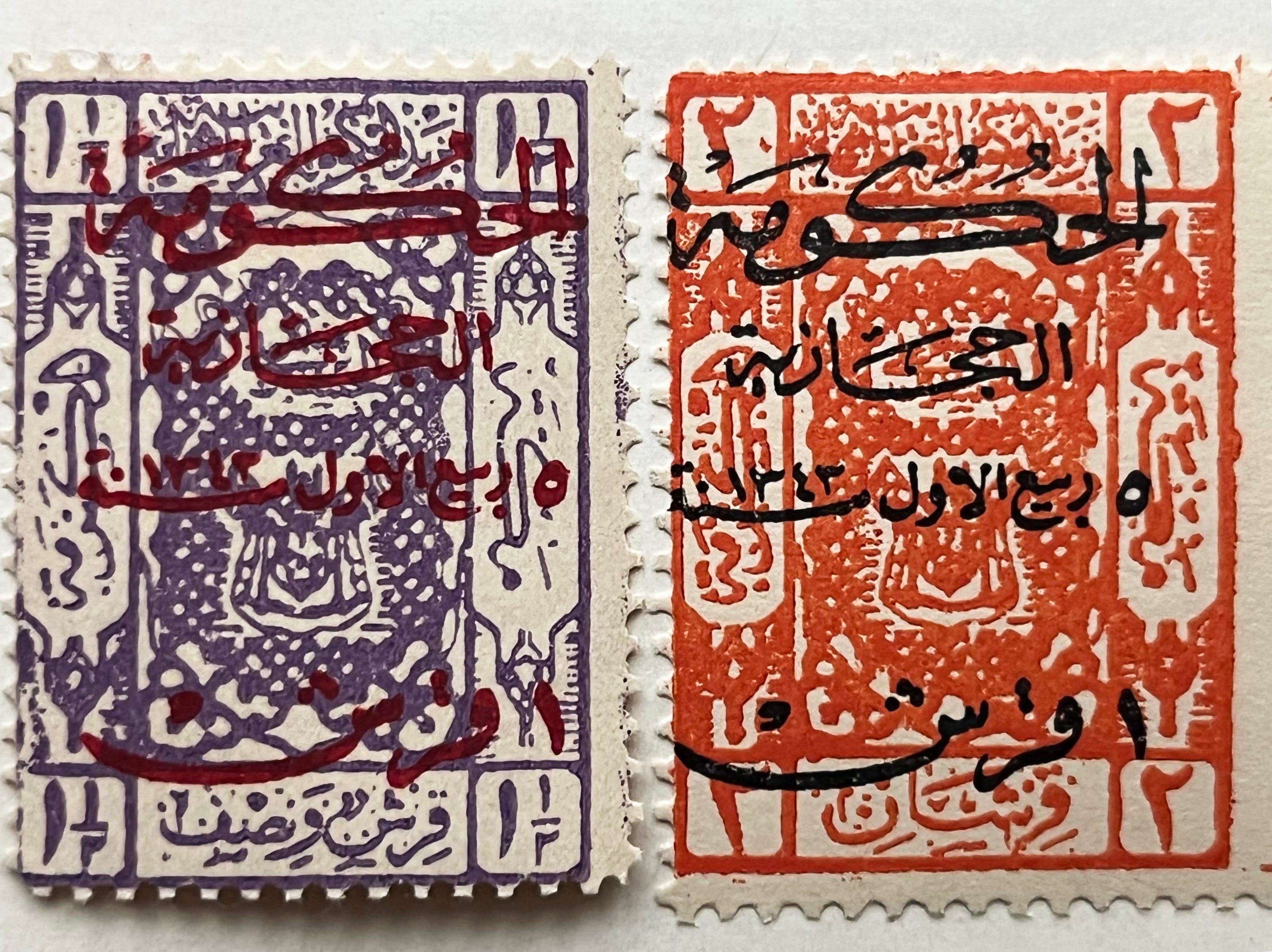
These stamps were once in circulation, used by people across the land, and they depict a visual identity of the region. For researchers, there’s so much to glean—the history, tools, and design expression being just a few. For designers, there’s so much inspiration to draw from: the typography, the patterns, the shapes, the colors, and even the layouts. For the hyperglot—define that however you like—there’s a ton to sponge up: the curiosity of a different time, culture, language, and visual expression.
And this is all just a glimpse into one place through one lens. Imagine the richness we can uncover with a dedicated archive spanning more than just one region, time period, and object!
Moving forward, I want to focus more of my energy on contributing to these efforts and building a design archive. This takes me right back to the beginning of my post—the problem I faced with the lack of materials.
Leave it to me to kick off a project by announcing the start of another one. That said, I still want to keep exploring other cultures, languages, and designs from around the world—archives too—and hope you’ll join me for the ride.
P.S. It’s Nice That has an article covering some super cool archives you can start exploring if this is an itch you can’t wait to scratch. And the Casual Archivist is a great place to start right here on Substack.
No posts
Comments
Nothing yet. Say the first thing.
Sign in to join the conversation.