
In 2012, Apple built the Mac Pro in Austin, Texas. It was a pretty cylinder. It was also a sales dud.
Fourteen years later, Tim Cook stood in a 250,000-square-foot Houston plant and cut a ribbon. Commerce Secretary Howard Lutnick stood right beside him. The press release said “hundreds of millions of dollars.” The real message said “please don’t tariff us.”
But under the show, there’s a real story. Apple now builds its own AI servers on U.S. soil. They shipped ahead of schedule. Mac Minis will soon be made in Texas for the first time. That’s not PR fluff. That’s a supply chain choice with real margin impact.
Let’s look under the hood.
Apple just crossed a historic milestone. The company reached a New product launches, growing interest in foldable phones, and a leasing program built to drive more frequent upgrades. One thing is clear: The smartphone isn’t going anywhere. It’s becoming even more valuable. That’s exactly why
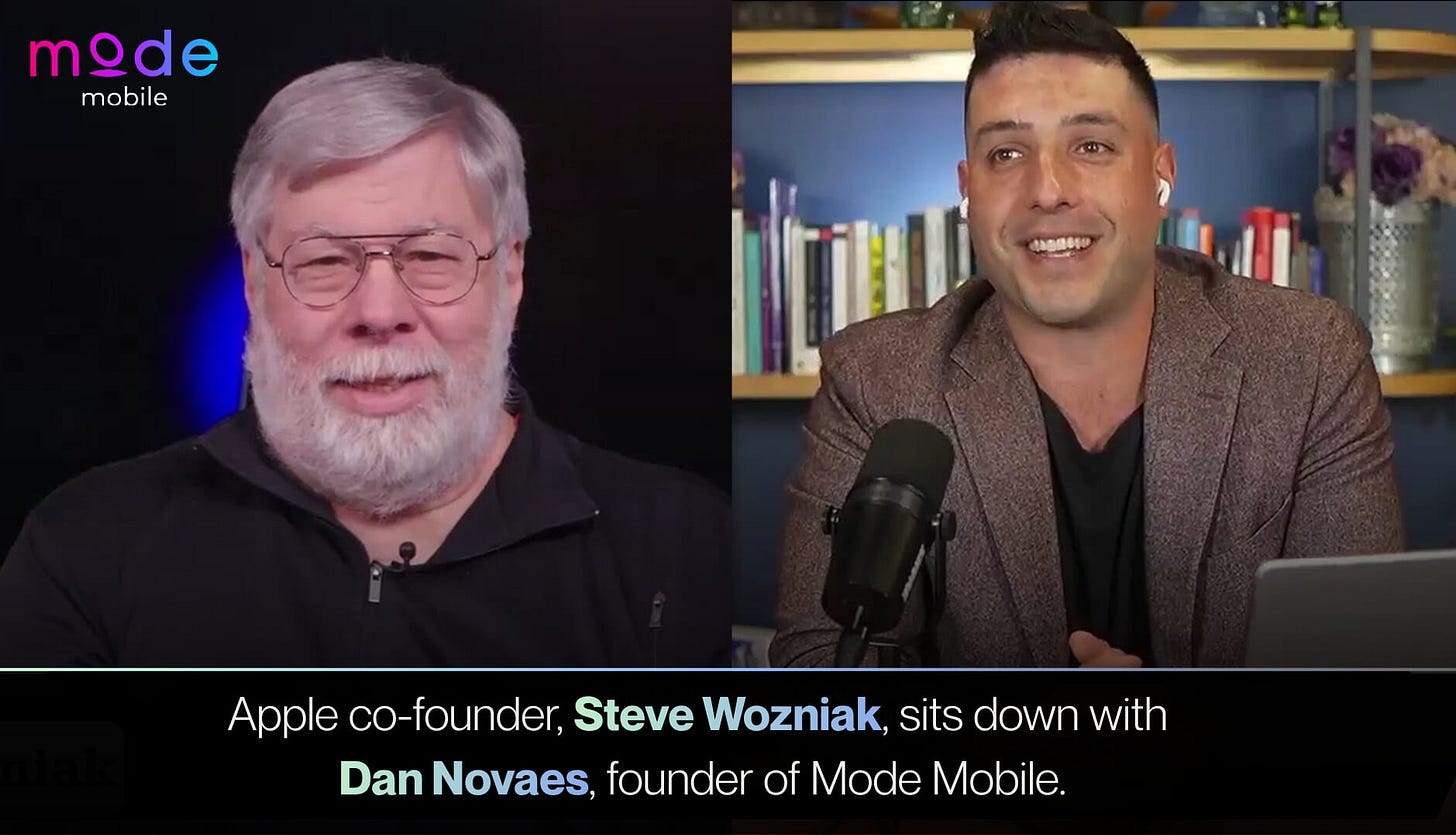
Instead of competing with Apple, Mode is building on top of the smartphone ecosystem. Its EarnOS platform is designed to help users earn from the time they already spend on their phones, And unlike many pre-IPO companies, Mode has already built meaningful traction:
490M+ users
$115M+ lifetime revenue
$1B+ earned and saved by users
170+ countries served
60,000+ investors
Mode was also ranked North America’s #1 fastest-growing software company in 2023 by Deloitte after posting 32,481% growth. Investors can still purchase pre-IPO shares for ⏰
Please read the offering circular and related risks at invest.modemobile.com.Mode Mobile received their ticker reservation with Nasdaq ($MODE), indicating an intent to IPO in the next 24 months. An intent to IPO is no guarantee that an actual IPO will occur.Mode revenue and EBITDA numbers include full year revenue and EBITDA of businesses acquired by Mode Mobile in 2025.
(sponsored)
On August 13, Apple opened its Advanced Manufacturing Center on its Houston campus. The AMC is a 20,000-square-foot training space. The full campus is 250,000 square feet — about double Apple’s old Houston footprint.
Three things are happening on that campus at once:
• AI server assembly. Logic boards are made on-site. Finished servers ship to Apple data centers across the U.S. These servers power Private Cloud Compute and Apple Intelligence.
• Mac Mini production. Set to begin later this year. This product has never been built in the U.S. before.
• Worker training. Free classes for small and mid-sized firms. Topics include PCB assembly, machine-learning quality checks, and modern factory methods.
Cook’s quote: “In less than nine months, we have put hundreds of millions of dollars into this Houston site.” That timeline matters. Apple found the site, built it out, started output, and shipped AI servers — all in under a year.
The AI servers began shipping in October 2025. The first target was 2026. Beating the clock is rare for hardware at this scale.
This is Apple’s second U.S. factory learning site. The first, the Apple Manufacturing Academy, opened in Detroit in August 2025. It has already worked with nearly 1,000 U.S. firms.
In 1934, the government executed a legal maneuver that transferred billions in wealth overnight. Most Americans had no idea it was coming. A small group who saw it early walked away wealthy. Everyone else paid for it. Trump has the same legal authority today. Advisors close to the administration believe he’s considering using it. If he does, the transfer happens fast — and the window to be on the right side of it is already closing. We put together a free report on exactly what this move is, why the timing points to now, and the one step ordinary Americans can take to position themselves before it happens. It costs nothing. Takes 30 seconds to request. The people who moved early in 1934 didn’t have a warning. You do.

(sponsored)
Let’s not be naive. The timing is no accident.
President Trump has pushed Apple for years to build in the U.S. Secretary Lutnick stood at the ribbon cutting. He said, “President Trump said we would bring advanced tech manufacturing back to America.”
Apple’s $600 billion U.S. pledge, shared earlier this year, spans four years. It covers chip buys, parts sourcing, and new sites. Cook noted Apple bought over 20 billion chips from U.S. sources last year. That includes 100 million chips from TSMC’s Arizona fab.
The logic chain looks like this:
Tariff Pressure → $600B Pledge → Domestic AI Server Output → Mac Mini Assembly → Political Goodwill → Tariff Relief Leverage
That’s not cynicism. That’s basic corporate strategy.
But here’s what sets this apart from pure theater: Apple is shipping real product. AI servers left the Houston line months early. The Mac Mini line is real. This isn’t a concept factory or a photo-op shell.
One more detail. This event was one of Cook’s final big public acts as CEO. He moves to Executive Chairman on September 1. Hardware chief John Ternus takes the top role. The man who built Apple’s silicon strategy now runs the company. That’s no accident either.
Have you checked out the tax lien list from your state?
There’s literally thousands of houses investors earn monthly income from...
-- without dealing with rentals
-- without costly marketing
-- without cold-calling
And get this...
The returns are 100% backed by the government.
No kidding.
Can you imagine the government paying us for once?
Rather than the other way around.
(sponsored)
The press release is rosy. Let’s stress-test it.
The Hype: Apple is bringing factory jobs back to America. Thousands of jobs. Innovation for all.
The Reality: Apple is building specific, hand-picked products here. The iPhone is not on this list. Neither is the iPad, Apple Watch, or AirPods.
Why Mac Mini and AI servers? Two reasons:
1. Volume-to-complexity ratio. Mac Mini is compact and fairly simple to assemble. It’s not an iPhone with 1,000+ unique parts and micron-level tolerances. The assembly math is kinder to U.S. labor costs.
2. Data safety. AI servers for Private Cloud Compute handle sensitive tasks. Building them here cuts supply chain risk. It also eases concerns about data infrastructure. This is a security choice as much as a cost one.
Here’s the cost chain worth watching:
U.S. Assembly Labor Cost → Higher Per-Unit COGS → Offset by Tariff Savings + Political Capital → Net Margin Impact: TBD
Apple hasn’t shared per-unit cost details for Houston versus its Asian partners. Until they do, any claim that “building at home” costs the same is just a guess.
What we do know: Apple’s gross margin was 46.9% last quarter. They won’t give that up for a good photo.
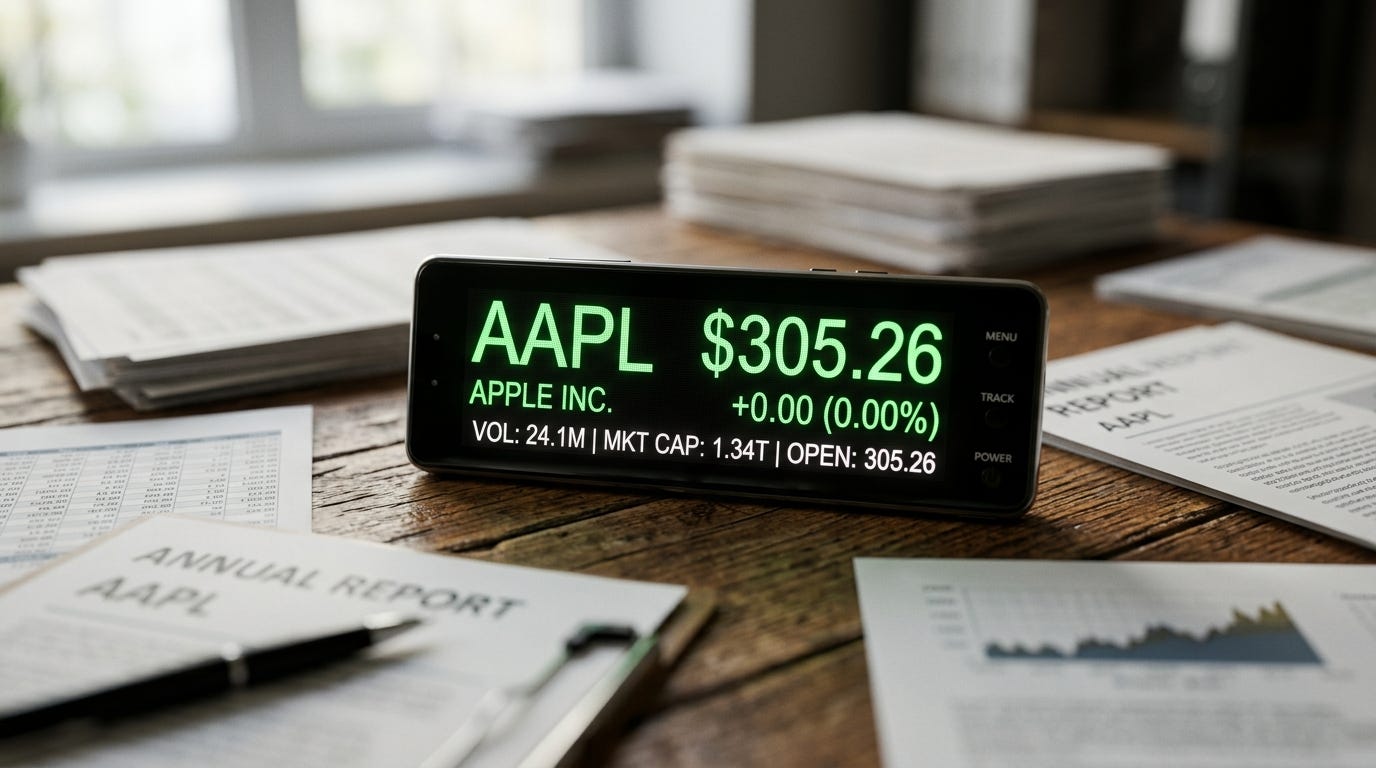
Let’s zoom out. Apple closed at $305.26 on Thursday, up 1% on the day. After-hours trading dipped 0.25%. The market shrugged. That’s the right reaction — for now.
This Houston site won’t move next quarter’s earnings. Mac Mini doesn’t shift Apple’s $400B+ yearly revenue in a big way. AI servers are an internal cost, not a product they sell.
So why should you care?
Three reasons this matters long-term:
1. Apple is building its own AI stack from the ground up.
Most firms using AI rent cloud compute from AWS, Azure, or GCP. Apple builds its own servers, with its own chips, in its own factories. The upfront cost is huge. But the long-term savings are real.
Think about it this way:
Rent Cloud Compute (ongoing OpEx) → vs. → Build Own Servers (upfront CapEx, lower cost per query)
Apple’s Private Cloud Compute handles Apple Intelligence requests too heavy for your device. Every query that hits those servers has a cost. Owning the full hardware stack — from chip design to final build — means Apple controls that cost curve. Over millions of daily queries, that adds up fast.
This is the Amazon playbook from 2006. AWS started as internal tools. Apple’s AI servers are internal tools today. Whether they become a product to sell is worth tracking.
2. The tariff hedge is a real balance sheet factor.
Apple imports roughly $60–80 billion in parts and goods each year. Most come from China, India, and Vietnam. Any tariff hike directly squeezes margins. The $600B U.S. pledge is insurance.
Here’s the investor checklist I’d use:
• What share of Apple’s total output is now domestic? (Answer: tiny. Single digits.)
• Does U.S. assembly cut tariff risk on the products that matter most? (Answer: not yet. iPhone is still made overseas.)
• Is the $600B pledge front-loaded or back-loaded? (Watch the 10-K filings for CapEx details.)
• Does the Ternus era change the factory strategy? (He’s a hardware guy. Expect more of this, not less.)
3. The leadership change is the buried lede.
Cook becomes Executive Chairman on September 1. John Ternus takes over as CEO. Ternus led the Apple Silicon shift. That’s arguably Apple’s biggest hardware move since the iPhone.
The Houston factory is Cook’s parting gift. It’s a physical marker of his supply chain legacy. But Ternus inherits the hard part: scaling U.S. output while keeping the margins Wall Street demands.
Watch the Q4 earnings call in late October. That will be Ternus’s first as CEO. Listen for talk about factory costs, U.S. production growth, and whether the Mac Mini Houston line hits volume goals.
Kira’s Quick-Reference Checklist: Evaluating Apple’s Manufacturing Shift
• ☐ Track quarterly CapEx in 10-Q filings — is Houston spend rising?
• ☐ Watch gross margin trends — any dip may signal domestic cost pressure
• ☐ Monitor tariff policy shifts — Apple’s political capital has a shelf life
• ☐ Compare Private Cloud Compute server costs vs. estimated cloud rental costs
• ☐ Note any new domestic product lines beyond Mac Mini and AI servers
• ☐ Follow Ternus’s public remarks on supply chain strategy after the transition
The bottom line: Apple is not “bringing manufacturing back to America” in any broad sense. It’s placing specific products on U.S. soil to control AI costs and hedge political risk. That’s smart. It’s also limited.
Don’t let the ribbon cutting fool you. The iPhone line is not moving to Texas. But don’t dismiss this either. Apple building its own AI server hardware, on its own soil, ahead of schedule — that’s a signal worth watching.
The ceremony was for the cameras. The servers are for the balance sheet.
No posts
Comments
Nothing yet. Say the first thing.
Sign in to join the conversation.