

Another incredible year in Uganda and beyond! 🎉 Happy 2025! Thank you to our amazing 350+ subscribers for being part of this journey!
Wefwafwa Andrew and Dr. John Campbell released a video detailing an casual annual report for 2024!
Let’s talk about it…
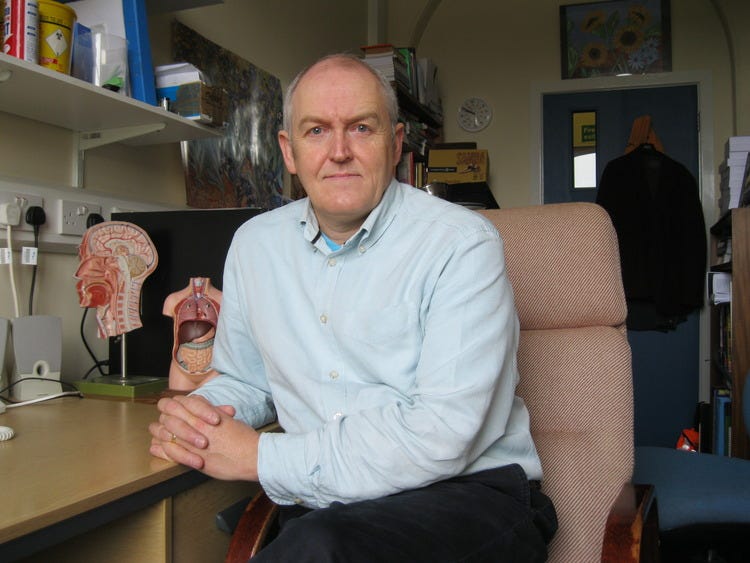
Focused on health education and medical information, Dr. John Campbell, PhD, is a retired nurse educator and former clinical nurse from England who has been working collaboratively with Wefwafwa Andrew since 2022. Together, they’re focused on building self-sustainability in a community in Eastern Uganda using local technology and evidence-based solutions. This initiative is run by the Buwanga Way to Health Foundation, a Ugandan government-recognized NGO.
Dr. Campbell provides external support but has personally visited Wefwafwa in Uganda to witness his work firsthand. From his home in Britain, he stays in touch with Wefwafwa and shares his inspiring efforts with his audience—including you!
Dr. Campbell is instrumental in employing evidence-based ideas and strategies to address food security, improving healthcare access, empowering the local community, and promoting transparency and accountability in his partnership with Wefwafwa. Their approach blends modern scientific knowledge with local technology, creating a successful, sustainable project that benefits Wefwafwa’s community.
The annual report on the Buwanga Way to Health Foundation in Uganda serves to provide transparency and accountability. It demonstrates how the project funds are responsibility used and highlights the progress made towards the foundation’s various initiatives. Donors are reassured that the foundation is responsible and accountable, as the foundation operates with complete legal recognition and adherence to Ugandan regulations.
Additionally, the annual report also highlights and showcases the project’s impact and success. Wefwafwa is given a platform to celebrate the achievements of the project on his local community. In 2024, the foundation worked on various initiatives, such as the community health work, a clinic, a mill, a poultry farm, and a skills center. Each of these directly improves the lives of individuals in Manafwa, including orphans, the elderly, and vulnerable community members with health challenges.
Overall, the annual report aims to show the foundation’s long-term commitment to establish sustainability. The details of which will follow here shortly. The report is a platform for Wefwafwa to demonstrate his commitment to the movement towards self-sufficiency and act as a model for other communities in Uganda and the surrounding region. It is crucial to recognize the project’s longevity and continued positive impact each year.
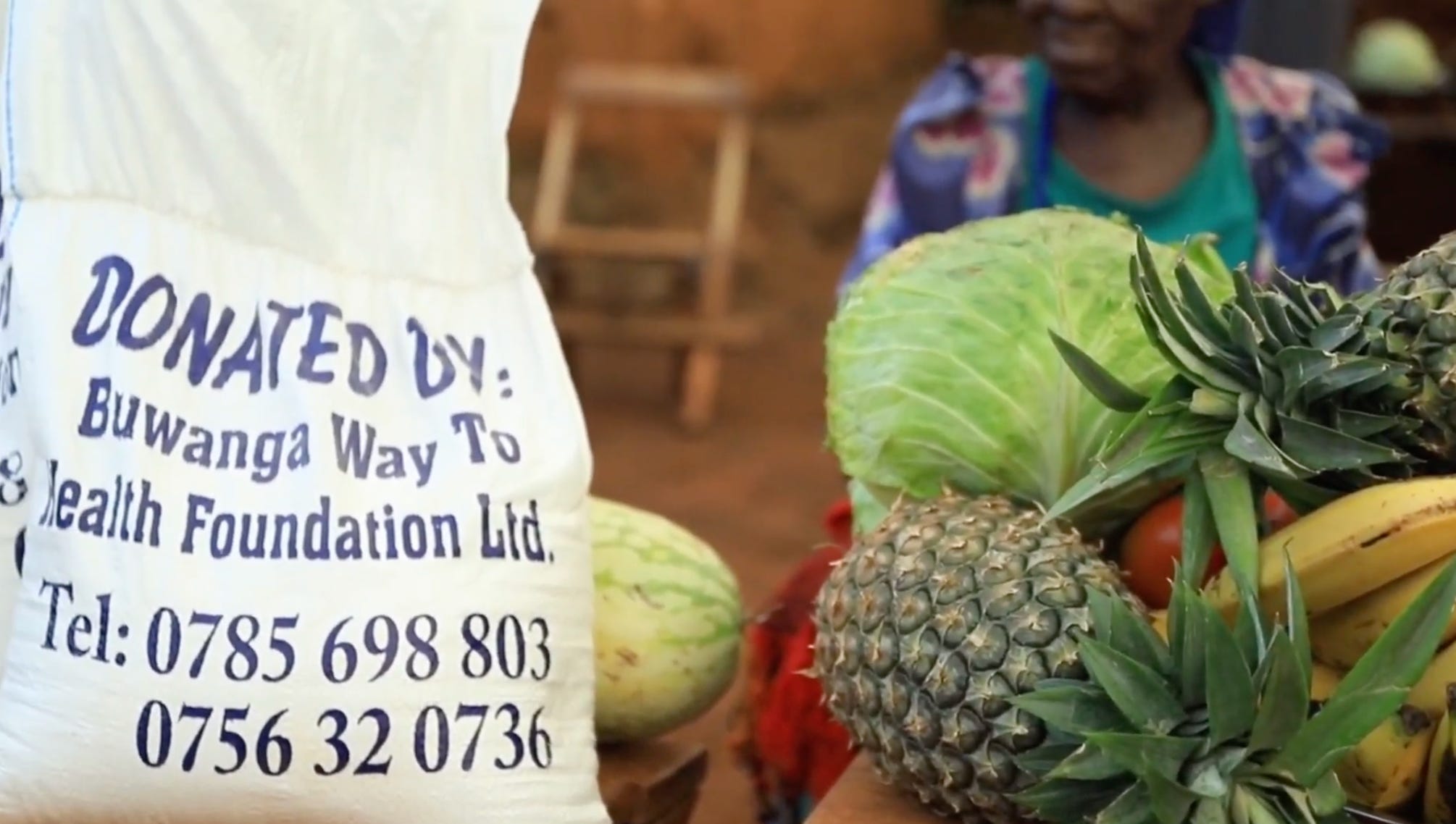
The foundation’s focus on sustainable agriculture is a strong emphasis each year. Improving food security within the Manafwa community in Uganda combats malnutrition and ensures a consistent food supply. E.g., over 250 orphans were supplied with nutritious meals all of last year.
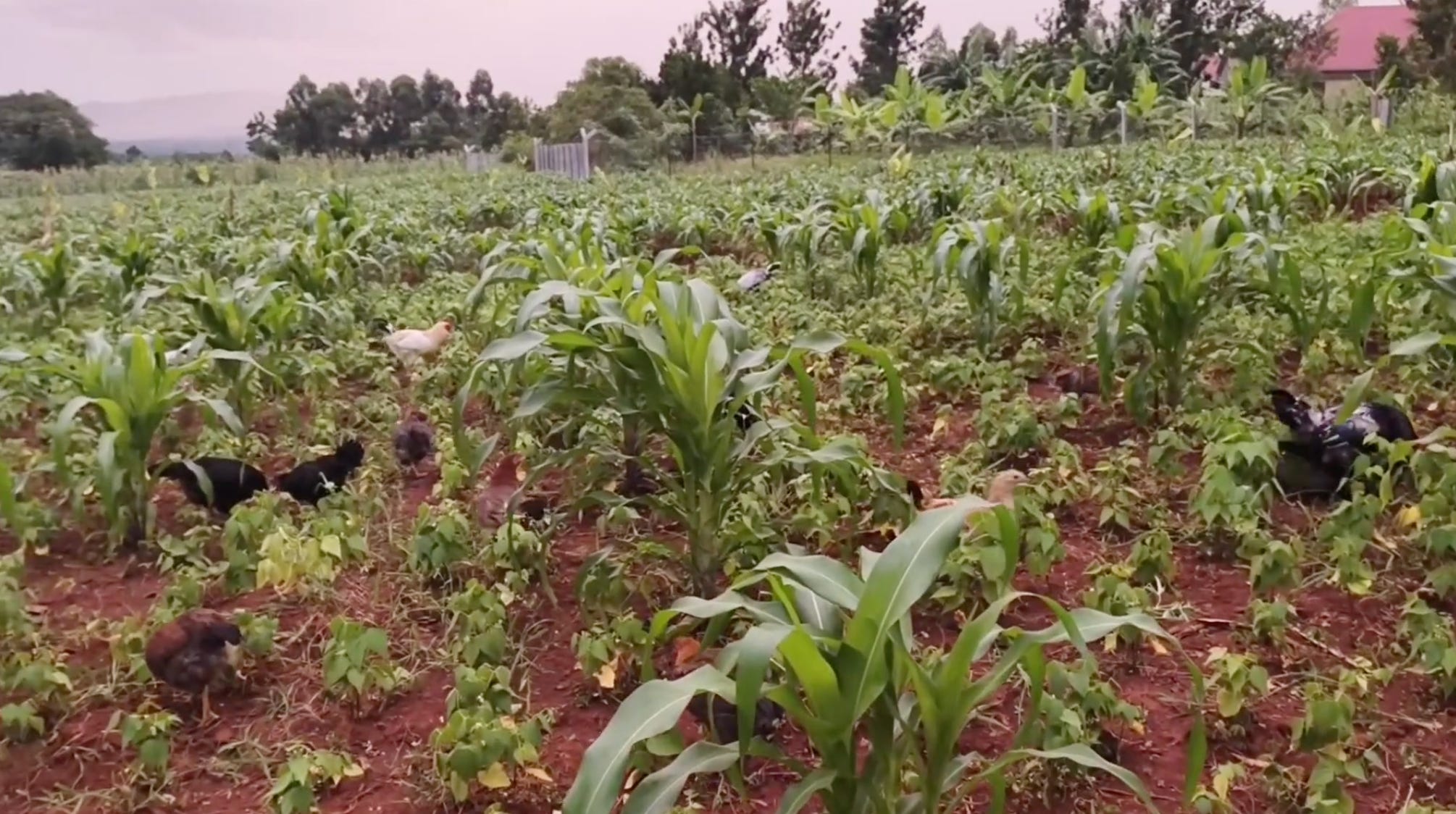
Sustainable farming practices like intercropping with bananas, coffee, and maize and a focus on animal husbandry contribute substantially to local food production. The diversified agriculture builds resilience against diseases and contributes to a balanced diet for the community. Allowing chickens to roam freely provides natural fertilizer and pest control.
The foundation build a poultry farm with 150 mature hens and 50 young chickens, producing a significant number of nutrient-fortified eggs each week. These eggs provide essential protein and vitamin B12 for the orphans and others in their community. The freedom given to chickens to roam agricultural areas promotes ecological balance and responsible farming practices.
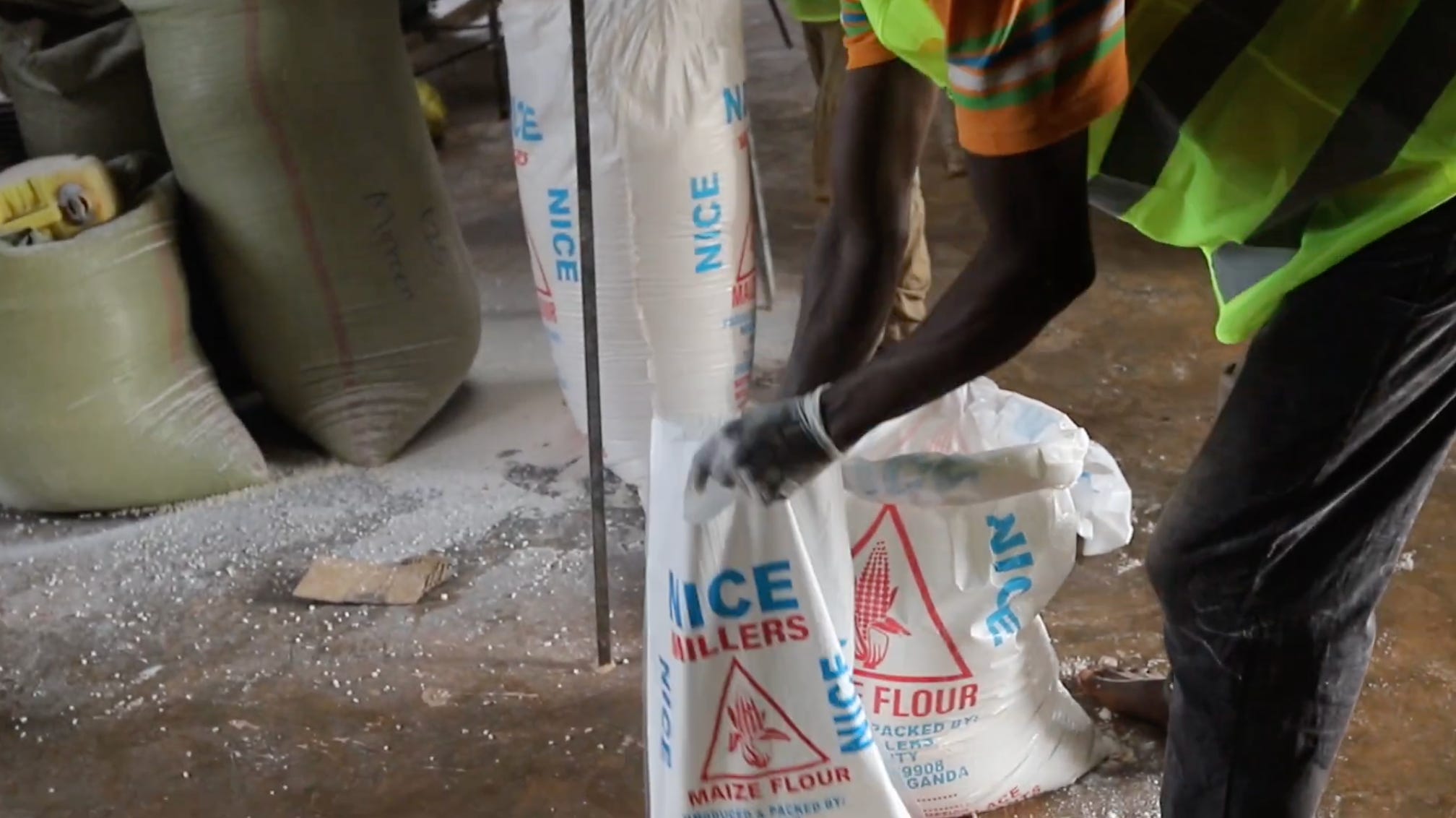
Aside from intercropping diverse crops and poultry, the community also has four cows, providing milk as another valuable source of protein. The project also established a local mill to process maize, cassava, and millet, providing readily available flour for the community and generating income to support the foundation. Additionally, workers at the mill receive food as part of their salary, further contributing to food security.
Buwanga Way to Health Foundation established a local clinic equipped with an ultrasound scanner and microscope. These were significant barriers that previously prevented the community from accessing healthcare services. These are examples of recognizing the challenges posed by limited healthcare infrastructure.
The clinic serves to treat common conditions in Uganda like malaria, respiratory tract infections, and other prevalent ailments. The local clinic provides essential medical services right at home, reducing the need for residents to travel long distances to the district hospital, which is costly and time-consuming.
Equipping the clinic with vital diagnostic tools allows for the diagnosis from certified local technicians. Meaning, not just anyone can use these tools, they have to be operated by trained local professionals. The ultrasound machine is particularly useful for pregnant women who previously lacked access to this service.
Buwanga Way to Health foundation continues to prioritize preventative medicine through health education initiatives. The project’s community health workers play a key role in identifying and addressing health issues within the community. These individuals empower others with the knowledge about their health, aiming to enable people to make informed decisions for themselves and their community.
Wefwafwa and his team provide medical care, food assistance, spiritual support, and visit individuals in their homes, particularly those who are elderly or unable to reach the clinic due to physical limitations. Ensuring that vulnerable community members receive the care they need.
In 2025, Wefwafwa plans to purchase a cargo truck to conduct mobile clinic outreaches, further expanding their reach and providing healthcare services to remote areas.
The Skills Center aims to cultivate and teach trade-skills to women and young people. These include comprehensive training programs beyond basic certificates in sewing, tailoring, and soon, hairdressing and welding. These skills establish economic independence and self-sufficiency for individuals to generate income and support their families.
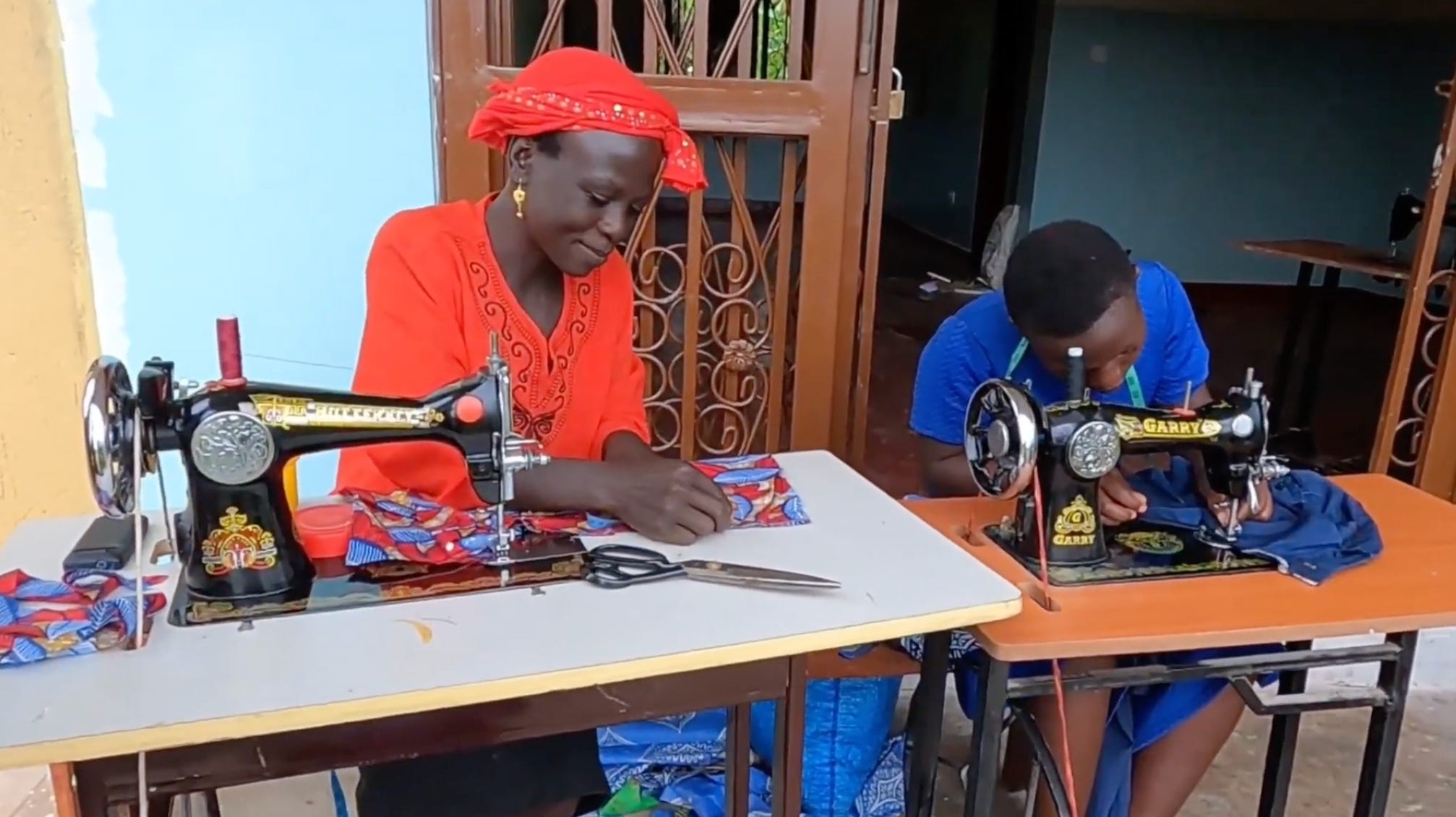
Utilizing Local Technology and traditional knowledge are focal points of collaboration between Dr. Campbell and Wefwafwa. Wefwafwa leverages local expertise to implement techniques for the project’s various initiatives. This partnership between external support and local knowledge empowers the community towards sustainability.
Annual Update Video on Andrew Wefwafwa Medical Videos
Explore engaging content by Wefwafwa Andrew, thoughtfully curated by Rex Soderlund

The Liger is a unique Newsletter that connects you with the personal experience of a healthcare provider in Uganda, offering a genuine and engaging perspective on his life and community efforts.
Comments
Nothing yet. Say the first thing.
Sign in to join the conversation.