

We’re pleased to have such a strong community on our Substack.
Wefwafwa’s YouTube channel is doing fantastic at 13.5K subscribers as well!
Wefwafwa’s projects have snowballed over the last few years. His education, health, and agriculture initiatives have significantly improved his community and left a legacy in the Manafwa District.
Let’s talk about it…
Wefwafwa made education a pivotal point of growth for his community. He focused on educating parents and elders on proper nutrition for themselves and their children—this combated endemic malnutrition and aimed to support the community's health. Balanced diets and nutrition eliminated diseases caused by malnourishment and food insecurity.
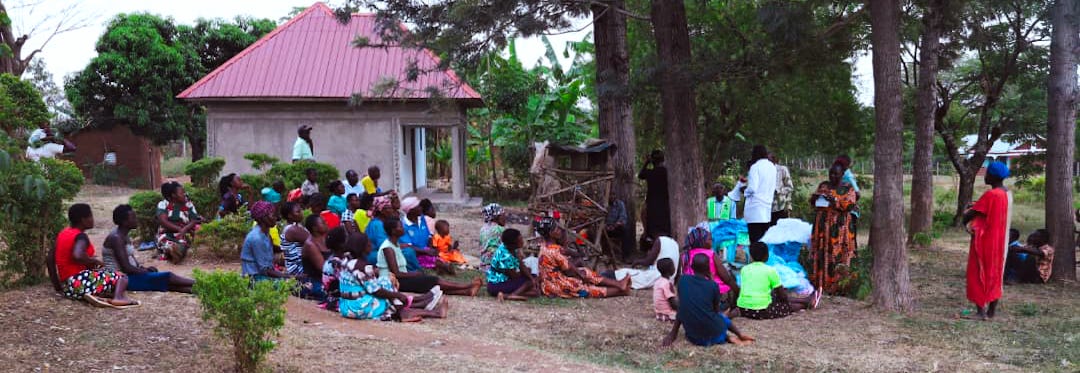
Wefwafwa organized large prayer groups to discuss different initiatives. The gatherings promoted spiritual wellness and science literacy. He traveled between communities in his district for these gatherings and planted trees. For example, fruit trees he planted only a few years ago had already begun to produce fruits and oranges.
Improved food security was not enough to establish self-sustainability. Communities also required resources like basic medical supplies and mosquito nets. Protection against malaria-infected mosquitoes reduced cases of malaria, and antimalarial medication reduced immense suffering and the risk of complicated malaria.
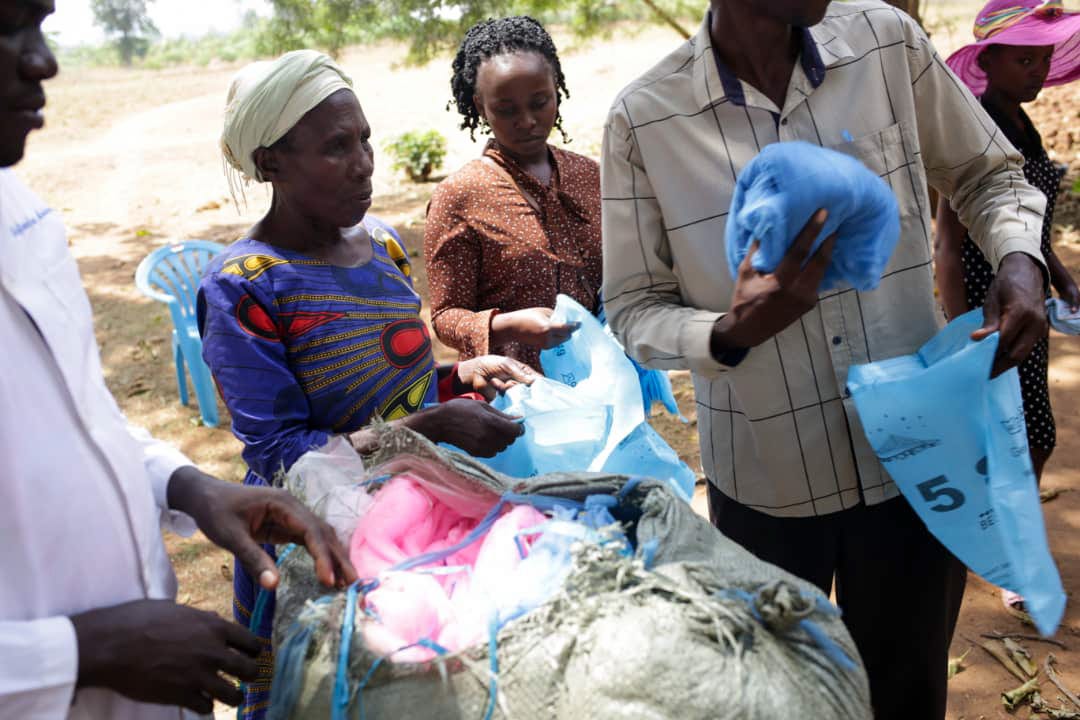
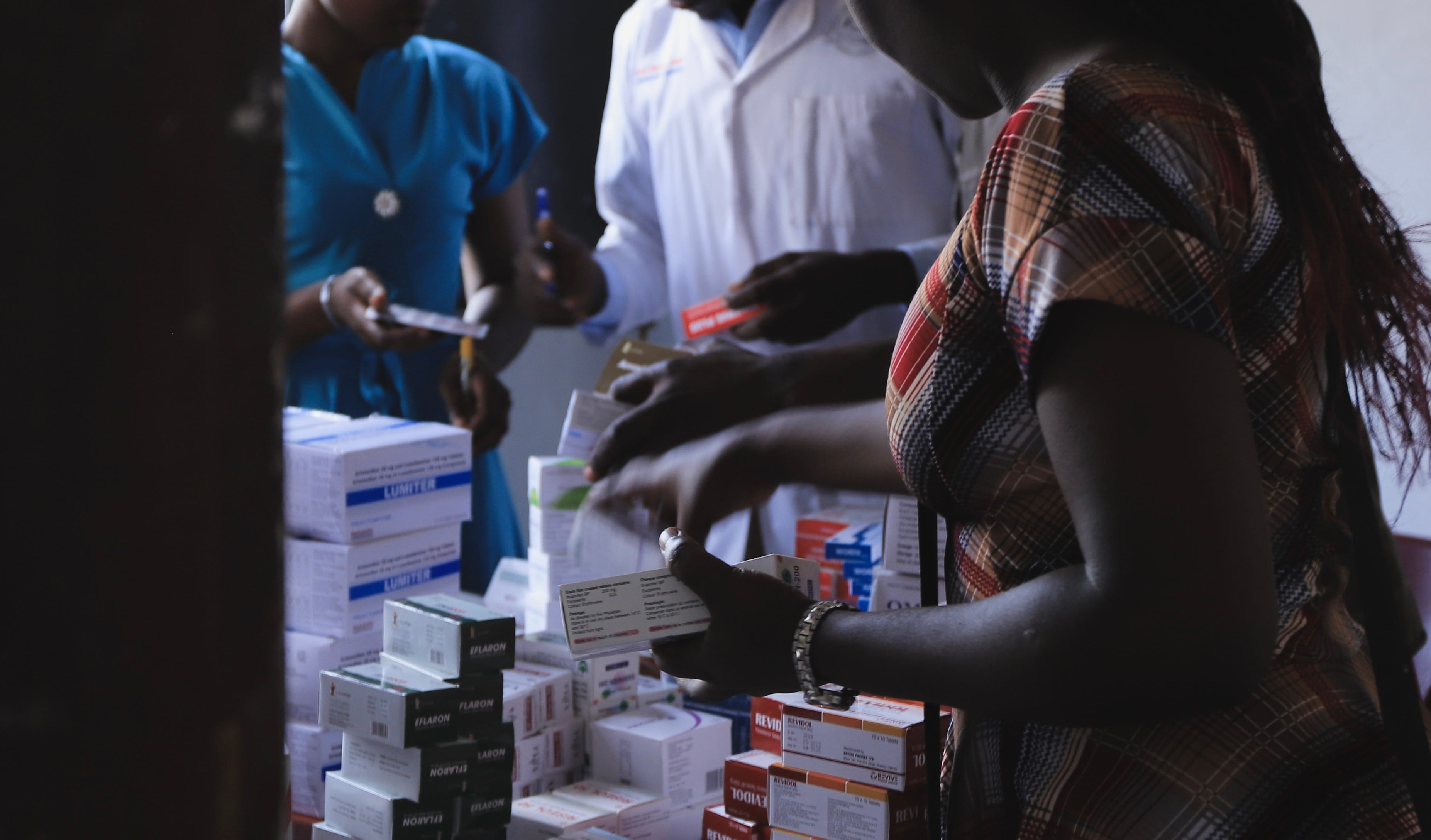
Malaria’s complex symptomology wasn’t easily explainable. It required multiple teaching sessions for communities to understand fully; even with enough education, contracting malaria could still be unavoidable. The importance of basic medical supplies and medications made treating malaria more accessible and helped save lives. Efforts towards improving the community’s health outcomes tend to support self-sustainable systems.
For instance, a community that learned to grow and harvest food to combat malnutrition demonstrated self-sufficiency. Other practices, such as milling plants, helped create flour for their communities, which could be distributed for lower prices.
These practices offered employment and learning opportunities. However, when members were sick or died from treatable diseases, this reduced the community’s self-sustainability.
Recently, Wefwafwa established a poultry farm and integrated garden. Hens could roam around intercropped maize, banana plants, fruit, and coffee trees. This integration utilized basic scientific principles of agriculture with the local expertise to plant and grow the plants.
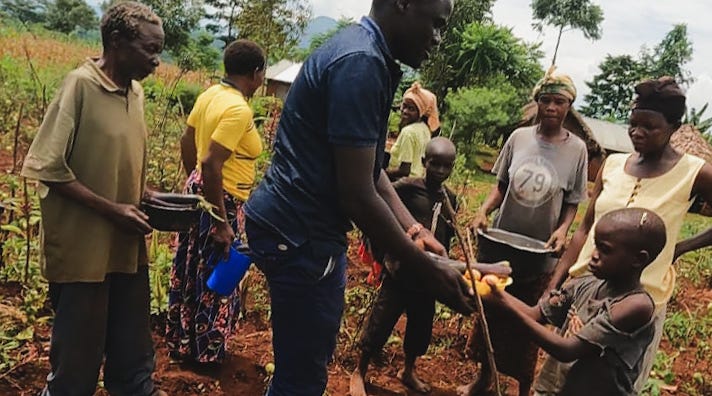
Wefwafwa stressed the struggle of food insecurity and the costs of importing food. Before his intervention, communities would buy food in times of need when food prices were high. To reduce this financial burden, they began buying food in times of abundance and storing it for times of scarcity, growing food, and milling their flour.
Wefwafwa’s district does not yet have everything it needs, but the work completed has helped reduce malnutrition and malaria cases. Other projects he worked towards were improved hygienic practices and proper health and nutrition education programs.
These projects built sustainable infrastructure, generated ecological and environmental improvements, and supported the health and upbringing of new generations. This mission served as a model for other areas, particularly in Africa, because it required few available resources to start and basic scientific principles to understand.
African Synergy—a discussion on Wefwafwa’s work with Dr. John Campbell
Explore engaging content by Wefwafwa Andrew, thoughtfully curated by Rex Soderlund

The Liger is a unique Newsletter that connects you with the personal experience of a healthcare provider in Uganda, offering a genuine and engaging perspective on his life and community efforts.
Comments
Nothing yet. Say the first thing.
Sign in to join the conversation.