

Hello Readers,
Malnutrition is a serious problem. In Uganda, like the Western world, fruits and vegetables play an important part in health and nutrition. From providing healthy food to creating jobs, produce makes a real difference in local communities. Sustainable agriculture transforms communities and eliminates undernourishment—and impacts our genetic health.
Also, how do we define malnutrition?
Let’s talk about it.
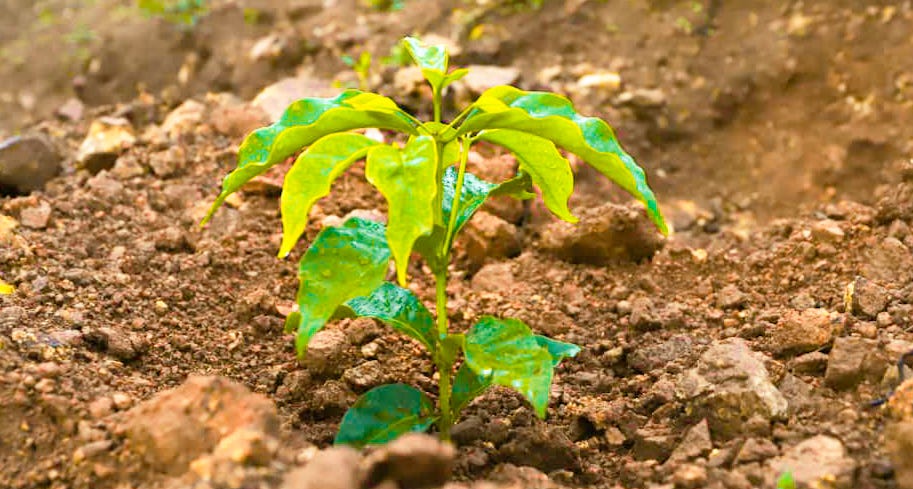
How a Fruit Orchard is impacting a rural community in big ways!
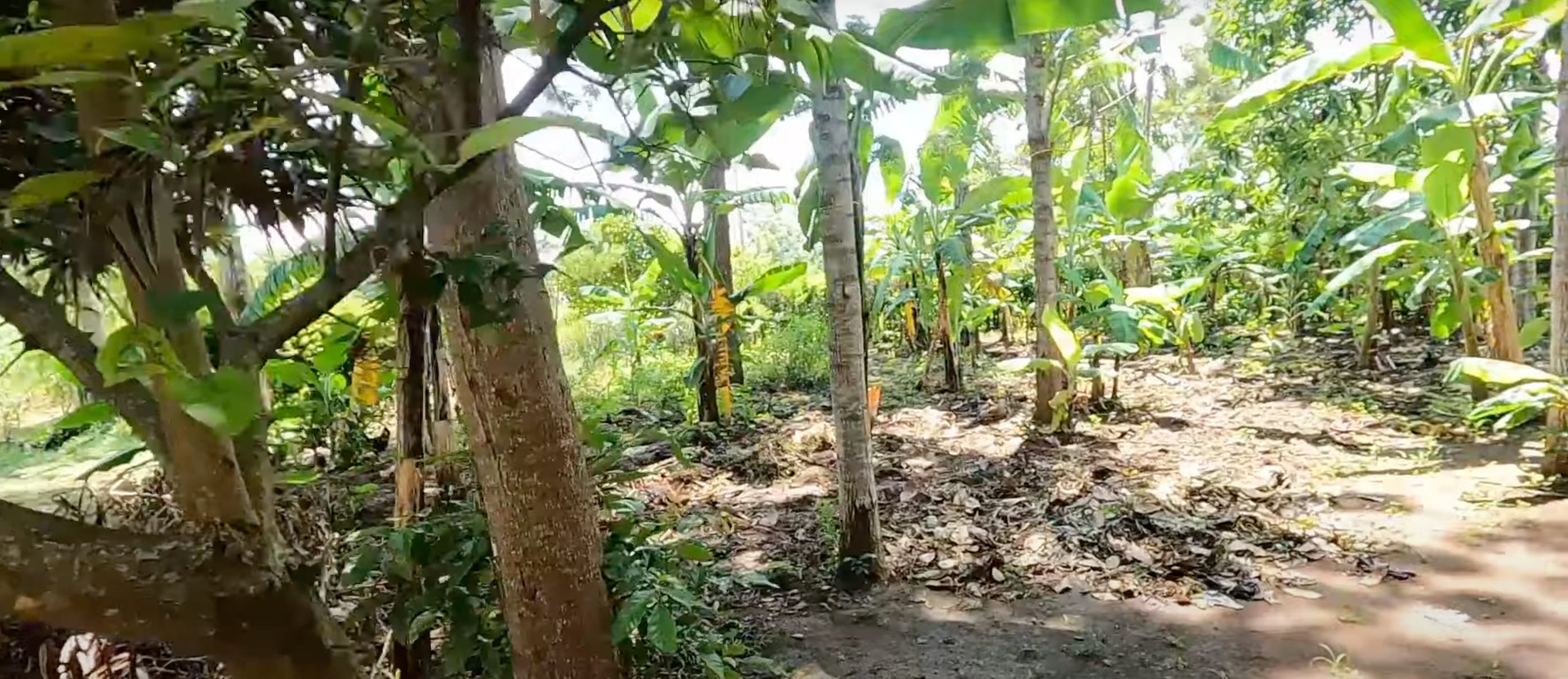
Tour through a fruit garden with Wefwafwa Andrew!
What type of fruits does a Orchard in Uganda grow?
How do fruits and vegetables support an entire community’s health?
What is the most recent science behind fruits and vegetables impact on health?
Have you heard of epigenetics? It might fascinate you!
Proper nutrition can boost the immune system, helping to protect against illnesses.
Certain nutrients, such as omega-3 fatty acids and antioxidants, have been linked to improved brain function and cognitive performance.
Proper nutrition is particularly important during certain life stages, such as pregnancy and childhood, when proper growth and development depend on sufficient nutrients.
Nutrition is a critical aspect of overall health and well-being. The foods we eat provide our bodies with the nutrients we need to properly function, grow, and repair ourselves. A balanced and nutritious diet can help reduce the risk of developing certain diseases, promote healthy weight management, and support optimal physical and mental performance.
However, access to nutritious foods can be a challenge for many people around the world, including in Uganda. This is where a Fruit Orchard can make a difference. By providing a consistent source of fresh, nutritious fruits, the Orchard can contribute to improved health outcomes for the local community.
Additionally, fruits and vegetables support a nutrient-diverse source of food. Other foods in this area like maize flour, poultry, and bovine meats—while important—do not share the same nutritional value.
Malnutrition in the U.S. often manifests as obesity, stemming not just from a lack of food, but from overconsumption of low-nutrient, high-calorie foods. The Standard American Diet is characterized by a high intake of calories, majorly from foods with little nutritional value, contributing to a high obesity rate. Additionally, a significant part of the American diet includes processed and restaurant foods high in sodium, saturated fats, and added sugars.

Available for iOS and Android
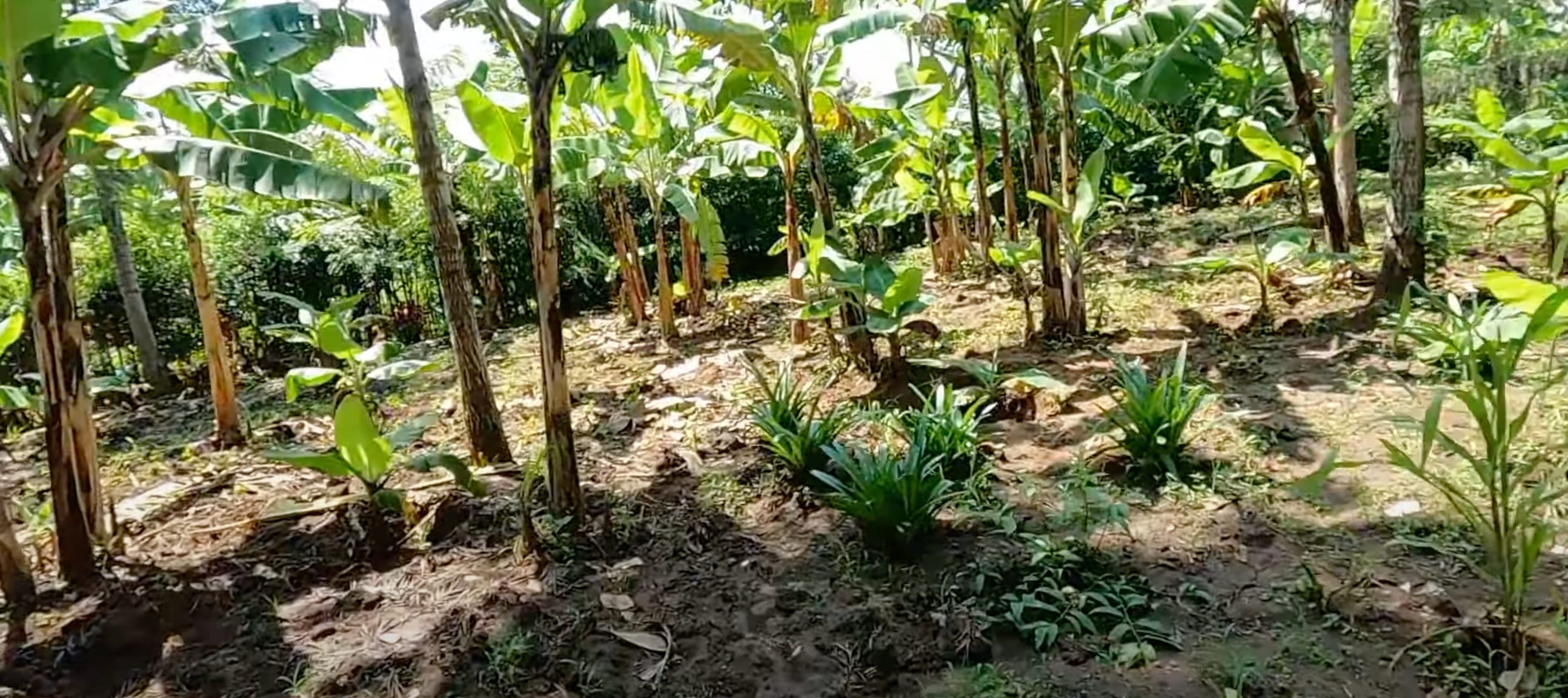
The fruit garden grows vitamin-rich foods like jackfruit, bitter leaf (Vernonia amygdalina), guavas, papaya, lemon, mango, bananas, avocado, tomatoes, moringa, dodo (Amaranth), and passion fruit.
These enriched foods also offer dietary fiber, which supports people's microbiota (healthy gut bacteria). Antioxidant-packed foods protect against DNA-damaging molecules, too.
The garden's fruit provides many vitamins (A, C, B, B6, folate, etc.), fiber, medicinal properties, potassium, manganese, magnesium, non-saturated (healthy) fats, protein, antioxidants, iron, and other nutritional value.
Unlike processed foods, fruits like oranges offer natural fructose within cellular walls and fiber, resulting in a lower glycemic index when consumed whole compared to their juiced counterparts.
Substantial nutritional value supports healthy communities and offsets malnutrition on individual scales. Nutrition is essential for people's health and wellness.
Building agricultural infrastructure that supports community-wide nutritional goals is vital not only in Uganda, but all around the world!
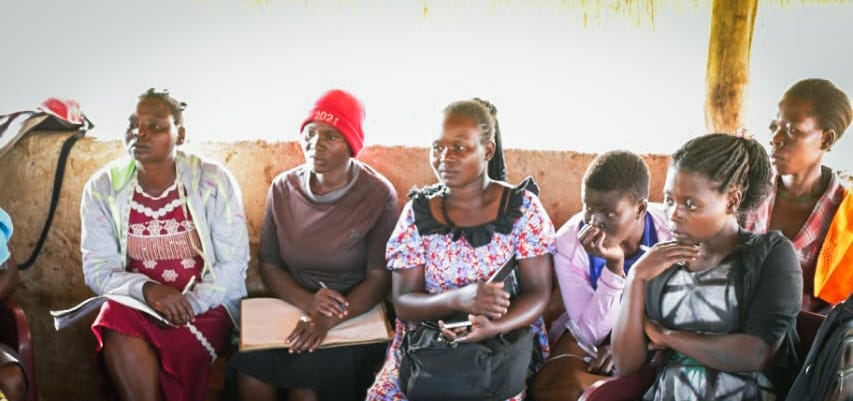
Learning from countries like Uganda, which rely less on mass-produced foods, could offer valuable insights into combating health issues caused by poor diet.
Health conditions such as hypertension, diabetes, and fatty liver disease, often linked to malnutrition, highlight the urgent need for dietary change in the U.S.
Fresh fruits and vegetables in this rural Ugandan District fights high rates of malnutrition and diet-related diseases. The Fruit Orchard can help address this issue by providing a reliable source of healthy produce.
Research strongly supports an increased intake of essential nutrients from fruits and vegetables which leads to improved diet and reduces the risk of chronic diseases like obesity, heart disease, and diabetes.
Data from the systematic reviews and mostly observational studies cited in this report also support intake of certain types of F&V (Fruits & Vegetables), particularly cruciferous vegetables, dark-green leafy vegetables, citrus fruits, and dark-colored berries, which have superior effects on biomarkers, surrogate endpoints, and outcomes of chronic disease.
Orchards and gardens also have social and economic benefits. They create local employment, engaging communities, and improved food security.
The health benefits offered from eating foods from a garden versus a box of shelf-bought processed food highlights the need for a dietary shift in the U.S. This change could significantly impact health by reducing reliance on ultra-processed foods.
Educational initiatives, like planting fruit trees in schools, can reconnect children with natural food sources and promote diverse diets, including the consumption of polyphenols and flavonoid antioxidants.
Local governments in the U.S. could incentivize public-private partnerships to support the creation of shared green spaces or community gardens in parks or future developing projects.
These might include offering low-interest rate loans for funding green infrastructure, technical assistance, or requirements or guidelines for green spaces into local zoning or land use policies.
To combat health issues, the U.S. could benefit from reducing ultra-processed foods and embracing healthier preparation methods, like using cold-pressed extra virgin olive oils instead of trans fat-producing alternatives.
Additionally, historical events like the Dutch famines of 1944 demonstrate the long-term effects of nutritional choices, with impacts seen in subsequent generations.
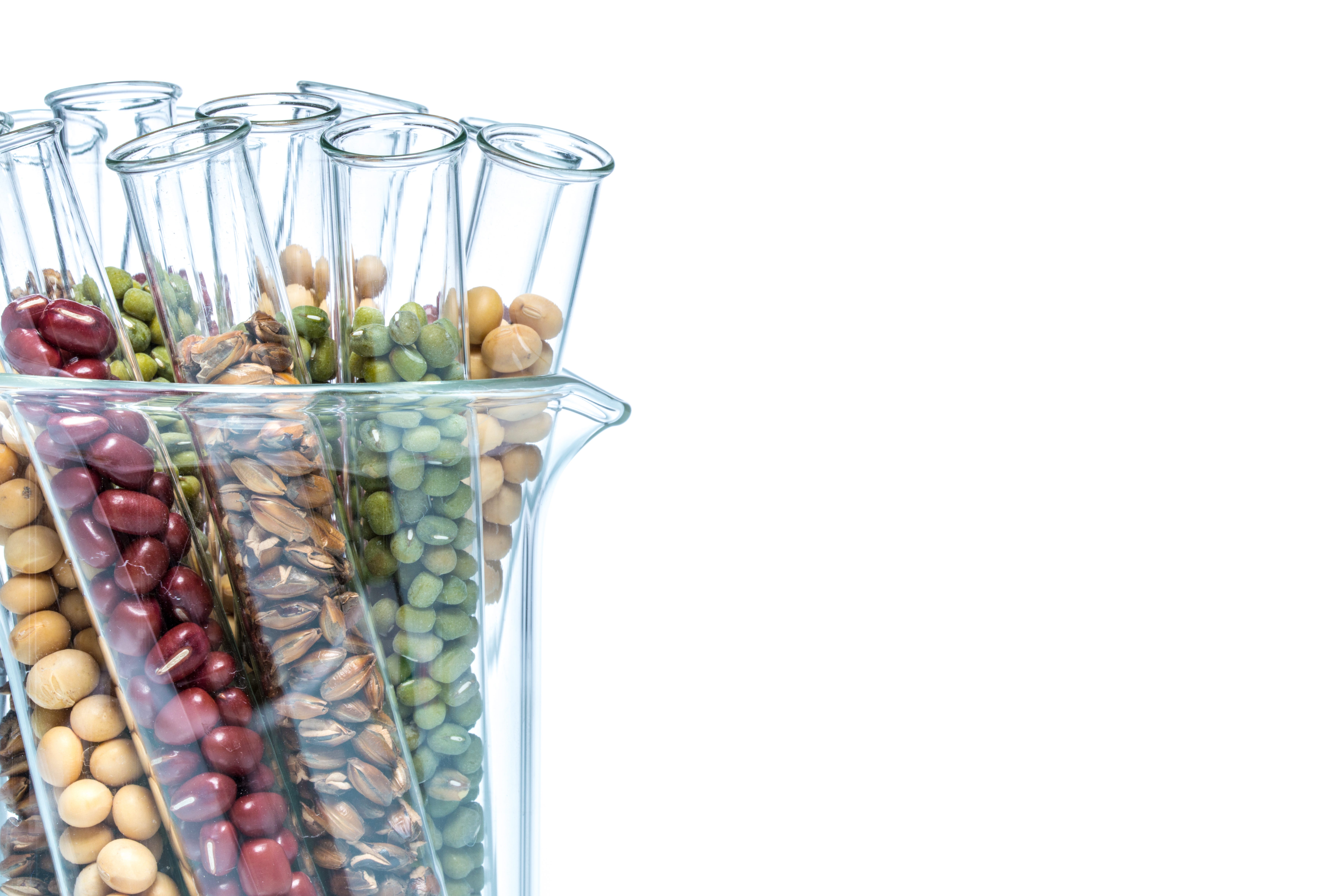
Nutrients found in the garden’s produce contribute to health, emphasizing aspects like immune support, growth, disease prevention, and genetic health:
Immune Support… The diverse range of vitamins, minerals, and antioxidants in the fruits and vegetables from the orchard is crucial for a healthy immune system. They maintain the gut barrier, promote healthy inflammation responses, and enhance immune cell function.
Growth and Development… Essential nutrients like vitamin C, zinc, and iron are vital for growth and development, supporting everything from tissue formation to bone health.
Gut Health and Chronic Disease Prevention… Dietary fiber from fruits and vegetables supports a healthy gut microbiome, aiding digestion and potentially lowering the risk of chronic diseases.
Antioxidant Benefits… Antioxidants in these foods combat cellular damage by eliminating free radicals, which are implicated in aging and various chronic diseases.
Heart Health… Nutrients like potassium and magnesium in the orchard's produce help regulate blood pressure and support overall cardiovascular health.
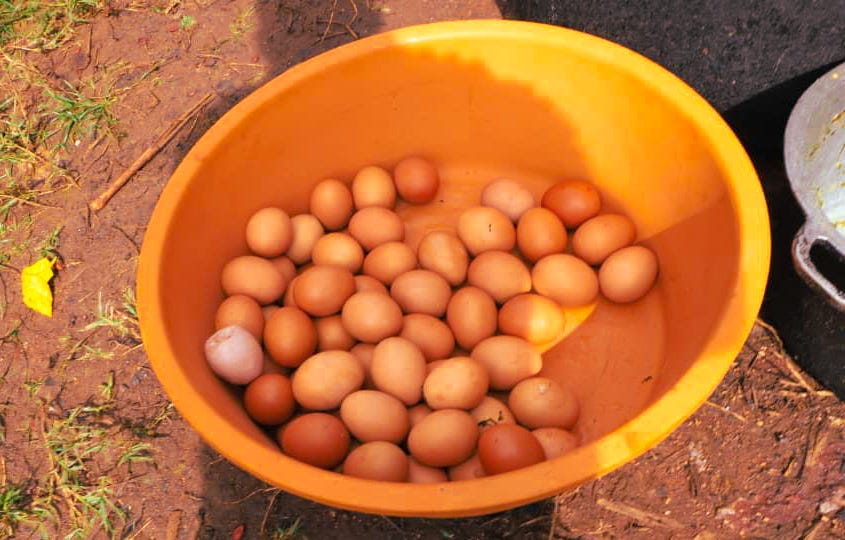
The Fruit Orchard plays a vital role in essential nutrition on the surface level. However, these factors we’ve highlighted are critical for our genetic health. This is where the fascinating world of epigenetics comes into play.
Epigenetics studies how our behaviors and environment, things like nutrition, influence how our genes work. Unlike genetic changes, epigenetic changes do not alter our DNA sequence, they change how our body reads our DNA sequence.
The enriched fruits and vegetables found in the Orchard’s garden provide vitamins, minerals, and antioxidants which influence epigenetic markers. For instance, nutrients impact DNA methylation, a process that can activate or deactivate gene.
Changes in DNA methylation affect everything from disease prevention, immunity, growth and development and even aging! Science suggests the food we consume does more than nourishes our body; it plays a determining role in how our genes express themselves—impacting our overall health.
In essence, the fruit orchard is not just feeding Wefwafwa’s community; it could be influencing their health at the most fundamental biological level.
Explore engaging content by Wefwafwa Andrew, thoughtfully curated by Rex Soderlund.

The Liger is a unique Newsletter that connects you with the personal experience of a healthcare provider in Uganda, offering a genuine and engaging perspective on his life and community efforts.
Comments
Nothing yet. Say the first thing.
Sign in to join the conversation.