
As a parent, I think about language constantly. I notice the words I use with my kids and how I’m teaching them to use their own. Phrases like “kind words please” and “use your words” have become part of our daily vocabulary. I want my kids to understand that words can hurt or heal, build up or break down. Words have power, and they should be used with intention.
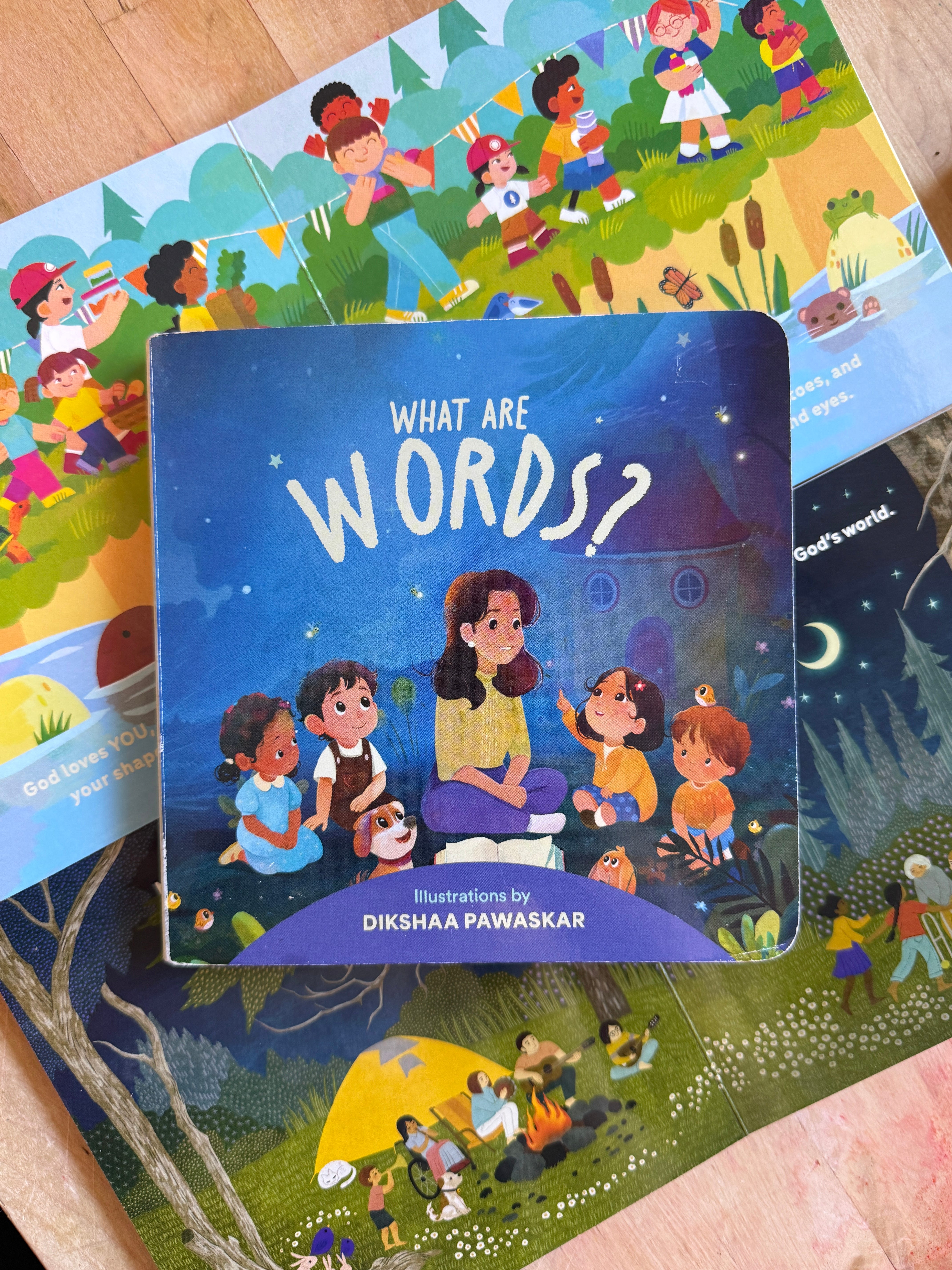
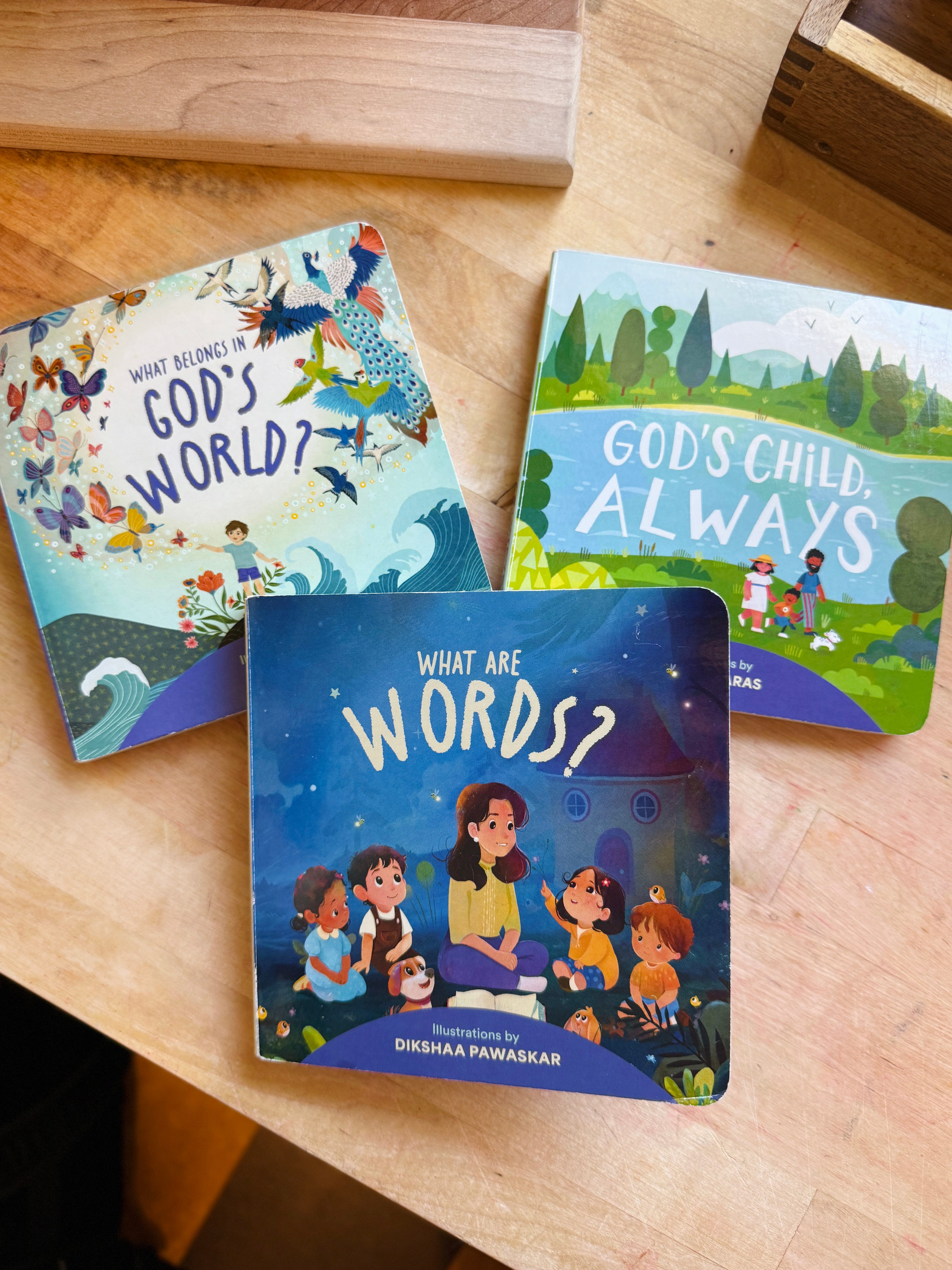
What Are Words? from Karis Parenting takes this idea of words having power and expands it, connecting everyday language to deeper meaning and spiritual practice. The book is based on the Via Karis (“Way of Grace”) element of Word - one of five spiritual practices (Water, Word, Table, Body, and Creation) in this framework.
Karis Parenting creates resources that help parents of young children ages 0-4 integrate faith into everyday moments without adding more tasks to an already full schedule. Their approach combines Christian teaching with evidence-based early childhood development practices. What Are Words? is the second book I’m reviewing in this series - you can read about their board book God’s Child, Always in my previous post.
Thank you to Karis Parenting for sending us your beautiful books and for sponsoring this post!
From concept to book
According to the creators, the Via Karis element of Word was the most challenging to adapt for preschoolers. Its foundation, “Words help us love God and one another,” had to translate into something concrete for young children. The team initially developed an emotions primer using Psalms (since the adult practice in this element is reading a Psalm daily to give expression to the full range of human emotions). But similar books already existed.
They noticed a gap: very little pre-literacy content in the progressive Christian space, or really in the Christian publishing world at all. That’s when they shifted focus to words as building blocks for communication, self-expression, and connection with others.
What the book does well
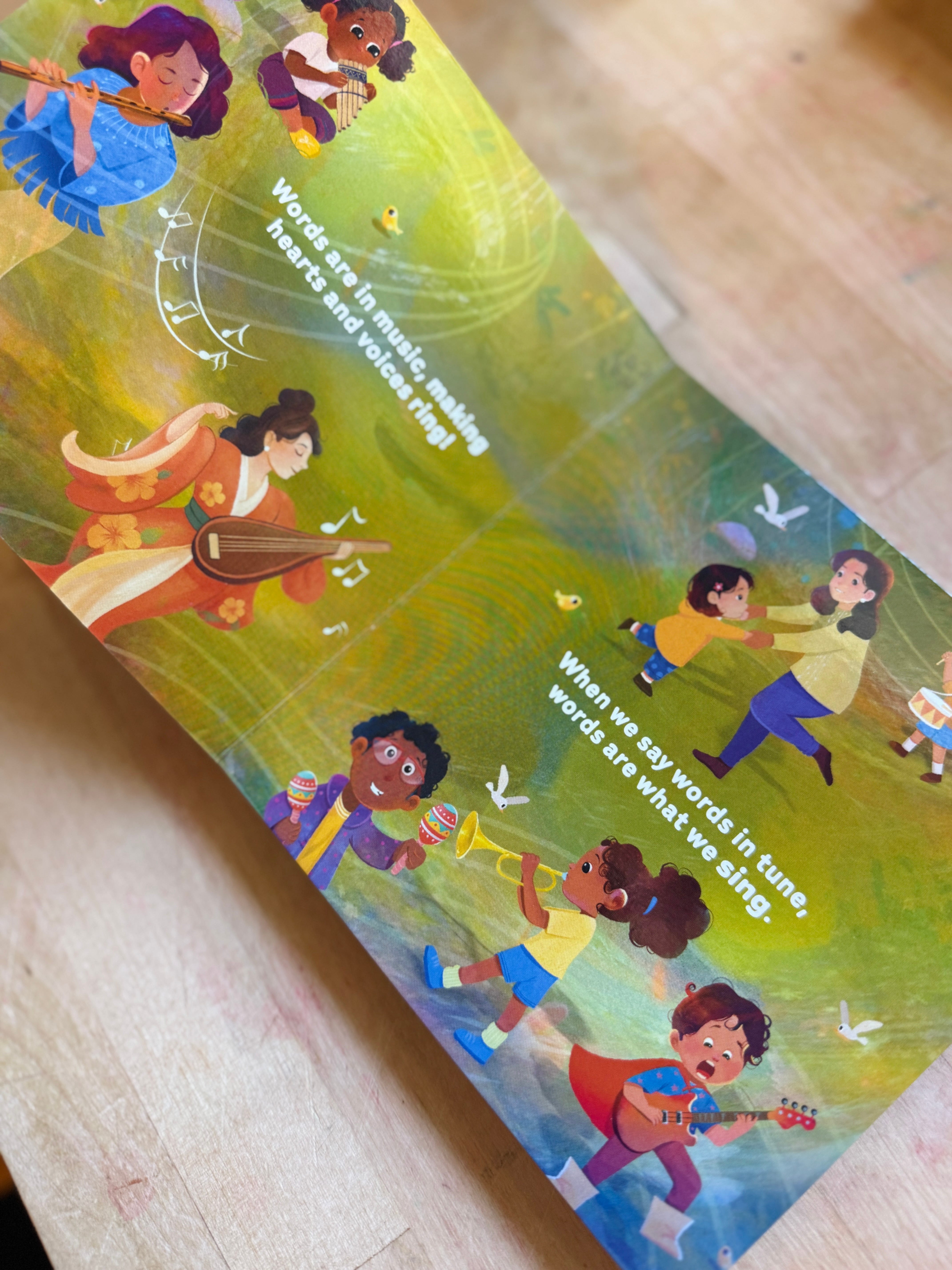
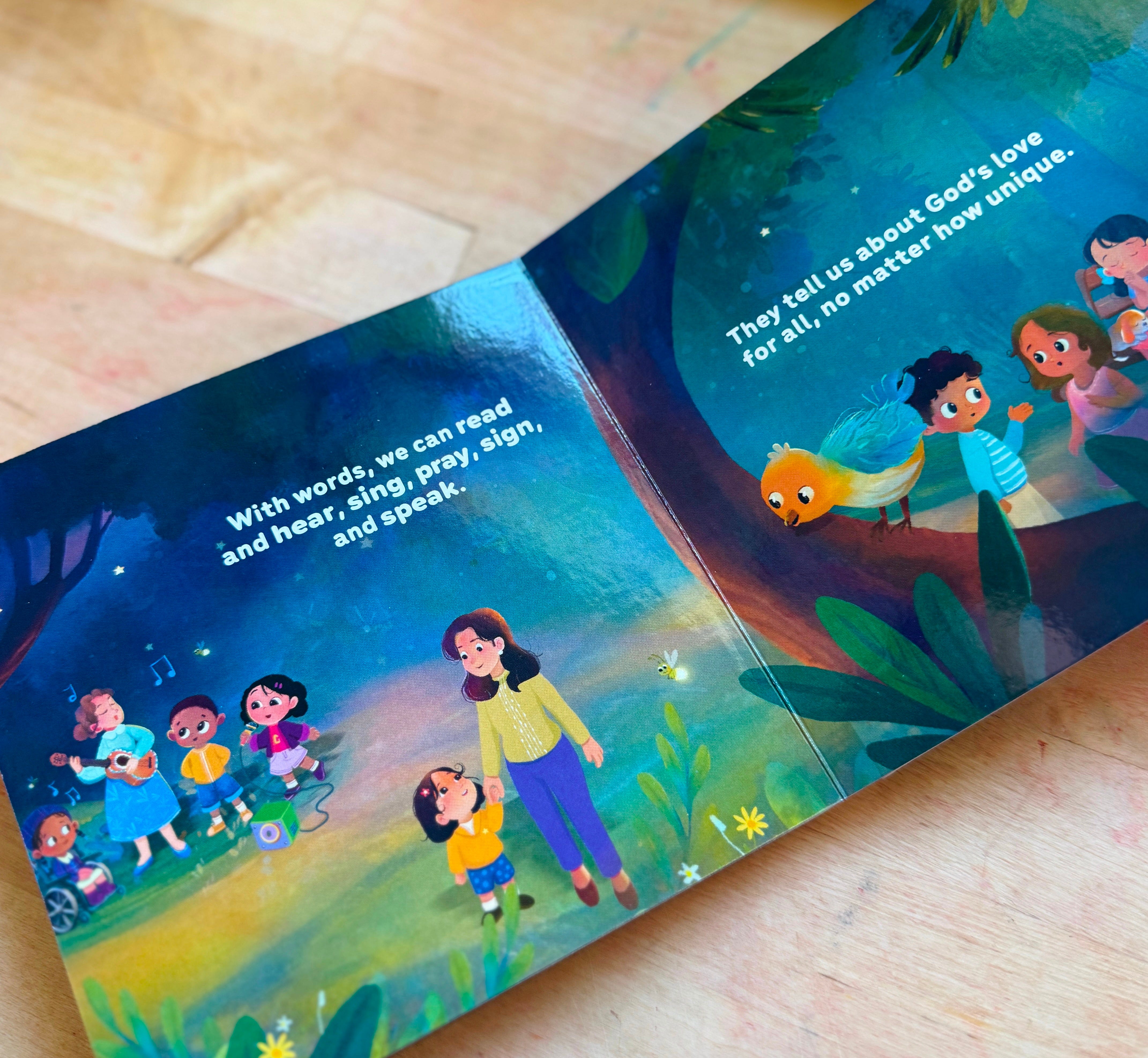
What Are Words? frames words broadly: we can read and hear, sing, pray, sign, and speak. Words tell us about God’s love for all. This approach shows that communication takes many forms beyond speech.
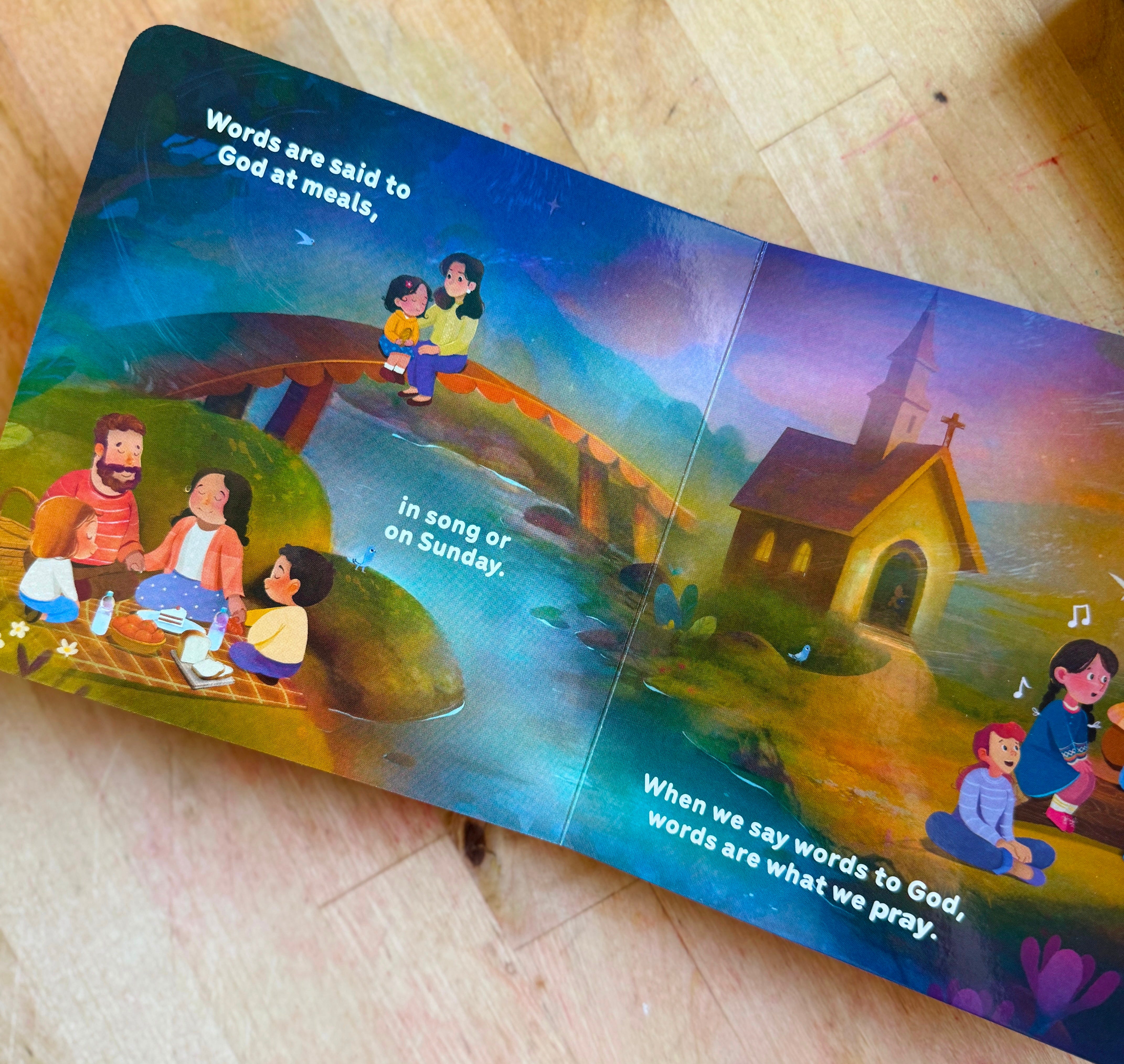
A key focus is how words connect us to God and to each other. Prayer can be a tricky concept to explain to young children, and the book makes it feel simple and accessible. Prayer is communication, just another way of using words to build relationship. It’s something that can be woven into daily routines without abstract explanation.
Just like God’s Child, Always, What Are Words? is notably inclusive. It incorporates multiple languages and sign language, demonstrating that words aren’t limited to one voice or form. They are varied, expressive, and shared across different ways of communicating.
How we’d use this book
After reading this with my kids, I’d draw a mind-map style picture together of all the ways we see words used. I’d include everything - even their silliest thoughts. Seeing “to tell silly jokes” alongside “prayer” can help kids understand how present prayer can be in their lives. Even fun! It’s not some abstract thing.
I talk to my kids often about how the words they say to themselves also have power. If you’re having a hard day and you tell yourself you love yourself, that can help build confidence that has a ripple effect. This book connects to that idea. You can use your words in prayer, and they can help you feel more connected with God and others and improve your days. Using our words helps us find connection - with ourselves, with others, with God. The book adds another layer to the idea of “using our words”: communicating with a higher power.
Why this matters
We all see how words are often used to hurt - on social media, in political discourse, in everyday interactions. Children pick up on these patterns early.
Teaching kids that words can also build connection, offer comfort, and express prayer gives them another option. They’ll encounter cruelty and harshness regardless, but if they learn early that words can be used to strengthen relationships with themselves, others, and God, that’s a practice they can carry throughout their lives.
What Are Words? introduces this foundation when language patterns are still forming. Prayer as communication, words as connection, language as varied and inclusive - these are valuable skills and lessons. When a child learns their words have power and that power can be directed toward love and understanding, it shapes how they’ll handle conflict, disappointment, and relationships as they grow.
If you’re a progressive parent looking for faith-based resources that center inclusion and connection, What Are Words? offers a solid starting point - one that builds patterns worth carrying forward.
Comments
Nothing yet. Say the first thing.
Sign in to join the conversation.