
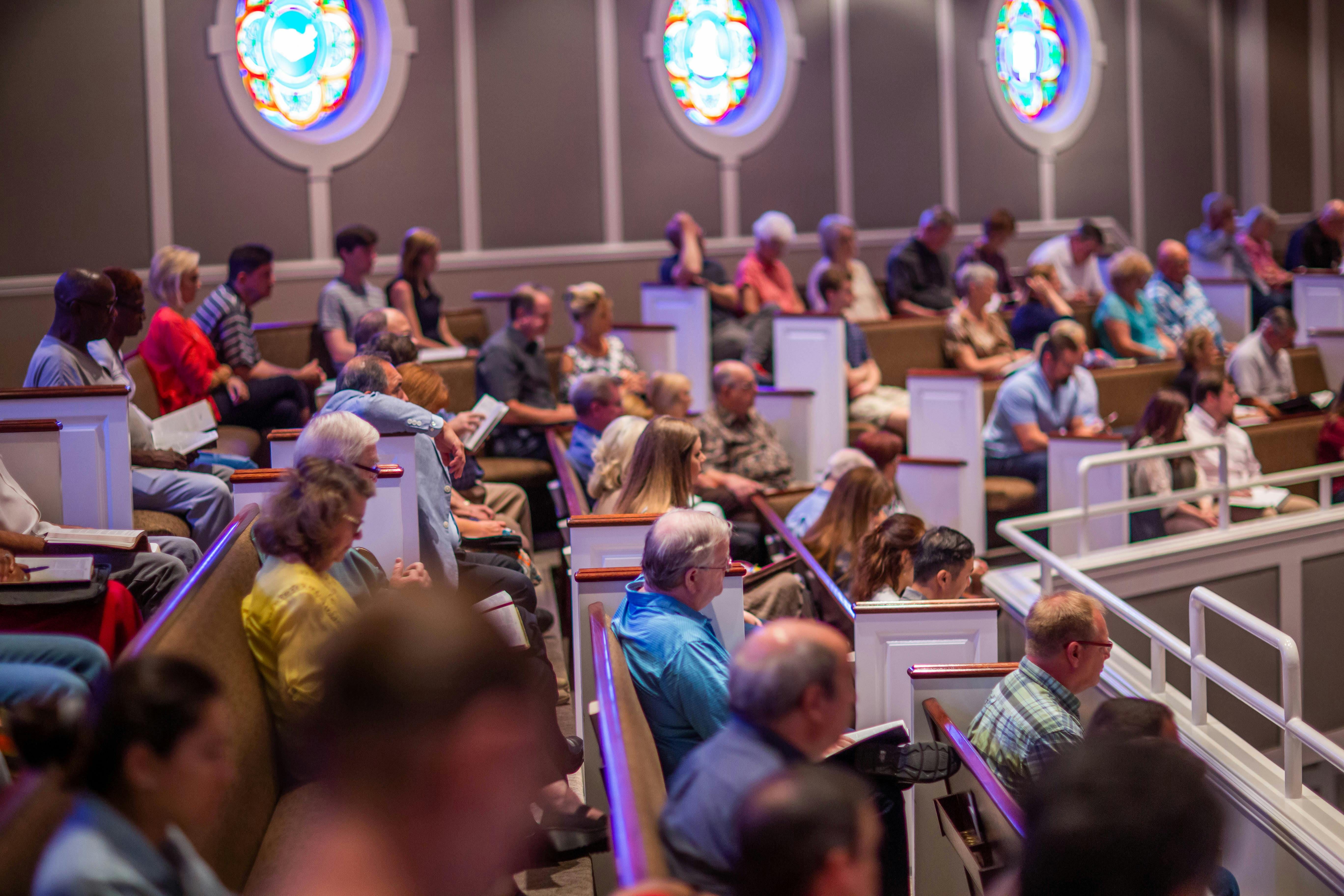
For eight years, I was on the inside.
I didn’t know there was a name for what I was living through. I didn’t know there was a month set aside to talk about it, a growing body of research behind it, or a community of people who had walked out the same door I eventually walked through. I just knew something was wrong, and I didn’t yet have the language to say what.
That’s the thing about cults. You rarely realize you’re in one while you’re in it.
International Cult Awareness Month (ICAM) occurs every August. It was established in 2022 by The Freedom Train Project, an organization dedicated to educating the public and supporting victims of cults and coercive control.
Since then, it’s grown into a global effort featuring webinars, workshops, survivor stories, and public education, all aimed at one goal: helping people recognize coercive control before it costs them years of their lives.
I’ll be honest. A month isn’t going to undo the harm these groups do to a person. But naming it is the first step toward seeing it. And most people have never been taught to see it at all.
Here’s what surprises people most: cults aren’t rare, and they don’t look like what you’ve been trained to expect.
Most high-control groups hide in plain sight—inside a wellness community, a church, a leadership seminar, a spiritual practice, a business opportunity, or a tight-knit friend group that slowly starts requiring more and more of you.
What actually defines a cult is not its appearance but its architecture:
The deliberate isolation of members from outside relationships, the installation of a single or group authority who controls information and interprets reality on everyone else’s behalf, the escalating demands reframed as spiritual growth or personal development, and the quiet but consistent punishment of anyone who dares to question.
Once those mechanisms are operating in concert, the label on the door—church, coaching program, wellness retreat, online community—becomes almost irrelevant.
Getting precise data on cults is famously difficult, and researchers cite disagreement over definitions, limited access to current and former members, and reluctance to self-report.
But the estimates we do have are staggering:
• The Scope: Psychologist Margaret Singer, one of the most cited researchers in the field, put U.S. cult membership somewhere between 300,000 and several million people. Other research estimates that at least two million Americans have been involved with cultic groups.
• The Reach: The International Cultic Studies Association (ICSA)—an organization I’ve had the honor of presenting at—maintains files on more than 4,000 groups, built from decades of inquiries and case reports.
• The Proximity: One survey of psychologists found that 13% reported personal or family experience with a cultic group, and 33% had treated people who were or had been members. Another survey of San Francisco high school students found that 3% reported being members of cultic groups, and 54% had at least one contact with a recruiter.
• The Aftermath: Survivors consistently show elevated rates of post-traumatic stress after leaving. Some studies estimate PTSD prevalence rates among former members as high as 60–70%, compared to roughly 6–7% in the general population.
• The Susceptibility: A recent YouGov poll found that 62% of Americans think the average person is susceptible to being recruited by coercive or cult-like groups, yet only 17% believe they themselves are vulnerable.
Numbers like these don’t capture the whole picture. They can’t. But they tell you this isn’t a fringe phenomenon. It’s a public health issue hiding behind a Hollywood stereotype.
Maybe you’ve never set foot near anything you’d call a cult. Here’s why this still touches your life.
You’ve probably worked for someone who used cult-adjacent tactics to keep you compliant.
You may have watched a friend get pulled into a high-control relationship and not had the words to name what you were seeing.
You’ve likely encountered high-control dynamics in a religious community, a fitness culture, an MLM, a political movement, or an online space that asked for more of your loyalty than it ever earned.
Coercive control doesn’t stay confined to the category of “cults.” It’s a set of tactics that show up wherever power goes unchecked, and isolation goes unnoticed.
Understanding how it works protects you, your kids, and the people you love, whether or not any of you ever join a named group.
If you're new here or want to go deeper this month, here’s a place to begin. These articles are drawn from my own archive, written from within the experience and informed by years of studying it since.
I'm no cult expert, but I escaped one and, in doing so, unintentionally created a 45-year personal case study on coercive control.
While my entire Exit Costs publication is dedicated to cult dynamics, coercive control, and exploitation, I've gathered a few of the most relevant pieces here to help you find your footing.
And if you or someone you know needs support beyond reading, I've also compiled a page of survivor resources and recovery tools—organizations, hotlines, and communities built specifically for people navigating life after a high-control group.
11 Ways Cults and Human Trafficking Operations Use the Same Methods of Control
The Role of Humiliation in High-Control Groups, Cults, and Abusive Relationships
You don’t have to have a personal connection to this to care about it. You just have to know someone. And statistically, you probably already do—a coworker, a cousin, or the friend from college who slowly stopped answering texts.
This month, learn one thing you didn’t know before. Share one article with someone who needs the language. That’s it. That’s the whole ask.
I didn’t have anyone to hand me a roadmap when I left. I’m still writing the one I wish I’d had.
If this is new territory for you, start with whatever piece above finds you where you are. I’ll be here either way.
[1] International Cult Awareness Month. “About ICAM.”
[2] Cult Mediation. “Prevalence.”
[3] YouGov. “Two-thirds of Americans think the average person is susceptible to cult recruitment.”
Kelsey Decker writes about cult dynamics, coercive control, exploitation, and survivor recovery from both lived experience and independent research. She is the founder of Morning Glory Global, a nonprofit supporting women impacted by sexual exploitation, and the creator of the Exit Costs framework exploring the immediate and long-term effects of leaving high-control environments.
Comments
Nothing yet. Say the first thing.
Sign in to join the conversation.