
I desperately needed a retreat. A blink of a moment away from this collapsed life.
Some place where I could nurse the permanent heartache caused by the breakdown of a relationship that had resulted in homelessness and exhaustion. Quiet time to work on rebuilding my confidence after his clever criticisms and regular punishments with ‘the silent treatment’ had left me broken.
I couldn’t believe my luck when I was offered an artist residency in the most stunning place in Arbroath, Scotland. Three months, fully funded, with very few strings attached and the opportunity to exhibit in the Royal Scottish Academy at the end!
Then, just days before I was due to leave, a doctor gave me some news that could jeopardise the opportunity.
The suspicious-looking mole on the sole of my foot would need to be removed. There would be three stitches, and I’d have to stay off my foot for two weeks, and this, right near the start of my residency dates.
If I couldn’t walk, then how could I make this a success? I was hoping to be exploring the architecture, furniture, and artefacts in the house and creating new pieces in response.
All this could be done sitting down after all. And where better than in the stunning gardens of this house? What a luxury this would be!
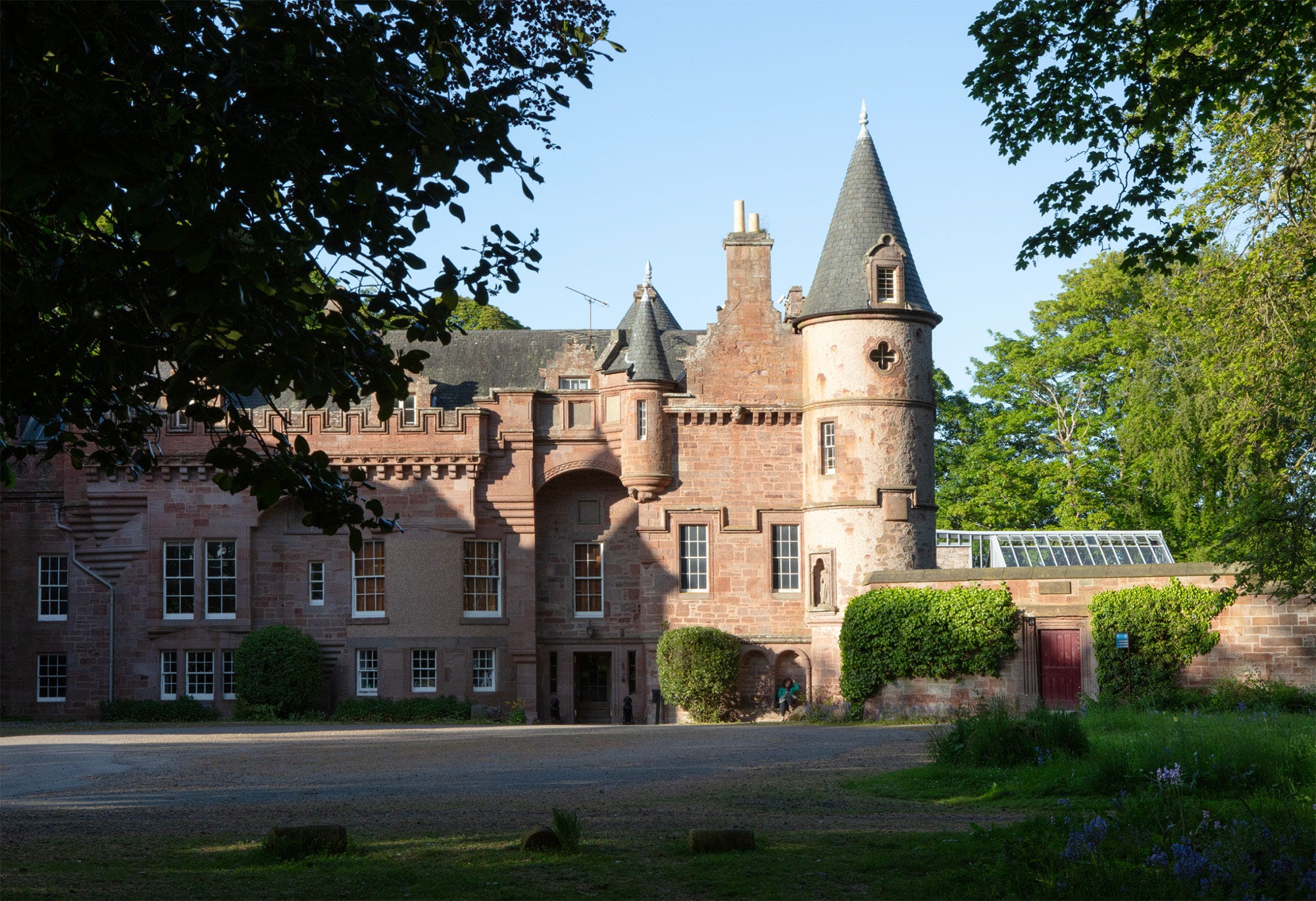
Fortunately, the surgery was scheduled for a week into the residency, so I was able to get myself to the town by train and walk from there to Hospitalfield to meet the Director at 3 p.m. and kick this adventure off.
Walking up the drive, with my pull-along suitcase crunching the gravel behind me, I was overwhelmed by this enormous red sandstone mansion, with its crow-stepped gables, silver-topped turrets, and numerous chimneys rising above the roofline. My eyes darted from one feature to another on this complex fusion of architecture.
The reason for its original shape was that Hospitalfield began life as a medieval hospital before evolving, bit by bit, over centuries into the extraordinary Scottish baronial building I was now standing in front of.
In the nineteenth century, it became the home of artist Patrick Allan-Fraser and his wife Elizabeth, the last heir to the estate. Their bequest for it to become an art school eventually transformed it into the residency centre it was that day.
The front door was open, so I stepped onto the deep red carpet inside the entrance. A dusty, woody smell filled my nostrils as the clock in the hall struck three ‘Ting, ting, ting’.
Simultaneously, I heard the chime of the clock tower outside ‘Ting, ting, ting’ and in the distance, another clock upstairs confirmed my punctual arrival.
Oil-painted portraits looked down on me and nude sculptures adorned plinths around me. But there wasn’t a living human in sight.
I wandered through the corridors calling “Hello? Hello?”
The house was bursting with Victorian accoutrements, artworks and artefacts, as if Elizabeth and Patrick still lived here. I truly felt as if I’d been transported to a different time.
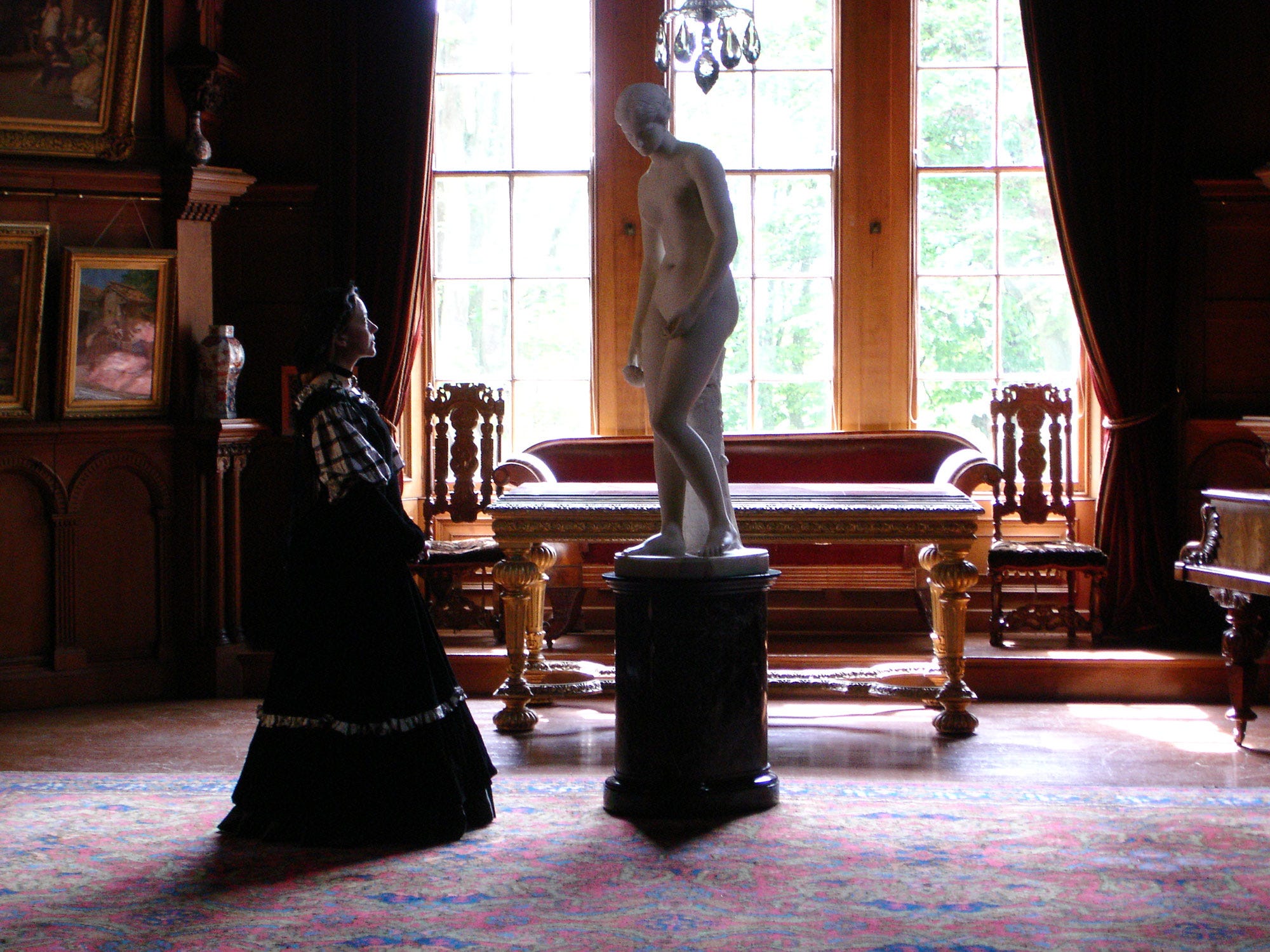
‘Ting’ The clocks struck quarter past the hour, then again ‘ting’, for half past. I’d found my way to, what I assumed was the resident’s dining room by then, as the décor was functional and contemporary. I sat down to wait.
When the Director finally arrived, he was so welcoming, and any fears I’d had went out the window as he showed me to my room. The single bed and paired-back décor made it feel a little like a monastic cell. A complete contrast to the rest of the house, but a quiet, safe place for me to call my own for the duration.
After the operation, I settled into my recovery in the magical gardens. The garden was double walled, creating a warm, sheltered microclimate and a perfectly comfortable rehab space.
The book that became my bible during this period (and one I’ve returned to on multiple occasions since) was ‘Home: A Short History of an Idea’ by Witold Rybczynski (affiliate link)
“Walk through five centuries of homes both great and small…on a house tour like no other, one that delightfully explicates the very idea of “home.”
You’ll see how social and cultural changes influenced styles of decoration and furnishing, learn the connection between wall-hung religious tapestries and wall-to-wall carpeting, discover how some of our most welcome luxuries were born of architectural necessity, and much more. Most of all, Home opens a rare window into our private lives and how we really want to live.”
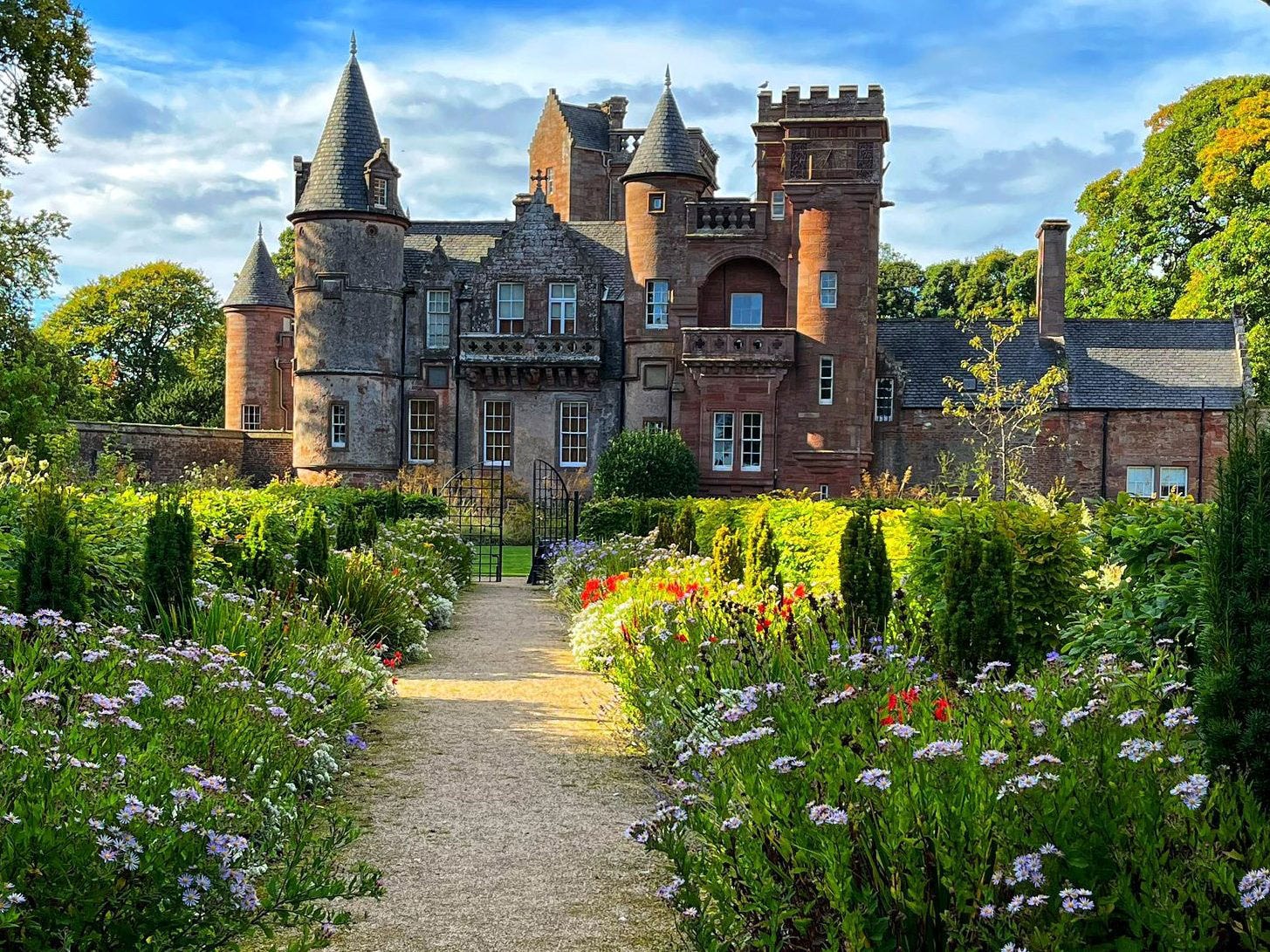
Other residents came and went throughout the months. Sometimes I was there alone, at home in these grand rooms like some lady of the manor. At other times the house was filled with the chatter and laughter of classes of American students there for a research trip.
When the Americans were there, they brought huge perks, which I could also benefit from in the form of a chef called Charlie and a dishwasher called Jim, and my weight loss mission was put to the test.
“I can’t possibly eat your amazing three-course dinner every night. I’m in the best shape I’ve ever been having just spent months working hard at it, dieting and going to the gym!” I exclaimed to Charlie.
But the temptation was too much for me, so I enjoyed these short moments of luxury, making one small sacrifice. I’d share my dessert with Jim each day.
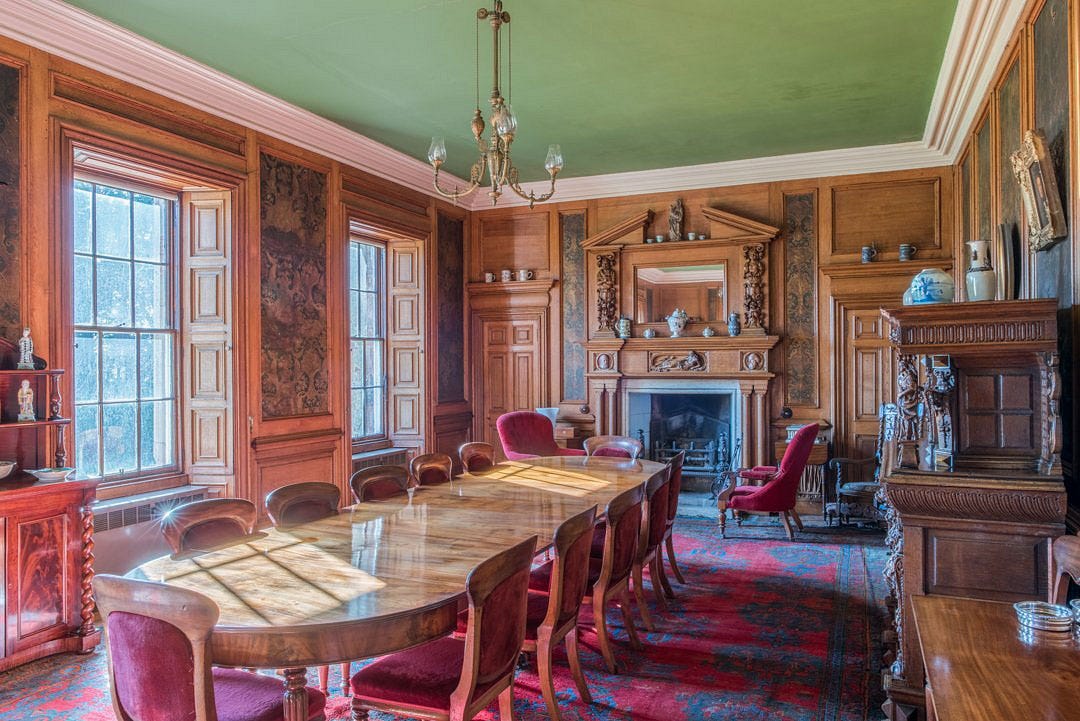
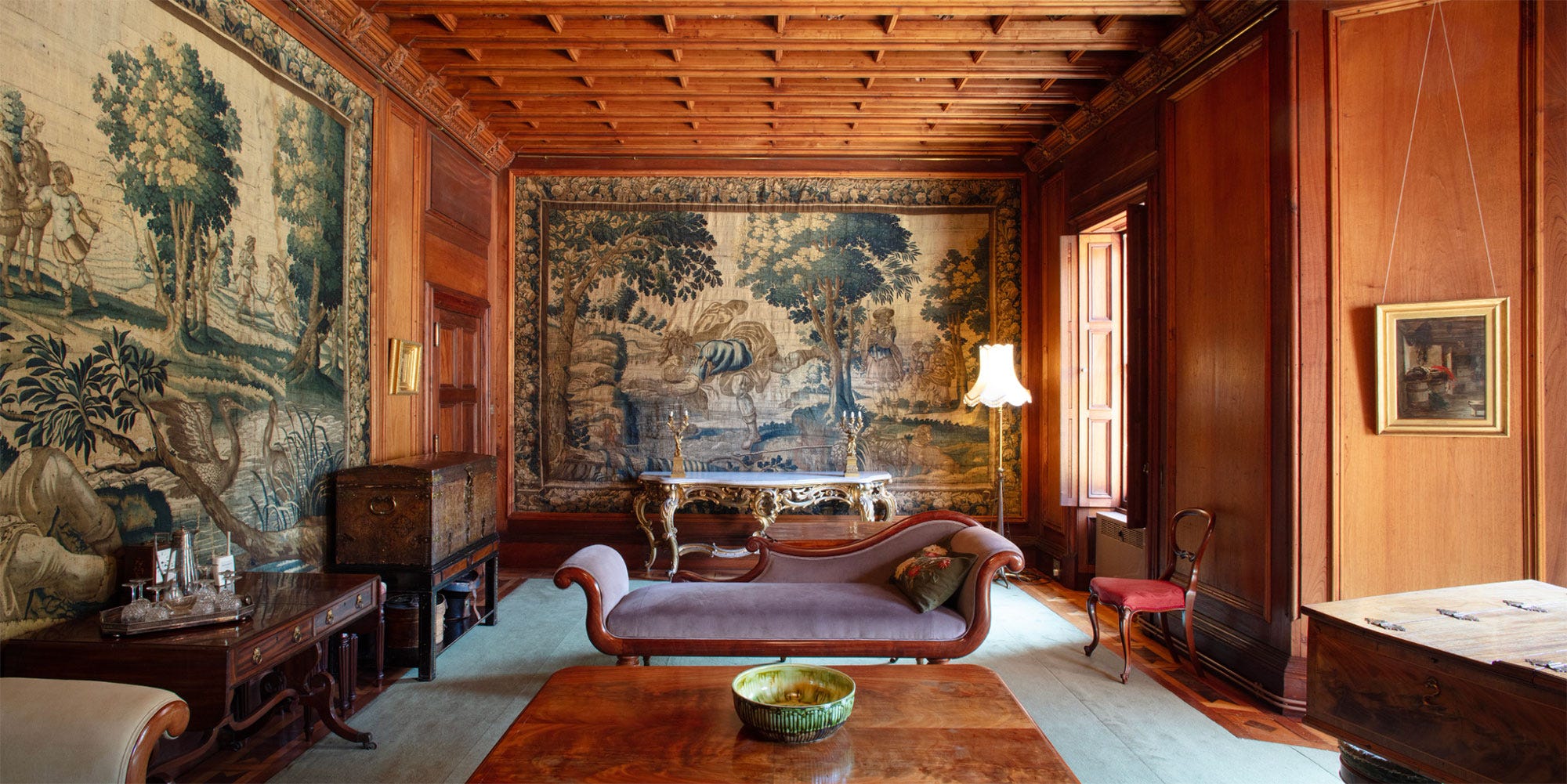
Slowly but surely, I could feel my confidence being restored as the days went by, surrounded by this supportive creative community or enjoying complete solitude, exploring the beauty of the house and the contents of it’s cupboards and drawers.
The freedom I was allowed in this house was so generous. Unfortunately, I wasn’t the first person to have rummaged through these possessions though and some things were showing serious signs of wear and tear.
Torn wallpaper, broken crockery, faded tapestries, and worn upholstery. All the lives lived within this house were taking their toll.
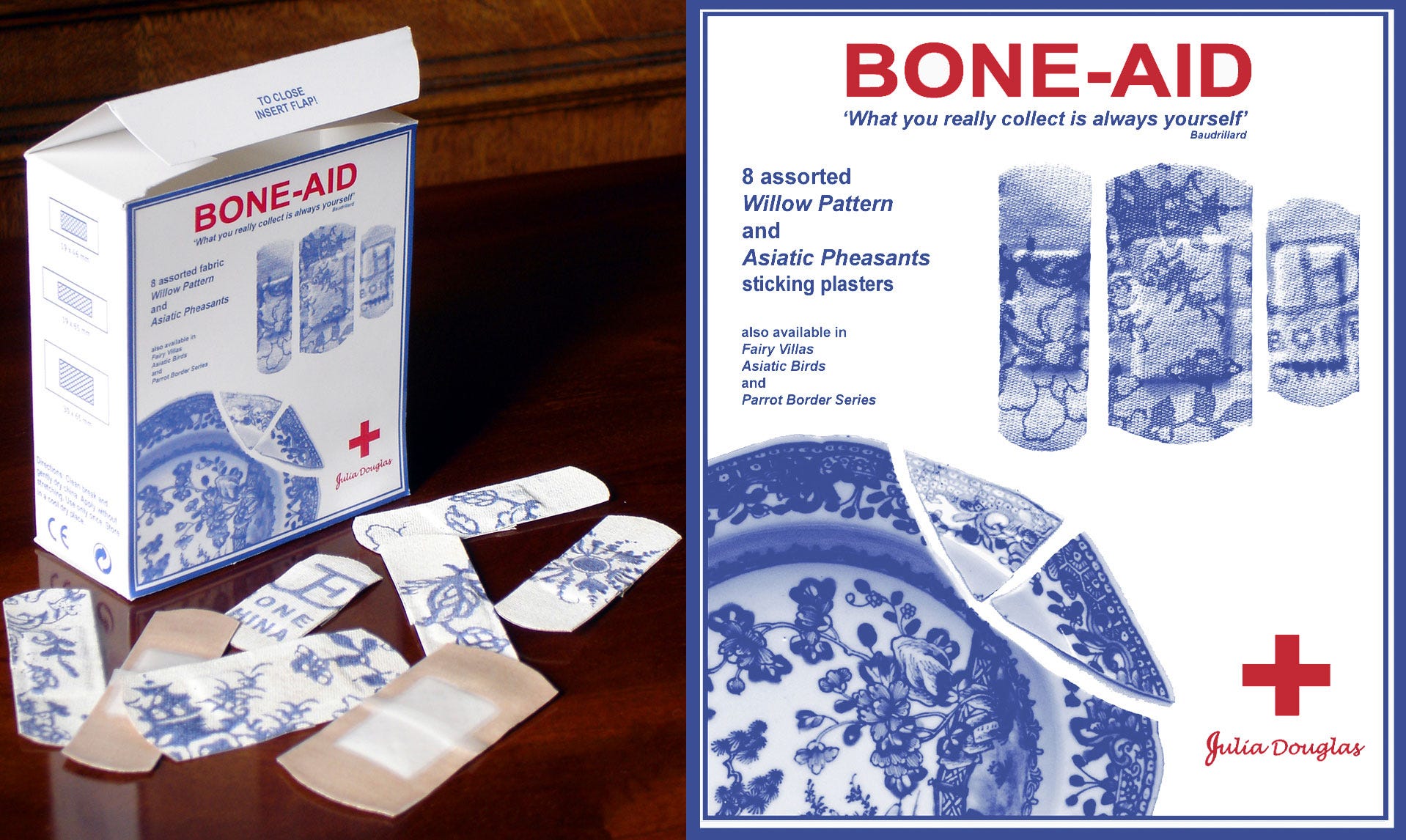
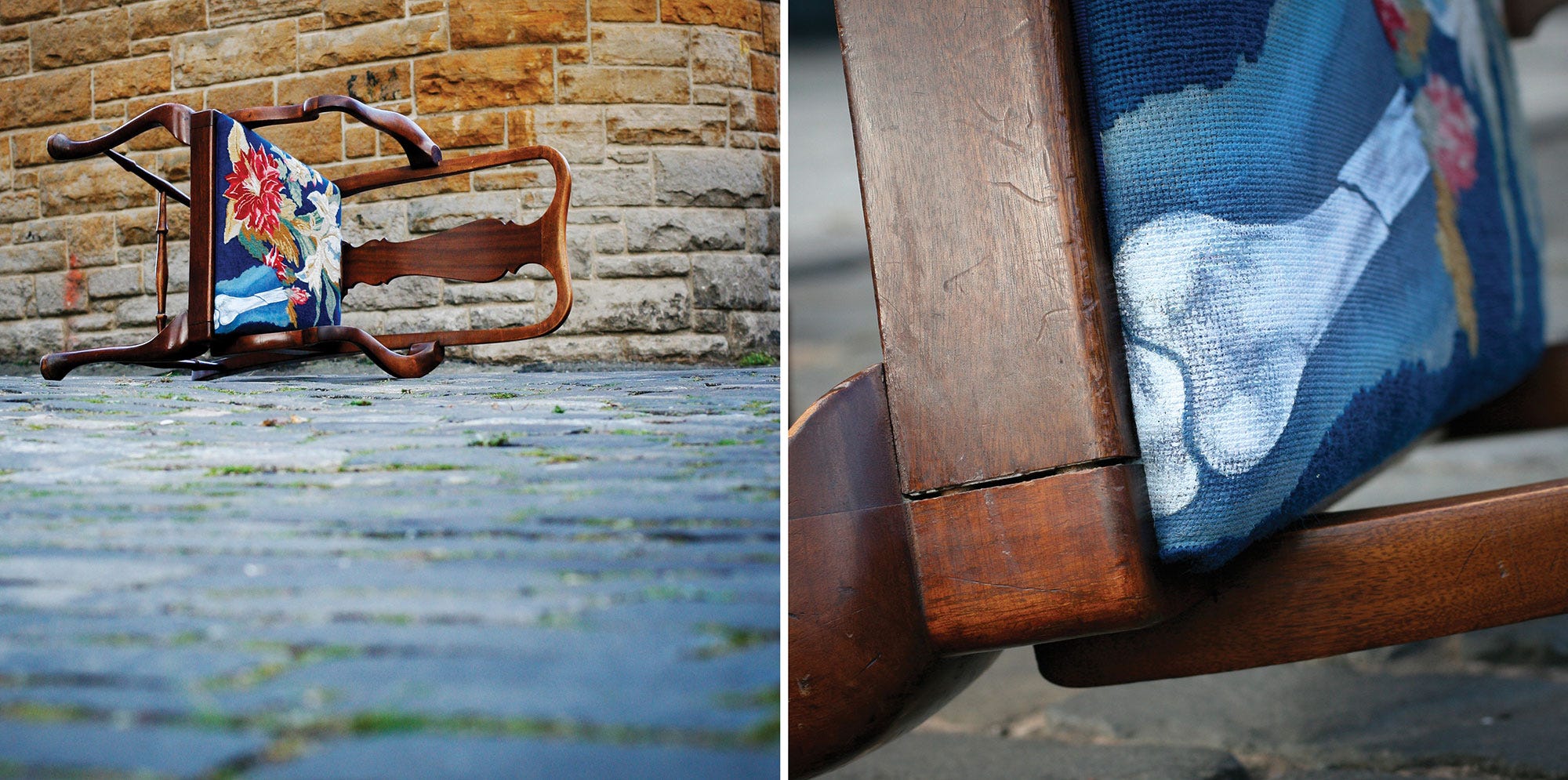
I found myself wanting to ‘heal’ these beloved objects through my artwork in this historic hospital. I made drawings of bandaged broken chair legs, a needlepoint of an upholstery pattern that revealed an X-ray of a broken femur beneath and screen-prints of plasters that would fix the Willow Patterned plates.
The clocks continued to remind me of the passing of time every quarter of an hour, ‘ting’, but the time was my own and I was in heaven! I hadn’t realised how stressed and tired I’d been until there was finally no pressure. Nothing urgent demanding my attention.
I returned to Edinburgh with a restored sense of self, a body of work I was proud to exhibit in the prestigious gallery in Scotland’s capital and great stories to tell at my lecture to the Friends of the RSA, who’d funded the residency.
Three months after leaving Hospitalfield, the scar on my foot had almost completely healed, and I met my husband.
Do me a favour, hit the ❤️ button.
Apparently it makes it more visible to non-subscribers.
If you liked this story, please consider sharing it with a friend.
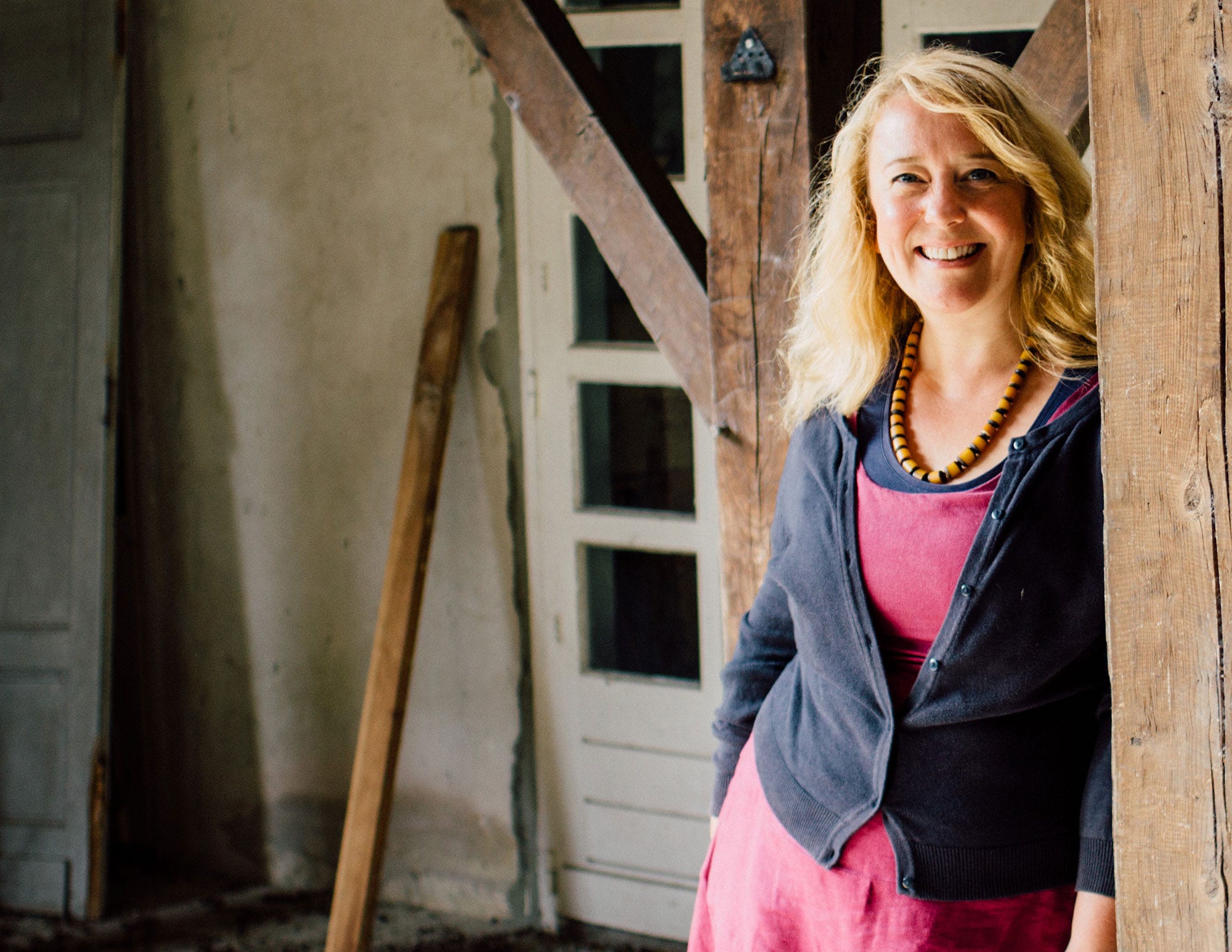
Hi, I’m Julia, a mixed-media artist and web designer from Edinburgh Scotland. I moved to France in 2016 with my husband, Colin, to buy a house and open an artist residency. I’m not a trained writer, but I love to write and hope you enjoy my stories, tips and ideas.
Find me at www.juliadouglas.co.uk
and on Instagram @juliadouglas or Facebook @JuliaDouglasArt
No posts
Comments
Nothing yet. Say the first thing.
Sign in to join the conversation.