
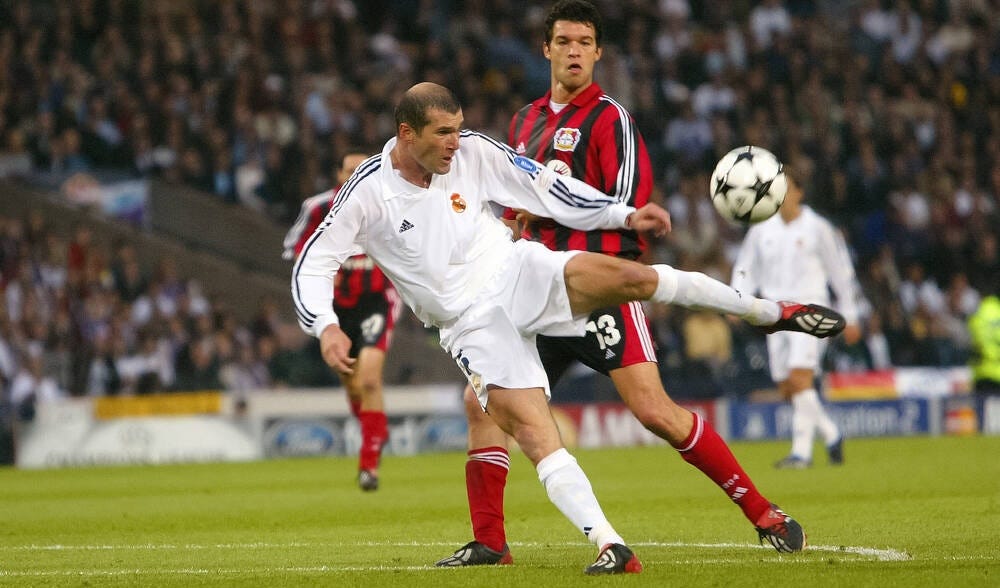
On June 11th, the 2026 World Cup opens in Mexico City. Billions will watch. Dreams will be realized and shattered on pitches across North America over the next six weeks. And somewhere in the stands or at home, a generation of players will carry a memory that still haunts the sport: the image of Zinedine Zidane walking off the field in Berlin, red-carded in the final minutes of his final match, his head bowed, his legacy fractured by a single impulsive act.
The 2006 World Cup final remains one of the most studied collapses in sports psychology. Not because of the final score, or because Zidane missed the trophy by a few meters. Because it captured, in a single televised moment, what happens when Self 1 hijacks the biggest stage of your life.
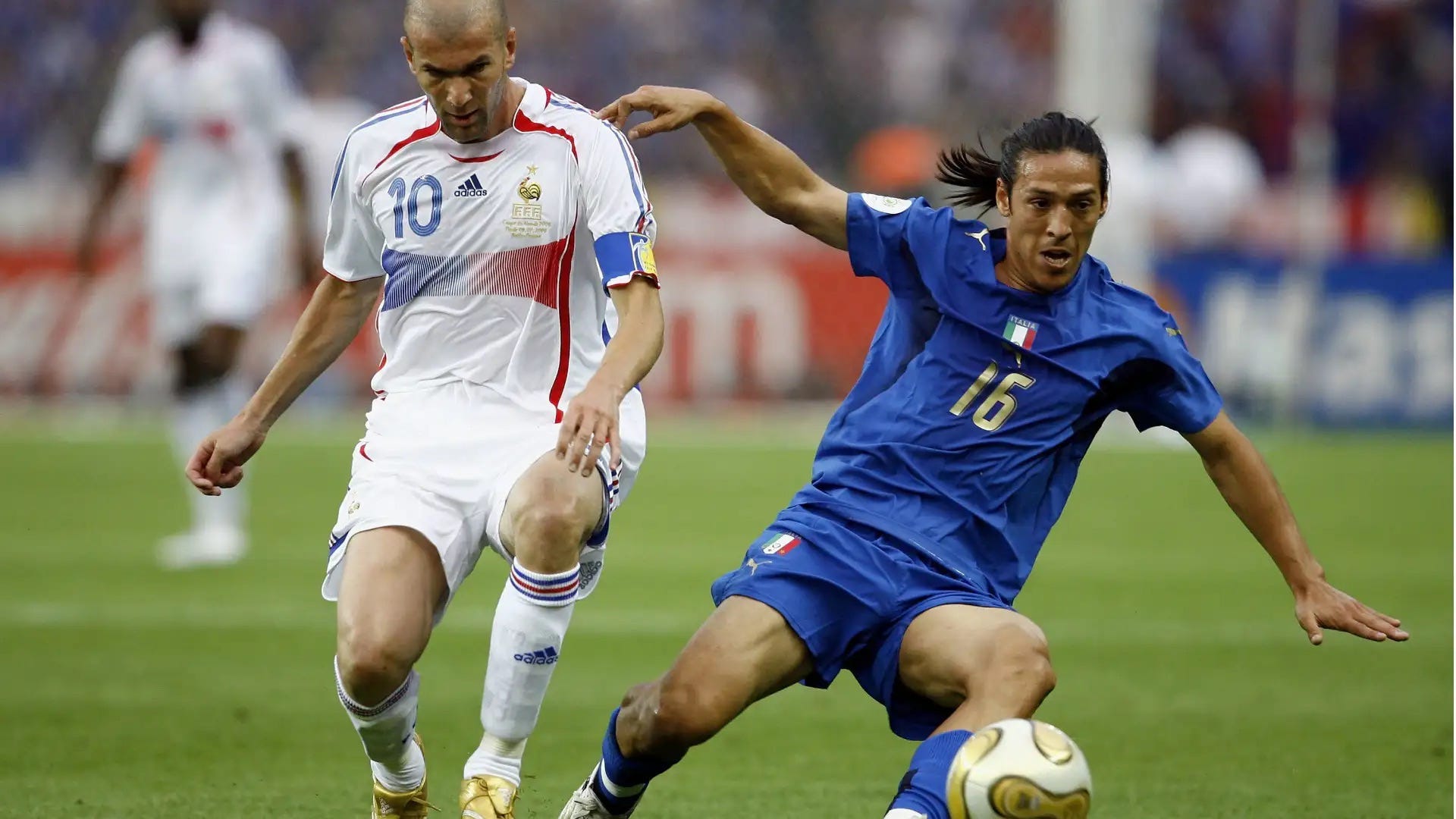
For years, Zidane had been the portrait of presence. His genius was stillness. While other players sprinted and pressed and forced, Zidane walked. He received the ball as if greeting an old friend. He turned defenders inside out with a body feint and a soft touch, never a wasted step. Teammates described watching him as if time itself slowed when he had possession. Marcel Desailly said it felt like slow motion around Zidane whenever he touched the ball. Florent Malouda insisted there was no bad pass for Zidane. Even under pressure, the situation would slow down for him, and he had time to analyze it.
This was Self 2 at its finest: the body’s natural intelligence operating without interference. Zidane didn’t calculate his way through matches. He sensed them. He listened to the rhythm of the game and responded from a place of clarity rather than force. His composure was contagious. When he was calm, the team was calm. When he moved, the match moved with him.
And then came the 110th minute in Berlin.
France and Italy were tied 1-1 in extra time. Zidane had already scored from the penalty spot. He was thirty-four years old, playing the final match of his career, carrying his nation toward its second World Cup. The tension was unbearable, and Marco Materazzi, the Italian defender who had conceded the penalty, began talking.
What Materazzi said remains disputed. Reports suggest he insulted Zidane’s mother and sister. Whatever the words, they found their target. Zidane stopped moving forward, turned, and walked back toward Materazzi with a strange, deliberate calm. Then he drove his forehead into Materazzi’s chest.
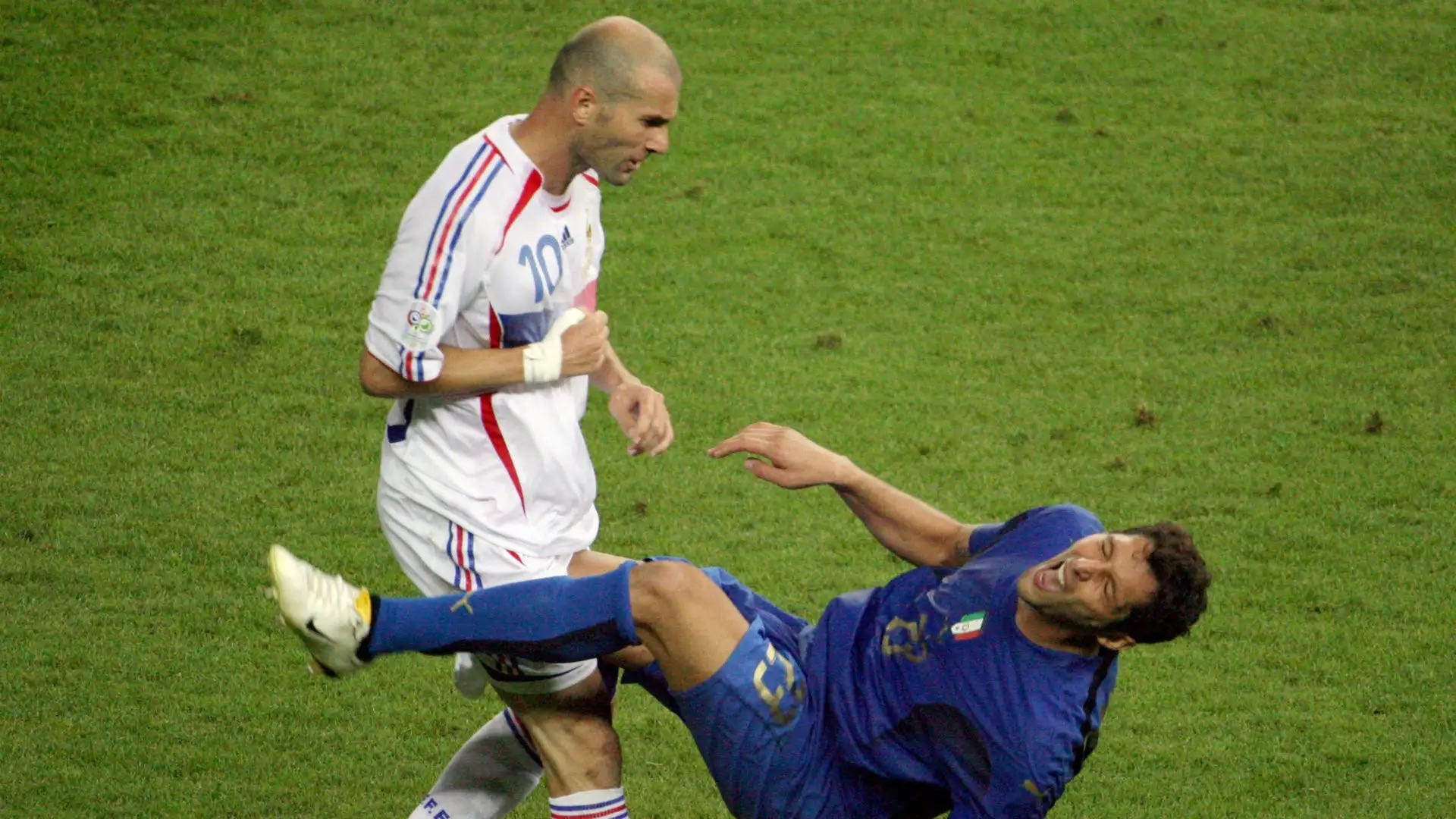
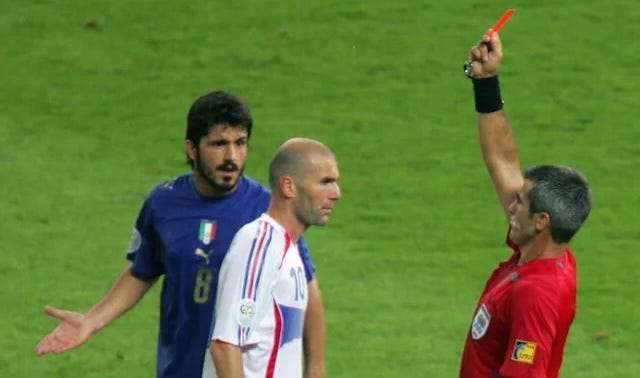
The red card was immediate. Zidane walked past the trophy he would never touch, down the tunnel, and out of professional football. France lost on penalties. The greatest midfielder of his generation ended his career not with a walk of shame.
What happened? Self 1 happened.
In the past, Zidane’s conscious mind had stayed quiet. His awareness had remained stable. He had absorbed pressure and provocation and converted it into poise. But in that moment, the verbal assault pierced his calm. His ego-mind, the voice that judges and reacts and demands vindication, took control. He stopped perceiving the match. He stopped sensing the flow. He started thinking. And in that instant of thought, he made a choice that erased everything he had built in the previous 110 minutes.
Self 1 does not care about your legacy. Self 1 does not care about the trophy, your teammates, or the billions watching. Self 1 cares about being right. It cares about defending its image. It cares about punishing the person who insulted it. And Self 1 is fast. By the time Zidane’s body reached Materazzi, the decision was already made. The conscious mind had hijacked the moment.
This is the danger Tim Gallwey warned about when he wrote that the ego-mind “causes interference with the natural doing processes of Self 2.” When Self 1 takes over, the body tightens, vision narrows, and the flow stops. You are no longer in the match. You are in your head, fighting a battle that has nothing to do with the ball at your feet.
Zidane’s collapse was a failure of presence. For one moment, he left himself. And that moment cost him everything.
But the lesson is not that Zidane was weak. The lesson is that even masters fall. Presence is a practice you maintain every second you are under pressure. The same internal alignment that carried Zidane through ninety years of brilliance had to be held through the 110th minute, through the 115th, through the final whistle. And it wasn’t.
This is the cautionary tale, but it is also the path forward.
Because Zidane’s career is not defined by that headbutt. It is defined by the thousands of moments when he held his center while chaos swirled around him. It is defined by the way he made time bend to his tempo, by the way he proved that clarity beats force, by the way he showed that the inner game shapes the outer game.
When you face your own 110th minute, when the provocation comes, when the voice in your head screams for reaction, remember Zidane. Remember both versions. Remember the master of stillness. And remember the man who lost his presence in the moment it mattered most.
The choice is always there. The question is whether you can stay long enough to make it.
Presence is not a permanent state. It must be held, moment by moment, especially when the stakes are highest.
Self 1, the conscious ego-mind, is always waiting for an opportunity to take control. It feeds on provocation, insult, fear, and pride. It cares about being right more than it cares about results. And when it takes over, it overrides the natural intelligence of Self 2.
Zidane’s collapse in Berlin was not a failure of skill. His body knew what to do. It was a failure of awareness. For one moment, he stopped perceiving the match and started reacting to his thoughts. That moment of internal fracture created the external disaster.
The inner game is not won once. It is won continuously. Every second under pressure is a choice between presence and reaction.
The next time you feel provoked, pause before you respond.
Notice the heat rising in your chest. Notice the voice in your head constructing arguments, planning retorts, demanding vindication. That is Self 1 taking the wheel.
Ask yourself: Am I about to act from clarity or from reaction?
Take one breath. Feel your feet on the ground. Remind yourself that the provocation is not the match. The moment in front of you is the match. Return your attention to what is actually happening, not what your ego wants to do about it.
Zidane’s genius was stillness. His failure came from leaving that stillness for even one moment. Your practice is learning to stay.
“Harmony between the two selves exists when the mind itself is quiet. Only when the mind is still is one’s peak performance reached.”
— Tim Gallwey, The Inner Game of Tennis
Zidane’s career is that sentence in motion. His collapse in Berlin is the sentence interrupted.
Where has Self 1 hijacked your biggest moments? Hit reply and tell us about a time when a reaction cost you everything you wanted.
Share this story with someone preparing for their own high-stakes performance. And when you’re ready to practice the stillness that Zidane mastered and lost, explore it inside the Inner Game AI.
No posts
Comments
Nothing yet. Say the first thing.
Sign in to join the conversation.