
In our fourth Hot Room Vol. 2 feature we go to Ireland to discuss the mysterious Irish bathing spaces and their history. Make sure to read through and buy Rosanna’s book as well!
As we learn more and more about different bathing cultures, we also are learning from others about uncovering or re-remembering ancient traditions. Big Towel was lucky enough to spend some quality time with Rosanna Cooney author of the latest Sweathouse: The new and ancient Irish Sauna Tradition, which tells the history of Irish Sweathouses and the resurgence of sauna use on the island.
(All photos provided by Rosanna Cooney)
What are Irish sweathouses?
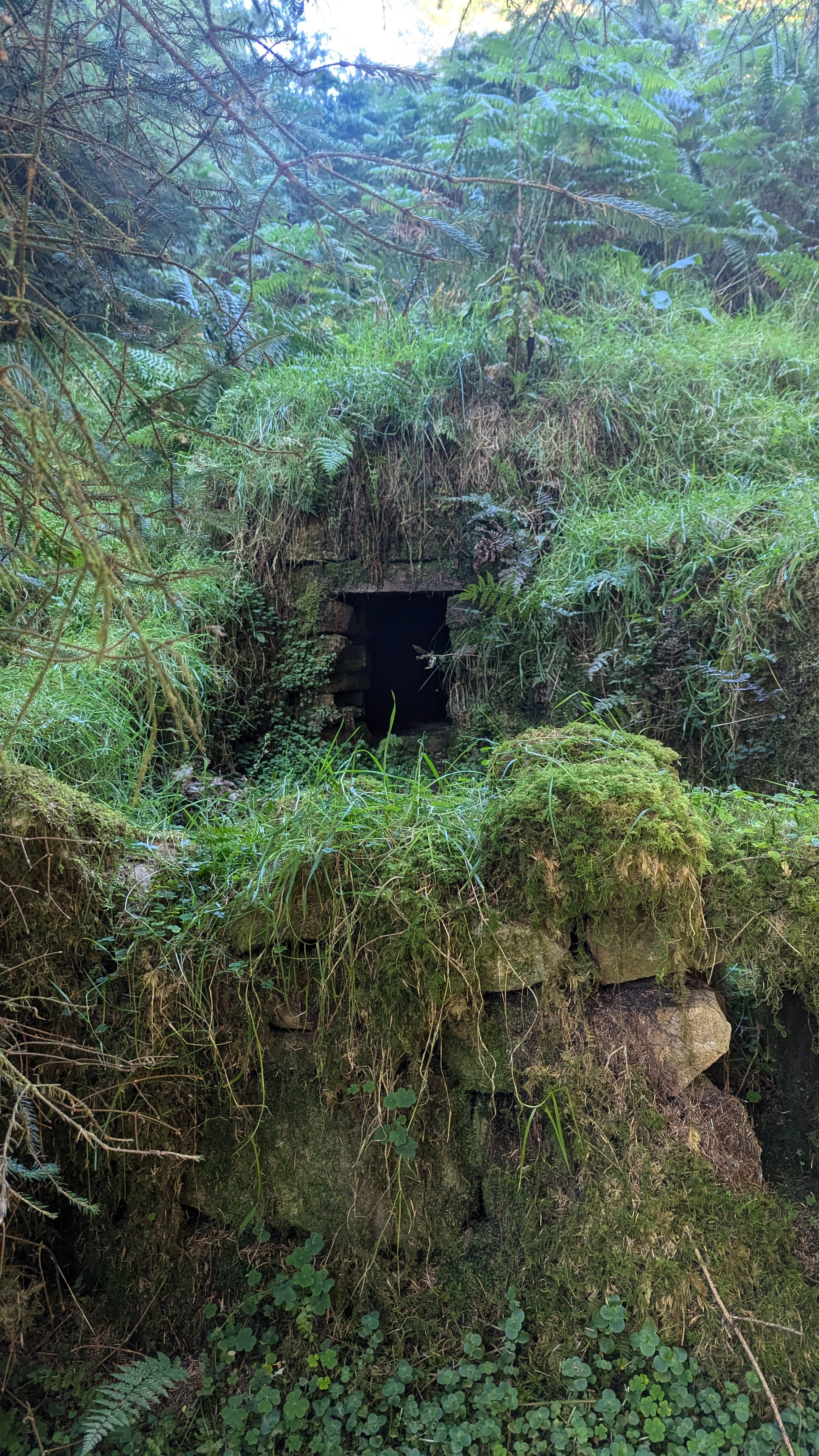
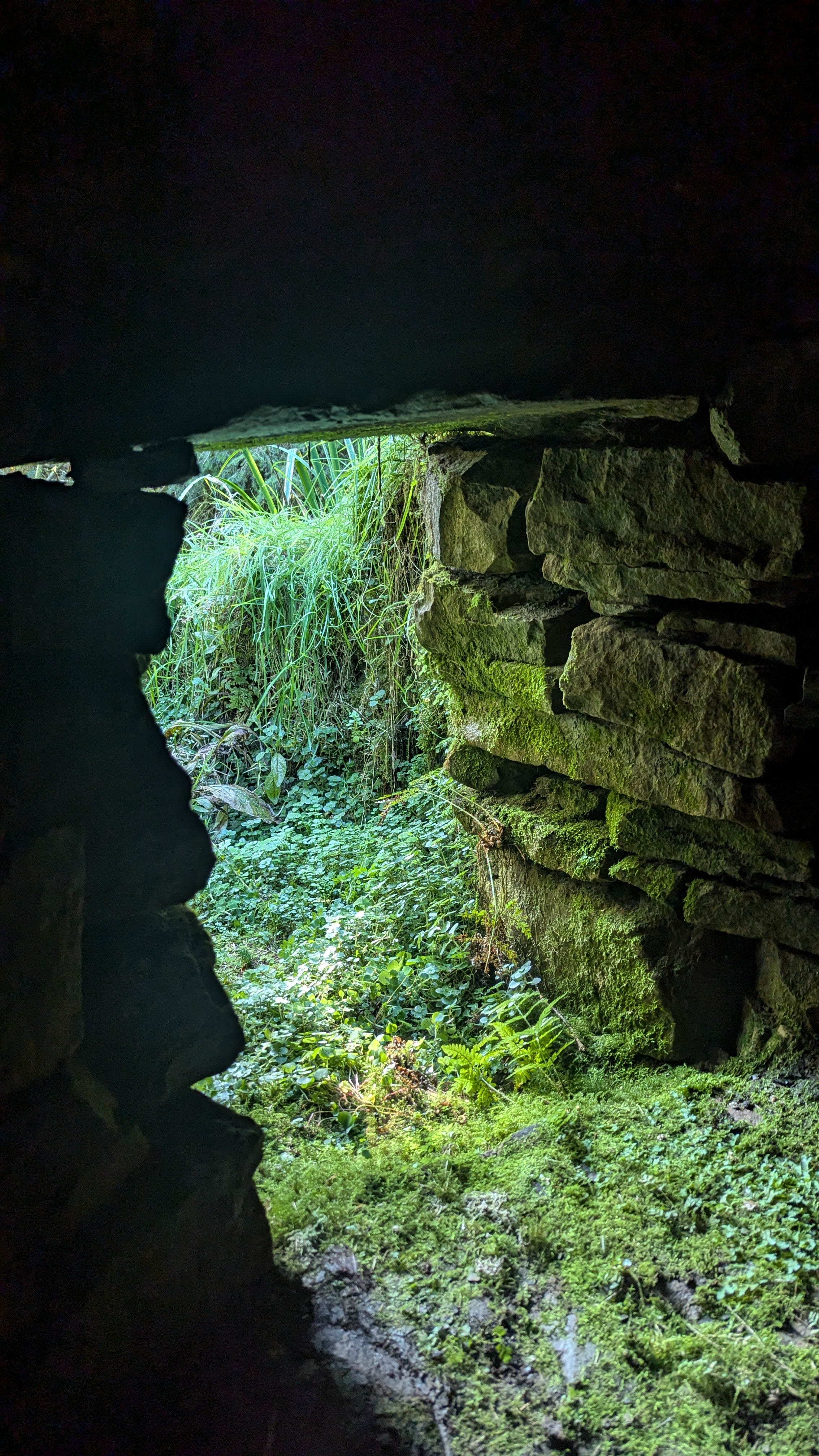
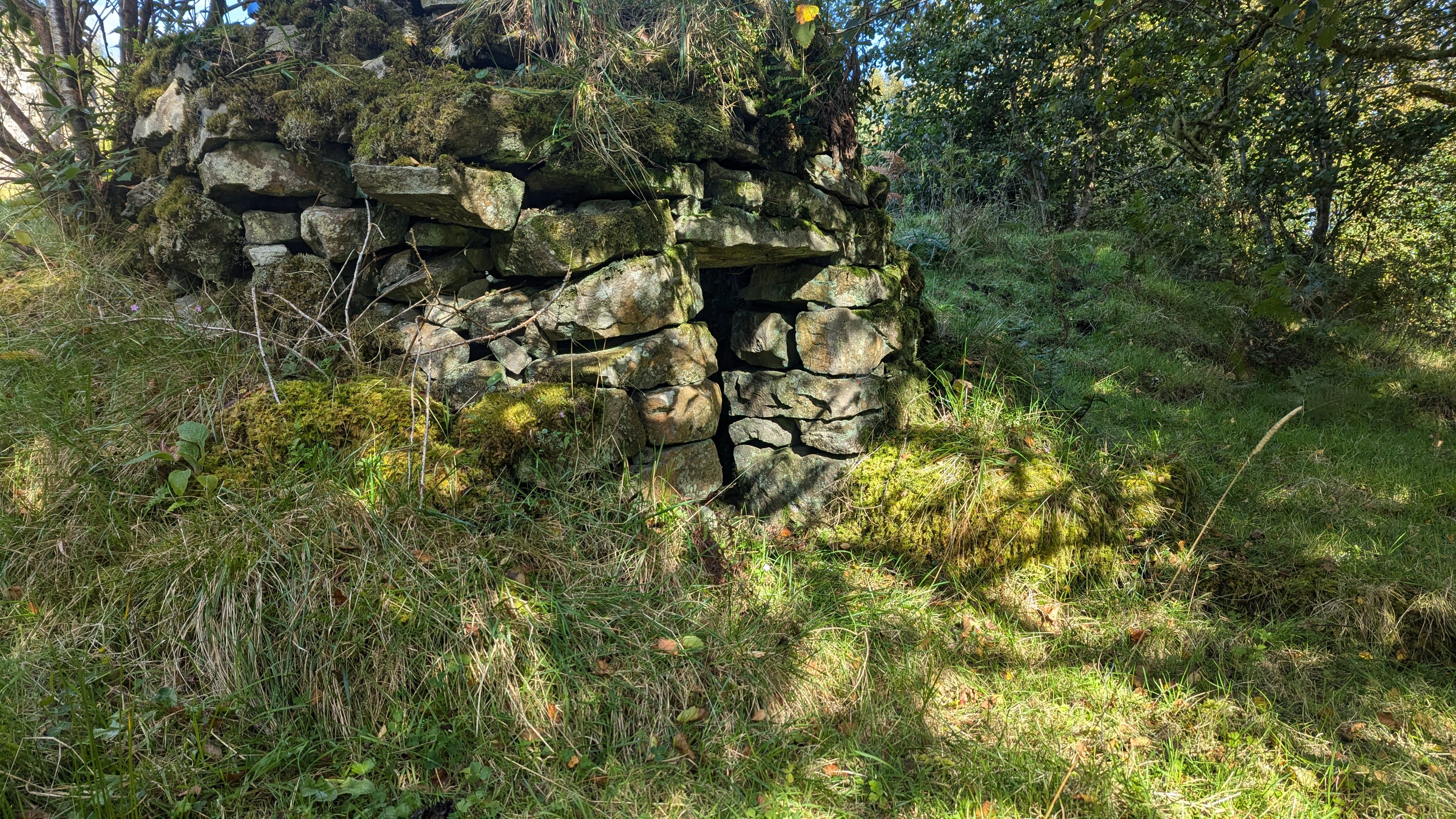
Many countries have their own sweating-bathing traditions and sweathouses were part of Ireland’s until the turn of the twentieth century. Sweathouses are small stone domes skilfully built using a dry-stone technique, so chinks of light and air can get still get through. They tend to be found in secluded, peripheral places in rural Ireland, near rivers or streams that would have been perfect for cooling off after a sweat. Most sweathouses were built for two or three people but there are bigger ones too, where four or five people could have squeezed in. To heat them, people would light a fire inside the dome and let it burn until the stone walls had absorbed enough heat and energy. The fire was then allowed to die and its embers were scraped out. Fresh green rushes were laid on the ground so people could crawl inside without burning their skin on the mud or stone floor. Once the bathers were inside, the entrance to the sweathouse was plugged with turf, or towels, to trap the heat and create a dark, even womb-like interior. In the past people in Ireland used sweathouses in search of a cure for arthritis and rheumatism and all the aches and pains that would have been common among people living in damp conditions, and working the land. But they were also used as a cure for sciatica, lumbago, headaches, eye troubles…on and on. They were a medical resource for people when the cost of healthcare was prohibitive, and access to it was minimal.
How did you get drawn towards Irish sweathouses?
From the first photo I ever saw of a sweathouse, I was enchanted. They looked like fairy forts to me! I love how they are so camouflaged that they seem almost part of the landscape. Sweathouses can exist in perfect harmony with their surroundings. They do not impose in any way because they were built with stones from the rivers and fields. Once I started researching sweathouses I became enchanted with how relatively little is known about them. Even though they were used just on the cusp of living memory, they are quite mysterious. There is no agreed-upon opinion of where they came from, or exactly how they were used. Although there are plenty of theories; Did they come with the Viking invasions of the 8th and 9th century? Were they introduced by Christian missionaries to Ireland who carried the knowledge of the ancient Roman bathing culture? Or was the knowledge of heat as a healing force, carried on from the 3000 year-old Bronze Age sweat lodges that have been found around the country? To add to the mystery there are no known first-hand accounts of sweathouses recorded. The information that was written about them was by people who only observed them in use, or who described them years after they stopped being lit. The first ever written reference to sweathouses comes from the memoirs of a travelling Frenchman, Chevalier du la De Latocnaye, who wrote in 1796 of a ‘peculiar practice’ in county Donegal; a ‘sweating house’ in the shape of a thimble that the locals swore by as a cure for all their ills. ‘Four or five men or women, entirely naked, creep in as best they can through the little opening, which is immediately closed with a piece of wood covered over with dung. The unfortunates stay in this for four or five hours without the possibility of getting out, and if one of them takes ill, he or she may sit down, but the plank will not be taken away before the proper time.’
Understanding how sweathouses were used, their significance and their intricacies is like opening an old forgotten jigsaw, where most of the pieces are still there, it’s just a matter of turning them the right way and connecting them together.
What do you think is the connection between Irish culture and these ancient structures? Spirituality?
Both sweathouses’ prominence and their decline are intertwined with Ireland’s history, our traditions, our customs and our language. Ireland was a very different place when sweathouses were in use, particularly in the 18th and 19th centuries. Back then there was a much greater belief in otherworldly beings, fairies and the supernatural. The Irish language, Gaeilge, was the commonly spoken tongue, and the main way of passing information was oral. The people who were using sweathouses weren’t writing down how they used them, their healing methods or whether they believed there was a kind of magic, or draíocht, attached to them. Knowledge was lived, not recorded. But this meant as English became the dominant language of the island and colonisation eradicated community structures- generations of knowledge, customs and beliefs were lost with our native language, including information about how the sweathouses were used.
Fortunately in the 1930’s a national folklore project tasked children with recording the memories and stories of older relatives and neighbours and it is from this database, which has now been digitised and is available to search on https://www.duchas.ie/en, we can glean information about sweathouses (and many other fascinating elements of Irish life!) even though at this point in time they were no longer in use. One account from the folklore project of a woman named Martha Douglas from Clogher, county Donegal, who had a sweathouse in her garden shows how easily the knowledge of traditional healers in Ireland, and the methods they used in the sweathouse to cure people, could be lost. ‘Here the patient was placed rolled up in blankets on large flat stones with a fire underneath. This operation continued from twelve to twenty-four hours. Then the patient was removed and placed in a bed where she administered medicine made from herbs. After three or four days’ treatment, the patient was completely cured. Old Martha never told the secret of her cures which died with her.’
How many sweathouses are there throughout the country?
Roughly 300 sweathouses have been recorded around the country, most of these are in the northwest of the island- in counties Leitrim and Cavan. But there are examples from north to south. Many people believe that this is just a fraction of the true number that once existed and that there were once thousands of them that have now disappeared. Sweathouses were not built to last hundreds of years and many of them have collapsed under the weight of vegetation growing on their walls, or because they are in fields with livestock. Most of the sweathouses that are in good condition now, with their roofs intact, are protected under Irish law, so they can’t be lit. There is definitely a momentum building now around sweathouses, and people experimenting with building new ones, in the old way.
What is your favorite thing about them?
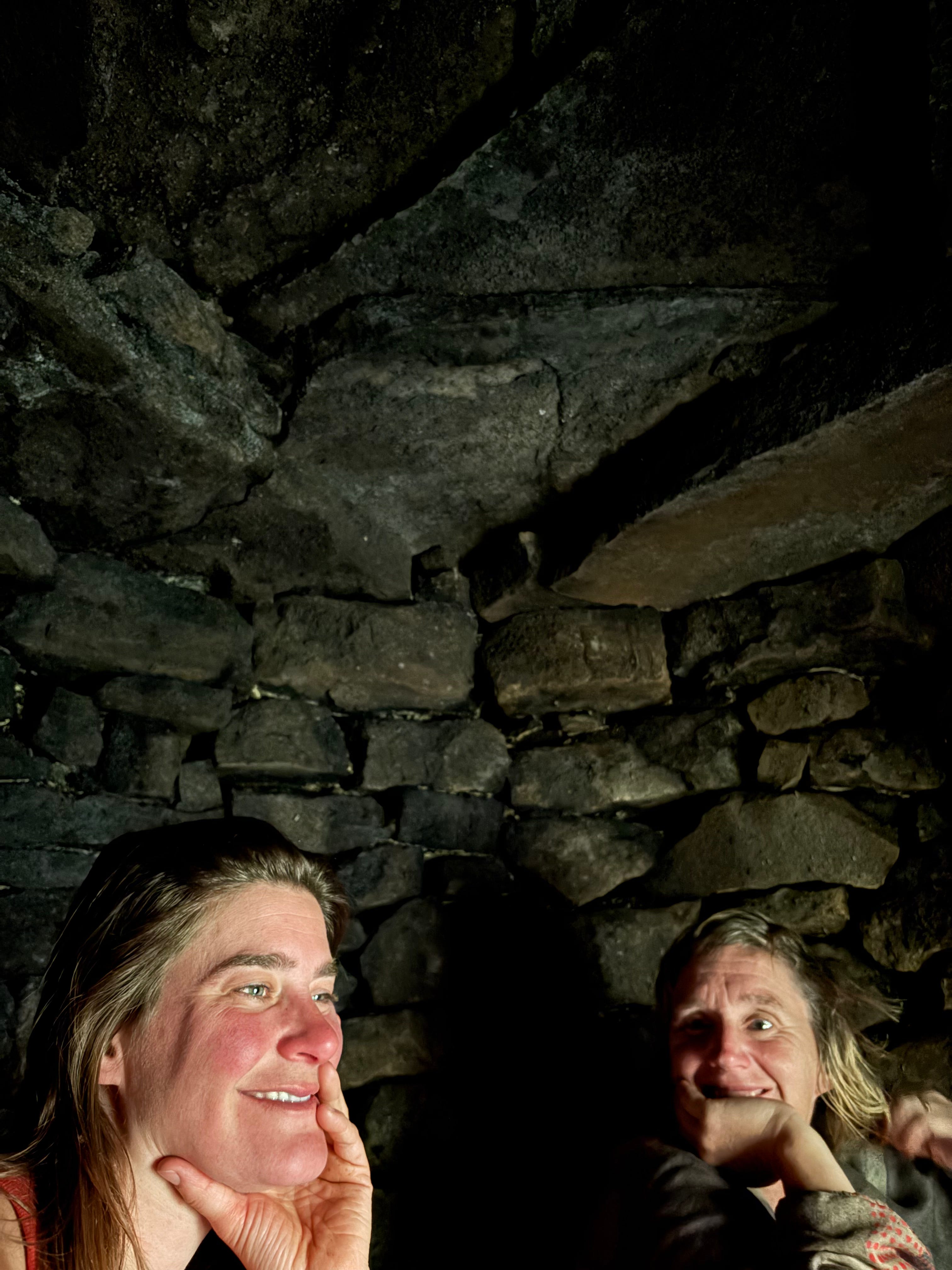
Sweathouses are relics, they aren’t compatible with our internet age. No description or photo of them captures how special they are and no two are the same. They don’t seem entirely of this world until you go and crawl inside one. Then the past comes rushing in and it’s quite magic to think that in the very same spot you’re crouched in, someone else sat, naked and ready to sweat with their neighbours or friends in search of transformation and healing. I have been inside sweathouses where the stone walls are still scorched red from the fires that were lit there. It is an instant connection to the past, and a reminder how the human desire for deep heat and sweat is intrinsic.
What can we learn from the past?
Sweathouses were often part of an old Irish way of living and working that was egalitarian and implicitly recognised how the health of each member of the community affects the whole. They were not commercial or proprietary but were community spaces. By lighting the fire inside the sweathouse for the person who needed it, and by staying nearby as the people sweated inside, this was not a solitary pursuit, but something which demonstrated love through energy and resources. People were invested in their neighbours’ health and wellbeing, not only their own. I find that quite beautiful
No posts
Comments
Nothing yet. Say the first thing.
Sign in to join the conversation.