
I’ve recently been honored to introduce Yellowjackets to two people who had never watched it before. This makes it at least the fifth time I’ve rewatched the first few episodes. Shows similar to Yellowjackets, like Interview with the Vampire, aren’t easy for me to contextualize after the first or even second watch.
I was watching episodes 1 and 2 and taking a tally of the animals that make recurring appearances in the show. While there are goats and ducks and mice, the animals that carried weight were rabbits and wolves. They weren’t just for the mise-en-scène. These animals represented what stayed with the girls beyond the wilderness and the trauma.
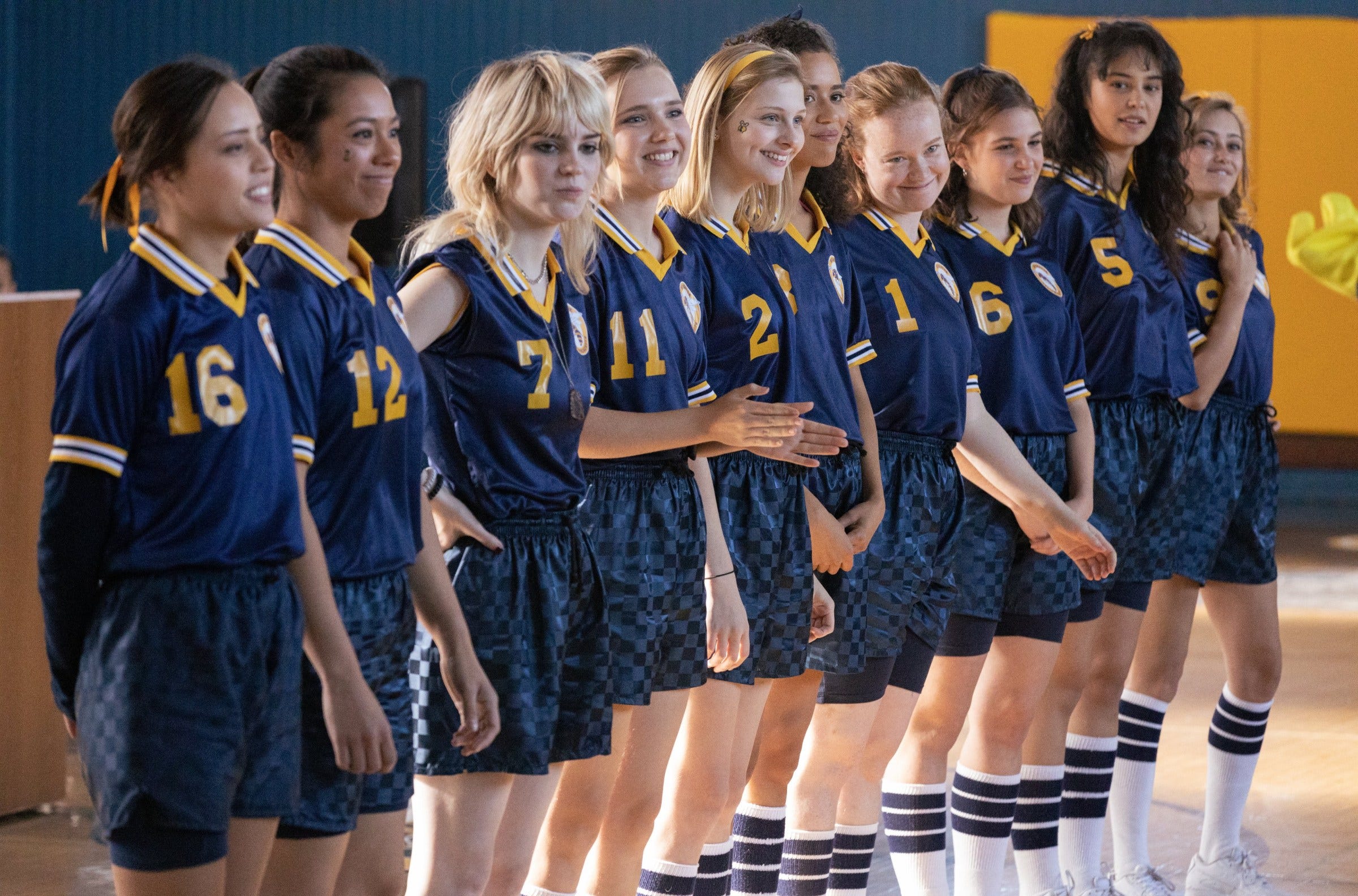
In the case that you’re reading this with no knowledge of the show, I’ll be glad to explain. The Showtime series came out in 2021 and follows the aftermath of a plane crash in the Canadian wilderness. It centers a high school girls’ soccer team with a dual timeline set in 1996 and present day.
The characters we get to know more intimately in season 1 are Shauna, Taissa, Van, Lottie, Misty, and Natalie. But you don’t entirely know who survived the wilderness, except for Shauna, Taissa, Misty, and Natalie.
We can praise how masterfully the writing introduces us to adult Shauna and Taissa another day. In their respective introductions, though, the storytelling draws parallels between these characters and the animals they encountered out there.
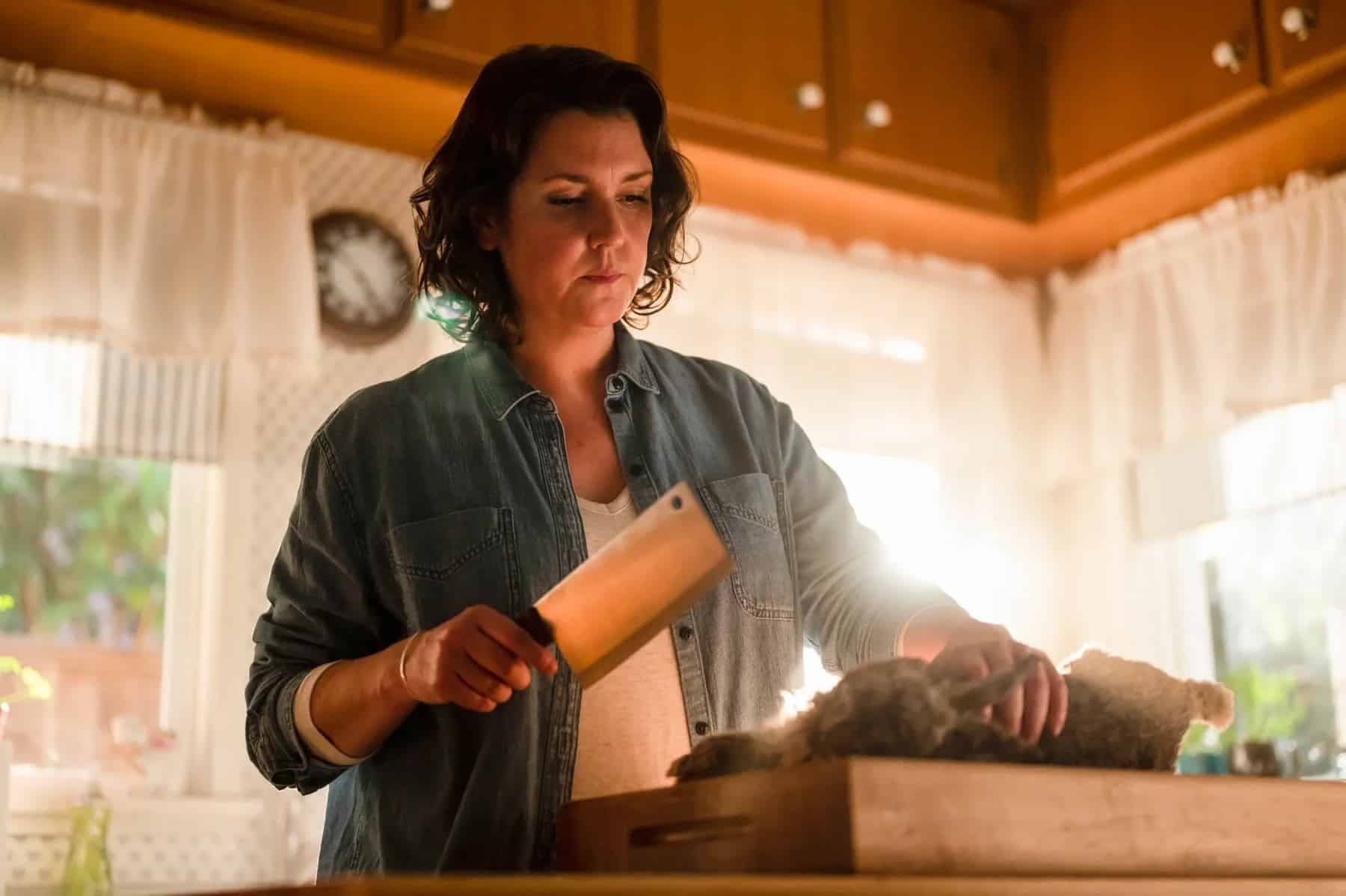
Adult Shauna is introduced as a quiet housewife with a chores list and a passion for gardening. It’s traditional and disarming on the surface. Even in the pesky laundry stain that she scrubs away, you’ll find her festering guilt and anxiety.
This is why she has a personal vendetta against the rabbit in her garden. “Just as the rabbit is destroying Shauna's garden, the constant reminders of her past are killing her inner peace” (Katy Rath of Collider). But the rabbit isn’t just a pest problem. It’s an identity problem.
Shauna is established as deceitful at the end of episode 1 when she’s hooking up with Jackie’s boyfriend. She’s also withholding information from Jackie about her acceptance to Brown. Like a rabbit in traditional Native American folklore, the way she navigates situations is always calculated and conniving. The wilderness heightens this for her own survival.
Even as an adult, her kitchen is adorned with rabbit imagery. Why? She’s still in the midst of surviving. Those who made it out of the wilderness survived the conditions. Those who remain are surviving the inflictions. And she’s still leaning into that darkness within to make it to the next day.
“Wolves can kill anything as long as the pack is big enough”
-Coach Ben (Season 1, Episode 3)
Wolves play a big part in the series from Van’s attack to Tai’s visions. Early into season 1, this animal is plotted as a motif for more than one reason. Not only does it represent the herd-mentality of the team, but it signifies Taissa’s place on the team. Jackie might be team captain, but the team fears Taissa more. Where does the line fall between fear and respect?

Like Shauna, the wilderness heightened Taissa’s characteristics of ferocity and determination for survival. She isn’t self-serving the way Shauna is, though. Well, the original Tai that is. She is in service of her pack: doing what she believes is right for the team. Of course, she is the alpha.
When a character kills a wolf in fiction, there’s almost a transference of power that happens. Like Lestat in Anne Rice’s The Vampire Chronicles, the character jumps to the top of the food chain, making them a predator to respect. There was also something dormant in Taissa that was awakened in the aftermath.
These animals can represent the untamed spirit and the freedom in the embracing it. It’s no coincidence that Tai’s sleepwalking was triggering after her run-in with the wolves. The longer they spend in the wilderness, the more she’s acquainted with this alter ego. Eventually, she channels this version of herself to face the wilderness with a ruthlessness that she can’t muster up alone.
The team was notably representative of their mascot yet exist within the parameters of a wolf pack. Both are social classes respective to their species. And they summate the socialization of teenage girls in America.
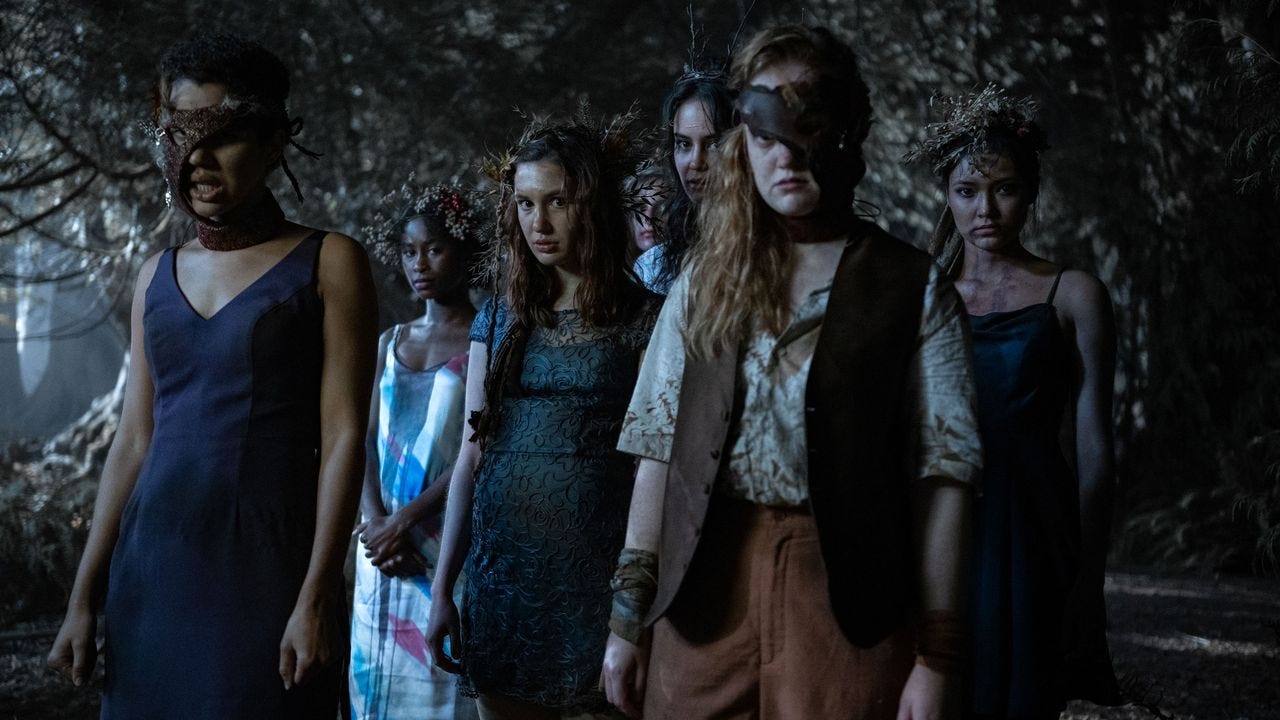
Being a teen girl in America, for me, was a lot of suppression. Embers kindled inside of me, but they rarely met a flame. Only when I was amongst my closest girl friends did I feel that wilderness. It’s an unspoken bond that grew sacred and could be volatile. Differing personalities, secrets, and undisclosed rules threatened it. But just like wolves and yellow jackets, we were devoted and territorial.
Did you have similar theories to the show?
No posts
Comments
Nothing yet. Say the first thing.
Sign in to join the conversation.