
We all have problems. Some with health, others with finances or relationships. Still others struggle with faith. Pretty much every area of life comes with challenges.
At this time of year, we mourn the problem of all problems for the Jewish people: the destruction of God’s home on earth and the resulting millennia of exile and persecutions.
As humans, we like finding solutions to our problems. But we tend to look at problems as things to break as quickly and forcefully as possible. We try to make them disappear: kill the germ, make a million dollars quick, find the magic fix to our marriage.
But often that doesn’t work, because problems are a feature of life, and we can’t beat life. Today I’ll share with you an effective method for dealing with problems. Instead of fighting the problem, let’s connect it with a solution that comes from the same place as the problem: life itself.
That sounds abstract, so let me explain with an example from Israel’s natural world.
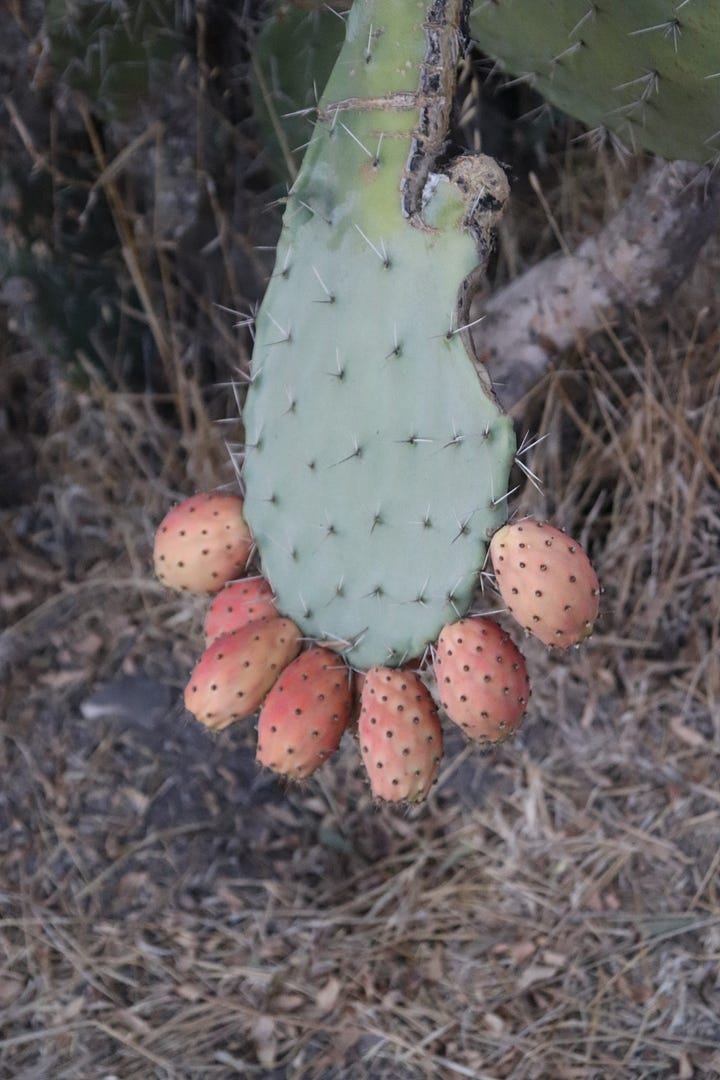
Cactus fruit grow all over Israel’s countryside. But they have hundreds of hair-thin needles that get stuck in a forager’s hands, and, much worse, in our mouths. Usually on foraging walks we avoid them.
But occasionally a group insists on trying, so I pull out my special gloves and knives, and open up the delicious fruits with all the precautions possible. Nevertheless, usually someone will get some thorns in their mouth. They are very uncomfortable, and basically impossible to pull out.
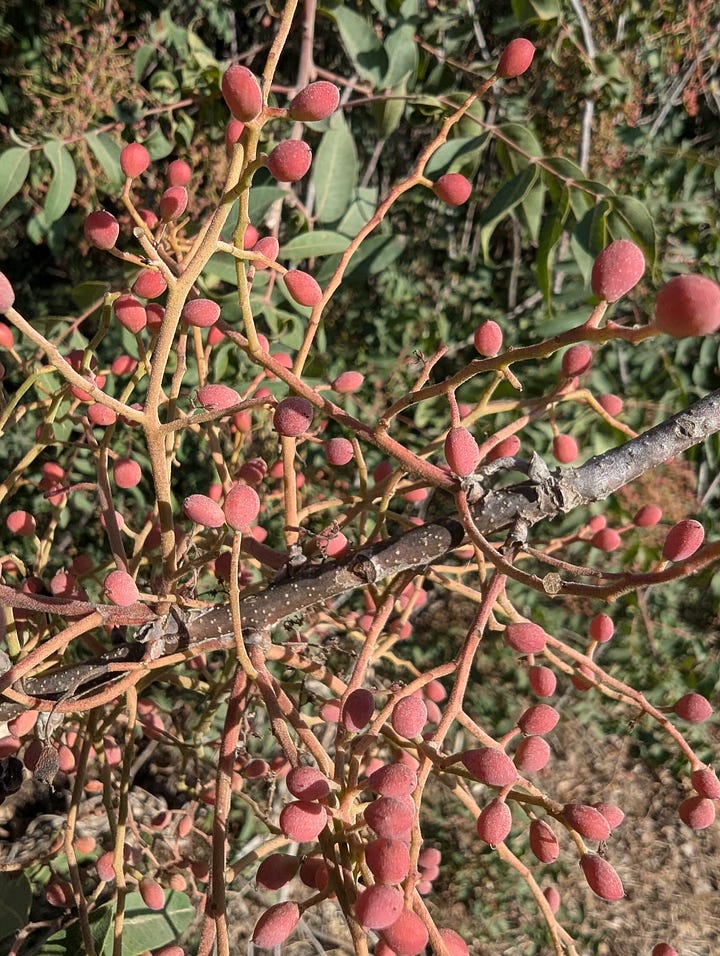
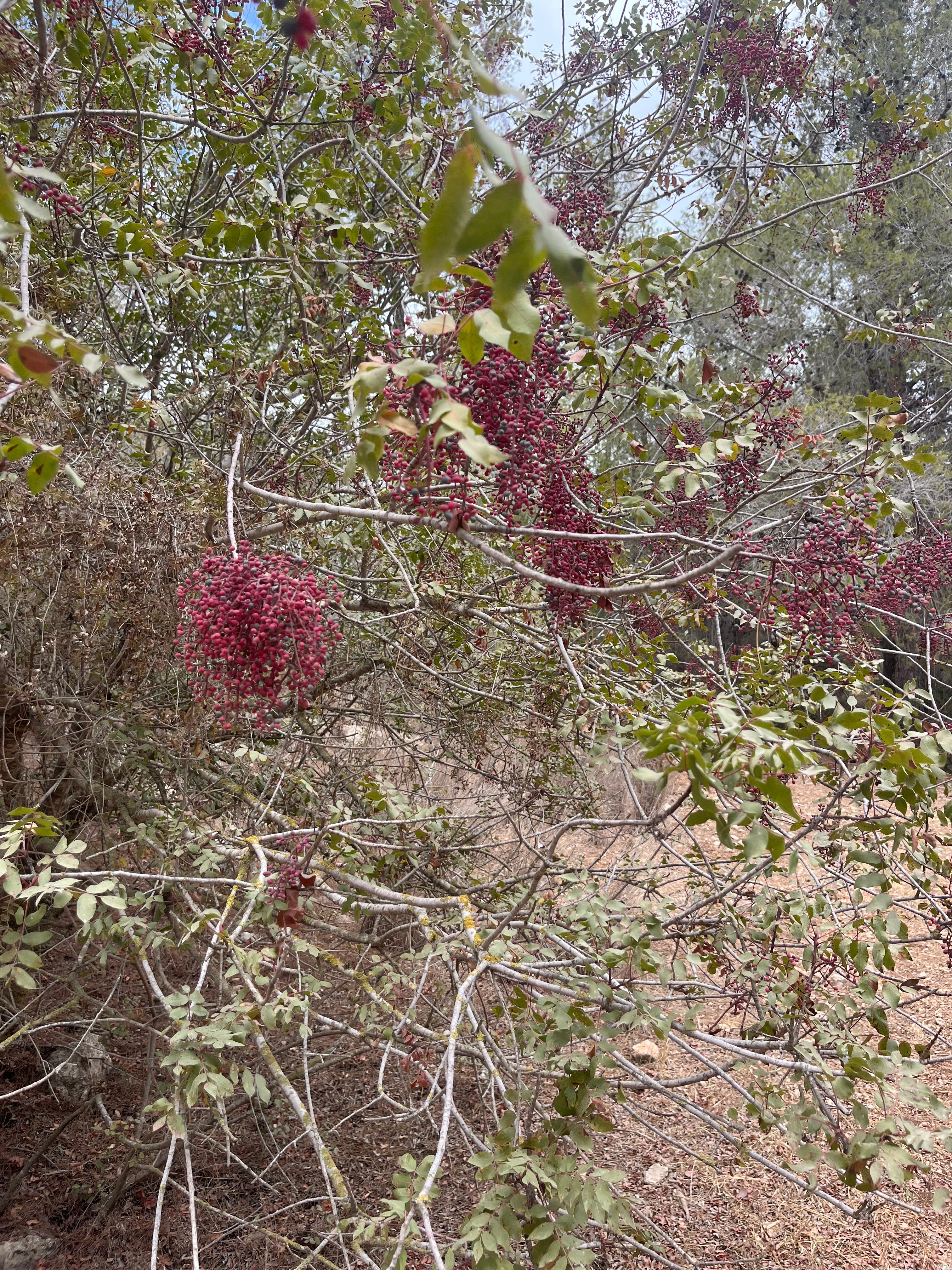
Yet the same world that creates the thorns also provides a solution. Right down the trail from cactus is often the elah (terebinth) tree. Elah berries have a tart taste because of an abundance of tannins. In herbalism, they are known as astringents, which means they close up and soothe wounds in the mouth. (They are commonly used for canker sores.)
When a cactus-stricken forager chews some elah berries, the tart tannins flood the mouth with saliva that lubricates and helps flush out the thorns, and the astringent action then closes over the raw tissue and calms the affected area.
This all isn’t destroying the problem, but pairing the problem with a solution. Both come from the same source: wild plants that commonly grow right next to each other.

We can do the same thing for our personal challenges. The forager doesn’t fight the cactus; he reaches for what grows beside it. So too we don’t break our problems by force, but look wider for what life has placed beside them.
The nature of problems is to constrict our consciousness, focusing us on what’s not working. Solutions stem from expanding our horizons with creativity, taking concrete actions to get out of our limited corner of the world into God’s vast universe. This can include reaching out for help, shifting our attention to something positive, or going out for a hike or run.
The destruction we mourn at this time of year is the deepest constriction of all, and the way back is the same: not breaking the exile by force, but widening our sight until we find what God has placed beside it.
What’s that mean practically? As I’ve been sharing with you recently (like here and here and here), the place to begin is with knowing, accepting, and loving Jews who look and think different from us.
In exile, we’re stuck to a single, narrow perspective of Judaism. That’s a problem, because no one path holds the whole truth. We get upset at “those Jews” who are getting it all wrong, especially when we feel that we’re paying the price. We’re fractured and stuck.
Redemption will come when we expand ourselves to include the entire Jewish people, exactly as God created them. Every individual and community has their unique contribution, their own part of Torah to learn and live. With mutual respect and partnership, we’ll build a home for God in the nation and land of Israel.
Let’s continue the journey together at healthyjew.org:
Subscribe to the Healthy Jew newsletter
Explore hundreds of previous posts
Join foraging walks in the Land of Israel
Read my book, Land of Health: Israel’s War for Wellness
Reach out for questions, complaints, or comments
Be well,
Rabbi Shmuel Chaim Naiman


Please note: All content published on Healthy Jew is for informational and educational purposes only. Talk to a qualified professional before taking any action or substance that you read about here.
Comments
Nothing yet. Say the first thing.
Sign in to join the conversation.