
Welcome back to The Growth Signal.
TLDR;
Major players like Pepsi are rapidly removing artificial food dyes from their product lines.
The current agricultural supply chain cannot support the mass adoption of natural alternatives like beetroot and turmeric, which creates an immediate advantage for companies securing biotech partnerships.
Precision fermentation offers the only sustainable, scalable solution, turning this regulatory challenge into an opportunity through naturally-derived synthetic ingredients.

In Pepsi’s Q1 earnings call last week, CEO Ramon Laguarta said that brands like Lays and Tostitos will remove artificial colors from their products by the end of the year.
“...we understand that there's going to be a consumer demand for more natural ingredients, and we're going to be accelerating that transition. Ideally, we can do this in a very pragmatic, orchestrated way as an industry and not create unnecessary panic or chaos. But, we'll lead that transition.”
They didn’t say how.
Six months ago, we wrote about the #CancelKelloggs movement.
Protesters and RFK Jr. expressed outrage that U.S. corporations sold the same products, like cereals and chips, without artificial food dyes in other countries.
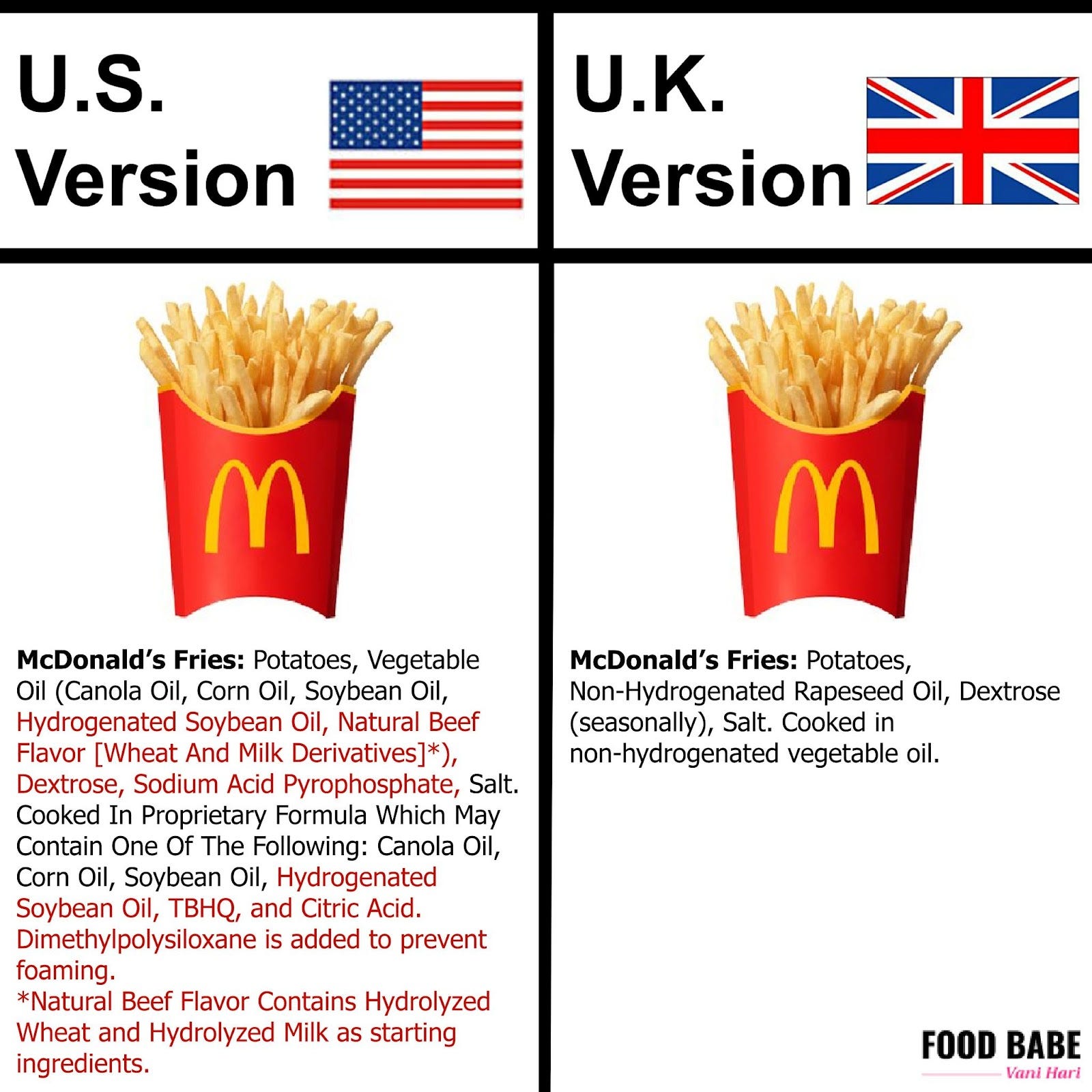
Now, as the U.S. Secretary of Health, RFK Jr. has pledged to remove all petroleum-based food dyes from the U.S food supply by 2026.
“Kids have been living in a toxic soup of synthetic chemicals,” –FDA commissioner Marty Makary.

Paprika Oleoresin
Carminic Acid
Curcumin
Elderberry Extract
Beetroot Powder
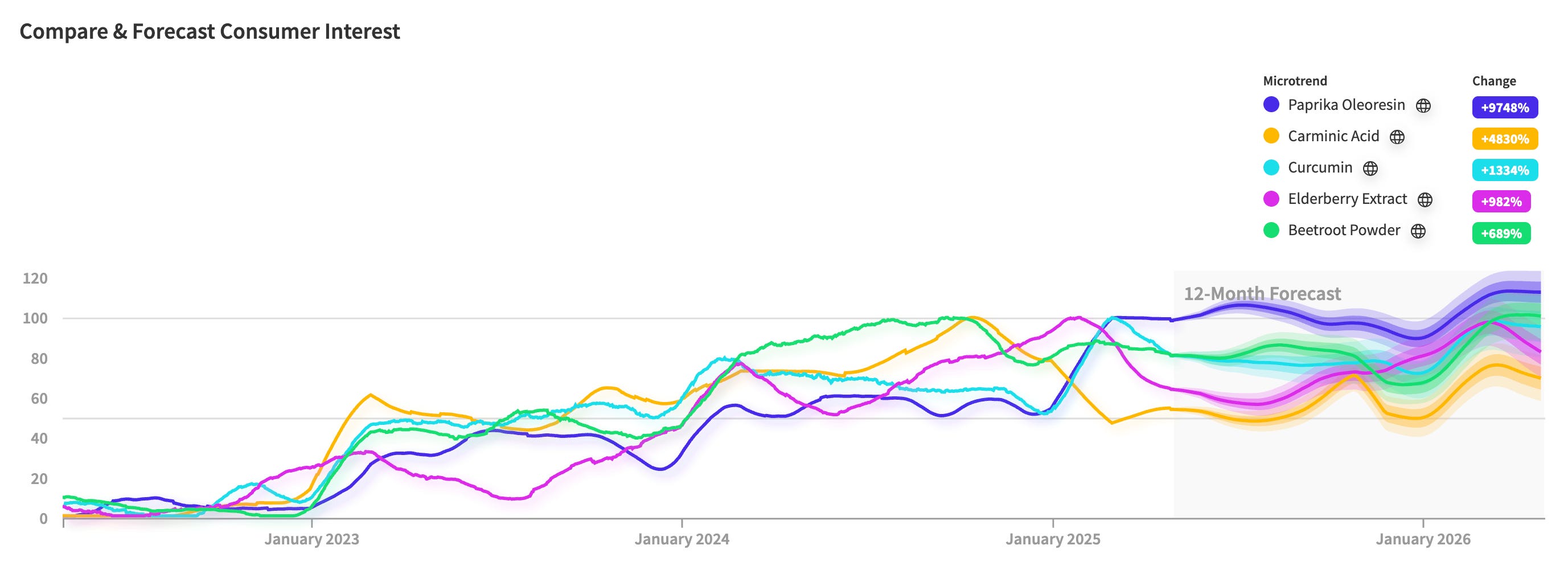
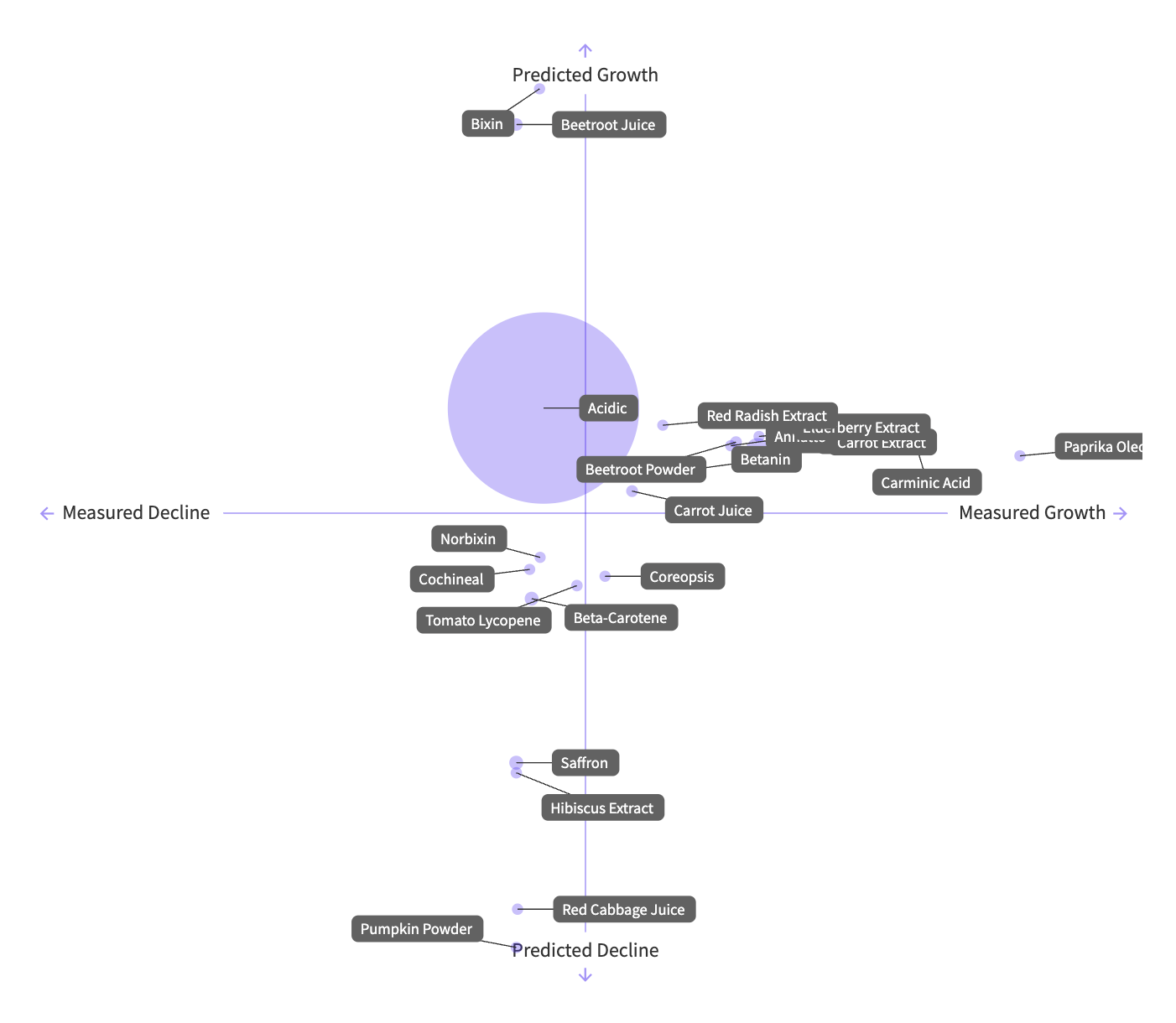
Expect to see a particular interest in ingredients with dual benefits, such as curcumin and elderberry, which are used as food dyes and have health benefits.
Additionally, companies with a surplus of “waste materials” that can be used as natural dyes, such as onion skins and coffee grinds, might see a new revenue stream and benefit from this market shift.

Replacing them faces three hard truths.
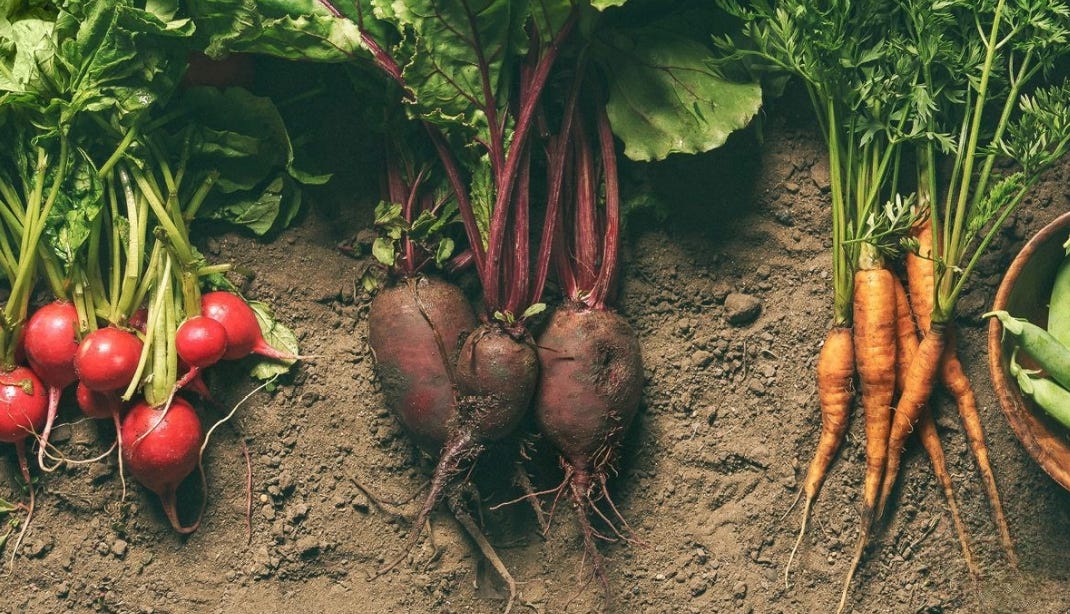
Agricultural constraints. There aren’t enough beet, saffron, and turmeric crops to meet demand.
Resource intensity. It takes about ¼ to ½ of a medium-sized beet to color a bottle of Gatorade. Multiply that by millions of bottles– sourcing, processing, and preserving beet pigments becomes logistically and agriculturally intensive.
Sustainability paradox. “Natural” alternatives like palm oil result in the clearing of forests and the displacement of species.
The fragrance and homecare industries have long understood the challenges of using natural ingredients.
Producing a single pound of lavender essential oil can take up to 250 pounds of lavender. To make the same quantity of rose oil, you’d need 10,000 pounds. Using natural scents in the world’s laundry detergent supply would be impossible.
This is where biotech fermentation comes in.
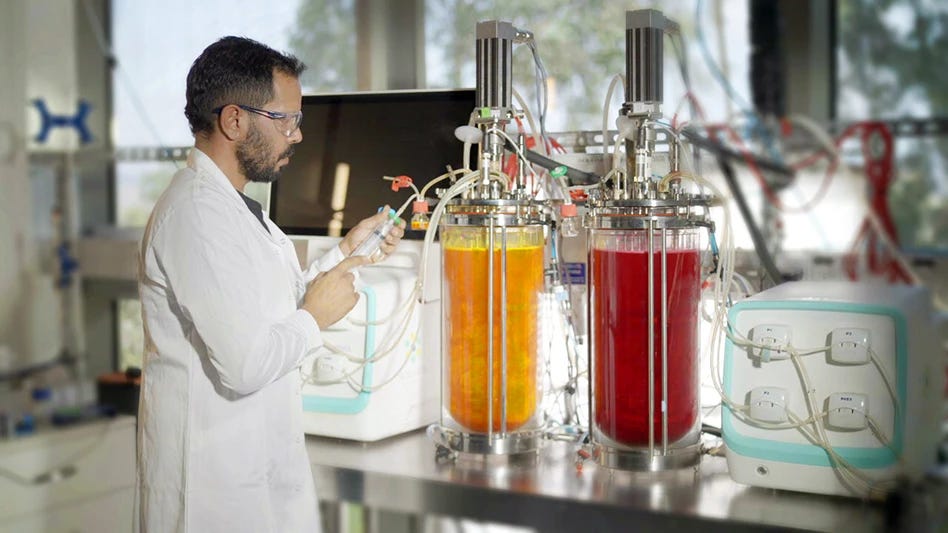
It’s the process of taking living organisms like plants or bacteria to a lab and, through fermentation, creating simpler compounds to use in various products at scale.

Why?
Precise compounds: High yields with minimal waste.
Fewer resources: Less land, water, and energy used.
Consistent production: No crop variations from droughts or civil unrest.
Lower carbon footprint: Far less than traditional extraction and crude oil, petrochemicals.
Messaging matters.
Addressing this transition goes beyond reformulation. Your customers need education that naturally derived synthetic ingredients are both the economic and sustainable path forward.

Help them understand that synthetic ingredients derived from natural compounds vastly differ from those extracted from crude oil and petrochemicals.
Of the emerging and specialized fermentation methods, precision fermentation has seen the most significant market interest in the last three years.
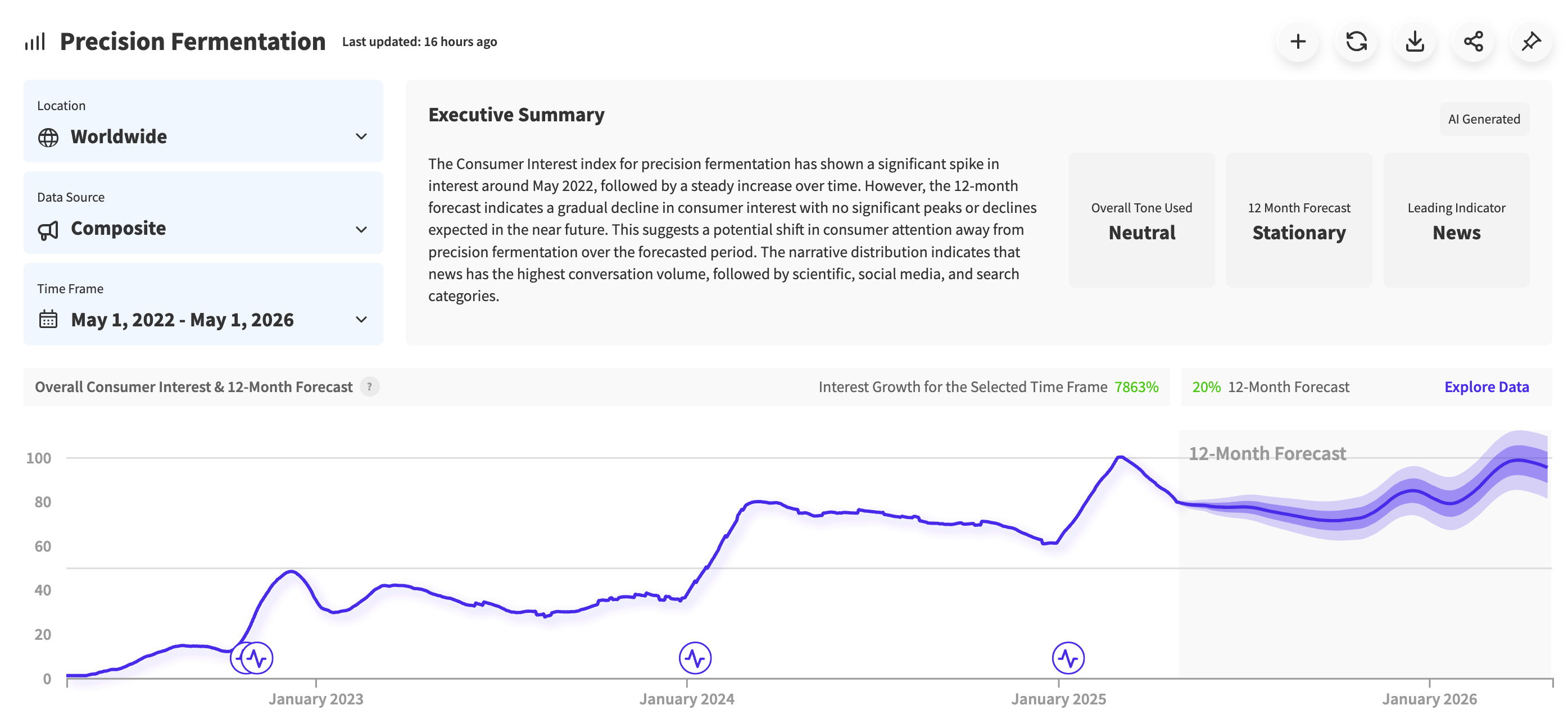
Why?
Highly targeted: uses microbes to produce specific pigments identical to natural sources without relying on large-scale agricultural inputs.
Vegan-friendly: can create alternatives to animal-derived pigments (e.g., carminic acid to replace insect-derived cochineal)

The booming Interest in precision fermentation is also due to its ability to create complex molecules, especially proteins.
These include:
Animal-free meat proteins
Lab-grown dairy products
Egg whites
Precision fermentation addresses ethical concerns (animal-free), environmental sustainability, and supply chain sustainability (global scale) – making it highly attractive for a future without artificial dyes.
Secure biotech fermentation partnerships now, before demand spikes.
Develop clear messaging that distinguishes "petroleum-based" from "naturally-derived."
Identify your most vulnerable product lines and prioritize reformulation.
The companies that turn this challenge into an opportunity will lead the market.
No posts
Comments
Nothing yet. Say the first thing.
Sign in to join the conversation.