
It’s hard to pinpoint when I first started caring about the planet. But my love for the outdoors was likely cemented during the childhood summers I spent hiking to waterfalls and swimming in the lakes of upstate South Carolina.
The moment that love turned into worry is easier to pinpoint. I can trace it back to a single image: a lone polar bear, stranded on a shrinking piece of ice, surrounded by open ocean.
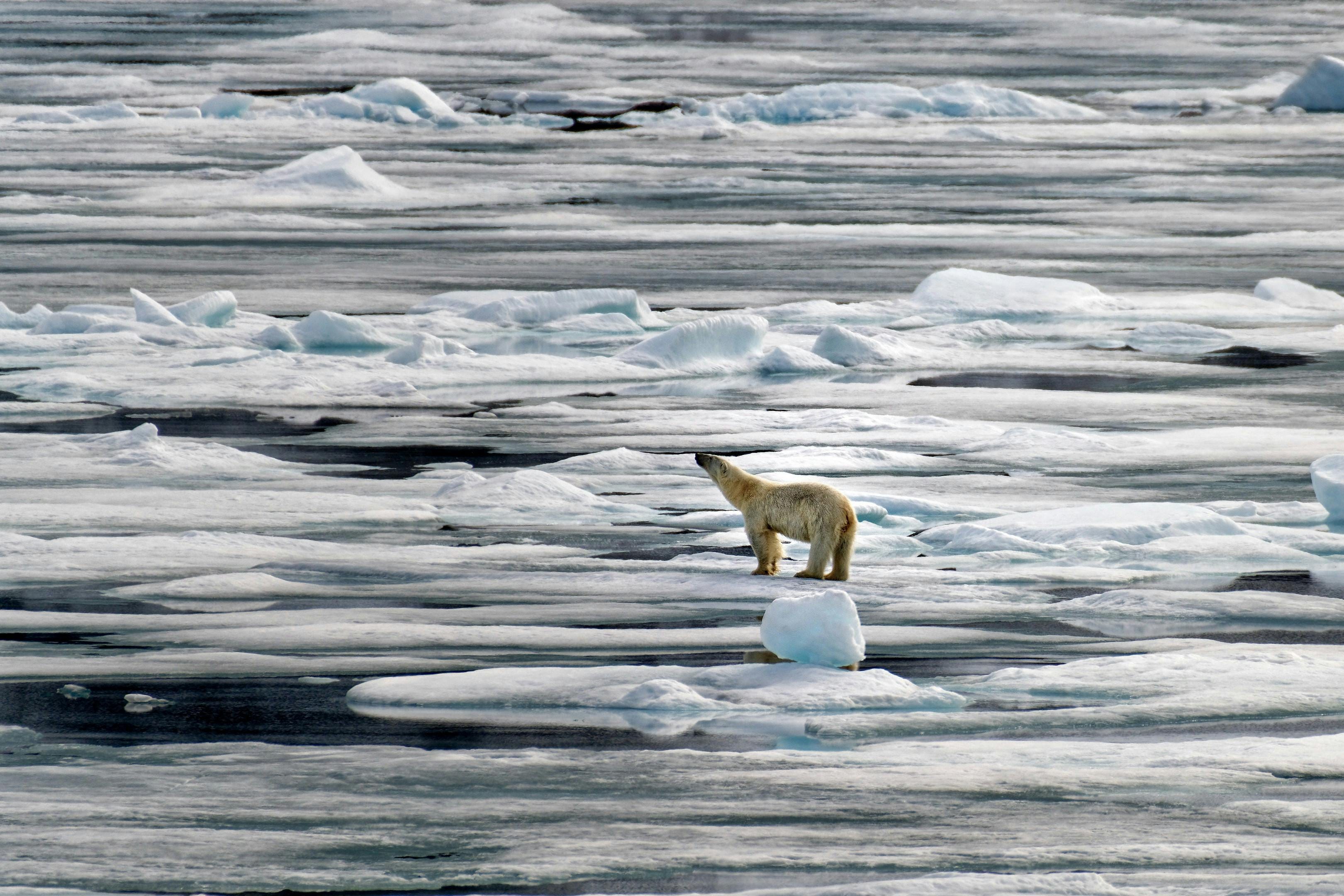
I know. I know. Melting ice has been the poster child for climate change for so long that it’s a cliché. For decades, we’ve been shown B-roll footage of glaciers falling into Arctic waters. But just because we’re oversaturated with photos and headlines about ice melting, it doesn’t mean it’s not true. And it doesn’t mean it’s not a major problem.
The National Snow and Ice Data Center reports that Arctic sea ice is declining 13% every decade. And it’s not just Arctic ice that’s melting. Inland ice is disappearing, too. Greenland’s ice sheet has lost an average of 279 gigatons of ice per year between 2002 and 2020. That’s almost an impossible amount of melting ice to picture. It’s enough water each year to cover the entire state of Rhode Island in about a foot of water. Every single year. Yikes.
I had climate anxiety before having kids. But now it’s even stronger. I find myself thinking about their future in very real terms. What will the oceans and coastlines look like for them in 50 years?
I went looking for answers. I dug into reports from NASA, the National Snow and Ice Data Center, and the Intergovernmental Panel on Climate Change, trying to understand what it all means.
First: The oceans will rise.
This makes sense. The water from melted ice has to go somewhere. And if all the ice sheets and glaciers on Earth melted, global sea levels would rise by approximately 70 meters, which is about 230 feet. Entire cities such as Shanghai, Amsterdam, Miami, and New Orleans, as well as large parts of New York, would be underwater.
One of the clearest signs this is already happening is something called "sunny day flooding," where high tides alone are enough to spill into streets, even without a storm. Charleston, South Carolina—where two of my siblings went to college, so I’ve been to a lot—now sees an average of 14 flood days a year, just from tides. No storm present. It's a quiet but persistent reminder that the ocean is already rising, and already redrawing the lines.
Second: It will get even hotter.
Did you know ice is like a reflective mirror, bouncing sunlight back into space? Ice reflects more than 80 percent of the light that hits it. When that ice melts, it exposes darker surfaces like ocean water, which absorb heat instead of reflecting it.
So the less ice we have, the more heat is absorbed, which warms the planet more, melts more ice, and absorbs even more heat. On and on and on.
And here's what that actually means for the world my sons are growing up in. Droughts get longer. Wildfires burn hotter. Rainfall becomes more intense in some places and disappears in others. The polar jet stream gets destabilized and can dip south, bringing brutal cold snaps to places that rarely see them. So yes, hotter summers. But also stranger winters. Weather that no longer follows the patterns we built our farms, our cities, and our lives around.
I’m seeing this in my backyard. I live in Salt Lake City, which means I live in a state where 95% of our water supply comes from snowpack. Mountains store snow in winter and slowly release it as melt through the warmer months. This past winter, Utah recorded its lowest snowpack since monitoring began in 1980, with some regions projected to receive as little as 20% of their normal water supply this spring.
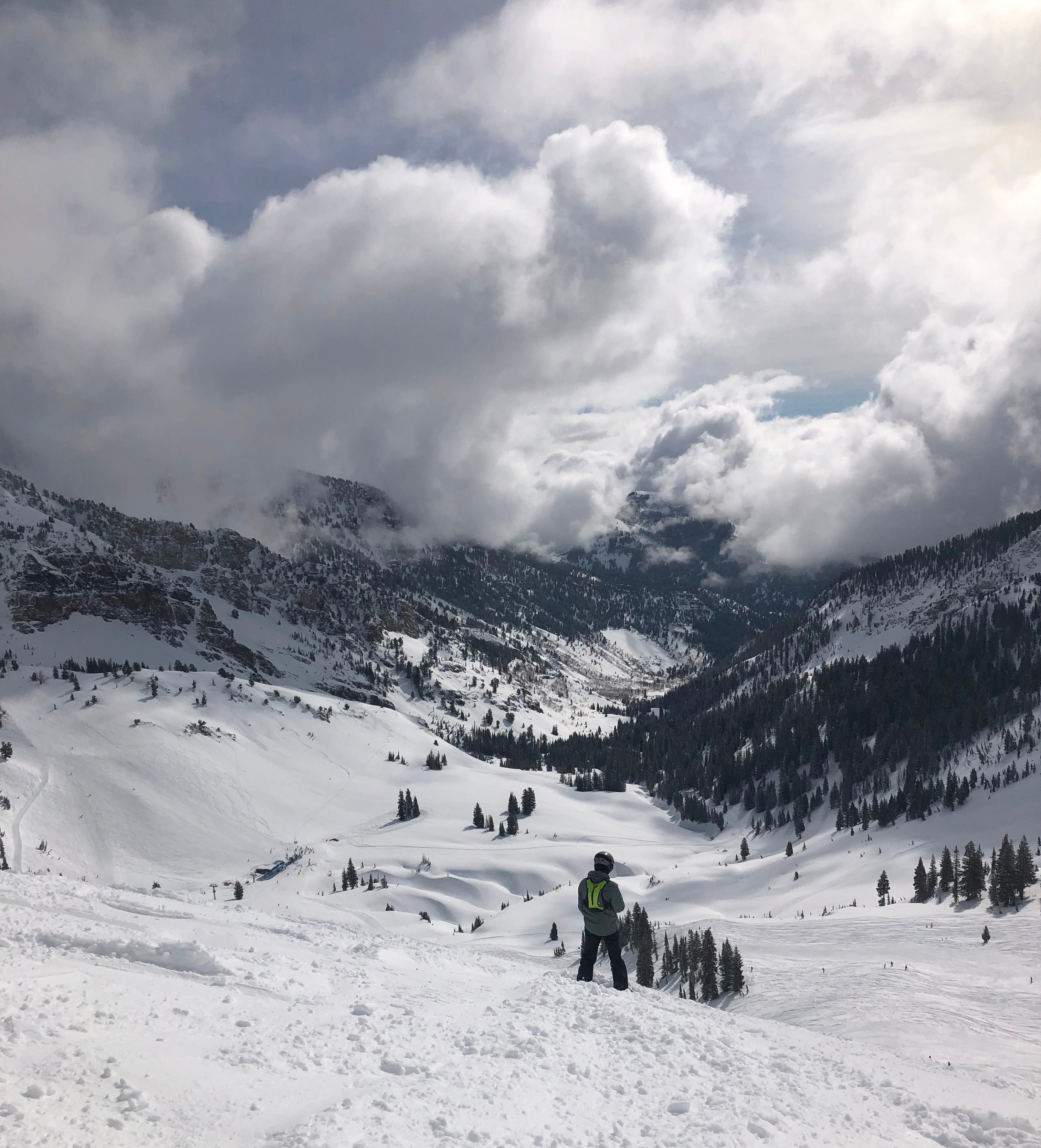
The ice melting is affecting my drinking water. And it’s not just my drinking water.
Glaciers hold about 70% of the world’s freshwater. Just like I depend on slow-melting snowpack, hundreds of millions of people depend on the slow melting of glaciers flowing down from mountains to fill rivers, irrigate crops, and supply clean water through the hottest, driest months of the year.
Three: Loss of biodiversity.
We're back where we started. And the polar bear isn't the only one losing its home. Walruses, arctic foxes, reindeer, beluga whales (and more) all depend on ice. Walruses use it as a resting platform between dives. Polar bears hunt from it. Ringed seals give birth on it. Ice isn't scenery for these animals.
When you look at it all laid out like this, it feels overwhelming. It makes me wonder why I even bother with my little old composting. The problem feels too big, too systematic for any one person to fix. But then I remind myself, I don’t want to be apathetic. I want to teach my sons what it looks like to love something enough to fight for it.
This isn’t an all-or-nothing scenario. Ice doesn’t vanish overnight. It thins, fractures, and retreats gradually. The polar bear is still out there. And that means there’s still time. We can take action. We can lobby, and advocate, and vote, and boycott. We can raise kids who understand why it matters.
Comments
Nothing yet. Say the first thing.
Sign in to join the conversation.