
After this edition, The Green Fix is taking a well-needed summer break until the end of August. If you have reached out to us, expect a delay in our responses.
Today’s introduction is written by Belén Padrón Salinas, Assistant Editor of The Green Fix.
Imagine how much easier the heatwaves would be to handle if we had a right to swim, and a place to do it.
With 254,388 hectares burned and 1,254 wildfires since the start of the year, and record-breaking temperatures every month in Europe, extreme heat is a part of our reality now.
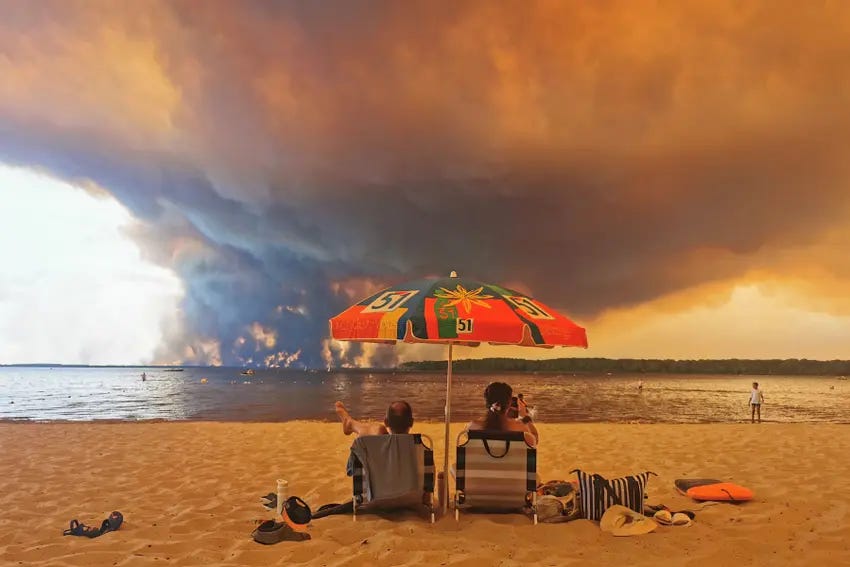
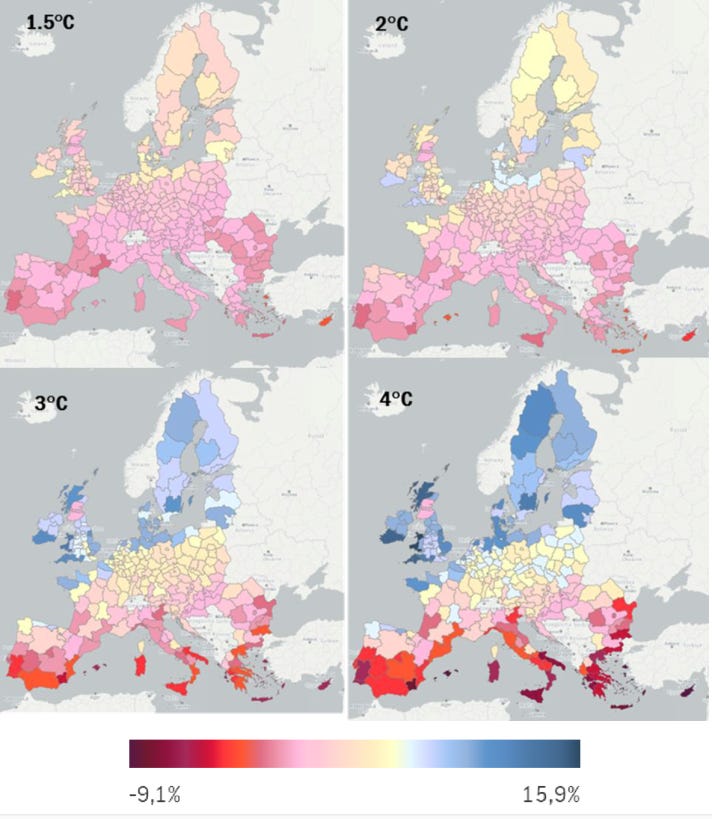
With around 80% of European houses lacking air conditioning or other cooling infrastructure - and that’s without accounting for the disparities in access according to class or geographical area - surviving summer in asphalt-covered cities becomes a nightmare of its own.
As a Spaniard I am used to this. It doesn’t mean we thrive on this hellish heat, but there are well-known survival techniques. Closing windows and curtains from 12am until 7pm, sleeping with a little wet towel on your neck, and something that I used to hear all the time when I was younger: befriend the kid with a pool.
Because access to water in a 35-and-over-degrees-summer is a lifeline for most. That’s why coastal cities and towns are overcrowded with tourists from May to September. Families book flights to beach destinations where they can momentarily escape the dry heat emanating from floors and walls, all day, every day. But as a kid, if you didn’t live by the beach, a (usually well-off) friend with a pool made the real difference.
Back then we didn’t think in terms of a class divide or the ecological costs and implications of private pools in areas already suffering the disastrous ecological effects of droughts, but after reading about Swimmable Cities and their project for this edition, those summers spent either at a friend’s pool or at the local public swimming pool came back to me, with a new perspective.
This is one more human right systemically put behind a paywall. Access to water (to cooling off, to fighting off the heat, even for a few minutes), access to reprieve, or what these movements conceptualised as the right to swim.
About 41% of the total European population lives by the sea, the resting 59% depends on access to rivers or lakes to cool off in summer, especially in unprecedented, but now recurring, heatwaves. However, only about a quarter of all European citizens can enjoy bathing waters close to their homes: Everyone else either pays to go somewhere cooler, pays a monthly subscription to the local pool or gym, or befriends the most popular kid in the class coming June.
Defending the right to swim could inspire citizens to engage with and restore urban ecosystems, (hopefully) inspiring them to participate actively in river and ecosystem conservation.
How a farming programme in Sierra Leone helps amputees rebuild lives.
Developing countries spend more repaying foreign debt than on education.
How Big Oil spent decades selling the myth of ‘clean’ natural gas.
If you’d like to support The Green Fix, please consider becoming a paid subscriber to receive extra essays on climate justice in everyday life. You can also tip us a virtual coffee.
Cass and Belén spoke to Adriaan van der Linden, from Swimmable Cities about their project.
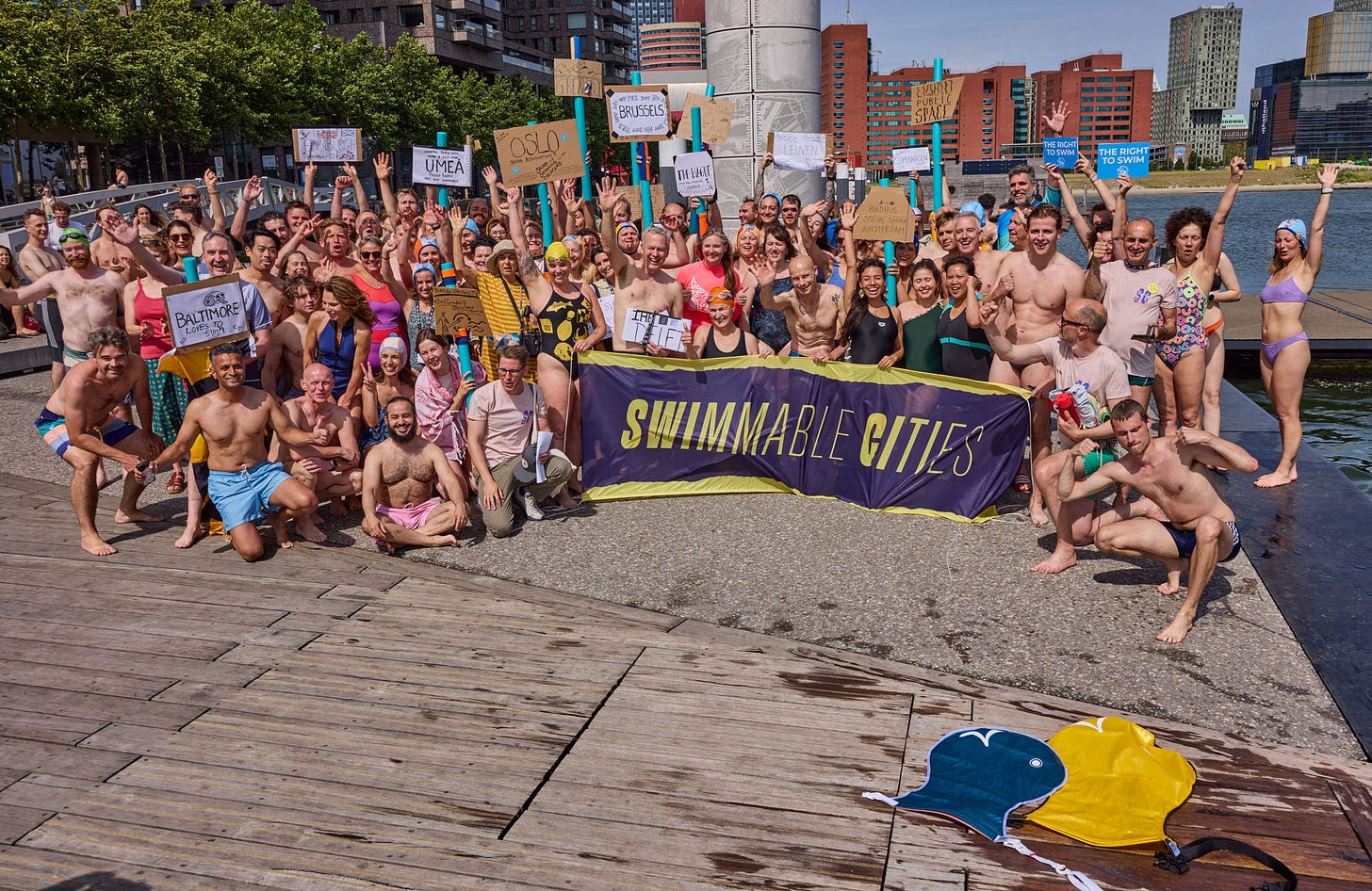
I represent Swimmable Cities, a global movement that believes urban waterways should be clean, safe, and accessible for everyone. We connect community activists, urban planners, governments, and scientists who want clean, safe rivers, waterways and harbours in our backyards.
Our goal is straightforward: clean up urban water so people can jump right in. Cities need clean water, open access points, and healthy aquatic habitats so swimming becomes a routine part of daily life. The rights of nature go hand in hand with the right to swim.
A swimmable river shows that an urban ecosystem as a whole is functioning well.
Making waterways safe for swimmers forces a city to fix sewage overflows, catch toxic runoff, and plant wetland buffers. This helps fish, birds, and plants live alongside human swimmers.
Waterways provide cooling during heatwaves: concrete traps heat, cities become heat islands. Clean waterways give urban residents a free place to cool off during hot summer days without air conditioners.
And swimming is direct action. People protect what they actually care about. When someone swims in their local canal, they are more likely to care enough to vote for better environmental protection and fight water pollution.
One of the foundational values our movement is built on is defined in the Swimmable Cities Charter:
“The right to swim: Safe, healthy and swimmable waterways should be accessible to all people.”
Framing urban swimming as a right is a intentional choice to show how serious we are: this is not about a nice-to-have luxury, but about something essential. Water is a common good, and every person has an equal right to it.
Several European cities show how this works.
Copenhagen, Denmark: Two decades ago, the city upgraded its underground sewers and overflow basins. Now, spots like Islands Brygge offer free, open-air wooden harbor baths right in the city center.
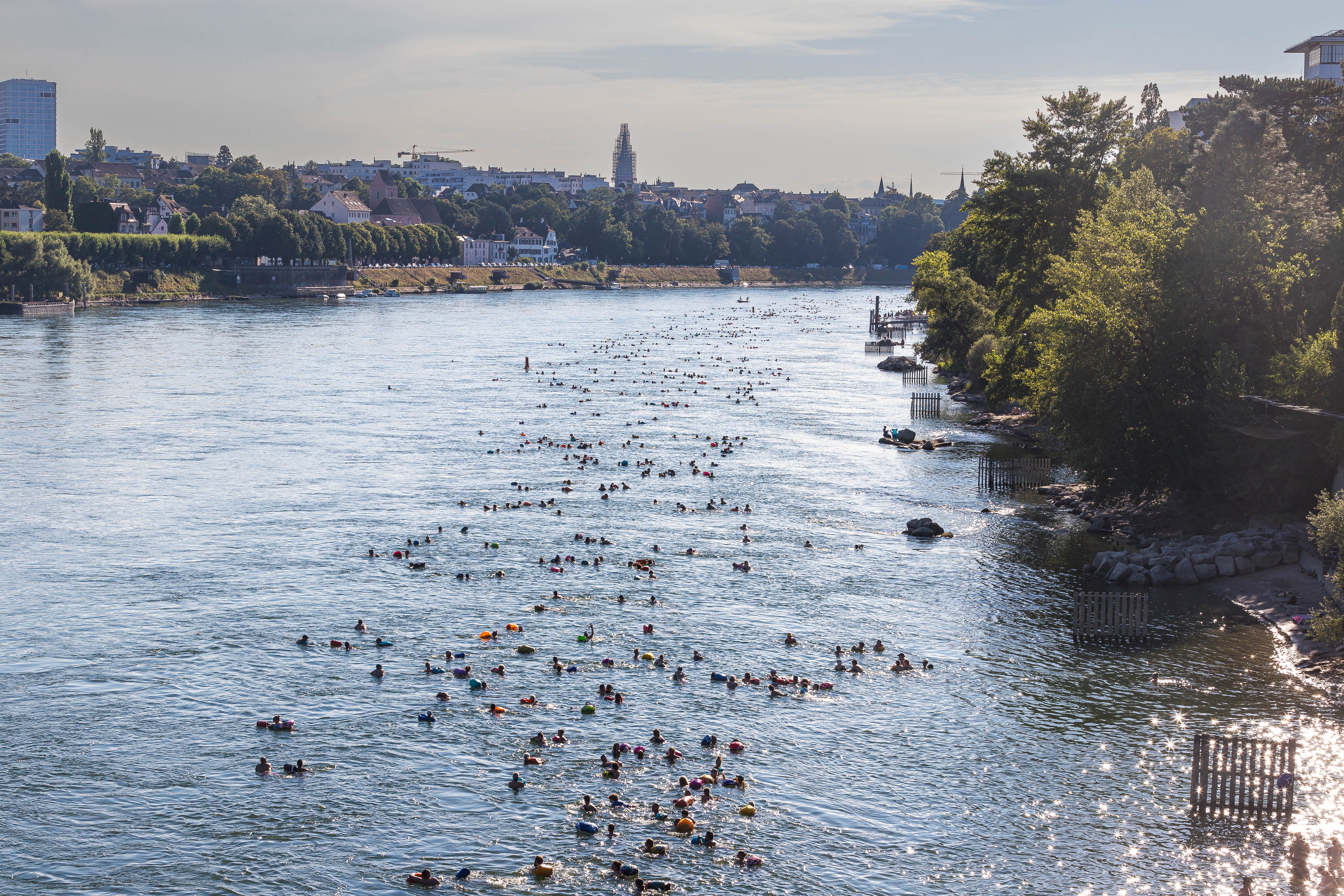
Basel, Switzerland: Thousands of locals jump into the Rhine every summer afternoon, floating past the old town with their belongings sealed in dry bags. Ramps, changing rooms, and life rings line the banks.
Paris, France: The cleanup of the Seine proved that even polluted industrial rivers running through mega-cities can be reclaimed for public swimming zones.
Rotterdam, Netherlands: Transforming a busy port city requires radical design choices. Through projects in the Rijnhaven, Rotterdam is redesigning industrial harbors and urban basins into clean, publicly accessible swimmable parks, complete with floating pontoons and natural filtration.
Budget cuts don’t have to stop progress if we change how we fund and value urban water. Cities need cheap ways to keep millions of residents cool, and clean waterways remain one of the fastest ways to do it. If we see swimmability as an asset instead of a burden we change the conversation.
One of Swimmable Cities’ goals is to celebrate three Summits by 2030. They are well on their way to achieve this, with a successful first summit last year in Rotterdam, where they shared knowledge between different cities and disciplines.
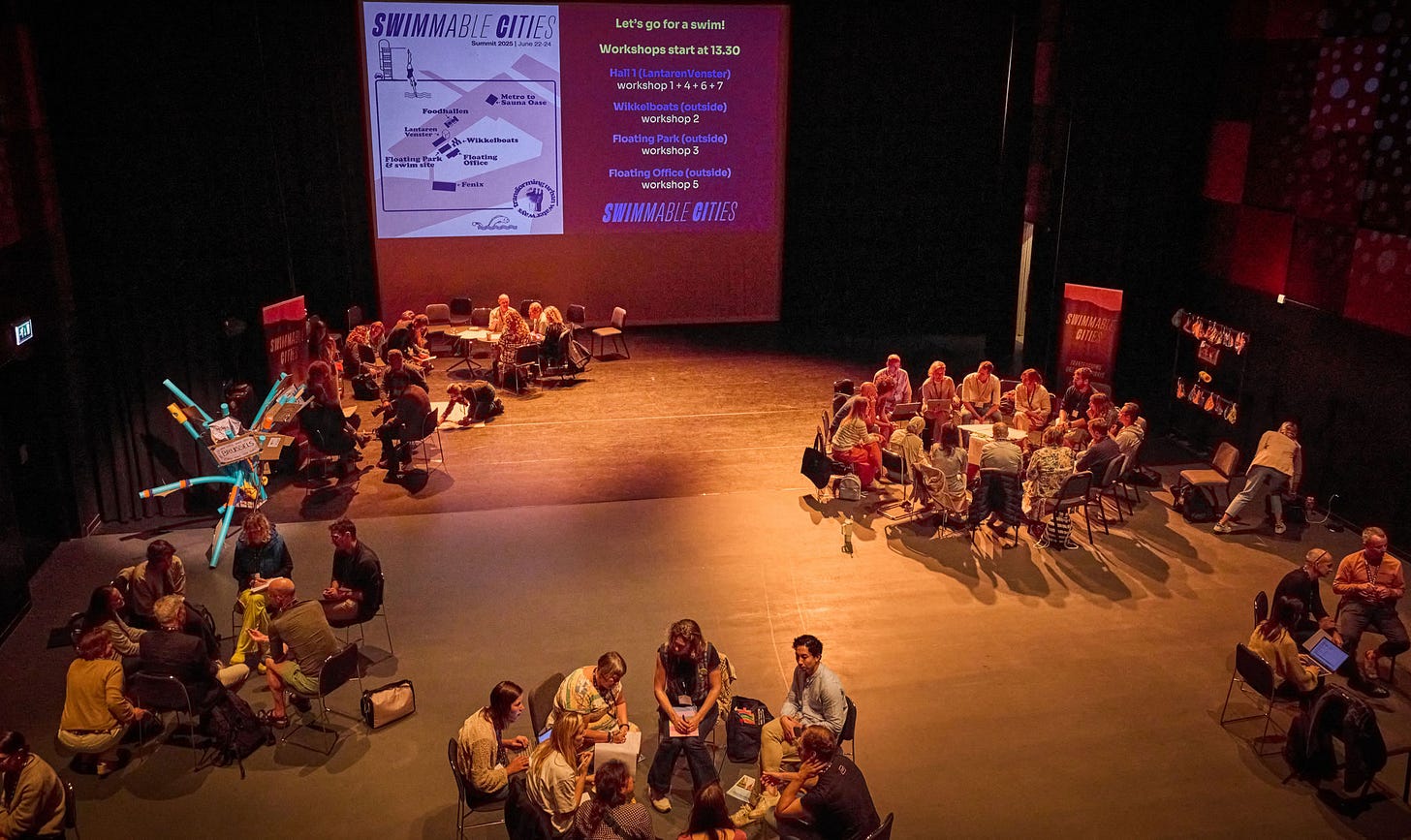
The second Summit will be hosted in Basel, Switzerland from the 11th to the 12th of August, with a traditional big SPLASH in which all participants will jump into the river.
If you are sad about missing out, check out their Substack, and maybe start thinking about your nearest water-source in these terms:
“To every city represented here: your river and waterways are waiting. Let’s give them back to the people.”
Anaclaudia Rossbach, Executive Director, UN-Habitat, as quoted in a Swimmable Cities’ Substack article.
LEARN SOMETHING
Listen: The new podcast Unsung Cleaners tells the stories of cleaners around Europe.
Berlin: Join the launch of a zine on “Transformative Justice: Navigating conflict avoidance, heartbreak, and community-building in precarious times” on the 6th August.
The Greens/EFA Party are looking for young creators to join their Green Digital Fellowship Program! Open until 1st September.
DO SOMETHING
The Climate Cardinals paid global fellowship is open for applications from young people (priority 16-20 year olds) until the 31st July.
The Protopian Prize is open for climate fiction entries until the 31st July.
The Bloomberg Green Docs contest is looking for short videos highlighting climate issues, by the 14th August.
Belgium: Tickets for solidarity festival Manifiesta are now available!
You can follow us on Instagram and LinkedIn. Connect with Cass on Instagram and LinkedIn.
Comments
Nothing yet. Say the first thing.
Sign in to join the conversation.