
In the early Buddhist teachings on Dependent Origination (paṭiccasamuppāda), two terms frequently appear: anuloma (forward order) and pratiloma (reverse order). They describe two directions in which the twelve links of dependent origination can be understood and applied.
Anuloma translates as “forward order,” “with the grain,” or “in the natural direction.” In the context of Dependent Origination, anuloma describes the sequence that begins with ignorance and proceeds through its links to old age and death.
Ignorance gives rise to mental formations; mental formations give rise to consciousness; consciousness gives rise to name-and-form; name-and-form gives rise to the six sense bases; the six sense bases give rise to contact; contact gives rise to feeling; feeling gives rise to craving; craving gives rise to clinging; clinging gives rise to becoming; becoming gives rise to birth; birth gives rise to old age and death.
This forward sequence is the standard explanation of Dependent Origination found throughout the Pali Canon. It is the map of how suffering arises, moment by moment and life after life. The Buddha called this direction the wrong path (micchāpaṭipadā)—not because it is false, but because it is the path that leads into and perpetuates suffering .
The forward order shows how the mind, functioning under the influence of ignorance, creates the conditions for continued existence in saṃsāra. It is the diagnosis of the disease.
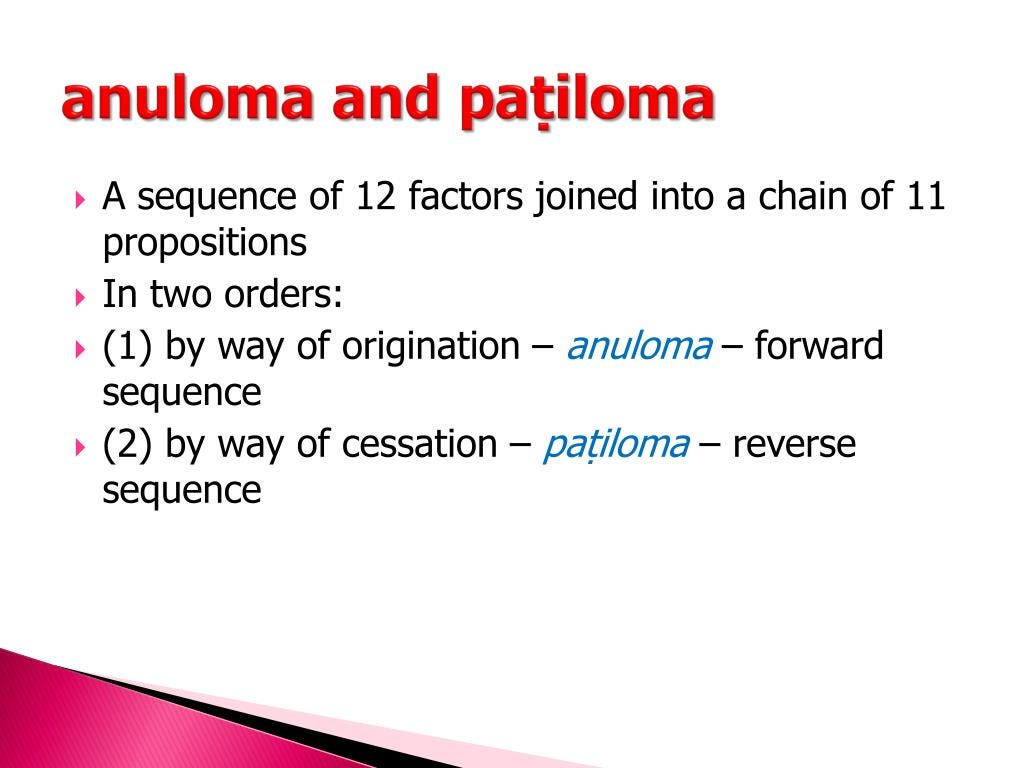
Pratiloma means “reverse order,” “against the grain,” or “inverted.” It describes the sequence of Dependent Origination in the opposite direction, either starting from suffering and working backwards to its origin, or starting with the cessation of ignorance and proceeding forward to the cessation of suffering .
With the cessation and fading away of ignorance without remainder, the cessation of mental formations comes to be. With the cessation of mental formations, the cessation of consciousness… name-and-form… the six sense bases… contact… feeling… craving… clinging… becoming… birth… and old age and death comes to be.
This reverse order is the right path (sammāpaṭipadā) that leads to liberation . It is the path of practice, showing how the conditions for suffering are systematically removed. Where anuloma shows the origin of suffering, pratiloma shows its cessation .
Why is the forward order called the “wrong path” if it is simply a description of how suffering arises? The commentary to the Paṭipadā Sutta explains that actions rooted in the desire for success within the cycle of rebirth (saṃsāra)—even meritorious ones—are not enough to free a person from suffering. Only actions rooted in the aspiration for nibbāna will eventually lead to liberation .
In other words, even wholesome karma, if motivated by the desire for continued existence, keeps the wheel turning. It may lead to a favorable rebirth, but not to freedom. The forward direction is “wrong” because it points toward continued existence, not toward the end of existence.
The two directions can also be understood as two modes of investigation. The forward order (anuloma) is the investigation of causation: When this exists, that comes to be. The reverse order (pratiloma) is the investigation of cessation: When this does not exist, that does not come to be.
The Buddha taught both directions for different purposes. The diagnosis requires the forward order. The prescription requires the reverse. A practitioner must first understand how suffering arises; then they must understand how it ceases.
The forward order shows the problem. The reverse order shows the solution. The forward order is the map of the disease; the reverse order is the map of the cure.
What is fascinating is that the same terms—anuloma and pratiloma—appear in the yogic tradition, specifically in the practice of breath control (prāṇāyāma). But here, they have a different meaning.
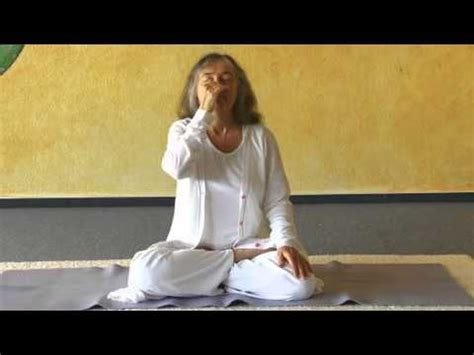
In yoga, the term anuloma (literally “with the natural order”) signifies a specific breathing technique. For example, Chandra Anuloma involves inhaling and exhaling through the left nostril only, which is said to calm the nervous system. Surya Anuloma involves using only the right nostril, which is believed to increase digestive fire and energize the body .
The term viloma (meaning “going against the natural order”) describes the opposite technique. In Anuloma-Viloma (also known as alternate nostril breathing or nāḍī-śodhana), the practitioner alternates the breath between the left and right nostrils: inhaling through the left, exhaling through the right, then inhaling through the right, and exhaling through the left .
Both traditions use the same root terms—anuloma (”with the grain/forward”) and pratiloma or viloma (”against the grain/reverse”). But the application differs significantly.
In Buddhism, the terms describe a sequence of causal links that either perpetuate suffering (anuloma) or lead to its cessation (pratiloma).
In Yoga, the terms describe a physical breathing practice that alternates or directs the flow of breath to balance the nervous system .
This is more than a linguistic coincidence. Both traditions share a common heritage in the ancient Indian contemplative milieu, where the same vocabulary was adapted to different ends. The Buddhist Paṭipadā Sutta commentary notes that the forward sequence is called the “wrong path” because it leads into suffering, while the reverse leads out .
The historical relationship between Buddhism and the yogic traditions is one of mutual influence. Scholars have noted that the four dhyānas (meditative absorptions) of early Buddhism correspond structurally to the samprajñāta samādhi states of Classical Yoga . Both systems use a “ladder-like” progression of meditative states leading toward a common goal characterized by cessation .
Sit quietly. Observe a moment of suffering in your experience—anger, desire, anxiety.
Trace it backwards (pratiloma): Why did this arise? What condition was present before it?
Did it arise from contact with a pleasant or unpleasant object?
Did that contact arise from the sense bases? From name-and-form? From consciousness? From mental formations? From ignorance?
Now, observe the reverse (anuloma from cessation): What would be required for this suffering to cease?
If contact were seen clearly without grasping, would craving arise?
If craving were not present, would clinging arise? Becoming? Birth? Suffering?
This is not intellectual analysis. It is the direct investigation of the process in your own mind, right now. The forward and reverse orders are not just doctrines to be memorized; they are tools for seeing how suffering is constructed and how it can be dismantled.
No posts
Comments
Nothing yet. Say the first thing.
Sign in to join the conversation.