
It’s my favorite time of year in New Orleans (and all the more precious because we head back north in several weeks) when things go quiet for a bit after the magic and madness of Mardi Gras. It’s time for old-school church fish fries, the New Orleans Book Festival, and azaleas.
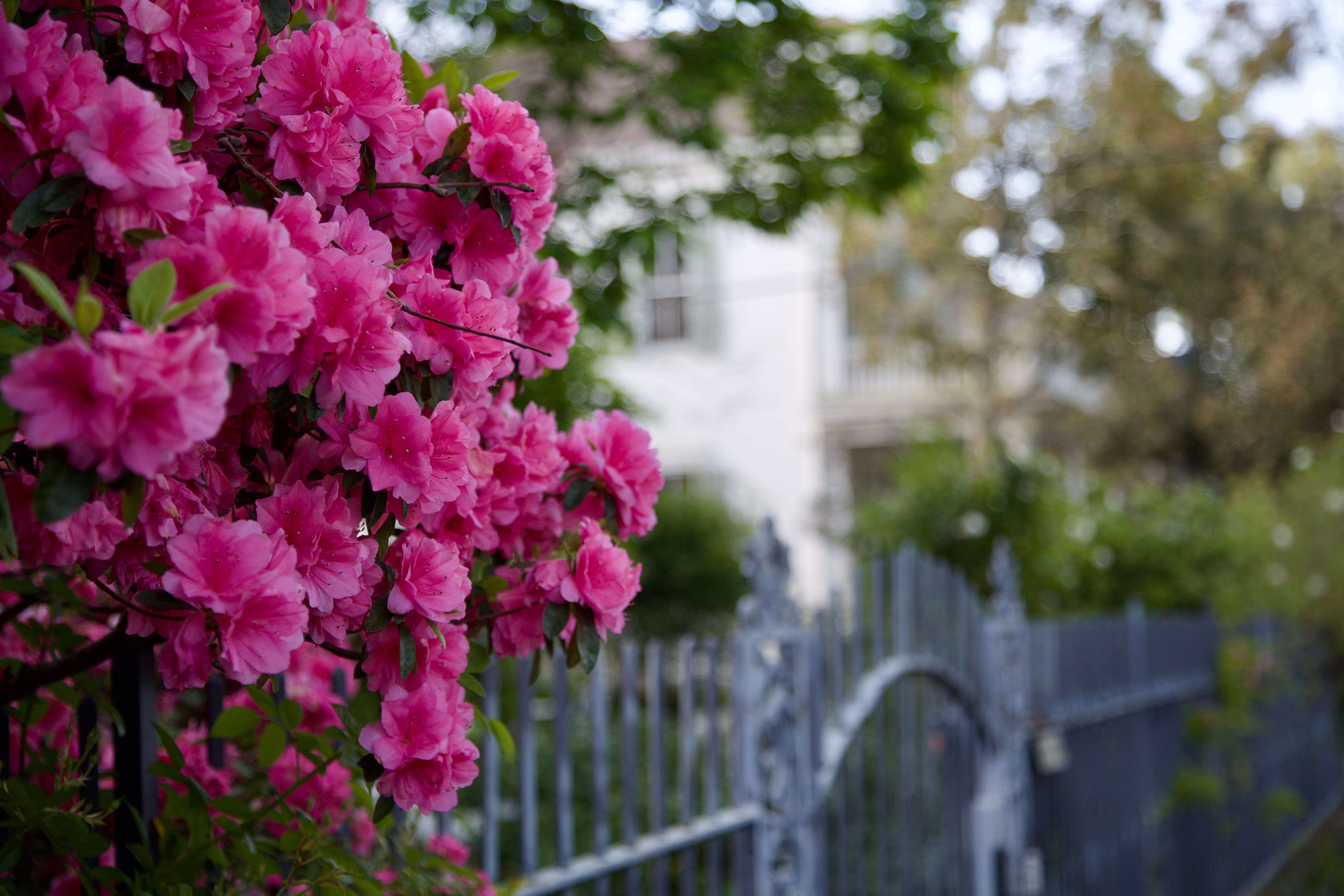
Azaleas blooming big and beautiful all over New Orleans right now.
That hard freeze last month turned the banana trees and elephant ears to mush but the azaleas didn’t even blink. Everywhere there are masses of blooms, from frothy pale pink, and almost-jarring magenta, to watermelon red that says, Wowsa! Nothing seems to faze them. And there is plenty here to test them: extreme heat and humidity, downpours and drought, freak freezes, and the occasional hurricane.
Before we go farther, yes, I know the ones pictured above aren’t native plants. Although there are native azaleas, indeed I have both kinds in my little patch out front. Some are surprised the big-blooming varieties aren’t native, such are their part in Southern identity, the family Easter photo in front of its flowers a non-negotiable tradition for many.
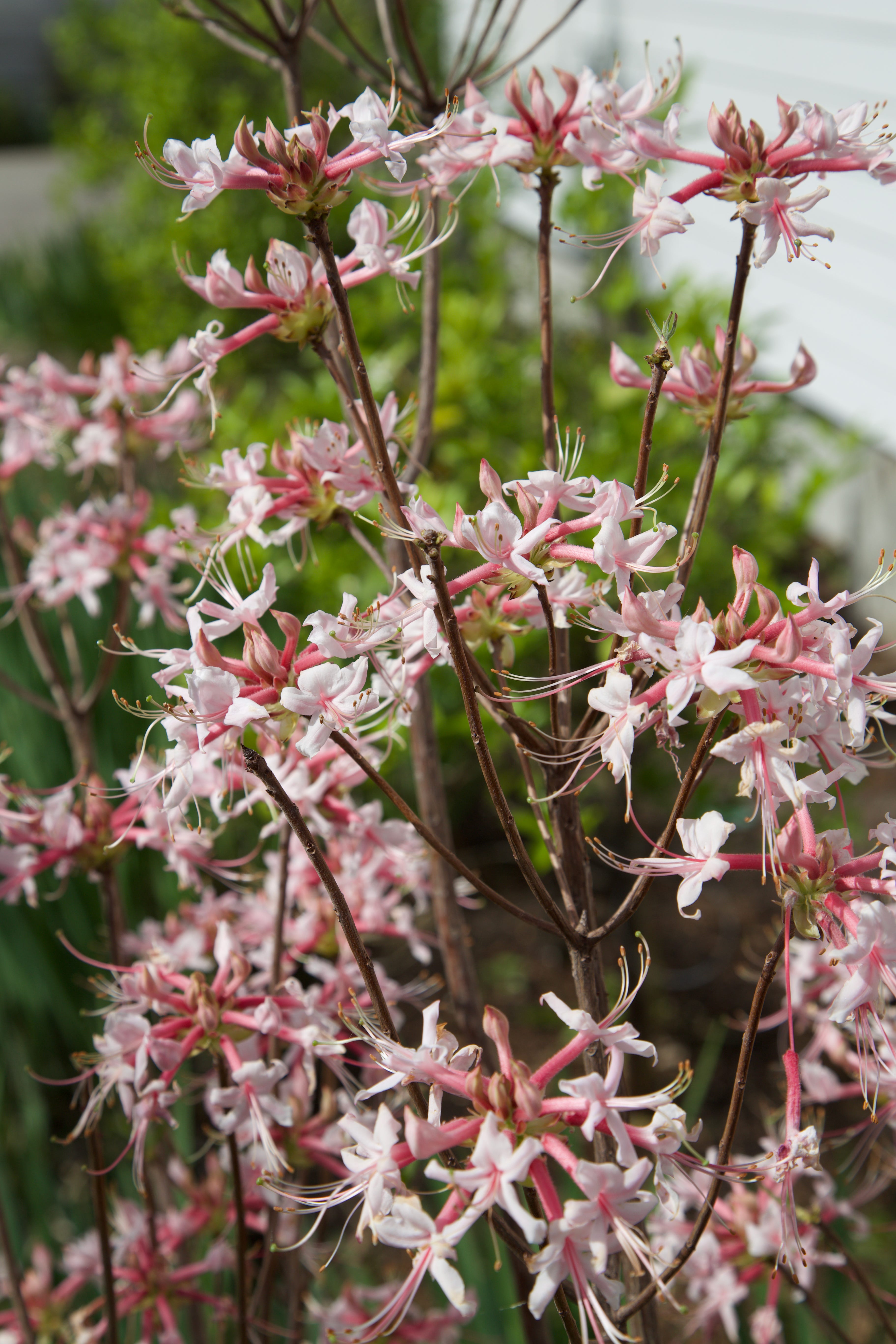
Native Piedmont azalea blooming in my New Orleans garden.
There’s something to be said about plants that can take it all, resiliency is the latest buzzword (and for good reason) in horticulture as we navigate the vagaries of weather that climate changes heaps upon our landscapes. And familiarity shouldn’t breed contempt.
In my book, Garden for Life: Strategies for Easier, Greener, More Joyful Gardening as We Age, I talk about tough plants, plants with grit. Like older gardeners, these plants have been through a lot but persisted. As the lives of aging gardeners change, and our gardens undergo climate change, we should give popular, common, “boring”, or ubiquitous plants a second look. They are common for a reason.
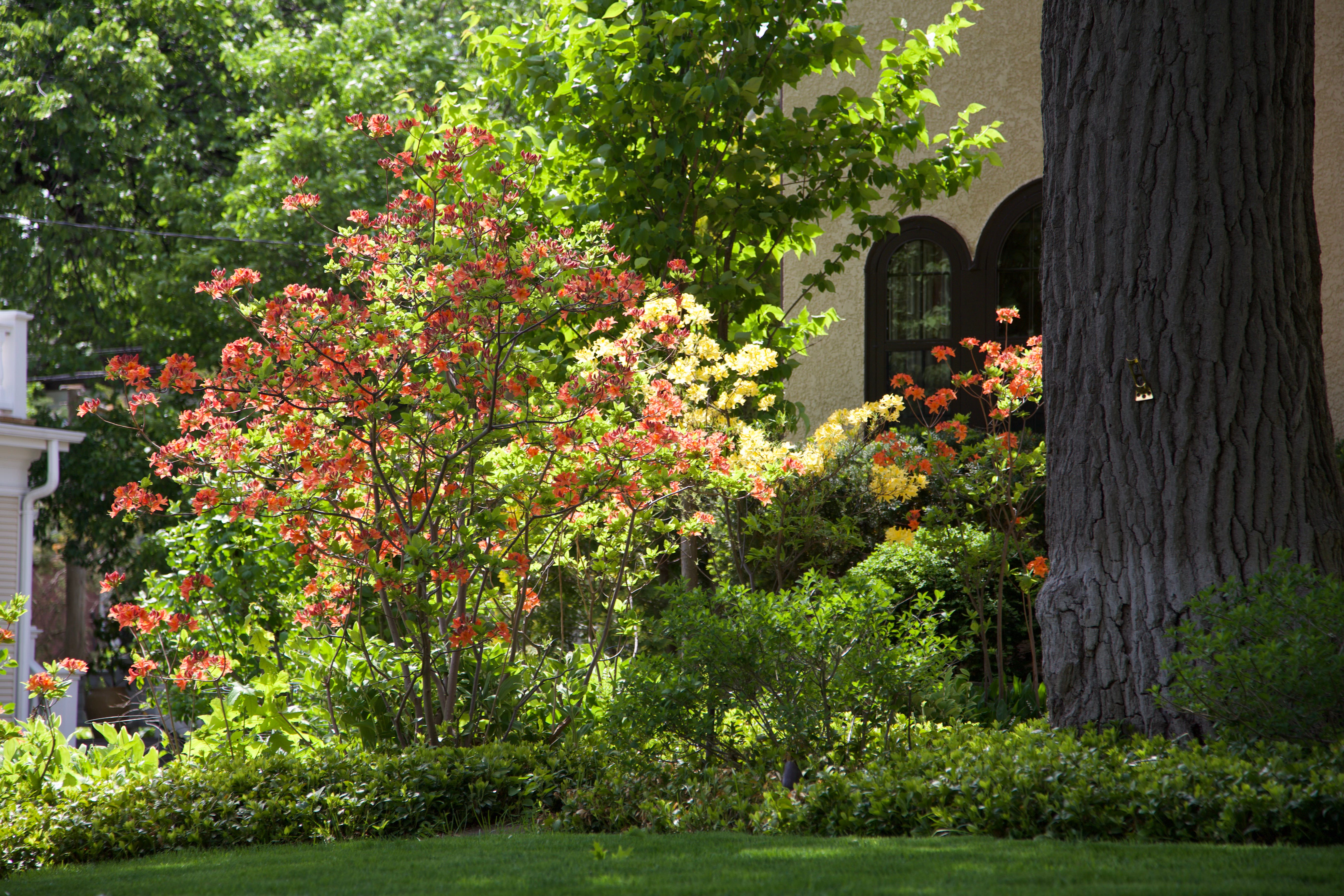
Blooming in my Minneapolis neighborhood last spring, these beauties from the Northern Lights azalea series are hybrid cultivars that are cold-hardy to an incredible minus 30-45 degrees. Talk about tough.
We need tough plants, that don’t ask for much, that don’t need synthetic fertilizer or gas-powered intervention. Plants that save seniors time, time to enjoy their gardens after a lifetime of tending. I ask that plants earn their place in my garden, if they can’t contribute as a larval host, then can they still provide other functions? Shade, shelter, nesting sites, cover, food, and beauty.
So many butterflies, Black swallowtail, Eastern Swallowtail, and Giant Swallowtail are fluttering and foraging on the azaleas right now. Their larval generations are feeding on the leaves of my lemon tree next to the azaleas. I don’t consider that damage, but habitat.
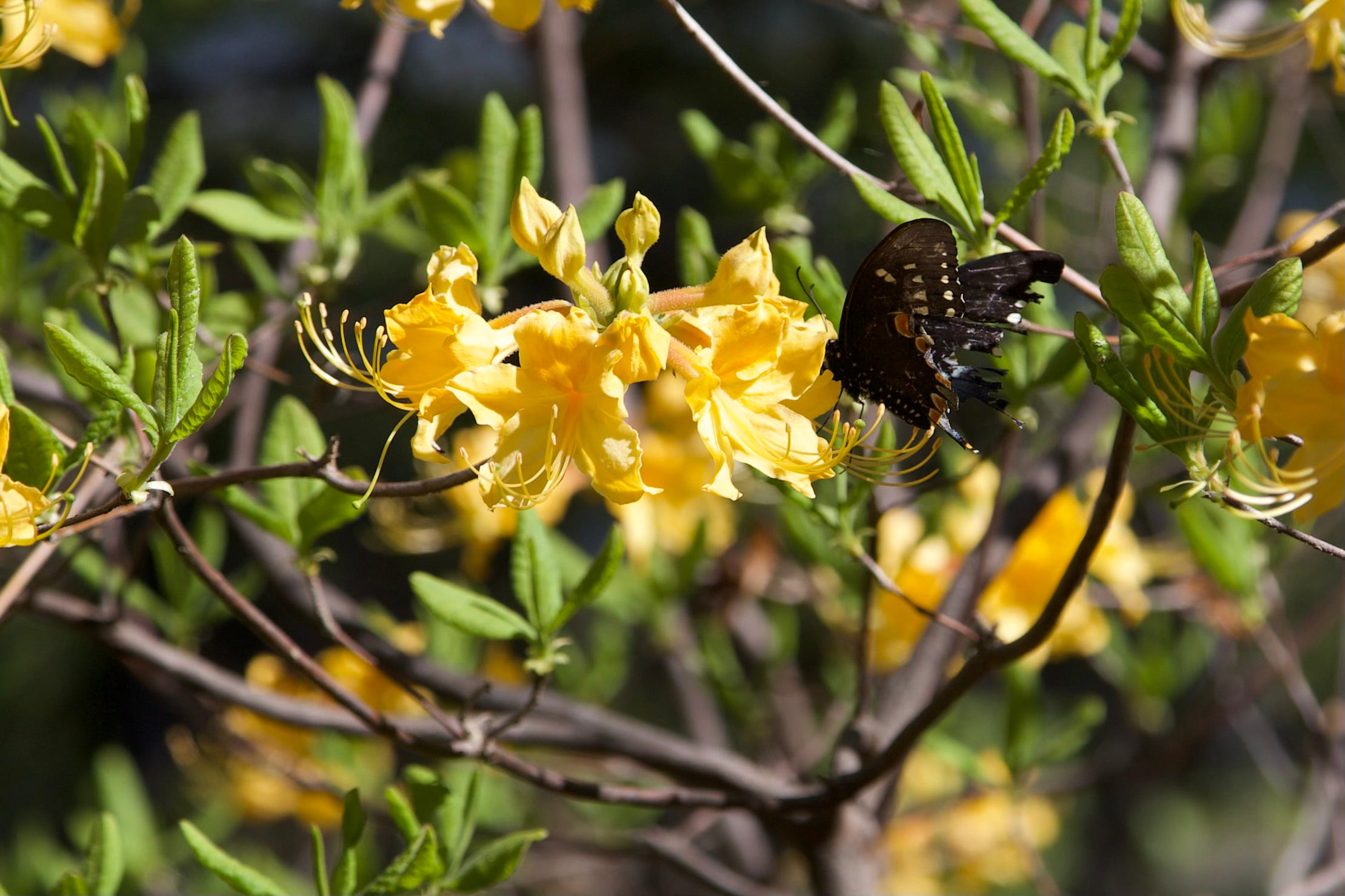
Black swallowtail on native Florida Flame azalea in the New Orleans Botanical Garden
Most gardeners have a mix of native/non-native plants. A plant-rich landscape is always better than one where someone hesitates to plant anything due to plant-shaming. We should be looking for plants that can adapt to erratic weather, weather extremes, in spite of their origin.
I can be guilty of poo-pooing popular plants, I’m not a fan of the Stella de Oro daylily, something about that shade of yellow, ugh. But lots of people love them. And you gotta admire a plant that not only survives but flourishes in the Wal-Mart parking lot.
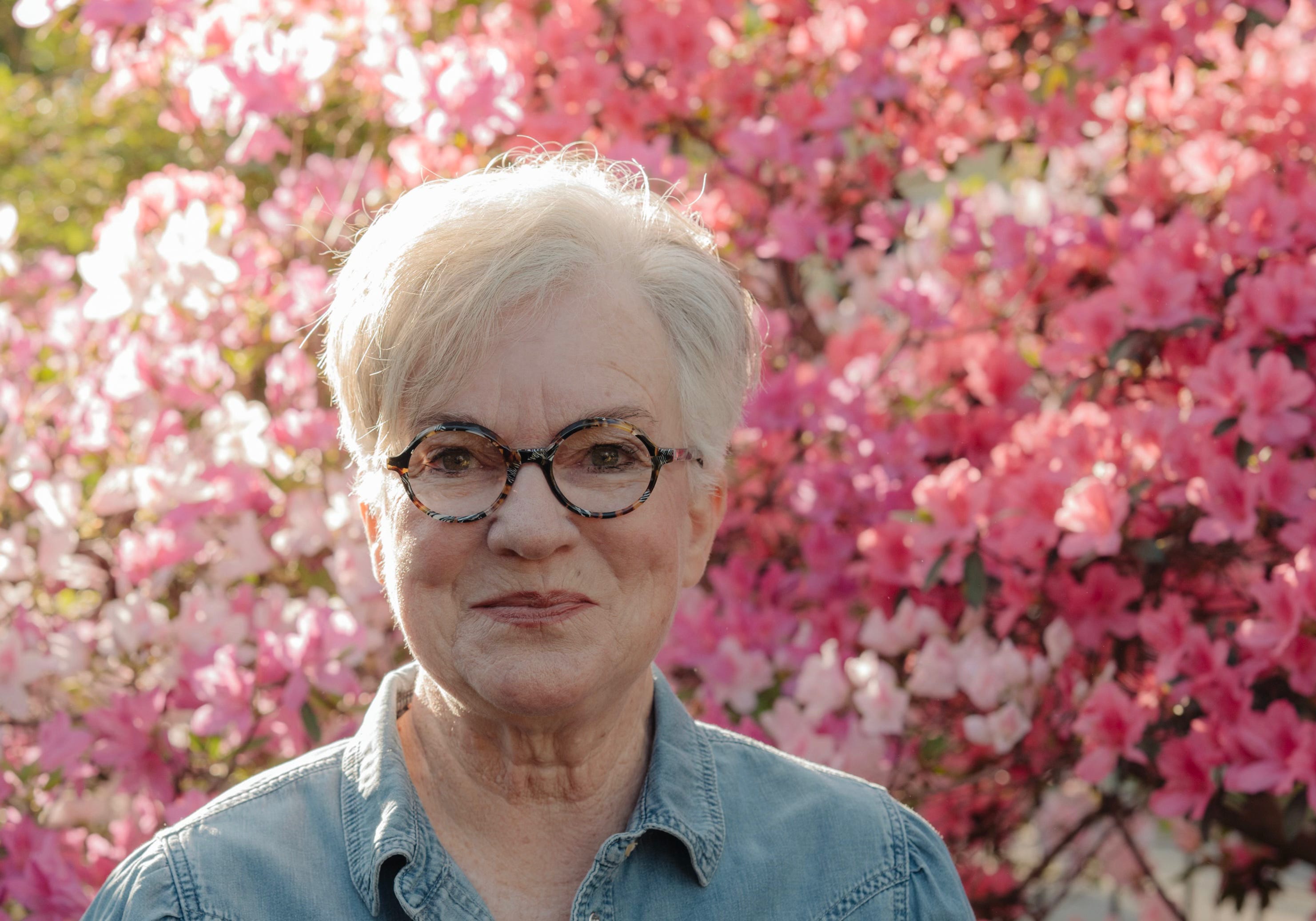
Blooming just down the street, a fence-full of azaleas. Happy Spring Equinox on March 20! Happy gardening to all of my readers!
No posts
Comments
Nothing yet. Say the first thing.
Sign in to join the conversation.