
It’s one thing to research charts and stats.
It’s another to watch your exact diagnosis play out on Netflix… starring your future surgeon.
In the lead up to my heart surgery, my world was filled with panic and anxiety. I could intellectualize the risk, pore over scan results, and map probabilities with my AI models… but none of that prepared me for what it would actually feel like to surrender my heart to a surgeon.
I found an unexpected answer in a Netflix documentary called Open Heart.
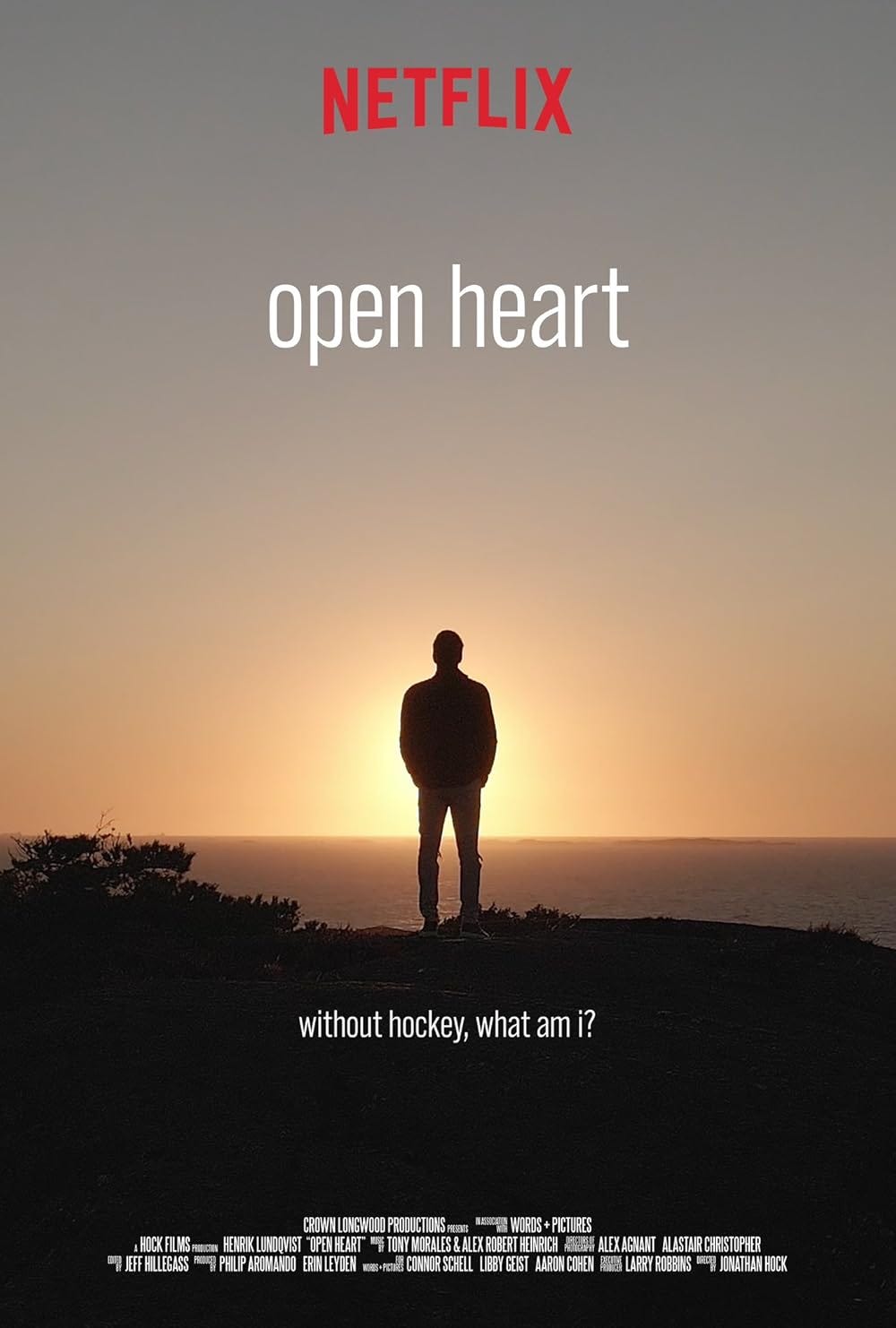
One night, after the children were asleep, Janet and I pressed play on this must-watch story. And suddenly, there it was: Henrik Lundqvist—“King Henrik”—one of the greatest goalies in NHL history, facing the exact same diagnosis as me.
Aortic valve replacement. Ascending aortic aneurysm. Aortic root replacement.
For Henrik, the stakes were his world champion career and his family. For me, it was my own life and my family. Different outcomes, same condition.
But what hit me hardest wasn’t just Henrik’s courage. It was the surgeon by his side.
Dr. Eric Roselli. The same surgeon who would soon hold my life in his hands.
Until that moment, Eric Roselli was just the name of a world-renowned cardiac surgeon. A reputation dominating cardiac circles. I had done my research: read the journals, scoured Cleveland Clinic’s site, watched grainy recordings of conference talks. I knew he was respected. I knew he was the best. But there’s a distance between “respected” and real.
On Netflix, he became real for us.
I saw him explain the procedure to Henrik with calm, steady authority. I watched him deliver life-changing news with confidence that felt unshakable. The kind of presence you want when someone is about to stop your heart and stitch it back together.
That night, Janet and I laid frozen watching, realizing the man who would soon open my chest was doing it right here on Netflix… guiding one of the most recognizable athletes in the world through the same steps.
It was surreal.
And it gave me something priceless: perspective.
Because once you’re on the table, stripped of titles and clothes, surgery doesn’t care who you are. Henrik might have flown in with his family on a private jet with cameras following him. We flew commercial with our own iPhones following me. But in the OR, we were the same: a body and a heart in need of repair.
YouTube videos from other patients had given me tactics: buy a recliner, expect the breathing tube, rest as much as possible. But Open Heart gave me something else: rehearsal. A preview of the road ahead. Proof that even in the most elite lives, bodies fail. And proof that survival is possible.
When Henrik’s surgery succeeded, I clung to that outcome. If he could rebuild, maybe I could rebuild too. Life, family, purpose.
By the time the credits rolled, Janet turned to me and said:
“At least now we know. At least now we’ve seen it.”
She was right. Watching Open Heart didn’t erase the fear. But it made the unknown visible. And in a journey like this, that glimpse is everything.
The Cleveland Clinic article about Henrik captures it perfectly. Dr. Roselli explains that “if you eventually need surgery, it doesn’t have to be scary. We perform these surgeries safely and effectively to help people get back to living an active life.”
That line stuck with me. Because fear thrives in the unknown.
It also showed me that even through a perfect surgery, post-operative complications can happen. And Henrik did face post-op complications. Pericarditis. This is an inflammation of the protective sac that wraps the heart. Its often due to the body’s immune response to the surgery or even a viral infection. I didn’t know it at the time, but I was destined to experience post-op complications too. I talk about them here.
King Henrik has since retired from hockey, traded game schedules for more time with his family, and become an advocate for heart health. After surgery he launched his podcast, Club 30, where he has deep conversation with athletes, celebrities, and people at the top of their craft. Dr Roselli was a guest on the pod in May 2024 for a fascinating behind-the-scenes conversation on their recollections of Henrik’s surgery.
His scar runs down the middle of his chest, like mine, but while his playing career might be over but his life is still full. That’s the real victory.
For me, Open Heart wasn’t just a documentary. It was a lifeline. A cinematic reminder that I wasn’t alone, that my surgeon was as steady in practice as he was in reputation, and that survival wasn’t just possible, it was probable.
And when you’re days away from open-heart surgery, that preview can mean everything.
This story reminded me why patients need more than charts and numbers. We need perspective, rehearsal, and previews into what lies ahead.
Thats why I’m building Hearts & Algorithms. to create a compassionate guide that sits beside patients throughout their journey. In some ways, just like Open Heart sat beside me.
So, whether it’s a documentary, a blog, conversations with fellow patients, or pre-surgery support, the future of the patient experience will be shaped by stories and guides that make the invisible visible. And sometimes, that lens is the very thing that steadies us for survival and thriving in our new transformation.
John Duffield
TheFuturePatient
No posts
Comments
Nothing yet. Say the first thing.
Sign in to join the conversation.