
Last week our Executive Director, Sandra Barefoot, attended a workshop at Cambridge University that explored the practice of holding space. In reflecting on this event, Sandra writes the following:
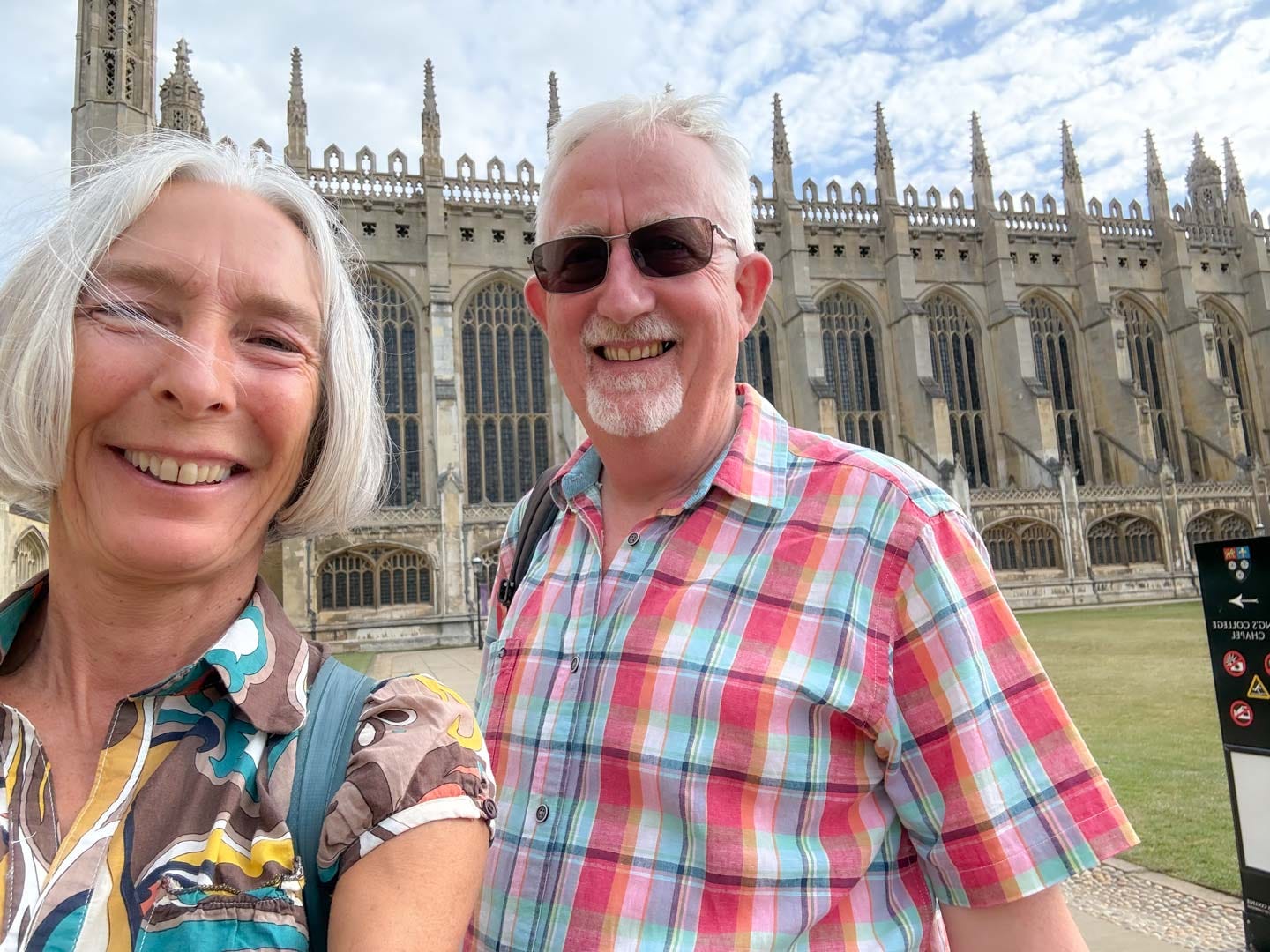
I was delighted to be invited by longtime colleague of The Forgiveness Project, Stephen Cherry (Emeritus Fellow, King’s College Cambridge) alongside conveners Joanna Kusiak (Kozminski University, Warsaw) and Jina Barrett (Organisation and Leadership Consultant) to a unique 24-hour workshop under the Centre for Research in the Arts, Social Sciences and Humanities (CRASSH) at King’s College in Cambridge. This gathering offered an opportunity to discuss how the concept of ‘holding space’ – where difference, tension, disagreement, trauma and uncertainty can be held creatively and constructively – applies in reimagining civil life and political practice.
One prominent idea from the discussions held was the notion that holding space is not just a practice, it’s an art – it is constantly transforming. In our discussions we shared how a ‘safe space’ is often one that suppresses conflict, especially in contemporary culture.
These questions arrived in the group: How do we bear hate and bring it into awareness? How do we bear hate together and the asymmetry of victim and perpetrator? If we are the object of hate, how do we do justice to both sides without equalising one or the other? One person referenced the Jungian theory of ‘blowback’: If we create spaces that exclude ideas of discomfort, fear and unacknowledged shame, then a ‘blowback’ occurs providing hyper fixation of binary narratives, and expulsion of our pain and discomfort onto others.
This is something that we at The Forgiveness Project understand and implement into our practice: we now describe the spaces we hold as brave and accountable, where a shame-informed process supports us to hold the tensions, fear and conflict that are inherent in the content of our work, offering different possibilities and shifts to emerge.
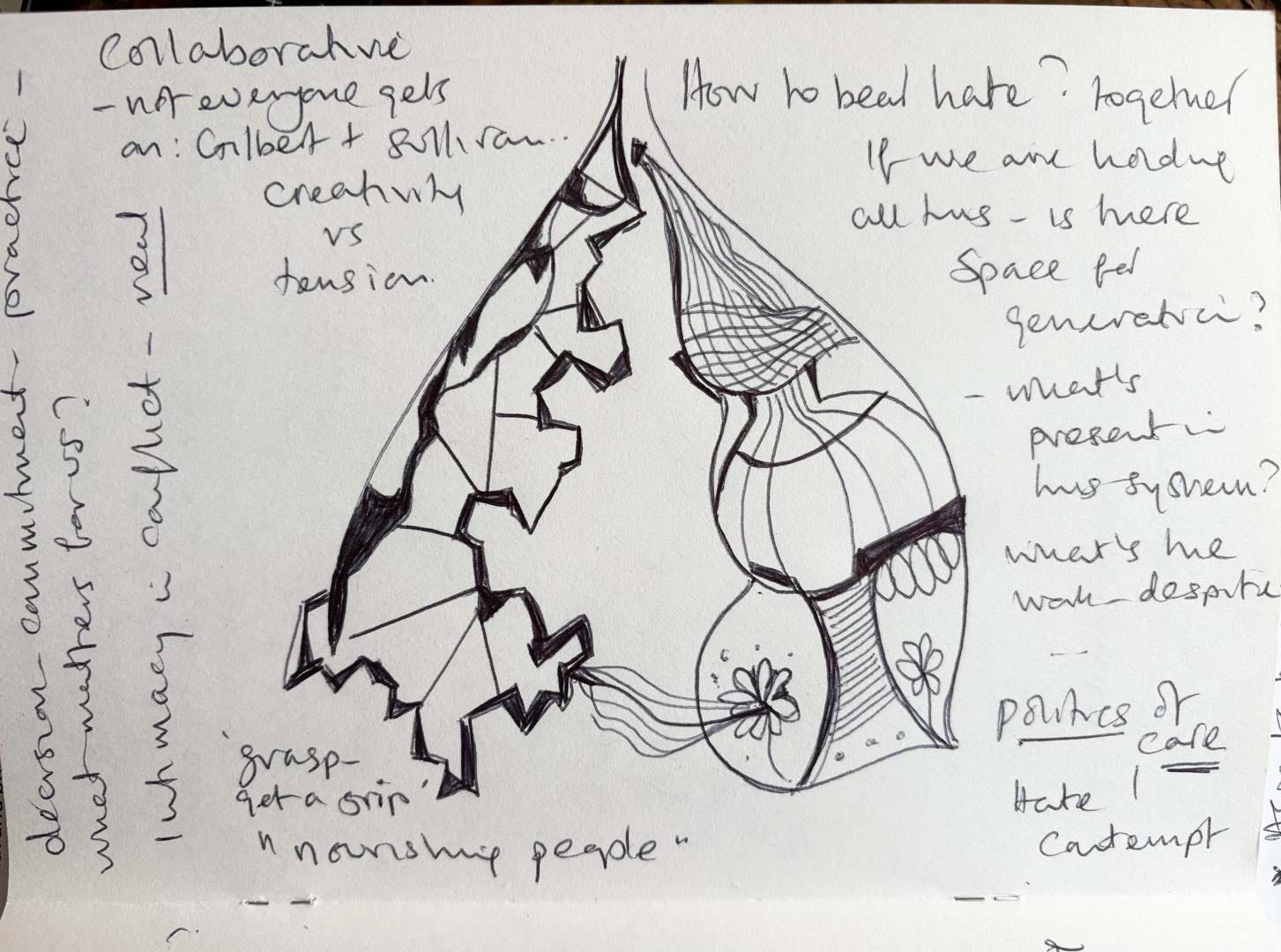
I was affected by further reflections around the concept of ‘going on being’ from Donald Winnicott (British Paediatrician and Psychoanalyst) and ‘hospicing’: I felt a sense of relief in me in the understanding that, despite holding spaces of pain, grief, loss and death, there is a place to find ourselves. I was so curious as to how the idea and language of ‘hospicing’ supports holding space that focuses on lessening pain and suffering and supporting care and dignity for all. My curiosity led me to begin reading Hospicing Modernity – Facing Humanity’s wrongs and the Implications for Social Activism by Vanessa Machado de Oliveira, which was referenced by research practitioner Joanna Kusiak.
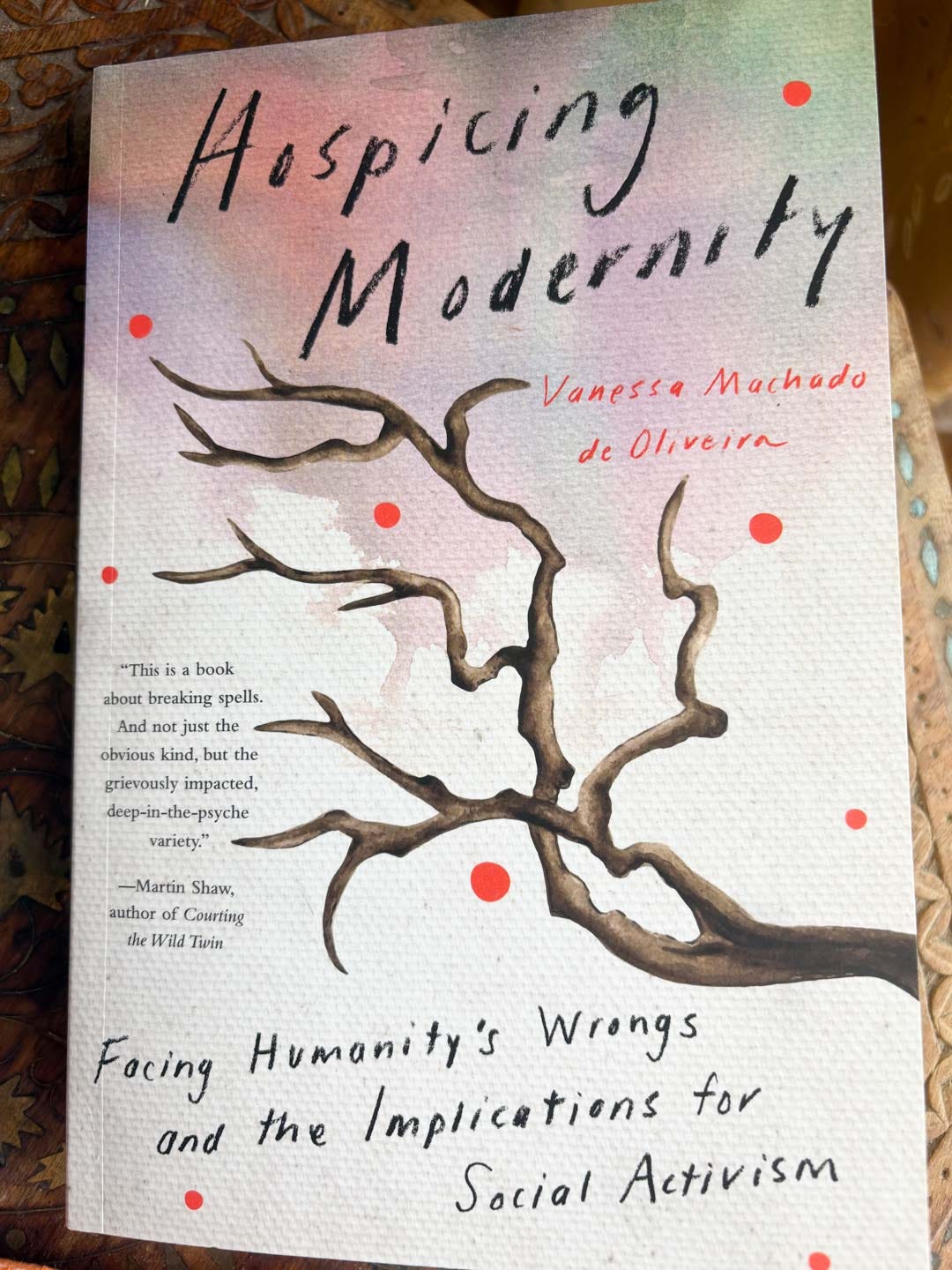
Just reading the preface, I was struck by the author’s sharing of how we are conditioned in our modern world ‘to cover everything with a heavy blanket of fixed meanings, to index reality in language, to word the world. To shift this, she argues that we can ‘world the world’ through our relationship with stories. As de Oliveira says:
“In worlding the world, stories are living entities that emerge from and move things in the world…some stories are meant to travel the world, and to transform and be transformed by other world-entities, including the storytellers and those who receive the stories.”
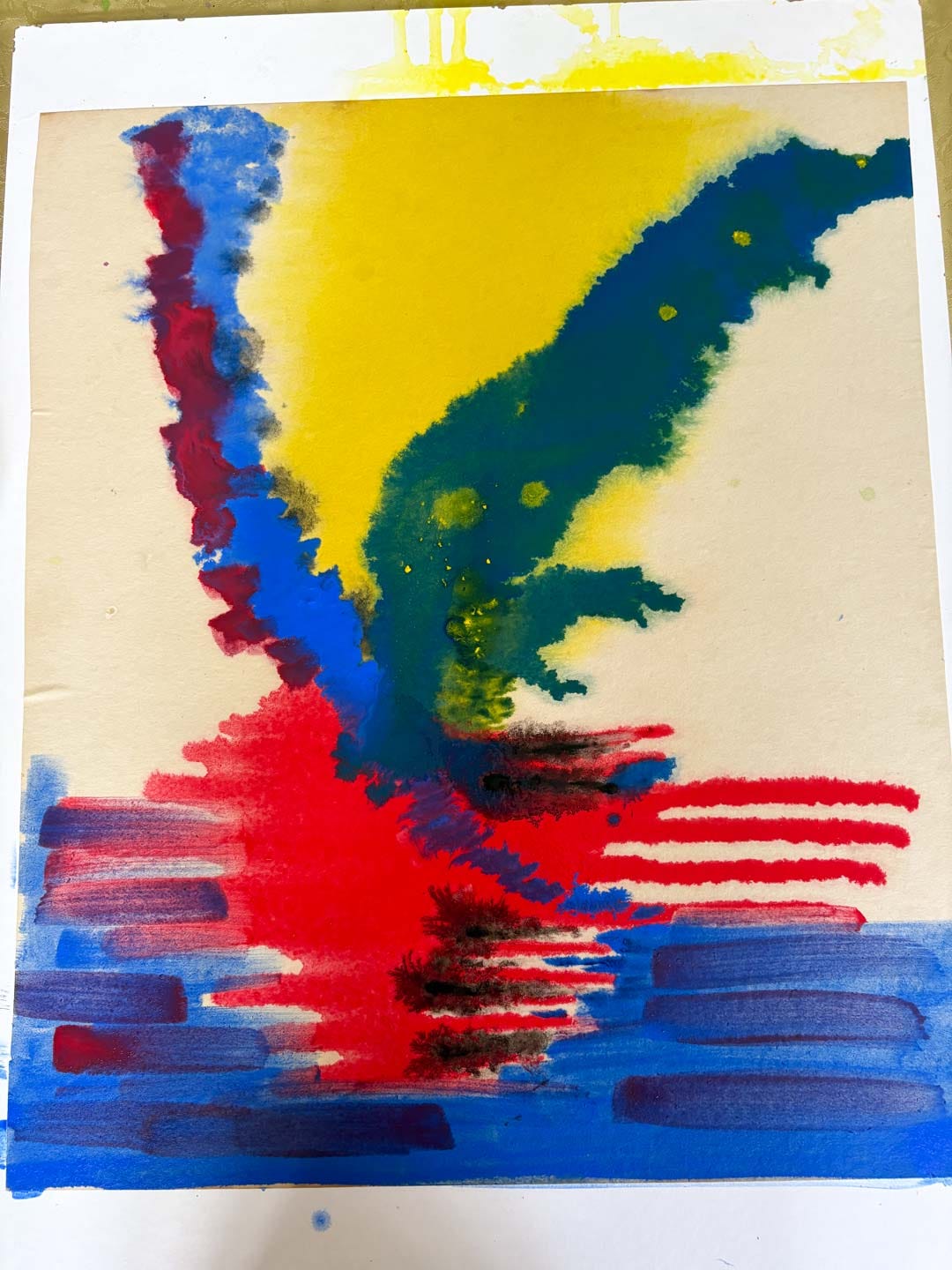
Following the gathering, I was compelled to create an emotional portrait in reflection to my personal response to the conversations held:
I am excited and inspired to draw on this gathering to begin new conversations and enquiries, and I welcome any of you reading this to be in touch with your own thoughts around the following questions:
What does ‘holding space’ mean to you?
And
What are the really ordinary things people do to hold space that can be in themselves extraordinary?
No posts
Comments
Nothing yet. Say the first thing.
Sign in to join the conversation.