

In the world of fly fishing, certain patterns stand out for their effectiveness, versatility, and enduring popularity. One such fly is the Hornberg Special, a classic pattern that has stood the test of time and continues to be a favorite among anglers. In this article, we will explore the history of the Hornberg Special, its unique design, and the various ways it can be fished to maximize success on the water. The Hornberg Special was first developed in the 1920s by Frank Hornberg, a game warden from Wisconsin. Inspired by his observations of the local trout and their feeding habits, Hornberg set out to create a fly that could imitate a wide range of aquatic insects and attract fish in various conditions. The result was the Hornberg Special, a pattern that quickly gained a reputation for its effectiveness and versatility.
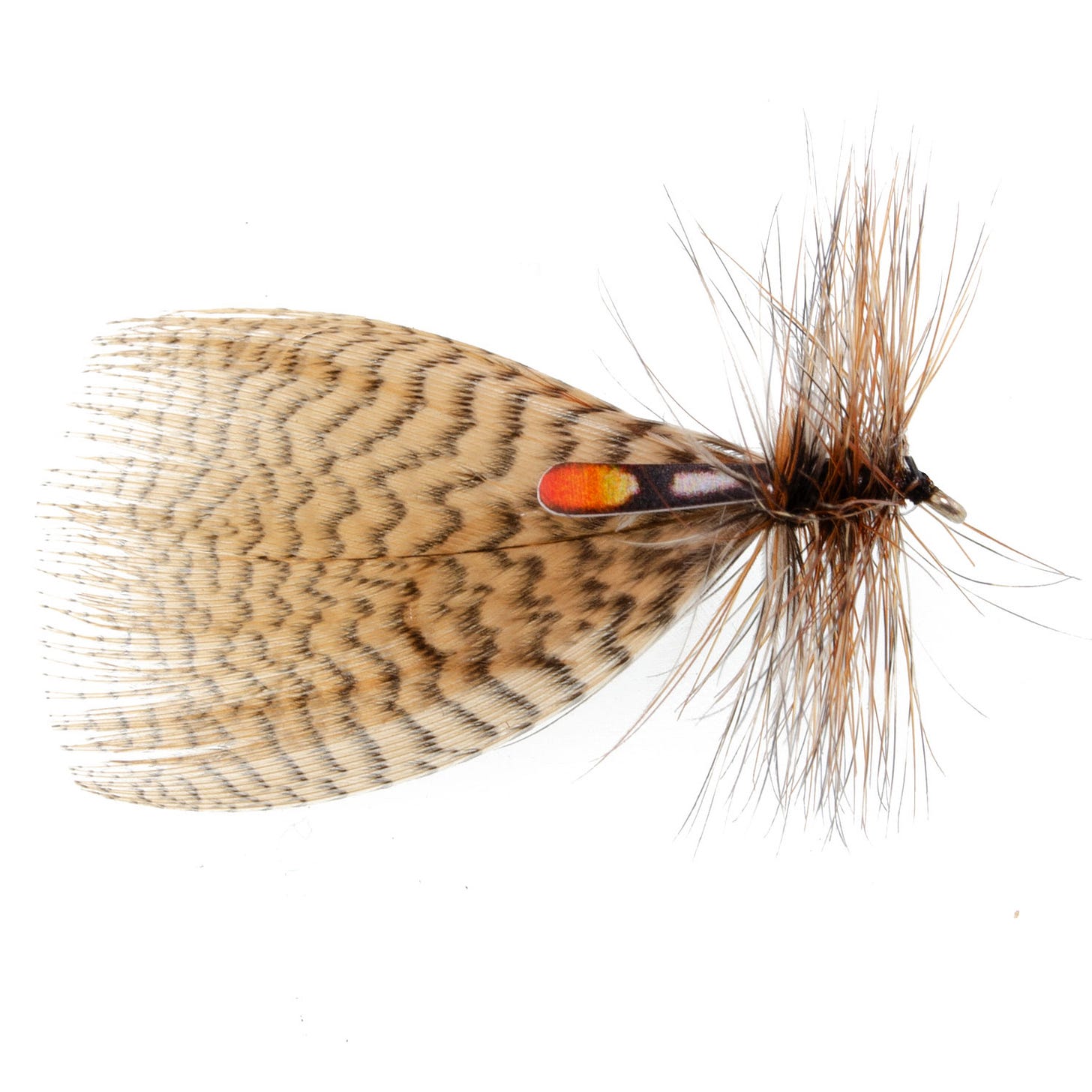
The original Hornberg Special featured a body made of flat silver tinsel, a wing of two barred gray mallard breast feathers, and a throat of four or five turns of a grizzly hen neck hackle. The unique combination of materials gave the fly a distinct profile and movement in the water, making it an effective imitation of various aquatic insects. Over the years, the Hornberg Special has undergone several modifications and variations, but its core design has remained largely unchanged. Today, the fly is available in different sizes and color combinations, allowing anglers to match the hatch and local conditions more effectively. One of the key reasons for the Hornberg Special's enduring popularity is its versatility. The fly can be fished in a variety of ways, making it an excellent choice for anglers of all skill levels. Here are some of the most effective ways to fish the Hornberg Special:
1. Dry fly fishing: The Hornberg Special can be fished as a dry fly, imitating an emerging or adult aquatic insect. To fish it as a dry fly, cast the fly upstream and let it drift naturally with the current. Keep a close eye on the fly, as trout often take it with a subtle sip.
2. Wet fly fishing: The Hornberg Special can also be fished as a wet fly, imitating a drowned or emerging insect. To fish it as a wet fly, cast the fly across the current and let it swing downstream. This technique is particularly effective when fish are holding in deeper water or when they are feeding on emerging insects.
3. Streamer fishing: The Hornberg Special can be fished as a streamer, imitating a small baitfish or large aquatic insect. To fish it as a streamer, cast the fly across the current and retrieve it with short, jerky strips. This technique is effective when fish are actively feeding or when they are holding in deeper water.
4. Nymph fishing: The Hornberg Special can also be fished as a nymph, imitating a variety of aquatic insects in their larval stage. To fish it as a nymph, use a strike indicator or a floating line to suspend the fly just above the bottom. This technique is effective when fish are feeding on nymphs or when they are holding in shallow water.
5. Tandem rig: For added versatility, try fishing the Hornberg Special in a tandem rig with another fly. This can be particularly effective when fish are feeding on a variety of insects or when they are holding in different water depths. When fishing the Hornberg Special, experiment with different techniques and presentations to find what works best in each situation.
The Hornberg Special is a timeless fly with a rich history and versatile fishing techniques. Its unique design and effectiveness have made it a favorite among anglers for nearly a century. Whether you're a beginner or an experienced angler, the Hornberg Special is a must-have in your fly box. So, grab your rod, tie on a Hornberg Special, and get ready to feel that tug!
Comments
Nothing yet. Say the first thing.
Sign in to join the conversation.