
I have a bit of a confession to make. I'm that person who can't resist buying a beautiful notebook when I see one. Stationery shops are my jam—all those beautiful notebooks lined up with even more beautiful writing equipment. Yet, somehow, the notebooks I get often end up collecting dust on my shelf, untouched and unloved. Can you relate?

If you are a fellow notebook hoarder like me, one of the ways to use those notebooks is through journaling. Journaling is good for health- it has been linked to better sleep, a stronger immune system, increased self-confidence, and even a higher IQ. Yes—it's a little like a mental gym for your brain! But there's more—journaling might even have magical healing powers. Research out of New Zealand suggests it could even speed up wound healing.
So, how does this work? Journaling is more than jotting down daily events; it's a journey of self-exploration and creativity. Research has shown that regular journaling can reduce stress, boost mood, and enhance overall well-being. It's like a personal playground for your thoughts, emotions, and ideas, allowing you to process your experiences and tap into your inner wisdom.
According to experts, the act of journaling helps us label our emotions and face traumatic events head-on, leading to improved mental and emotional well-being.

If you want to explore journaling, here are a few strategies to kickstart your journaling journey:
Morning Pages from "The Artist's Way": One popular and effective journaling technique comes from the bestselling book "The Artist's Way" by Julia Cameron. It's called "Morning Pages." The concept is simple but transformative. Each morning, before your day gets into full swing, grab your notebook and write three pages of stream-of-consciousness thoughts. No judgments, no filter, just let the words flow. This practice helps clear mental clutter, boosts creativity, and sets a positive tone for the day ahead.
Gratitude Journaling: Gratitude journaling is a powerful tool to cultivate a positive mindset and focus on the good things in your life. At the end of each day, jot down three things you are grateful for. They can be big or small, from a delicious cup of coffee to meaningful moments with loved ones. This practice rewires your brain to appreciate the good around you and fosters a sense of contentment. In fact, many studies over the past decade have found that people who consciously count their blessings tend to be happier and less depressed. This journal provides a great introduction to gratitude journalling (plus it is a gorgeous linen covered notebook).
Vision Journaling: Get ready to dream big! Use your journal as a canvas for your vision of your future. Write down your goals, aspirations, and dreams. Include vivid descriptions, images, and even drawings. While there is limited scientific research specifically focused on vision boards, some studies suggest that they can be a powerful visualization tool. The concept of visualization has been studied extensively in sports psychology. Athletes are often encouraged to visualize their success and performance, which has been shown to improve their actual physical performance and outcomes. This technique is based on the idea that the mind and body are closely connected, and mental rehearsal can lead to improved physical execution. When it comes to vision boards, the underlying principle is similar.
Emotion Mapping: When you're feeling overwhelmed or stuck, emotion mapping can provide clarity. Simply draw a spectrum from negative to positive emotions, and then pinpoint where you are on that scale. Dive into the emotions you're experiencing, and you'll find insights that can guide you toward positive change. This process is often used in clinical settings during therapy.
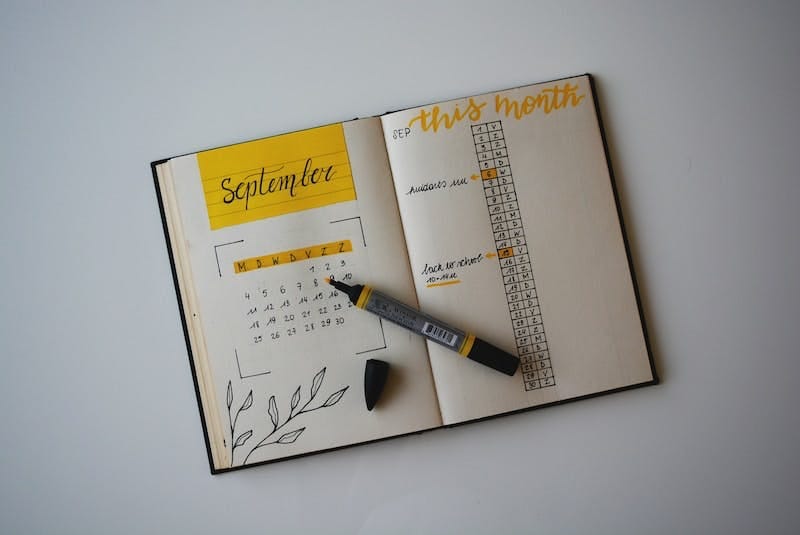
Bullet Journaling: If traditional journaling feels too time-consuming, consider bullet journaling. This method uses short, concise bullet points to capture your thoughts, tasks, and feelings. It's a versatile approach that combines journaling, planning, and creativity in one handy notebook.
Voice Journaling: Voice journaling is an unconventional way to explore your thoughts. Instead of writing, use a voice recorder or your smartphone to speak your thoughts aloud. This method is liberating and can help you access ideas and emotions that might have been suppressed in traditional writing. Whether you're hiking in nature or relaxing on your couch, voice journaling gives you the freedom to express yourself openly and authentically.
There's no right or wrong way to journal; the key is to make it your own. Embrace your unique style, experiment with different techniques and strategies, and don't worry about perfection. Allow your journal to be your safe haven, a place where you can be authentic and free. Don't worry about rules, the only thing that matters is that you do it regularly.
Comments
Nothing yet. Say the first thing.
Sign in to join the conversation.