
Ordinary People has long been treated as the film that stole Best Picture and Best Director from Raging Bull. That reputation is unfair. While Raging Bull deserves its place in cinematic history, Robert Redford’s directorial debut, about a family slowly disintegrating under the weight of grief, is remarkable in its own right. Its center of gravity comes not from explosive visuals but from meticulously sketched characters and what they won’t, or perhaps cannot, say.
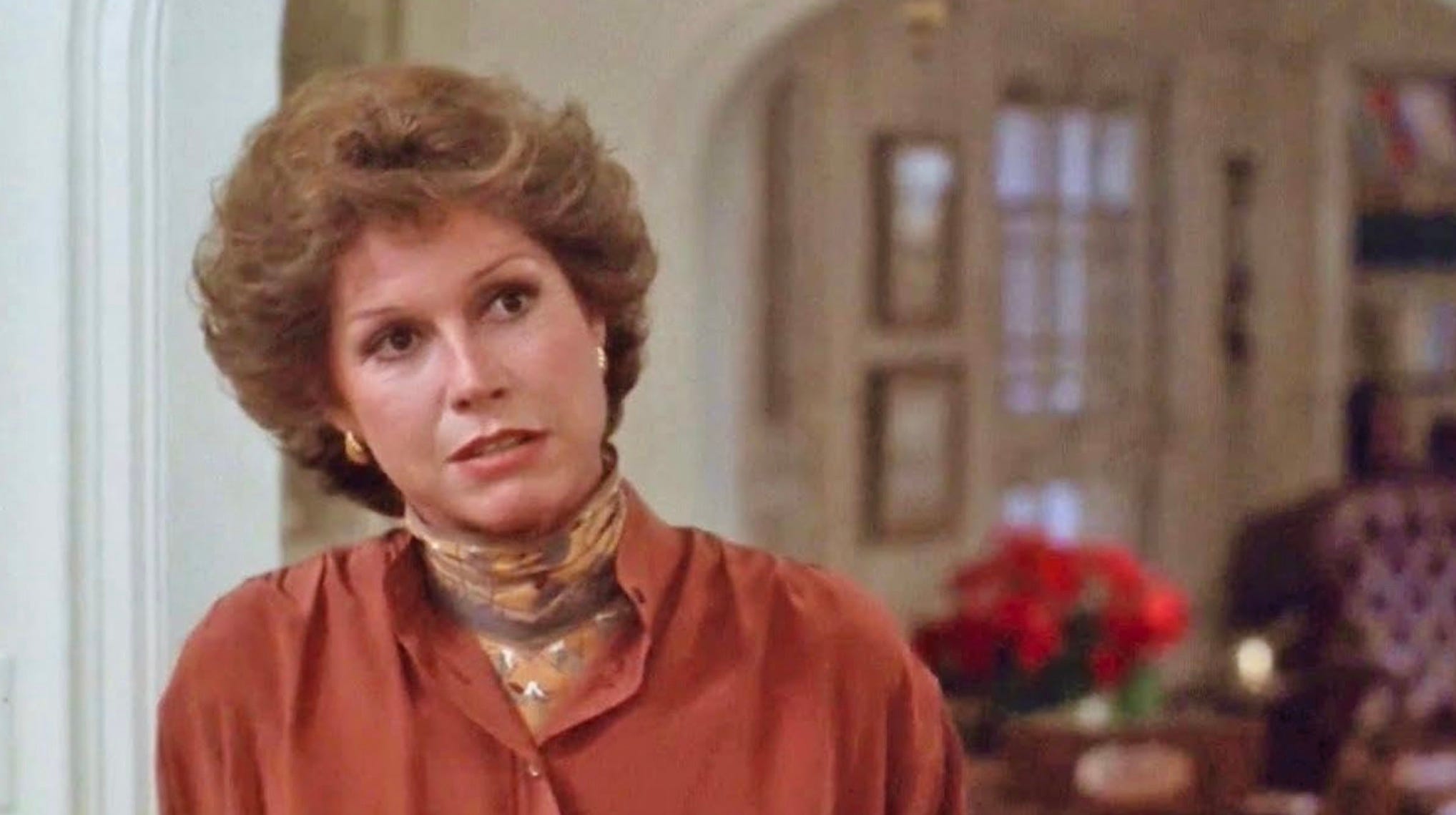
The film centers on the Jarretts, an affluent family struggling with the death of their oldest son, Buck. There’s Beth, the waspy matriarch played by America’s sweetheart, Mary Tyler Moore, who is more concerned with preserving a semblance of normalcy than discussing what happened. Her emotional coldness hardens after her surviving son, Conrad, attempts suicide. Moore never portrays Beth as a cardboard villain, evoking in us a kind of angry, morbid fascination.
Conrad, played by Timothy Hutton in a bravura performance, can be anxious, sarcastic, frightened, angry and desperate, sometimes within the same scene. He wants his family to mourn together, not in silos. But every attempt at honesty and openness arrives like an ocean wave threatening a sandcastle. Conrad seeks forgiveness from himself and his mother and, more than anything, wants her to acknowledge that he is still there.
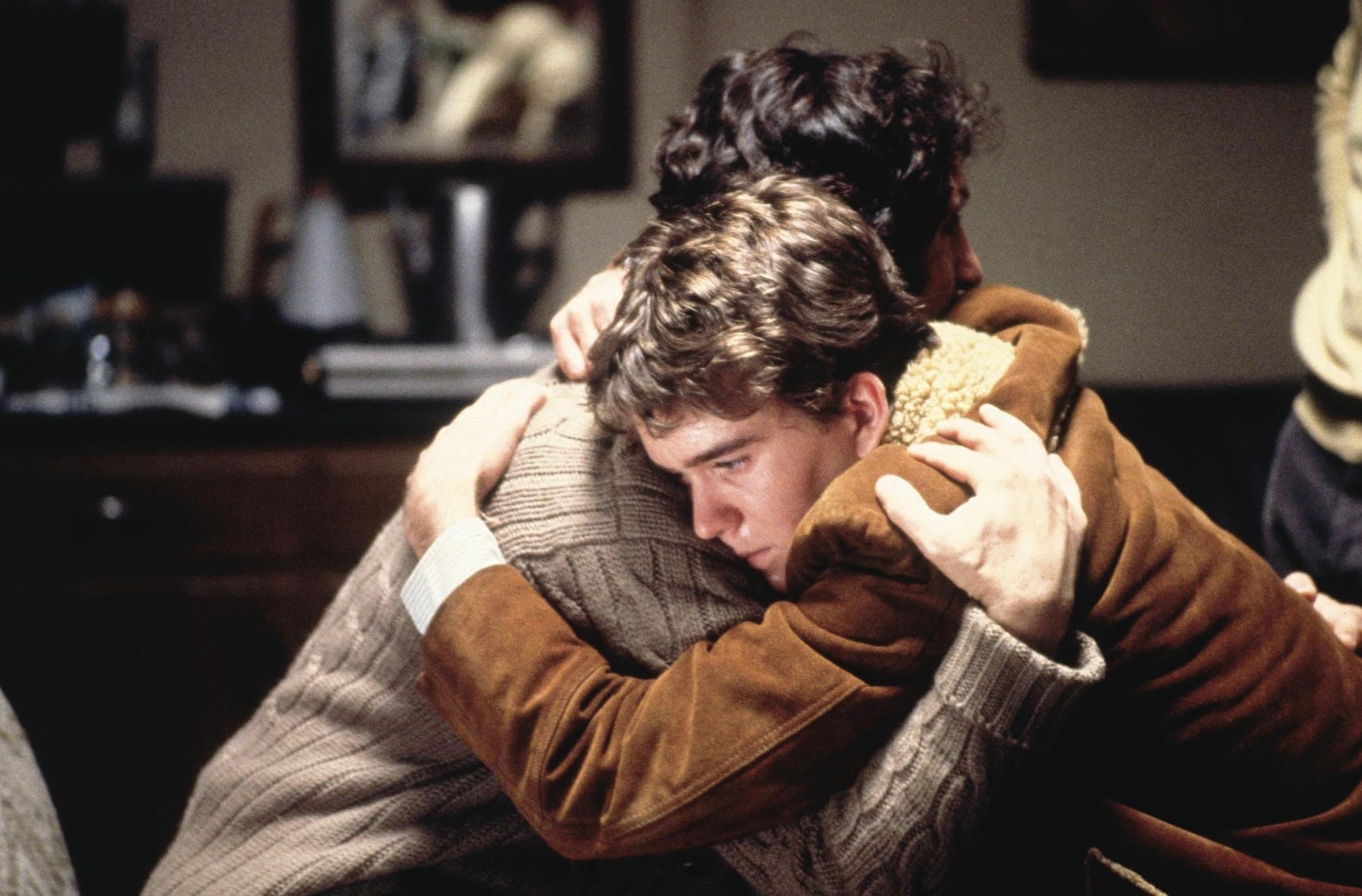
Donald Sutherland is equally good as Calvin, the quietly mourning father who gradually realizes that keeping his family together may no longer be possible. The fact that Sutherland wasn’t nominated for an Academy Award remains baffling. He gives the film its gentleness, hiding his pain behind a smile. He communicates with his eyes what another actor might have delivered in a grand monologue.
There is a pivotal moment during a holiday family gathering when Beth does not want to take a photograph with Conrad. It’s a small scene, but it reveals everything about the Jarretts and is almost unbearable to watch. Beth cannot look at Conrad without being reminded that he survived and Buck did not. What a horrendous feeling for a mother to harbor, let alone allow her surviving son to sense.
I first saw Ordinary People when I was about 15 and dismissed it as an expensive-looking soap opera, no more interesting than a CBS Wednesday night movie. Watching it again as a married adult, and now thinking about having children, gave me a completely different perspective. The characters’ struggles to cope with and express dark, unpleasant, perhaps even disturbing emotions now feel plausible and recognizable.
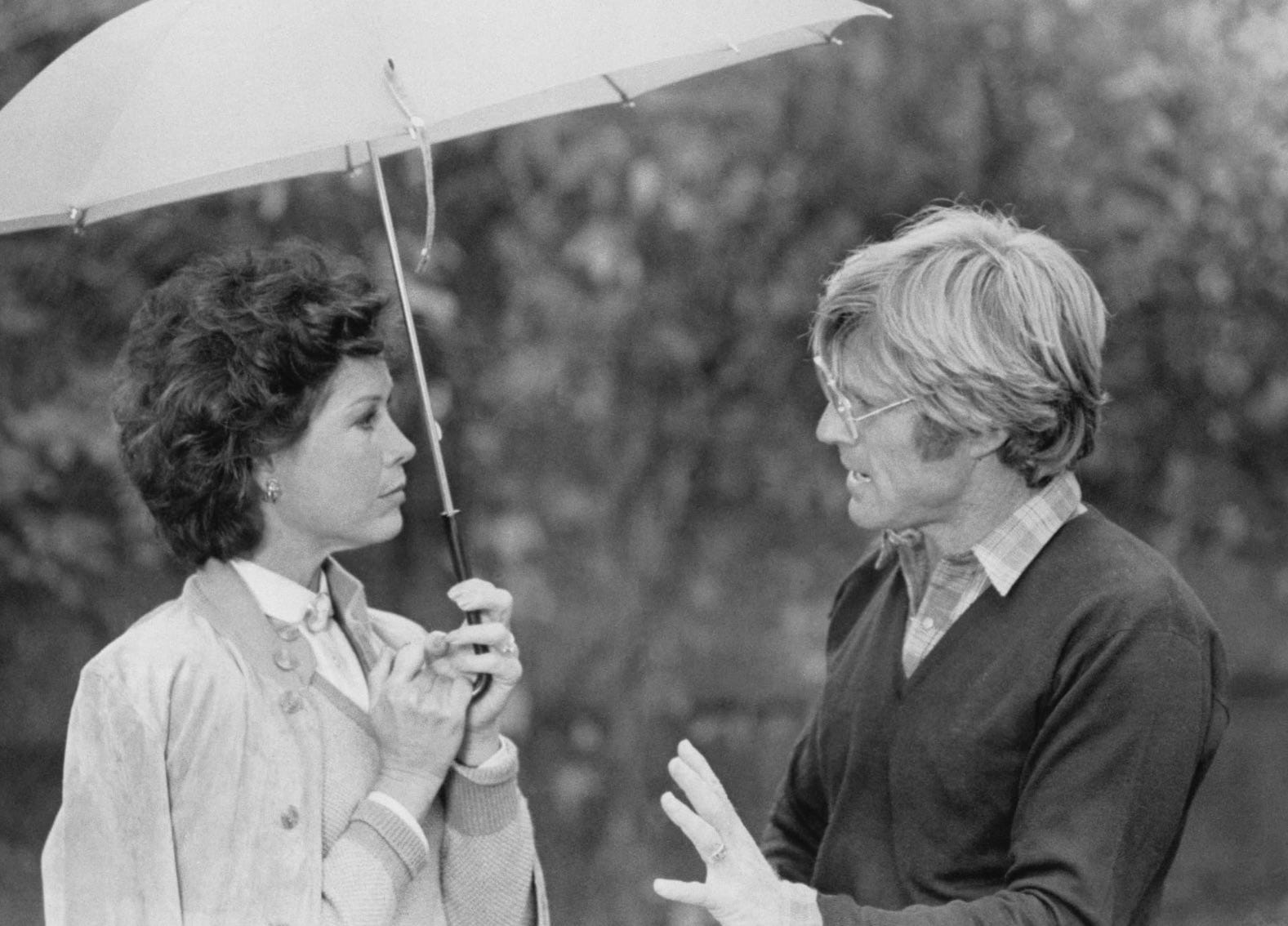
Ordinary People holds up because Robert Redford treats the Jarretts as human beings, not as symbols of their class. Yes, they’re wealthy, but this never becomes an excuse for cheap social criticism. Redford, through his minimalistic, let-actors-act approach, reminds us that privilege does not protect people from pain. In fact, I’d call his thesis fatalistic: Love does not always produce warmth, grief can turn into resentment, and a family can drown without anyone raising their voice.
Thanks for reading The Film Fix! This post is public so feel free to share it.
No posts
Comments
Nothing yet. Say the first thing.
Sign in to join the conversation.