
While both countries share the goal of reducing harms associated with the digital environment, their approaches reveal important differences.
The key similarity between the Australian and UK approaches is that responsibility sits with platforms, not with children or parents. This matters. A public health response cannot depend on individual willpower when children are given products that hold their attention, intensify social comparison and foster emotional dependence.
Australia’s legislation established a world-first model: social media platforms are expected to take reasonable steps to prevent children under 16 from holding accounts. This model was the first regulatory step within a series of proposals. The regulation confirmed that the disruptive impact of social media on school communities was neither a private parenting concern nor a school-only challenge, but a systems problem. Australia’s regulation signalled to the world a belief that wellbeing could be supported without social media.
The UK concluded their public consultation in May. Nine in ten parents supported restrictions for younger users and two-thirds of young people supported greater safeguards online. The UK government appears to have learnt from Australia’s first step and is proposing a broader suite of initiatives. Rather than focus only on access to social media accounts, the UK will also target harmful functions across the digital environment.
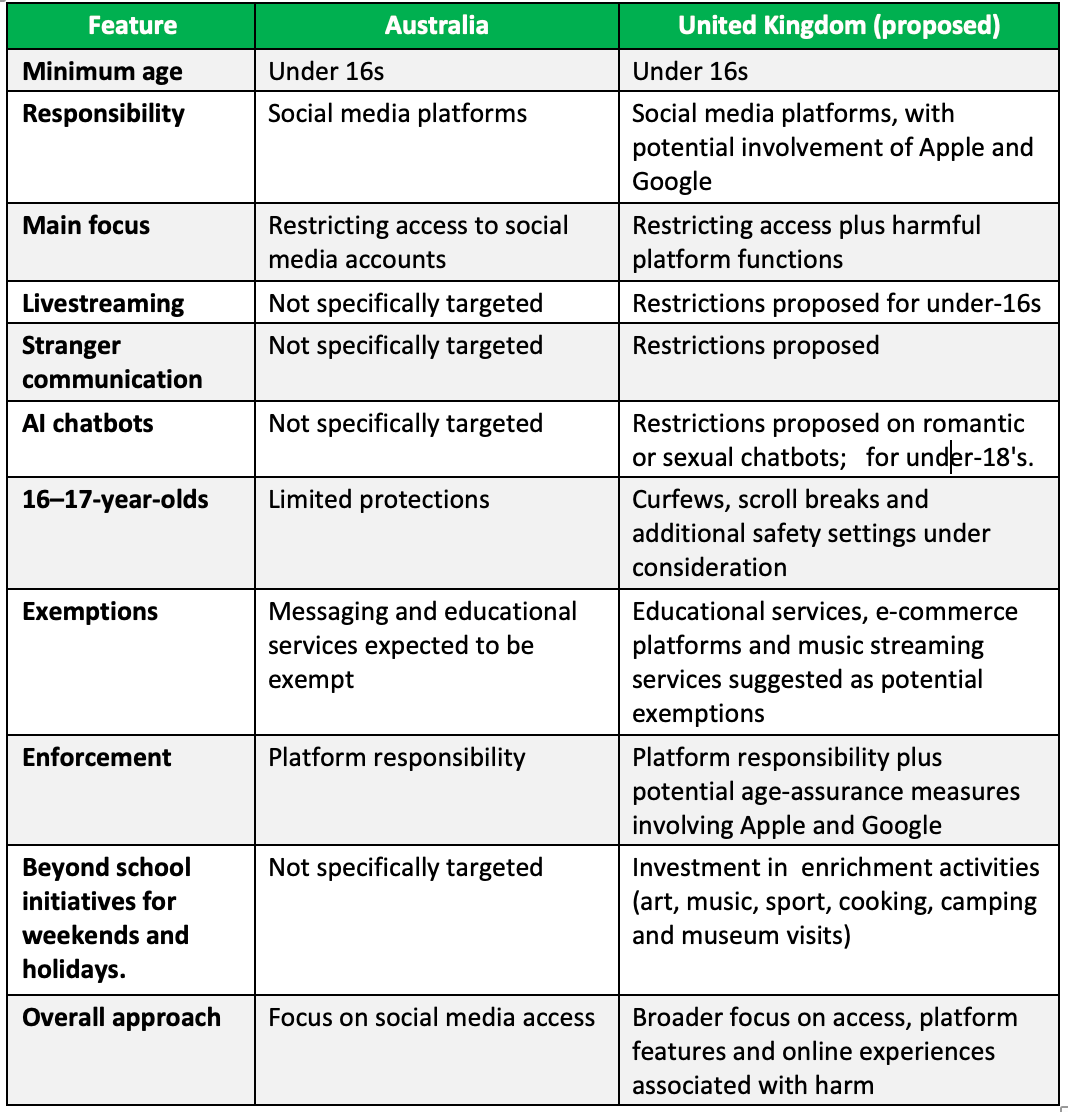
Australia’s regulation compared to the UK proposal
Reasons for additional proposed restrictions
· Livestreaming increases pressure to perform for an audience and exposes children to real-time feedback that is difficult to switch off from.
· Communication with strangers - restrictions should reduce opportunities for grooming, exploitation and harmful contact from adults.
· Regulation on AI chatbots recognises concerns with systems designed to simulate emotional intimacy, encouraging unhealthy attachment patterns and reinforcing social isolation in vulnerable young people.
Apple, Google & Enforcement
The other integral difference is that providers of digital access, such as Apple and Google may be compelled to carry out age verification, meaning that the operating systems on devices themselves will carry a level of responsibility not seen in Australia. This reflects a broader approach to age assurance. By involving operating systems, policymakers are seeking to create multiple layers of accountability across the digital ecosystem and reduce opportunities for children to circumvent restrictions by creating new accounts or entering inaccurate age information. The UK has also directed Ofcom, the independent regulator responsible for communications and online safety, to develop an enforcement strategy, signalling that compliance will be actively monitored. This reflects a shift from relying on voluntary action by tech platforms.
Exemptions
In Australia, services such as messaging platforms, educational services and some gaming environments are expected to remain exempt from the legislation. Similar exemptions are anticipated in the UK, with policymakers indicating that educational services, e-commerce platforms and music streaming services are unlikely to be captured by the restrictions. This recognises that not all digital services present the same level of risk and allows policymakers to focus regulation on social media platforms and features most strongly associated with harm.
The strength of the UK approach lies in its breadth. It does not treat online safety as a single-platform problem, or as a matter of individual restraint. It recognises that children need safer digital environments, clearer expectations, stronger age assurance, better school-based education, healthier design standards and more compelling offline alternatives.

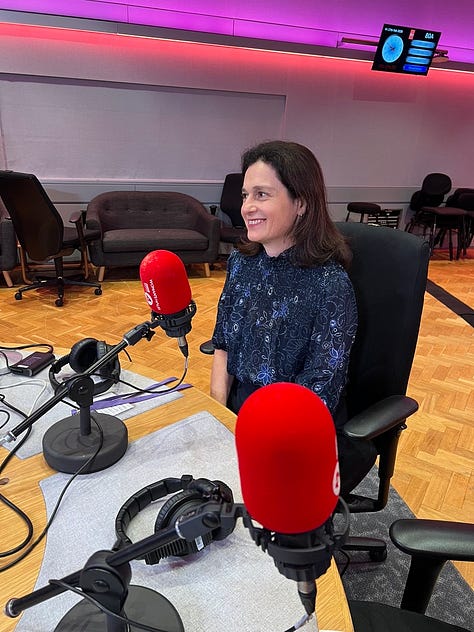
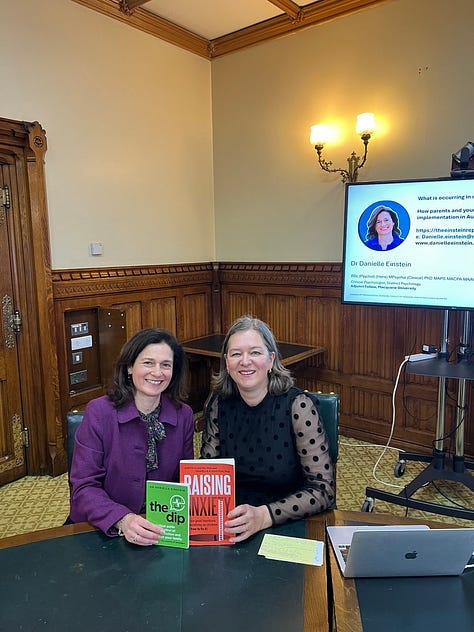
One area where both countries will need to keep building momentum is parent education. Parents need practical support not only to manage children’s screen use, but to rethink their own technology habits and the norms being modelled at home. A social media curfew proposed in the UK is a nice addition but it will have limited impact for vulnerable teenagers if they simply shift late at night from a social media platform to gaming, video streaming or another compulsive online activity. When parents begin to model different behaviours, they become more available to listen, notice changes and stay connected. Children are then more likely to turn to them when they encounter conflict, distress or risk online.
I commend the fact that the UK government proposes to go further. Not only will they introduce an age restriction for the platforms, they have extended their concerns to include livestreaming, communication with strangers and romantic conversations with AI chatbots. These features are not merely content channels but engagement mechanisms that intensify emotional dependence and encourage prolonged online use. Targeting the design features that drive harmful engagement whilst simultaneously setting an age restriction is hard but doable and a direction we must progress toward.
Another notable aspect of the UK approach is that it proposes additional protections for 16–17-year-olds, including stronger default privacy and safety settings, reduced exposure to harmful content, potential overnight curfews and interruptions to infinite scrolling. A pilot trial announced by the UK government and researchers earlier this year is due to conclude in July. When this trial was funded, it was explored as an alternative route to age restriction, whilst the UK government repeatedly rejected proposals to ‘Raise the Age’ from the House of Lords. The government’s announcement last week shows a clear change of heart.
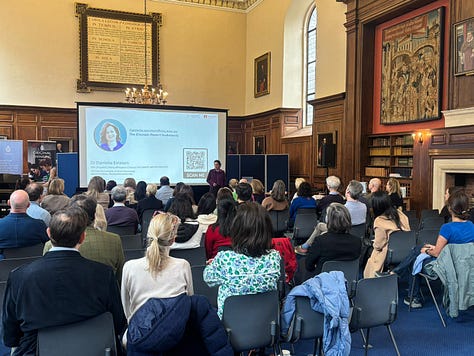


The lesson drawn from Australia’s first step is that a minimum age can shift the public conversation. The message from the UK government is that the regulatory line must be supported by a wider public health strategy. Laws matter, but laws work best when they are backed by design reform, real-world alternatives and eventually, adults modelling the changes we ask of children.
The UK’s proposal is significant internationally. As leader of the Commonwealth, the decision to follow and extend Australia’s platform-responsibility approach, may accelerate similar reforms in other jurisdictions and contribute to the development of a new global standard for protecting children online.
This is also just the beginning. Liz Kendall, the UK Secretary of State for Science, Innovation and Technology, has flagged further decisions next month, after their trials are completed.
Comments
Nothing yet. Say the first thing.
Sign in to join the conversation.