
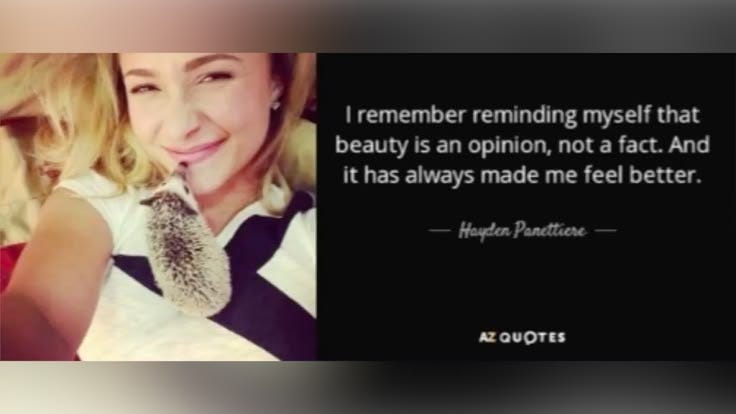
Who are you if you stop seeking the validation of others?
Who are you if you no longer needed the acceptance of those around you?
Who are you if you stood up for yourself, your respect, your boundaries and demanded that you be treated with care compassion love dignity and support?
Who are you if you owned your autonomy, identity and power? If you knew who you truly were and stood proudly in your sexual development and no need for external appraisal and approvals?
Who are you if do not allow family friends co workers those in authority to no longer look over your feelings, brush past your wants and needs and diminish your existence?
Who are you if you moved through your journey with an immense amount of love, understanding, patience and joy that came from you, not relied on by the demands of the world?
Welcome to this space. If you are entering this virtual classroom for the first time, it is essential to establish a clear understanding of what we do here. This is not a standard lifestyle column, a superficial self-help blog, or a collection of passive commentary. This is a rigorous, highly structured academic curriculum designed for active unlearning. Every piece of writing you encounter here functions as a deliberate lecture module, complete with core premises, case studies, vocabulary terms, and practical integration protocols.
We approach the female experience through a precise, analytical lens. If you are looking for comforting platitudes or soft validation, you will not find them here. Instead, you will find absolute systemic clarity, objective data, and the uncompromising intellectual tools required to reclaim your autonomy.
Feminology is the systematic study and architectural auditing of the structural conditioning placed upon women. It operates on a foundational truth: your chronic exhaustion, your anxiety around setting boundaries, and your subconscious urge to accommodate others are not personal defects. They are not failures of your willpower or flaws in your character. They are the highly predictable, mathematically certain outcomes of a lifelong social curriculum.
From childhood, women are universally conditioned to operate from an external locus of evaluation. This means you are trained to outsource your sense of worth, safety, and correctness to the consensus of the room. You are taught that to be a good woman is to be seamless, to minimize your footprint, and to function as an endless, uncompensated resource for the emotional and physical comfort of the people around you.
Feminology exists to permanently dismantle this paradigm. We treat female socialization not as a natural biological reality, but as a rigid structure that can be intentionally audited, deconstructed, and rebuilt. This framework applies universally. The extraction of female energy does not care about income brackets, job titles, or social status. It operates with the same ruthless efficiency whether you are a corporate executive in a boardroom, a mother at a kitchen table, a student in a university, or a worker on a retail floor. Every woman, regardless of her environment, faces the exact same structural weight.
Because this space is structured as an ongoing academy, you are expected to approach these essays as a student of your own life. To get the maximum utility out of this curriculum, keep the following principles in mind:
We do not view relational or social challenges as emotional crises. We view them as structural deficits. When you read a module on boundaries, labor distribution, or approval-seeking, train your mind to look at the raw data of your life. Treat your time, your cognitive infrastructure, and your energy as finite capital that must be budgeted with absolute ruthlessness.
Unlearning a lifetime of compliance is inherently uncomfortable. When the curriculum challenges you to deliver a neutral refusal or to drop an unearned responsibility, your nervous system will naturally panic. This classroom will teach you to recognize that physiological anxiety not as a signal to backpedal, but as a necessary byproduct of structural change.
A lecture is entirely useless if it remains confined to the page. Every module ends with real-life applications and specific protocols. You are expected to take the vocabulary terms, the scripts, and the exercises out of this virtual classroom and deploy them directly into your daily life.
You are here to transition from a state of passive, anxious compliance into a state of active, self-directed sovereignty. The work is demanding, unglamorous, and requires a radical tolerance for interpersonal friction. However, it is the only path that leads to true, unshakeable self-respect. Welcome to the syllabus. Let us begin the work.
Hollywood, Womanhood, Addiction, Depression, Motherhood, Sexuality, Shame, and the Cost of Being Human in Public
An interdisciplinary Feminology examination of how Hollywood, entertainment industries, media institutions, audiences, families, cultural expectations, and gendered social systems have historically responded to women experiencing addiction, depression, postpartum depression, trauma, identity crises, sexuality, emotional distress, public breakdown, recovery, relapse, and personal failure.
Beginning with Marilyn Monroe and culminating with Hayden Panettiere, the essay traces a cultural lineage through Britney Spears, Lindsay Lohan, Amy Winehouse, Demi Lovato, and Lana Del Rey.
The essay asks what society does to women when their suffering becomes entertainment, their sexuality becomes a commodity, their breakdown becomes content, their recovery becomes branding, and their mistakes become evidence that they were never respectable women to begin with.
The essay will distinguish between women whose experiences are medically, psychologically, legally, or biographically different while examining the shared cultural mechanisms through which female vulnerability becomes spectacle.
A woman may be allowed to be successful, beautiful, sexy, maternal, ambitious, vulnerable, and emotionally expressive, but society often demands that these identities remain controlled and aesthetically pleasing.
Addiction, depression, sexuality, motherhood, eating disorders, relapse, public anger, emotional instability, and personal mistakes can become judgments about a woman’s character rather than opportunities to understand her circumstances.
The essay will challenge language that reduces substance-use disorder to weakness, promiscuity, irresponsibility, selfishness, or lack of discipline.
Research demonstrates that women can experience heightened stigma because substance use violates culturally enforced expectations surrounding femininity, motherhood, cleanliness, sexuality, and respectability.
Hayden Panettiere’s account is particularly important because she described being treated as though her alcoholism explained everything while she was simultaneously experiencing postpartum depression. She specifically described the pain of becoming an “identified patient” whose account was no longer believed.
Women are frequently evaluated not only according to whether they are suffering, but according to whether their suffering makes them sufficiently good mothers.
Research on perinatal psychological distress demonstrates how women can internalize the expectation that a “good mother” should be emotionally competent, resilient, and capable of coping.
Money, beauty, access, talent, privilege, fame, and professional success do not make someone immune to depression, trauma, addiction, grief, loneliness, coercion, or identity disruption.
A woman’s breakdown can generate headlines, photographs, documentaries, podcasts, social-media engagement, television segments, books, merchandise, and renewed public fascination.
Society tells women:
Be strong.
Be soft.
Be sexy.
Be respectable.
Be maternal.
Be independent.
Be desirable.
Do not be promiscuous.
Be successful.
Do not become intimidating.
Be emotionally available.
Do not be difficult.
Ask for help.
Do not become dependent.
Heal publicly.
But recover quickly.
The public may celebrate a woman’s vulnerability when it is inspirational but condemn that same vulnerability when it becomes inconvenient, repetitive, unattractive, angry, sexual, chaotic, or unresolved.
Celebrity culture frequently prefers a woman who can turn suffering into an inspirational redemption story.
The woman who says:
“I survived.”
is culturally easier to consume than the woman who says:
“I am still struggling.”
Research on Demi Lovato’s celebrity health narrative demonstrates how recovery can become intertwined with self-improvement, celebrity branding, meritocracy, and expectations of personal transformation.
Society consumes celebrity vulnerability and then condemns celebrities for displaying the consequences of the systems that produced that vulnerability.
The central ethical question is not:
“Why didn’t she get herself together?”
It is:
“What happened around her, inside her, and to her that made getting herself together so difficult?”
The cultural history of women such as Marilyn Monroe, Britney Spears, Lindsay Lohan, Amy Winehouse, Demi Lovato, Lana Del Rey, and Hayden Panettiere reveals a persistent contradiction within celebrity culture and contemporary womanhood: society simultaneously commodifies female beauty, sexuality, vulnerability, ambition, motherhood, and emotionality while condemning women when those same qualities become visibly complicated, uncontrollable, painful, or destructive.
Through Hayden Panettiere’s life and public disclosures, this essay argues that female suffering must be examined beyond individual blame and through the interconnected systems of Hollywood, gender expectations, media surveillance, motherhood, sexuality, addiction stigma, mental-health stigma, celebrity commodification, and cultural demands for feminine perfection.
The tragedy is not simply that women fall.
The tragedy is that society often turns their falling into entertainment, their recovery into inspiration, their relapse into humiliation, and their humanity into a public verdict.
This essay seeks to humanize women whose public identities have become larger than their humanity.
It will challenge the cultural tendency to transform struggling women into:
cautionary tales
tabloid characters
“bad girls”
unstable women
bad mothers
addicts
fallen stars
sex symbols
train wrecks
redemption stories
inspirational survivors
The mission is to replace spectacle with inquiry, judgment with context, shame with understanding, and individual blame with a more sophisticated examination of systems.
Highly emotionally sensitive, anxious, depressed, severely un regulated nervous system’s and not in subconscious alignment women and women ages 18 to 45 navigating:
identity
womanhood
sexuality
motherhood
mental health
addiction
relationships
career pressure
public perception
perfectionism
shame
failure
reinvention
Feminology students
Women’s studies students
Gender studies students
Media studies students
Psychology students
Sociology students
Public-health students
Nursing students
Social-work students
Entertainment professionals
Parents of young performers
Educators
Mental-health advocates
Addiction-recovery advocates
Celebrity-culture researchers
A cultural system in which famous individuals become objects of public fascination, identification, consumption, surveillance, and commercial exchange.
The process through which a person, identity, experience, emotion, body, or story becomes something that can be packaged, marketed, consumed, or sold.
Stigma shaped by cultural expectations concerning gender and socially acceptable behavior.
Negative stereotypes, moral judgments, discrimination, and social devaluation directed toward people experiencing substance-use disorders.
The compounded stigma experienced when multiple stigmatized identities overlap, such as being both a woman and a person experiencing substance-use disorder.
When an individual absorbs society’s negative beliefs about a stigmatized condition and begins applying those judgments to herself.
The social expectation that marginalized or scrutinized people must conform to dominant behavioral standards in order to receive acceptance, safety, legitimacy, or respect.
A culturally constructed collection of behaviors, appearances, characteristics, roles, and expectations associated with women.
A socially preferred version of womanhood characterized by traits such as beauty, emotional control, desirability, nurturance, heterosexual desirability, motherhood, and respectability.
The continuous observation, documentation, interpretation, and circulation of a celebrity’s personal life.
A public representation of a person or event transformed into something to be watched, consumed, discussed, and emotionally experienced.
The process through which human experiences and behaviors become defined and managed through medical frameworks.
The interpretation of a behavior or condition primarily as evidence of virtue, vice, goodness, badness, responsibility, or character.
A depressive disorder that can occur after childbirth and may involve profound sadness, hopelessness, anxiety, guilt, emotional disconnection, impaired functioning, and other symptoms.
A period of significant uncertainty or disruption concerning one’s sense of self, values, roles, relationships, purpose, or future.
The version of a person constructed and circulated through media, institutions, audiences, branding, and cultural interpretation.
The internal and relational aspects of identity that are not necessarily available to public audiences.
A culturally recognizable story in which illness, addiction, trauma, or crisis is followed by treatment, transformation, redemption, and renewed success.
The cultural expectation that women must maintain socially approved standards of sexuality, motherhood, appearance, emotional behavior, and morality.
The deliberate recognition that a public figure remains a complex human being rather than merely a cultural product.
By the conclusion of the essay, students should be able to:
Explain how celebrity culture shapes perceptions of women’s mental health.
Identify gender-specific forms of addiction stigma.
Analyze the relationship between femininity and public expectations of emotional control.
Examine the cultural construction of the “fallen woman.”
Analyze motherhood as a site of surveillance and moral judgment.
Distinguish postpartum depression from culturally constructed expectations of motherhood.
Examine how sexuality affects the public treatment of female celebrities.
Analyze how media narratives transform private suffering into public spectacle.
Identify the relationship between celebrity branding and recovery narratives.
Examine how shame can become socially produced rather than purely internally generated.
Compare different generations of female celebrity culture.
Analyze how the entertainment industry profits from female visibility.
Examine how audiences participate in celebrity surveillance.
Understand why women experiencing addiction may encounter barriers to treatment.
Question the cultural obsession with the “strong woman.”
Examine the difference between accountability and humiliation.
Analyze the difference between compassion and romanticization.
Recognize why not every woman in the cultural pipeline experienced the same illness, trauma, or circumstances.
Develop a more humane framework for discussing women in crisis.
Apply Feminology’s framework of gender, power, identity, culture, and systems to celebrity narratives.
Students should leave the lesson understanding:
A woman’s breakdown does not erase her humanity.
A woman’s addiction does not make her addiction.
A woman’s depression does not make her weak.
A mother’s mental illness does not automatically define her capacity to love her child.
Sexuality should not determine whether a woman deserves compassion.
Recovery is not always linear.
Relapse is not evidence that someone never wanted recovery.
Public humiliation is not treatment.
Accountability and shame are not the same thing.
Celebrity culture can simultaneously create extraordinary opportunities and extraordinary forms of surveillance.
Women should not have to become inspirational after suffering in order for their suffering to matter.
The goal is not to romanticize female suffering.
The goal is to understand it.
What does society owe a woman when she stops performing the version of womanhood society finds comfortable?
The creation of the female icon
Examine:
beauty
sexuality
studio systems
objectification
fame
loneliness
mental-health narratives
prescription medication
public fascination with private suffering
the “fallen goddess” mythology
death and posthumous commodification
Marilyn becomes the foundational question:
What happens when a woman becomes more valuable to culture as an image than as a person?
Scholarship on Monroe has examined the relationship between Hollywood celebrity, gossip, industry structures, and the precarious lives of female stars.
Examine:
child stardom
sexualization
virginity culture
motherhood
paparazzi
public breakdown
psychiatric labeling
conservatorship
bodily autonomy
reproductive autonomy
financial autonomy
media cruelty
the “crazy woman” archetype
Central question:
Why was female instability treated as entertainment rather than as a reason to reconsider the environment surrounding the woman?
Examine:
child stardom
Disney culture
sexuality
partying
addiction narratives
paparazzi
criminalization
career collapse
public humiliation
female deviance
the transformation from beloved child star to cultural punchline
Academic research on Disney celebrity culture specifically examines the media construction of Lindsay Lohan, Miley Cyrus, and Selena Gomez as “victims” or “villains” and how media narratives establish boundaries around appropriate female behavior.
Examine:
addiction
paparazzi
body
sexuality
grief
relationships
performance
public consumption of deterioration
the entertainment industry’s relationship to spectacle
posthumous mythmaking
Central question:
When does documenting a woman’s suffering become participation in it?
Examine:
addiction
eating disorders
mental health
self-harm
relapse
recovery
celebrity branding
advocacy
self-care
public vulnerability
the expectation to become inspirational
Demi provides an important transition because her story demonstrates the cultural movement from celebrity breakdown toward celebrity disclosure and recovery branding.
Scholarship on Lovato specifically examines how celebrity culture converts mental-health narratives into stories of self-improvement and individual achievement.
Lana should function differently from the other women.
We will not make her an addiction case study.
Instead examine:
melancholia
vulnerability
sexuality
romantic dependence
nostalgia
submissive femininity
danger
sadness as aesthetic
female desire
self-mythologizing
performance
the commodification of vulnerability
Her inclusion asks:
Why does society find female suffering beautiful when it is packaged aesthetically, but disgusting when it becomes inconveniently real?
Recent scholarship analyzes Lana Del Rey’s representations of idealized femininity, vulnerability, sexuality, performance, and gender norms.
Hayden becomes the culmination because she explicitly articulated several contradictions that the earlier women embodied.
Her story allows for this essay to examine:
child stardom
Hollywood conditioning
perfectionism
postpartum depression
alcoholism
addiction
identity disruption
motherhood
custody
shame
trauma
relationships
domestic violence
career interruption
recovery
being disbelieved
public vulnerability
returning to work
grief
the desire to reclaim herself
In 2022, Panettiere publicly explained that after childbirth she experienced severe postpartum depression and turned to alcohol while struggling to understand what was happening to her. She said people around her focused more on her alcohol use than on her postpartum depression and that she felt disbelieved once she was categorized as an alcoholic.
She later discussed the devastating experience of relinquishing custody of her daughter while trying to recover.
Her own account therefore becomes essential evidence rather than merely a celebrity case study.
Students should compare each woman across these dimensions:
Dimension Central Question
Childhood: Was she trained for public consumption early?
Beauty: How was her appearance monetized?
Sexuality: How was her sexuality controlled or commodified?
Mental health: How was psychological distress interpreted?
Addiction: Was addiction treated as illness or moral failure?
Motherhood: Was motherhood used as a measure of worth?
Media: How was suffering represented?
Audience: How did audiences participate?
Industry: What did the entertainment system gain?
Family: What role did family systems play?
Relationships: How did intimate relationships affect public narratives?
Recovery: Was recovery allowed to be incomplete?
Shame : What did society make the woman ashamed of?
Identity: Who was she outside the celebrity persona?
Humanity: Where did the public allow her to simply be human?
A woman can be responsible for her actions without being responsible for the entire system surrounding those actions.
Compassion is not the same as absolution.
Accountability is not the same as humiliation.
Understanding is not the same as romanticizing.
Addiction is not a personality.
Depression is not laziness.
Postpartum depression is not bad motherhood.
Sexuality is not moral character.
Relapse is not proof of worthlessness.
Recovery does not make someone more deserving of humanity.
I will not teach this lesson as a simple essay, it will not be taught as a celebrity tragedy lesson.
It will be taught as a lesson about womanhood under surveillance.
The women in this essay I did choose by choice randomly placed together simply because they are famous women who experienced hardship.
Their differences matter.
Their diagnoses differ.
Their relationships differ.
Their socioeconomic circumstances differ.
Their races differ.
Their careers differ.
Their choices differ.
Their levels of agency differ.
Their access to treatment differed.
Their family structures differed.
Their experiences with the entertainment industry differed.
The purpose of putting them into conversation is therefore not to claim that they experienced the same thing.
The purpose is to identify recurring cultural mechanisms.
The instructor should continually ask:
What is the system doing?
What is the audience doing?
What is the media doing?
What is the industry doing?
What is the family doing?
What is the woman being asked to perform?
And what happens when she can no longer perform it?
Feminology examines how women are shaped by the expectations, institutions, narratives, relationships, and systems surrounding womanhood.
The celebrity becomes an intensified version of this problem.
The average woman may experience judgment from family, partners, coworkers, friends, and community.
The celebrity experiences those judgments multiplied by millions of observers.
This essay examines the impossible woman:
Beautiful but not vain.
Sexy but respectable.
Successful but not threatening.
Independent but nurturing.
Strong but emotionally available.
Maternal but ambitious.
Vulnerable but not unstable.
Sexual but not promiscuous.
Ambitious but not selfish.
Confident but not arrogant.
Distressed but not difficult.
This is the contradiction.
Introduces the historical archetype of the woman who violates acceptable femininity.
The “fallen woman” can become:
the promiscuous woman
the alcoholic
the addict
the bad mother
the unstable woman
the difficult woman
the crazy woman
the party girl
the selfish woman
the failed woman
Celebrity culture modernizes the archetype.
The tabloids simply give it cameras.
Separate:
from
Ask:
Who benefits when a woman’s suffering becomes humiliating?
Who profits from the photograph?
Who profits from the headline?
Who profits from the documentary?
Who profits from the spectacle?
Who gets to sell the woman’s downfall back to the public?
Analyze how women’s bodies become public property.
The female celebrity’s:
face
weight
sexuality
pregnancy
postpartum body
clothing
aging
hair
reproductive choices
romantic relationships
become available for public commentary.
This becomes particularly important with Hayden.
A woman can experience postpartum depression and simultaneously love her child.
The existence of depression does not automatically negate maternal attachment.
Research on women’s help-seeking experiences demonstrates that fear of being perceived as a bad mother can itself contribute to concealment and delayed help-seeking.
Move away from:
“Why couldn’t she stop?”
toward:
“What biological, psychological, social, relational, cultural, and structural factors shaped her relationship with substances?”
Research shows that women encounter distinct barriers and forms of stigma in substance-use treatment, including shame, guilt, childcare responsibilities, fear of losing custody, lack of gender-responsive treatment, and negative attitudes toward women who use substances.
Hayden’s story makes this one of the essay’s most important concepts.
A woman experiencing addiction can have her testimony dismissed because of her addiction.
A woman experiencing mental illness can have her testimony dismissed because of her diagnosis.
A woman experiencing trauma can have her testimony dismissed because of her emotional response.
This creates a devastating loop:
The more distressed she becomes, the less credible she is perceived to be.
Society often wants the following narrative:
Woman suffers → woman enters treatment → woman becomes healed → woman returns stronger → woman becomes inspirational.
Real life is much messier.
Recovery can include:
progress
relapse
grief
anger
shame
rebuilding
uncertainty
complicated relationships
identity reconstruction
interrupted careers
loneliness
hope
setbacks
A woman should not lose her humanity because her recovery does not follow a satisfying three-act screenplay.
Celebrity is not simply fame.
Celebrity is a relationship between:
the woman + the industry + the media + the audience + the marketplace + the image.
That relationship can create wealth and opportunity while simultaneously creating surveillance and exploitation.
The final movement of the essay should ask students to strip away the celebrity labels.
Not:
Marilyn.
Britney.
Lindsay.
Amy.
Demi.
Lana.
Hayden.
But:
woman.
Then ask:
What remains when we remove the brand?
What remains when we remove the headlines?
What remains when we remove the sexuality?
What remains when we remove the addiction?
What remains when we remove the diagnosis?
What remains when we remove the motherhood?
What remains when we remove the fame?
A human being.
The cultural mistake is turning a woman’s suffering into a lesson about what women should avoid becoming.
Feminology instead asks us to make the woman herself the subject.
Not:
“Look what happened to her.”
But:
“Look at what happened around her.”
Not:
“Why couldn’t she be better?”
But:
“Why did being human become so incompatible with the role she was required to perform?”
Not:
“Why didn’t anyone save her?”
But:
“Why did we construct a culture in which women must become publicly broken before their humanity becomes visible?”
“The Intersection of Gender and Drug Use-Related Stigma: A Mixed Methods Systematic Review and Synthesis of the Literature.”
Drug and Alcohol Dependence, 2021.
Essential for the gendered-stigma framework. The review found that qualitative research overwhelmingly documented heightened drug-use stigma among women, particularly around morality, motherhood, sexuality, and expectations of “good” womanhood.
“Use of Stigmatizing Language Related to Substance Use Disorders in Media: A Systematic Review.”
Drug and Alcohol Dependence, 2025.
This is especially valuable for your media argument because it examines how news, digital, video, and social media continue to use stigmatizing language around substance-use disorders.
“The Celebritization of Self-Care: The Celebrity Health Narrative of Demi Lovato and the Sickscape of Mental Illness.”
European Journal of Cultural Studies, 2020.
This gives you an academically sophisticated framework for Demi Lovato, celebrity mental-health narratives, recovery, self-care, branding, and the neoliberal expectation that individuals must transform themselves.
“Putting on a Show: The Queering of Idealized Femininity in Lana Del Rey’s Early Work.”
Text and Performance Quarterly, 2025.
This gives Lana a legitimate academic role in the essay rather than forcing her into the addiction narrative. It provides material on femininity, vulnerability, sexuality, performance, gender roles, and the instability of feminine identity.
“Seeking Help for Perinatal Psychological Distress: A Meta-Synthesis of Women’s Experiences.”
Use this for the postpartum section, particularly stigma, motherhood, self-judgment, fear of being perceived as a bad mother, and barriers to help-seeking.
Use this to examine how gender affects substance-use initiation, development, treatment engagement, treatment barriers, pregnancy, parenting, and the need for gender-responsive treatment.
Hard-Boiled Hollywood: Crime and Punishment in Postwar Los Angeles
Use the Marilyn Monroe chapter to examine Hollywood celebrity, gossip, industry structures, female vulnerability, and the dangerous relationship between aspiration and Hollywood mythology.
“Female Celebrities and the Media: The Gendered Denigration of the ‘Ordinary’ Celebrity.”
Particularly useful for Britney Spears and Lindsay Lohan. Williamson examines the gendered contempt directed toward female celebrities and the cultural fascination with women portrayed as being on a drug- or alcohol-fueled path of self-destruction.
“Twerking, Alcohol, and Fame: The Construction of Disney Celebrities in the Media.”
A master’s thesis examining Lindsay Lohan, Miley Cyrus, and Selena Gomez through media construction, female sexuality, deviance, victimhood, villainhood, and the boundaries of acceptable femininity.
Pop & Postfeminism: Female Dandyism in Popular Music
Published by Bloomsbury Academic in 2026, this is particularly valuable because it brings Amy Winehouse and Lana Del Rey into a broader examination of postfeminist femininity, beauty standards, self-surveillance, female spectacle, and the commodification of women’s images.
Marilyn Monroe
↓
Hollywood creates the modern female spectacle.
Britney Spears
Lindsay Lohan
↓
The “crazy,” “messy,” “fallen,” “bad” woman becomes entertainment.
Amy Winehouse
↓
Suffering becomes spectacle.
Demi Lovato
↓
Recovery becomes a brand and redemption becomes an expectation.
Lana Del Rey
↓
Female sadness, sexuality, vulnerability, danger, and nostalgia become aesthetic commodities.
Hayden Panettiere
↓
The celebrity finally speaks from inside the machinery.
The essay leaves Hollywood behind.
The final subject is not celebrity.
It is womanhood.
The conclusion argues that women should not have to be:
beautiful enough,
successful enough,
sick enough,
broken enough,
famous enough,
or inspirational enough
to deserve compassion.
The woman is not the warning.
She is the person we should have been listening to all along.
My Muse, this lesson is not really about celebrities. It is about you.
You may never have walked a red carpet, had paparazzi outside your home, or watched millions of strangers discuss your life online. But you may know what it feels like to be watched.
To be judged.
To feel like you are failing at being the woman everyone expected you to become.
This guide is an invitation to stop looking at these women from a distance and ask: Where have I seen myself in them?
Ask yourself:
Who am I when I am not performing being okay?
Not the good daughter.
Not the good girlfriend.
Not the good mother.
Not the successful woman.
Not the sexy woman.
Not the strong friend.
Not the woman who has it all together.
You.
Write whatever comes to mind without trying to make it pretty.
Throughout this lesson, we encounter women who were publicly celebrated, desired, criticized, consumed, misunderstood, and sometimes punished for being human.
But here is what I want you to notice:
You don’t have to be famous to experience the same pressures.
Maybe your audience is your family.
Maybe it is your partner.
Maybe it is your workplace.
Maybe it is social media.
Maybe it is yourself.
Sometimes the harshest audience we perform for is the one living inside our own heads.
Who are you then?
If you are no longer:
productive
beautiful
agreeable
sexually desirable
emotionally stable
financially successful
maternal
independent
inspiring
strong
Do you still believe you deserve tenderness?
Don’t answer quickly.
Sit with it.
My Muse, struggling does not make you a failed woman.
You can make mistakes and still be worthy.
You can need help and still be powerful.
You can experience depression and still be ambitious.
You can struggle with addiction and still be deserving of dignity.
You can regret something and still forgive yourself.
You can be a mother who struggles and still love your child deeply.
You can be sexual and still be worthy of respect.
You can fall apart and still be a whole person.
Your worst moment is not your entire biography.
Think about the people whose opinions have the most power over you.
Then ask:
What version of me do they expect?
Complete these sentences:
They expect me to be __________.
They get uncomfortable when I __________.
I feel like I disappoint people when I __________.
I learned that a “good woman” should never __________.
The part of myself I most often hide is __________.
Now ask:
This distinction matters.
Accountability says:
“I did something I need to take responsibility for.”
Shame says:
“There is something fundamentally wrong with me.”
One gives you somewhere to go.
The other convinces you there is nowhere to go.
My Muse, you are allowed to take responsibility without destroying yourself.
Complete this:
Marilyn, Britney, Lindsay, Amy, Demi, Lana, Hayden.
Different women.
Different lives.
Different circumstances.
Different struggles.
We should never flatten them into one story.
But their stories allow us to examine something bigger:
How quickly society can stop seeing a woman as a human being and start seeing her as a story.
And My Muse, you are not a story for other people to consume.
You are allowed to still be becoming.
You are allowed to be complicated.
You are allowed to change your mind.
You are allowed to disappoint people.
You are allowed to recover privately.
You are allowed to have an ugly chapter.
You are allowed to not know what comes next.
Before you leave this lesson, answer one question:
Don’t write what sounds impressive.
Write what is true.
That is where your Feminology begins.

( Solange Knowles & Hayden Panettiere in Bring It On 2)
The central tragedy of public womanhood lies in the swift transformation of female human beings into cultural utility. When a woman enters the public sphere under the glare of entertainment institutions, her identity is systematically divided into functional parts. She becomes a product to be sold, a body to be monitored, a mother to be evaluated, and an archetype to be consumed. When her internal reality collides with the impossible demands of her public role, culture rarely responds with structural analysis or basic empathy. Instead, it transforms her distress into a public lesson. Society strips her of context, renders her suffering as entertainment, and ultimately converts her life into a cautionary tale.
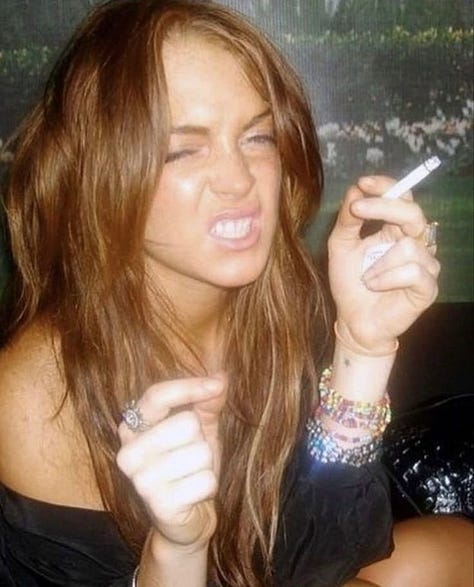

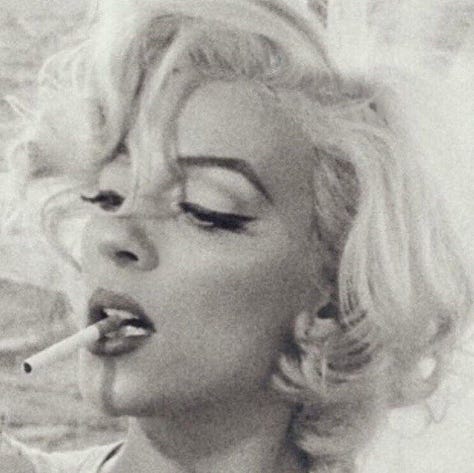
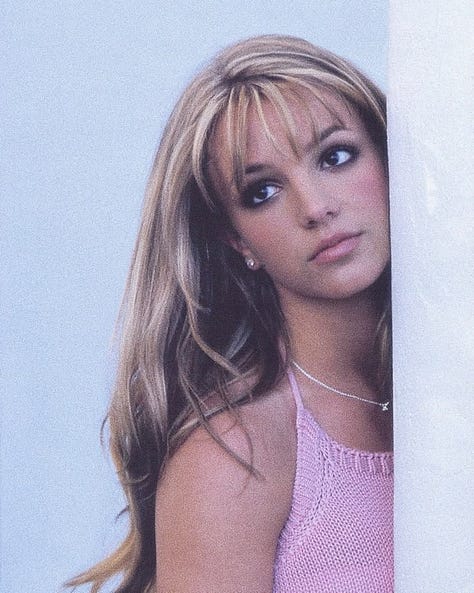
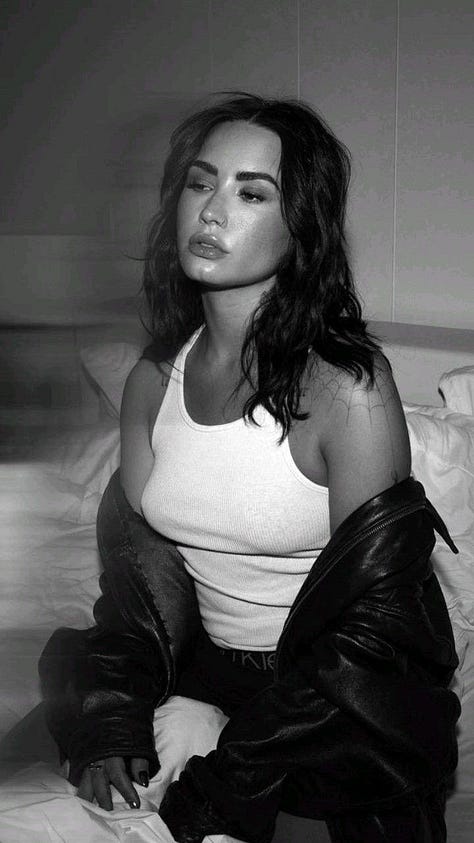


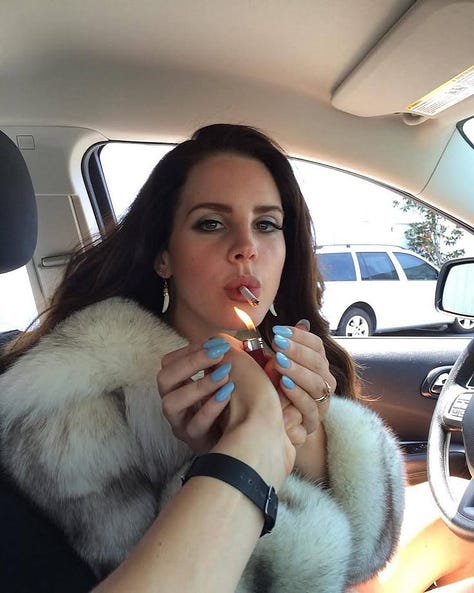

The core inquiry of Feminology in this terrain is straightforward yet radical. What happens when a woman is treated as a product, a performer, a sexual object, a mother, a role model, and a public possession, but never as a whole human being? Examining the pipeline from Marilyn Monroe to Hayden Panettiere exposes how media, industry, and audience collaboration turn female vulnerability into a profitable spectacle. The goal is not to flatten these women into a singular narrative of defeat, nor is it to ignore their distinct medical, psychological, and personal realities. The goal is to analyze the social systems that require female suffering to be made aesthetically pleasing, morally disciplined, or publicly humiliated before it is granted visibility.
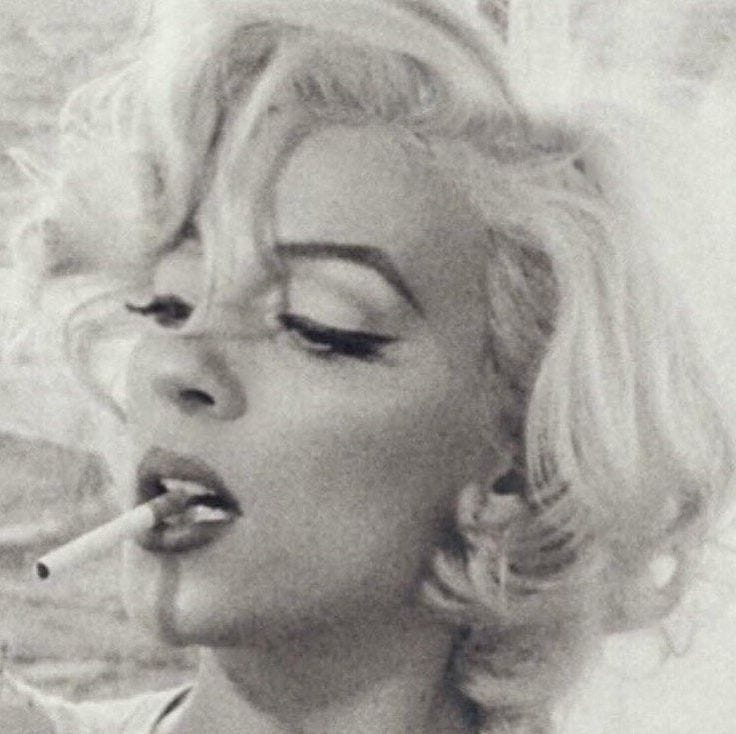
The historical pipeline begins with Marilyn Monroe, whose existence defined the modern parameters of celebrity objectification. Monroe was engineered by studio systems that viewed female stars as financial assets requiring absolute control. Her beauty and sexual appeal were monetized to generate massive corporate wealth, while her intellectual ambitions, emotional complexity, and personal distress were treated as inconvenient disruptions to her image. Society demanded that Monroe maintain a perpetual performance of effortless, hyper-feminine desirability.
When Monroe experienced psychological distress, physical illness, and substance dependency, her struggles were moralized and mythologized. She became the foundational example of the fallen goddess. Her private pain was packaged for public consumption, establishing a dangerous precedent in popular culture. The public learned to love her image while remaining indifferent to her survival. Monroe established the tragic formula that would repeat for generations. A woman becomes immensely valuable as a cultural fantasy, but her actual humanity remains an unmanageable burden to the systems that profit from her name.
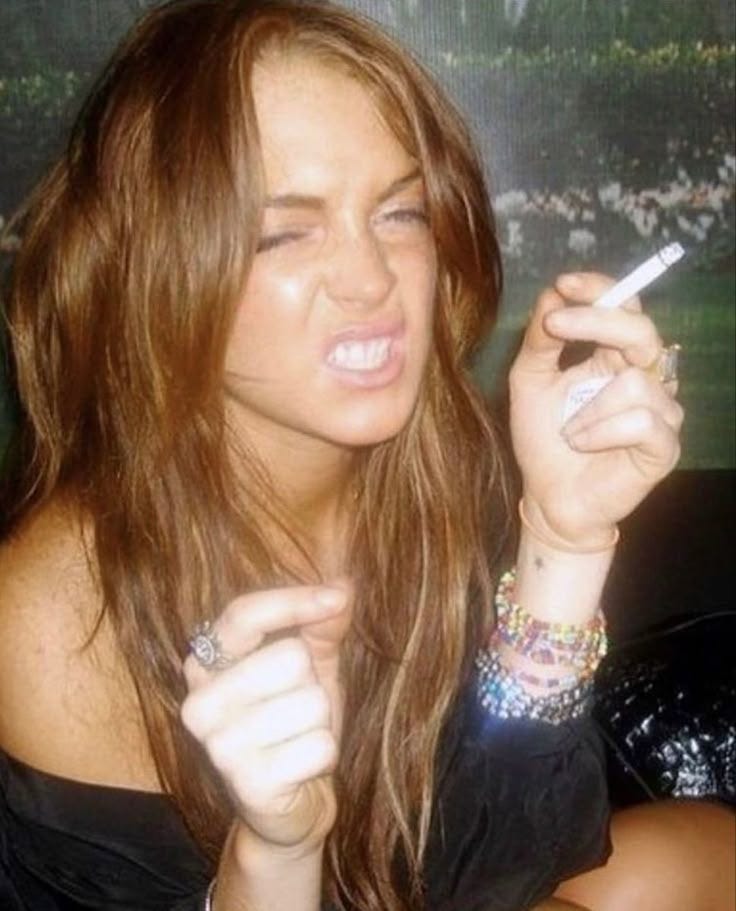
As celebrity media expanded into round-the-clock tabloid production, the management of female performers shifted from studio control to public surveillance. Britney Spears and Lindsay Lohan represent an era in which child stardom, premature sexualization, and intense paparazzi intrusion created an inescapable trap. Both women were celebrated when they fulfilled traditional scripts of youthful allure and commercial success. However, the moment their lives diverged from tidy respectability, the media apparatus turned hostile.

Spears was subjected to relentless commentary regarding her body, her virginity, her marriage, and her capacity as a mother. When her emotional distress became visible, it was not treated as a rational response to extreme institutional control and privacy violation. It was labeled as madness. This classification justified the total removal of her legal, financial, and reproductive autonomy. Similarly, Lindsay Lohan was transitioned by media narratives from a beloved young actress into a cultural punchline. Her struggles with substance use and legal trouble were presented as evidence of personal moral failure and hedonism rather than the predictable outcomes of early childhood monetization, family instability, and unaddressed trauma. Society consumed their chaos with voracious appetite while simultaneously condemning them for failing to remain pristine.

With Amy Winehouse, the public appetite for female suffering reached a point of overt cruelty. Winehouse possessed extraordinary artistic talent, yet her public narrative was quickly dominated by her battles with severe addiction, eating disorders, and toxic relationships. Unlike figures whose pain was carefully edited, Winehouse experienced active crisis directly in front of the lens.
The media and the public did not turn away from her deterioration; they documented it with meticulous precision. Nightclub exits, canceled concerts, and physical frailty became daily entertainment. Winehouse was converted into a walking spectacle of self-destruction. The commentary surrounding her illness was devoid of systemic understanding, framing her addiction as a choice and her distress as a theatrical display. Her eventual death was followed by romanticized posthumous tributes, illustrating a grotesque cultural habit. Society consumes a woman’s downfall in real time, profits from her destruction, and then bestows reverence upon her memory once she is no longer alive to demand respect or care.

In response to the public condemnation of female breakdown, contemporary celebrity culture developed a new requirement for women in crisis: the mandatory recovery narrative. Demi Lovato represents the transition into an era where mental health struggles, eating disorders, and addiction must be converted into marketable stories of personal triumph.
Lovato’s open disclosures regarding her health provided important visibility, yet the surrounding media ecosystem demanded that her pain follow a specific, linear arc. Society rewards the woman who can frame her trauma as a lesson in self-improvement, grit, and brand resilience. When relapse occurs, as it frequently does in chronic health conditions, the inspirational narrative shatters. The public struggles to tolerate a woman who remains in active conflict with her health because an ongoing struggle disrupts the comfortable fantasy of individual redemption. Lovato’s experience demonstrates that recovery itself can become an exhausting performance, forcing women to continually prove their worthiness through public displays of self-correction.

Lana Del Rey occupies a unique position in this pipeline because her work explicitly explores the aestheticization of female vulnerability, submissive femininity, and emotional danger. Del Rey should not be analyzed through a clinical lens of addiction or medical breakdown. Instead, her cultural function lies in how her persona renders female sadness stylish, nostalgic, and desirable.
Del Rey’s music and visual art package melancholia, destructive romance, and submission into high art. Her work highlights a profound cultural paradox. Society eagerly consumes, celebrates, and romanticizes female suffering when it is carefully curated, beautifully lit, and musically arranged. Yet, when that same sadness manifests in real women as messy, unpolished, unappealing, or inconvenient, it is met with harsh judgment and disgust. Del Rey exposes the hypocrisy of a culture that adores the idea of the broken woman so long as her pain remains an artistic ornament rather than a living reality.

Hayden Panettiere stands as the tragic culmination of this cultural machinery. Entering Hollywood as a child performer, Panettiere embodied the bright, pristine ideal of American youth. As she navigated adulthood under public scrutiny, her reality became fraught with complex, overlapping challenges including postpartum depression, severe alcoholism, trauma, and domestic instability.
Panettiere’s disclosures regarding her life revealed the precise mechanics of gendered stigma. Following childbirth, she experienced profound postpartum depression, a medical condition that is deeply misunderstood and wrapped in societal shame. As she turned to alcohol to manage unaddressed psychological pain, the surrounding systems focused almost exclusively on her substance use while ignoring the underlying medical crisis. She became an identified patient, a status wherein a person’s diagnosis or addiction is used by family, media, and institutions to dismiss her credibility entirely.

When Panettiere made the agonizing decision to yield primary custody of her daughter to prioritize her health and safety, society applied its most punitive judgments. Under traditional frameworks of idealized femininity, a good mother is expected to be infinitely resilient, self-sacrificing, and emotionally stable. A mother who struggles with addiction or mental illness is rarely viewed as a sick person needing comprehensive support; she is condemned as a moral failure. Panettiere experienced the crushing weight of being disbelieved, isolated, and evaluated solely through the lens of her mistakes. Her life revealed what happens when a woman tries to speak honestly from inside the Hollywood apparatus, only to find that her truth is weaponized against her capacity to mother, work, and exist without shame.

The structural tragedy of these narratives is not that these individual women failed, nor is it merely that Hollywood is an unforgiving industry. The tragedy lies in how society uses their lives to construct boundaries around acceptable womanhood. When a woman experiencing addiction, depression, or identity crisis is transformed into a warning, society sends a clear message to all women: keep your pain silent, keep your struggles invisible, and perform perfection at all costs, or face total public exile.
Feminology demands a fundamental shift in perspective. We must stop asking why these women could not pull themselves together, and begin asking what structural environments made their survival so difficult. Addiction is not a defect of character. Postpartum depression is not a failure of maternal love. Mental illness does not erase a person’s right to be believed. Sexuality does not disqualify a woman from receiving empathy.

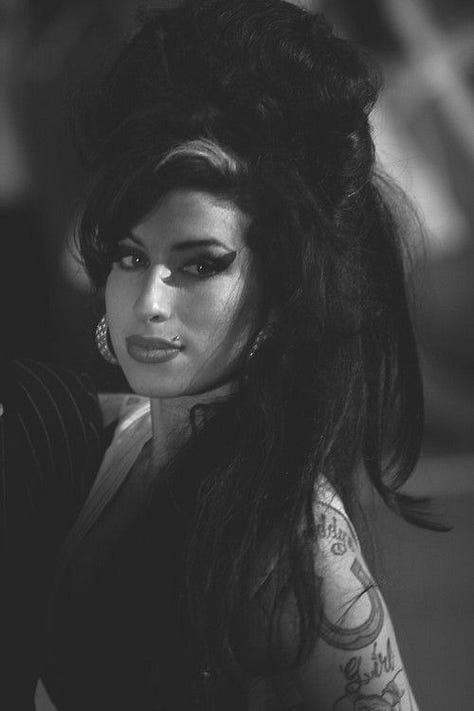





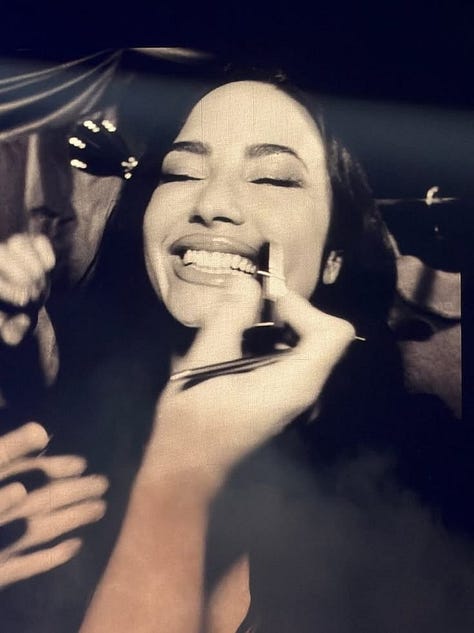
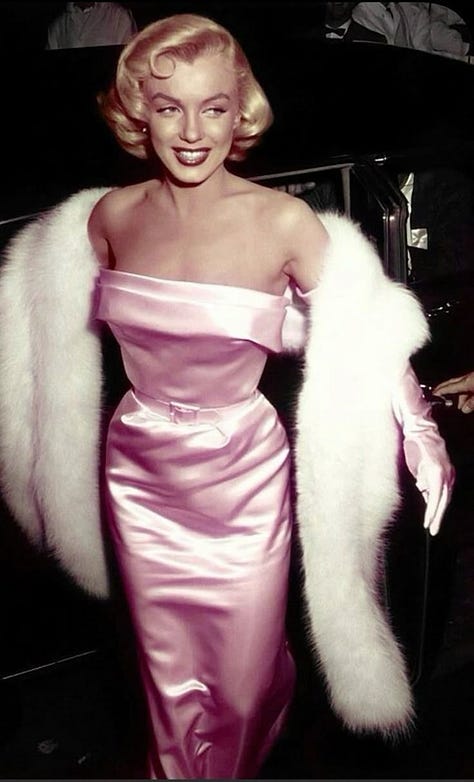
Hayden Panettiere, Marilyn Monroe, Britney Spears, Lindsay Lohan, Amy Winehouse, Demi Lovato, and Lana Del Rey are not cautionary tales designed for public instruction. They are human beings who navigated extraordinary pressures, institutional exploitation, and relentless surveillance. Society must move past the morbid fascination with female downfall. True compassion requires dismantling the cultural systems that profit from women when they shine, abandon them when they suffer, and only offer them respect once they are gone.
I am a whole woman, even when I am struggling.
My pain does not make me weak, defective, or unworthy of love.
I do not have to perform perfection to deserve compassion.
My mistakes are experiences I can learn from, not permanent definitions of who I am.
I am allowed to ask for help without surrendering my dignity, autonomy, or worth.
I refuse to measure my womanhood by impossible standards created by other people.
My sexuality, motherhood, career, mental health, and mistakes do not determine my humanity.
I can hold myself accountable without abusing myself with shame.
My healing does not have to be beautiful, linear, inspirational, or publicly acceptable to be real.
I deserve to be seen as a human being before I am seen as a woman, mother, celebrity, success story, failure, or cautionary tale.
What versions of “the perfect woman” have I been taught to perform, and who taught me those expectations?
When have I confused accountability with shame? What would accountability look like if it did not require me to hate myself?
What parts of myself do I hide because I am afraid people will judge me, abandon me, or see me differently?
Have I ever believed that struggling made me less deserving of love, respect, success, motherhood, intimacy, or belonging? Where did that belief come from?
What does being a “good woman” mean to me? Which parts of that definition actually belong to me, and which parts were inherited from society?
How have expectations around beauty, sexuality, motherhood, success, emotional control, or femininity influenced the way I treat myself?
What is something I have survived that I unfairly turned into evidence that something was wrong with me?
If I stopped needing my healing to look impressive or inspirational to other people, what would my healing actually look like?
When I imagine being completely seen by another person, what am I most afraid they will discover about me? What would I want them to understand instead?
If I could speak to the version of myself who was ashamed, overwhelmed, lost, addicted, depressed, heartbroken, confused, or simply unable to keep performing, what would I tell her now?
Comments
Nothing yet. Say the first thing.
Sign in to join the conversation.