
Yes! I’ve managed to come up with yet another different category for this feature without having to rehash the old ones in any way. Great success! I should credit Joey Ramone for this inspiration, it was during a particularly intense kick of listening to his solo album (obviously down there on the list) every day for weeks that inspiration struck finally. I guess having a plastic figure of him staring at me all day pays off somehow.
Anyway, just the little usual explanation for those less accustomed with the 13 Underrated feature, that you can browse all previous volumes of here. “Underrated” is always an arguable concept, and I’ll more or less make it clear why I think a given album belongs here whenever it feels necessary, but this isn’t a list of the most or the best of anything. It’s just 13 albums I love and that I think could do with a bit more attention. As always, I’d love to hear which ones you’d have included, so let me know in the comments.
As for the “solo album” part specific to this volume, the criteria was just to include people who were in other bands/projects before “going solo”, instead of everyone who has ever made an album under their own name. So for example Leonard Cohen isn’t a “solo artist” by this definition, Nick Cave’s albums could conceivably fit due to The Birthday Party (and I know he has the Bad Seeds, but I count those as “solo albums” due to the artist name being on the cover), and Ozzy Osbourne’s solo career would most definitely fit. If I found any of these to be underrated, that is, which I don’t. Read on to find out which ones I do. Hope you find some new favourites or rediscover an old gem.
Onwards!
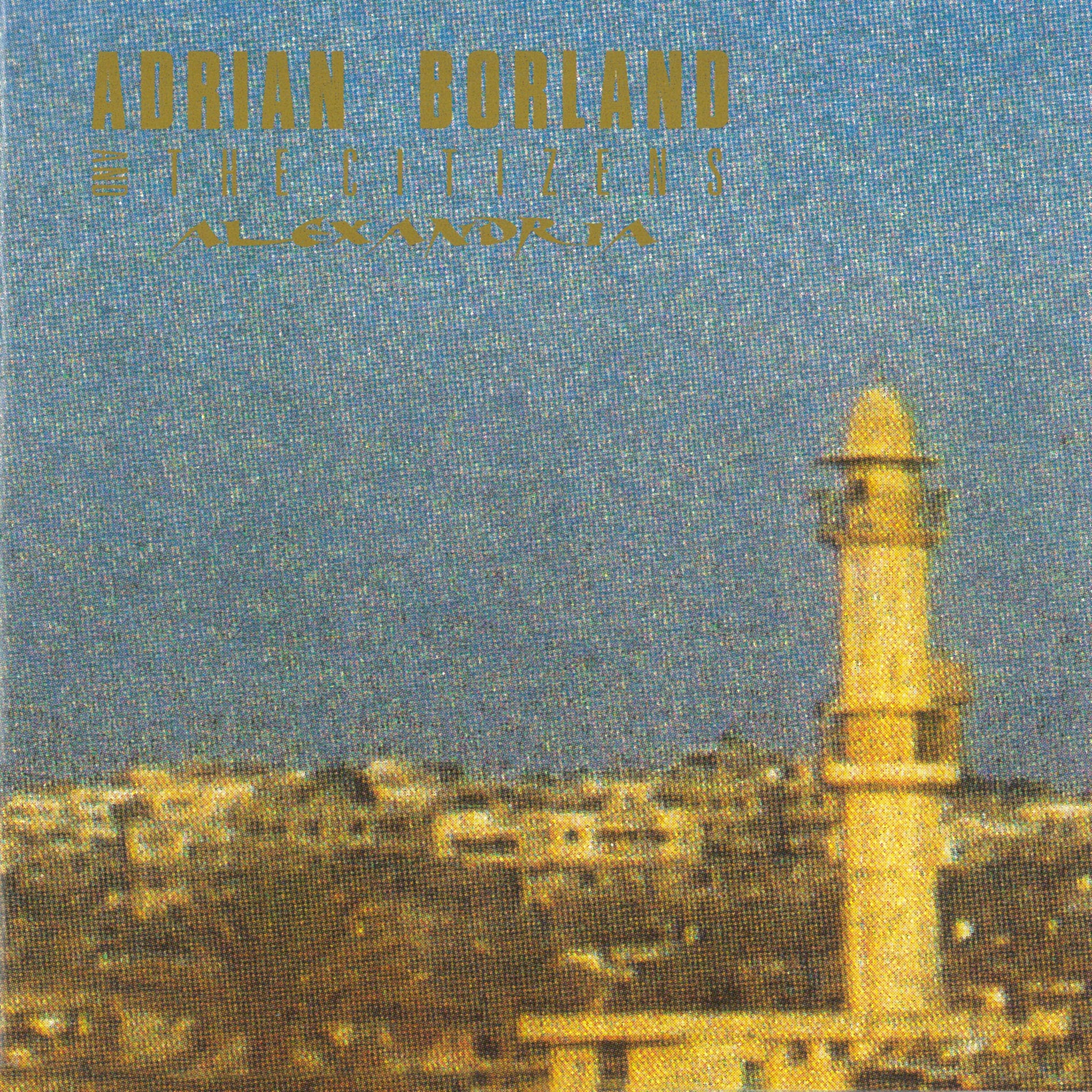
Adrian Borland & The Citizens
Alexandria
(Play It Again Sam)
1989
Perhaps the most interesting thing about Adrian Borland’s solo work is that it often feels like an extension of that same restless songwriting instincts that made The Sound so uniquely special, but written with a much different set of tools, instead of the kind of machinery he always had around him in that legendary band. When Adrian made ‘Alexandria’, his first solo album with backing band The Citizens - of which only Colvin ‘Max’ Mayers provided some sense of continuinty (aside from Nick Robbins’ continuing collaboration on the production and engineering front, that is) from the The Sound days by maintaining his keyboardist post - he was of course already used to musical shapeshifting, regardless of the name under which he was releasing it, but still, this record has a very different feeling to anything he had ever done before. The arrangements are often sparse and strange, with electronics, keyboards and guitars creating a sort of nocturnal atmosphere around songs that are still, fundamentally, finely crafted by his unique songwriting talent.
Even more than with The Sound, however, what elevates the album to genius status is Borland himself, which, you know, makes sense for a “solo” album. His voice had always shown a combination of both melancholy and certainty, but here, a more vulnerable quality is very noticeable, as if the distance between the songwriter and the listener had become considerably shorter. I hesitate to call it “intimate”, but it feels less like a behemoth striding a mile away than The Sound always did, so. Though a couple of the songs, such as the emotionally devastating closer ‘Deep Deep Blue’ or ‘No Ethereal’, clearly offer a heartbreaking glimpse into his fragile mental state (Adrian suffered from depression and ended up sadly taking his own life in 1999), there is also a sort of welcoming warmth beneath the all the gloom. Having said that, it’s not meant as a reduction. ‘Alexandria’ is very far from simply another bleak Adrian Borland record, it’s much deeper and more nuanced than that, and often it comes across as simply beautiful.
It’s a shame that, despite the critical acclaim he got during most of this period, Adrian’s solo career is so often treated as a footnote to The Sound, even if I understand that is essentially a consequence of the overwhelming importance the band has had on so much of what we listen to today. But there’s so much in these records that deserves to stand on its own, and ‘Alexandria’ in particular is a great example of how he always continued searching for new ways of expressing the same complicated emotional territory, without ever sounding like he was trying to recreate the past at any point - a tricky thing to do once you’ve been in a band that meant so much.
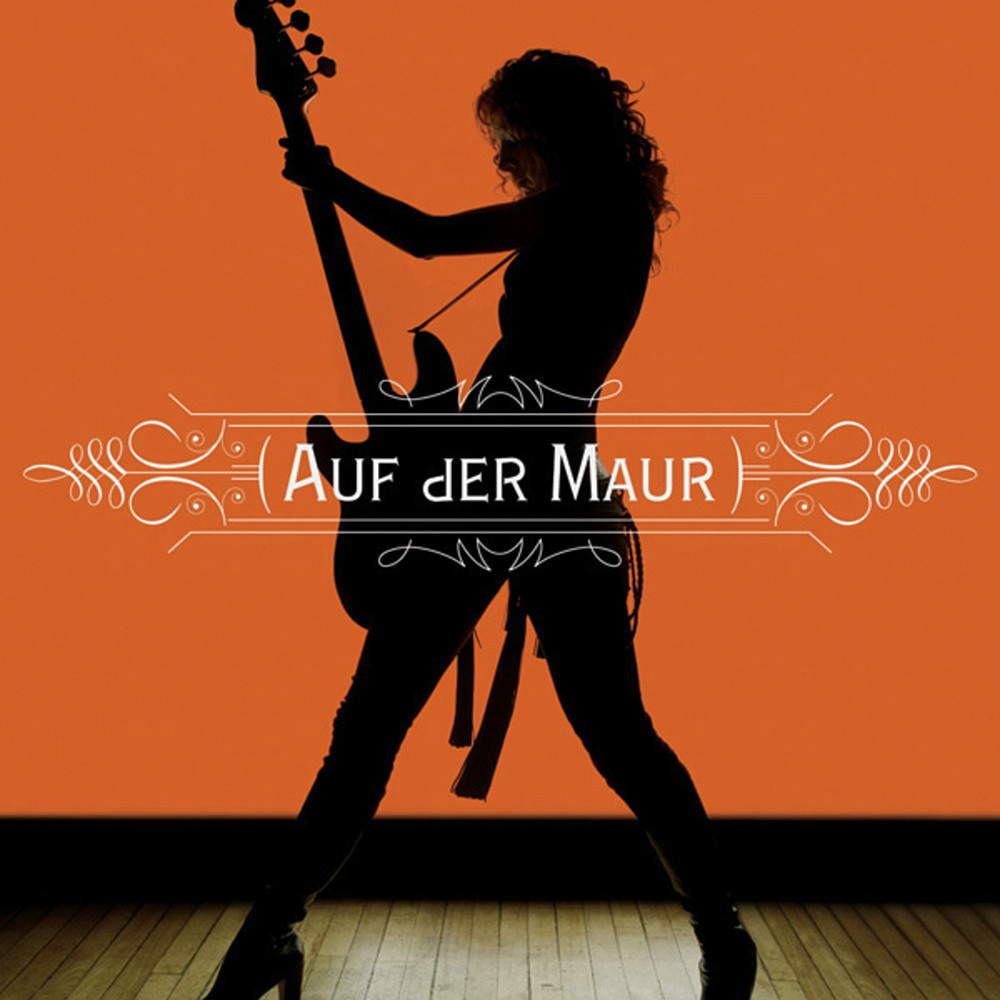
Auf Der Maur
Auf Der Maur
(Capitol)
2004
Melissa Auf der Maur had spent quite time in other people’s important bands by the time she finally made her own record, enough for there to be the temptation to hear some kind of grand declaration of independence on it. As a former bassist for Hole and Smashing Pumpkins, here she was finally stepping into the spotlight with her own name on the cover, so it would be natural for it to be a boisterous affirmation of individual personality. Thankfully, ‘Auf Der Maur’ doesn’t come across as a new CV set to music, or like a forced attempt to break out from anything. Melissa is such a good musician (and songwriter!) that everything here flows naturally, as the sound of inspiration coming from someone who finally had enough room to follow her own instincts.
That is not to say that this is a discreet or toned down kind of record, far from it. There’s plenty of big fucking alt-rock glory moments here. Melissa knows her way around a huge chorus, but whereas a lot of other music that can be described like that eventually tastes like cheap plastic after a few listens, these songs also feature, crucially, depth, subtlety and even some surprisingly delicate moments underneath. Melodies feel haunted even when the arrangements are enormous, and the combination of fuzz, strings, keyboards and those often clean and simple vocal lines gives the record a personality that goes beyond the obvious ’90s pedigree it carried by default. It’s heavy, but with room to breathe, and it’s in those quieter moments that the songs really starts to reveal themselves. Again, that doesn’t mean that ‘Auf Der Maur’ is not an immediate soul-stirrer, because it really is. If you need music to pump you up for something, this should easily become one of your go-to records.
I was lucky enough to witness the first show of the first tour of the album, with Melissa opening for A Perfect Circle in Lisboa (a couple of weeks before the album even came out officially, in fact), and that immediacy translated perfectly to that environment as well. I fondly remember some of the comments she made after that show, and fortunately the internet still provides a good archive after 22 years, so I was able to find her exact words: “The reaction was especially exciting in Lisbon, Portugal, our first show of this tour. As soon as I began the vocal howl at the top of the song, people drowned me out with cheers and started singing along! This is a first for me, people singing along with one of my songs that has been living in my imagination and 4-track world for so long.”
And you know, that’s exactly what the album sounds like - songs that lived in someone’s imagination and 4-track world, maturing and growing in meaning and depth, that finally broke out into the world with their power absolutely amplified. Though Billy Corgan and Nick Zinner turn up on it, and Chris Goss produced it, along with plenty other familiar faces, none of that really matters in the end, and truth be told none of it was really used to promote the album artifically. The actual songs are the true highlight here, as it should always be, and this is very clearly Melissa’s record. There’s a confidence in the way she takes that space that makes it feel like the beginning of something that should have had a much longer life. There was a second album eventually (‘Out Of Our Minds’, 2010, which is pretty good too), and then she sort of stepped away from the spotlight to focus on motherhood and her running of the Basilica Hudson arts and performance venue. All power to her, obviously, but even after all this time, ‘Auf Der Maur’ still kicks hard enough for us to miss a little bit of that rocker who had spent years helping other people’s bands and then finally exploded with something truly amazing and all her own.

Dan Swanö
Moontower
(Black Mark Production)
1998
The ever-restless Dan Swanö has been involved with so many important bands, both as a musician and as a producer, that even Edge Of Sanity themselves have felt in a way overlooked throughout the years, in the grand scheme of thigns, so “underrated” seems like a word custom made for this little record here, his one and only solo album. This could actually have been an Edge Of Sanity album, but after the original split of the band, Dan just went ahead and did ‘Moontower’ all on his own, and in the end it does make sense that it is removed from the bigger canon of the Edge Of Sanity discography, as it ended up turning into something even more individual than those records always tended to be. By his own description, it sounds as “if Rush played death metal in the 70s," and I’d say that’s a pretty accurate take on it, though it doesn’t entirely reflect how, even by his standards, it is a gloriously weird thing. It’s like Dan’s love of extreme metal, progressive music and studio experimentation all group-hugged together simultaneously and fused into something that still feels remarkably singular after almost 30 years.
The obvious starting point that should nevertheless be highlighted is, however, still death metal. As per the origins of this album, and as mentioned earlier, there are naturally plenty of riffs here that could have comfortably lived on an Edge Of Sanity record, but Swanö’s unchecked creativity bug keeps pulling the songs sideways and turning them into something else all the time. Eerie keyboards and atmospheric passages appear without warning, clean vocals are employed with great flowing ease alongside those cavernous growls, and the arrangements constantly seem to be looking for new pathways to open up and go explore. The production is a huge part of it too: everything sounds close and slightly claustrophobic, but also unusually detailed, with little textures hiding everywhere. It’s technical without becoming a technical showcase, progressive without needing to announce itself as such, which really makes that imaginary death metal version of Rush indeed the perfect analogy for it.
Unlike a lot of prog and other weird and unpredictable albums, however, ‘Moontower’ is surprisingly easy to love. Underneath all the wild ideas and studio wizardry there are genuinely great songs that waste no time before winning you over. Swanö has always understood the value of a catchy melody too well to let experimentation become the whole point, so even the strangest passages always feel connected to something memorable, rather than some meaningless show off. Considering how ridiculously prolific he has always been, it’s easy for a project like this to disappear into the overwhelming catalogue, as it kinda has, but ‘Moontower’ deserves considerably more attention than that, as one of the clearest examples of just how fertile Dan Swanö’s musical brain could be when given the freedom of an entire album to play with itself.

David Lynch
Crazy Clown Time
(PIAS / Sunday Best)
2011
So this is my one exception to the “people who had bands before” rule for this feature, but I think you can easily see that this guy had also done some other important stuff before this, right? And as it happens with a lot of these musicians who were in famous/important groups before, that does end up being one of the things that overshadows the music at first. In fact, whenever I mention ‘Crazy Clown Time’ to anyone who doesn’t know it, recommending it as a truly amazing album, there’s usually a little laugh and a “really?” attached to it, as if most people can’t really see it beyond a “weird director did an album or whatever” type of curiosity, instantly turning it into the kind of thing where the name on the cover is immediately more interesting than the actual music, which gets dismissed even before it gets listened to properly. And that is a shame, really. Not only it shouldn’t be such a surprise that David Lynch went for a full-blown album under his name, as he had been messing around with music for decades by this point, but on top of it, especially for those who are fans of his cinema work, aside from being a great album in itself, this also really does feel like a natural extension of the way his brain worked and it’s easy to see how it is an integral part of his entire body of work. Made largely with close collaborator Dean Hurley (who operated and managed Lynch's Asymmetrical Studio from 2005 to 2018) through jam-based sessions, it freely takes from the blues, electronic music, ambient textures and that very personal interpretation of Americana that runs through so much of Lynch’s visual work and puts them through a smudgy, very homemade-feeling filter.
The thing that makes it work for me the most - well, aside from the obvious other thing, which is the fact that these are fuckin’ great songs, but yeah - is how little interest Lynch seems to have had in proving himself as a “proper” musician at any point. The songs often behave like scenes themselves, though their structure isn’t so far away from conventional songs as you might expect, slowly establishing a mood and then letting it become increasingly uncomfortable. His heavily processed voice, though I adore it, can be an acquired taste, I guess, but that’s almost beside the point: the creaks, repetition, distorted guitars and ominous electronics create wonderfully creepy little universes where something completely mundane can suddenly feel deeply sinister. Karen O’s appearance on ‘Pinky’s Dream’, for instance, initially gives the album one of its few moments of “normal” vocal drama, but Lynch’s own strange presence and the way the song twists itself until the end is what holds the whole vibe together.
Let’s face it, given the dimension of David Lynch as a filmmaker and cultural icon in general, anything he would do in any other medium would always get overshadowed, and that’s fine. But precisely because ‘Crazy Clown Time’ feels so much as an organic part of the wildly imaginative universe he created throughout his life is why I think it should be more valued. This isn’t David trying establish himself as a great rock star or electronic musician or whatever, it’s just him applying his particular way of looking at the world to another medium - one that had already been so important to him in his films - and finding that the same uncomfortable magic works fine there too. There are moments where the album feels almost ridiculously sparse, but that emptiness is part of the appeal. You can practically sense the fluorescent lights buzzing in the distance. For all its lack of pretence, it ends up as a gloriously weird, sometimes genuinely beautiful record, and unmistakably its own thing. For an artist whose name has become synonymous with a whole aesthetic, that’s an achievement that shouldn’t be overlooked.
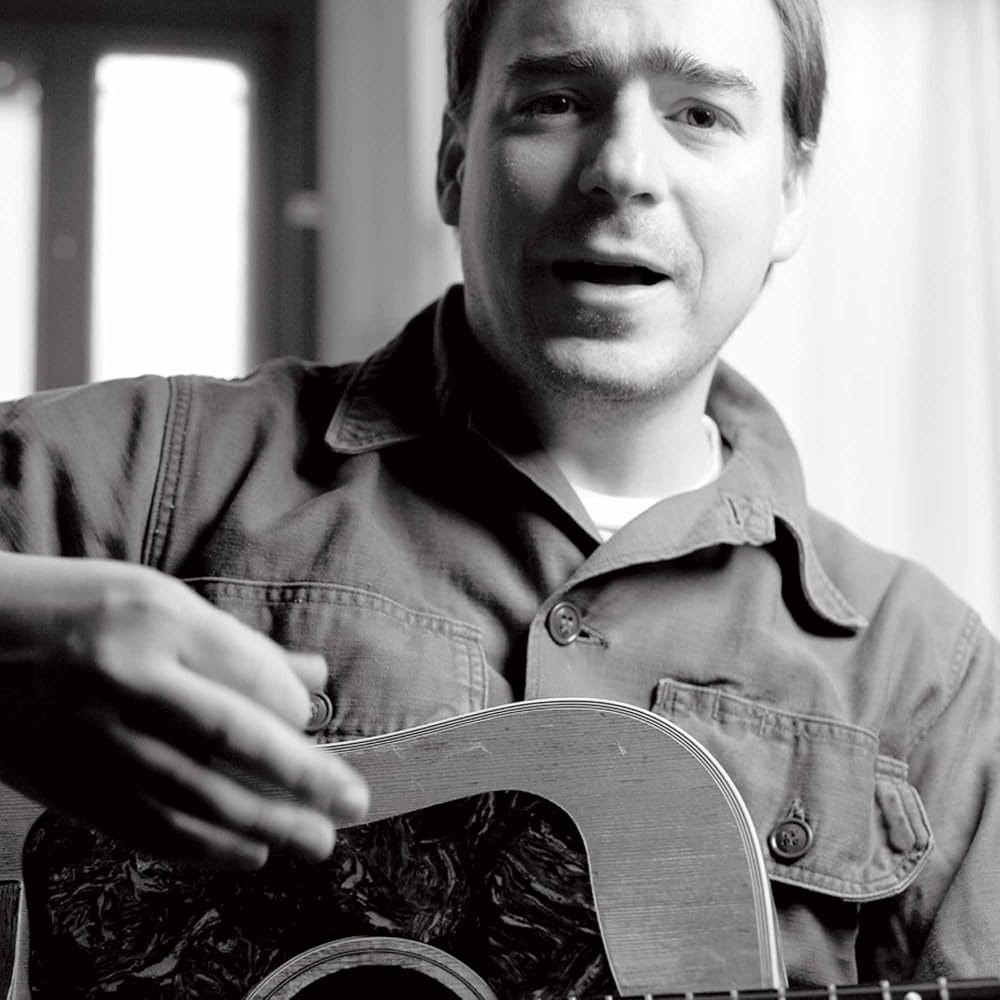
Jason Molina
Let Me Go, Let Me Go, Let Me Go
(Secretly Canadian)
2006
When ‘Let Me Go, Let Me Go, Let Me Go’ came out, Jason Molina had already spent years moving between the Songs: Ohia name, Magnolia Electric Co. and his own increasingly stripped-back solo work (his first proper “solo” album was ‘Pyramid Electric Co.’ from two years before). Despite the timeless melancholy of those Songs: Ohia albums that we all know and will forever love, however, this one feels a bit rawer still. It’s like a particularly stark version of the solitude that had always been somewhere in his music. Even by Molina’s usual miserably morose emotional standards, there’s something almost unnervingly empty about it. Recorded essentially alone, the album leaves huge amounts of space around his voice and guitar, with the occasional piano or electric guitar appearing almost like an afterthought rather than a proper layer in an arrangement.
As it was relatively common in all of Jason Molina’s musical guises, but with that concept being taken here to an almost logical extreme, that space between sounds is a big part what makes the album so powerful. Molina was never really an intimate singer in the conventional singer/songwriter sense, never the hushed troubadour who’s singing to you from the back seat of the car. Even when there’s barely anything accompanying him, his voice always feels disembodied in a way, like it’s coming from somewhere much further away, bouncing around an enormous room. And here, the tape hiss, the odd sounds and little “imperfections” that appear only make that feeling stronger, as if the recording of the album was only capturing another recording from long ago, instead of the actual human being behind it. On the other hand, while there’s plenty of desolation here, obviously, it never becomes a misery contest. Songs like ‘It’s Easier Now’, ‘Don’t It Look Like Rain’ and ‘Get Out Get Out Get Out’ have that strange Molina quality of sounding both completely exhausted and somehow still searching for a way to carry on.
‘Let Me Go…’ is easy to overlook among the great man’s more celebrated work, especially with the much more expansive Magnolia Electric Co. records surrounding the Songs: Ohia core, but there’s something almost impossible to fake, and therefore also impossible to dismiss, about this particular kind of loneliness. It’s always the quiet ones, isn’t it? A bit like Elliott Smith too, just like Jason’s unassuming style left an enormous gap that will never be filled, this here is a small record that also leaves a very large empty room in its wake.
Jeffrey Lee Pierce
Wildweed
(Statik Records)
1985
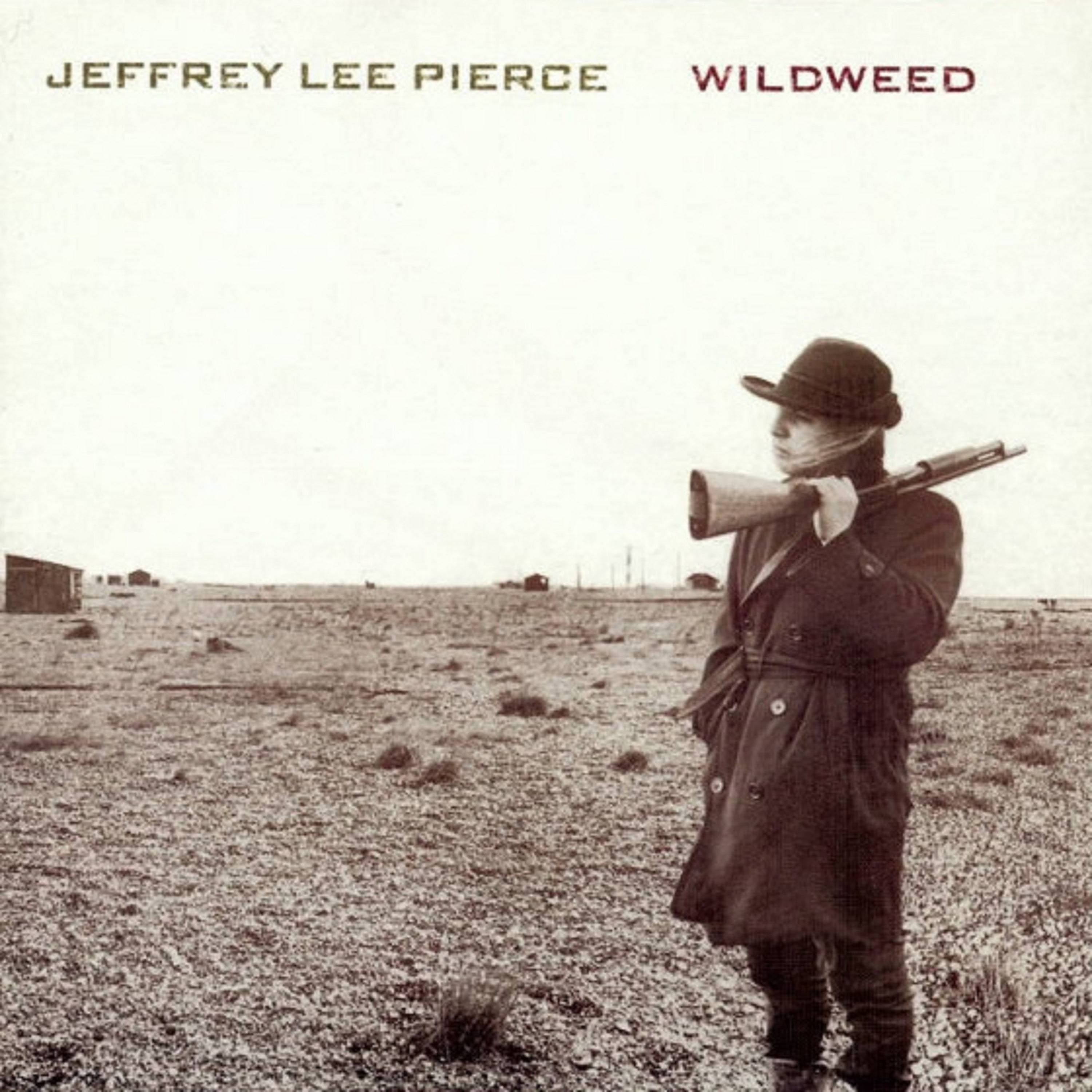
‘Wildweed’ was released after The Gun Club broke up for a short while following ‘The Las Vegas Story’, and the always restless Jeffrey Lee Pierce used that opportunity to make something that was still recognisably his, but at the same time also much more than just a The Gun Club album with the name changed. Thing is, after all the dust is settled, that band’s importance - an influence seemingly rediscovered in recent years by many artists - looms so large over Jeffrey’s legacy that it’s easy to forget he made a solo album at all, let alone one this good. The first thing that is clearly noticeable about ‘Wildweed’ is the sense of freedom that’s all over it. The blues and punk instincts are still running it, obviously, but there’s a looseness here that allows for a more quirky sort of guitar interplay, poppier melodies, some new wave touches and occasionally gorgeous little detours, all without ever making the record feel disconnected from the person who made it. Of course, The Gun Club didn’t stay broken up for long, and the band’s next incarnation (put together in 1986) still went on to release four amazing albums before Jeffrey passed away in March 1996. But they surely wouldn’t have been the same had he not gotten all this out of his system in ‘Wildweed’, and that exhaled relief, that blowing off tension, is really noticeable in these songs.
There was always a measure of contrast in Pierce’s vocal style. As completely unhinged as he could get, there was nevertheless always something incredibly precise about the way he delivered his words, and on ‘Wildweed’ that contrast becomes even more pronounced since the songs are also more unpredictable. ‘Love And Desperation’, ‘Sex Killer’ or ‘Cleopatra Dreams On’, the opening trio, all charge out of the gates with that familiar nervous energy, but then the album starts wandering, surprisingly, through slower and stranger territory, eventually arriving at ‘The Midnight Promise’, one of those uniquely triumphant Pierce songs where the bittersweet sting of loneliness becomes almost tangible. But this peculiar structuring of the album is not just freedom for freedom’s sake. It’s not just a guy doing weird shit because his old bandmates aren’t around to tell him not to anymore. There is clear purpose here. The whole thing does feel slightly rough around the edges, but never accidentally so. Pierce was becoming an even more adventurous guitarist and songwriter here, pulling apart some of the elements that had made his previous work so distinctive and seeing what else they could become. A transitional, “missing link” kind of work between the two halves of The Gun Club’s career it might be, but that doesn’t mean it doesn’t carry its own very individual genius. These songs are messy but beautiful, occasionally deranged, and isn’t all that also just a perfect way to describe Jeffrey Lee Pierce’s entire musical career?

Jerry Cantrell
Brighten
(Double J Music)
2021
There was something quite satisfying about Jerry Cantrell finally making another solo album nineteen years after ‘Degradation Trip’ and having called it ‘Brighten’. Not because the man suddenly discovered happiness or anything quite that simple, but it’s a title that captures a genuine change in perspective. His previous solo records were understandably steeped in the same darkness that had followed so much of his work with the first incarnation of Alice In Chains, to the point that, without meaning to devalue them in any way, they could still be considered extensions of the band’s main body of work. ‘Brighten’, on the other hand, though it still sounds like Cantrell, having allowed some time to pass from those wild and sometimes tragic earlier days, shows plenty more light getting in through the cracks. The country-rock touches, the twang of the pedal steel, the occasional classic rock swagger, all of those elements give these songs a warmth and a kind of relaxed, laidback nature that would have been difficult to imagine from him twenty years earlier.
Make no mistake, the characteristic Alice In Chains DNA is never far away, and nor should it be. Jerry’s guitar tone, his voice and that particular knack for making an innocent melody sound haunting are too deeply ingrained in his songwriting for him to simply leave them behind, even if he ever wanted to. But this is also where the solo format really suits him. ‘Atone’ could probably have worked on an Alice record, but then you get something like ‘Prism Of Doubt’ or ‘Black Hearts And Evil Done’ where the alt-country influences and more open arrangements make it clear that he’s enjoying having a little more room. The combination of these approaches sees ‘Brighten’ achieve what every solo album should aim for - to illustrate the singular musical personality of person whose name is on the cover. Even the excellent supporting cast, and we’re talking about people like Duff McKagan or Greg Puciato plus the various drummers and instrumentalists, stay in their lane and never make this feel like a vanity project built around famous friends.
I consider ‘Brighten’ to be vastly underrated partly because its existence is so easy to take for granted. There was no fuss upon its release, even if it had been a long time since the last one. People liked it, from what I read around, but I feel most didn’t really realise how essential it was. Jerry is one of those musicians whose importance is already so firmly established that a very good late-career solo album can almost disappear beneath the weight of everything that came before. But this particular chapter doesn’t try to compete with ‘Dirt’, ‘Jar Of Flies’ or even ‘Degradation Trip’, for that matter, and it doesn’t need to. It stands on its own just fine. Not alone, but on its own. It sounds like Jerry Cantrell looking back at all that darkness from a slightly different place, still carrying plenty of scars but finally allowing himself a bit more sunlight. I’d say he deserves it.
Joey Ramone
Don’t Worry About Me
(Sanctuary Records)
2002
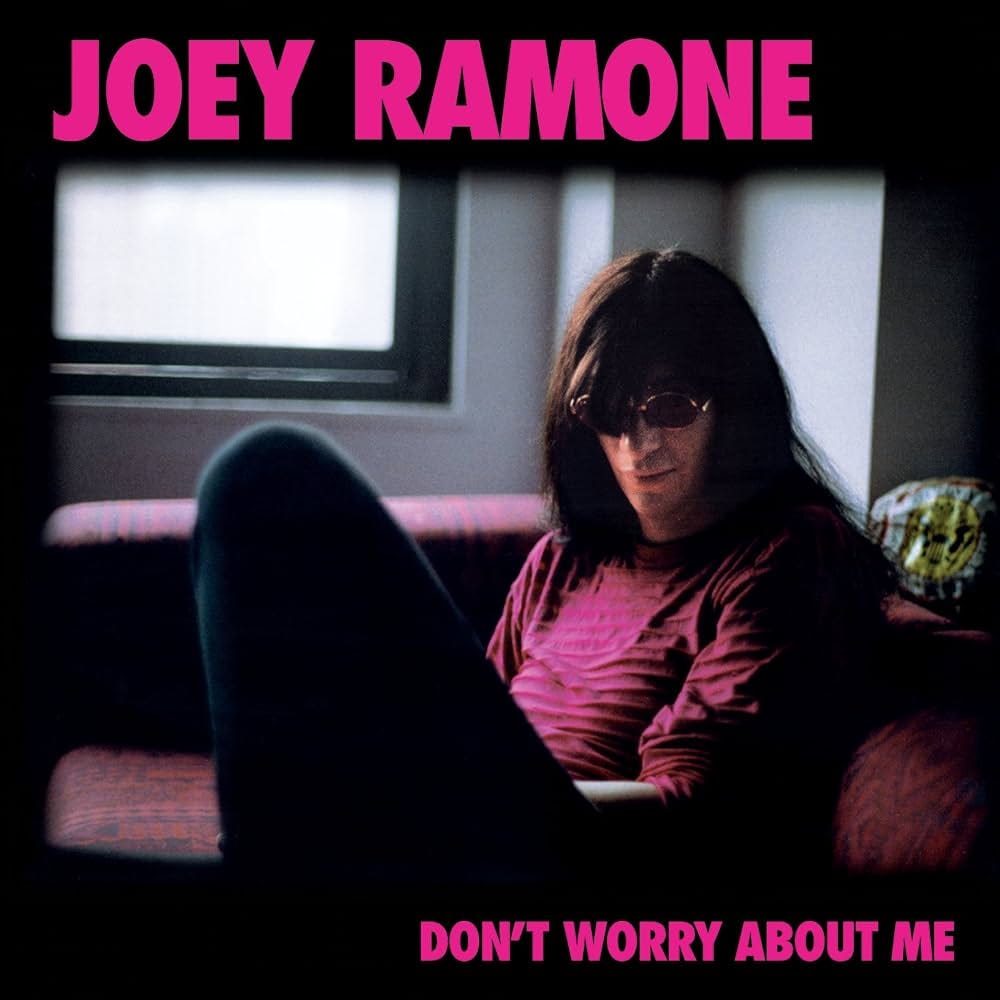
With some records, the circumstances surrounding them are so overwhelmingly sad that it can become difficult to hear the music without that knowledge stubbornly getting in the way, no matter how much you try to have your brain shut it off. ‘Don’t Worry About Me’ is one of the rare ones where that could be expected, but to me at least, the effect is almost the opposite. Yes, Joey Ramone was seriously ill while much of this was being recorded, and yes, it came out posthumously, less than a year after his death, but listening to it doesn’t feel like listening to someone preparing his own farewell, like a Warren Zevon ‘The Wind’ kind of deal or anything of the sort. I’m not saying that would be necessarily a bad thing (‘The Wind’ is a tremendous record, to use the same example), but I like that this one turned out like this, and it fits with my mental image of Joey (and I’m a guy who has a Funko Pop of Joey standing beside my turntable, looking at me while I write every word you read in this here rag, so I’ve spent some time elaborating my mental image of the man), that it mostly just sounds like Joey doing what he always did. It’s comforting. And it also lets me enjoy these fucking great songs in a much welcome mental and emotional peace.
Even if you’ve never heard this album - and a surprising amount of people, Ramones fans included, seem to not have - you might have a general idea of how it sounds like. The Ramones were never exactly a band in desperate need of reinvention, and neither was Joey. These songs offer simple, melodic punk rock, built around the same basic principles he had spent his entire career perfecting. Having said that, at the same time it’s also clearly not a Ramones record, as there’s something particularly relaxed about it, as though the absence of the band gave Joey a little more space to indulge whatever happened to amuse him. So whitin the typical simplicity of his approach, there’s still much more variety than could be expected. ‘Maria Bartiromo’ is wonderfully silly, ‘Mr. Punchy’ is pure Joey mischief, and even the more reflective songs never lose that characteristic ability to turn the vibe from potentially heavy into oddly buoyant. ‘I Got Knocked Down (But I’ll Get Up)’ understandably hits differently knowing what was happening to him, but even there, what comes through first is the stubbornness and the cheeky humour, rather than some tragic self-pity.
And then there’s ‘What A Wonderful World’. Opening your final album with a Louis Armstrong standard is already a pretty bold choice, but hearing Joey sing it in that unmistakable bratty voice of his gives the song an surprisingly hefty emotional weight. It’s not a grand statement, and I don’t think it needs to be interpreted as one, but it still tugs at your heart more than you’d imagine before. See, Joey wasn’t suddenly becoming some different, solemn version of himself just because he was ill. He remained the same cheeky Joey Ramone we’d always loved, and always will, with all the silliness, sweetness, crankiness and sheer love of rock’n’roll that had always been there.
You know, even if I’ve lived with this album very close to my heart for a long time, I don’t think I had ever thought about it in these terms until writing these words just now, but apart from the obvious fact that these are really cool songs, that’s probably a big part of why I treasure this record so much. It could have been unbearably sad, and there are moments when knowing its circumstances inevitably make it so, but mostly it just feels like being allowed one more hour with somebody whose company you really enjoyed. There’s something wonderfully Joey about that: even with everything that was going on, he made a record that just sounds like it wants to have fun. It just wants to be with you. Eating chicken vindaloo?
Karl Sanders
Saurian Meditation
(Relapse Records)
2004
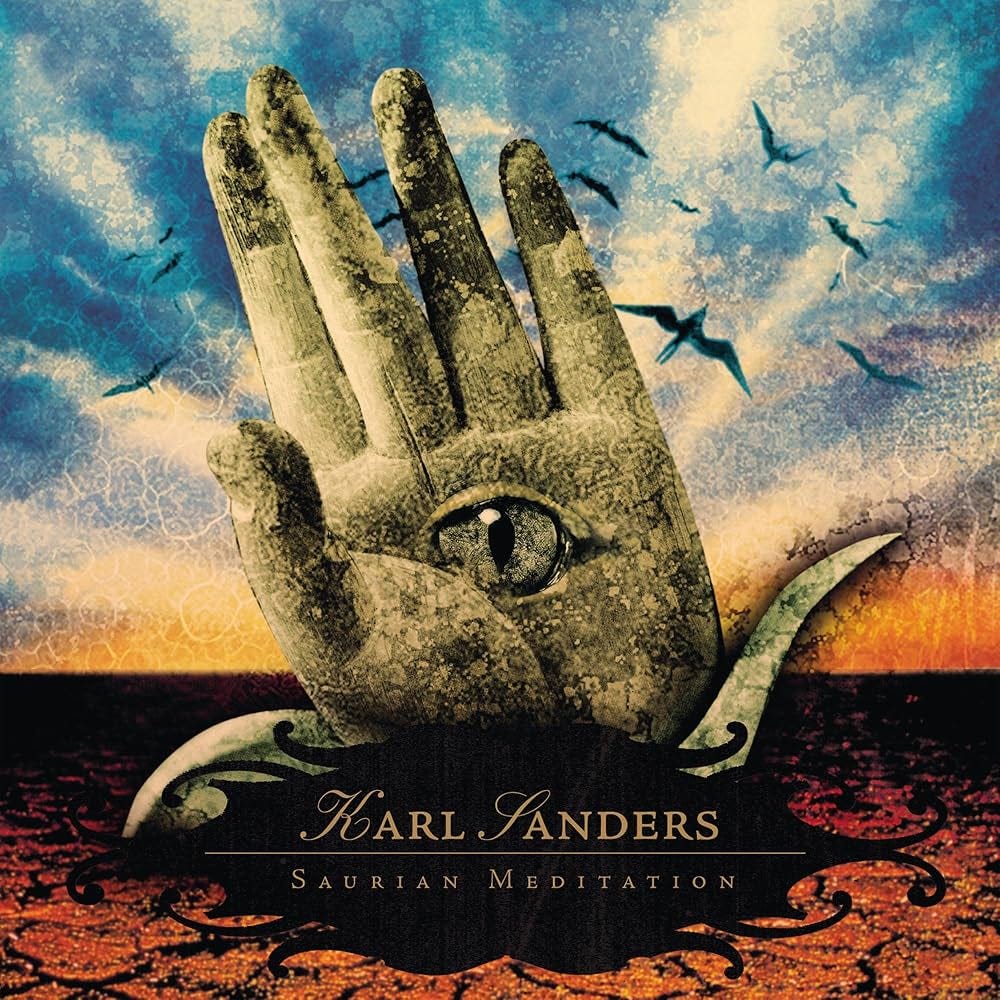
There was always something I found funny at the heart of Nile. I am a huge fan, let me make that absolutely clear, but for all the brutal death metal power, the absurdly technical playing and monumental riffing, some of the moments that stayed with me the most from those first albums were the little atmospheric passages where Karl Sanders would drop the metal entirely and let his fascination with ancient Egyptian and Middle Eastern music take over. The quiet, ominous ambient soundscapes, chants, or acoustic instrumentation that punctuated the records, never for too long as to become a gimmick, but they were there. So when ‘Saurian Meditation’ arrived in 2004, it actually made complete sense. It wasn’t a self-indulgent, bizarre side project from an over-reaching metal musician, like some of these things admittedly tend to be, without naming any names. It was just Sanders finally giving those other instincts the space they had been asking for.
And even if it fits into the natural expectations, it ends up being a wonderfully out-there record still. Acoustic guitars, baglama saz, hand percussion, drones, chanting and occasional electric guitar create this slow, hypnotic thing that seems to exist somewhere between folk music, ambient and ritual music, almost becoming more of a psych album than anything else. The Nile connection is still there, obviously, particularly whenever one of Sanders’ unmistakable guitar lines suddenly emerges from the haze, but the aggression has been almost fully replaced by atmosphere. Even at nearly an hour, it rarely feels like it is trying to take you anywhere in particular. It’s not a fucking “journey” some self-assumed shaman is taking you on or whatever. It’s never pretentious. It’s just amazing ambient music that keeps opening doors into increasingly mind-expanding places.
What I like most about it is that, despite that lack of bombast or pretense, Sanders never seems embarrassed by the grandiosity of his imagination, and that’s something he carried from Nile already. The man has never been afraid to dream big, and make it happen exactly as his mind’s eye saw it first. The typical titles alone (‘The Forbidden Path Across The Chasm Of Self-Realization’! ‘Dreaming Through The Eyes Of Serpents’!) could easily hint at something hilariously overblown, but the music is actually remarkably patient. ‘Of The Sleep Of Ishtar’ is almost ten minutes of slowly developing acoustic textures and voice, while ‘Contemplations Of The Endless Abyss’ practically disappears into its own vague atmosphere, taking you along with it.
It doesn’t feel like it, but it’s been 22 years since its release, and ‘Saurian Meditation’ has actually aged pretty well. Surely much better than many other loftier records by more “serious” artists within this kind of mindspace. That says a lot about the delicately fine way that it was crafted. For a musician better known for making music that sounds like an ancient temple being demolished by a tank, there’s something rather lovely about discovering that he also knew how to sit quietly within its ruins.
Mark Hollis
Mark Hollis
(Polydor Records)
1998
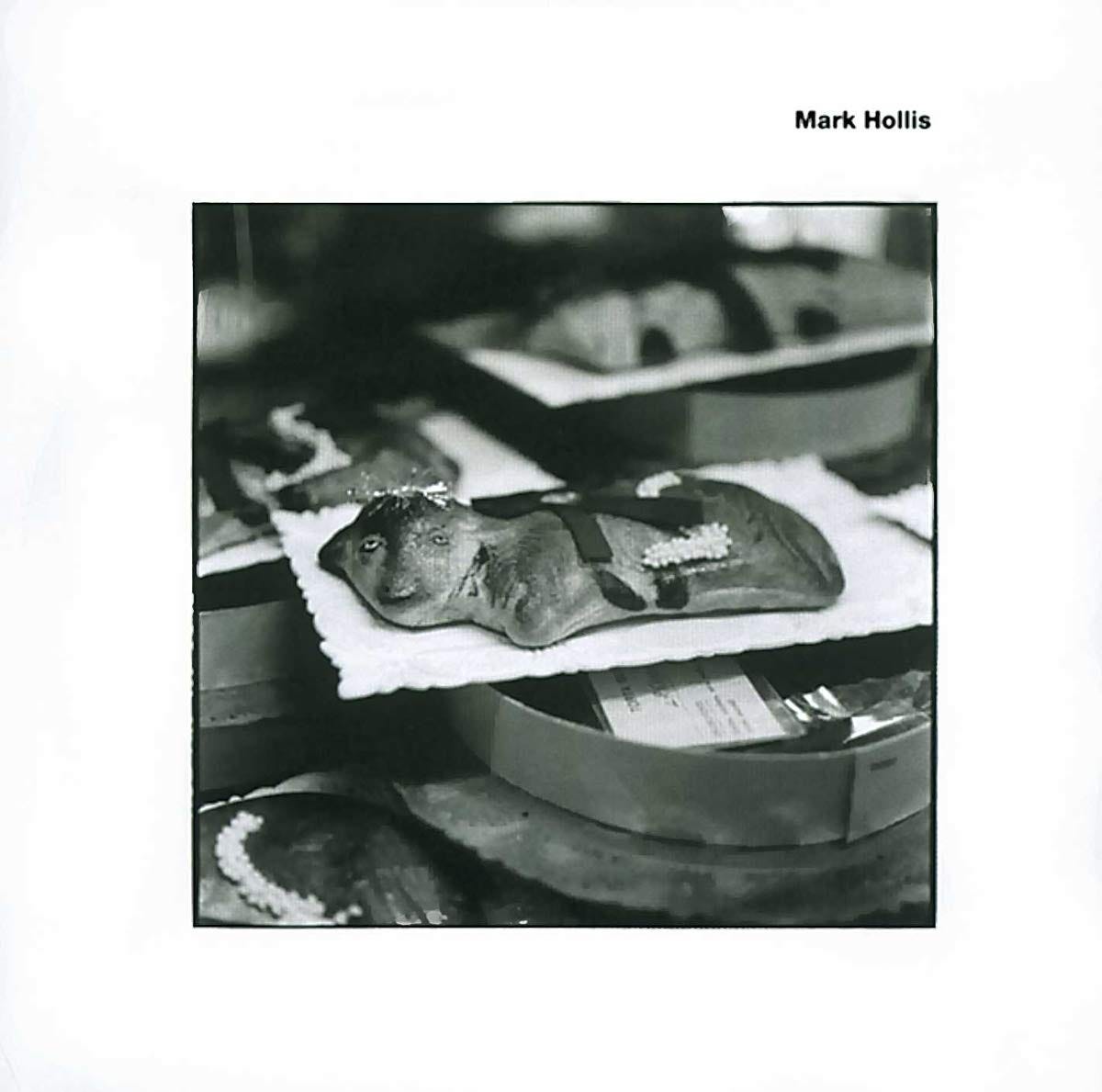
You should know what you’re getting into, if you’re not too familiar with Mark Hollis’ (of Talk Talk) only solo album. AllMusic called it “quite possibly the most quiet and intimate record ever made,” and even if you’re a fan of Talk Talk, you’ll find precious little comfort zones here, as Hollis found inspiration not in his own past or even any of the popular music of the day, but reportedly rather in 20th-century classical music and jazz from the late ‘50s and ‘60s. It also wasn’t used to mark any kind of return for Hollis to the music industry or live performance in any way, as he stated at the time of its release: “there won’t be any gig, not even at home in the living room. This material isn’t suited to play live.”
Now, if you’re still with us, what you’re imagining is perhaps not too far away from the final result, essentially because there’s not much left to imagine. As barely-there as it is, there’s something almost absurdly “pure” about this music. If you think about it, Talk Talk themselves had spent years stripping away everything from their music that didn’t need to be there, eventually getting to the wide open spaces of ‘Laughing Stock’, but Hollis found in his minimalist obsessions a way to go one step further, coming up with a record where even the slightest sound seems to have been stripped, searched and interrogated before being allowed into the recording. It’s a fully acoustic, profoundly intimate, uncomfortably quiet piece, and frankly I don’t even see it drawing from any of the influences Hollis mentioned in that quote up there, or from anything else other than sitting at home in silence while staring at the wall.
I feel I’m not giving very positive vibes in my description of this so far, but trust me, that really is the whole magic of it. Despite the absolute barrenness, once you’re in it, it hits you hard. It involves you. You have to listen differently. A guitar string dying away, the soft breath of a woodwind instrument, the little movements around a piano, Hollis’ voice barely rising above the quiet… these things become events within the vague outlines of songs. ‘The Daily Planet’ is perhaps the closest thing here to a conventional song, while ‘A Life (1895-1915)’ takes eight minutes to tell its painfully compressed story with undescribable sparseness. Everything that happens is necessary. Nothing is there simply because there’s supposed to be something there. Hollis had become obsessed with the idea that silence could be as important as sound, and this is probably the purest expression of that idea ever recorded to tape.
This was originally considered as another Talk Talk record before Hollis decided it should bear his own name, and after its release he effectively withdrew from music, making no further full-length albums, but I really don’t want to turn this into some pretentious narrative about an artist deliberately writing his own disappearance, though, no matter the temptation to see it like that. The album is too alive for that, despite everything. It’s just an expression of a musician who had spent years exploring the outer fringes of what he wanted music to sound like, finally arriving at a place where he finally felt like he didn’t need to add anything else. And then, quite sensibly, he left the room.
Mike Scheidt
Stay Awake
(Thrill Jockey)
2012
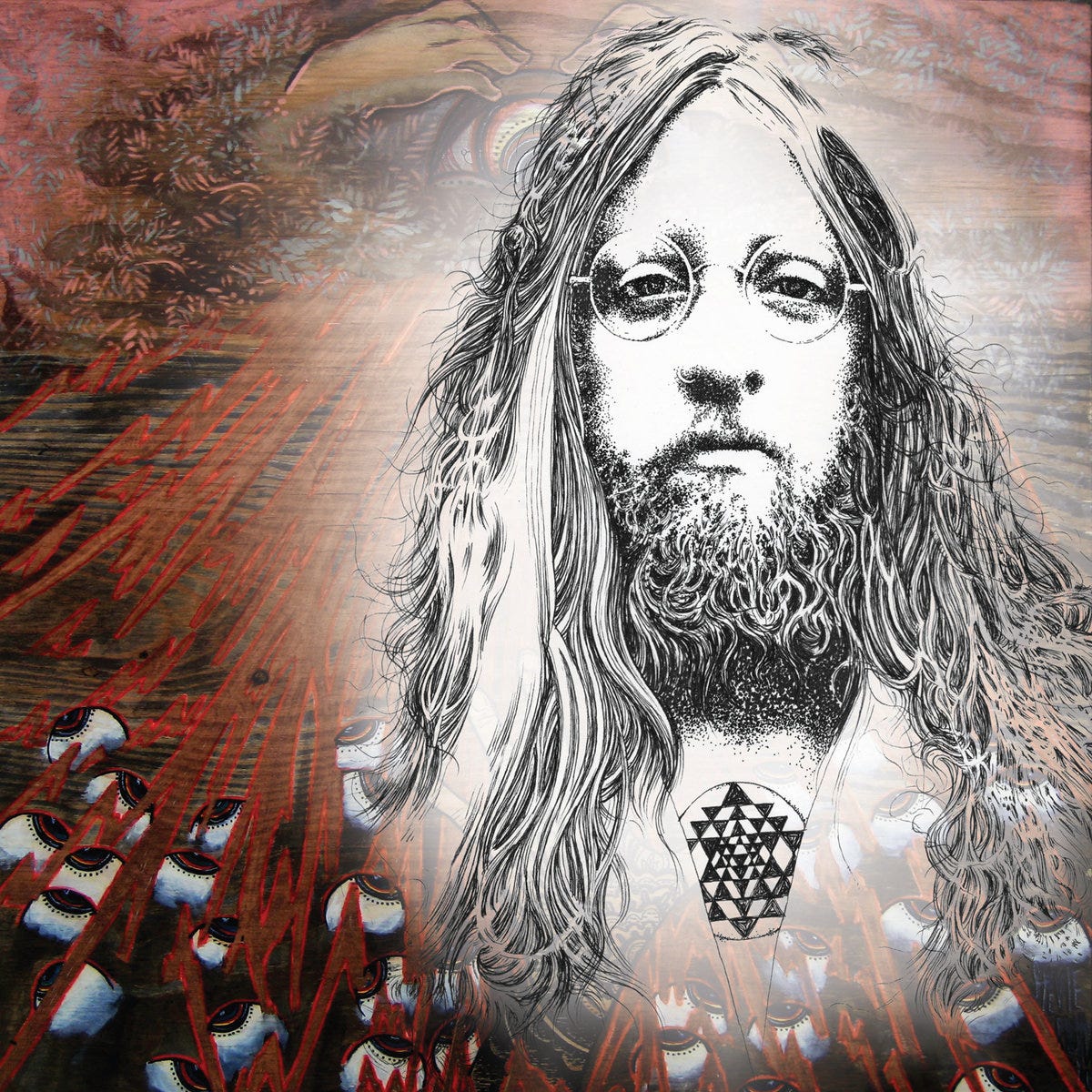
Mike Scheidt’s solo record - his only one so far, somewhat surprisingly - feels quite different from his colossal body of work in YOB at first glance, before you realise that pretty much everything that makes his “heavy” music so affecting is still sitting right there, just without the enormous amplifier stack around it. ‘Stay Awake’ strips him down to mostly acoustic guitar and voice, as several other artists of that “scene” also did around this time, like Steve Von Till or John Baizley among many others, but Mike’s folk influences - from both Western and Eastern traditions - showed him down a very distinct, dreamlike, almost psychedelic path within this style.
The songs are simple, sometimes almost startlingly so, but the particular combination of enormous sincerity and mystical worldview makes them feel much more complex than they really are. ‘When Time Forgets Time’ or the deeply moving ‘In Your Light’, for instance, have the same sort of soul-searching, “cosmically emotional” quality you find in YOB, only now there’s no distortion, no noise for those emotions to hide behind. That naked vulnerability is really the key to the album. Scheidt was going through a turbulent period when he wrote it, and the songs deal with fear, sadness, hope, love and redemption, but the elegance of his writing, both musically and lyrically, ensures none of that turns into sappy territory either. He sings genuinely, while the acoustic guitar gives the whole record a warmth that makes it incredibly intimate. Even when the arrangements swell a little more, the fundamental feeling remains that you’re sitting across from this wise, calm dude who has something he needs to tell you now.
It’s probably still too easy to file ‘Stay Awake’ under “acoustic side project” and move on, especially since it had no follow up so far, and YOB’s discography contains so many enormous records to get lost in. But I think that misses the point completely. This isn’t Scheidt temporarily stepping away from heaviness, it’s him demonstrating that his own particular brand of heaviness was never really in the distortion to begin with.
Quorthon
Purity Of Essence
(Black Mark Production)
1997
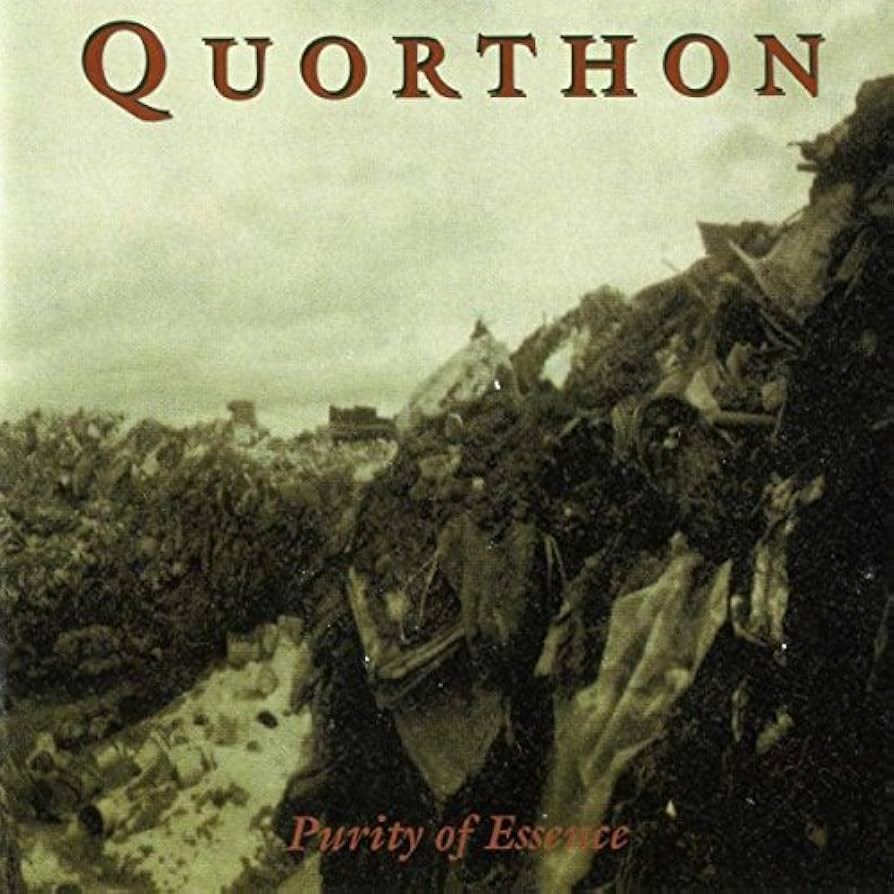
Î get it why ‘Purity Of Essence’ is not often mentioned even in the large context of Quorthon’s career. I know a lot of Bathory fans, especially the older ones, who haven’t even bothered to listen to it. Let’s face it, when it came to changes in sound and explorations of other genres, the big man was, to be nice about it, a little hit and miss. Even within the Bathory discography, the “reactivation” of the band with ‘Requiem’ wasn’t great, and its successor ‘Octagon’ was a whole lot worse. And that reactivation had come after a pause for the first solo album, the imaginatively titled ‘Album’, which was, and there’s now way to be nice about this one, frankly atrocious. Without wanting to rub it in further, those are just a few of the musical blunders the ever-ambitious/awkward Quorthon made throughout his uneven career (fortunately the legendary stuff he also made is enough to erase all of that, I just want to make that clear), so I get it if a second solo album wasn’t really in anyone’s must-listen lists. On top of it, its format seemed like a particularly elaborate practical joke at the time. I remember when I read in a magazine review that it was a two-CD, 98-minute album, and that alone almost made me give up on it straight away. Quorthon doing alternative rock, grunge, punk, pop, ballads and straight-up rock’n’roll, for longer than a football match, when ‘Album’ had already filled the shit-o-meter to its brim? I mean, no thank you.
But okay, I bought it when it showed up on my record store (and this was in the ‘90s, remember, so no streaming or whatever beforehand). Fuck it, you know? The man had given me ‘Bathory’, ‘The Return…..’, ‘Under The Sign Of The Black Mark’, ‘Blood Fire Death’, ‘Hammerheart’, ‘Twilight Of The Gods’, even ‘Blood On Ice’ (which has slowly turned into one of my favourites over time), so I thought he had earned some leeway from me. If it sucked, it sucked. It could keep ‘Album’ company on the completist, never-to-be-pulled-out-again bit of the shelf. But then, the strangest thing happened - I loved it.
First of all, there’s something wonderfully unassuming about the whole thing, which helps, and wasn’t entirely obvious in this type of stuff that he attempted before. By this album, at least, Quorthon clearly wasn’t trying to make “serious” alternative rock, nor was he attempting to disguise his influences behind some clever conceptual framework or whatever. It really just seems like he was having fun. ‘I’ve Had It Coming My Way’ is a ridiculously catchy opener, ‘When Our Day Is Through’ goes straight into grunge territory, and from then on there are acoustic ballads, punky little things, keyboards, big rock choruses and all sorts of other joyous stuff scattered across the two discs. Not all of it is amazing, obviously, and 98 minutes is still a lot of Quorthon fooling around, but that excess, in this particular case, becomes part of the charm. Contemporary reviews were understandably baffled by it, though I doubt they gave it the time, or even the point of view, that the album deserved, but even the more dismissive ones tended to acknowledge that the stylistic jumping around somehow held together much better this time.
All in all, I really do think ‘Purity Of Essence’ deserves to be remembered. It is perhaps the brightest and most surprising diamond in the generally uninspired later part of Quorthon’s career, but even when remembered in a positive light, it should be as more than the amusing oddity. It’s a bit of a mess, it’s a bit too much, but it’s endearingly sincere and it throws a surprising amount of great songs at you. One of extreme metal’s great pioneers, sure, but also one of its great outsiders, discovered that he also really, really liked writing catchy rock songs, and refused to apologise for any of it. Isn’t that so metal, in the end?
Warrel Dane
Praises To The War Machine
(Century Media)
2008
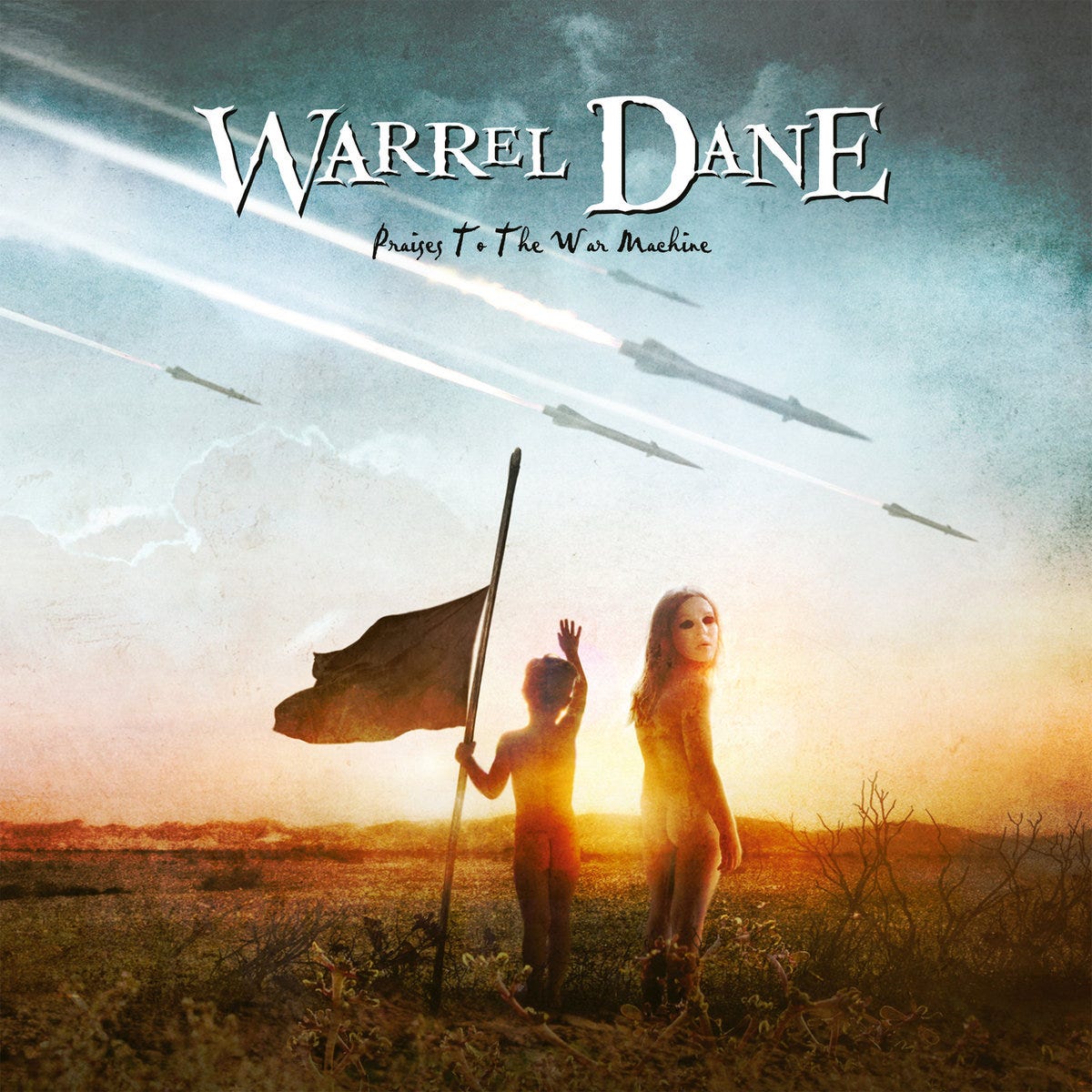
For a solo album by one of metal’s most recognisable singers, this never seems to get mentioned very much. I don’t know if people expected basically a version of Nevermore without Jeff Loomis, but that’s not at all what this is, fortunately. The guitars are indeed heavy, there are plenty of chunky riffs and even some proper, undeniably Nevermore-ish moments, but the whole thing is much more interested in songwriting and in giving Warrel room to be the centre of attention. Peter Wichers and Matt Wicklund do a perfectly good job around him, but this is his record through and through, musically and otherwise. To dispel any doubts about that, the simple exercise of listening to ‘Brother’ and ‘This Old Man’ will suffice - not only are they brooding, ballad-adjacent pieces of heart-wrenching metallic darkness, quite some way away from even Nevermore’s calmer moments, but they expose an intensely, frankly almost uncomfortable personal and vulnerable side of the man’s writing, both lyrically and musically. They also happen to be my favourite songs on here, which is surely no coincidence.
In every song, however, Warrel does sound fantastic. Obviously, that hardly needs saying, but it’s important to note that there was something very different about his performance here. Without Nevermore’s technical density constantly surrounding him, that unmistakable, powerful voice becomes more expressive, more adaptable, particularly when he drops into those deep, almost gothic tones that weren’t always given much room in his main band. ‘Your Chosen Misery’ is probably the best example, starting as this beautifully bleak acoustic song before the guitars eventually kick in. Then you get the gloriously unexpected Sisters Of Mercy cover, ‘Lucretia My Reflection’, which sounds so naturally suited to his voice that you wonder if he hadn’t been singing it in the shower for years.
It’s not a perfect album, mind you, and I think that may actually be part of why it has remained so much under the radar. There are a few fairly conventional modern-metal riffs that don’t leave much of an impression, and as a first attempt at this sort of thing for him, it does occasionally sound like it is still negotiating what a Warrel Dane solo album could/should be. But when it gets things right, which perversely, with some hindsight, essentially means the further away it gets from Nevermore territory and that extraordinary voice is allowed to carry all the emotional weight, that’s when it becomes something quite wonderful.
Considering what happened to Warrel Dane later (by the way, the second solo album he was working on when he passed away, ‘Shadow Work’, ended up being compiled and released posthumously in 2018), there’s an inevitable extra poignancy to hearing him sing these songs now, but I don’t think the album needs that weight to justify itself. It’s simply a very good and individual-sounding solo record from a singer who spent most of his career inside distinctive bands.

Want to help us, our collaborators and the bands we cover keep the lights on, and get an exclusive tote bag to show for it? Become a paid subscriber of TDM and we’ll send you one, free postage worldwide. Also, never miss a post again (‘cause you’ll get ‘em in your inbox) and access our subscriber-only posts, namely the coveted Bandcamp Basement feature. You get a free trial if you want to test the waters first. And of course you can just be a free subscriber forever, sans bag or subscriber-only posts, but you’ll get the inbox action anyway. Your call. We love you all the same. Get on it:
Join our new Whatsapp channel for another source of immediate updates and direct links.
Comments
Nothing yet. Say the first thing.
Sign in to join the conversation.