
And away we go, for yet another batch of 13 underrated albums grouped around a common denominator I increasingly struggle to keep original. After genres, years and countries in previous volumes of the feature (categories I’ll absolutely revisit in the future, because not everything has to be a first time), here’s a slightly different one, focused on final albums by bands and artists. I didn’t really impose any grand rules on myself with this one, though I did try to keep it relatively contemporary rather than reaching back into the ‘70s or ‘80s, where the pool of “final albums” would obviously be much larger, but also a lot more obvious.
Otherwise, you know the gist by now. “Underrated” is always arguable, and I’ll explain why I think a given album belongs here whenever it feels necessary, but this isn’t a list of the most or the best of anything. It’s just 13 albums I love and that I think could do with a bit more attention. As always, I’d love to hear which ones you’d have included, so let me know in the comments. And of course, some of these may one day stop being final albums altogether. A few are sadly final for reasons none of us can do anything about, but others still have a door open, however slightly, for one more reappearance. In the cases where that still feels possible, I’m very much rooting for it.
Onwards!
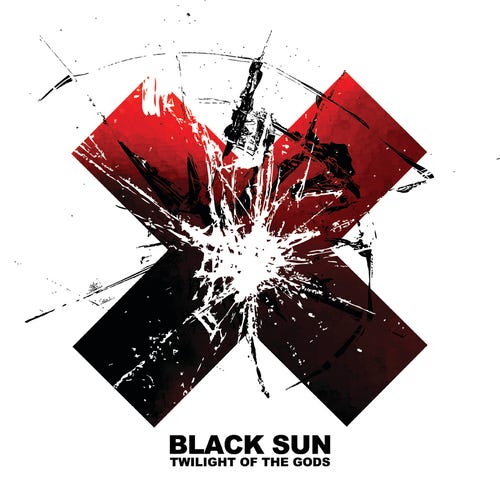
Black Sun
Twilight Of The Gods
(Future Noise Recordings / Head Of Crom)
2010
I used to champion Black Sun at every opportunity I got, and it’s still a little weird not having them around anymore, to be honest. I had the opportunity to see them live many times (I even sang a drunken AC/DC cover up on stage with them once, don’t ask), each of them was always a memorably chaotic eruption, and each of their records is its own different beast that mauls you in a multitude of ways. The overpowering battery of “Drum Major” Russell McEwan, Kev Hare’s Unsane-ish (both in terms of band reference and also of actual lack of sanity) dissonant guitar attack, their two-pronged unhinged vocal assault, Graeme’s unholy low end rumble… For those on a perpetual quest to find the ugliest music that is inhumanly possible to create (hands up all you weirdos at the back, I know I’m far from the only one), Black Sun were as close to a definitive quest-ending discovery as you could get. And yet, or perhaps precisely because of it, they never descended into meaningless noise or formless bile-letting just to be “extreme” or whatever. As messy and screechy and sludgy as their songs got, they were always songs. Hell, you could even sing along, or gargle along maybe, to some of them. The riffs were massive, the rhythms were addictive. They never really belonged to a scene or a genre as such, but had sludge, industrial, noise rock, a bit of post-punk tension, and you could also apply the term “blackened” to each and any of those. And it always felt unforced, like the natural language of a band trying to make extreme music sound properly diseased. Nowhere is that more apparent than on what turned out to be their last album. By the time they got to ‘Twilight Of The Gods’, they had been refining that musical instinct for years, and this album still feels like the point where all those different strains locked together most convincingly.
What I like most about it is that it doesn’t feel “experimental” in the self-conscious sense, even though there’s a lot going on in these songs. It’s filthy and heavy, obviously, and it feels raw, but straight from the moment the infuriatingly catchy ‘Code Black’ starts crawling up your spine, it’s inevitably to realise there’s also something genuinely unnerving about the atmospheres they build here. Not any kind of theatrical darkness or anything, just this constant sense that everything is decaying. From songs that feel like they’re slithering into some ritualistic swamp, to others that snap into something almost punk in its bluntness, it’s all enveloped in a hazy miasma. Which is no thicker than when Eugene S. Robinson himself pops up for some truly frightening moany shrieks on ‘Tabula Rasa’ and ‘Baby Don’t Cry’.
The band dissolved a few years later and that was that, more or less. Kev is a fantastic producer (he did the Cwfen album, for instance) and he’s in the pummeling Ancient Of Days with Graeme, so that might be the closest to Black Sun you might get these days, especially considering I totally lost track of Russ. In any case, this album remains as the most distinctive proof of how distinctive Black Sun really were, a band who had fully worked out their own ugly little universe and then, for whatever reason, didn’t get to stay in it much longer.
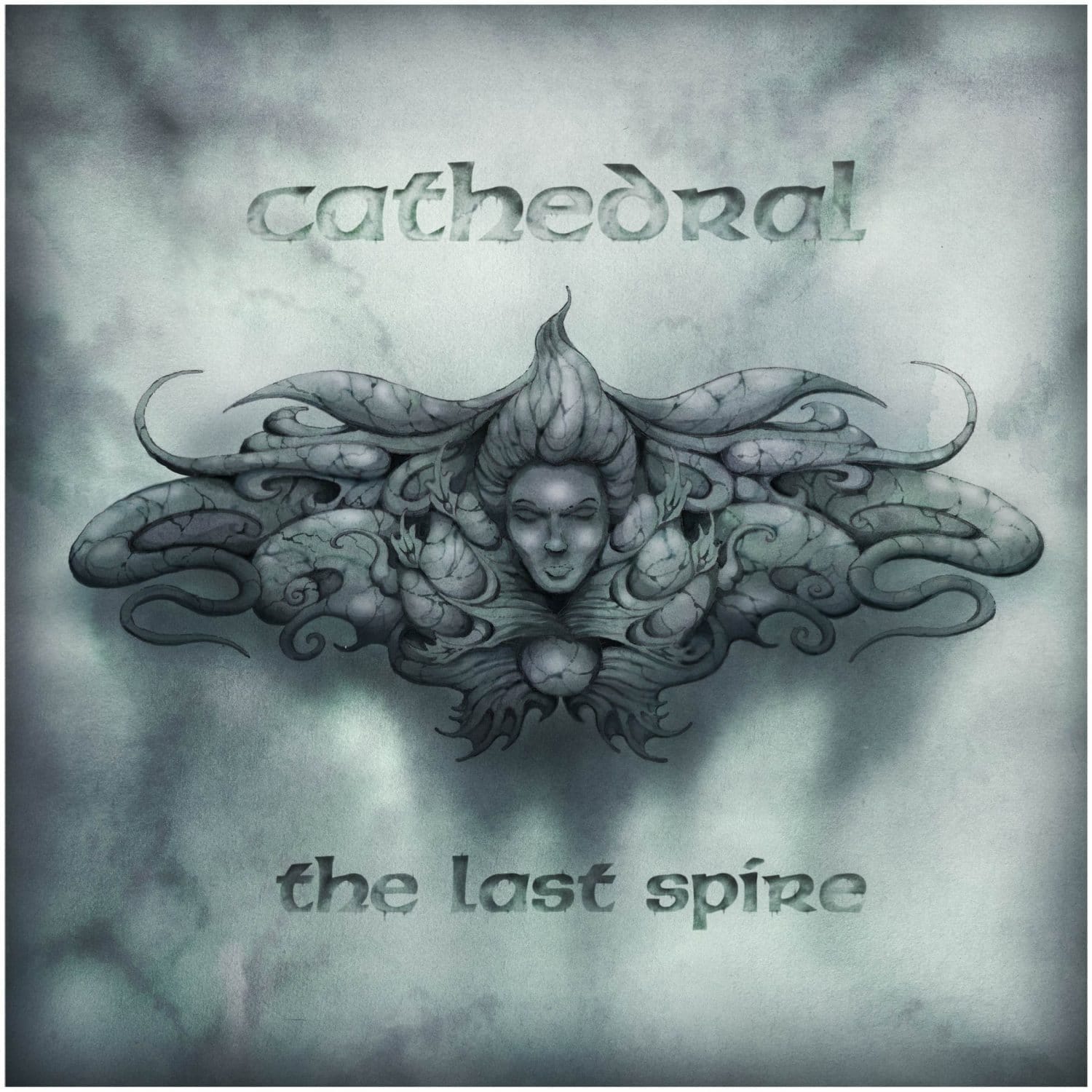
Cathedral
The Last Spire
(Rise Above / Metal Blade)
2013
By the time Cathedral got to ‘The Last Spire’, they had absolutely nothing left to prove. This is often used as a cliché, I know, but Cathedral are one of the few this can be truly said about with real sincerity. Furthermore, this was an announced bowing out, it was supposed to be the last album from its creation, which despite being a good, honest step in general, doesn’t always work, artistically speaking, for most bands who do it. In the occasions when bands take the commendable decision to end things on their own terms, regardless of the validity of that decision, the musical result can be turn into a kind of relaxation into themselves, or a self-conscious disappearance up their own mythology (or “arse” works too, if you’re feeling a little crass today). Thankfully, Cathedral were always far above such petty concerns. They were always too strange, too playful and too stubbornly themselves to go down the solemn “final statement” route. Even with a title like that, this doesn’t feel like a band erecting some giant self-important monument to their own legacy. It just sounds like Cathedral making one more Cathedral album, which is probably the best thing it could possibly have done. It’s also probably why ‘The Last Spire’ never seems to have gotten the amount of love that it vastly deserves.
What a weird and wonderful band they had become by that point though, let’s face it. So much, that that aspect often gets overlooked. It’s easy to reduce Cathedral to “doom metal legends” and leave it there, but anyone who actually followed them knows how slippery that tag always was. Of course, the Sabbath worship, the huge riffs and Lee Dorrian’s gloriously unhinged presence were always central to the proceedings, and it doesn’t help that the general perception is that they peaked really early with the legendary ‘Forest Of Equilibrium’ album. Genius as it was, however, I can’t help but regret that it seems to have overshadowed the eclecticism of their trajectory. Hell, even if you agree with that peak, it doesn’t have to mean that every other album sucked, it just means that one of them gained a significant historical importance for several factors. It’s like saying At The Gates “peaked” with ‘Slaughter Of The Soul’, for example, but that also doesn’t erase the consistent brilliance of their career. Over the years, Cathedral kept warping that foundation with psychedelia, garage rock grime, stoner grooves and all sorts of strange little detours that made them feel much more alive and more constantly in-the-present than most of their peers. There’s enough variety in their discography to cater to any of your doom-adjacent moods. You want ultra-heavy killing-time doom? There’s ‘Endtyme’. You want a mad, exploratory grand opus? There’s ‘The Guessing Game’. You want to awkwardly dance to some ‘70s hippie stuff that’s still really heavy in its trippiness? There’s ‘Supernatural Birth Machine’.
‘The Last Spire’ has bits of all of this, appropriately, but as stated before, not in a crazy “it’s the last one so we need to put everything on it” kind of way. It’s dark and heavy, yes, often leaning more into the ‘Forest…’ / ‘Endtyme’ side of things, but it’s also theatrical, woozy, grubby and proudly excessive in that way only Cathedral could pull off without sounding like they were trying too hard. In fact, the best thing about it is that you can genuinely hear them enjoy it. It’s the sound of a band just loving its own ridiculous universe one final time, stretching songs out, letting the riffs lurch and bloom, and trusting that their identity was already strong enough not to need some big emotional underline at the end. After this, Cathedral were done for good, and because these people have some integrity, damn them, there really is no hope of a reunion in sight. Still, ‘The Last Spire’ doesn’t feel like an ending in the tragic or exhausted sense. It feels more like a final satisfied exhale from one of doom’s (and beyond) most loveably eccentric institutions.
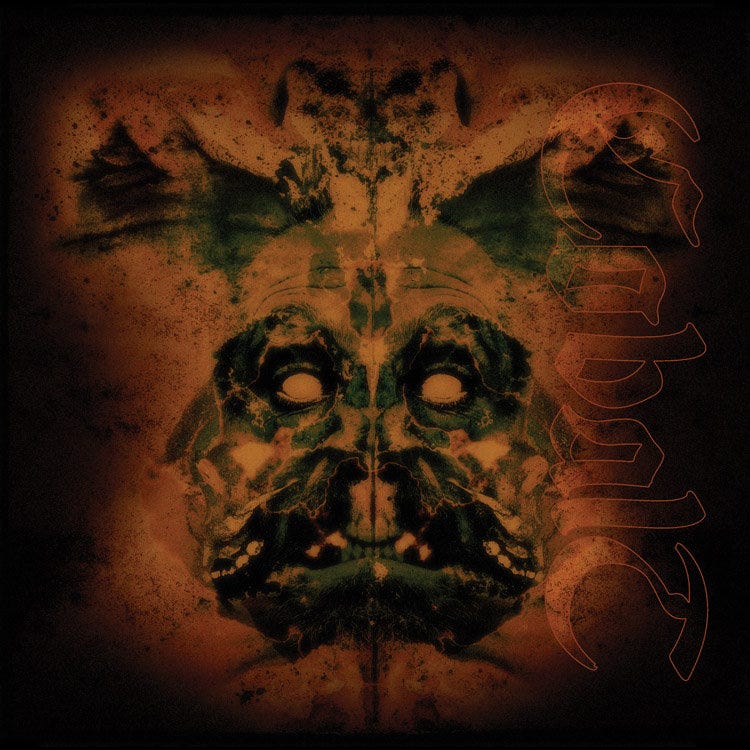
Cobalt
Slow Forever
(Profound Lore Records)
2016
I don’t know if Erik Wunder had plans of doing more Cobalt records when he sadly passed away in 2025 (he was reportedly working on Man’s Gin material at the time), but even if ‘Slow Forever’ wasn’t necessarily destined to be the closing chapter - though the title sure does feel poignantly poetic now -, it’s at least a perfect one now that it has become it. Not in the sense of any soft-focus winding down, none of that “one last graceful bow” kind of atmosphere people often project onto records once they know they were the last, like we discussed with the Cathedral album up there. If anything, on this colossal 84-minute double album, Cobalt constantly sound like a wild animal backed into a corner deciding the only sensible response is to go out swinging. Which, in fairness, is a very Cobalt way of dealing with anything.
Even though they were mostly an occasional band for most of their existence, always centred around Erik, they gained a certain degree of importance in underground circles, and it still felt like there was a lot riding on this record. Seven years had passed since ‘Gin’, which had left quite a mark on the scene, Phil McSorley was long gone after the whole ugly collapse of that partnership (Phil was deservedly kicked out for being a nazi, to be clear about it), so it wouldn’t have been a surprise to anyone if Erik had decided to just leave Cobalt where it was and focus fully on the comparatively safer and more manageable universe of Man’s Gin. Instead, ‘Slow Forever’ somehow became Cobalt’s biggest, messiest and most all-consuming record. It still has the wiry, half-feral black metal DNA that made them such a distinctive presence in American extreme music in the first place, but it also sprawls all over the place in a way that feels genuinely vital: sludge, punk, noise rock, classic heavy rock swagger, the odd almost Southern-feeling melody (very Man’s Gin-y, of course), all dragged into the same bad mental place it seems to invariably inhabit. Speaking of bad places, Lord Mantis’ Charlie Fell was an inspired choice of new companion, too. He didn’t just replace McSorley, he changed the emotional intensity of the whole thing, making this feel like an evil mutation of Cobalt, rather than a mere continuation.
Which is, in hindsight, one of the coolest things about ‘Slow Forever’. I interviewed Erik several times and he honestly didn’t seem the kind to hang on to things that don’t matter, so this album also didn’t try to preserve the old Cobalt in amber or prove that the band could survive a line-up rupture by delivering more of the same. It essentially sounds like Erik taking the opportunity to do what he always did with his music - pushing the whole thing further out, making it uglier, more expansive, more unstable, and somehow catchier in places too. Fuck those pre-packaged “albums shouldn’t be long” opinions, too. Bad albums shouldn’t be long, more like. Because for all its crazy length and open hostility, ‘Slow Forever’ never feels bloated. It just gives that rare vibe that the band had way too much to say to fit inside a normal-sized record.
Cursed
III: Architects Of Troubled Sleep
(Reflections Records / Goodfellows Records)
2008
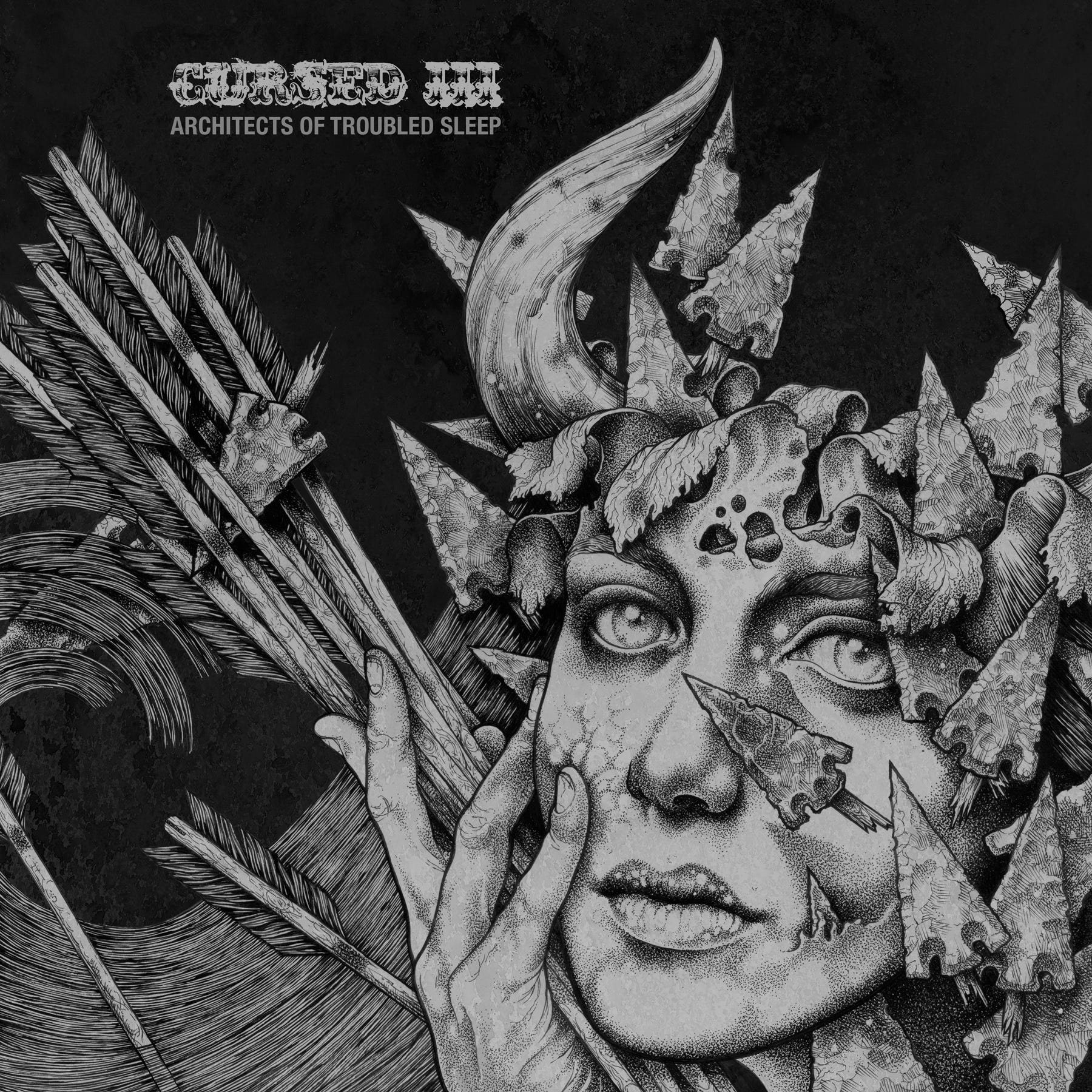
Just like Trap Them, Dead In The Dirt, His Hero Is Gone and a few other of their, erm, unstable peers, Cursed never really sounded like a band that could ever grow old gracefully, which is a big part of why ‘III: Architects Of Troubled Sleep’ (or any other of their previous albums, frankly) hits the way it does. There’s nothing tidy or reflective about it, no sense of a band reflecting upon its own legacy or trying to package things up neatly. It just sounds like four people getting even meaner, heavier and more hopelessly locked into their own universe of noise and violence. By 2008, plenty of hardcore bands were broadening their sound, slowing down, flirting with sludge or post-metal or whatever else was in the air at the time. Cursed did some of that too, but in their hands it never felt like evolution for its own sake. It felt like the natural next stage of a band whose anger had curdled into something slower, uglier and harder to shake off.
That’s why they’re still such a presence in the minds and hearts and turntables of all those who lived through their existence. Cursed, like those others that I’ve mentioned casually up there but were actually carefully chosen, were unique. They were still unmistakably a hardcore band, still carrying that blunt sense of urgency the band had from day one, but this album also has this terrible weight to it that makes the whole thing feel more exhausted and more vicious at the same time. The faster songs are all teeth and concrete, but the slower moments are where ‘III’ really gets under the skin. ‘Friends In The Music Business’ is one of those fucking sardonic, spiky songs that seems to actively resent your presence while it’s playing, and by the time you get to ‘Gutters’ at the end, the album has sunk so far into itself that it barely even needs vocals anymore. Chris Colohan has always been one of those frontmen who can make pure contempt sound weirdly articulate, but here even the band around him seems to be speaking the same language of total disillusionment.
And then, of course, that was it. Cursed imploded not long after, in circumstances shitty enough to suit the band’s general outlook on the world - they were robbed of their passports and all of their money while on tour in Europe, which Colohan described as a "bullet in the head" for the band - and while mostly everyone involved carried on doing worthwhile things elsewhere (check out SECT), there’s something especially frustrating about this being where and how the story stopped. Not because it sounds unfinished, quite the opposite, but because it sounds like a band who had just figured out how to make their music even more poisonous without losing any of its impact. Here’s one reunion that I am genuinely, unironically, desperately waiting to happen.
Inverloch
Distance|Collapsed
(Relapse Records)
2016
There was always something slightly ethereal about Inverloch, which was perhaps inevitable, given where the band came from. When half of diSEMBOWELMENT reappeared under a new name after all those years (itself an evolution of the initial idea, under the name d.USK, formed to playe old Trial Of The Bow and diSEMBOWELMENT songs), there was no realistic way all those obsessive fans of that particular cult, me included, weren’t going to hear that history in everything they did. To be fair, ‘Distance | Collapsed’ doesn’t exactly run from it either. The slow, cavernous but skewed death/doom that sounds like it’s being played by aliens, the sense of space that paradoxically only seems to heighten the claustrophobia, the constant feeling of falling down a vast and miserable abyss with each endless agonising riff, it’s all still there. But at the same time, and that transitional period playing old stuff as d.USK surely helped here, it also feels like Paul Mazziotta and Matthew Skarajew (essentially, as the carriers of the old band) were also fully comfortable as their own new entity, not like keepers of the legacy but as a band continuing a language they themselves had invented in the first place.
That’s why the album works so well, and also why it’s so frustrating that once again something as innovative and individual as this has again been left inactive after one album just like diSEMBOWELMENT before - except Inverloch don’t even get the pioneering kudos their first band did. It’s now been ten years since this album came out, with no further updates or news whatsoever, and honestly my only hope is that the guys will reappear again under another new name doing their usualy brilliant stuff in some new way we can’t even fathom right now. You’d be hard pressed to find a death/doom (generally speaking) album even close to this one since, and I’m not saying there haven’t been good releases within the genre. But as absolutely crushing as this is, of course, it isn’t only about the weight. It’s the parts that aren’t obviously heavy that really do it, the whole patient vibe of it, the way the songs stretch themselves out and let melody, atmosphere and sheer dread do as much work as the riffs themselves. These people have always known how to make heaviness feel intimidatingly vast rather than merely oppressive. Hopefully they’ll prove us they still can, soon.
Knut
Wonder
(Conspiracy Records / Hydra Head)
2010
What an amazing alternative heavy scene that Switzerland had brewing during the first decade of this century, with Division Records as the instigator for a lot of it. Zatokrev, Impure Wilhelmina, Kehlvin, Forceed, Unfold, Rorcal… and Knut, which were always my favourite of the bunch. It was almost like an European spiritual counterpart of Hydra Head (who actually released a bunch of Knut records too) and their related bands, but frustratingly, though several of them still remain active, these were mostly names that never quite got spoken about enough outside the circles that already knew them. It feels particularly unfair when you go back to an album like ‘Wonder’ and you get to hear how fully formed Knut already were by the end, how confident they were in the fascinatingly singular sound they sculpted throughout the years. There’s no grand final-album aura hanging over this, or course, no sense of a band trying to leave behind a monument or sum up a career. It’s just Knut sounding like Knut, and adding new elements to it, like they did on every album before. Ugly, tense, physical, and smart enough not to blunt any of that with unnecessary polish, as always, but also sprinkling weird melodies on it this time, adding further layers of psychedelia, and a renewed sense of space.
And that’s the thing that has always made Knut stand out so much, they never sat comfortably in just one lane of heavy music, even if the broad coordinates are easy enough to trace. There’s hardcore in the attack, obviously, and plenty of noise rock abrasion in the way the riffs scrape the insides of your skull, but there’s also that almost drunken sense of momentum that keeps the songs from feeling too rigidly metallic. ‘Wonder’ has loads of weight, but it isn’t “heavy” in the caveman sense of the term. It’s twitchy, mean, uncomfortable music, the kind that feels like it’s always dragging itself slightly sideways, never quite making it obvious how menacing it is until it’s too late for the listener to be prepared. That instability is a huge part of it. Even when the band move into a proper crushing groove, there’s usually some ugly little detail hanging off it, some rhythmic snag or a bitter guitar line that stops things from ever becoming too straightforwardly satisfying.
Despite my eternal love for 2005’s ‘Terraformer’, this one has kinda surpassed it to become the Knut record I keep coming back to the most, over the years. It feels like the point where all their best qualities were fully aligned: the physicality of hardcore, the ugliness of noise rock, the wiry, tense dissonance. Couple of years after this, though, the band announced an indefinite hiatus, though a few collaborations and reissues seemed to give hope they might return one day, but then life took a turn for the worse when frontman Didier Séverin passed away in 2023 - a brilliant artist taken away from us way too soon and effectively the end of Knut.
Negură Bunget
Tău / Zi / Zău
(2015 / 2016 / 2021)
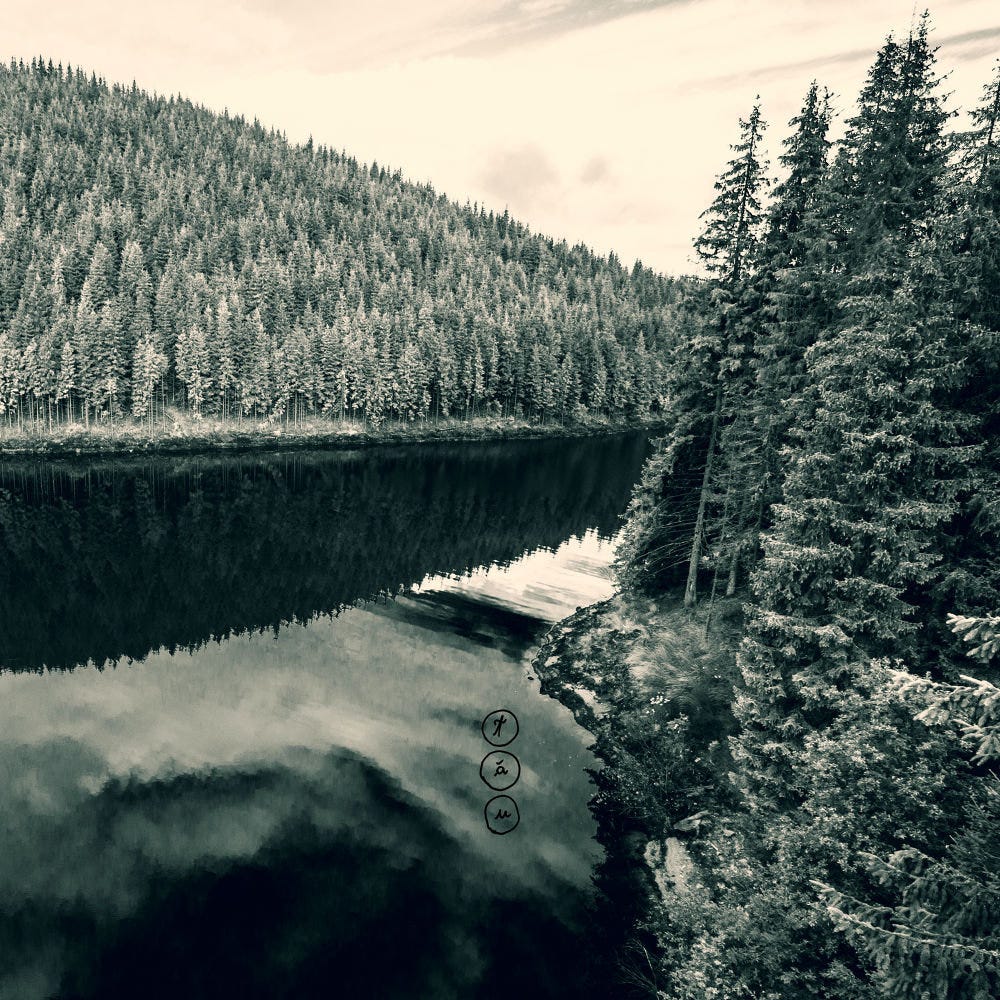
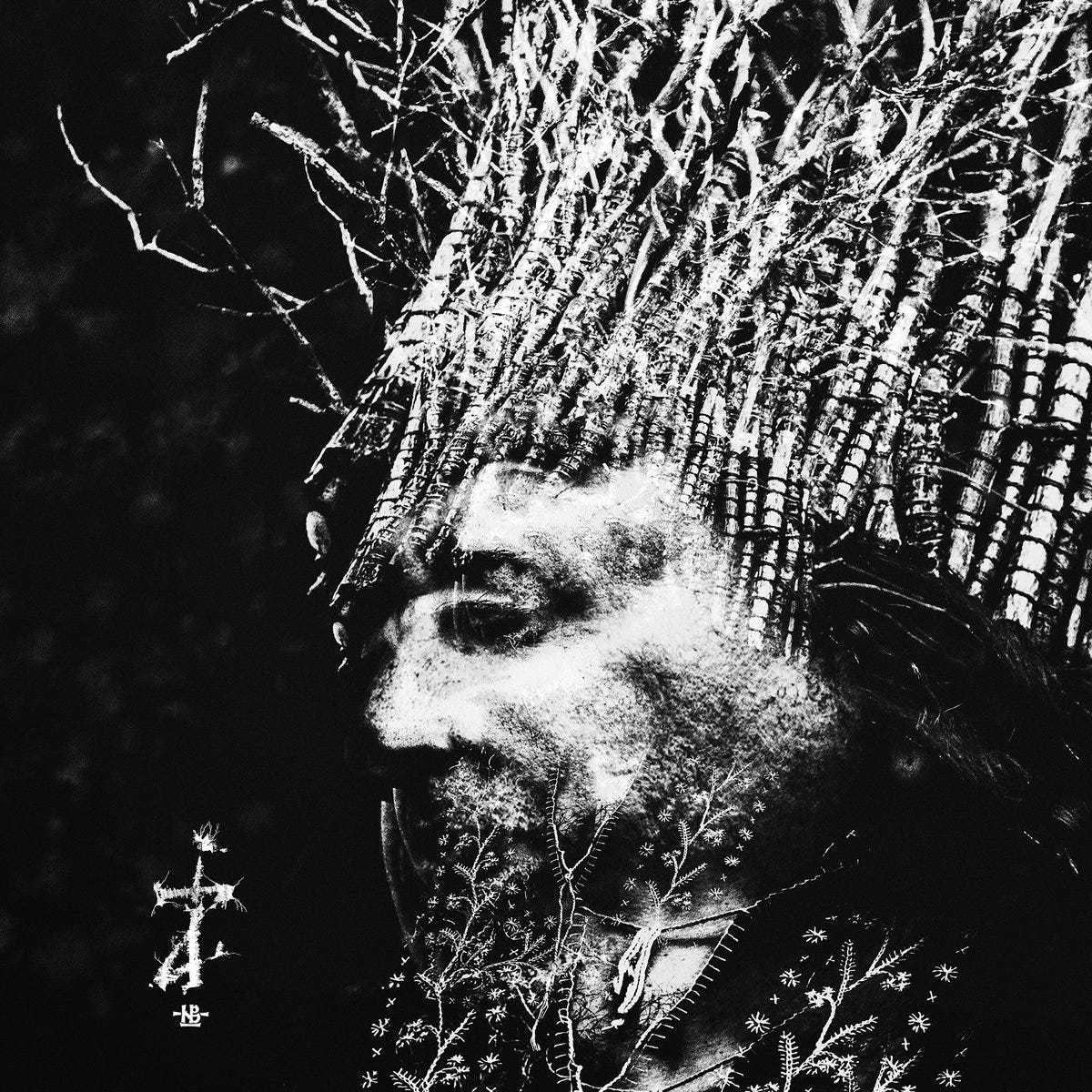
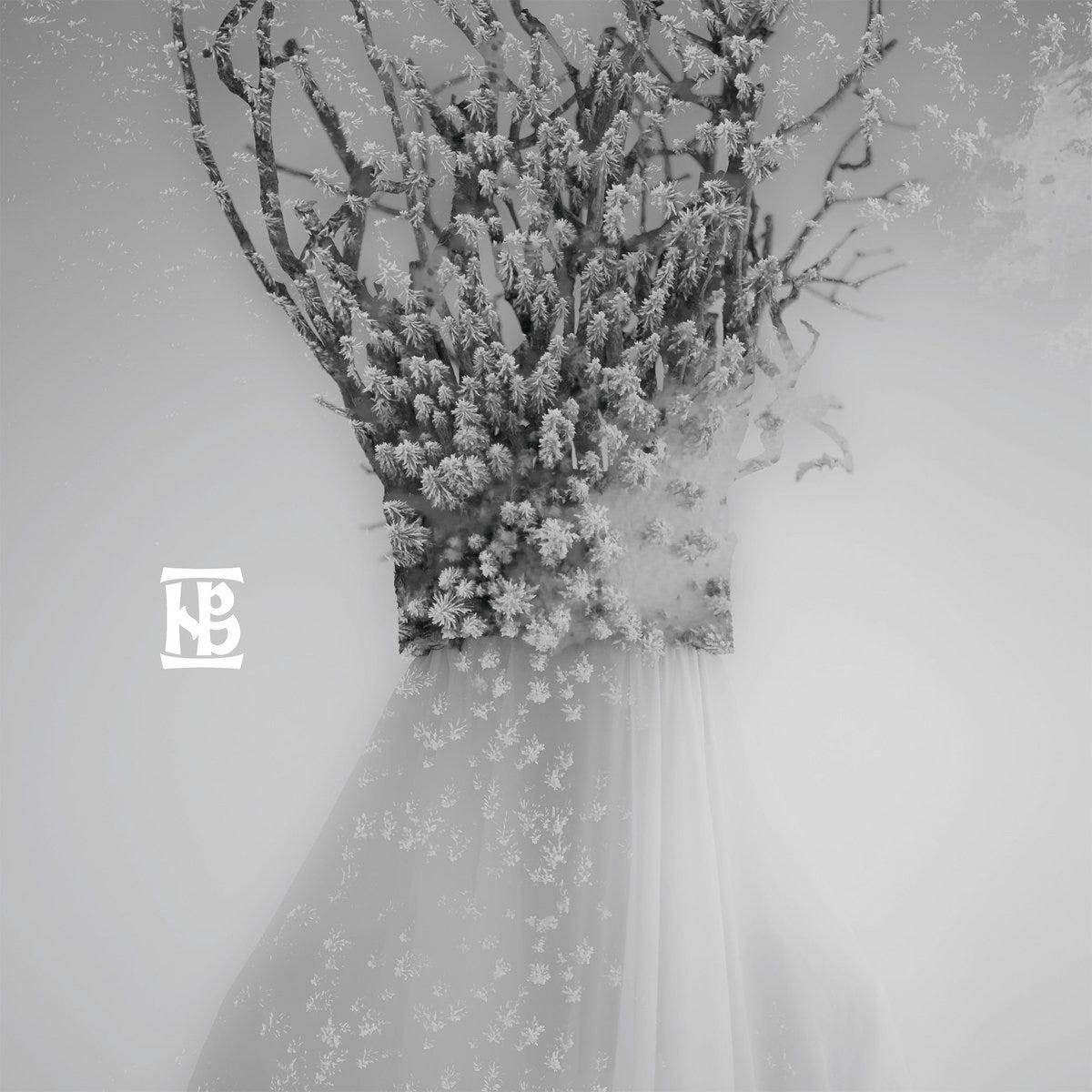
I’m not trying to be cute or anything by having three albums on this entry, it genuinely feels wrong to treat ‘Tău’, ‘Zi’ and ‘Zău’ as three separate entries in the usual album-by-album sense, because they clearly belong to the same larger thought. Also, even if they do constitute a beautifully crafted eulogy to the band’s roots that always were such an integral part of their art, I wish they wouldn’t be the final albums in Negură Bunget’s trajectory, only having become so because of the tragedy that was Gabriel “Negru” Mafa’s death before the final chapter could even be fully completed. However, even spread across several years, line-up upheavals and that final sad conclusion, this trilogy hangs together as one long and ambitious attempt to map not just a place, but its cultural history and the spiritual connections it holds, through sound. Though never as purposefully as with this trilogy, of course that, in a way, that’s an ethos that has always been at the heart of Negură Bunget even on their earlier, more clearly black metal albums, with the “classic” line-up before the big breakup of 2009. The reshufflings didn’t stop there, and when they entered this phase, they had already been through enough personnel uphevals to discourage any other band, but these records actually don’t sound burdened by any of that, as neither did Gabriel, if you ever got to spend some time with him. The man was as peaceful and serene as some of the most beautiful landscapes that are depicted through music in the trilogy. If anything, the flowing, uncluttered sound of these records feels like a result of the band narrowing its focus, stripping the project down to a very specific vision of the Transylvania region and pushing their language further into it.
As stated, Negură Bunget had always been more than “Romanian black metal” in the reductive sense of that term, but here, the folk instrumentation, the field-recording atmosphere, the ritual pacing and yes, also the black metal foundation (sometimes if only in spirit) all stop feeling like separate components that need balancing, and become part of the same flowing stream. ‘Tău’ still has something exploratory about it, all deep valleys and moving water and the physical pull of the landscape, while ‘Zi’ opens the picture out further, less tied to the earth underfoot and more concerned with what people do in it, the traditions, the gestures, the old spiritual residue still clinging to places. I was fortunate to visit Timișoara and its surrounding regions in the company of Gabriel at the time, to write a piece about ‘Zi’ before its release, and I can tell you that I’ve rarely heard a piece of music so magically in tune with the surroundings that inspired it. Then ‘Zău’, completed after the big man’s passing from the material he had already set in motion, darkens the whole thing again, as if the trilogy had finally reached the point where nature, ritual and myth all dissolve into the same shady mist. Taken together, they truly feel like one gradually unfolding world and that’s how I suggest listening, if you’re new to them.
It has been personally difficult for me to listen to these records over the past few years, but after a long time I did play the whole trilogy before writing this bit, and it’s amazing how this music feels “inhabited”. It’s not just a sterile collection of pieces about history or geography or sociology. It’s not just something that was performed or composed, it truly feels like there’s human presence in there, someone who grew up and understood the landscape and tried to preserve it and even reimagine it, without flattening it into the easy symbolism or clumsy patriotism that plagues so many of these exercises. That ‘Zău’ had to be finished in Gabriel’s absence only deepens that larger than life kind of feeling. It helps gives the trilogy an unavoidable, sad finality, yes, but more than that, it leaves behind the sense of a vision large enough that the people around him felt had to be carried to its proper end.
Psychotic Waltz
The God-Shaped Void
(InsideOut Music)
2020
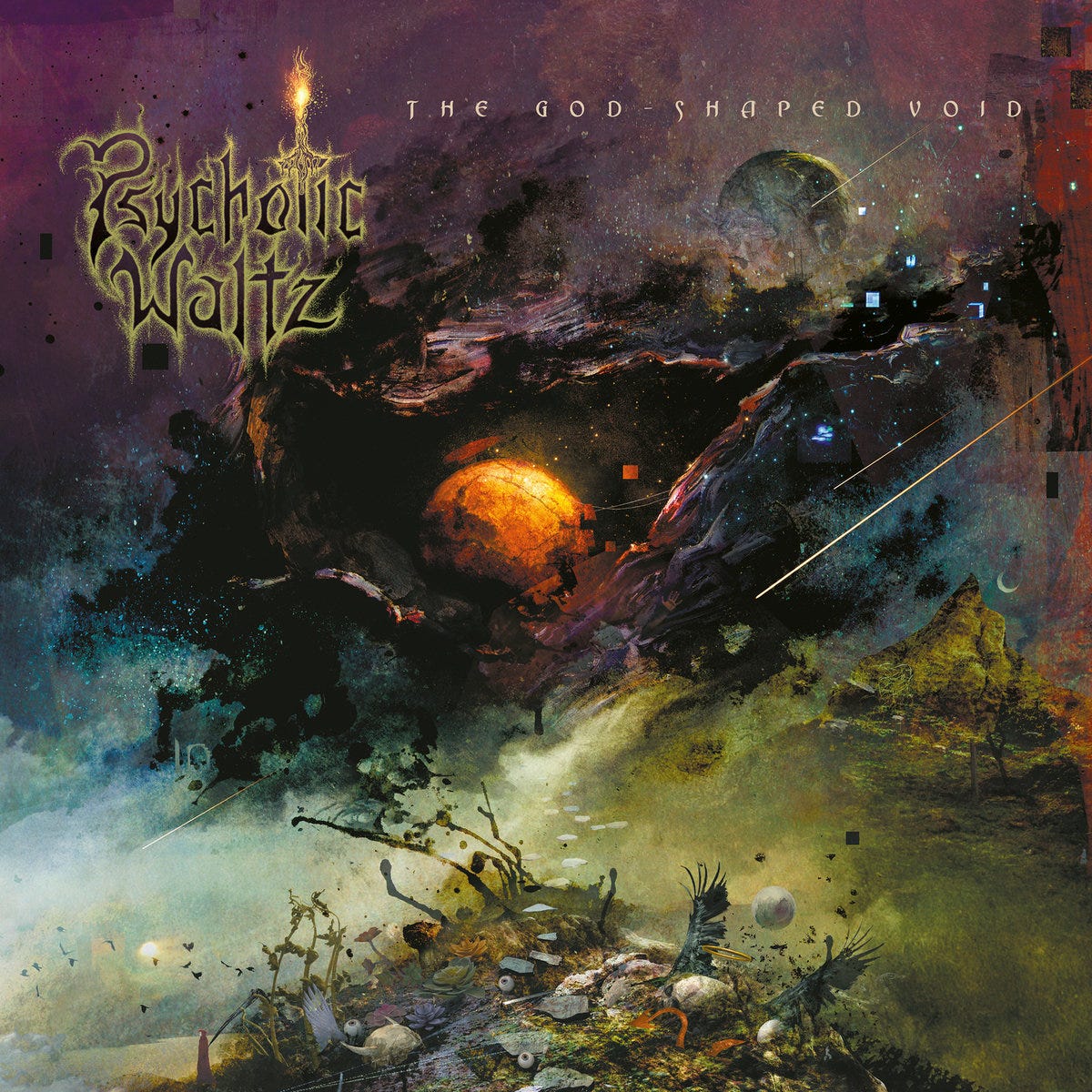
Comeback albums are typically awkward things. Regardless of the motivations for comebacks (you’d be surprised by a few “industry insider” stories about this stuff, I can tell you), this type of thing is often either burdened by nostalgia, or by the need to prove the band in question still matters. Sometimes by both at once. Psychotic Waltz, however, with the absolute class that has presided over their entire career, somehow managed to sidestep all of those traps with ‘The God-Shaped Void’. After more than two decades away, they didn’t return sounding desperate to recreate the wide-eyed strangeness of their early records, nor did they try to modernise themselves into relevance so much they lost track of who they were. They just sounded like Psychotic Waltz again, which is so much harder than it might sound. Sounding like Psychotic Waltz means a lot of things, like being thoughtful, slightly off-centre, melodically generous, and still clever enough to make progressive metal feel exploratory rather than merely technical. Without repetition, without fancy novelties just to be “new”.
That’s what I’ve always loved about the album, from the very first overexcited listen. It doesn’t rely on complexity for its own sake, even though the band could easily have gone that route, as they certainly have the chops. The genius of old Psychotic Waltz classics like ‘A Social Grace’ or ‘Into The Everflow’ was never simply just about “odd time signatures” or left-field arrangements or any of its specific technicalities - it was in the ability to make songs feel as though they were quietly slipping out of any known human shape while still remaining warm and relatable at the core. I know how stupid this sounds, but it really is a vibe more than anything else, and ‘The God-Shaped Void’ still has that. There’s plenty of detail in the playing, naturally, and enough harmonic curveballs to remind you who you’re dealing with technically, but the record’s real strength is in how unforced it all feels. Devon Graves still has that unmistakable voice, of course, simultaneously soulful and a little haunted, and the band around him expertly avoid sounding like veteran prog-metal lifers dusting off a legacy and really come across like vibrant musicians with a lot to say, who nevertheless still understand the peculiar chemistry that made them special in the first place.
It would have been easy for a late Psychotic Waltz record to rely entirely on affection, to be greeted warmly simply because it existed at all after so long. This is band that, when you love them, you really love them. None of us old time fans ever claimed rationality or objectivity when dealing with this music. But ‘The God-Shaped Void’ goes so more beyond that. It’s a genuinely strong record in its own right, one that understands maturity doesn’t have to mean smoothing away the weird edges, the risks, the honesty. If anything, there’s something moving about how comfortable the album is with its own pace, its own colours, its own sense of scale. It sounds like a band taking the opportunity to add a final, beautifully measured chapter to a career that ultimately didn’t need it, but whose followers are so happy they got it.
Now then, everyone here is alive and well and I’m not saying they won’t be able to surprise us with a little something in the future. But if you’re interested in hearing about how it is unfortunately likely that this will remain as Psychotic Waltz’s final album, as well as some awesome episodes about how it came to be, I heartily recommend a visit to our podcast episode with their guitarist, the great Dan Rock.
Quest For Fire
Lights From Paradise
(Tee Pee Records)
2010
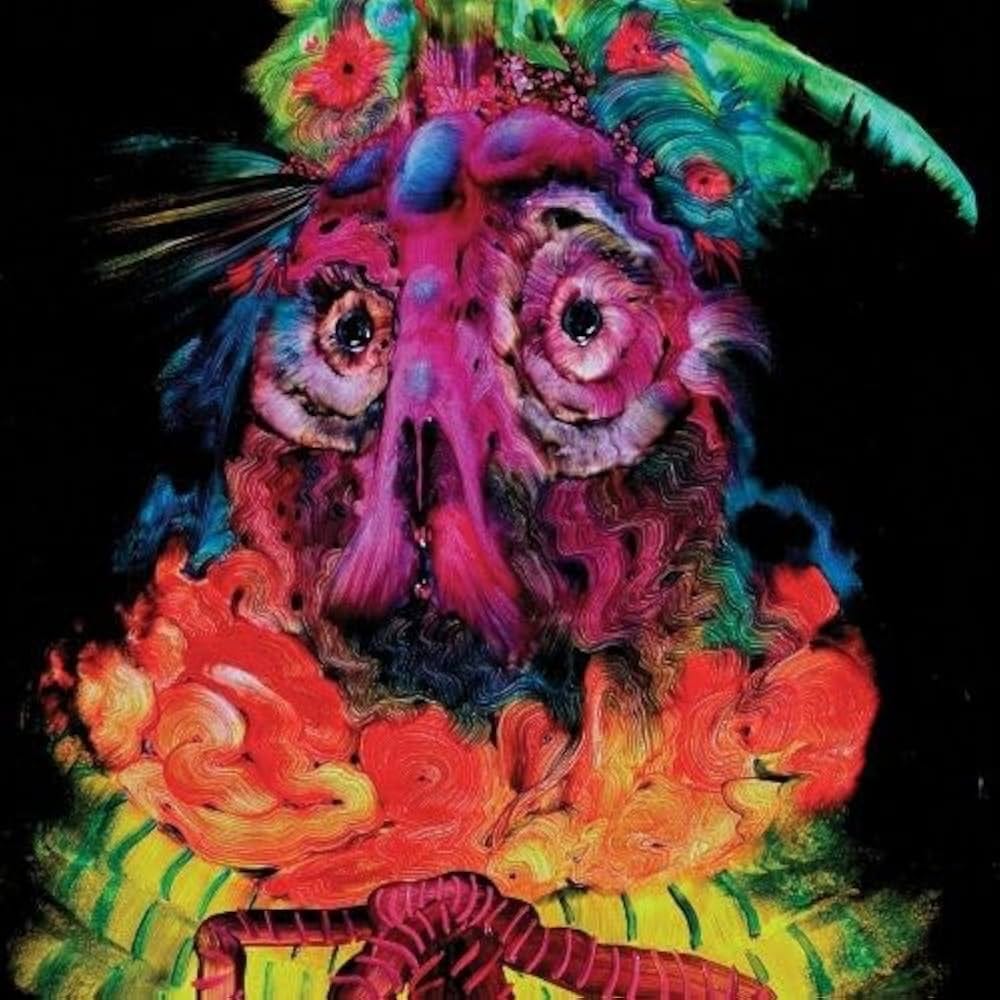
If ever a band fit the “underrated” tag, this is it. Even when I managed to see them live at Roadburn 2011, in the smallest room (the Bat Cave, which doesn’t exist anymore due to the rebuilding of the 013 venue a few years later), us 150/200 souls crammed in there, swaying to the hypnotic grooves of songs like ‘The Greatest Hits By God’, it already felt like a little private club, everyone kinda surprised that other people other than themselves were into this band. I guess Quest For Fire always felt like a band slightly offset from their own era, a curious mix of styles and approaches that gelled, unlikely, into something absolutely luminous for just a short while. Formed by guys from very different bands, Andrew Moszynski and Chad Ross of The Deadly Snakes, Josh Bauman of No No Zero and hey, Mike Maxymuik who jumped on the lineup after the end of Cursed (he gets two records on this list!), they sort of fit into the psych and/or stoner rock scenes by default, but never because they seemed particularly interested in being anything like their supposed peers in any way. Very far away from the nostalgia/revival aspect most of the bigger bands in those movements presented at that time (and still do, most of them), the band never settled into any the familiar shapes those tags tend to imply, especially on this, their second album, which even adds some orchestral elements to their sound, as compared to the self-titled debut. Quest For Fire always felt too loose and too exploratory to be pigeonholed anywhere. Though the songs usually repeat a familiar (and typically very catchy) motif throughout to keep you grounded, they’re constantly but very subtly going ahead in directions that feel totally free and unpredictable. It’s this very Wooden Shjips-ian mix of repetition and surprise that really captures the imagination, as if the songs are expanding outwards all the time. It’s music that understands the effects of that repetition and patience, letting ideas unfold at their own pace without a need to escalate or resolve them obvious ways. While there are also elements of post-rock in there, they’re almost the opposite of the whole crescendo-climax structure that dominates that genre. Even when the dynamics rise, it never really turns into “the big moment” kind of thing. It just keeps moving, slowly reshaping itself as it goes. And yeah, I know this explanation is going in circles a bit, much like a Quest For Fire song but way less captivating, but that just goes to show how unexplainable and unique - and therefore, hard to “sell” - this band really was. One of the “you need to listen to get it” types, for sure.
And then, after this, that was pretty much it for Quest For Fire. No attempt to turn the sound into a long-running identity, no seeing where this could end up, nothing. Just these two albums that captured a very specific atmosphere and then left it hanging there, unresolved, yet still very welcoming for all those who want to drift into their world.
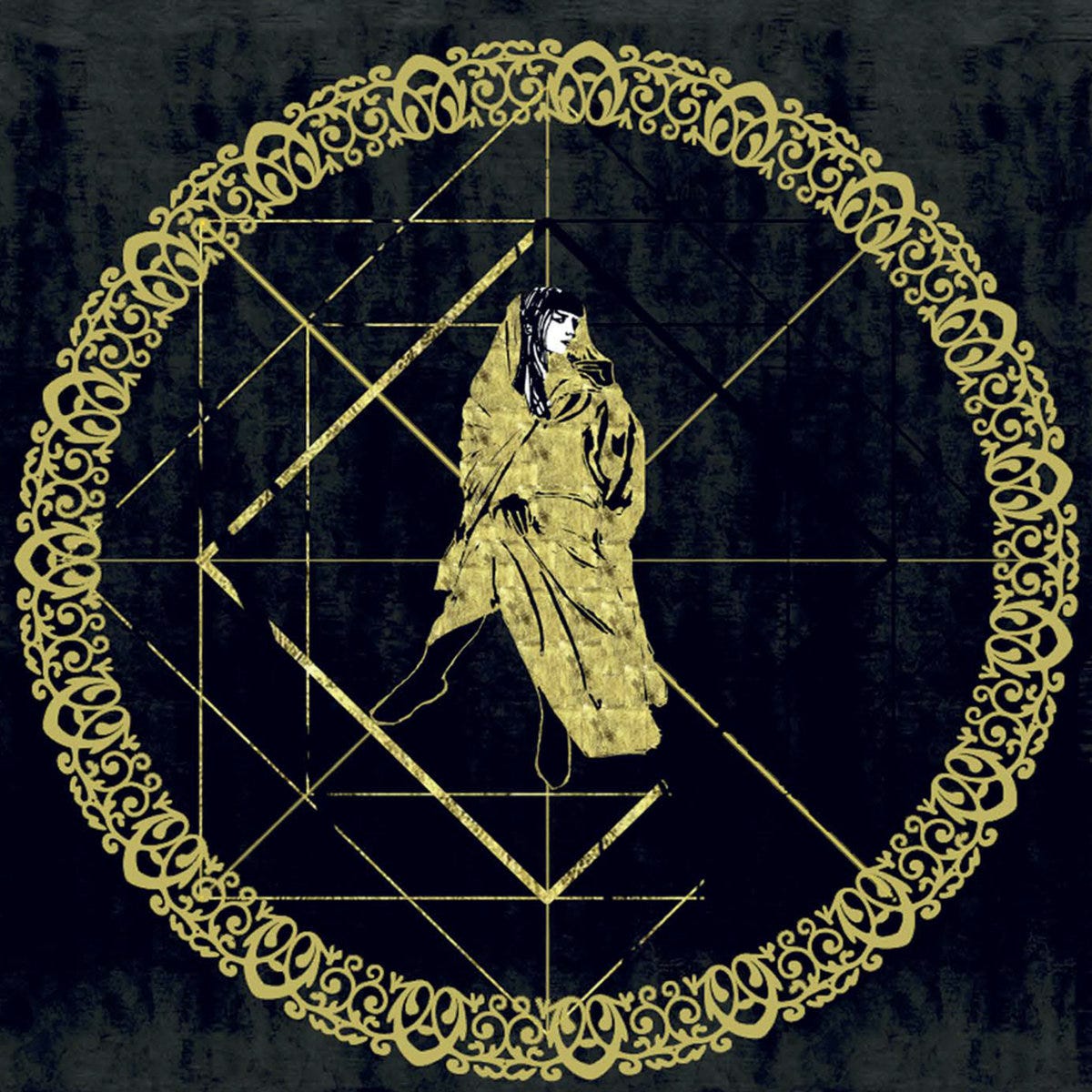
Rose Kemp
Golden Shroud
(12 Year Stretch)
2010
By the time ‘Golden Shroud’ was released, Rose Kemp had already moved through a few different musical identities, from folk-inflected songwriting into heavier, more experimental territory, but this album feels like the point where those strands stop feeling like stepping stones in a gradual evolution and really start feeling like a proper musical personality she had fully made her own. Which, considering her starting point - she is the daughter of folk legends Maddy Prior and Rick Kemp of Steeleye Span -, could have been a tricky process, as any descendent of a famous artist will surely tell you. Yet, none of Rose’s previous works, transitory to a bigger whole as they might have been, ever felt awkward or constructed, she has always been an artist whose work comes straight from her gut. Having had the good fortune to have seen a few of her amazing shows during this 2006-2010 period where she really got into heavier music, it was even more obvious on stage how real all of this music was. Actually, that’s part of what still strikes me most about ‘Golden Shroud’, how honest it is about itself, how unafraid it is of its immense weight, how naturally it carried that colossal burden. Not just saying this in terms of volume or heaviness in the conventional sense, but also the emotional weight of it, which it carries with agility through long phrases, stretched dynamics and a vocal delivery that never tries to smooth anything over. I would still describe parts of this as terrifying, precisely because of this naked, sincere approach to things.
There’s a great strain of folk-drone music going on right now in the underground, a few Irish bands in particular being quite great at it, but I’d point at this particular album as a major cornerstone of that wonderful genre deviation. Rose’s voice is obviously central to the record, but on this album - and this was a process that was gradually establishing itself throughout her earlier music too - it isn’t used in the usual way a “front voice” usually is in rock music. It doesn’t sit on top of the arrangements, rather becoming a part of them as it slithers around, sometimes cutting through cleanly, sometimes almost absorbed by the density around it. Even when it becomes abrasive or overwhelming, it never feels like it is doing so for effect, it’s never performed, it’s just following the logic of the songs wherever they need to go. That contrast between clarity and obscurity gives the album a kind of unstable beauty that is fully a part of its personality.
Though I threw the folk-drone term up there, as with most of Rose’s work, this record really doesn’t settle into any register that is easy to classify or even describe. There are passages that still crush with doom-adjacent weight, while others pull back into something more spacious and exposed, and most importantly, the real trick is that those two states are rarely kept apart. Those two states seem to exist on top of each other most of the time, a refusal to simplify its own identity that gives ‘Golden Shroud’ its staying power, even now after more than fifteen years of living with it.
In hindsight, it feels like a remarkably complete statement. Not in the sense of tidy closure or deliberate finality - I don’t know whether Rose already imagined stepping away from recorded music when she made it - but because everything she had been circling up to that point seems to crystallise here. ‘Golden Shroud’ doesn’t feel transitional, it’s a fully realised record that simply exists as it is. I suppose there are many worse ways to bow out than with a statement like this, but I’m still holding out some hope that Rose will feel the pull of the dark side once again and make this entry on the “final albums” list completely obsolete at some point in the future.
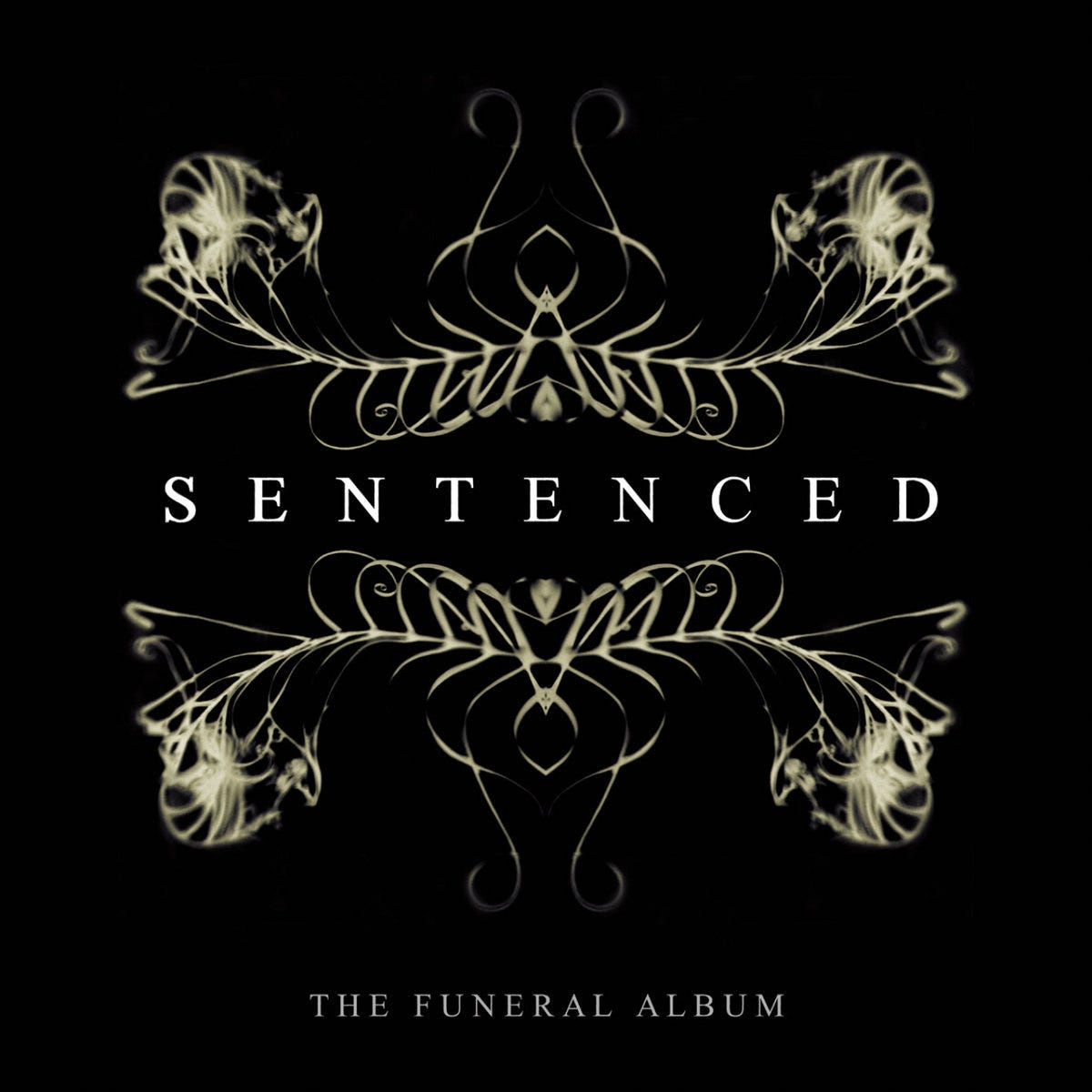
Sentenced
The Funeral Album
(Century Media)
2005
Much like Cathedral, Sentenced reached their last album with no ambiguity left about what it was meant to be. This was the end of the band, period, and despite the suicidal obsession that was always at the core of their concept, the finality of this album and its songs carried that extra weight of actually being the “funeral” of Sentenced. They ran with this idea as far as they could, even bringing a coffin to their last shows, a perfect conclusion of the gallows humour that was also always a part of their image. Despite the somewhat tongue-in-cheek nature of it all and the overblown seriousness that is so typically Sentenced, all of these feelings somehow seem real when you’re living through the songs. I was fortunate to attend their very last show, in their hometown of Oulu (the one that is captured in the ‘Buried Alive’ DVD), and I can tell you there wasn’t a dry eye in the house during most of the show. When the “snow” started falling during ‘No One There’, I felt like I was losing a close friend myself, that’s how affecting this band and this music could be. Though I don’t think they would ever have reformed anyway, on top of all this, the death of Miika Tenkula in 2009 cast a much darker and more real shadow of actual irrevocability over this album, and for those of us who lived through all this stuff, it’s actually a hard listen sometimes.
And maybe that’s part of why Sentenced have always felt a little misunderstood outside their own devoted following. From a distance, it’s easy to reduce them to another gloomy Finnish metal band from the ‘90s, all melodrama and death-obsession. But ‘The Funeral Album’ is a good reminder that what made them matter was never just the aesthetic. It was the beating heart of the actual music underneath it, the songwriting, the strange ability to make even their most overblown fixations feel painfully human and, dare I say it, beautiful. I was reminded of that recently during a festival car ride when I put on this album and the other three passengers suddenly started also belting it out word for word. Sentenced inspire that kind of loyalty: not casual appreciation, but the sort of devotion usually reserved for bands that made people feel understood at exactly the right time in their lives.
So, as much as all of us obsessives would have loved Sentenced to carry on (and not just us - I interviewed drummer Vesa Ranta once and he confessed he never wanted the band to end back then either), it is also true that ‘The Funeral Album’ seems to take this version of the band to its logical conclusion. The songs are direct, often strikingly melodic, but always carrying that familiar sense of emotional exhaustion that Sentenced had made their own ever since they shifted from death metal to their very particular brand of “dark metal” back in 1996 with ‘Down’ and the arrival of Ville Laihiala on vocals. Also, similarly to Cathedral, it’s impressive how “controlled” it all is, for a final album. Surely the temptation for excess or emotional overflow was there, with an album that was designed as a goodbye from the beginning, but Sentenced don’t really do that here - in reality, it’s almost like they have toned down that aspect of theirs for the sake of elegance and poignancy. Of course the lyrics all deal with their usual themes of loss, farewell or closure (‘Her Last 5 Minutes’ might be literally difficult to bear all the way through, for instance), but the music itself stays relatively contained, almost disciplined. The contrast between that restraint and the subject matter is a big part of what gives the record its impact. It doesn’t try to break down in front of you, it just keeps moving forward, track by track, until it stops, at the ‘End Of The Road’.
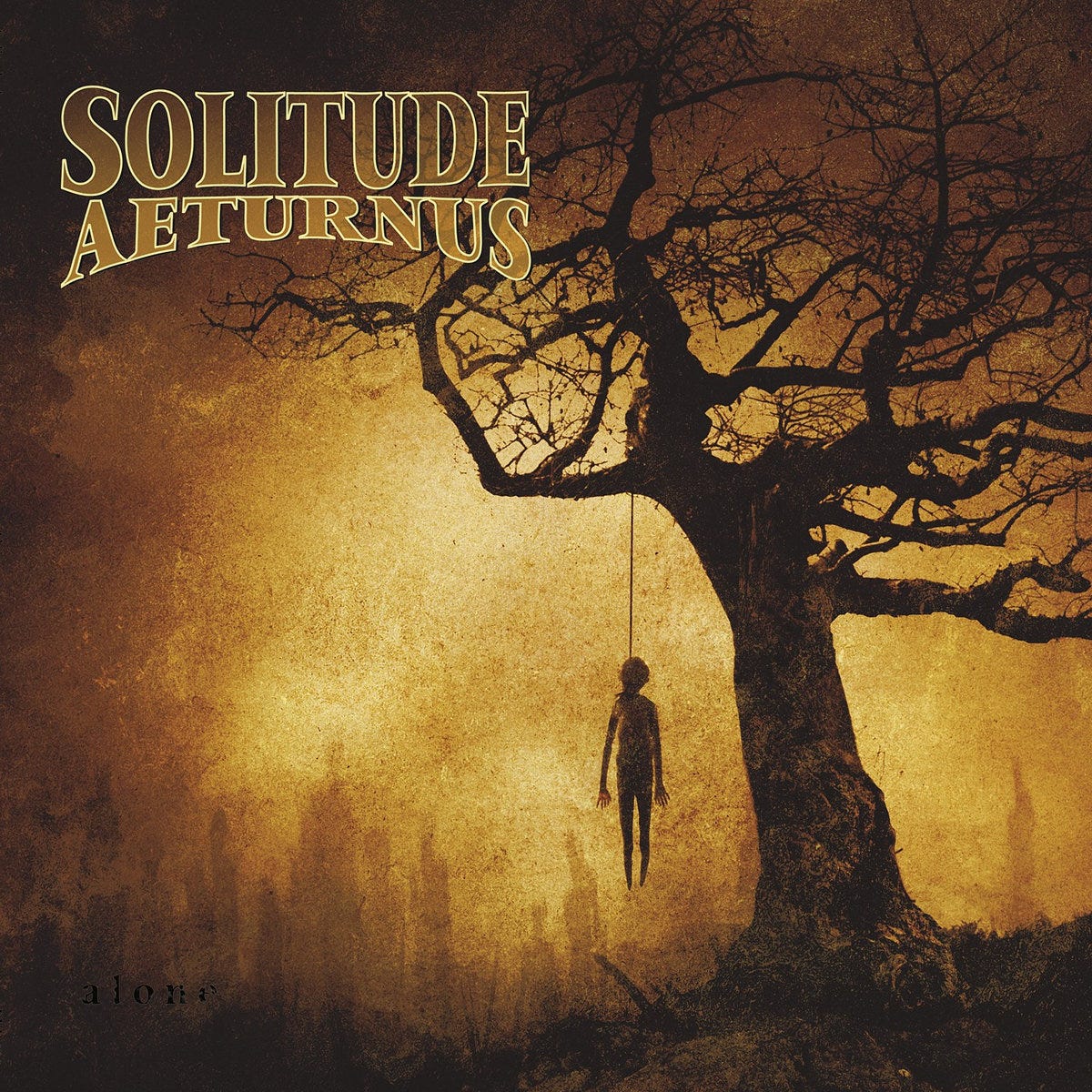
Solitude Aeturnus
Alone
(Massacre Records)
2006
Solitude Aeturnus are universally hailed as legends, and rightfully so, perhaps the most important band besides Candlemass to have defined what epic doom metal is (among other things), but naturally those considerations are focused around their early work, how it shaped not only that particular strand of doom, but the whole genre itself. However, and this is where the “underrated” part comes on, ‘Alone’ is very rarely a part of any conversation about the band. Which is understandable up to a point. As a sort of outlier, their only album of the 21st century, released after the biggest gap - eight years - between albums of their career (well, apart from the one we are on now, hah!), I get it that it’s difficult to have a proper historical framing around it. There’s no sense of it being “seminal” or “foundational” like the early part of their discography, plus there’s also the “uncool” aspect of praising a band’s sixth album, something that in metal seems to matter a lot sometimes. Even the band itself hasn’t featured any songs from it on their recent live shows, having returned after a long time of absence from the stages. ‘Sightless’ was fortunately on the setlist of their first comeback show at Hell’s Heroes 2024, but since then it has amounted to a grand total of zero ‘Alone’ songs on their shows.
Revisiting it with a clear head, though, it’s hard not to feel that it deserves to be spoken about on its own terms. What stands out immediately is how confident it sounds. There’s no hesitation in the writing or performance, no trying to recapture an earlier identity. Instead, ‘Alone’ feels like a group who have fully internalised their own language and are now using it with maximum clarity. The riffs are still unmistakably rooted in that slow, melodic but rousing doom tradition Solitude Aeturnus helped establish, but they feel more direct here, less concerned with weight for its own sake and more focused on shape, movement and a strong emotional line. Even at its heaviest, there’s a surprising openness in the way the songs are constructed. Also, crucially, Robert Lowe’s vocals are not only central to that effect as usual, but I would go as far as stating this is his best performance ever. There’s a particular kind of authority and conviction in his voice that has never really relied on theatrics, but on feeling. He carries the emotion rather than pushing it, letting the phrasing and his naturally beautiful vocal tone do most of the work. Take the chorus of ‘Tomorrows Dead’ for instance, where a relatively simple wording like “Give me breath / Give me love / Give another day / Don't let me fade” becomes both a desperate plea and a soulful mantra by strength of his delivery alone. And on ‘Alone’, that approach feels especially well matched to the material. It isn’t a record that tries to overwhelm the listener with grandeur. It’s so much more about sustaining a mood, holding a line of feeling steady, and the incredible vocals become the anchor for that.
Take the historical weight out of things, and this album has to be considered as one of the most musically complete things the band ever did. There’s less of the early “arrival” excitement energy here, obviously, but also less of the constrictive framing that tends to come with that. There is, however, a band working at full strength within a style they had long since mastered, and doing so without needing to overstate their importance. It just is nothing more than it needed to be - a late, quietly assured, dark, but immensely rich and long-lasting Solitude Aeturnus record, one that vastly rewards being heard on its own level rather than as an appendix to what came before. If it really is to be their last (goddamn you, guys), it is a fitting, gloriously sombre way to bow out.
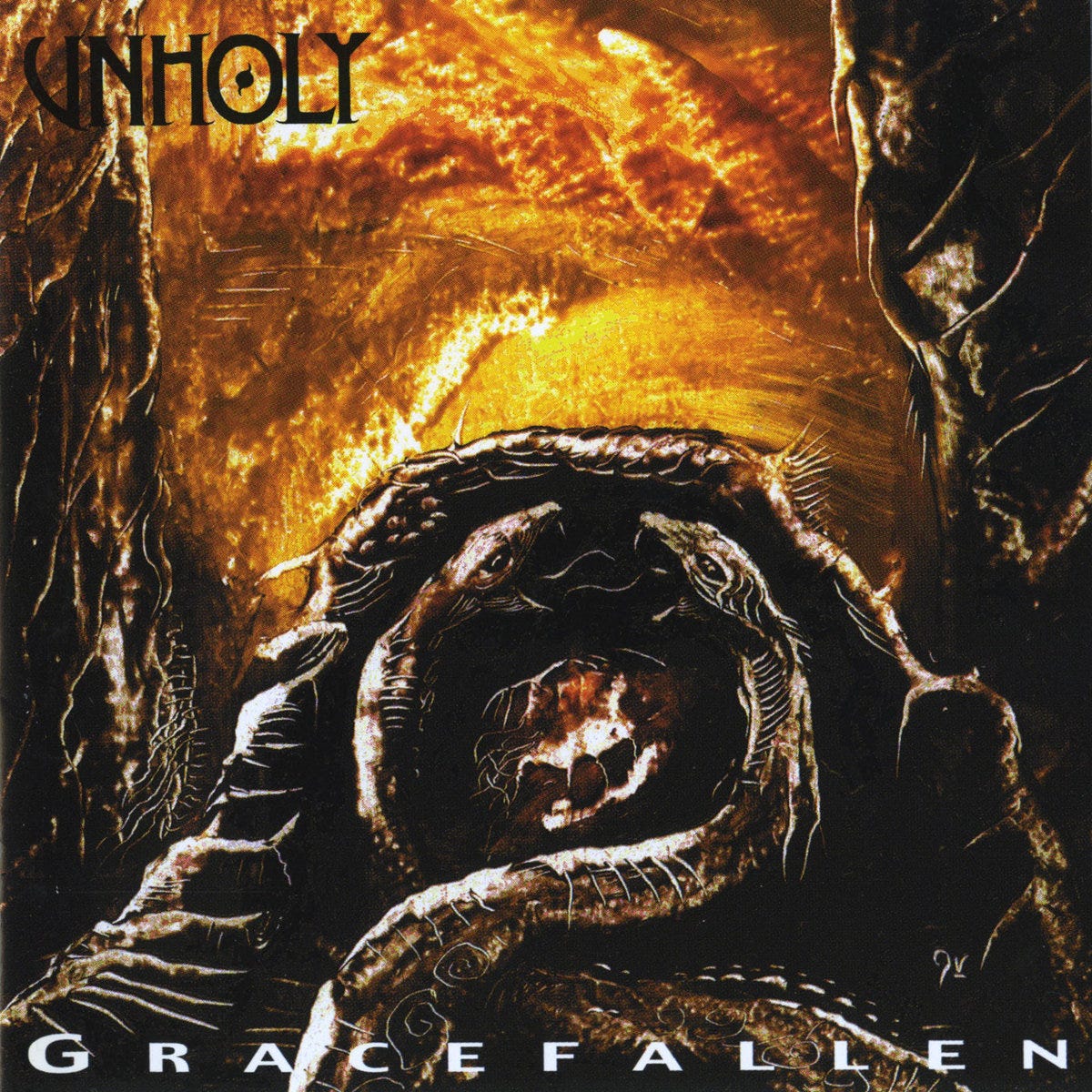
Unholy
Gracefallen
(Avantgarde Music)
Similar to several other bands that came out of the Finnish death metal scene of the early ‘90s, there was never anything obvious or even stable about Unholy. We tend to keep them in the doom shelf because sure, some parts of their earlier albums have contained some of the most miserable and uncomfortable death/doom of sorts ever recorded, but just like Rippikoulu, Xysma or Demilich, other anomalies that crowd spat out that always lived in their own little isolated planets, the entirety of their career is just impossible to accurately slap a sticker on. Looking back now, it seems almost ludicrous that they went through ‘From The Shadows‘, ‘The Second Ring Of Power‘, ‘Rapture‘ and ‘Gracefallen’ in the span of seven years (1993-1999), so different they are from each other. There isn’t even necessarily a path through them - an “evolution”, to be fancy about it - that makes particular sense, but by the time they reached ‘Gracefallen’, that sense of being slightly out of step with everything else around them had only become more pronounced. While it doesn’t lean as heavily on the more extreme, even “blackened”, qualities of their earlier work - a shift already noticeable on ‘Rapture’ - that doesn’t make it any less distinctive. If anything, it feels like a different kind of final clarity.
It’s hard to pick apart why this sounds so skewed and so alien other than going by vibes, but you know I do like my vibes tangents by now, so screw it, why not? Because taken individually, some of the parts of the album might even sound uncomfortably pedestrian to modern ears. The guitar tone is not especially “necro” or super chunky-heavy or anything, it’s only mildly distorted and half the time they’re not even worried about writing proper riffs, it sort of just drones along like a funeral procession, making the music feel like it’s floating above (or below). Pasi Äijö’s vocals are distinctly death metal with no concern for finesse or subtlety, despite the music often feeling as though it ought to call for something more spectral or subdued, but his pairing with Veera Muhli’s ghostly chanting actually really works well. Though this was the first time she sang on an Unholy album, Veera also kept the keyboardist post she had taken for ‘Rapture’, and her Skepticism-lite type of church organ approach is yet another element that twists the album into unfamiliar territory.
Through this description you might imagine a full and embodied sound, but that’s really the thing, what ‘Gracefallen’ most inspires is emptiness. There is a strange kind of absence that sits in your mind while you’re listening to it, as if notes are missing somehow, a void of sound that only a few other anomalies of the time like Dolorian were ever able to recreate with this expertise. I’m not sure how consciously all of this was built into the music, but that’s ultimately what sets Unholy apart from the throng: this strange restraint, this rough vacuum at the centre of the sound, right down to the flimsy production. It makes everything uneasy, like it’s hiding something just out of earshot, as if it’s haunted, even if on this album the unease is indeed quieter by comparison, more internalised, less about rupture and more about lingering afterimages. But then, speaking of conscious intentions, there’s little details like the gorgeous, luminous solo that ‘Daybreak’ ends on, for instance, and you can’t imagine stuff like this being something that wasn’t meticulously designed. Whatever the intentions were, anyway, it’s genius. It’s music that is constantly aware of its own fragility. That tension gives ‘Gracefallen’ a strange emotional depth: not dramatic, not overtly expressive, but persistent.
In retrospect, as much as it pains me to say it, it also feels like a fitting place for Unholy’s story to end. Not because it neatly summarises what came before, but because it distils one particular aspect of their identity and lets it hang in the air without resolution. There’s no sense of closure imposed on it, no final gesture designed to underline importance. With the number of times they split and drifted back over the years - right up to that apparently final 2012 attempt, after which they simply declared “hats are off” and disappeared again - this eternal, unexplained emptiness seems absolutely appropriate.

Want to help us, our collaborators and the bands we cover keep the lights on, and get an exclusive tote bag to show for it? Become a paid subscriber of TDM and we’ll send you one, free postage worldwide. Also, never miss a post again (‘cause you’ll get ‘em in your inbox) and access our subscriber-only posts, namely the coveted Bandcamp Basement feature. You get a free trial if you want to test the waters first. And of course you can just be a free subscriber forever, sans bag or subscriber-only posts, but you’ll get the inbox action anyway. Your call. We love you all the same. Get on it:
Join our new Whatsapp channel for another source of immediate updates and direct links.
Comments
Nothing yet. Say the first thing.
Sign in to join the conversation.