
My first serious design job was working for a fair, and it left a lasting impression. Making changes from year to year can feel like steering an ocean liner, nothing can happen too quickly.
Preparation for the next edition happens the moment the previous show ends: the exhibitor sales, floor planning, attendee lists, press strategy, budgets, partnerships, the endless decisions. You work all year for a week-long event.
I’ve spent enough of my career in and around fairs to know that the most interesting part is often not the event itself, but the people behind the scenes making it all happen.
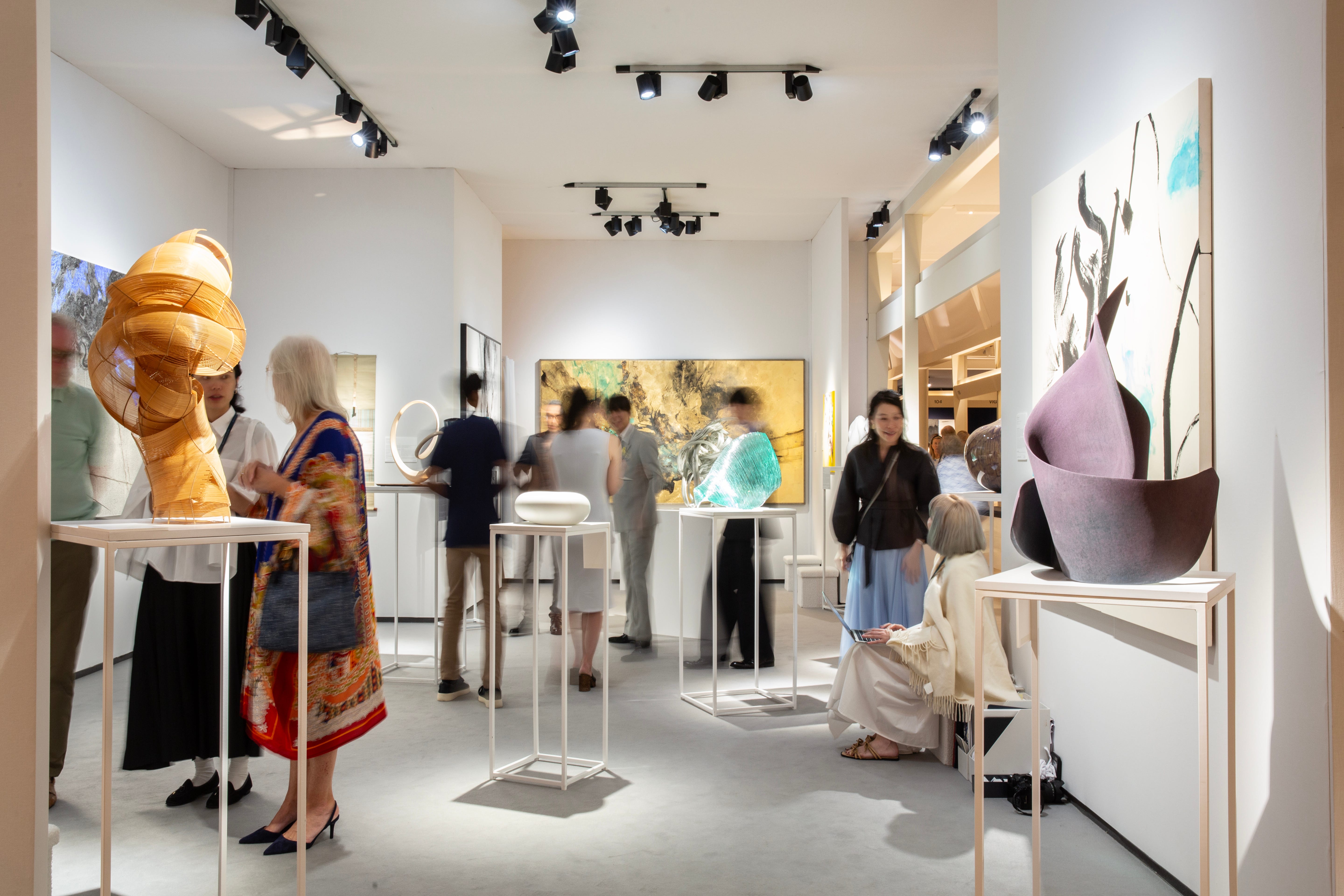
With London’s Treasure House Fair, the “behind the scenes” is particularly interesting because the fair is operating between two identities at once: it is new in name, but not new in context. Its arrival followed the cancellation of Masterpiece London, the cross-category fair, after its owner MCH Group cited rising costs and fewer international exhibitors. Treasure House has since stepped into that London summer slot, carrying forward parts of Masterpiece’s world, while working to define what comes next.
The fair itself brings together fine art, antiques, design, jewellery, books and objects across periods and categories. But what interested me most was the team behind it: a group of women who appear to have been given a rare degree of autonomy in shaping what this fair can become.
I spoke with Polina Usenko, Exhibitor Manager; Michalina Franasik, Communications Manager; and Dorothea Meath Baker, Associate Director, about the work of building a fair from the inside. With the show returning to the Royal Hospital Chelsea from June 24 to 30, I asked each of them how Treasure House is balancing inherited credibility with the work of building something new.
Polina Usenko, Exhibitor Manager
Polina Usenko has been with Treasure House Fair since its first edition in 2023. As Exhibitor Manager, she spends much of her time speaking directly with dealers, galleries and specialists.
TDR: Treasure House brings together objects across many periods and categories. From an exhibitor's perspective, what makes that cross-category model compelling now?
PU: One of my favourite things about the fair is watching somebody arrive with a very clear plan and then completely abandon it. They come in looking for a painting and leave obsessed with a piece of silver. They spend twenty minutes discussing a rare book with a dealer they’ve never met before. Somebody who collects contemporary design suddenly finds themselves staring at Japanese bronzes.
I think people collect more freely than they used to. People are building homes and are collecting more instinctively. For exhibitors, that’s exciting because their audience becomes much larger than those immediately interested in their field. Some of the best conversations happen between people who have absolutely no business talking to each other.
TDR: Treasure House is in an unusual position: it has the standards, setting and expertise of an established fair, but the identity and momentum of a newer one. How do exhibitors respond to that balance, and what has helped build trust around the new fair?
PU: Treasure House is one of those things that is simultaneously new and not new at all.
The name is new. The tradition of art fairs in London is one that began in 1934 with the Grosvenor House Fair, continued through Masterpiece and somehow survived wars, recessions, Brexit, Covid and prevailed against predictions that people would stop wanting to look at beautiful things in person.
Quite a few of our exhibitors have been part of that story for years. Some are second or third-generation dealers. There are people at the fair who can tell you where their stand was in Grosvenor House in the 1980s. There are collectors who remember buying from the same dealer forty years ago.
Trust comes from that continuity. Fairs are ultimately made of relationships and memory, and we have inherited a great deal of both.
The other greatest advantage is that the art at the fair is really good, and people can see that.
TDR: How do you think dealers’ expectations of fairs have changed in the last few years?
PU: Dealers have become less interested in activity and more interested in meaning.
Nobody needs another crowded room. Nobody wants to come home exhausted with a tote bag full of business cards. Dealers are asking much harder questions now: Who is actually coming? Who will I meet? What conversations are likely to happen?
The economics of fairs have also changed. Shipping is more expensive, customs and sales restrictions are tighter, and everybody’s time feels more precious. If you’re going to transport a 50,000-year-old mammoth skull across Europe, or fly in from Indianapolis with a group of paintings, there has to be a reason beyond simply being seen.
What hasn’t changed is that people still want to look at things in person. The art world constantly predicts its own digital future, and then somebody finds themselves standing in front of an object they’ve only ever seen in books and remembers why fairs exist.
Michalina Franasik, Communications Manager
Michalina Franasik is a Polish art professional whose work bridges decorative arts, antiques, design and contemporary art. Active in both the British and Polish art scenes, she is engaged in photography, the Polish avant-garde and contemporary artistic practices.
TDR: Many fairs are still marketed in a fairly conventional way: exhibitor lists, highlights, press previews, VIP days. What do you think a fair’s communications strategy needs to do differently now?
MF: All of these elements are crucial. However, I believe they need to be approached in a more personalised way. When exploring the displays of a fair today, visitors are not just looking for a simple introduction through a list of categories: dates, periods, dimensions, valuations. They want to experience each object as a myth: understand why a piece is exceptional, why it matters, why someone might have chosen to acquire it, collect it or write about it.
In a world where consumers have become exhausted by constant promotional offers and informational overwhelm, marketing is becoming increasingly personal. Instead of simply consuming images, people want to connect with and resonate with the stories behind the objects they encounter. They are looking for context, expertise and human narratives that allow them to relate to what they see.
The challenge is to create a strategy that resonates across generations. It should combine clear, informative messaging with more approachable, engaging and visually dynamic content. While some audiences seek depth and scholarship, others respond to personality, storytelling and a sense of discovery. The most effective communication balances both, making art and design accessible without compromising on expertise or quality.
TDR: Are there any brands, events, publications or cultural spaces outside the art fair world that have influenced how you think about Treasure House’s communications?
MF: I have always admired Ralph Lauren’s marketing campaigns. It is a global brand that is already firmly established in people’s minds, yet it continues to invest in storytelling rather than simply promoting products. I believe this can be achieved even without a large budget or extensive equipment. Ultimately, it comes down to having an eye for beauty, a strong narrative and a creative vision.
What I find particularly compelling is the way the brand connects itself to places, culture and lifestyle. Ralph Lauren represents an American interpretation of elegance, but its campaigns go far beyond showcasing clothing. Whether set in New York, London or elsewhere in the world, they display all locations through a cinematic lens. The result feels less like advertising and more like watching a beautifully crafted short film.
Personally, I have never been drawn to products photographed against a plain white background. I am far more interested in campaigns that are created by genuine creatives, filmmakers, photographers, stylists, writers and artists, who understand how to build an atmosphere and tell a story.
That is something I have tried to recreate, on a smaller scale, through my work with Treasure House Fair. Rather than simply presenting objects, I have always wanted to showcase the people behind them. I enjoy visiting exhibitors in their galleries, capturing behind-the-scenes moments from their daily lives, and sharing the stories that shape their expertise and collections. For me, those human narratives are often just as fascinating as the works themselves, and they help audiences build a deeper and more meaningful connection with art, antiques and design.
TDR: What is the biggest misconception about fairs like Treasure House and how are you trying to challenge that?
MF: I think one of the biggest misconceptions about art fairs is that they are somehow exclusive, and that if you’re not “posh”, whatever that may mean, you are not welcome. In reality, everyone is welcome, whether you’re a serious collector, a student, an emerging professional, or simply someone who loves art and wants to learn more.
My own journey with Treasure House Fair began three years ago when I was still at university. It was one of my first visits to an art and antiques fair, and I was amazed by how much I learned simply by being there, looking closely, and speaking with exhibitors. The knowledge, passion and generosity of the people I met left a lasting impression on me.
What I particularly love about the fair is that there is no need to rush. You can spend time with a piece, ask questions, return later for another look, take photographs, and continue conversations throughout the day. It’s as much about discovery and learning as it is about collecting. You can enjoy the experience with friends, meet fascinating people, and perhaps find something that sparks a lifelong interest.
Dorothea Meath Baker, Associate Director
Dorothea Meath Baker is Associate Director of Treasure House Fair and has worked with the fair’s founder since 2019. After what she describes as a somewhat misplaced couple of years studying physics, she transitioned into arts events. Her motivation is rooted in a deep interest in heritage and conservation, though her day-to-day work focuses on the often unseen elements that bring a fair to life, from construction management and design to digital systems.
TDR: How do you balance heritage and reinvention, preserving the trust and expertise associated with the fair model while keeping the experience current?
DMB: Staying true to our heritage and the expertise offered by our exhibitors is the foundation of the trust people place in us as a fair. If we lose that, we lose the fair and what it stands for.
Being current for us is less about reinvention and more about how we present ourselves and communicate with audiences, both new and existing. We have to think about how people experience the fair as a place and as a moment in their summer calendar, not just as a marketplace for art. This is where elements like the hospitality experience or even our online presence become more important. This is how we engage with our audience and create experiences that feel “now”.
We aren’t interested in reinvention for the sake of it or chasing a trend. Our focus is on the relationships that form the heart of the fair. The key for us is finding ways to present them that feel relevant, engaging and welcoming.
TDR: What does success look like for Treasure House Fair now, not just commercially, but culturally?
DMB: In basic terms, success looks like our exhibitors doing good business and coming back year on year to exhibit with us. But while that is essential, for us culturally speaking, success is becoming a staple in the summer calendar.
We like to say in the office that we’re “perfectly placed between Ascot and Wimbledon,” and that is genuinely where we see ourselves and want to be: as widely known and culturally significant as those two fixtures in the British summer.
That’s the ambition. We’ll see what the future holds, but that’s the dream.
Thank you for reading.
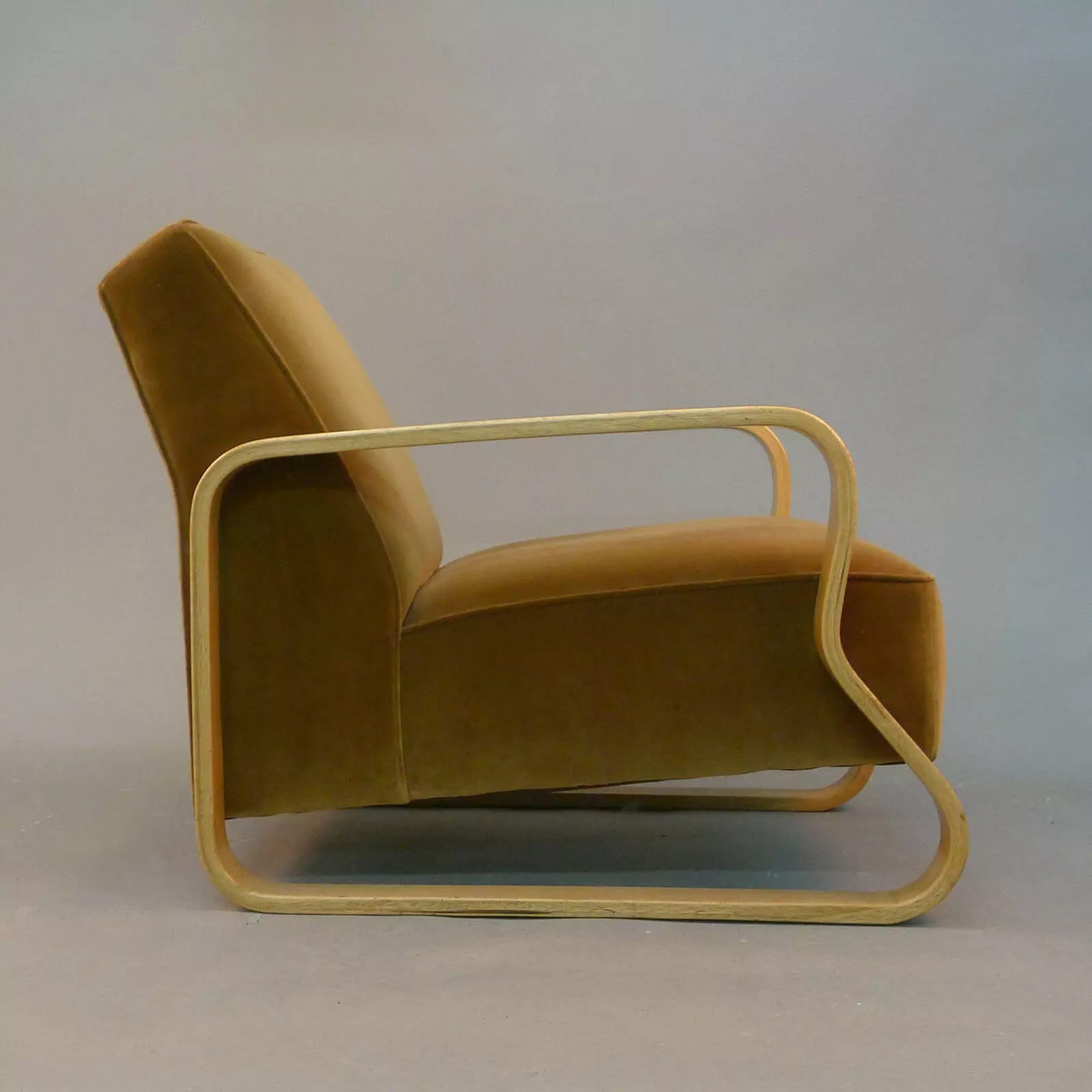
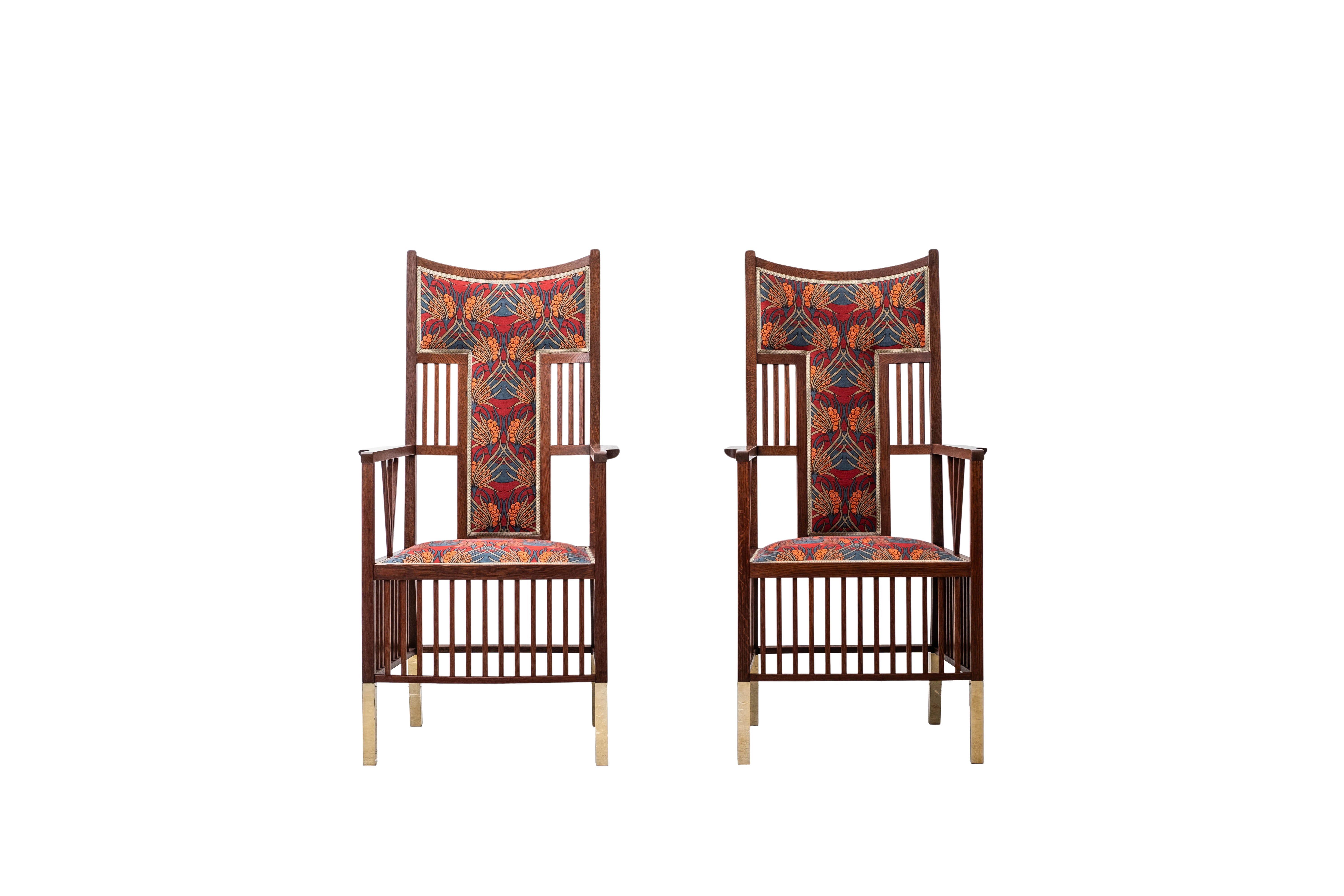
If you’re planning to visit Treasure House Fair, our contributing editor Esther Kroes Weizman, founder of WEIZ&CO, will be leading curated design tours through the fair, with a closer look at selected galleries, collectible design, furniture, and the decorative arts that are much better understood in person.
Tours take place on Friday 26 June from 12–1 pm and Saturday 27 June from 3–4 pm, with an additional members-only tour on Thursday 25 June. Tickets include access to the fair. More information available here.
See you next month!
Julia
No posts
Comments
Nothing yet. Say the first thing.
Sign in to join the conversation.