
Most people think about lighting last. Let’s start thinking about it first.
Before you dig in, I like to share what you can expect to see in this post:
How we think about lighting: how it affects our nervous system and how to layer accordingly (free-subscribers)
The exact steps we take when starting to build our electrical plan as interior designers. Including questions to ask your client, contractor & architect to set you up for success (paid-subscribers)
Hand sourced decorative lighting from our favorite sources, curated by our design team. Everything from table lamps, sconces, pendants, and statement chandeliers (paid-subscribers)
Next post, we’ll be focusing on cans, where to consider electrical shades, and the most beautiful wall plates
No matter how gorgeous the furnishings are, lighting is what you actually feel the moment you walk into a space. It sets the entire mood and is what differentiates an “ok” space, from a “timeless” one.
Here’s the shift we want you to make: lighting is ARCHITECTURAL, not decorative! It should be one of the very first things you plan, not the last.
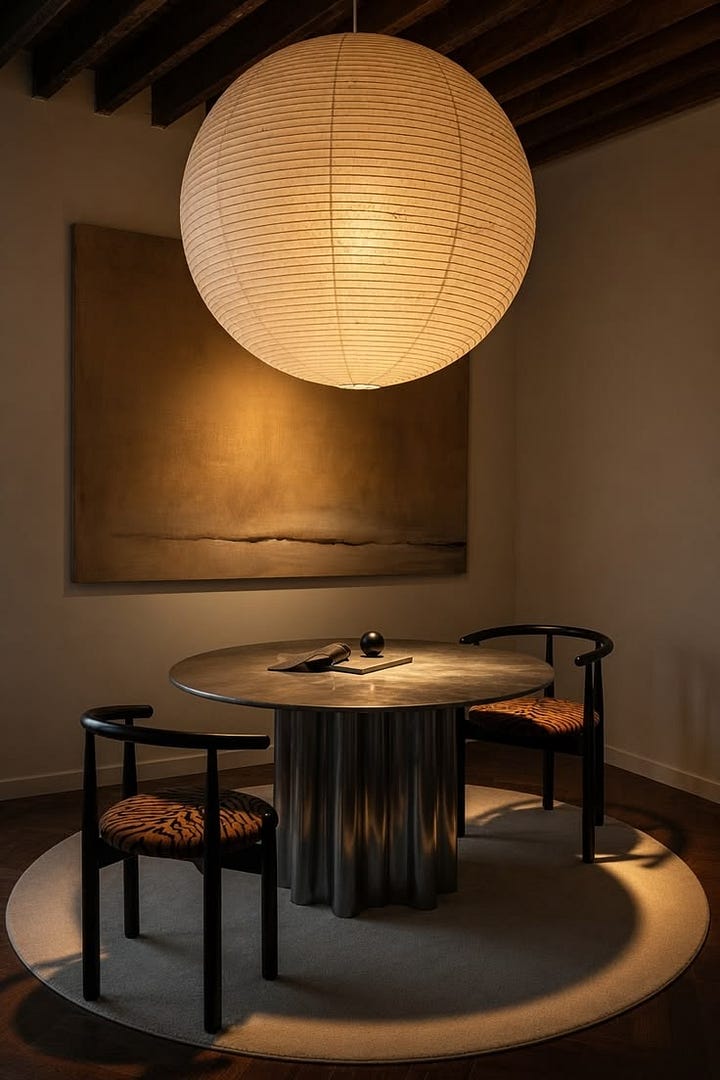
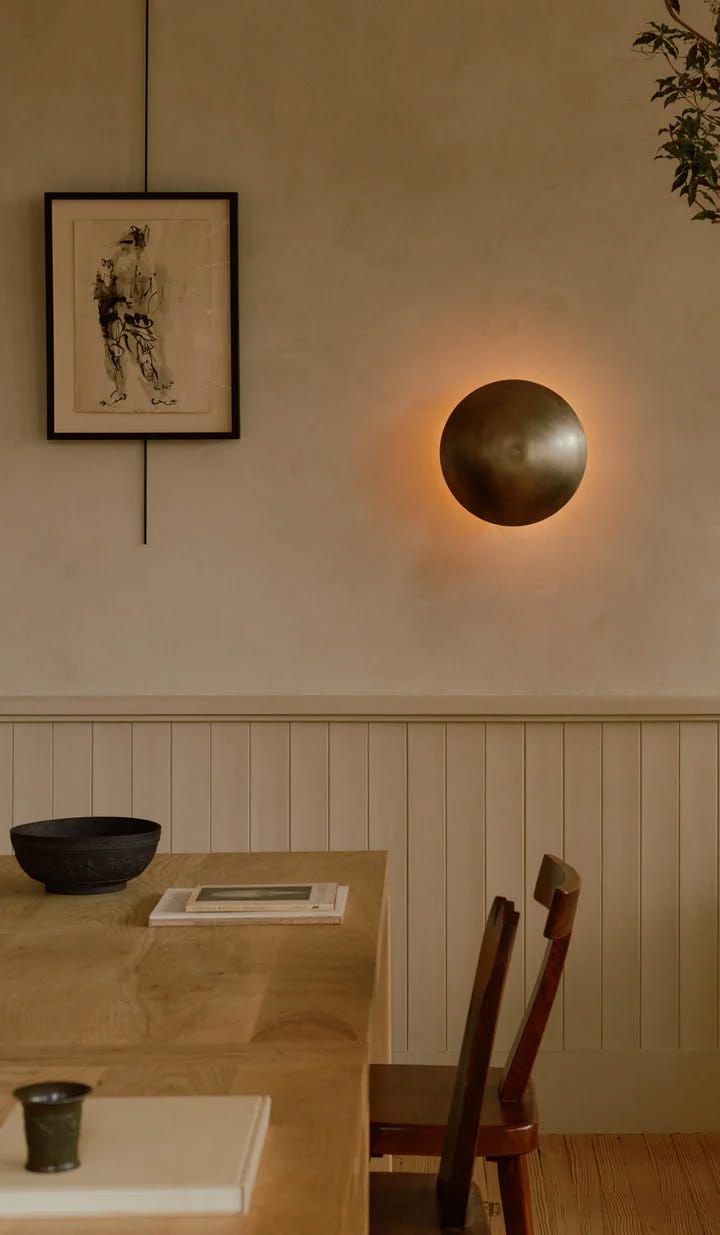
An important portion that no one talks about is the nervous system. Light doesn’t just change how a room looks it changes how your body feels. Our internal clocks are wired to respond to light. Bright, cool, blue-toned light signals “daytime, stay alert,” which is great in the morning and terrible at 9pm. Warm, dim light in the evening does the opposite: it tells your body it’s safe to slow down and wind toward rest.
So when your whole house is lit with bright overhead light at night, you’re quietly keeping your nervous system switched “on” in the exact place that’s supposed to help you switch off. The right lighting warm, layered, dimmable turns your home into a place that actually helps you rest. That’s not a luxury. It’s one of the most powerful (and overlooked) tools you have for how you feel at home.
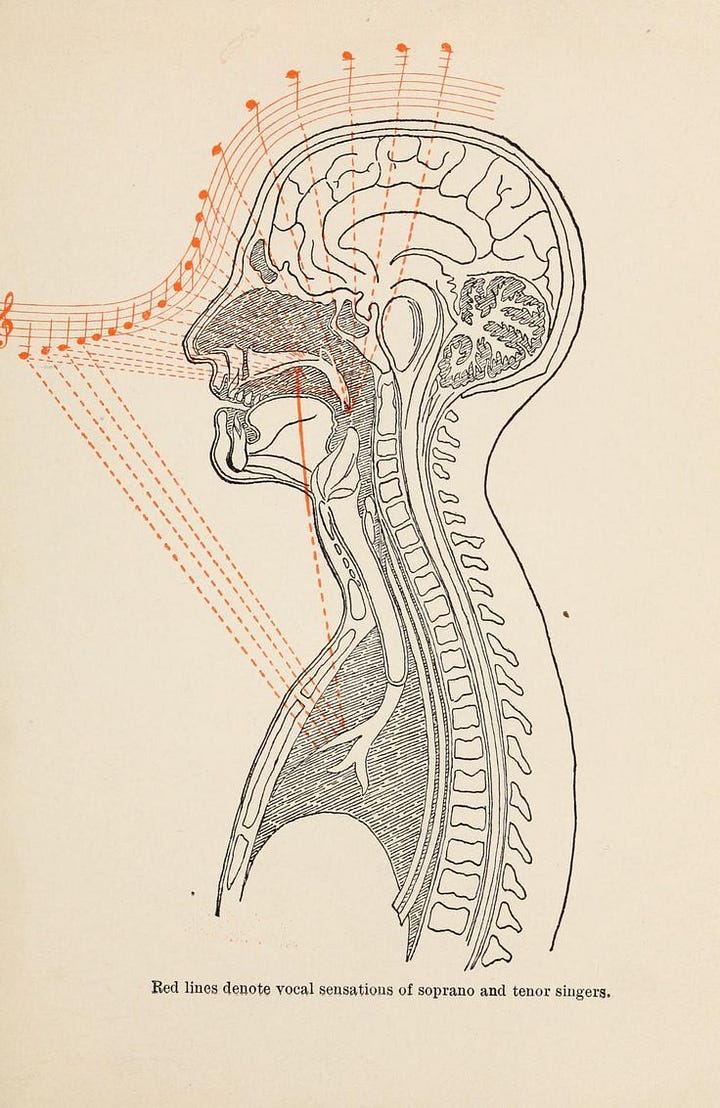

When you plan lighting at the beginning, you get to make decisions that are nearly impossible to fix later:
Where the wiring, junction boxes, and switches actually go before the walls close up.
Putting everything on dimmers (non-negotiable)
Layering your light sources at different heights instead of relying on one harsh fixture in the middle of the ceiling.
Designing for the way you’ll really live in the room reading in that chair, cooking at that counter, winding down at night.
Retrofitting good lighting into a finished space is expensive and limiting. Designing it in from day one is what makes a room feel effortless.
THE LAYERS (AND WHY THE OVERHEAD CAN BE THE ENEMY)
A single bright light in the center of the ceiling is the fastest way to make a room feel like an office. Instead, we layer and pic your hero elements in each room. (more on this under the paywall below)
The goal is multiple low, warm sources at different heights, all on dimmers. That’s the difference between a room that feels like a hotel lobby and one that feels like a sanctuary.
WARM LIGHT CHANGES EVERYTHING
If you take one thing from this: pay attention to color temperature. Cool, blue-white light (the kind in most big-box bulbs) reads harsh and clinical. Warm light: think candlelight, golden hour is softer, more flattering, and instantly more inviting. When you’re buying bulbs, look for a warm color temperature (around 2700K or lower), and put them on dimmers so you can bring the whole room down in the evening.
NOW: the electrical plan & the decorative fixtures.
As designers, we spend hours sourcing lighting that’s genuinely well-made and worth the investment, and we’ve pulled together the exact pieces we come back to again and again. They’re all below.
Comments
Nothing yet. Say the first thing.
Sign in to join the conversation.