
Some of our clients have what we’ve coined as “wallpaper trauma”, and honestly, we understand where it comes from. For a lot of people, wallpaper is tied to a memory of a grandparent’s house: a little outdated, a little musty, and overdone in a way that never quite felt cohesive. We’ve had clients literally shudder at the idea of putting it anywhere near their walls, and we get it.
Here’s the thing, though: wallpaper isn’t for everyone, and that’s okay. But it’s picked up a bad rap without anyone stopping to see how far it’s come, and just how much it can actually do (in some cases with little to no patter at all, but all texture & depth).
To see how we have styled wallpaper in some of our high-end interior design products visit our site: Shand Design.
Below, we’re diving into our process, how we actually think about wallpaper, and most valuable of all, our resource list, so you’re not left Googling and drowning in a sea of Wayfair options.
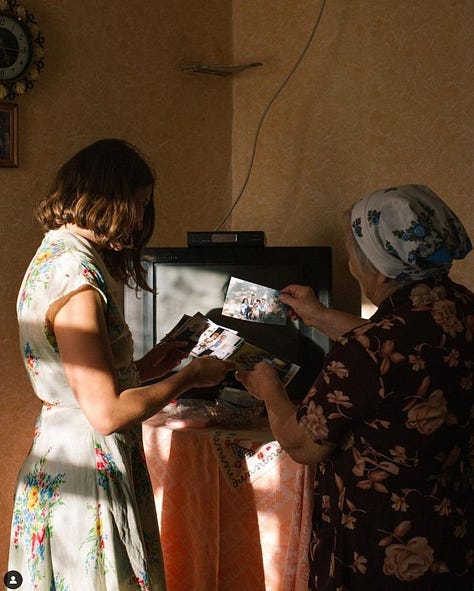
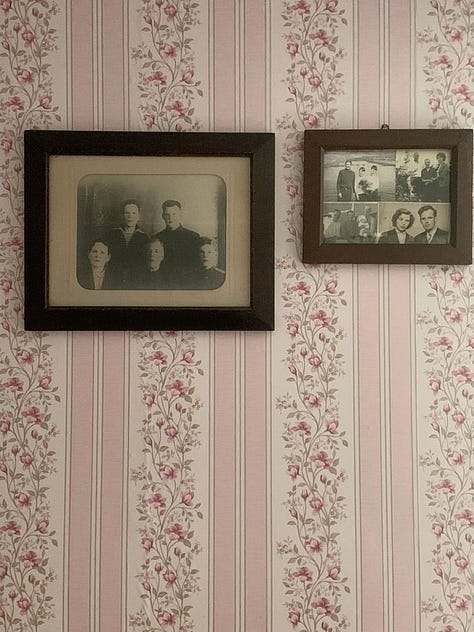
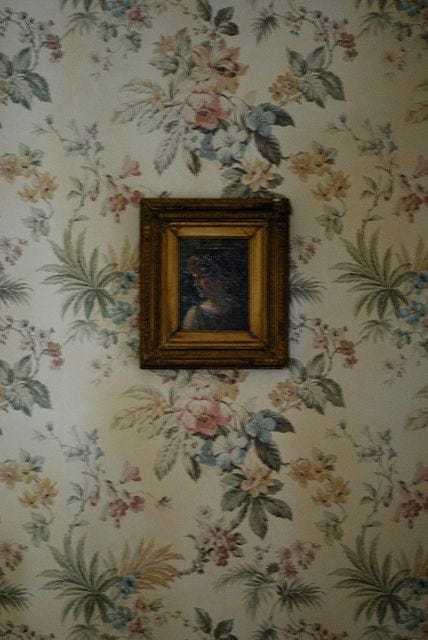
Grandmas house can be romanticized by some, and daunting to others.
If the word alone makes you picture peeling floral borders and a pattern you’d be stuck with forever, stay with us because wallpaper is in the middle of a full-blown renaissance, and it’s one of the fastest ways to make a room feel finished, collected, and expensive. Designers are specifying it more than they have in years (residential wallpaper use is up nearly 50% since 2023), and the reason is simple: people are tired of plain WHITE walls. They want depth, warmth, and personality, the things paint alone can’t quite give you.
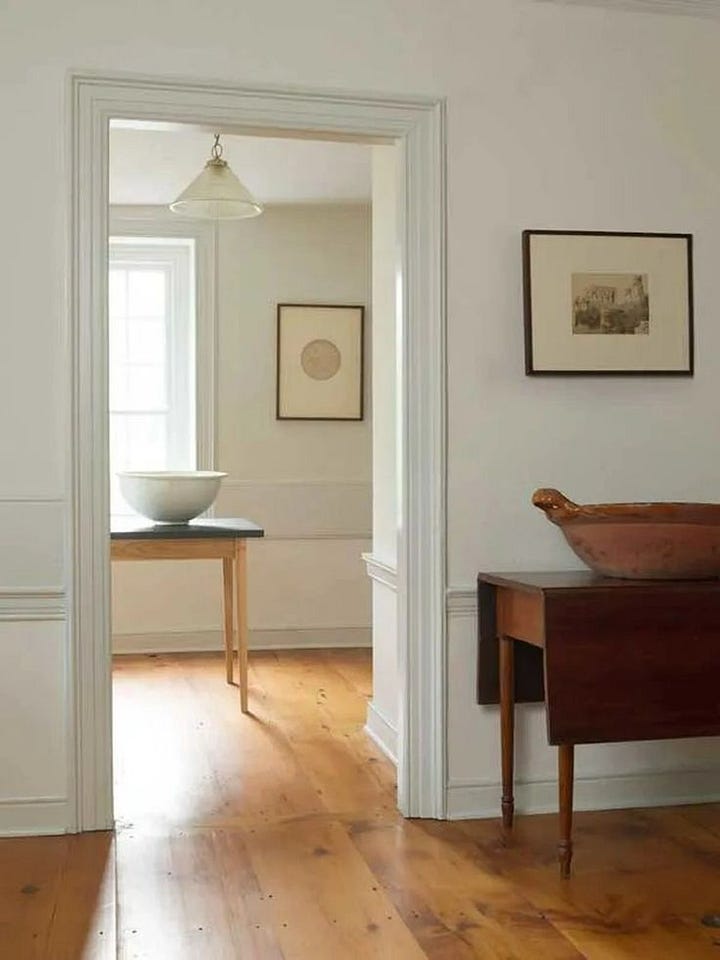
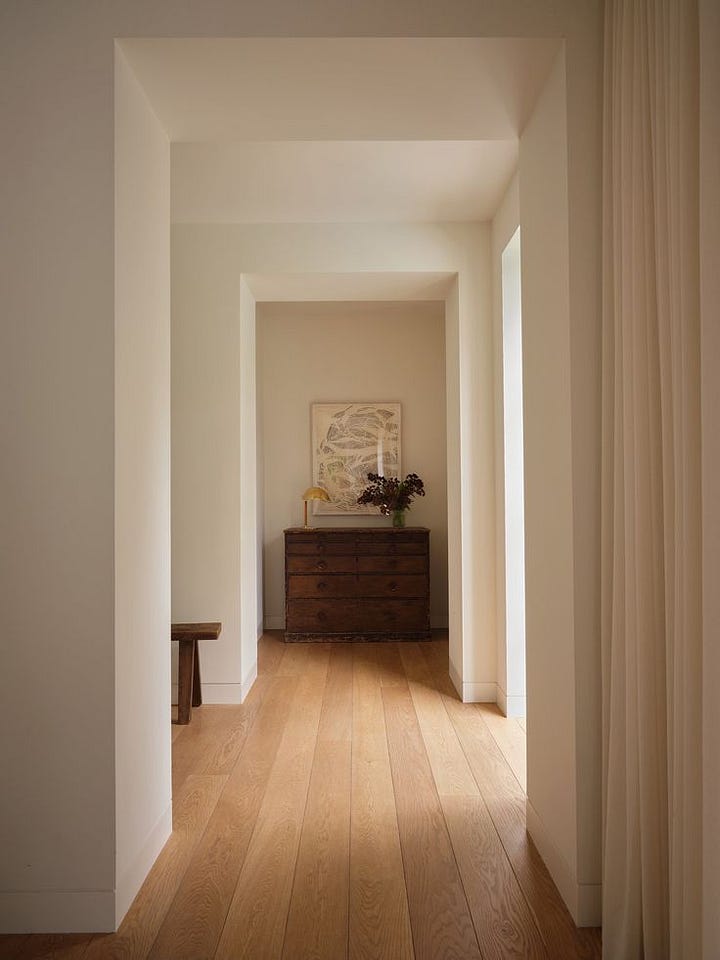
⚠️ PSA: Wallpaper is not the “budget” option.
We have to say it, because the internet makes it sound like a cheap weekend swap or DIY project but in most cases, wallpaper ends up more expensive than paint, sometimes significantly. Here’s why:
The material adds up fast. Good wallpaper is priced by the roll or yard, and a single bolt can run anywhere from $100 to several hundred (and hand-painted or bespoke papers climb into the thousands).
You pay for the pattern you don’t use. Every design has a repeat, so a chunk of each roll gets trimmed off to line up the pattern, meaning you order (and pay for) more than your actual wall square footage.
Installation is a skilled trade. Unlike paint, wallpaper almost always means hiring a professional installer, priced by the roll or the job and that labor often rivals or exceeds the paper itself.
Your walls need prep. Proper results usually require priming (and sometimes a liner), which is another line item before a single sheet goes up.
None of this is a reason not to do it but it is a reason to do it intentionally. Wallpaper is an investment that makes a room, and when you go in with eyes open (and budget for it properly), it’s worth every penny.
A quick history (and why it’s back):
Wallpaper has always been a marker of a considered home. For centuries it was how you brought art, pattern, and craft onto your walls, hand-blocked papers, scenic murals, silk damasks. Then the minimalist, greige, “Instagram bland” era pushed it out of fashion for a while. Everything went flat and white (or maybe people were just hesitant to express their love of it).
What we’re seeing now is the correction. There’s a renewed love for handcrafted, natural, tactile materials, and wallpaper delivers all three. It’s less about “an accent wall” and more about wrapping a room in something that feels intentional. That’s the shift: from wallpaper as a statement you’re nervous about, to wallpaper as a finish you reach for.
The Myth: Wallpaper = BOLD & BUSY. Plus, Curing Your Wallpaper Trauma
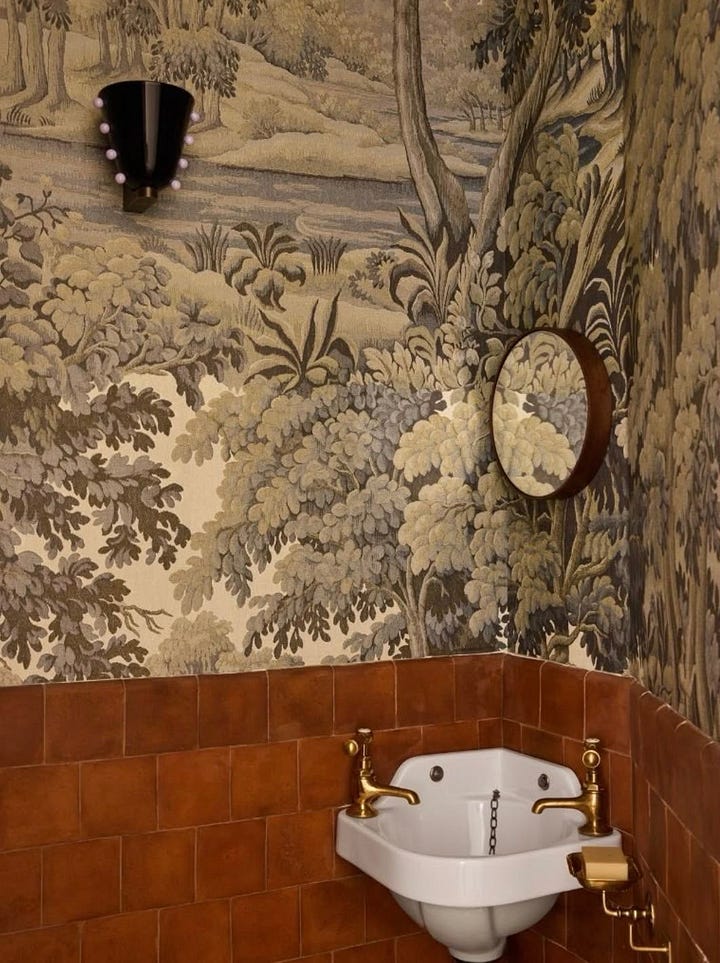
Here’s where most people get scared. They think wallpaper means committing to a loud, all-over print, which feels risky especially if it’s your first time. And listen, bold pattern IS fun. There’s a real place for a dramatic floral, a moody chinoiserie, or a graphic print, we love taking that kind of swing in a powder room, where the space is small, guests love a surprise, and a big statement turns a forgettable room into a little jewel box. Low square footage, high payoff, and you won’t tire of it the way you might in a room you sit in every day.
But bold pattern is only half of what wallpaper can do. And honestly, the half most people overlook is the more useful one.
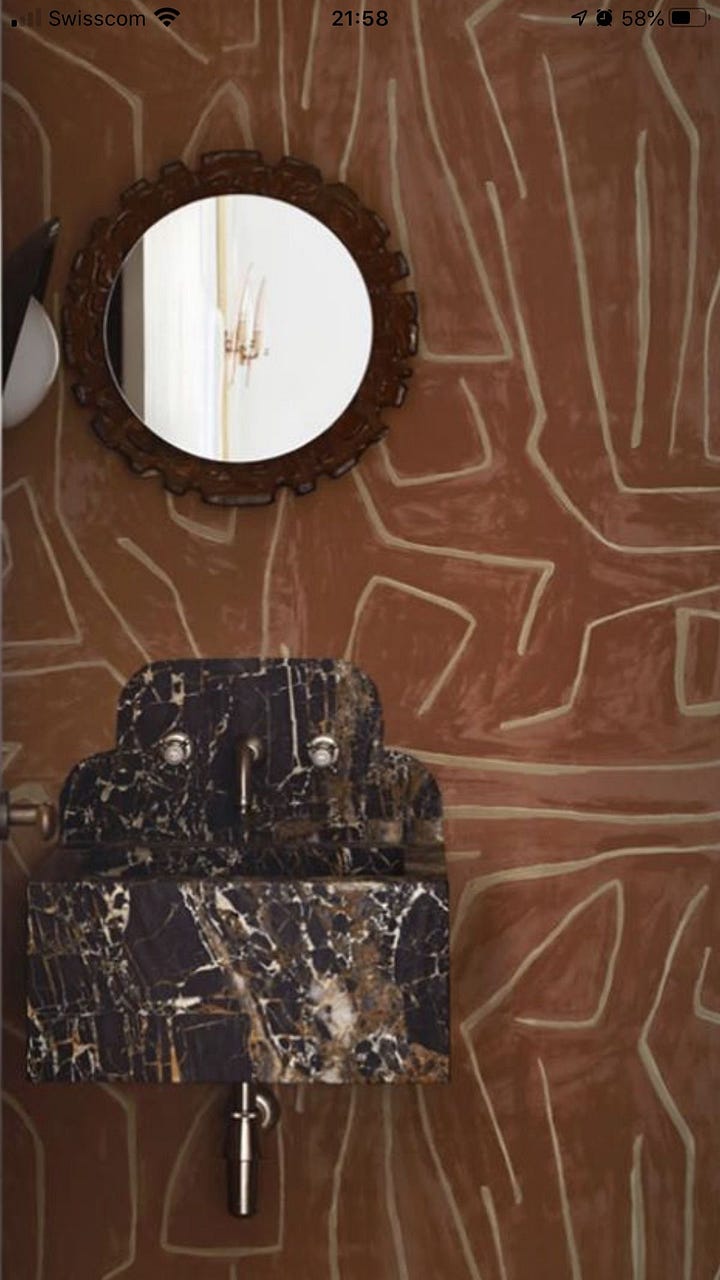
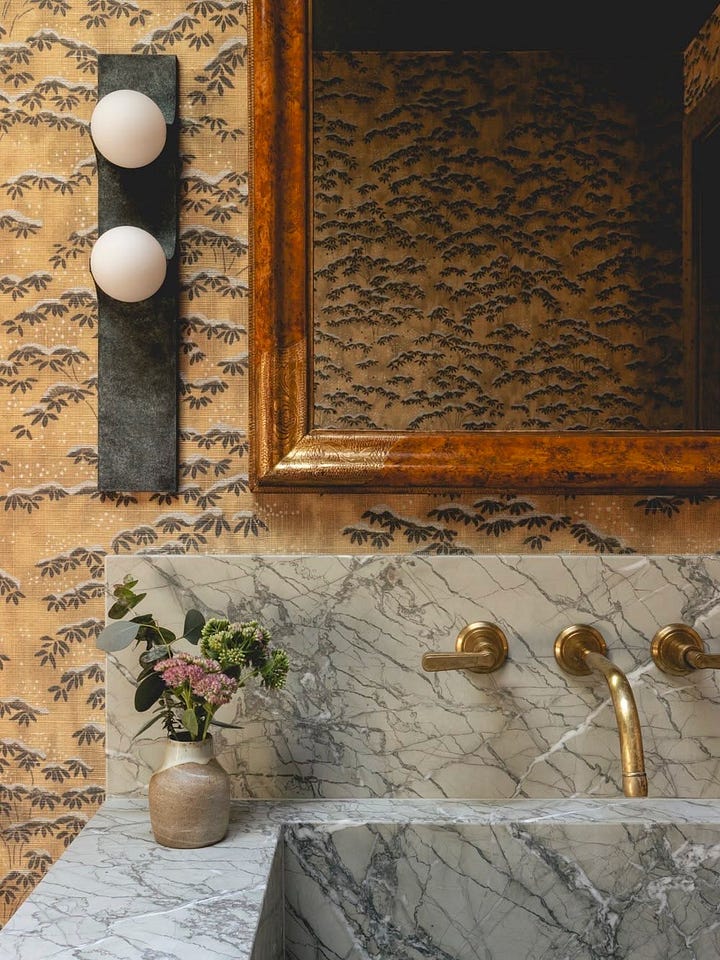
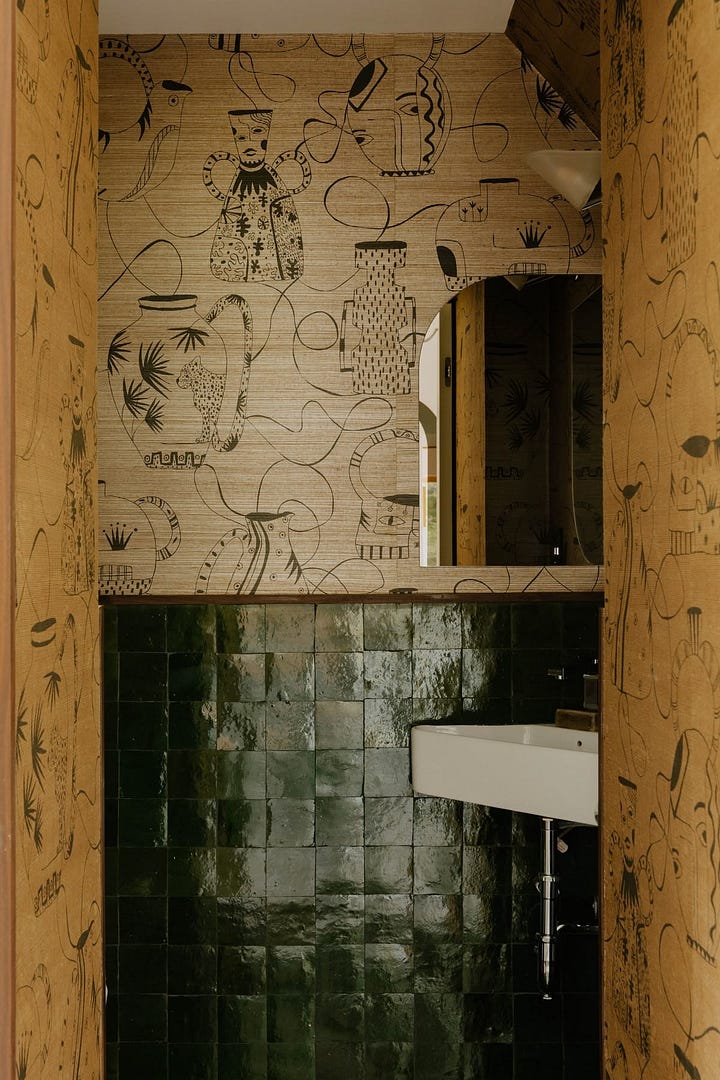
The Real Secret: TEXTURE.
Some of the most beautiful wallpapers we spec have no “pattern” at all. They’re about texture and materiality. This is where wallpaper quietly beats paint.
Sharing our go to brands & resources for all of your design lovers (or interior designers) below.
Grasscloth: woven natural fibers that add organic, tactile depth. It’s the timeless one; that natural texture never dates.
Vinyl: durable, wipeable, and now available in gorgeous embossed and textural finishes. The workhorse for high-traffic rooms and baths.
Leather, linen-weave, embossed, and metallic papers: richer, rarer-feeling materials that bring dimension a flat wall simply can’t.
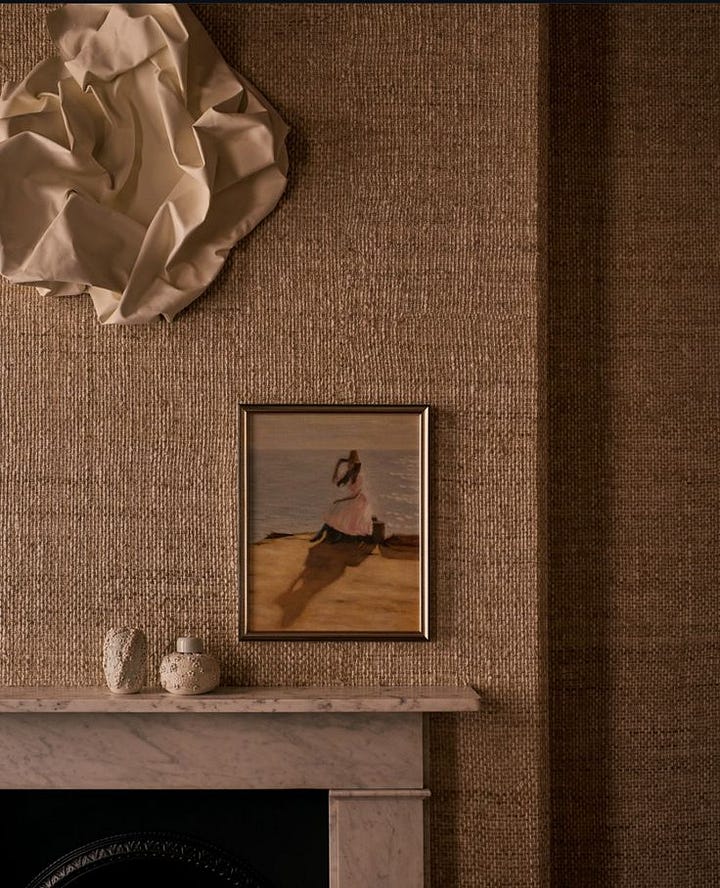
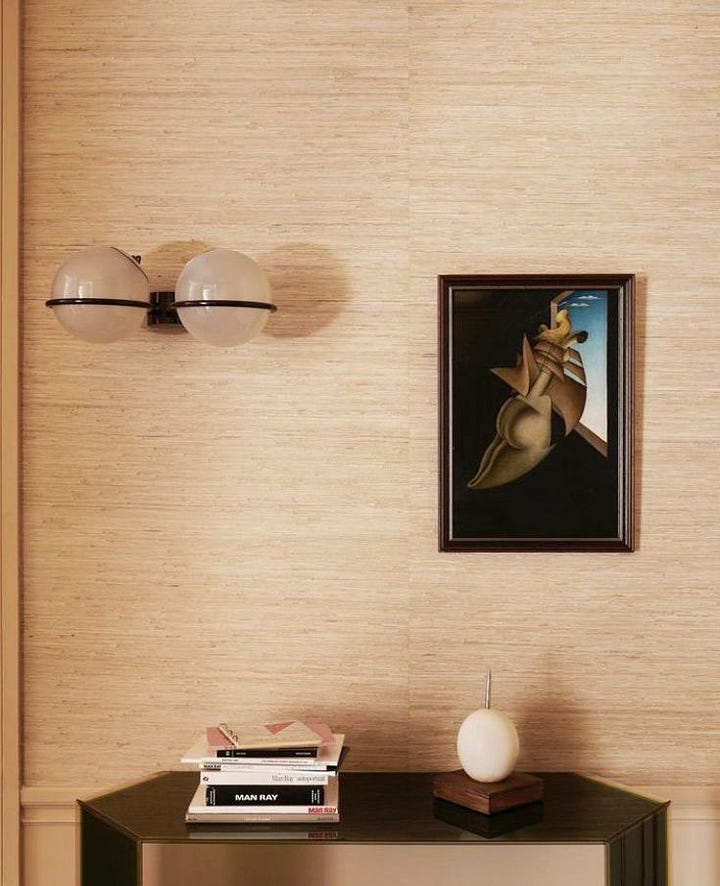
Creating timelessness through texture & tonality completely elevates a space.
This is the move for anyone “scared” of wallpaper: you get all the richness and warmth the thing that makes a room feel layered without a single bold print, and without the mess and upkeep of a specialty paint treatment or a limewash. Texture is the low-risk, high-reward entry point.
As we mentioned, it’s an INVESTMENT. So let’s get it right.
Real wallpaper (and a good installer) is not cheap, which is exactly why the details matter. A few things we always think through, and you should too:
Order it like fabric, not paint. Wallpaper is sold in bolts (double rolls), and every pattern has a repeat. The vertical distance before the design starts again. The bigger the repeat, the more you waste matching it, so a bolt’s usable square footage is always less than its total. Measure every wall separately, don’t deduct for doors and windows (you still need material to pattern-match around them), and always order 10–15% extra from the same batch/run number, because dye lots vary. Running out mid-project and having to reorder a different lot is the nightmare you’re avoiding.
ASK YOUR CONTRACTOR & WALLPAPER INSTALLER! Remember, as a designer you do not need to have all of the answers. Wallpaper lives at the intersection of a few trades. Your walls usually need to be primed (and sometimes lined) for a clean result and easy future removal. Coordinate that with your painter before the paper shows up, or in most cases as your contractor to. And confirm who’s measuring and ordering: a professional installer measuring against the repeat will save you money and heartbreak versus guessing.
Then the designer secret that ties it all together (which you’ve heard us talk about before): if you’re NOT wrapping the paper onto the ceiling, pull a color out of the wallpaper and carry it onto the ceiling, the baseboards, and the door casing. Suddenly the whole room reads custom and considered, like it was always meant to be.
Where to start if your new:
Don’t wallpaper your whole living room first. Start low-stakes: a powder room, a kids’ room, the wall behind your headboard, or the inside of a bookcase. Once you feel how much a little texture or pattern transforms a space, you’ll be looking for the next wall.
If you are wondering how you can style / use your next wallpaper, schedule a consultation with us through TALD, here.
Comments
Nothing yet. Say the first thing.
Sign in to join the conversation.