

I won’t fall for the guru talk that money is freedom. To me, freedom is something else entirely. One that can't even be found in this material reality of ours. More on that on another Off Topic.
But I'll agree that money leads to independence. A certain kind of independence.
And from what, exactly?
From the currents of the world we live in. From the government and the labour market, from having to sell your hours in order to afford food and shelter.
If you can make your money work for you, then you won't have to do it yourself.
I'm not saying more than the obvious here. In theory, everybody agrees on this.
Still, there's a trap we all are susceptible to falling into, and that is consumption.
I'll draw from my experience in Brazil, a developing country.
Brazil is a country with huge inequality. I've shown the data here, so I'm not going to be repetitive. And like in every country with big pay gaps, price tags and brand names have the power to ensnare the senses.
“That fancy restaurant meal costs my entire week's pay”.
“These jeans' price is my monthly salary.”
“This car could buy 3 houses like mine.”
With this, the market accomplishes a very important feat: it equates itself with success because of its successful clients. There's a hidden promise: buy my stuff and you'll be rich. If you buy my stuff, then you'll have reached success.
Moving on, like in every country with big pay gaps, the internet and the influencer market allowed hundreds of otherwise poor people to become millionaires.
Once these people have the means, they fully embrace the luxury lifestyle. There's an entire music genre in Brazil called “funk ostentação”, where the point of the songs is to praise the luxury goods of the poor people who made it.

But now, I can understand and respect this movement as one of affirmation: poor people can occupy the same spaces that rich people can, and this is a powerful message in a country with a huge pay gap.
However, what these self-made and newly rich people fail to understand is that they are setting a philosophy that their poor ex-peers are following (and risking their well-being): once I make more money, I'll start spending more.
I'm at risk of being completely anecdotal here, and it's fine, but I've seen this chain of events happen tons of times:
This hypothetical guy, Douglas, is born into a financially disadvantaged household. He gets enticed by the flashy market. He grows up and starts working. He starts making some money (it doesn't need to be much). Automatically, he'll try to get into debt to buy expensive things: an iPhone, a cool motorcycle, expensive clothing, etc.
And why does Douglas do that? It's not to look like an “old money” guy (I hate this expression, but bear with me). He doesn't care about the “traditional elite.”
He does that to look like the influencers he likes. They did the same, so he buys into the market promises.
The only thing is: the influencers make a killing, and he is barely halfway to making a living.
So Douglas will live his life like this: if he gets a raise, he'll find a way to spend it.
He doesn't see that the numbers in his account can stack and eventually retire him from this cycle of living from paycheck to paycheck, without any positive balance.
There's a guy in Brazil called Thiago Nigro. He created a YouTube channel called “Rich Cousin”. His goal: teach poor people how to become the rich cousins of the family.
His method: absurd claims like “work for free for great CEOs, learn from them and start your thing”.
In contrast, another guy, Eduardo Feldberg, created a channel called “Poor Cousing.” In his channel, he promotes genuine teaching about how to get out of debt, how to amortize mortgage payments, how to avoid the traps of consumption, etc.
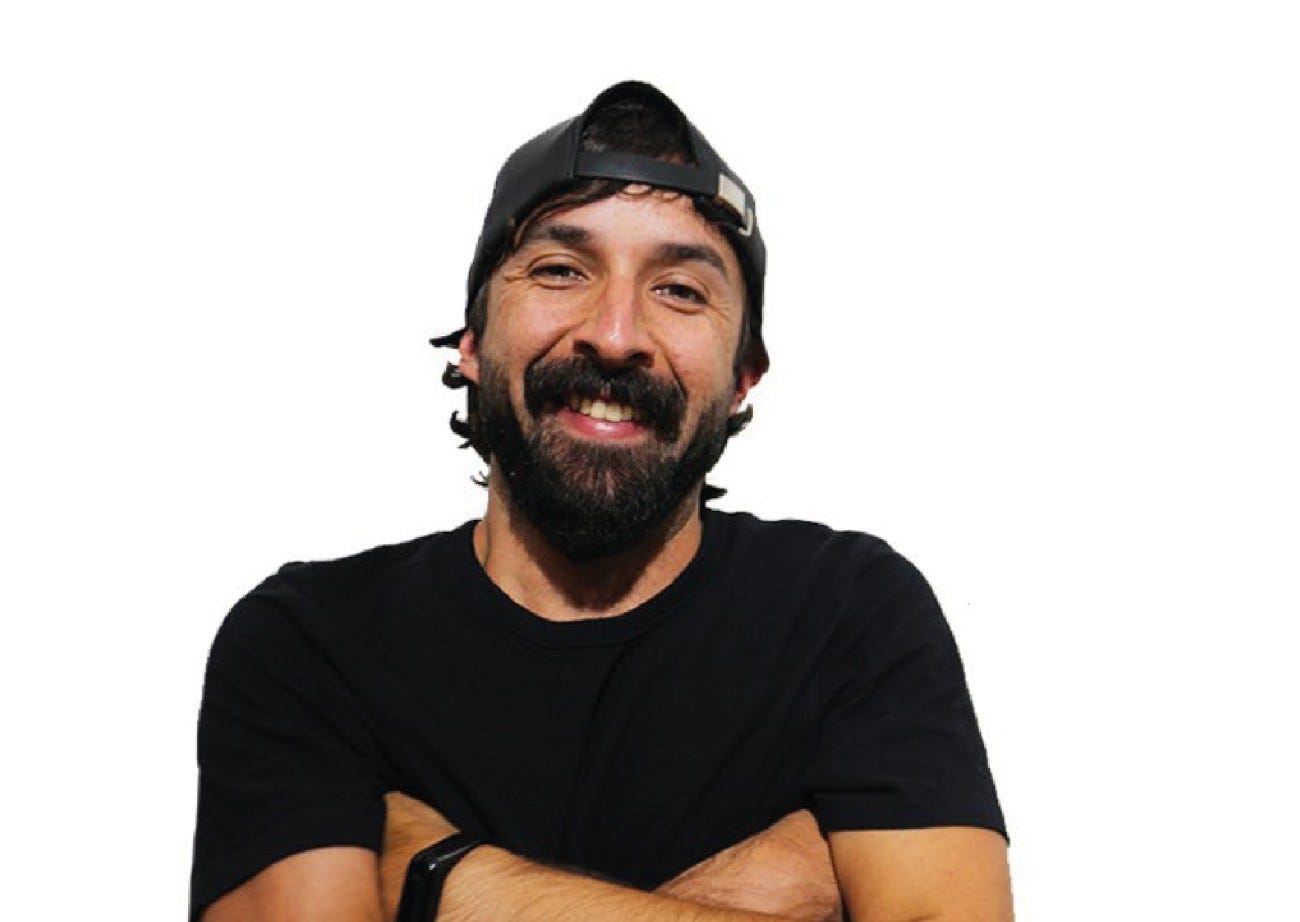
This is the kind of education that I believe in.
I think the influencers in Brazil are doing a poor job of helping their people. They side with sports betting and online casinos and sell the vision that this luxury lifestyle is equal to success.
Also, I don't think the market should dictate what financial success looks like. Buying is only one of the things you can do with your money. Still, our society equates what you buy with how financially successful you are.
I agree with Feldberg’s advice: if you were born poor, don't fall into the trap of consuming more once you start collecting paychecks.
Learn how to control your impulses, invest in yourself, and build a stable, comfortable, and independent environment for your family. Not a flashy one - one that will give you more trouble than wellness for it.
Comments
Nothing yet. Say the first thing.
Sign in to join the conversation.